Color Activities for Young Minds: 25 Fun Learning Ideas

 Discover a Free Education Video App for Kids
Pastory uses AI to personalize educational video content based on your child’s interests and personality. Safe, engaging, and built for curious young minds. Sign up now to stay updated and enjoy early access with a free trial

Color activities help toddlers, preschoolers, kindergartners, and other early learners build language skills, focus, fine motor skills, sorting skills, creativity, and early science skills through playful hands-on learning. Using textures, tools, and visual materials helps children explore abstract ideas in a concrete way. Intentional play with colors, shades, and matching tasks can support early classification skills, creativity, and aesthetic awareness.
Key Takeaways
- Holistic Development: Hands-on visual play helps build cognitive, language, and fine motor skills at the same time.
- Accessible Learning: Effective color-matching and sorting tasks can use simple, everyday household objects.
- Adaptable Activities: These ideas can be adjusted for different developmental stages, from infancy through early elementary school.
- Low-Mess Options: Simple strategies like sensory bags and shallow trays can reduce cleanup time while keeping children engaged.
Color Activities Build Early Learning Skills
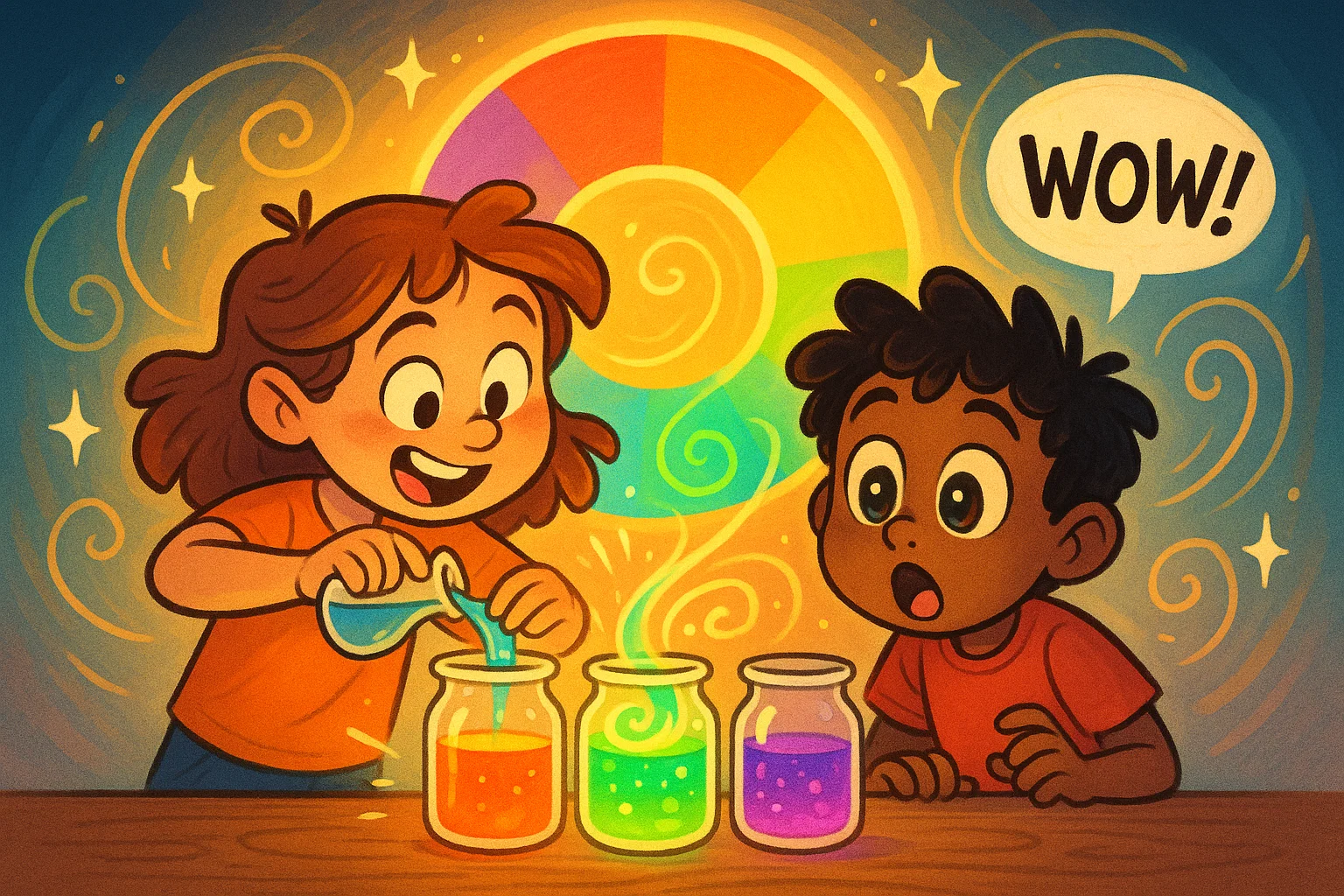
Simple games with colors and matching can help children build vocabulary, sorting skills, memory, and matching abilities. When children scan their environment for specific shades, they practice visual discrimination, a skill that supports early reading and math development. Targeted activities also strengthen hand-eye coordination and encourage open-ended creative thinking.
Best Activities Use Everyday Supplies
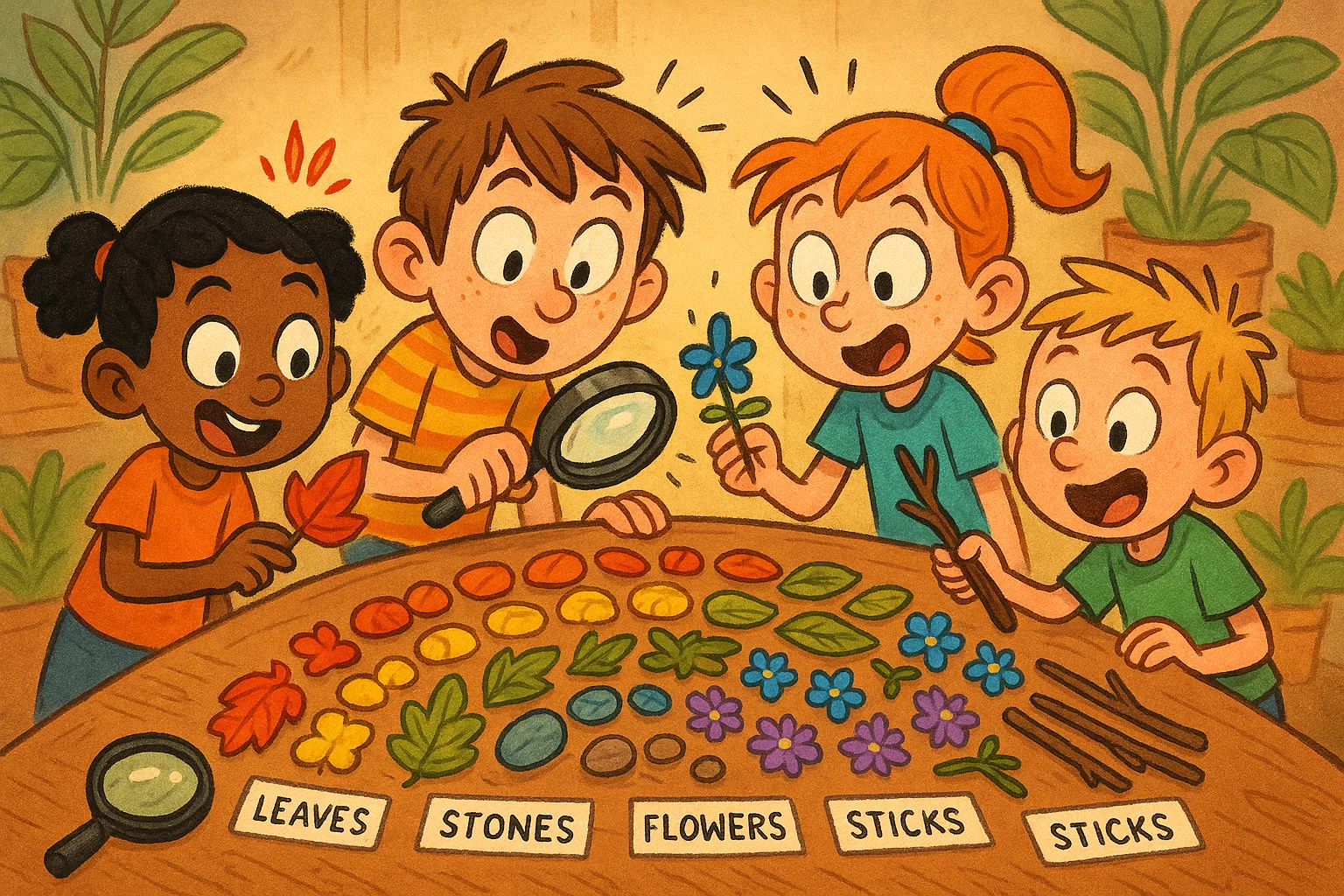
Parents and educators do not need expensive specialized kits to help children identify, sort, and classify objects effectively. Sensory and art activities can use household materials, including pom-poms, stickers, ice cubes, dry rice, washable paint, crayons, plastic cups, construction paper, and blocks. Repurposing familiar items makes learning more accessible and shows children that discovery can happen anywhere in their daily environment.
Color Play Works Across Ages
Babies, toddlers, preschoolers, kindergartners, and older children can all enjoy these activities when the tasks are matched to their developmental stage and fine motor abilities. Infants often benefit from high-contrast visuals, while toddlers usually enjoy simple sorting and containment activities. Preschoolers and older children can handle more complex mixing experiments, pattern creation, and multi-step art challenges.
Mixing, Sorting, Matching, and Creating Are Key
The most effective activities usually fall into a few practical categories. These include color-sorting games, simple color-mixing experiments, guided coloring activities, tactile sensory bins, open-ended art projects, and active movement games. Rotating through these formats helps children stay engaged and experience these concepts in different ways.
Color Activity Benefits for Young Minds
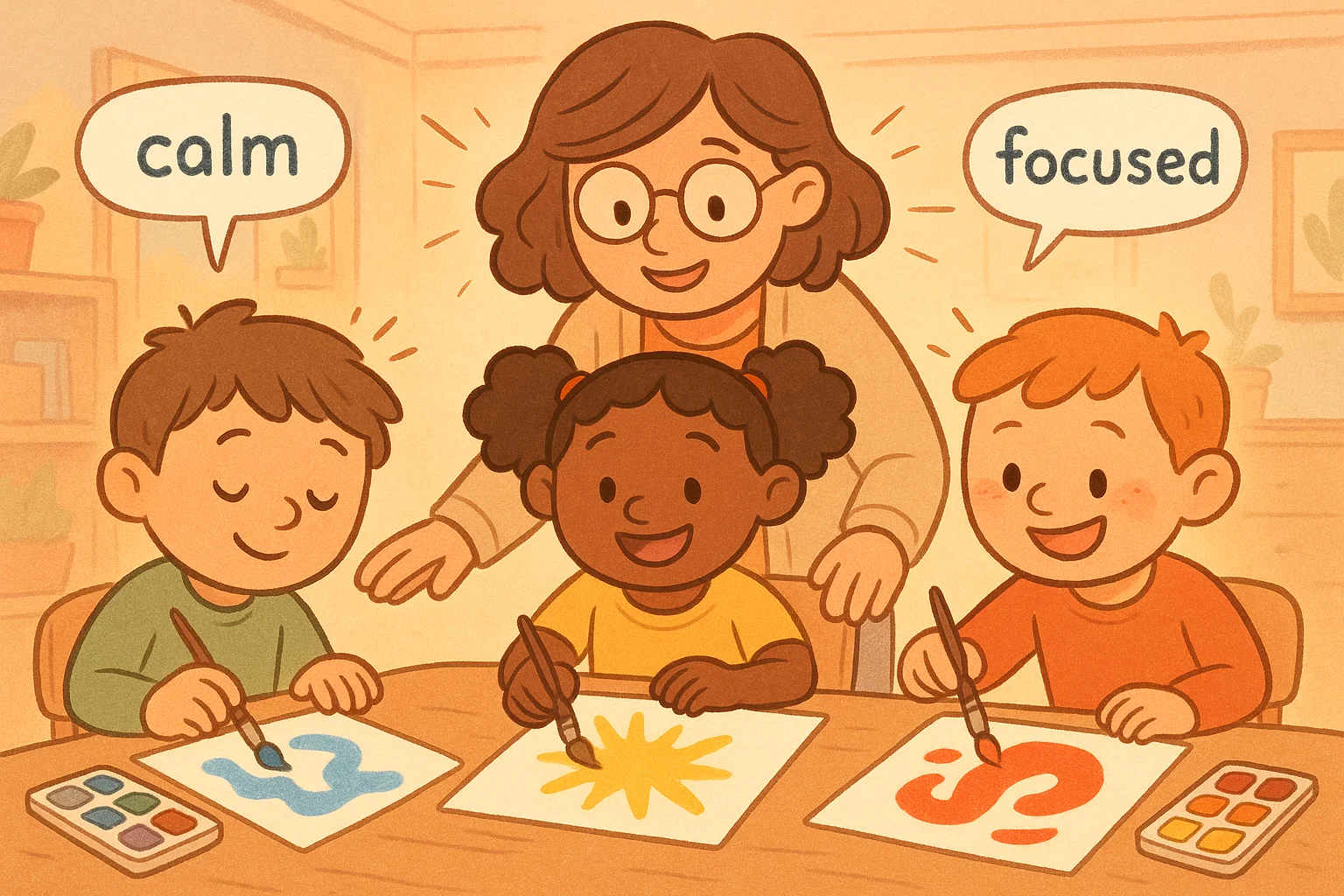
Understanding how visual play supports development can help parents and educators design more effective learning activities. Engaging a child’s visual and tactile senses at the same time can make new concepts easier to understand and remember.
Visual Attention Skills
Finding, matching, and sorting objects by color encourages children to notice details and compare objects. Visual tracking, attention to detail, and visual discrimination can support later work with letters, numbers, and patterns. When children notice differences between similar tones or clearly different objects, they practice attention skills they will use in later learning.
Language Growth Through Color Words
Repeating color words such as red, blue, green, bright, dark, same, different, lighter, and darker helps build expressive vocabulary in real-world context. Instead of learning these words from flashcards alone, children often understand them more easily when the words are connected to real objects they can touch and see. When a parent says, “You’re holding the bright yellow banana,” the child hears the color word connected to a familiar object.
Fine Motor Skill Practice
Manipulating small, age-appropriate objects during these activities helps strengthen the hand muscles used for fine motor skills. Tasks that ask children to peel stickers, squeeze droppers, transfer pom-poms, grasp crayons, or pinch clothespins help prepare little hands for writing. Building finger strength and dexterity can make pencil use easier when children begin writing more often.
Hand-Eye Coordination Boost
Matching stickers to cardboard tubes, dropping small objects into cups, and painting within boundaries all support controlled movement. This coordination between what children see and what their hands do helps build hand-eye coordination. Over time, precise tracking activities can help preschoolers develop spatial awareness, which supports daily self-care tasks like buttoning shirts or pouring water.
Creativity and Self-Expression
Open-ended art play gives children freedom to make choices, mix shades, invent designs, and create their own artwork. Access to art materials can support self-expression and confidence as children see the visual results of their choices. Artistic expression also allows young children to communicate thoughts, feelings, and stories before they have the words to express them fully.
Focus and Calm Play
Slow, simple tasks such as quiet coloring, sensory bins, water play, or painting can help children settle and focus. These low-stimulation, repetitive tasks can help overstimulated children calm down and refocus. Adding a short period of sensory or visual play after a high-energy transition may help preschoolers settle before the next activity.
Early Math and Sorting Skills
Color-sorting activities connect to early math concepts such as grouping, counting, comparing, patterning, and simple graphing. When children group items by attribute, they practice early classification skills that support later mathematical thinking. Learning what comes next in a repeating red-blue-red-blue pattern builds early sequencing skills.
Sensory Exploration Benefits
Dyed rice, ice cubes, tinted water, finger paint, and textured materials give children safe, multi-sensory ways to practice naming and matching. Sensory-rich activities allow children to explore information through touch, sight, and sometimes sound, which can make the experience more memorable. Sensory play also encourages scientific inquiry as children observe how textures, liquids, and materials change when they interact.
Color Psychology for Kids
Visual choices in play spaces can influence a child’s mood, attention, and emotional state. Balancing stimulating shades with soothing tones creates a more flexible environment for both active learning and rest.
Warm Tones for Energy
Shades such as red, orange, and yellow can feel active, bright, and exciting to a developing child. These energetic tones work well for movement games, creative art projects, and spaces dedicated to collaborative play. However, because warm tones can feel stimulating, it is best to use them selectively in spaces meant for calm or focused play.
Cool Tones for Calm
Shades like blue, green, and purple often feel softer and calmer, especially in quiet play areas. Using cool tones in coloring areas, sensory bottles, and rest-time activities can help create a more relaxed atmosphere. Incorporating green and blue elements into a classroom design may help create a calmer-feeling environment for independent tasks.
Bright Materials for Attention
High-contrast, high-saturation materials help infants and young children notice distinct shapes, toys, learning cards, and educational materials more easily. Because a young child’s visual system is still developing, bright items stand out against neutral backgrounds and can draw attention to the learning material. Bright labels can also help children navigate their environment and locate specific toys during cleanup.
Soft Shades for Quiet Spaces
Pastels and muted tones are ideal for reading corners, calm-down bins, nap areas, or low-energy creative spaces. These shades reduce visual noise, allowing a child’s mind to rest and recover from the fast-paced demands of social play. Creating a visually quiet space with soft textiles and neutral walls can support emotional self-regulation when a toddler becomes overwhelmed.
Color Choice and Child Preference
Letting children choose their own shades supports autonomy, creativity, and self-expression. When a child insists on painting a sky purple or a tree red, they are experimenting with self-expression rather than making a factual mistake. Validating their choices builds confidence and keeps the learning process personal and motivating.
Supplies for Color Activities
A small, organized set of art and sensory materials makes color activities easier to set up.
Basic Art Supplies
A versatile early learning art kit should include washable markers, jumbo crayons, non-toxic washable paint, sturdy paintbrushes, glue sticks, colored pencils, vibrant construction paper, and dot markers. Dot markers work well for little hands that are still developing a pencil grasp. Keeping these basic supplies easily accessible encourages spontaneous, child-led creative sessions.
Sensory Bin Materials
To build engaging sensory bins, collect bulk items such as dry white rice or pasta, pom-poms, scoops, plastic bowls, sorting trays, toy animals, and large blocks. Using larger loose parts can reduce choking risk, but adult supervision is still necessary. These materials can be stored in clear, latching plastic bins and reused across many learning themes.
Fine Motor Tools
Add tools that build finger strength and coordination, such as child-safe tweezers, plastic tongs, droppers, wooden clothespins, colorful stickers, painter’s tape, and kitchen sponges. Squeezing a dropper or pinching a clothespin exercises the muscle groups children later use for scissor skills, pencil control, and other fine motor tasks.
Safe Paint and Dye Choices
Select water-based, non-toxic paints and food-grade dyes to reduce risk during early childhood play. Because young children often explore materials with their mouths, taste-safe, age-appropriate ingredients are the best choice for toddler activities.
Safety Note: Direct adult supervision is required for all activities involving small parts, water, dye, pom-poms, beads, or droppers to reduce the risk of ingestion, spills, or choking.
Printable Color Resources
Use pre-made printable resources to add immediate structure to your lessons without requiring extensive drawing skills. Useful items include color-matching mats, basic sorting sheets, simple color-by-number pages, printed pattern cards, and scavenger hunt checklists. Laminating these sheets allows children to use them repeatedly with dry-erase markers.
Cleanup Setup
Minimize mess and stress by preparing a dedicated cleanup station before the activity begins. Use shallow plastic trays to contain loose items, keep old towels or wet wipes within arm’s reach, dress children in protective smocks, and cover surfaces with plastic tablecloths. If a project involves heavy paint or dyed water, shifting the setup outdoors makes cleanup faster and easier.
How to Teach Colors to Toddlers and Preschoolers
Teaching colors works best when color words are used naturally throughout a child’s day rather than taught only through flashcards or quizzes.
Start with Everyday Color Naming
Point out shades naturally throughout the day during routine activities like meals, getting dressed, toy cleanup, outdoor walks, bath time, and reading stories. Instead of setting aside a formal “testing time,” speak about the items your child is already looking at. Saying, “Let’s put on your blue shoes” or “Look at that green leaf” helps children connect color words with real objects.
Teach One Color at a Time
Focus on one color for several days before adding a second one to compare it with, especially when working with younger toddlers. Introducing too many names at once can confuse young children and make the activity feel frustrating. Mastery of a single concept, such as finding everything red in a room, gives the child a clear baseline before they try to differentiate multiple colors.
Use Sorting Before Quizzing
Children often understand words and concepts before they can say the words aloud. Allow children to sort red blocks into a red basket or blue cups into a blue pile before asking direct quiz questions like “What color is this?” Successful physical grouping can show that children understand the visual difference before they are ready to name it aloud.
Repeat Color Words in Context
When speaking with young children, place the color word immediately before the noun and repeat it often so they hear the language modeled clearly. Use simple phrases like “blue cup,” “red car,” “yellow banana,” and “green block” to provide clear, repetitive examples. This consistent structure helps children notice that the word describes the object.
Add Movement and Songs
Incorporate gross motor movement and catchy rhythms to keep active learners engaged. Design simple hunts where children run to touch a specific shade, create silly dance games based on bright floor mats, or sing familiar rhyming songs. Combining movement with naming can make the activity more memorable, especially for energetic preschoolers.
Celebrate Attempts, Not Perfection
Offer enthusiastic, positive feedback for a child’s effort and curiosity rather than focusing only on correct answers. If a child points to a green ball and calls it blue, respond gently by saying, “You found a round ball! This ball is green, just like the grass.” This supportive approach maintains the child’s confidence, keeps learning fun, and prevents the anxiety that can cause children to disengage from educational games.
Teaching Colors by Age Group
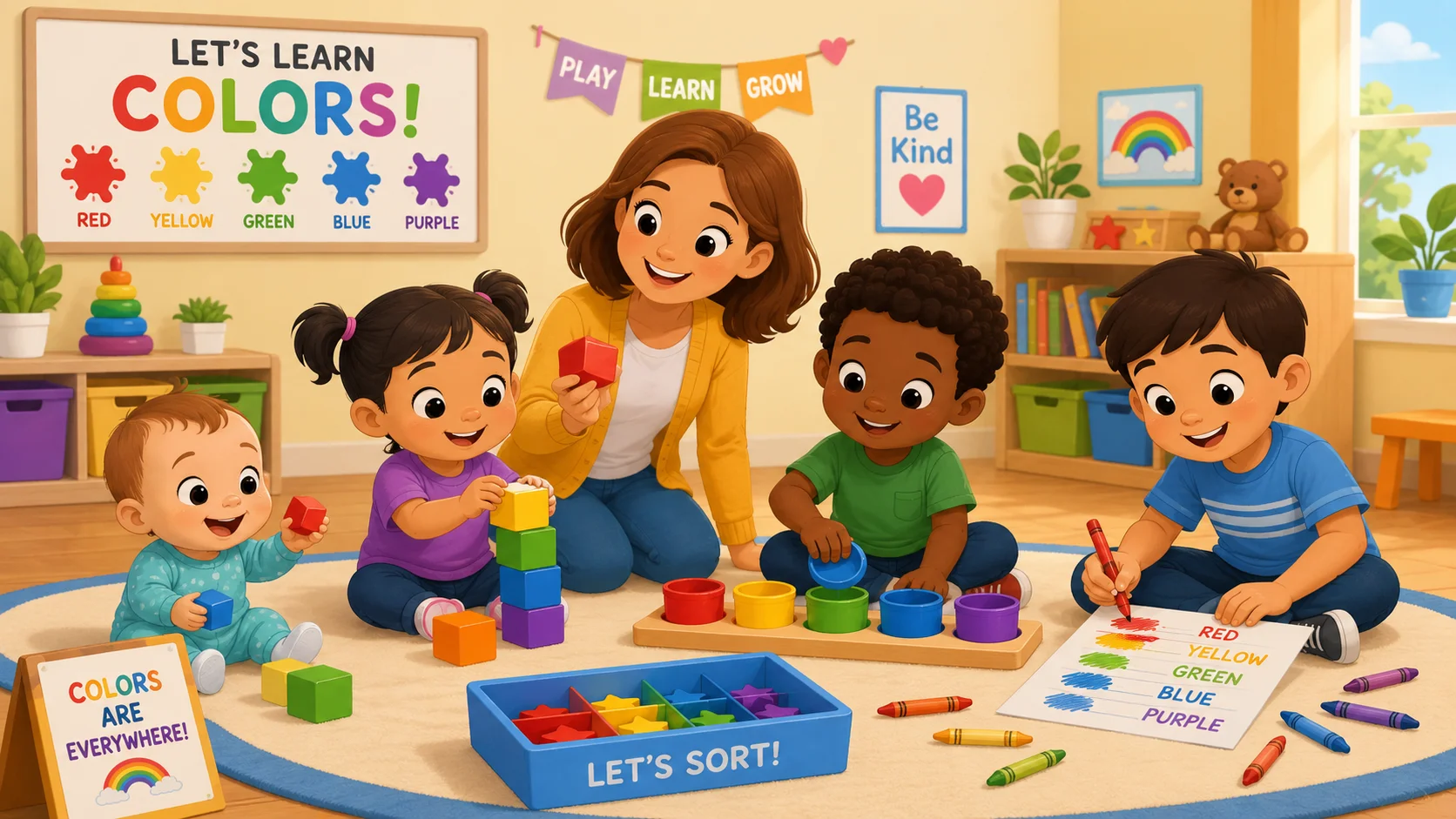
As children grow, their visual systems mature and their cognitive abilities expand. Choosing age-appropriate activities helps children stay challenged without becoming overwhelmed.
Baby Color Play Ideas
Newborns often respond best to high-contrast patterns, and many babies become better at seeing shades by around 4 months. Provide babies with bold board books, soft colorful blocks, patterned fabric scraps, and secure sensory bottles filled with water and glitter. Placing high-contrast toys within a baby’s line of sight during supervised tummy time can encourage visual attention and tracking.
Toddler Color Activities
Toddlers between the ages of one and three thrive on physical manipulation, simple containment, and gross motor exploration. Introduce basic activities like placing large pom-poms into matching bowls, peeling large stickers to stick on paper, and hunting for bright balls during bath time. Keep choices limited to two or three high-contrast options at a time to keep the sorting process successful and satisfying for little hands.
Preschool Color Activities
Many preschoolers aged three to five are ready for more complex, multi-step projects that use fine motor control and simple reasoning. Introduce early science experiments, hands-on mixing with droppers, multi-hued sensory bins, pattern creation, and open-ended art prompts. Many children at this stage enjoy using child-safe scissors, sorting mats, and cooperative board games that rely on recognition and matching.
Kindergarten Color Activities
Kindergartners can begin connecting spoken names with written words and early literacy concepts. Introduce challenges like tracking written color words, graphing class preferences, completing detailed color-by-number worksheets, making mixing predictions, and filling out simple observation sheets. Connecting sorting to early math and writing sets up children for success in primary school.
Older Grade Color Challenges
Children in first grade and above can tackle complex design problems, mathematical coloring challenges, and introductory art theory. Engage older kids with multiplication-based pages, advanced symmetrical art, basic color theory lessons, and structured engineering or science challenges. These activities combine critical thinking, mathematical calculation, and artistic expression into one cohesive lesson.
Preschool vs. Kindergarten Learning
While both age groups engage deeply with colors, their educational focus shifts as they meet different milestone expectations.
| Learning Element | Preschool Focus | Kindergarten Focus |
| Primary Goal | Naming, physical sorting, and matching objects | Reading color words and applying colors to data charts |
| Motor Skill Type | Gross motor exploration and basic finger pinches | Precise pencil control and more complex scissor work |
| Cognitive Approach | Tactile, sensory-rich, and experiential play | Logical reasoning, prediction, and simple scientific recording |
25 Color Activities for Young Minds
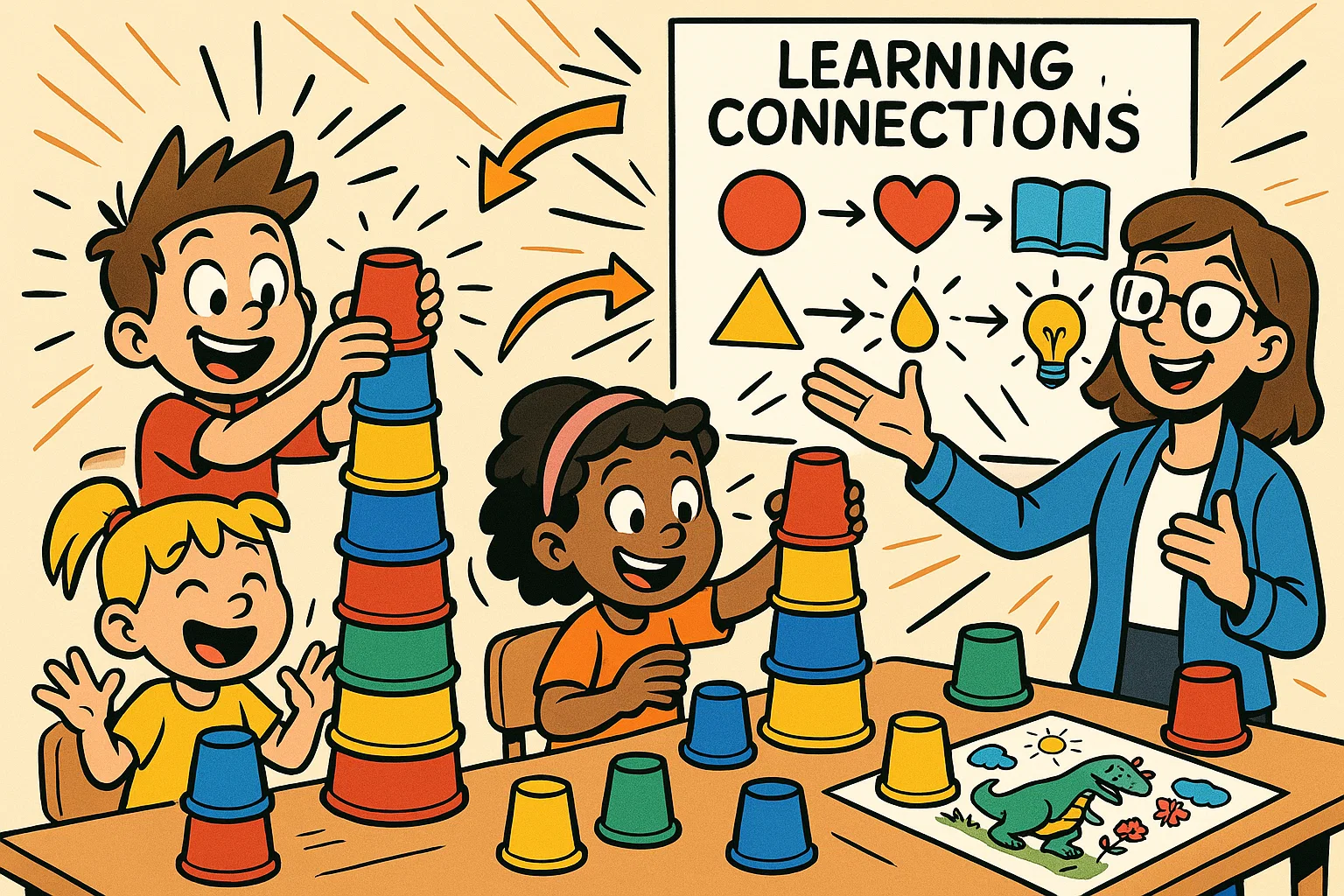
This collection of 25 hands-on color activities includes simple instructions, supply ideas, and learning goals for home or classroom use.
1. Hidden Colors
Hide several brightly colored plastic objects in a bin filled with dry white rice, shredded paper, or paper strips. Invite children to search through the filler material using their hands or large scoops to locate the hidden treasures. As children find each item, ask them to say its shade and place it in a matching container. This activity enhances visual scanning, tactile processing, and naming skills.
2. Pom-Pom Color Sort
Provide children with a large bowl of multicolored fuzzy pom-poms, several empty plastic cups labeled with colored paper, and a pair of child-safe tongs or tweezers. Ask the child to pick up one pom-pom at a time using the tools and drop it into the cup with the matching color label. Using the tongs strengthens the fingers children use for a pencil grasp, while the sorting aspect refines visual discrimination skills. For an easier variation, allow younger toddlers to use their fingers instead of tongs.
3. Color Bath
Transform standard bath time into an educational game by adding bright plastic cups, floating foam shapes, bath toys, and a small amount of child-safe washable bath paint. Children can scoop water into matching cups, stick wet foam shapes to the tile by color, and mix bath paint on the tub surface. This high-interest setup keeps toddlers engaged while connecting visual recognition to a familiar daily routine.
4. Fine Motor Color Mixing
Fill several small plastic cups with clear water and add a few drops of primary food coloring or washable liquid watercolor to create red, blue, and yellow liquids. Give children empty ice cube trays, small bowls, and plastic medicine droppers or jumbo pipettes. Show them how to draw liquid into the dropper and squeeze it into the tray compartments to mix new shades. This activity builds fine motor skills while introducing basic color theory.
5. Color Sorting Cube
Take a clean, square cardboard box and wrap each face in a different sheet of vibrant construction paper, then cut a small circular hole through the center of each side. Provide the child with plastic links, blocks, or counting chips that match the box faces. The child rolls the cube, identifies the shade facing up, and pushes matching objects through the corresponding hole. This activity pairs gross motor rolling with targeted hand-eye coordination.
6. Exploring Tinted Ice Cubes
Freeze water tinted with food dye in standard ice cube trays to create a collection of vibrant ice blocks. Place the cubes into a large, shallow plastic tray and invite children to handle them, sort them by color, and observe what happens as they begin to melt together. Watching red and blue ice cubes melt into purple water gives children a simple lesson in melting and mixing.
7. Sticker Tube Match
Collect several empty cardboard paper towel rolls or toilet paper tubes, wrap each roll in a different sheet of construction paper, and stand them upright on a table. Give your child a sheet of small, circular office stickers that match the paper rolls. Ask the child to carefully peel the stickers from the sheet and press them onto the matching cardboard tube. This clean activity keeps little hands focused while refining precision finger grip.
8. Science Experiment: Walking Water
Set up five clear plastic cups on a waterproof tray, filling the first, third, and fifth cups with red, yellow, and blue dyed water. Place empty cups in the second and fourth positions, then connect the cups using folded strips of absorbent white paper towels. Children will watch the tinted water move up the paper towels through capillary action and drip into the empty cups, creating orange and green mixtures.
9. Colored Rice Sensory Bin
Prepare a reusable sensory bin material by tossing five cups of uncooked white rice with one tablespoon of white vinegar and several drops of liquid food dye, then letting it dry completely on baking sheets. Pour the vibrant rice into a wide plastic bin alongside scoops, funnels, small cups, and hidden plastic toys. Children can explore by pouring, scooping, sorting, and sifting through the grains.
10. Paint-Dyed Water
Mix a few squirts of water-based washable tempera paint into large clear pitchers of water to create opaque, bright liquids for outdoor play. Set these pitchers on an outdoor water table alongside large plastic measuring cups, ladles, sponges, and clear plastic bottles. Children can pour liquids back and forth, transfer dyed water with sponges, and mix paint shades outdoors without worrying about indoor messes.
11. Indoor Mixing Bag
Create a low-mess indoor mixing station by squirting two primary paint shades side by side inside a heavy-duty zip-top freezer bag. Seal the top edge of the bag with strong duct tape and tape the entire bag flat onto a tabletop or sunny window. Children can use their fingertips to press, smooth, and smear the paint together from the outside, watching a new color emerge without touching the paint directly.
12. Sticker Sorting
Draw four large, distinct circles onto a single sheet of plain white poster board using red, blue, green, and yellow markers. Give children a varied assortment of stickers featuring different animals, shapes, and sizes. Ask the child to place each sticker inside the circle that matches its main shade. This simple task teaches children to look past shape or size differences and focus on visual attributes.
13. Color by Multiplication
Create or print a custom color-by-code worksheet for older early elementary students, with each section containing a basic multiplication fact instead of a simple number. The student solves the multiplication fact, such as 3*4 = 12, and checks the key to see that 12 corresponds to green. This bridges core math practice with creative, relaxing coloring time.
14. Color with Friends and Family
Tape a large sheet of butcher paper to a hallway floor or backyard fence and invite children or family members to draw together. Supply the group with a shared basket containing crayons, markers, and colored pencils, encouraging them to design a collaborative neighborhood mural. This shared art activity encourages turn-taking, conversation, and collaborative creativity.
15. Color Countdown
Make a paper-chain countdown for an upcoming family event, holiday, or school milestone, using a repeating sequence of paper shades. Each day, have your child identify the shade of the bottom link, say its name, and cut or tear off that link to count down the remaining days. This simple routine connects sequencing to early time-tracking and calendar concepts.
16. Color to Create
Provide children with a blank drawing pad along with an intentionally restricted palette of just two or three crayons or markers. Prompt them with an open-ended imaginative challenge such as, “What kind of imaginary animal or alien planet can you create using only blue and orange?” Limiting their available choices encourages children to think creatively, experiment with shading, and solve simple design problems.
17. Color and Learn
Add color recognition to other learning themes by drawing bright shapes that contain letters, numbers, or animal pictures. For instance, ask a child to “Find the uppercase letter A that is hiding inside the red apple shape” or “Count how many blue fish are swimming in the ocean drawing.” This helps children notice two features at once, such as color and shape or color and number.
18. Color Patterning Practice
Use plastic counting blocks, wooden beads, or bright plastic links to introduce basic repeating patterns to preschoolers. Start by building a simple alternating AB pattern, such as red block, blue block, red block, blue block, and ask the child to identify what should come next. As their skills grow, introduce ABC or AAB patterns to build sequencing skills.
19. Paint Your Own Wooden Shape
Purchase inexpensive, plain wooden cutout shapes from a local craft store, choosing simple silhouettes like stars, animals, hearts, or cars. Provide non-toxic acrylic or tempera paints, a cup of water, and small paintbrushes so children can decorate their chosen wooden shape. Painting a three-dimensional wooden object uses different fine motor and spatial skills than coloring on flat paper.
20. Magnetic Art Kit
Use a magnetic baking sheet with bright magnetic tiles or plastic-coated magnetic buttons. Children can freely arrange, slide, match, and stack the pieces on the metallic surface to create mosaic patterns, houses, or abstract groupings. The satisfying click of the magnets provides tactile feedback that can help children stay engaged.
21. Finger Painting Activity
Spread a large sheet of glossy, thick finger-painting paper across a table surface and place small dollops of red, yellow, and blue finger paint in the center. Encourage children to use their hands, palms, and fingertips to smooth the paint across the page, exploring the slippery texture while naturally blending the primary shades. This hands-on sensory experience encourages free-form artistic expression and exploration of texture.
22. Carnival Coloring Book With Crayons
Give children a themed coloring book with carnival, circus, or cityscape illustrations and a pack of crayons. Encourage the child to practice fine motor control by making deliberate choices and trying to stay within the printed outlines. Discuss the scenes together as they work to build storytelling skills and contextual vocabulary.
23. Non-Toxic Finger Paint Play
Create a taste-safe sensory art session with homemade finger paint made from cornstarch, warm water, and food dye. This taste-safe option works well for younger toddlers who still tend to put messy fingers in their mouths.
Parent Tip: Set up this activity inside a dry, empty plastic bathtub for easy cleanup once the finger-painting session is over.
24. Free Preschool Color Activity
Create a reusable, low-cost matching mat by gluing six construction paper squares onto a sturdy piece of recycled cardboard. Gather household objects that match those colors, such as a green sock, a yellow plastic spoon, a red toy car, and a blue block. Invite your child to complete a quick daily sorting challenge by placing each household object onto its corresponding paper square.
25. Simple Color Mixing Station
Set up a dedicated lab on a low table using a stable plastic test-tube rack, clear plastic cups, water, red, yellow, and blue food dye, mixing spoons, and an observation chart. Children can combine small amounts of tinted water and use crayons to record their results on a simple observation sheet. This structured format introduces preschoolers to basic scientific habits, such as making predictions, observing changes, and recording results.
Frequently Asked Questions
How Do Children Learn Colors Best?
Children learn colors best through repetition, real objects, and hands-on activities. Instead of relying only on flashcards, name shades during everyday routines, such as getting dressed, eating snacks, cleaning up toys, or reading picture books. This makes learning about colors feel natural and helps children connect words with things they can see, touch, and use.
What Are the Best Color Activities for Preschoolers?
The best color activities for preschoolers are simple, sensory-rich, and easy to repeat. Good options include pom-pom sorting, sticker matching, painted ice play, play dough mats, colored water experiments, and scavenger hunts around the room. These activities help kids practice recognizing colors, sorting objects, strengthening fine motor skills, and building early vocabulary.
How Can I Teach Colors to Preschoolers Without Making It Feel Like a Lesson?
To teach colors to preschoolers naturally, use short phrases during play: “blue cup,” “red block,” “yellow banana,” or “green leaf.” Then invite children to find, match, or sort similar items. A simple color sorting activity with blocks, socks, cups, or toys can make learning colors feel like a game instead of a quiz.
Why Is Color Matching Important in Early Childhood Education?
Color matching supports visual discrimination, memory, attention, and early classification skills. When children match a red sticker to a red circle or place a blue toy in a blue basket, they are practicing comparison and problem-solving. These small activities and games support skills in preschoolers that later connect to math, reading readiness, and logical thinking.
What Supplies Do I Need for Color Exploration at Home?
You can support color exploration with basic household and craft supplies. Useful materials include construction paper, crayons, washable paint, pom-poms, stickers, plastic cups, sensory rice, play dough, and food dye for colored water. A free printable color matching mat or simple printables can also add structure when you want a quick, low-prep activity.
Are Color Activities Good for Preschool and Kindergarten?
Yes, color activities work well for preschool and kindergarten, but the difficulty should match the child’s stage. Preschoolers usually benefit from sorting, naming, matching, and sensory play. Kindergartners can begin reading color words, making predictions during mixing experiments, completing graphing tasks, and recording simple observations.
Take a short quiz to find out what your everyday choices say about your parenting style
When your child is curious about something new, what’s your instinct?
Take a short quiz to find out what your everyday choices say about your parenting style
“Can I download this app?” What happens next?
Take a short quiz to find out what your everyday choices say about your parenting style
When it comes to rules at home, which sounds most like you?
Take a short quiz to find out what your everyday choices say about your parenting style
If you could give your child one life skill today, what would you pick?
Take a short quiz to find out what your everyday choices say about your parenting style
Your child gets to choose what to watch. What would your ideal setup look like?
Take a short quiz to find out what your everyday choices say about your parenting style
Pick your parenting superpower ✨