
11 Best Color Games and Activities for Preschool

 Discover a Free Education Video App for Kids
Pastory uses AI to personalize educational video content based on your child’s interests and personality. Safe, engaging, and built for curious young minds. Sign up now to stay updated and enjoy early access with a free trial
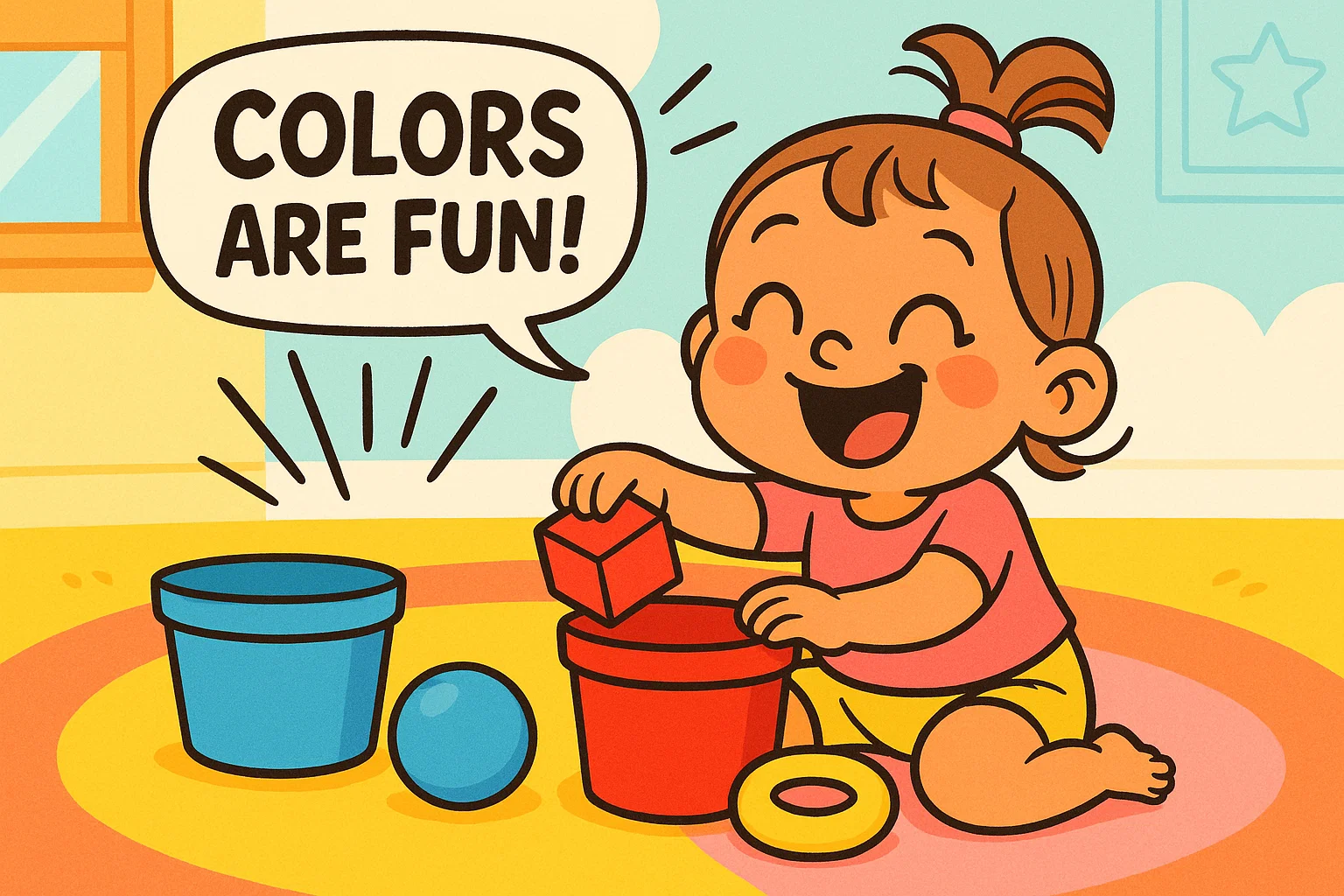
Welcome to the ultimate guide for early childhood educators and parents who want to brighten their preschool curriculum. Teaching preschoolers color names and helping them recognize different shades does not require expensive kits; the most effective color games are often the simplest. With hands-on materials like crayons, pom-poms, and colorful household items, you can turn early learning into an adventure rather than a chore.
This collection features a mix of low-prep, fun activities and classroom-friendly strategies designed to help children master visual recognition through sorting, matching, movement, and creative play. These games for kids make learning colors feel natural, active, and enjoyable. Whether you need a scavenger hunt to help children move or a quiet sensory bin to support fine motor development, these games for preschoolers provide the right balance of learning and playful engagement.
Key Takeaways
- Recognizing basic colors is an early cognitive skill that can support later reading and math readiness.
- Low-prep activities using everyday items like stickers and blocks often help kids stay highly engaged.
- Hands-on play, such as sorting and matching, helps children connect visual perception with language.
- Movement-based games like “Rainbow Hop” help children learn through whole-body movement.
- Short, repeated practice and consistent exposure are more effective than long, intensive drilling sessions.
Color Games for Preschool Build Recognition, Matching, and Sorting Skills
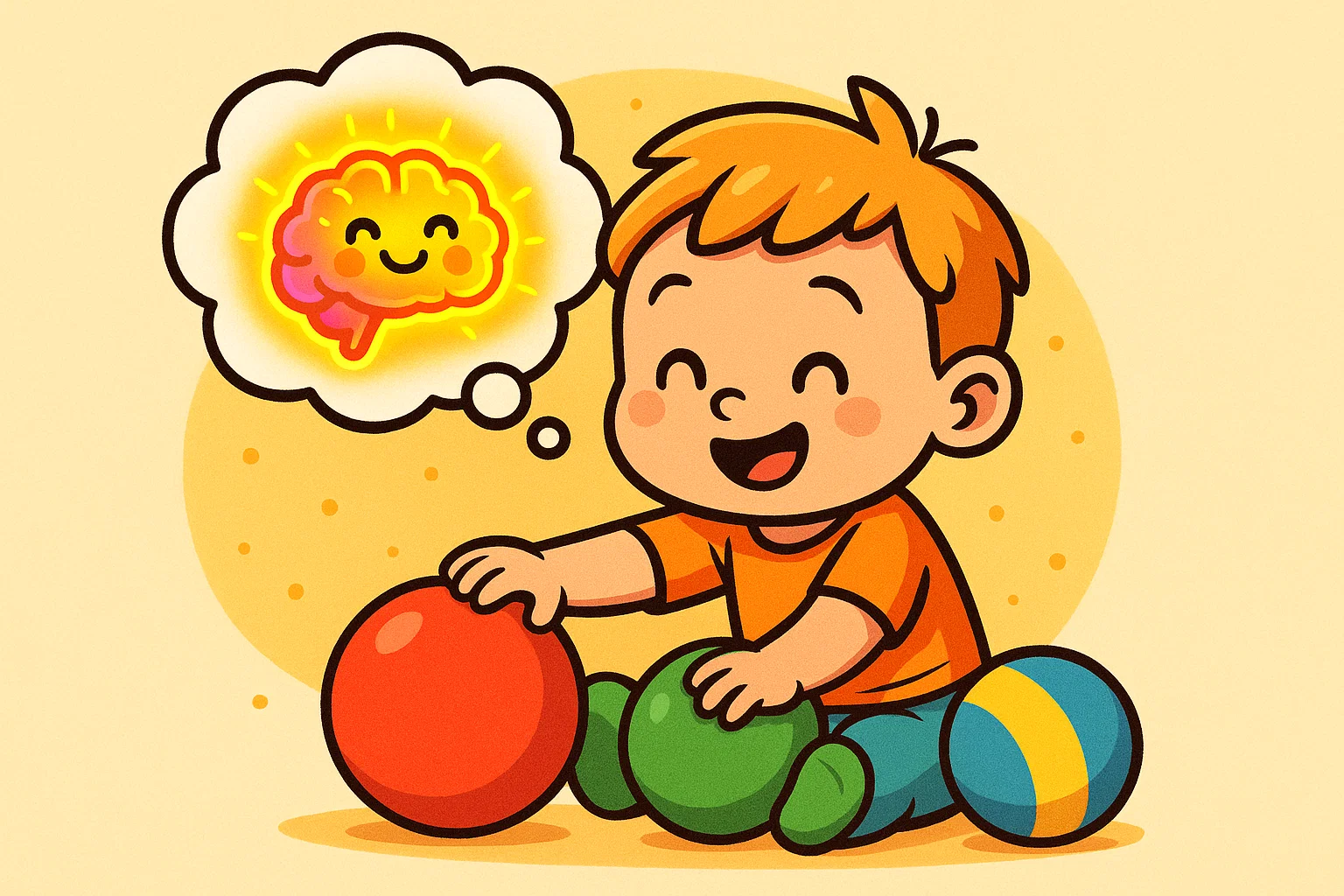
Preschool color activities help children connect what they see with the correct word. When young children participate in a matching activity, they practice visual discrimination—the ability to notice similarities and differences among objects. This process strengthens problem-solving skills as children decide which category an item belongs to based on color or another visible attribute.
Low-Prep Activities Work Best for Preschoolers
Successful activities for preschool settings do not require hours of preparation or expensive supplies. Basic materials such as pom-poms, crayons, construction paper, and food items like cereal provide enough sensory input to help children grasp new concepts. Familiar, tactile objects also help preschoolers focus on the learning goal instead of figuring out how to use a complicated tool.
The Best Games Mix Movement, Sensory Play, Literacy, and Math
The best color activities integrate multiple developmental domains at once. A scavenger hunt, for instance, combines gross motor movement with visual recognition, while sorting with tweezers targets fine motor skills and early math classification. By mixing these elements, educators keep the learning experience fun and engaging, prevent boredom, and support a love for learning.
Short Repetition Helps Preschoolers Learn Faster
Cognitive development in young kids thrives on predictable, short bursts of instruction rather than long lessons. Many early childhood educators recommend keeping structured activities short—often around 5 to 10 minutes—so preschoolers can stay engaged. Rotating activities throughout the week keeps the novelty factor high while reinforcing each name of the color through consistent, low-pressure practice.
Why Color Games Matter in Early Education
Color games for preschoolers are more than entertainment; they are useful tools for early cognitive, language, and academic development. Play-based learning gives children a natural way to understand abstract concepts like categories, symbols, and labels.
Color Recognition Benefits
Through color play, children learn to distinguish between bright tones and neutral shades. Early recognition helps a child describe the world with more precision, such as identifying a “red apple” rather than just “an apple.” This skill can also support the later ability to notice and name visual symbols, including letters and numbers.
Language and Vocabulary Growth
Using descriptive words during daily play expands a child’s expressive vocabulary. When a teacher asks a child to name a color or find a matching object in the room, the child connects a visual cue with the correct word. This strengthens the connection between visual processing and speech.
Math Readiness Through Sorting and Counting
Sorting objects is a child’s first introduction to data and classification. When a child groups items by color, they are practicing an early math skill: organizing objects by shared attributes. This foundation can lead to more advanced concepts such as ABAB patterns, graphing, and identifying sets.
Fine Motor and Gross Motor Growth
Many color games and activities require physical manipulation that builds body control. Activities like pom-pom sorting with tongs strengthen fine motor control and the pincer grasp, which support later writing and drawing. Active games like “Four Corners” or “Rainbow Hop” improve gross motor coordination and spatial awareness.
What Colors Should Preschoolers Learn First?
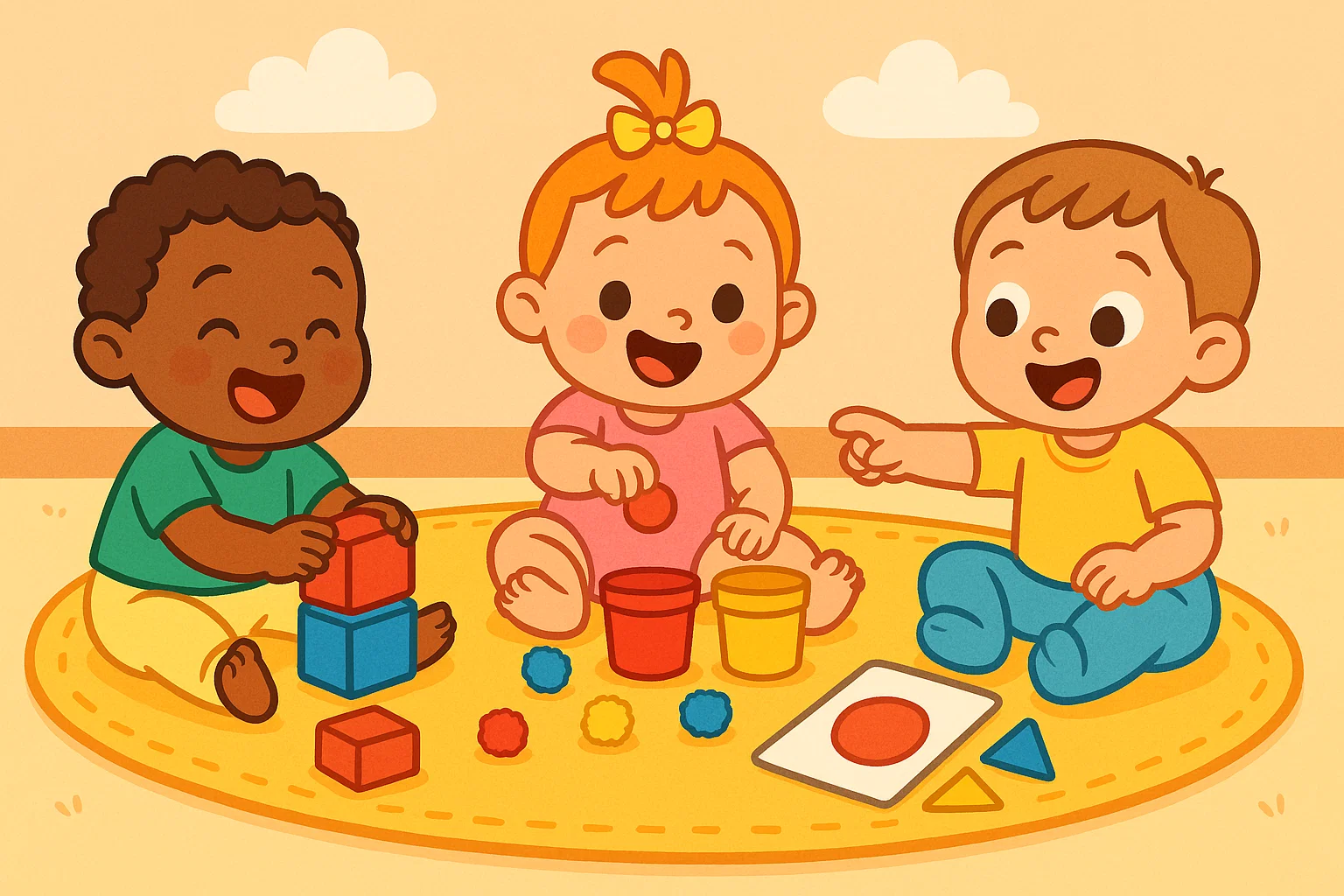
Introducing colors works best when you follow a simple sequence that does not overwhelm the child. Starting with a single color or a small set of bright colors allows for mastery before adding complexity.
Primary Colors First
A simple starting point is to introduce red, blue, and yellow first. These tones are familiar, easy to find in toys and books, and usually easier for preschoolers to learn to identify. Many classroom toys already come in these shades, so they are simple to use in everyday practice.
Secondary Colors Next
Once a child can reliably match the colors in the primary group, introduce green, orange, and purple. This creates a natural opportunity for a fun, interactive science lesson on mixing, such as showing how red and yellow make orange.
Neutral Tones and Shades
After children are comfortable with basic rainbow colors, introduce neutrals like black, white, brown, and gray. Eventually, children can begin comparing lighter and darker versions of the same hue, which strengthens visual discrimination.
Everyday Vocabulary
The best way for children to remember color words is to connect them with real-world objects.
| Object Category | Learning Opportunity |
| Snacks | Identify the “green” grape or “red” strawberry. |
| Clothing | Ask the child to find their “blue” socks. |
| Outdoors | Spot “yellow” flowers or “gray” stones. |
| Classroom | Categorize bright blocks during cleanup. |
How to Teach Colors to Preschoolers
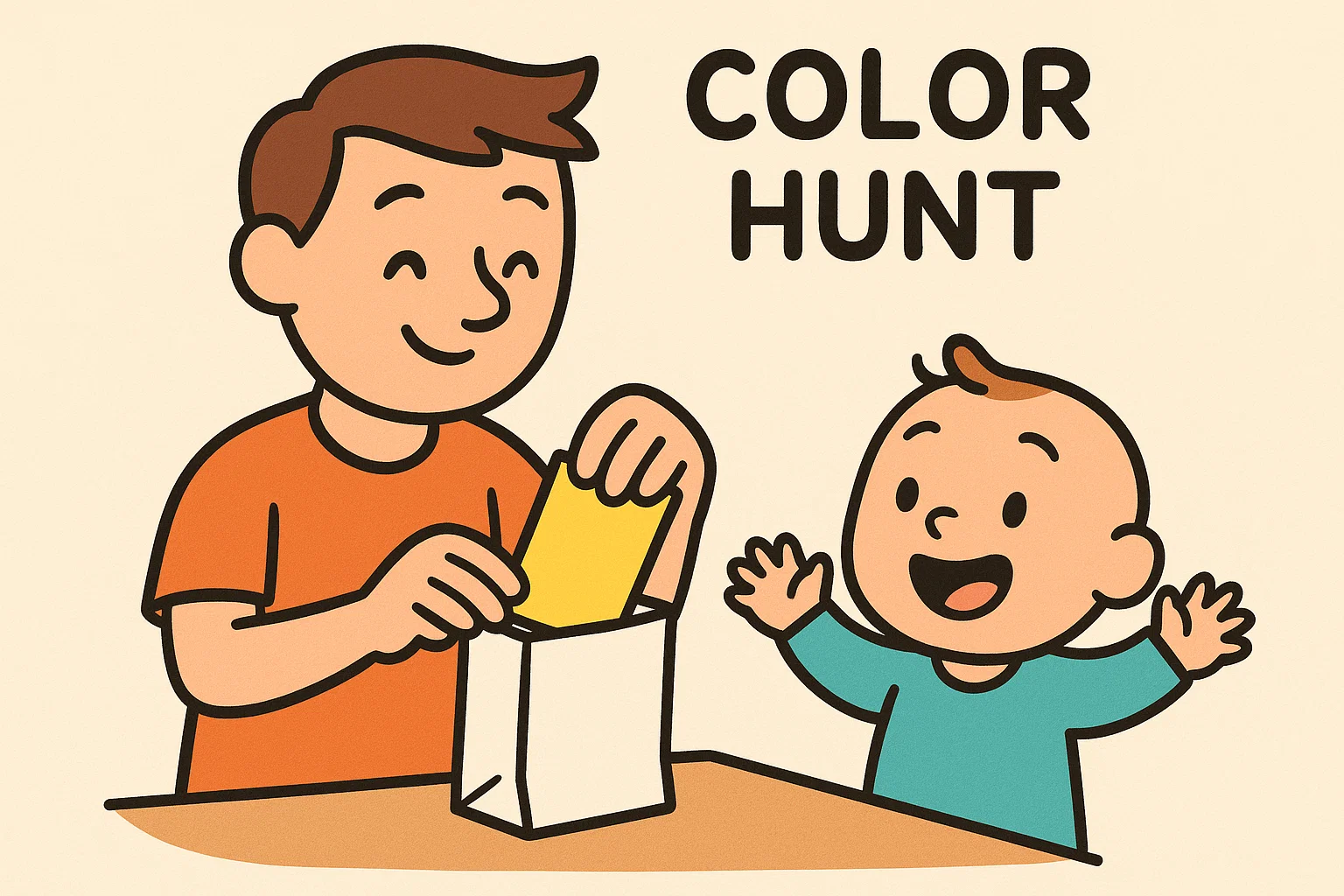
Teaching preschoolers effectively often means shifting from direct instruction to playful facilitation. The goal is to make learning fun so that the child stays intrinsically motivated to participate.
Play-Based Weekly Routine
A fun and interactive way to structure the week is to choose a “Shade of the Week.” During that week, the chosen hue can appear throughout the learning environment. You might wear that shade, serve matching snacks when possible, and use free printables that feature the selected tone.
Short Sessions and Repetition
Because young children have limited attention spans, keep activities for preschoolers brief. A 10-minute matching game in the morning followed by a 5-minute review in the afternoon is usually more effective than one 30-minute session.
Home, Classroom, and Teletherapy Options
Most matching games are easy to adapt. For teletherapy, a therapist can ask a child to find something in their house that matches the picture on the screen. In a classroom, these games can become learning centers; at home, they can happen during bath time, snack time, or cleanup.
Common Learning Mistakes
Avoid the “testing trap.” Instead of constantly quizzing the child, try modeling the answer: “I see you picked up the red block!” This reduces performance anxiety and keeps the learning journey positive.
Simple, Budget-Friendly Ways to Build Color Recognition in Children
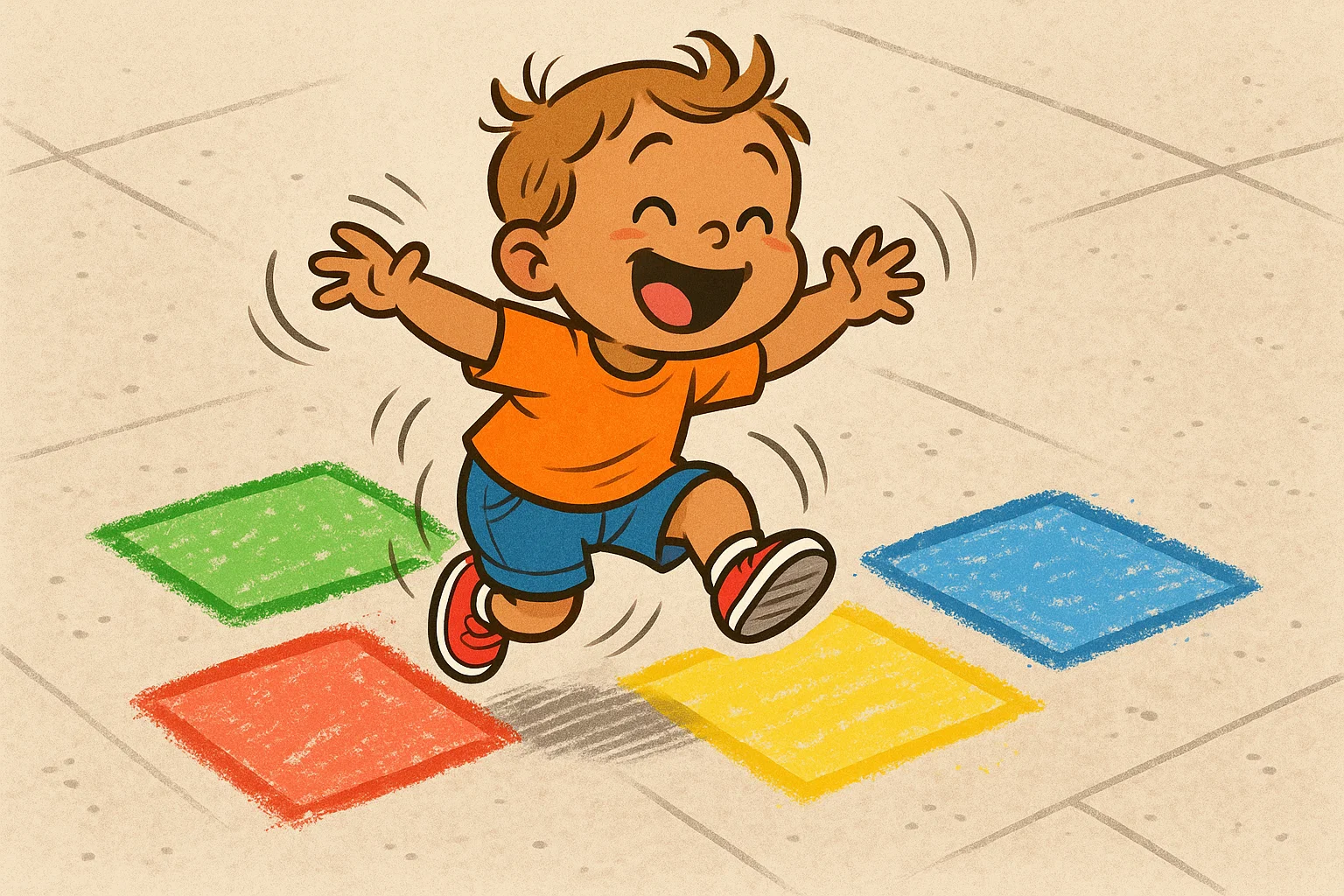
You do not need a large budget to help children learn their colors. In fact, some of the best color activities use recycled materials and simple household supplies.
Low-Prep Supply List
- Pom-poms and pipe cleaners
- Dot stickers and crayons
- Paper plates or muffin tins
- Plastic cups in various shades
- Tongs or large tweezers
Classroom Setup Tips
Create play stations by placing a different mat on each table. This encourages children to move around the room and match toys to the corresponding color mats.
Safety and Cleanup Notes
Always supervise preschoolers and early elementary children when using small items like beads or pom-poms to reduce choking risks. Use washable markers and non-toxic glue to ensure a safe, fun way to learn.
1. Pom-Pom Sort
The Pom-Pom Sort is a classic preschool sorting game. This pom-pom sorting activity is a staple in early learning environments because it combines visual recognition with fine motor skills.
Pom-Pom Sort Materials
- Pom-poms in several shades
- Muffin tin or matching bowls
- Plastic tongs or tweezers
Pom-Pom Sort Steps
- Place a large pile of mixed pom-poms in a central container.
- Mark each section of the muffin tin with a sticker, marker, or optional word label at the bottom.
- Have the child use the tongs to pick up a pom-pom and place it in the matching section.
Pom-Pom Sort Skill Focus
This game builds hand-eye coordination and the pincer-grasp strength children need for later writing tasks. It also introduces categorization—a foundational problem-solving skill.
2. Sticker Sorting
Sticker sorting is an easy and fun way to engage young children who enjoy tactile activities.
Sticker Sorting Materials
- Pack of bright dot stickers
- Construction paper
- Markers
Sticker Sorting Steps
- Draw large circles in several shades on a piece of paper.
- Give the child a sheet of dot stickers.
- Instruct the child to peel and stick each sticker into the matching circle.
Sticker Sorting Variations
For an added challenge, draw a “Rainbow Path” and have the child match the stickers to the rainbow lines. This helps with visual tracking.
3. Pom-Pom Sorting Sensory Bin
A sensory bin adds a tactile layer to the activity, allowing children to begin exploring the colors through touch.
Sensory Bin Setup
Fill a large plastic tub with a sensory base, such as dried rice, and hide pom-poms or small toys inside.
Sorting Prompts
Ask the child: “Can you find all the blue treasures hidden in the rice?” or “Let’s find the bright pieces first!”
Sensory Bin Learning Goals
This activity supports sensory exploration and helps children identify objects even when they are partially hidden, strengthening visual perception.
4. Classroom Color Scavenger Hunt
The color scavenger hunt is a high-energy activity for preschoolers that turns the entire room into a game board.
Scavenger Hunt Setup
Hand each child a card or small basket labeled with a color swatch, a written word, or both.
Scavenger Hunt Rules
Children must walk, not run, around the room and find three items that match their assigned color. Children bring the items back to circle time and show them to the group.
Group Hunt Ideas
Make it a team effort by creating a “Classroom Rainbow.” Each team is responsible for finding objects in one section of the rainbow.
5. Treasure Hunt Game
This game is similar to a scavenger hunt, but the “treasures” are hidden in advance by the teacher or parent, making the activity more controlled.
Treasure Hunt Materials
- Bright blocks, plastic gems, or painted pasta
- Small “treasure” chests or baskets
Treasure Hunt Steps
- Hide the objects around a designated area.
- Tell the children they are looking for “Red Rubies” or “Blue Sapphires.”
- Once children find the treasures, they match each item to a free color chart.
6. Matching Memory Game
This matching game helps develop memory, attention, and recognition.
Memory Card Setup
Create pairs of cards using construction paper. For example, make two red squares, two blue squares, and so on. You can also use a free printable template for more polished cards.
Memory Game Rules
- Lay the cards face down.
- The child flips two cards.
- If the cards match, the child keeps the pair and names what they see.
7. Cardboard Matching Challenge
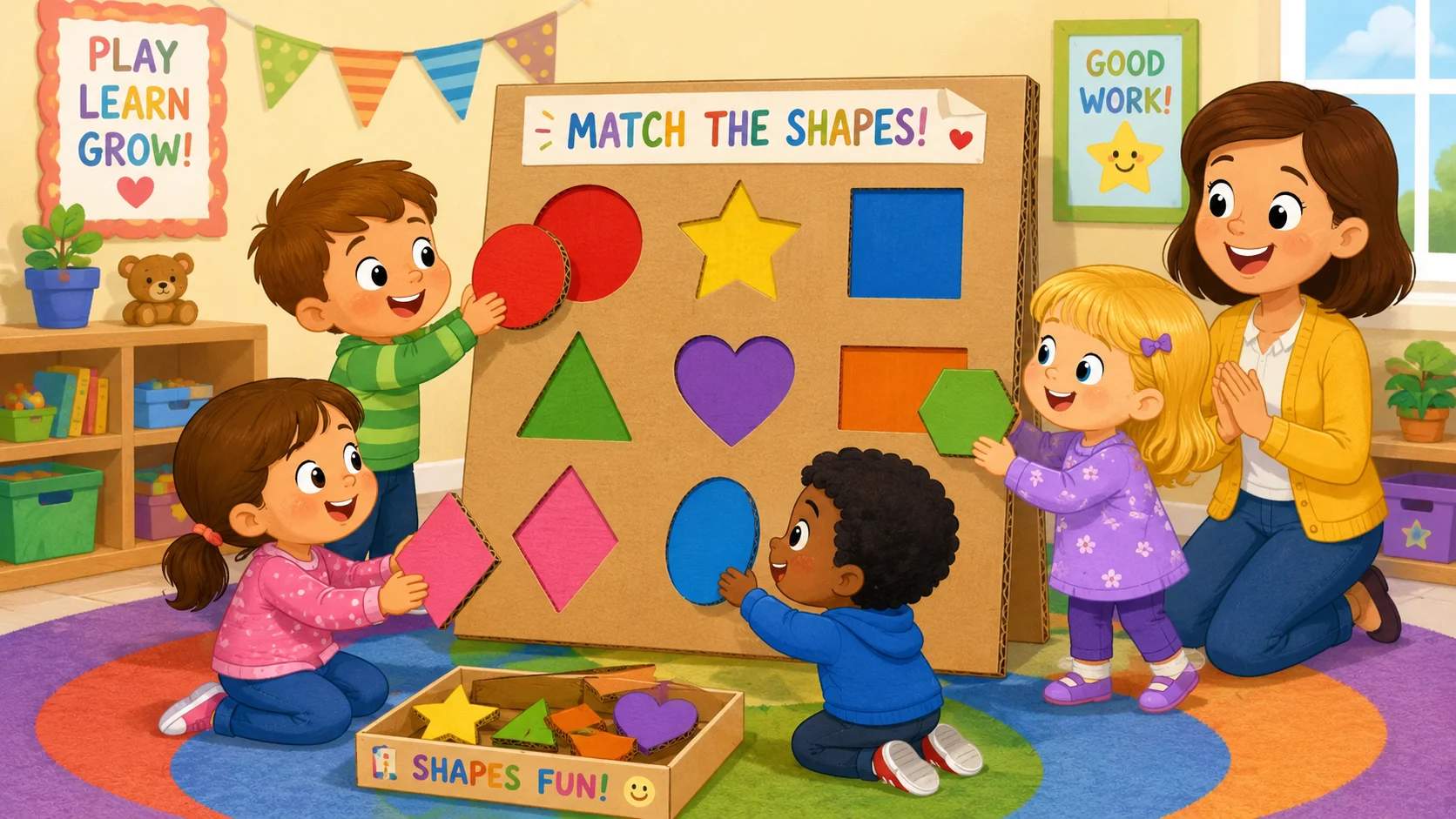
This hands-on activity uses recycled materials to strengthen recognition.
Cardboard Game Materials
- A flat piece of cardboard
- Clothespins or bright bottle caps
- Markers or paint
Matching Challenge Steps
Paint colored segments along the edge of the cardboard. Have the child clip each matching clothespin onto the corresponding segment.
Fine Motor Challenge Options
Using clothespins is an excellent fine motor workout, as it requires the child to use their thumb and forefinger to pinch the clip open.
8. Four Corners Game
The Four Corners Game is one of the best group options for preschool classes because it incorporates gross motor movement and listening skills.
Four Corners Setup
Tape one large piece of construction paper in each corner of the room: red in one corner, blue in another, yellow in another, and green in the last.
Four Corners Rules
- The teacher stands in the middle and closes their eyes.
- Children quietly move to one of the four corners.
- The teacher calls out one option, such as “yellow!”
- Children in the yellow corner can perform a fun task, such as a silly dance, before rejoining the game.
9. Rainbow Hop
Rainbow Hop is a playful way to help children associate descriptive words with physical actions.
Rainbow Hop Materials
- Foam mats or large circles cut from construction paper
- Painter’s tape to secure them to the floor
Rainbow Hop Directions
Arrange the mats in a circle or line. The teacher calls out, “Hop to green!” and the children find and jump onto the green mat.
Active Learning Benefits
This game develops balance, coordination, and the ability to follow simple directions while reinforcing visual recognition.
10. Mixing With Finger Paint
One of the clearest ways to learn about shades is to create new ones. Mixing paint can feel like a magical moment for preschoolers and supports creativity and color recognition at the same time.
Finger Paint Materials
- Washable paint: red, blue, and yellow
- White paper or a plastic tray
Mixing Steps
- Put a dab of red and a dab of yellow on the paper.
- Let the child use their fingers to blend them.
- Ask, “What new shade did we make?” The answer is orange.
Science Connection
This activity introduces early science skills, including observation and cause and effect. Children see firsthand how they can mix primary colors to create new shades.
11. Online Educational Color Games
While hands-on play should be the priority, interactive games on a tablet or computer can be a helpful supplement.
Safe Online Game Features
- Ad-free: Choose a kid-safe platform without pop-ups or third-party ads.
- Audio prompts: The game should say each answer aloud.
- Simple interface: Navigation should be intuitive for young children.
Screen Time Balance
For preschoolers, digital activities should be brief, high-quality, and used with adult guidance rather than replacing hands-on play. Use digital color games as a brief, purposeful activity, such as a 10-minute learning station on a rainy day.
Extra Color Activities for Preschoolers
If you want to expand the lesson, add a fun color activity for kids that combines movement, art, and vocabulary. These activities and games can be rotated throughout the week so children stay engaged without feeling pressured.
Color the Picture
Give each child a simple worksheet and ask them to color the picture with crayons that match your prompts. For example, say, “Color the sun yellow,” or “Color the grass green.” This helps kids learn to connect spoken instructions with visual choices.
Favorite Color Talk
Ask each child to share their favorite color and point to something in the room that matches it. This is a simple way for kids to learn new words through conversation and peer interaction.
Color-Themed Art Station
Set up a color-themed table with paper, stickers, crayons, and collage pieces in one selected hue. This keeps the focus narrow while still allowing creativity and choice.
Note for International Classrooms
In international classrooms, teachers may see both American and British spelling in resources, including terms like “color learning,” “colour learning,” or “understanding of colours.” The activities in this guide work the same way regardless of spelling style.
Conclusion: Learning Without Pressure, Creating With Joy
The best preschool games invite children into a bright world of colors without the pressure of a test. Whether you are using a sensory bin, a scavenger hunt, or paint mixing, the key is to keep the experience playful, fun, and interactive.
Best Starting Point
If you are new to teaching colors, start with the Pom-Pom Sort or a Color Scavenger Hunt. These activities are low-prep and give children an immediate sense of success.
Best Balanced Weekly Plan
For a well-rounded learning experience, try this rotation:
- Monday: Sorting — Pom-Poms
- Tuesday: Movement — Rainbow Hop
- Wednesday: Art — Paint Mixing
- Thursday: Literacy — Matching Memory Game
- Friday: Sensory Play — Pom-Pom Sensory Bin
Final Parent and Teacher Tip
Remember that children develop at their own pace. Use bright colors, repeat color names naturally in conversation, and most importantly, make learning fun through play.
FAQ
Why Are These Games Important for Preschoolers?
Color games help develop visual discrimination, which is a useful precursor to reading. They also build vocabulary, sorting skills, and fine motor coordination.
When Do Children Usually Learn Colors?
Many children begin noticing and matching colors in toddlerhood, while the preschool years are an important time for strengthening color naming through sorting, matching, and everyday conversation.
How Can I Teach Colors at Home Effectively?
Use daily routines. Point out the colors of their clothes, snacks, and toys. Incorporate simple, budget-friendly games like a kitchen scavenger hunt.
Are These Activities Suitable for Toddlers?
Some activities for toddlers can be simplified by using larger objects, fewer colors, and shorter sessions. Always supervise closely, especially when using small materials.
How Long Should Learning Activities Last?
Keep sessions to 5–10 minutes. Three short, playful sessions a day are often more effective than one long session that causes frustration.
Are Digital Apps Good for Preschoolers?
They can be helpful for color recognition if they are high-quality, ad-free, and balanced with plenty of hands-on play.
Which Color Games Work Best for Groups?
Scavenger hunts, Rainbow Hop, and Four Corners games are perfect for classrooms because they involve multiple children and encourage social interaction.

Take a short quiz to find out what your everyday choices say about your parenting style
When your child is curious about something new, what’s your instinct?
Take a short quiz to find out what your everyday choices say about your parenting style
“Can I download this app?” What happens next?
Take a short quiz to find out what your everyday choices say about your parenting style
When it comes to rules at home, which sounds most like you?
Take a short quiz to find out what your everyday choices say about your parenting style
If you could give your child one life skill today, what would you pick?
Take a short quiz to find out what your everyday choices say about your parenting style
Your child gets to choose what to watch. What would your ideal setup look like?
Take a short quiz to find out what your everyday choices say about your parenting style
Pick your parenting superpower ✨



