Household Chores for Children with ADHD: 8 Chores That Work, Plus Parent Tips

 Discover a Free Education Video App for Kids
Pastory uses AI to personalize educational video content based on your child’s interests and personality. Safe, engaging, and built for curious young minds. Sign up now to stay updated and enjoy early access with a free trial
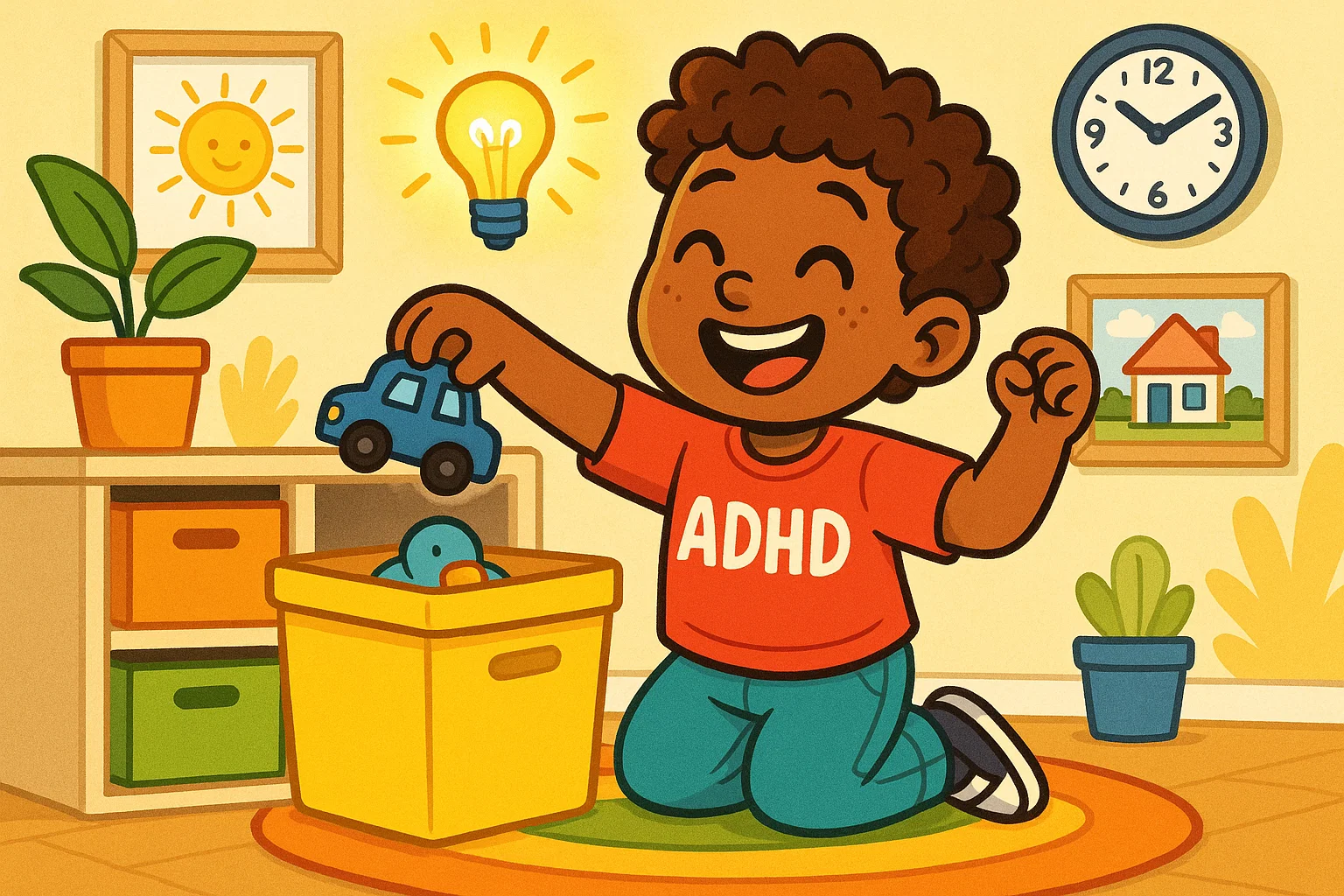
Completing household chores can be an uphill battle for children with ADHD. While most children need reminders about chores, children with ADHD may face executive-function and self-regulation challenges that make everyday tasks feel unusually difficult. This practical guide provides a curated list of chores, common chore challenges, chore chart tips, age-appropriate options, and practical reward strategies to help your child succeed at home.
Key Takeaways
- Children with ADHD often benefit from clear, brief, visual chore steps that support executive functioning.
- The best chores are predictable, active, sensory-friendly, and easy to start without complex planning.
- Chore charts, timers, routines, and body doubling can significantly reduce resistance and procrastination.
- Rewards can help, but specific praise, limited choice, and structured consistency matter more over time.
- Age-appropriate chores work best when broken into small tasks matched to the child’s developmental capacity.
- Some chores may not work because they are too vague, too long, too repetitive, or overwhelming from a sensory standpoint.
Best Chores Snapshot
The most successful chores for children with ADHD feature immediate visual feedback, predictable routines, or physical movement. Excellent options include:
- Feeding pets or filling water bowls
- Walking the dog
- Setting and clearing the table
- Sweeping or vacuuming small designated zones
- Sorting laundry by color or item type
- Picking up toys using categorized bins
- Unloading the dishwasher, starting with silverware or plastic items
- Making the bed with a simplified routine
Parent Strategy Snapshot
To help kids with ADHD complete chores, parents can shift from verbal commands to structured supports. Core methods include using a visual schedule or chore chart, giving one-step directions, and using a kitchen timer for timed cleanup games. Establishing predictable family routines, offering limited choices, working alongside the child, and praising specific effort can build a sense of responsibility without emotional escalation.
Common Chore Problems Snapshot
When neurodivergent children avoid household tasks, the root cause is rarely laziness or simple defiance. Parents may notice procrastination, quick distraction halfway through a task, and low motivation during repetitive cleaning routines. Sensory overload from certain textures or loud sounds, difficulty transitioning away from screens, and frustration during multi-step tasks can also be common challenges.
Why Children with ADHD Struggle With Household Chores
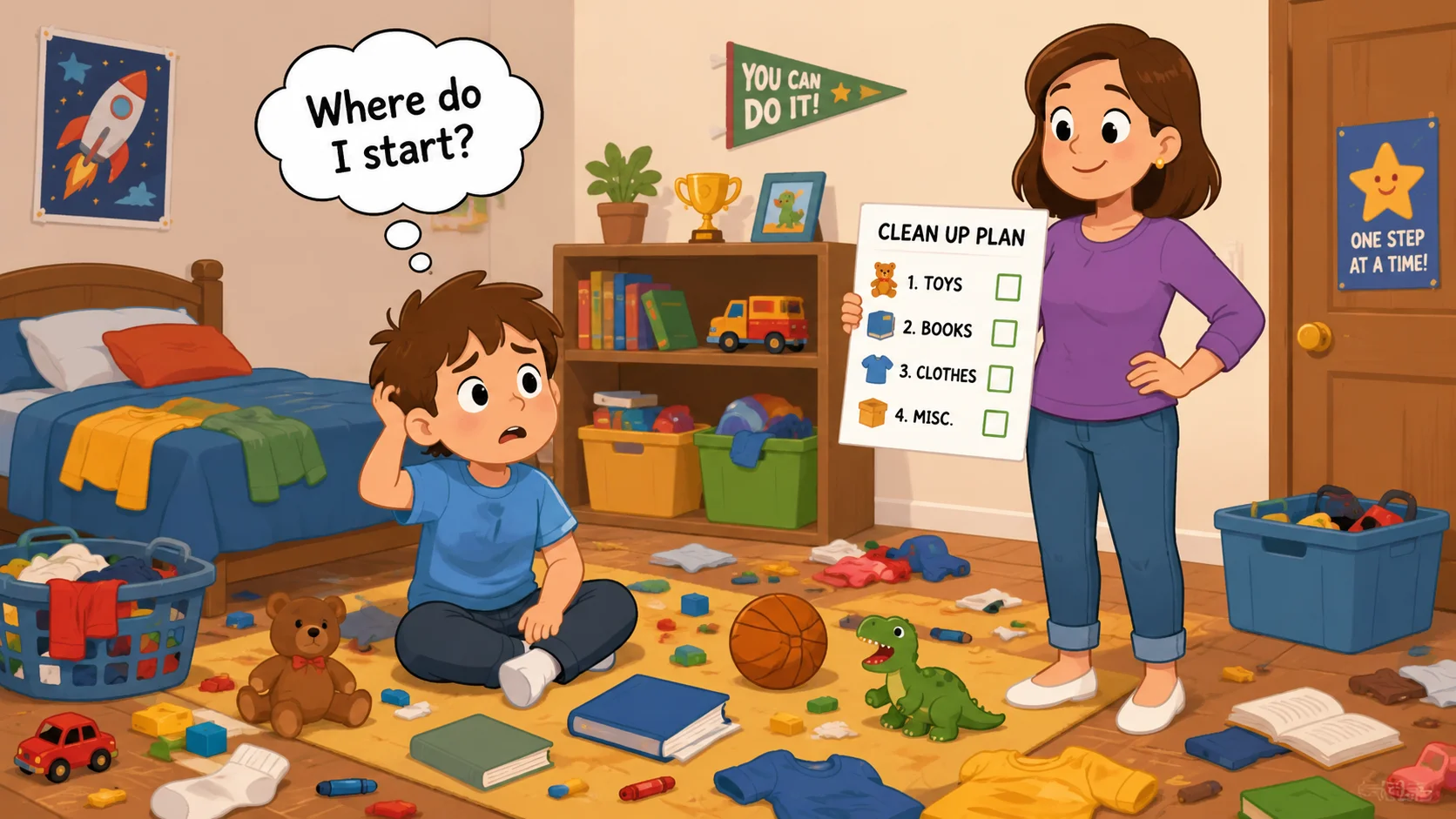
Understanding the neurological foundation of attention deficit hyperactivity disorder helps parents reframe chore refusal as a skill deficit rather than a behavioral choice. Children with ADHD may process information, rewards, and environmental stimuli differently than neurotypical children. These differences make multi-step household chores especially difficult without structured scaffolding.
Executive Function Challenges
The ADHD brain can involve executive-function challenges, which affect planning, organizing, and carrying out tasks. For example, a child with ADHD may struggle to hold a broad, multi-step instruction like “clean your room” in mind while carrying it out. Some ADHD experts describe executive-function development in ADHD as lagging behind chronological age, with some clinical frameworks estimating a delay of about 25%–40%, averaging around 30%. In practical terms, a 10-year-old may need expectations and supports closer to those used for a younger child when managing complex, non-preferred tasks.
Low Motivation During Repetitive Tasks
Research on ADHD and reward processing suggests that some children with ADHD may respond more strongly to immediate rewards than delayed ones, which can make repetitive or low-interest tasks harder to start. A chore such as folding laundry or putting dishes away may not provide enough immediate feedback or stimulation to keep a child engaged. To support motivation, parents can make chores shorter, more active, or pair them with external engagement tools such as a playlist or timed challenge.
Distraction During Cleaning
Kids with ADHD may drift off task when a cleaning job lacks clear visual or physical boundaries. For example, when a child with ADHD is instructed to pick up toys, finding an old action figure can trigger an immediate shift into a play state. In many cases, the child is not intentionally abandoning the chore; the toy simply becomes more salient than the cleaning goal. Providing clear start and finish points, such as “put these five cars into the red bin,” helps keep the child’s attention anchored.
Sensory Overload From Chores
Sensory sensitivities can co-occur with ADHD, making some household tasks physically uncomfortable or distressing. The loud sound of a vacuum, the wet texture of leftover food on dirty dishes, or the strong smell of cleaning products can trigger sensory distress. When a child encounters these triggers, they may procrastinate or refuse the task to avoid sensory discomfort. Parents can bypass these roadblocks by providing protective gear like rubber gloves, offering noise-canceling headphones, or choosing alternative tasks.
Frustration Halfway Through
Neurodivergent children may experience sudden cognitive fatigue, sometimes described by parents as “hitting the wall,” where the child loses momentum partway through an activity. A child with ADHD may successfully initiate a chore but lose momentum as the mental effort required to sustain focus increases. This breakdown may look like irritability, crying, or sudden abandonment of the task. Breaking larger cleaning tasks into small, manageable steps with scheduled micro-breaks can help prevent emotional exhaustion.
Benefits of Chores for Children with ADHD
Despite the challenges, participating in household chores can be beneficial for a child with ADHD. When properly structured, household chores can support executive-function practice and turn everyday friction into an opportunity for skill-building.
Structure Through Predictable Routines
A predictable chore schedule reduces decision fatigue for children who struggle with daily transitions. When a household task is anchored to an existing daily habit—such as clearing the table immediately after dinner—the routine can become easier to initiate over time. This clear structure can provide a sense of security and help the child understand what is expected throughout the day.
Self-Esteem Through Family Contribution
A child’s self-esteem can be affected by the academic and social challenges associated with ADHD symptoms. Completing a visible, meaningful household task provides an authentic sense of accomplishment that counters feelings of inadequacy. When parents acknowledge a child’s contribution to the household, it can reinforce the child’s sense of being helpful, capable, and valued.
Life Skills Through Practice
Household tasks serve as a practical training ground for essential organizational and time-management life skills. Managing personal space, sorting laundry, and handling basic cleaning tools can help prepare a child for greater independence. By practicing these responsibilities in a supportive home environment where mistakes are treated as learning opportunities, children learn how to work around their executive challenges.
Emotional Regulation Through Small Wins
Succeeding at manageable chores builds emotional resilience by systematically disrupting the “I can’t do it” mindset that many kids with ADHD develop. Experiencing a series of small, concrete wins—like seeing a cleared table or a freshly vacuumed rug—teaches the brain that effort leads to a positive, visible outcome. This positive reinforcement cycle can help children build the confidence and frustration tolerance needed to tackle harder tasks in the future.
8 Best Household Chores for Children with ADHD

The best household chores for children with ADHD are concrete, active, easily measurable, and brief. Because every child is unique, parents should test these suggestions and tailor chores to fit their child’s specific motor skills and attention span.
Feeding Pets
Pet care is an ideal chore for kids with ADHD because it features a powerful emotional motivator and an unambiguous set of steps. The task has a clear built-in deadline, making it easy to anchor to a family routine such as breakfast or dinner. Parents can provide a specific measuring cup to ensure the right amount of food is given, turning a vague duty into a clear, repeatable routine.
Safety & Hygiene Note: Keep pet food storage bins clearly labeled, and teach your child to wash their hands with soap and water after handling dry or wet pet food.
Walking the Dog
Walking the dog combines responsibility with a movement break, which can help an energetic child reset after school. The built-in physical activity helps release pent-up energy, which may support focus and emotional regulation later in the day. To ensure safety, parents should set clear geographic limits, establish strict rules for crossing streets, and provide direct supervision for younger children.
Vacuuming or Sweeping
Vacuuming or sweeping is a physical chore that provides proprioceptive input, or sensory feedback from body movement. This movement-based task may keep many children with ADHD more engaged than sedentary chores like folding clothes. To prevent overwhelm, parents should outline a specific, small boundary, such as “vacuum just the rug in the living room,” rather than demanding that the child clean the entire house.
Setting and Clearing the Table
Setting and clearing the table provides an excellent, repeatable routine before and after family meals. The task is naturally broken down into a simple, predictable sequence: plates, cups, napkins, and utensils. For a younger child, parents can use a visual placemat guide that shows where each item belongs, reducing the need to rely on working memory.
For a simple table-setting checklist, start with just a few clear steps:
- Put the plate in the center of the placemat.
- Place the fork on the left side of the plate.
- Place the knife on the right side of the plate.
- Put the napkin beside the fork or under it.
- Place the cup above the knife, toward the top-right corner.
Unloading the Dishwasher
Unloading the dishwasher can work like a sorting task that uses categorization skills. The task has clear physical boundaries and an obvious ending point when the machine is empty. Parents should instruct the child to start with non-breakable items, like silverware or plastic cups, before moving on to fragile dishes to prevent accidental breakage and frustration.
Laundry Sorting
Sorting dirty clothes transforms a potentially boring cleaning task into a dynamic matching game. Children can sort items by color (lights vs. darks) or category (socks, towels, shirts) directly into designated baskets. Because some children with ADHD also struggle with fine-motor tasks, parents can make complex folding optional and focus instead on sorting items and placing them into drawers.
Making the Bed
Making the bed can be a successful morning chore if parents establish a simplified version of the task. Instead of demanding tucked sheets and perfectly arranged decorative pillows, keep the standard basic: pull the comforter up to the top, place the pillow at the head of the bed, and move on. Eliminating perfectionist standards makes chores less overwhelming and ensures a quick win at the very start of the day.
Picking Up Toys
Picking up toys works best when parents replace vague directives with an organized system of color-coded pickup bins and visual labels. A general instruction like “tidy your playroom” can feel overwhelming for a child with ADHD. Instead, using a “five-minute reset” format paired with a loud, upbeat song creates a fun, structured environment where the child knows exactly where each item belongs.
Types of Household Chores That Work Best
To design a successful home routine, it helps to understand the underlying patterns of chores that consistently work for children with ADHD.
| Chore Characteristic | Why It Works for ADHD Brains | Real-World Examples |
| Short with Clear Finish Lines | Eliminates ambiguity and prevents cognitive exhaustion. | Feeding the cat, putting shoes on the rack, or taking out a small trash bag. |
| Movement-Based | Channels hyperactivity into productive physical energy. | Sweeping the porch, walking the dog, pushing the vacuum cleaner. |
| Shows Visible Progress | Provides immediate visual proof of completion and success. | Wiping a dirty table, clearing dishes from the sink, emptying a full hamper. |
| Routine-Anchored | Connects to an existing daily habit to bypass memory lapses. | Putting clothes in the hamper before a bath, clearing plates after dinner. |
Household Chores That Often Do Not Work
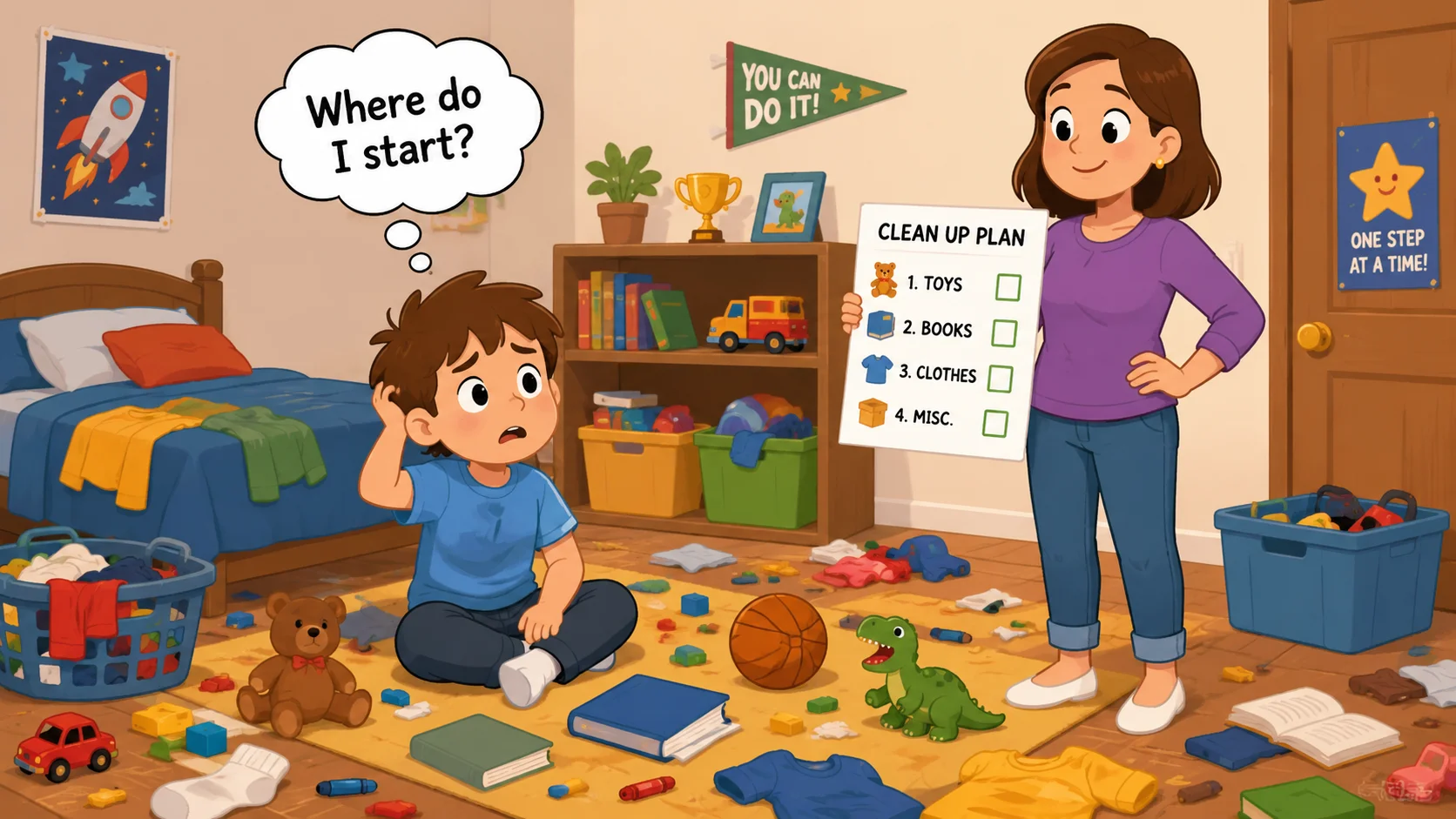
When a child with ADHD repeatedly fails to complete a chore, it is usually because the structure of the task conflicts with their neurological challenges. Identifying these problem formats allows parents to redesign or swap tasks rather than entering a power struggle.
Open-Ended Room Cleaning
The instruction “clean your room” often creates conflict between parents and children. To a child with ADHD, a messy room can feel like a huge, disorganized problem with no clear starting point. The child may not know how to initiate the task, which leads to avoidance. Parents should replace this open-ended command with hyper-specific steps, such as “put all the dirty clothes in the hamper” or “place your books back on the shelf.”
Long, Multi-Step Chores
Tasks that span an extended period or require a long sequence of distinct steps—such as managing a full laundry cycle from washing to putting away—are highly susceptible to failure. The child may get distracted or lose track of the process during the long transitions between steps. If a child is given a larger task like a bathroom reset, the job should be split into independent mini-tasks spread throughout the day.
Chores With Sensory Triggers
Chores that involve strong smells, sticky textures, or overwhelming noises may trigger avoidance. For instance, scraping wet food off dishes into the kitchen sink can cause intense physical aversion. Rather than labeling this behavior as defiance, parents should offer simple tool adaptations, like a long-handled scrub brush or heavy-duty rubber gloves, or swap the chore entirely for a sensory-neutral task like sweeping.
Chores Requiring Perfection
Tasks that carry strict precision standards, like folding fitted sheets perfectly or organizing a pantry in a meticulous line, are poor choices for kids with ADHD. Constant corrections from parents can reduce motivation and reinforce a sense of personal failure. Parents should prioritize completion and effort over perfection, adopting a “good enough” standard that celebrates the child’s follow-through.
Age-Appropriate Chores for Children with ADHD
When introducing household responsibilities, parents must remember that developmental readiness matters far more than chronological age. Use these age categories as a flexible starting point, making sure to adjust the level of responsibility to your child’s current attention span, fine-motor coordination, and emotional maturity.
Ages 3 to 5
Chores for a younger child must be kept highly playful, brief, and closely supervised. Excellent options include putting large toys into open storage bins, placing paper napkins on the dinner table, matching clean socks into pairs, or helping a parent pour pre-measured kibble into a pet’s bowl. The primary goal at this developmental stage is building a positive association with helping around the house.
Ages 6 to 8
School-aged children can often handle more structured tasks, though they may still need clear checklists and initial guidance. Appropriate choices include setting and clearing the family table, sweeping a small designated area of the kitchen floor, making the bed with a simplified blanket-pull routine, and packing a school backpack with a visual checklist placed near the backpack area.
Ages 9 to 12
Preteens with ADHD can manage independent household tasks that have clear boundaries and immediate results. They are capable of unloading the dishwasher, folding towels, taking out the garbage to the outdoor bin, walking a small family pet along a pre-approved neighborhood route, and organizing their personal study desk.
Teens
Teenagers diagnosed with ADHD can take on larger, complex responsibilities, provided the tasks are paired with organizational tools like a smartphone reminder or a shared family chore schedule. Teens may be able to manage a full laundry cycle, assist with basic dinner preparation, complete a weekly bathroom reset, vacuum shared living spaces, and participate in planning the family’s weekly chore distribution.
Skill Level Over Age
Expert Recommendation: If your 12-year-old child struggles significantly with working memory or motor coordination, it is entirely appropriate to assign chores from the 6-to-8-year-old range. Forcing a child to attempt tasks that match their chronological age but exceed their developmental skill level only creates intense frustration and erodes their self-esteem.
6 Ways to Help Children with ADHD Complete Chores

Parents can make the home environment more supportive by using practical behavioral strategies. These six practical, easy-to-scan strategies can help kids with ADHD stay motivated and follow through on daily responsibilities.
1. Give One Direction at a Time
Avoid overwhelming your child’s working memory with a long list of verbal instructions. Instead of saying, “Clean the kitchen, empty the trash, and find your shoes,” give a single, concrete directive: “Please put the plastic cups on the counter.” Wait until that single step is completely finished before introducing the next task. This simple change reduces cognitive overload and helps keep the child moving forward.
2. Use a Timer or Countdown
Turn cleaning routines into a brief race against the clock to add novelty, urgency, and a clear endpoint. Parents can set a visual kitchen timer for a “five-minute lightning cleanup” or use a countdown app on a smartphone. Framing the chore as a brief, high-energy game helps children overcome procrastination and makes the initiation of a boring task feel much less painful.
3. Create a Visual Checklist
Replace easy-to-forget verbal reminders with highly visible supports. Parents can create a checklist using clear pictures, simple icons, or a laminated dry-erase board placed directly in the task zone. A visual checklist shows what “done” looks like and allows the child to track progress with fewer parental reminders.
A simple morning checklist might look like this:
- Pull up the big blanket.
- Put the pillow at the top of the bed.
- Place one favorite stuffed animal or comfort item on the pillow.
- Check off the task and move on.
4. Offer Limited Choice
Boost your child’s buy-in and cooperation by giving them a controlled sense of autonomy over their daily responsibilities. Instead of assigning a rigid task, ask a bounded-choice question: “Do you want to sweep the kitchen floor or feed the dog before dinner?” Offering a limited choice gives the child a sense of control, reduces resistance, and increases their investment in completing the chosen task.
5. Work Beside the Child
Try body doubling, a practical strategy that many people with ADHD use to stay focused. This technique involves a parent working quietly in the same room on a parallel task—such as washing windows while the child clears the table. Having a calm, productive adult nearby can serve as a supportive anchor that helps the child initiate and maintain focus without feeling micromanaged.
6. Praise Specific Effort
Replace vague compliments like “good job” with highly descriptive, behavior-focused praise that reinforces the exact actions you want to see repeated. For example, say, “I love how you put every single shoe neatly into the blue basket on the first try.” Highlighting specific effort and follow-through builds a child’s confidence and teaches them exactly what successful chore completion looks like.
Chore Chart for Children with ADHD
A visual chore chart can be an incredibly effective tool for supporting an ADHD brain, provided it is designed as an encouraging roadmap rather than a complicated, punitive tracking system. Keep the layout simple, clean, and highly interactive.
Simple Daily Chore Chart
A daily chart should include no more than two to four short tasks arranged in chronological order. Use large checkboxes, clear pictures, and physical sliders that the child can interact with as they finish each item. Keeping the chart uncluttered ensures that the child can scan it at a glance without experiencing immediate visual or cognitive overwhelm.
Weekly Chore Chart
A weekly system works best when it establishes a predictable schedule for shared family responsibilities. Avoid listing a massive grid of weekly duties; instead, assign one consistent primary weekly job to each family member. This stable schedule gives the child plenty of time to learn the routine, reducing the friction that often occurs when house rules shift without warning.
Visual Labels and Color Coding
Extend the utility of your tracking chart by adding matching physical cues directly to the cleaning zones. Use clear color-coded stickers on storage bins, print simple photo examples of an organized shelf, and label drawers with distinct icons. Linking the visual chart directly to the physical environment removes all guesswork, making it much easier for a distracted child to follow through.
Chore Chart Mistakes to Avoid
The most common mistake parents make is overcomplicating the system by loading the chart with too many tasks, tiny print, and confusing point calculations. Additionally, turning a chore chart into a punishment system by taking away earned rewards for unrelated behavior can quickly reduce the child’s willingness to use it.
Allowance for Chores
Tying a financial allowance to household responsibilities requires a careful, balanced approach when parenting a child with ADHD. Because children with ADHD may respond differently to delayed rewards, the rules surrounding money should be transparent, immediate, and consistent.
Paid Chores Versus Family Duties
Many parenting and child-development approaches split household tasks into two categories: baseline family duties and optional paid tasks. Baseline duties—like making the bed and clearing one’s own plate—are unpaid responsibilities that come with being a contributing member of the household. Optional extra chores—such as washing the family car or pulling weeds in the garden—can be tied to allowance, allowing the child to earn extra spending money through clearly defined effort.
Rewards Beyond Money
Because financial rewards can feel too abstract or delayed for a younger child, parents can also use immediate non-monetary privileges. Excellent incentives include earning extra screen time, choosing the family dinner menu for Friday night, planning a special weekend outing with a parent, or collecting colorful stickers that can be traded in for a small toy.
Immediate Rewards for Younger Children
Children with ADHD may struggle to stay motivated when a reward is delayed until the end of the week or month. For a younger child, the reinforcement loop should be tight and immediate. Providing quick feedback—such as handing over a reward token or allowing screen time soon after a chore is finished—can help build a positive connection between effort and reward.
Avoid Bribes and Power Struggles
It is crucial to establish reward parameters before a chore begins, rather than offering impromptu bribes in the middle of a behavioral meltdown. Offering a reward during an emotional escalation can reinforce the refusal pattern. Frame the system clearly ahead of time as a supportive, consistent house rule: “Once your clothes are in the hamper, your screen time starts.”
Chore Pitfalls to Avoid
Even with the best intentions, parents can easily fall into common traps that inadvertently increase a child’s resistance to household tasks. Learning to recognize and avoid these pitfalls preserves the parent-child relationship and keeps the home running smoothly.
Giving Vague Instructions
Using abstract phrases like “tidy up,” “make it look nice,” or “fix your mess” can create confusion. A child with ADHD cannot translate those general commands into a concrete sequence of physical actions. Parents must consciously replace vague language with highly specific commands, such as “pick up the green blocks from the floor and place them inside the plastic box.”
Expecting Independent Follow-Through Too Soon
Parents often make the mistake of assuming that because a child completed a chore successfully one day, they can do it completely independently from then on. Because executive-function skills can fluctuate, a child with ADHD may need extended scaffolding, gentle visual cues, and structured check-ins before a habit becomes more automatic.
Starting During Emotional Escalation
Demanding that a child complete a chore when they are already tired, hungry, or emotionally overwhelmed is likely to trigger a power struggle. A highly stressed child may have difficulty processing instructions or using executive-function skills. Parents should wait for a calm, neutral moment before introducing household expectations.
Using Shame or Lazy Labels
Using critical labels like “lazy,” “careless,” or “unmotivated” can damage a child’s self-esteem and cause them to disengage. These labels mischaracterize what is often an executive-function challenge. Parents can use supportive, skill-building language that separates the child’s identity from the struggle: “I see this task feels really big right now. Let’s figure out how to break it down together.”
Changing the Routine Too Often
Frequently shifting chore expectations, changing deadlines, or rotating charts without warning can make it difficult for a child with ADHD to build stable habits. Consistency is a key part of habit formation for neurodivergent children. Parents should find a simple, functional chore schedule and stick with it long enough for the routine to become a predictable part of the child’s day.
Sensory-Friendly Chore Tips
If your child consistently avoids specific household tasks, take a closer look at the sensory environment. Making small, thoughtful adjustments to accommodate your child’s sensory needs can reduce resistance to daily cleaning routines.
Gloves for Dishes and Trash
Provide heavy-duty rubber gloves to shield your child from uncomfortable tactile sensations, such as slime, grease, or wet food waste. This simple barrier can make tasks like wiping down kitchen counters, rinsing dishes, or taking out the garbage much more tolerable for a child with sensory sensitivities.
Quiet Cleaning Tools
To accommodate children who are highly sensitive to loud noises, consider trading a high-decibel vacuum cleaner for a manual carpet sweeper or a lightweight broom. Alternatively, you can provide comfortable noise-canceling headphones or child-appropriate ear protection, allowing your child to complete floor-cleaning routines with less noise-related stress.
Low-Smell Cleaning Products
Switching harsh chemical cleansers for unscented or very mild cleaning supplies can help reduce headaches, nasal irritation, and sensory discomfort. Opening windows during cleaning routines can also help create a more comfortable environment for a sensitive child.
Chore Swaps for Sensory Overload
If a specific task causes genuine, intense sensory distress despite adjustments, the best strategy is to swap it entirely for a sensory-neutral alternative. Trading a highly problematic chore, like handling a smelly trash bin, for a calm, structured activity like sorting clean towels or feeding the family pet keeps the child contributing to the household without triggering a sensory meltdown.
Routine That Sticks
Building a household routine that sticks often starts with anchoring chores to existing daily habits. When tasks are linked to natural cues throughout the day, they may become easier to initiate with less parental prompting.
After-Meal Chores
Connect tasks like clearing the table, loading the dishwasher, or wiping down countertops directly to the end of breakfast or dinner. Because family meals are often already established parts of the daily schedule, they can serve as a useful cue for what needs to happen next.
Chores Before Screen Time
Use a clear, consistent “First/Then” rule at home: first complete your daily chore checklist, then access your designated screen time. This simple, consistent routine can reduce daily arguments because the child knows what step comes before screen time.
Morning Chore Routine
Keep morning responsibilities brief, simple, and highly structured to support a smoother transition out the door. A realistic morning routine for a child with ADHD should include just two or three quick tasks, such as pulling up their bed covers, placing pajamas into a hamper, and checking their school backpack against a simple visual list.
Evening Reset Routine
Establish a brief 10-minute family reset routine before bed to keep common areas organized and prepare for the next morning. Parents can set a visual timer and play a favorite upbeat song while the child completes a quick toy pickup, places their dirty clothes in the laundry room hamper, and sets out their school shoes by the front door.
Family Chore System
Transforming household responsibilities into a collaborative family affair reduces the feeling of isolation or punishment that a child with ADHD might otherwise experience. When everyone works together, chores become a natural expression of shared teamwork.
Family Cleanup Time
Designate a consistent 10- to 15-minute window on the weekend when the entire household works on cleaning tasks at the same time. Seeing parents and siblings working alongside them provides social modeling and creates an energetic environment that can help a distracted child stay focused.
Parent Modeling
Parents can support task planning and executive functioning by narrating their own cleaning steps out loud. For example, say: “I am going to empty the kitchen sink first, and then I am going to grab the sponge to wipe down the counter.” This verbal modeling acts as a clear guide, teaching the child how to logically plan and execute a multi-step task.
Sibling Fairness
Ensuring fairness in a neurodiverse household does not mean assigning identical chores to every child. Instead, chores should be distributed based on each individual’s unique skills, attention span, and sensory comfort levels. Parents can explain to siblings that fairness means everyone contributes in a way that fits their abilities and still supports the family.
Chore Rotation
While keeping core daily routines stable, consider rotating larger weekly tasks to prevent boredom and keep the child engaged. You can use a family chore wheel or a rotating list to switch up weekend duties, giving your child a change of pace before a task starts to feel boring.
Household Chores for Children with ADHD FAQ
Do Children with ADHD Struggle With Chores?
Yes, many children with ADHD struggle with household chores because these tasks rely heavily on executive-function skills such as planning, working memory, focus, and follow-through. Tasks that seem straightforward actually require a complex sequence of planning, working memory, focus, and sustained motivation. When these cognitive skills are strained, the result can look like procrastination, distraction, or task avoidance.
Which Chores Work Best for Children with ADHD?
The most successful chores are short, active, visibly rewarding, and easy to start. Excellent examples include feeding pets, walking the dog, setting the dinner table, sweeping small designated zones, sorting laundry, and picking up toys using labeled, open storage bins. These tasks avoid complex multi-step planning and provide immediate, satisfying results.
Should Children with ADHD Get Allowance for Chores?
A balanced approach works best: baseline daily responsibilities (like making the bed or clearing one’s own plate) should be unpaid expectations of being part of the family. However, parents can offer an allowance or specific privileges for optional, extra chores (like washing the family car or pulling garden weeds) to help build external motivation.
What Should Parents Do When a Child Refuses to Complete Their Chores?
When it comes to chores, refusal often means the task is too vague, too long, too overwhelming, or poorly timed. Start by identifying the barrier: unclear instructions, organizational challenges, sensory discomfort from dishes in the sink, or difficulty transitioning away from screen time. Then use a “divide and conquer” approach: break the chore into one or two small steps, set clear expectations, and give your child the right tools to complete tasks successfully. This approach can help with motivating your child, encourage your child to participate without a power struggle, and show how chores help children learn responsibility over time.

Take a short quiz to find out what your everyday choices say about your parenting style
When your child is curious about something new, what’s your instinct?
Take a short quiz to find out what your everyday choices say about your parenting style
“Can I download this app?” What happens next?
Take a short quiz to find out what your everyday choices say about your parenting style
When it comes to rules at home, which sounds most like you?
Take a short quiz to find out what your everyday choices say about your parenting style
If you could give your child one life skill today, what would you pick?
Take a short quiz to find out what your everyday choices say about your parenting style
Your child gets to choose what to watch. What would your ideal setup look like?
Take a short quiz to find out what your everyday choices say about your parenting style
Pick your parenting superpower ✨