50+ Calming Activities for Kids: Fun Exercises for Calm, Focus, and Better Self-Regulation

 Discover a Free Education Video App for Kids
Pastory uses AI to personalize educational video content based on your child’s interests and personality. Safe, engaging, and built for curious young minds. Sign up now to stay updated and enjoy early access with a free trial
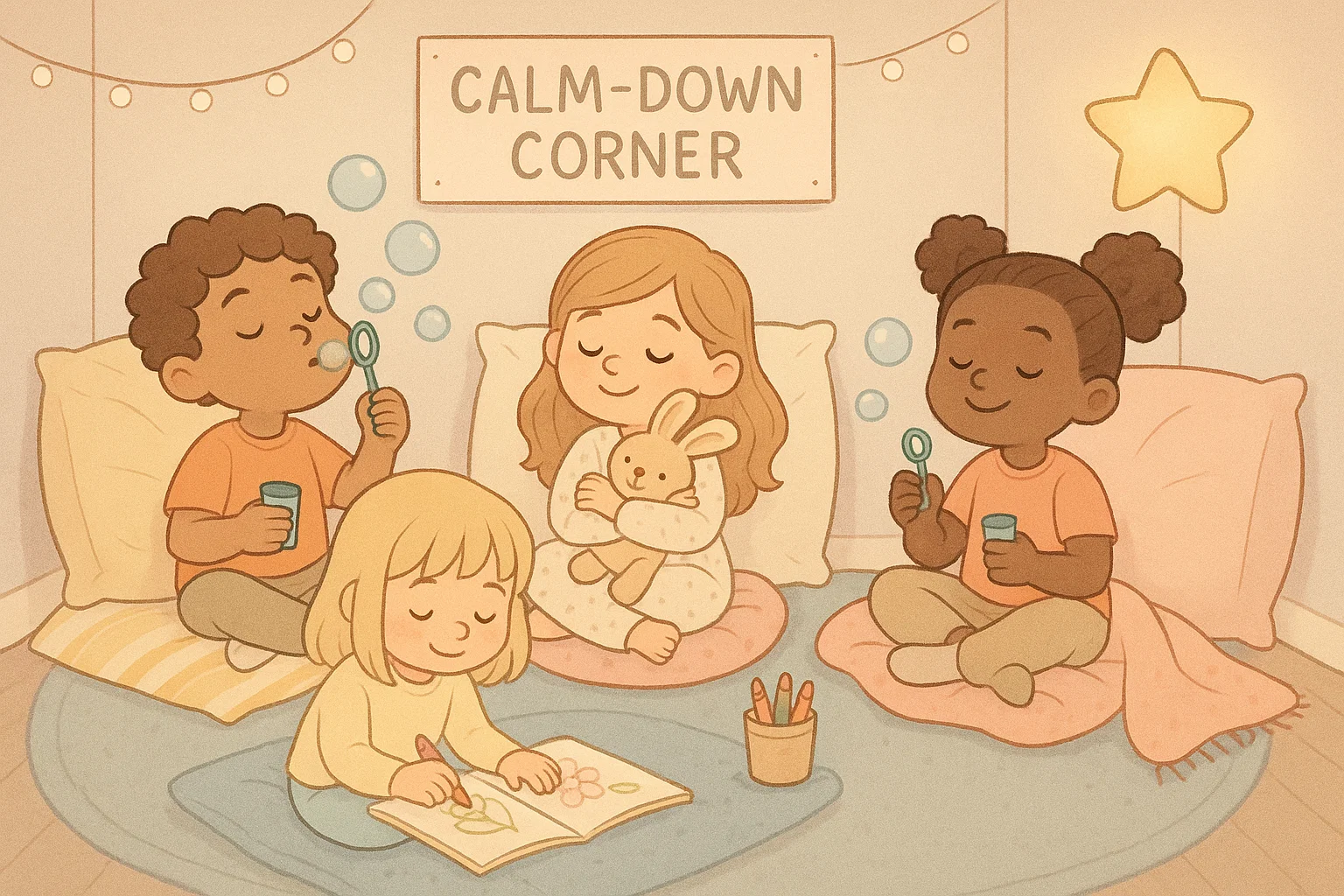
Parents, teachers, and caregivers often need practical calming activities to help kids navigate high-energy moments, transitions, and big emotions. Daily routines can become challenging during sensory overload or emotional dysregulation. Simple strategies – such as breathing games, sensory play, controlled movement, mindfulness, and creative projects – can give families and educators dependable ways to help children feel calmer and more in control. This guide covers indoor, outdoor, solo, and group activities that can be adapted for different ages, energy levels, and developmental stages.
Key Takeaways
- Playful Tools Build Engagement: Kids participate more consistently when calm-down exercises are framed as games rather than tasks.
- Fast Calm-Down Tools: Breathing exercises and structured sensory input can help kids begin to settle during moments of stress or anxiety.
- Movement Precedes Stillness: Highly active or overstimulated children often need physical “heavy work” before they can successfully engage in quiet activities.
- Age-Appropriate Customization: Tailoring activities to developmental age helps keep the techniques effective and engaging.
- Routine Builds Independence: Practicing calming strategies daily helps children learn to recognize early signs of stress and use these tools more independently.
Science Behind Calming Activities for Kids
Why Active Kids Need Calm Transitions
Highly active kids may struggle with sudden changes in routine, such as moving from outdoor play to classroom desk work. Some young people are more sensitive to stimulation or slower to adapt to changes, so preparing them for transitions can help reduce conflict.
Short transition rituals before homework, bedtime, schoolwork, travel, or meals provide predictable environmental cues. These cues help kids understand what is coming next, making it easier for them to shift expectations and behavior.
Brain-Body Link in Kid Calm-Down Routines
The human autonomic nervous system regulates physical and emotional states through a continuous feedback loop between the body and the brain. Calming activities give children concrete physical tasks that may support a shift toward a calmer, more regulated state.
When kids engage in deep breathing or deliberate muscle contraction, the brain receives physical cues that the environment is safe. This shift can help slow breathing, ease physical tension, and support a greater sense of control.
How Calming Exercises Support Focus, Sleep, and Emotional Balance
Regular practice with mindfulness and calming exercises may support self-regulation, focus, and overall well-being. Research on self-regulation programs suggests that consistent practice may support executive function, attention, and emotional control.
| Benefit Area | Specific Behavioral Outcome | Common Observation |
| Cognitive Focus | Increased attention span during academic tasks | Improved task completion over time when strategies are practiced consistently |
| Sleep Quality | Shorter sleep latency and reduced bedtime resistance | A smoother bedtime wind-down |
| Emotional Balance | Reduction in the frequency and intensity of meltdowns | Improved coping skills and confidence |
| Transitions | Smoother shifts between high- and low-energy activities | Decreased behavioral resistance during daily routines |
How to Help Kids Feel Calm
Match Activity to Energy Level
Effective co-regulation starts with noticing the current energy level and choosing a calming strategy that matches it. High-energy children, including some with ADHD, may find it frustrating to sit still and take deep breaths when their bodies feel restless.
In these moments, movement-based calming activities – such as jumping, squeezing, or wall pushes – should be used first to release physical tension. Once some of that physical energy has been released, kids can move into quiet breathing, sensory play, or simple mindfulness activities.
Use a Calm Voice, Simple Choices, and Low Pressure
When kids feel anxious or overstimulated, long explanations may be harder for them to process. Adults can support them by speaking in a low, steady tone and offering one or two simple choices, such as, “Would you like to squeeze play dough or look at the glitter jar?”
This strategy keeps pressure low, avoids triggering a defensive response, and gives kids a sense of control as they calm down. Caregivers should avoid lecturing or discussing behavior until children are calm enough to listen and talk.
Build a Calm Routine Before Stress Peaks
Waiting until the middle of a meltdown makes it harder to introduce a new calming technique successfully. Kids are more likely to learn calming exercises when they practice them during relaxed moments.
Building simple activities into daily routines – such as a morning stretch, an after-school sensory reset, or a bedtime breathing game – normalizes the practice. Establishing predictable intervals makes it easier for children to access these self-regulation tools during unexpected moments of stress.
How to Introduce Mindfulness to Kids
Start with a 1-Minute Practice
Mindfulness helps kids build body awareness by teaching them to pay attention to their breath, senses, and the present moment. When introducing mindfulness to young kids, keep sessions brief and start with just one minute of focused attention.
A one-minute session might include one breathing game, a quick sensory check-in, or a short stretch. Emphasizing daily consistency rather than long durations allows kids to gently build their capacity for mindfulness without feeling overwhelmed.
Make Mindfulness Playful, Not Serious
Kids often learn best through play, so mindfulness activities should feel like engaging experiments rather than rigid quiet time. Activities like animal breathing, bubble blowing, noticing nature, mindful eating with snacks, and imagination games keep kids actively involved.
For example, asking kids to describe the texture, temperature, and crunch of an apple slice turns a snack into a sensory activity. Framing these exercises playfully removes the pressure to “get it right,” transforming mindfulness into an enjoyable daily routine.
Adapt Mindfulness for Tweens and Teens
Tweens and teens may resist activities that feel too young or overly simplistic. For this age group, mindfulness often works better when framed as a practical tool for sports recovery, test preparation, or stress management.
Caregivers can suggest more independent strategies such as listening to music, journaling, stretching, phone-free reset time, or box breathing. This approach respects growing independence while providing practical ways to manage academic pressure and social anxiety.
Calming Activities for Kids
Belly Breathing
Belly breathing is a simple technique that encourages slower, deeper breathing and helps kids notice how their body feels. To practice, they can lie down or sit comfortably and place their hands or a favorite stuffed animal on their belly.
Guide them to breathe deeply through the nose, watching the stuffed animal rise and fall with each breath. This exercise provides a clear visual and tactile cue, making it especially helpful during bedtime routines or moments of anxiety and frustration.
Flower and Bubbles Breathing
This imagery-based breathing exercise helps children naturally lengthen their exhale, which can support a calmer breathing rhythm. Ask them to imagine holding a fragrant flower in one hand and a bubble wand in the other.
They inhale slowly through the nose to smell the flower, then exhale gently through the mouth to blow a large, imaginary bubble. The slow, controlled exhale can help the body settle, making this a useful tool for quick emotional regulation.
Bunny Breathing
Bunny breathing uses a few short, gentle sniffs followed by one longer exhale to help kids notice and reset their breathing pattern. They take three short, gentle sniffs through the nose – like a bunny sniffing the air – and then release one long, smooth breath through the mouth.
This playful exercise often works well for younger kids who enjoy animal pretend play, helping them shift attention and regain calm.
5-4-3-2-1 Technique
The 5-4-3-2-1 technique is a simple grounding exercise that redirects attention from anxious thoughts back to the immediate environment. A caregiver guides children to systematically name the following elements:
- Five objects they can see in the room
- Four things they can feel
- Three distinct sounds they can hear
- Two scents they can smell, or two scents they remember
- One thing they can taste, or one taste they can remember
This sensory progression can interrupt overwhelming thought patterns and may help during intense worry, performance anxiety, or sensory overload.
Making Lemonade
Making lemonade is a progressive muscle relaxation exercise designed to help kids identify and release physical tension. They imagine standing under a lemon tree, reaching up to grab two lemons, and squeezing them firmly to make juice.
They clench their fists for about five seconds, then drop the imaginary lemons and relax their hands completely. Repeating this process helps kids feel the physical contrast between tension and relaxation, making it easier to release stress.
Big Squeeze
The big squeeze uses gentle deep pressure to help an overstimulated kid feel more grounded and secure. Kids can wrap their arms around themselves in a firm self-hug, squeeze a plush pillow against their chest, or press their palms together with steady, comfortable pressure.
Make sure the pressure feels comfortable and grounding, never painful or restrictive. This deep tactile input acts as a physical anchor when environmental stimuli become overwhelming.
Mindful Movement
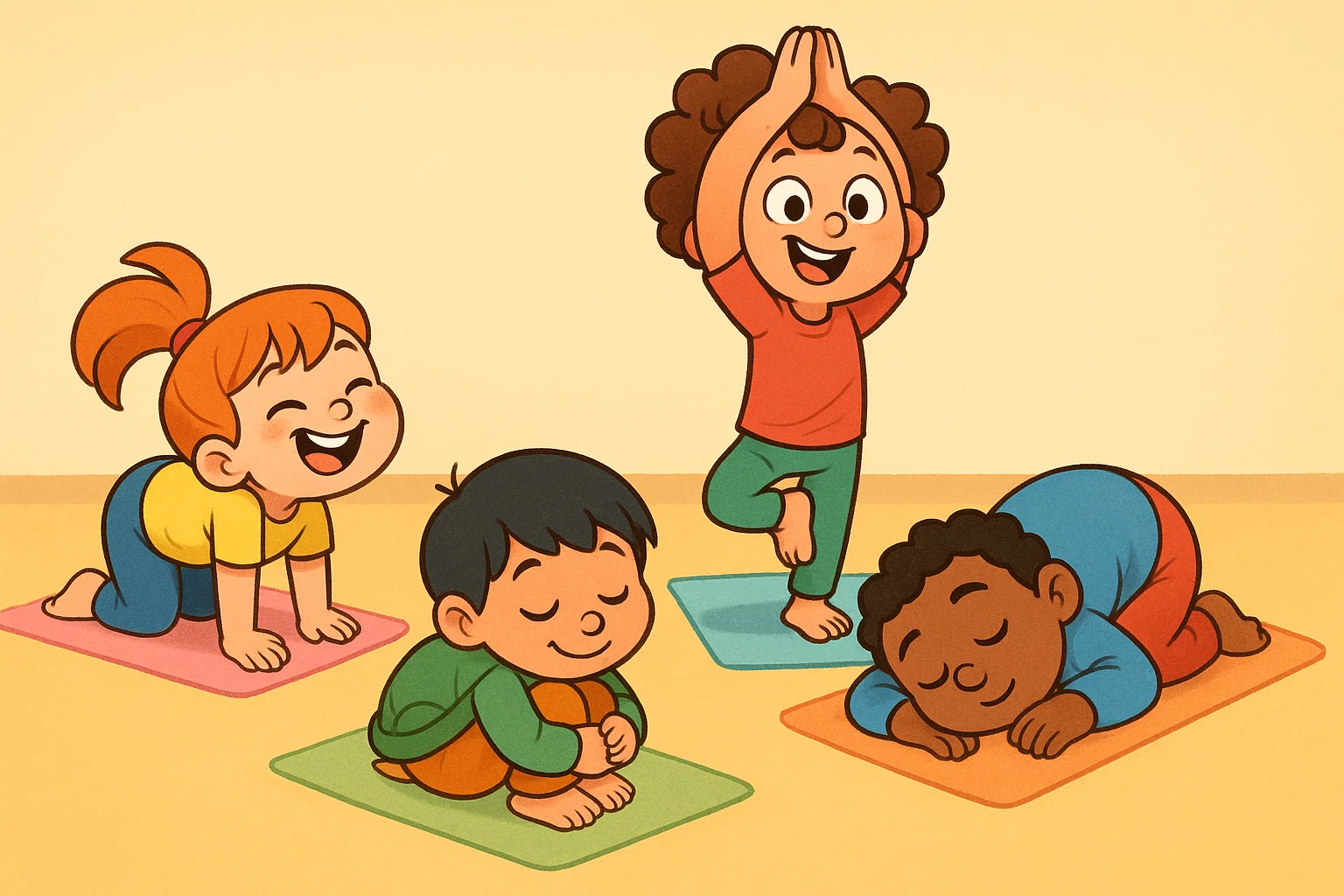
Mindful movement combines slow, deliberate physical motion with focused breathing to help restless kids settle their bodies. This category includes gentle yoga poses, slow animal walks, simple balance games, and light stretching sequences.
Rather than rushing through the movements, kids notice how their muscles stretch, tighten, and relax. This controlled movement gives active children an outlet for extra energy before they shift into a calmer state.
Nature Walk
An outdoor nature walk uses natural sensory input to shift focus away from internal stress and academic pressures. During the walk, invite kids to quietly notice specific details, such as cloud shapes, leaf patterns, bird calls, or the varied textures of tree bark.
Time in nature can support well-being and may help kids feel less stressed. This activity serves as a helpful behavioral reset after school or during weekend family time.
Mindful Baking
Mindful baking provides a highly engaging, multi-sensory task that naturally encourages focus, patience, and emotional regulation. The step-by-step process of measuring flour, mixing dough, kneading, and tracking baking times requires sustained concentration.
Kids engage multiple senses as they feel the dough, smell the warming ingredients, and observe how the food changes as it bakes. Adult supervision helps keep the process safe, structured, and low-stress, turning a kitchen task into a sensory activity.
Building Bricks
Building with interlocking bricks offers a structured, self-paced activity that can help busy minds slow down. Kids can choose to follow step-by-step instructional manuals, sort pieces by color and size, or engage in unrestricted free building.
The repetitive, fine motor actions involved in snapping pieces together encourage sustained focus and spatial problem-solving. This predictable, independent task is excellent for unwinding after an intense day at school.
Crafting
Engaging in hands-on crafting tasks provides a creative outlet that naturally reduces stress and improves fine motor skills. Activities like coloring, cutting paper shapes, gluing templates, modeling clay, threading beads, and folding origami require focused hand-eye coordination.
The rhythmic, repetitive nature of these handcrafts helps quiet an overactive mind and provides a sense of pride in creating something tangible. Crafting can easily be integrated into waiting periods or quiet afternoon schedules.
Sensory Activities
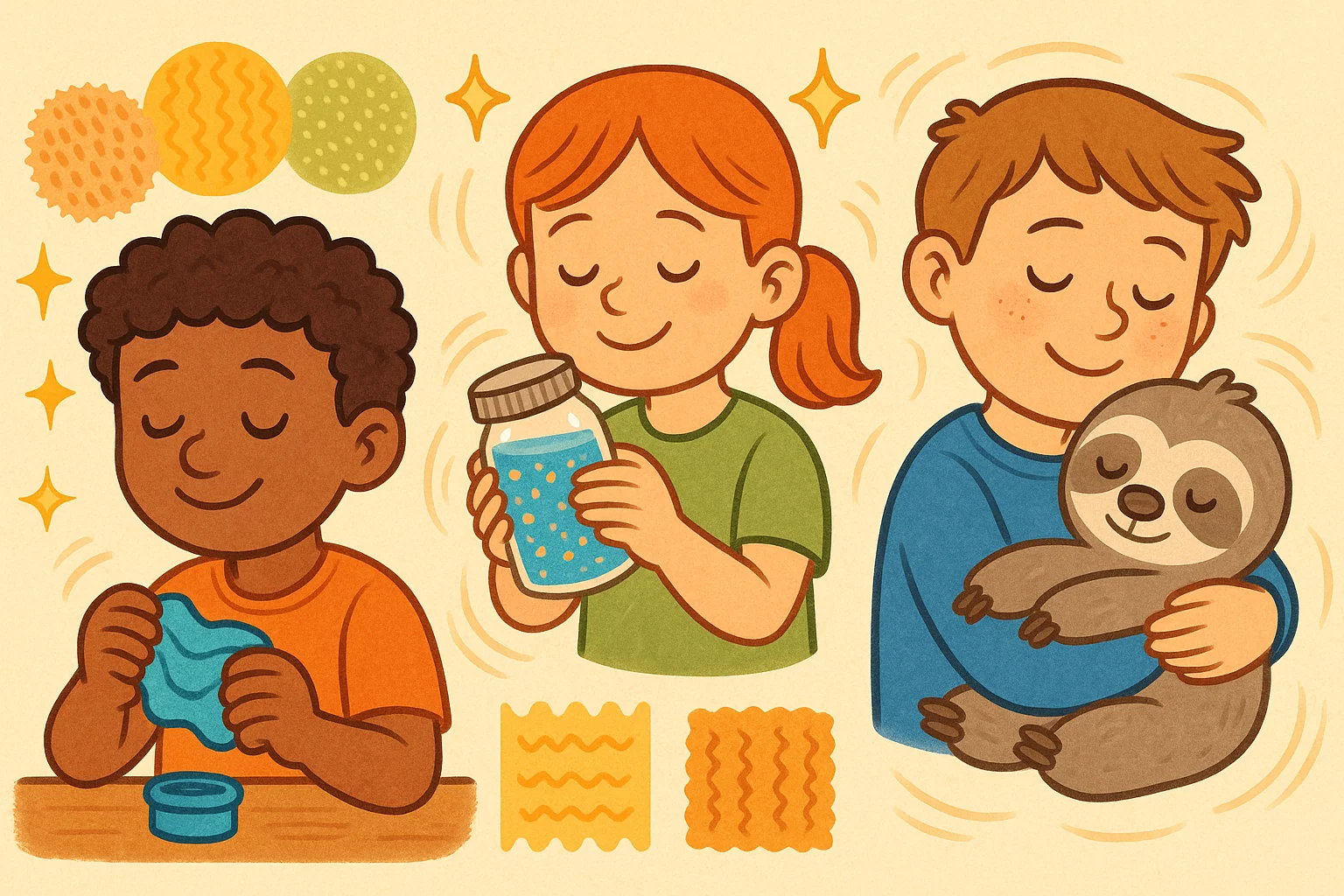
Targeted sensory play allows kids to meet sensory needs in a safe, structured way. Tools such as play dough, kinetic sand, water bins, dry rice trays, textured fabrics, and glitter jars can offer rich tactile input.
These tactile experiences help filter out distracting environmental noise, making them especially helpful for kids with sensory processing sensitivities.
Cardboard Demo Day
A cardboard demo day channels physical energy into a safe, hands-on building or deconstruction project. Kids can use safe materials and tasks, such as breaking down clean cardboard boxes, using kid-safe plastic tools, or assembling simple STEM kits.
This hands-on task channels intense physical energy into productive, focused work. It gives kids a sense of physical impact while supporting spatial reasoning, problem-solving, and fine motor practice.
Deep Breathing Activities for Kids
Bubble Breathing
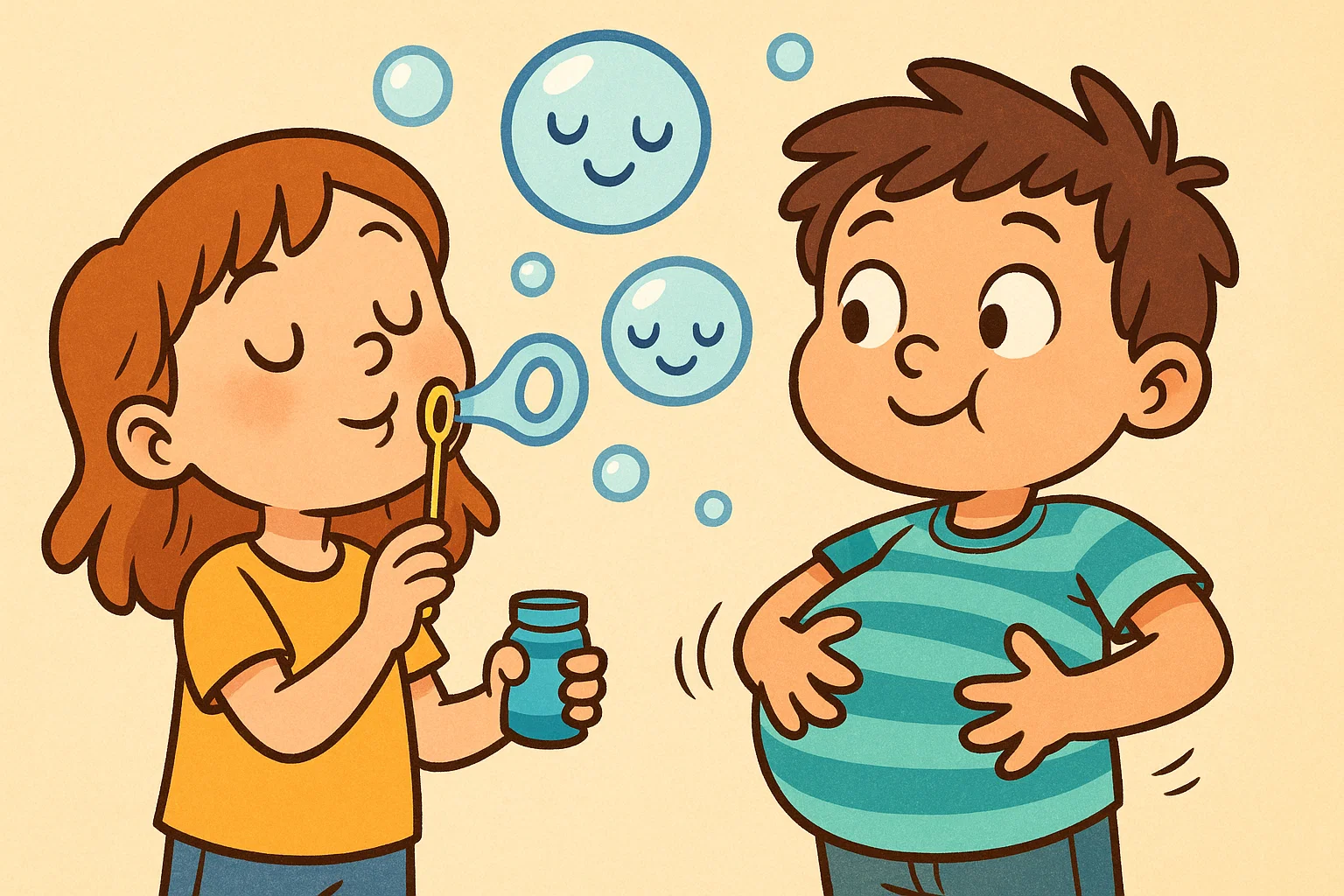
Bubble breathing is a simple visualization exercise that teaches kids how to slow down and control their exhalations. They take a deep breath in, then breathe out slowly and steadily, as if trying to blow the largest bubble possible without popping it.
Using real bubble solution and a wand can help younger kids see why a slow, gentle breath works best. This exercise turns a basic breathing technique into a game and can help kids begin to relax.
Balloon Breathing
Balloon breathing encourages deeper breathing by helping kids imagine their belly filling and emptying like a balloon. They sit comfortably or lie down and imagine their belly as a balloon filling with air.
As they inhale through the nose, the belly gently expands; as they exhale through the mouth, they imagine the balloon slowly deflating. This exercise can work well for bedtime routines or quiet classroom resets, helping kids ease physical tension before rest.
Birthday Candle Breathing
Birthday candle breathing teaches breath control using a clear, relatable concept. Kids hold up five fingers, pretending each one is a lit candle on a birthday cake.
They take a deep breath in, then gently blow out each “candle” one at a time, lowering one finger with each slow exhale. This exercise focuses on gentle, controlled exhalations rather than forceful blowing, making it a useful tool during overwhelm.
Five Senses Calming Activities
Sight-Based Calm Activities
Visual calming activities help steady attention and redirect focus away from distractions or upsetting thoughts.
- Glitter Jars: Shaking a fluid-filled glitter bottle and watching the sparkles slowly settle to the bottom.
- Cloud Watching: Lying outdoors to track the gentle movement and changing shapes of clouds.
- Calming Picture Books: Turning the pages of visually rich, low-text books with soft color palettes.
- Color Hunts: Scanning the immediate room to find and name ten distinct items of a single color.
- Fish Tanks: Observing the rhythmic, smooth movements of fish swimming in an aquarium.
Sound-Based Calm Activities
Auditory grounding exercises use soothing sounds to mask chaotic environments, helping kids settle an overstimulated nervous system. Caregivers can introduce soft instrumental music, sound scavenger hunts, gentle humming games, or ambient rain sounds.
Asking kids to close their eyes and listen for the most distant sound they can hear encourages auditory focus. This practice enhances the ability to filter out overwhelming noise and focus on the present moment.
Touch-Based Calm Activities
Tactile activities use direct physical contact to provide comforting sensory input, helping kids feel grounded and secure. They can wrap themselves in soft blankets, handle textured toys, take a warm bath, or receive a gentle hand massage with kid-safe lotion if they are comfortable with touch.
Providing stress balls or specialized sensory bins filled with dry beans gives kids a safe physical outlet for nervous energy. These physical touchpoints help regulate the nervous system during anxious or unsettled moments.
Smell-Based Calm Activities
Scent-based activities use aromas that are safe for kids to encourage slow breathing and support emotional regulation. Caregivers can invite kids to smell real flowers, fresh citrus peels, warm baking spices, or herbal sachets that are safe for kids, while keeping allergies in mind.
Focus on the pleasant sensory experience rather than presenting scents as a treatment. This olfactory focus encourages deep, deliberate breaths, which naturally helps soothe physical and emotional stress.
Taste-Based Calm Activities
Mindful eating tasks use specific flavors and textures to draw scattered focus back to immediate physical experiences. During snack time, caregivers can encourage kids to notice the exact crunch, temperature, sweetness, or texture of a piece of food.
Practicing mindfulness with a slice of cold melon or a crunchy cracker can keep kids engaged in the present moment. Caregivers must maintain strict allergy awareness and use simple foods to ensure the activity remains safe and stress-free.
Muscles and Movement Calming Exercises
Wall Pushes
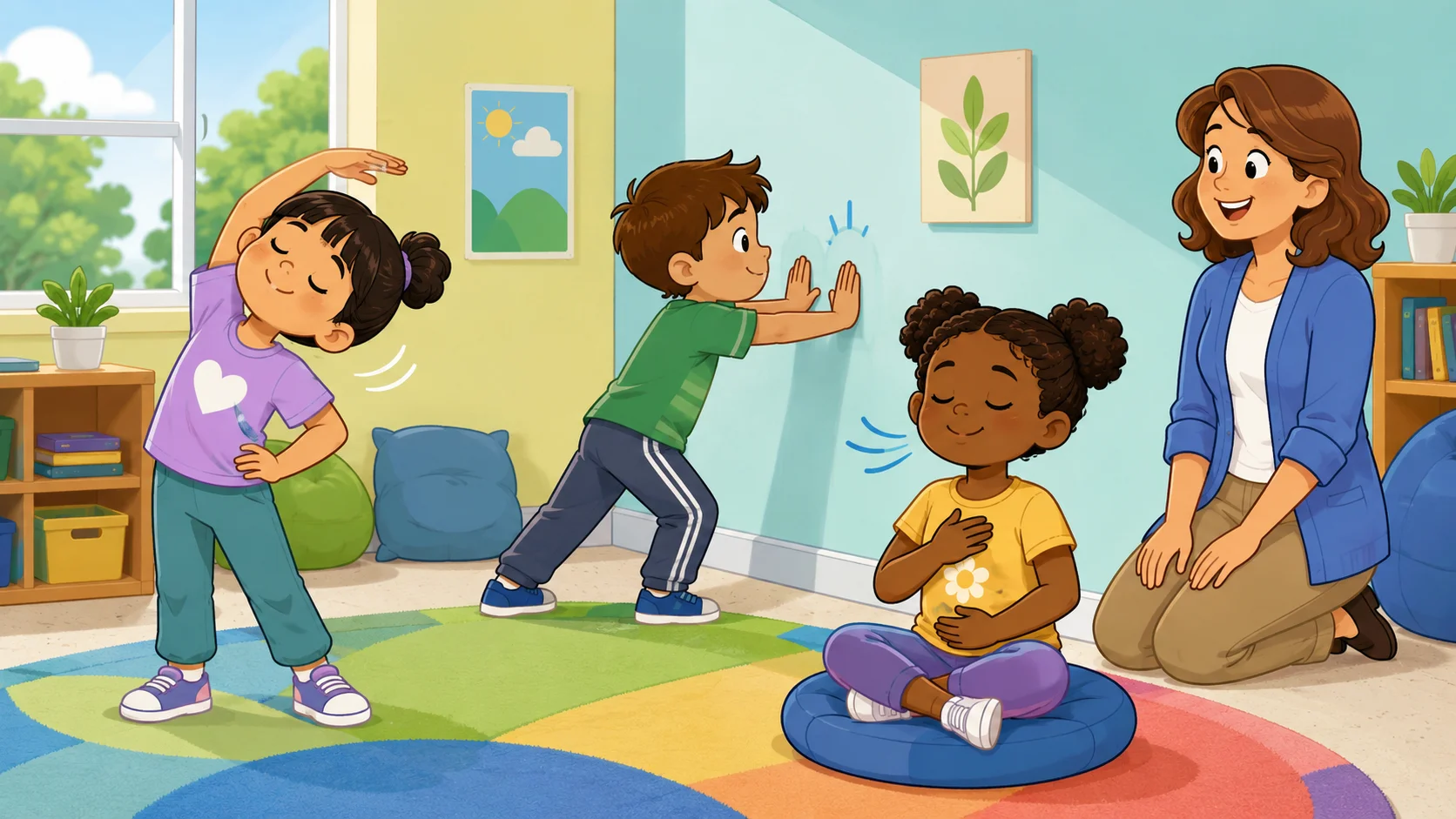
Wall pushes are a simple “heavy work” exercise that gives joints and muscles firm, steadying input. Kids place both palms flat against a sturdy wall, step their feet back slightly, and push firmly but safely for about ten seconds.
Once the time is up, they release the pressure, drop their arms, and take a slow breath. This quick physical release helps ease muscle restlessness, making it an excellent reset before starting homework or sitting down for schoolwork.
Animal Walks
Animal walks combine gross motor play with controlled physical movement to reduce restlessness in highly active kids. Caregivers can invite kids to try slow, deliberate animal-inspired movements:
- Bear Walk: Moving forward on hands and feet with hips raised high and knees slightly bent.
- Crab Walk: Sitting down, placing hands flat behind, lifting hips, and walking backward or sideways.
- Frog Jumps: Dropping into a gentle squat and hopping forward in controlled, balanced movements.
- Turtle Walk: Crawling forward in ultra-slow motion while balancing an imaginary shell on the back.
Stretch and Freeze
Stretch and freeze is an engaging game that helps kids practice physical control by alternating between tension and stillness. Kids stretch their arms up high toward the ceiling, fold down to touch their toes, twist their torso gently, and then instantly freeze like a solid statue when prompted.
This structured play helps kids practice muscle control. Blending physical movement with moments of complete stillness makes it much easier to transition into quiet activities.
Heavy Work Activities
Heavy work activities involve pushing, pulling, carrying, or squeezing tasks that can help kids feel more organized and grounded. Tasks can include carrying a small stack of books, pushing a lightly weighted laundry basket, moving couch pillows, or pulling a wagon outdoors.
Caregivers should provide close supervision and choose loads that are light and appropriate for each kid’s size and strength. These practical chores provide calming muscle input and may make it easier to focus afterward.
Calming Activities for Super-Active Kids
Obstacle Course Reset
An indoor obstacle course gives highly active kids a safe, structured way to channel intense physical energy. Caregivers can set up a short course using floor cushions to step over, a low table to crawl under, a taped line to balance on, and a designated spot for a final slow breath.
The combination of varied movements provides essential sensory input while keeping the activity structured and purposeful. Designing the course to end with a quiet, focused task helps kids transition smoothly from high energy to a calm state.
Jump Then Breathe
This rapid-reset technique is designed for kids who find it difficult to transition directly from high-energy play to a quiet task. They complete 10 to 20 fast, energetic jumps in place, then immediately sit down to take three slow, deep breaths.
This safe physical release lets kids burn off some energy before shifting into a calmer activity. It can make it easier for highly active kids to transition into focused activities.
Dance Freeze Calm Game
The dance freeze game uses rhythm and play to help groups of kids practice self-regulation and physical control. Caregivers play upbeat music for dancing, then pause the track unexpectedly, signaling everyone to freeze in place and take two deep breaths.
This activity is excellent for classrooms, groups of friends, or rainy days at home. It teaches kids to transition quickly between high-energy excitement and focused stillness, making group management much smoother for leaders.
Pillow Press
The pillow press uses firm, comfortable pressure to help overstimulated kids feel grounded. Kids place a firm pillow between their hands or knees, or press it flat against a wall, squeezing with steady, comfortable pressure for several seconds before releasing.
This deep physical compression provides calming feedback to the muscles and joints without requiring a lot of open space. It serves as a discreet, effective indoor grounding tool when overwhelm starts building.
Creative Calming Activities for Kids
Coloring Pages
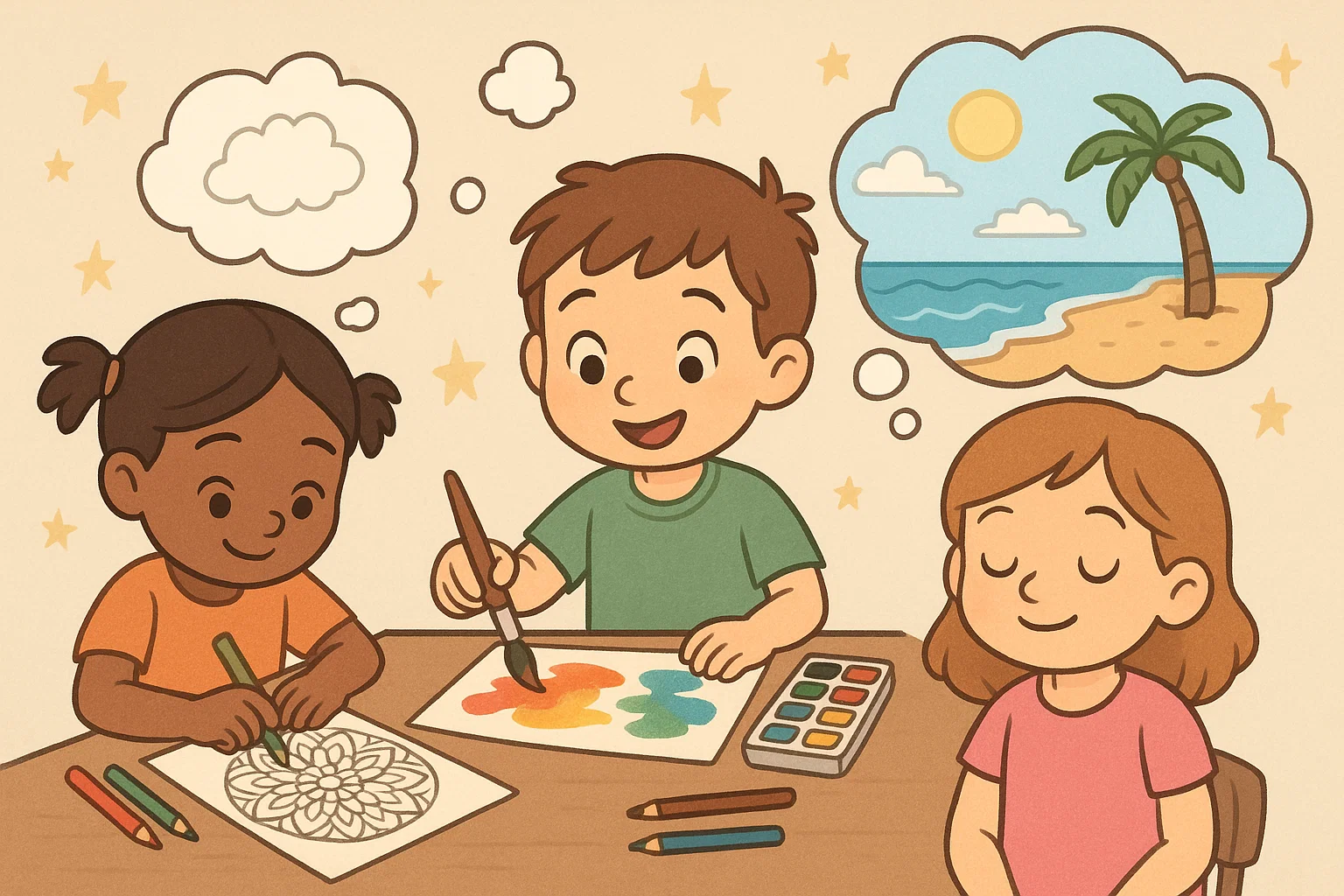
Coloring provides a predictable, self-contained activity that helps kids focus their attention and manage stress. Younger kids can use simple coloring pages with bold shapes, while older kids and tweens may prefer intricate mandalas or geometric patterns.
The rhythmic motion of moving a crayon or colored pencil across paper helps soothe an overactive mind. Keeping portable coloring sheets on hand is an excellent way to support calm during travel or long waiting periods.
Clay or Play Dough
Working with clay or play dough offers an open-ended tactile activity that helps release physical tension while building fine motor skills. The acts of squeezing, rolling, flattening, and shaping the dough provide comforting sensory input to the hands and wrists.
This focused handwork helps ground attention, offering a safe, quiet outlet for anxiety or frustration. Keeping a container of non-toxic play dough nearby can provide a reliable tool for independent emotional regulation.
Calm Jar Craft
Creating a calm jar is a hands-on craft that doubles as a visual tool for emotional self-regulation. Caregivers and kids can fill a clear plastic bottle with warm water, clear glue, and colorful glitter, then seal the lid securely with strong adhesive.
When kids feel overwhelmed, they can shake the jar and watch the glitter slowly settle to the bottom while taking slow, deep breaths. This simple visual exercise gives kids a concrete way to picture emotions settling.
Drawing Feelings
Drawing feelings gives kids a nonverbal way to express complex emotions without having to find the right words. Caregivers can invite them to draw their current mood using weather patterns, colors, shapes, or imaginative monsters.
This creative exercise can help externalize stress and move from reacting to reflecting. It can give adults a gentle starting point for understanding how kids feel without forcing a long, high-pressure conversation.
Outdoor Calming Activities for Kids
Cloud Watching
Cloud watching is a classic outdoor activity that encourages mindfulness by inviting kids to observe natural rhythms. Kids sit or lie down comfortably in a safe outdoor space, quietly watching the clouds drift by and naming the shapes they see.
This exercise encourages slow breathing, gentle visual tracking, and quiet observation, which can help kids relax. It provides a peaceful break from digital screens and structured schedules, allowing kids to connect easily with the present moment.
Garden Helper Task
Engaging in simple gardening tasks offers a structured, hands-on outdoor activity that provides rich sensory input. Kids can assist with watering container plants, sorting fallen leaves, planting seeds in loose soil, or pulling safe, clearly identified weeds under supervision.
These goal-oriented tasks require focused attention and careful fine motor coordination. Working with natural materials can help kids unwind after a busy day at school.
Barefoot Grass Walk
A barefoot grass walk is a simple grounding activity that encourages kids to notice physical sensations beneath their feet. In a safe, clean grassy area free of sharp objects, kids walk slowly and notice the texture, temperature, and pressure of the ground.
This direct sensory contact helps shift focus away from racing thoughts and back to physical surroundings. It can be a refreshing sensory reset on warm afternoons.
Nature Treasure Hunt
A nature treasure hunt turns a simple walk into an engaging, slow-paced sensory search. Caregivers can ask kids to find a small collection of safe natural items, such as a smooth stone, a yellow leaf, a pinecone, or a fallen flower.
This task encourages exploration with quiet focus rather than rushing around. It uses the natural environment to encourage curiosity, steady concentration, and a sense of calm.
Indoor Calming Activities for Kids
Reading Corner Reset
A dedicated reading corner provides a predictable, low-stimulus space where kids can rest and recharge. This area can be set up with floor pillows, soft blankets, gentle lighting, and an organized selection of favorite books.
When early signs of overstimulation appear, spending time in this quiet space can help kids reset independently. This cozy environment reduces sensory input, making it easier to regain emotional balance.
Puzzle Time
Completing jigsaw puzzles is a focused, independent activity that encourages patience and problem-solving. Kids must scan shapes, sort colors, and fit pieces together carefully, which requires steady visual and mental concentration.
Caregivers should provide puzzles that match developmental age to keep the task engaging rather than frustrating. This quiet, structured activity can keep kids productively occupied on rainy days or during afternoon rest time.
Sorting Games
Sorting games give kids a simple, predictable task that can create a sense of order when the environment feels overwhelming. Caregivers can invite them to sort everyday household items – such as buttons, building blocks, colorful socks, crayons, or small toys – by color, size, or shape.
The repetitive, organized nature of sorting helps soothe an overstimulated brain. It offers a clear, achievable goal that helps kids feel more organized and in control.
Water Painting
Water painting is a low-mess, soothing creative activity that uses simple materials to encourage focused repetition. Kids use a clean paintbrush dipped in plain water to paint designs on dark paper, a chalkboard, or an outdoor concrete patio.
As the water marks slowly evaporate, they can paint new patterns over the surface. This continuous, low-pressure process encourages quiet concentration, making it a useful calming tool for young kids.
Calming Activities for Kids FAQs
How Can I Help My Child Learn to Calm Down?
To help your child learn to calm down, start by practicing simple tools when the day is already going well. Breathing games, quiet sensory play, and activities like reading are easier to learn before stress and anxiety build up. You can also ask your child which strategy feels best: a big squeeze, a fidget tool, a short walk, or a quiet corner. This gives your child a sense of choice and helps them feel more in control. Over time, kids can learn to self-regulate with less adult prompting.
What Calming Techniques for Kids Work During Daily Transitions?
The best techniques for kids during transitions are short, predictable, and easy to repeat. A one-minute breathing game before starting school, a wall push before homework, or a calm song before brushing teeth can all signal that the next part of the day is beginning. The simple act of pairing a routine with one calming tool can also be helpful when kids are starting a new class, schedule, or bedtime habit. These small rituals help children move from one activity to another without feeling rushed or overwhelmed.
Are Fidget Tools Helpful for Calming Kids?
A fidget tool can be helpful for calming when it gives kids safe sensory information without becoming a distraction. Soft stress balls, textured strips, putty, or small hand tools can give busy hands something predictable to do. For some kids, this kind of sensory input supports the ability to focus during homework, reading, or listening tasks. For others, a fidget may be too stimulating, so it helps to test one tool at a time and watch how the child responds.
What Activities Help Children Cope with Anxiety?
There are lots of ways to help children cope with anxiety, but the most effective options are usually simple and repeatable. Deep breathing, drawing feelings, naming five things they can see, or taking a slow nature walk can help shift attention away from troubling thoughts. Calming activities may not remove every worry right away, but they can help them regulate their bodies and return to the present moment. When anxiety feels frequent, intense, or hard to manage, families may also benefit from support from a pediatrician, therapist, or school counselor.
Take a short quiz to find out what your everyday choices say about your parenting style
When your child is curious about something new, what’s your instinct?
Take a short quiz to find out what your everyday choices say about your parenting style
“Can I download this app?” What happens next?
Take a short quiz to find out what your everyday choices say about your parenting style
When it comes to rules at home, which sounds most like you?
Take a short quiz to find out what your everyday choices say about your parenting style
If you could give your child one life skill today, what would you pick?
Take a short quiz to find out what your everyday choices say about your parenting style
Your child gets to choose what to watch. What would your ideal setup look like?
Take a short quiz to find out what your everyday choices say about your parenting style
Pick your parenting superpower ✨