Best Way to Teach a Child to Read: 15 Fun Steps for Home

 Discover a Free Education Video App for Kids
Pastory uses AI to personalize educational video content based on your child’s interests and personality. Safe, engaging, and built for curious young minds. Sign up now to stay updated and enjoy early access with a free trial
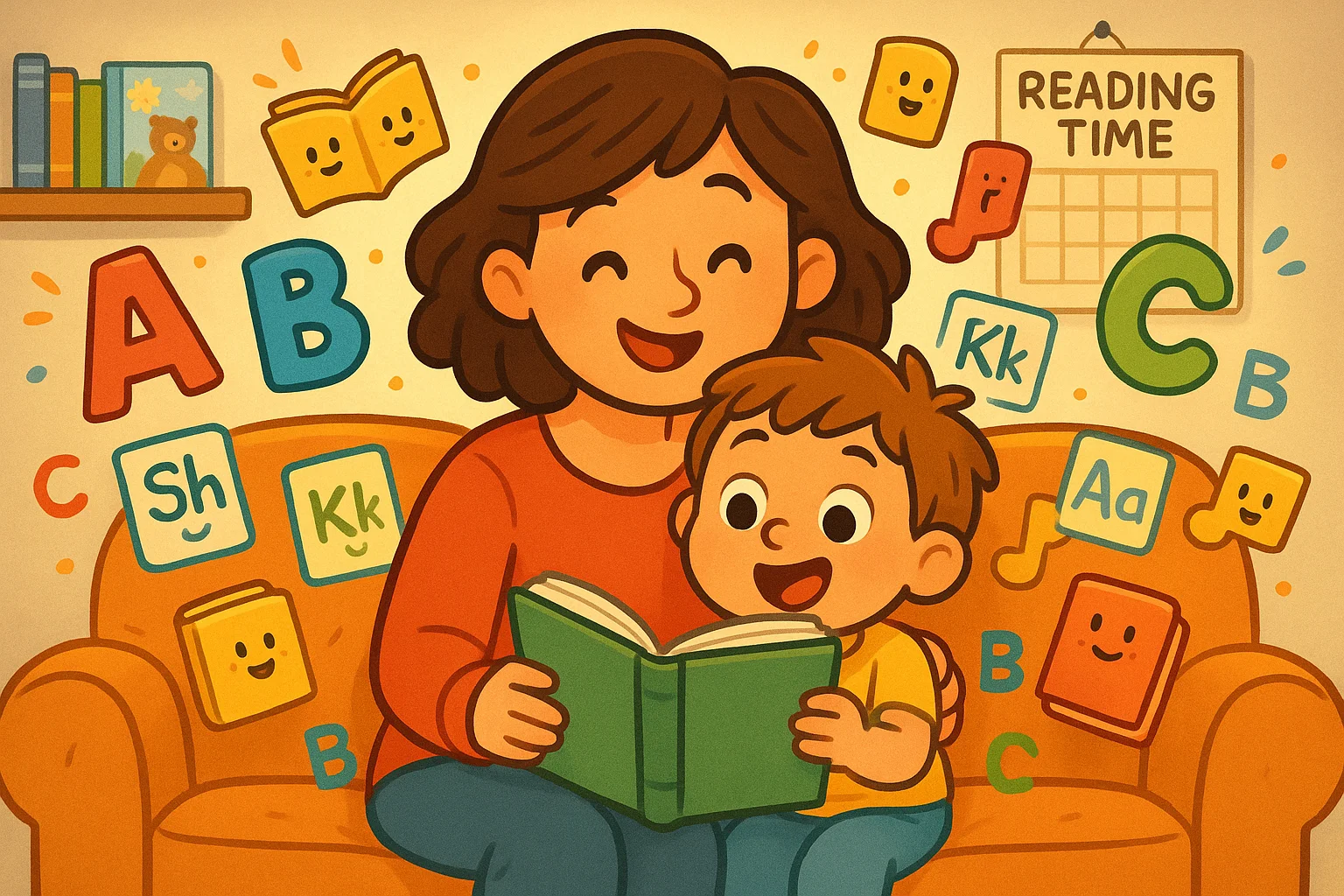
Teaching a child to read at home is a rewarding journey that works best with gentle guidance rather than academic pressure. The most effective approach combines phonemic awareness, phonics, shared reading, practice with high-frequency words, playful activities, and patience. Because cognitive, emotional, and self-regulation skills develop at different rates, progress depends on each child’s age, interests, and readiness.
Key Takeaways
- Core Method: Combine systematic phonics, which means matching sounds to letters, with daily shared reading to build decoding skills and language comprehension at the same time.
- Ideal Lesson Length: Keep lessons short and focused. Five to 15 minutes a day is usually enough for young beginners.
- Response to Struggles: If a child becomes frustrated or struggles to decode a word, pause for five seconds, prompt them to say the first sound, and provide the word if they remain stuck so the reading experience stays positive.
Best Teaching Path
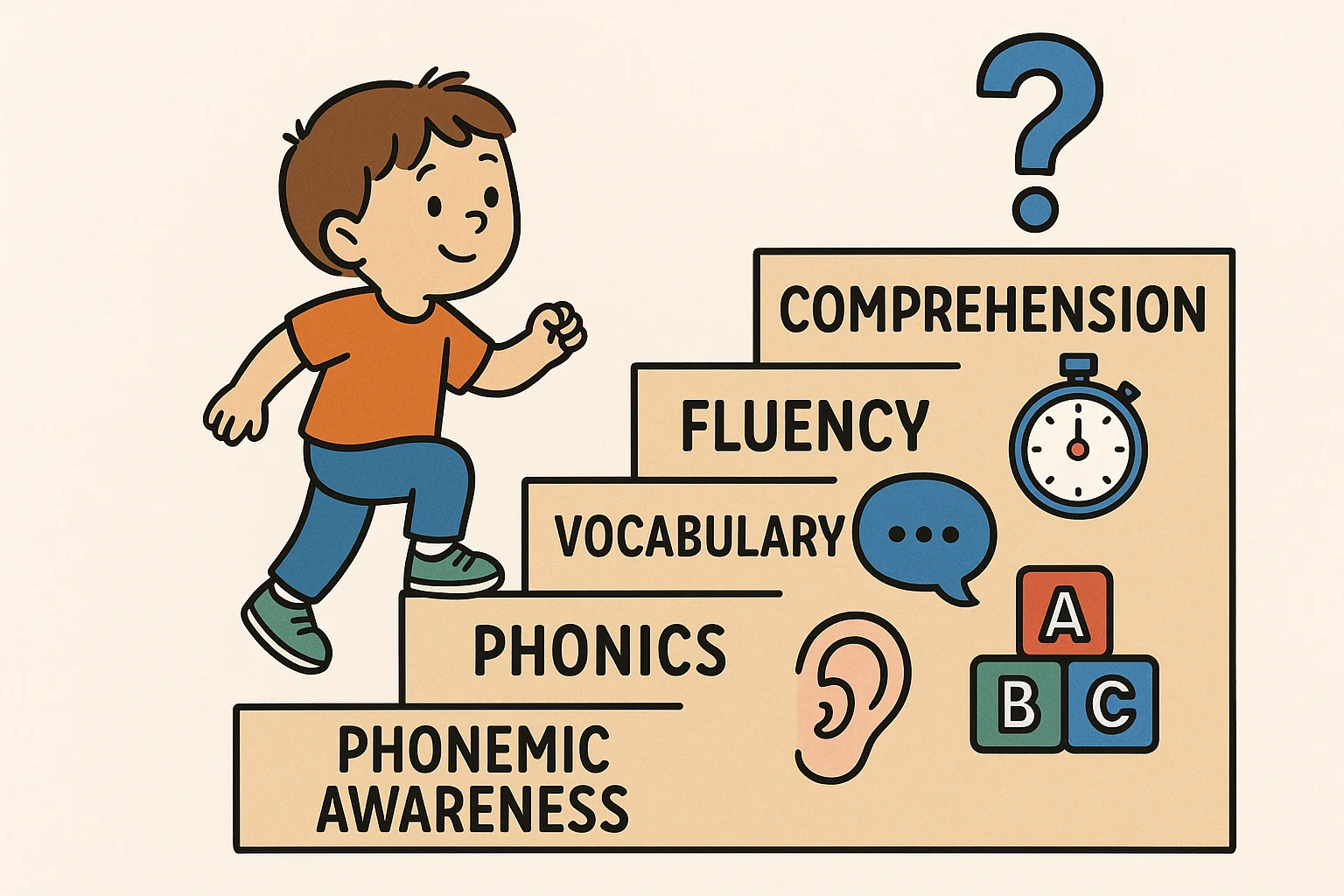
- Auditory Foundation: Children first develop phonemic awareness by listening for and identifying individual sounds in spoken words without looking at text.
- Sound-Symbol Association: Learners progress to matching individual sounds with the letters that represent them.
- Blending and Application: Children learn to blend individual sounds into whole words, gradually moving from decoding single words to reading full sentences in simple books.
Parent Role During Reading
Parents do not need formal teacher training to help kids learn to read at home. A parent’s main role is to offer calm support, read together daily, play simple literacy games, and choose books that match the child’s interests.
Progress Signals Worth Watching
- Phonological Awareness: The child recognizes when words rhyme and can clap out the syllables in a spoken word.
- Print Recognition: The learner identifies uppercase and lowercase letters and shows print awareness by tracking English text from left to right.
- Decoding and Synthesis: The reader can blend two or three sounds to read simple words like “cat” or “sit” independently.
Reading Readiness Before Formal Instruction
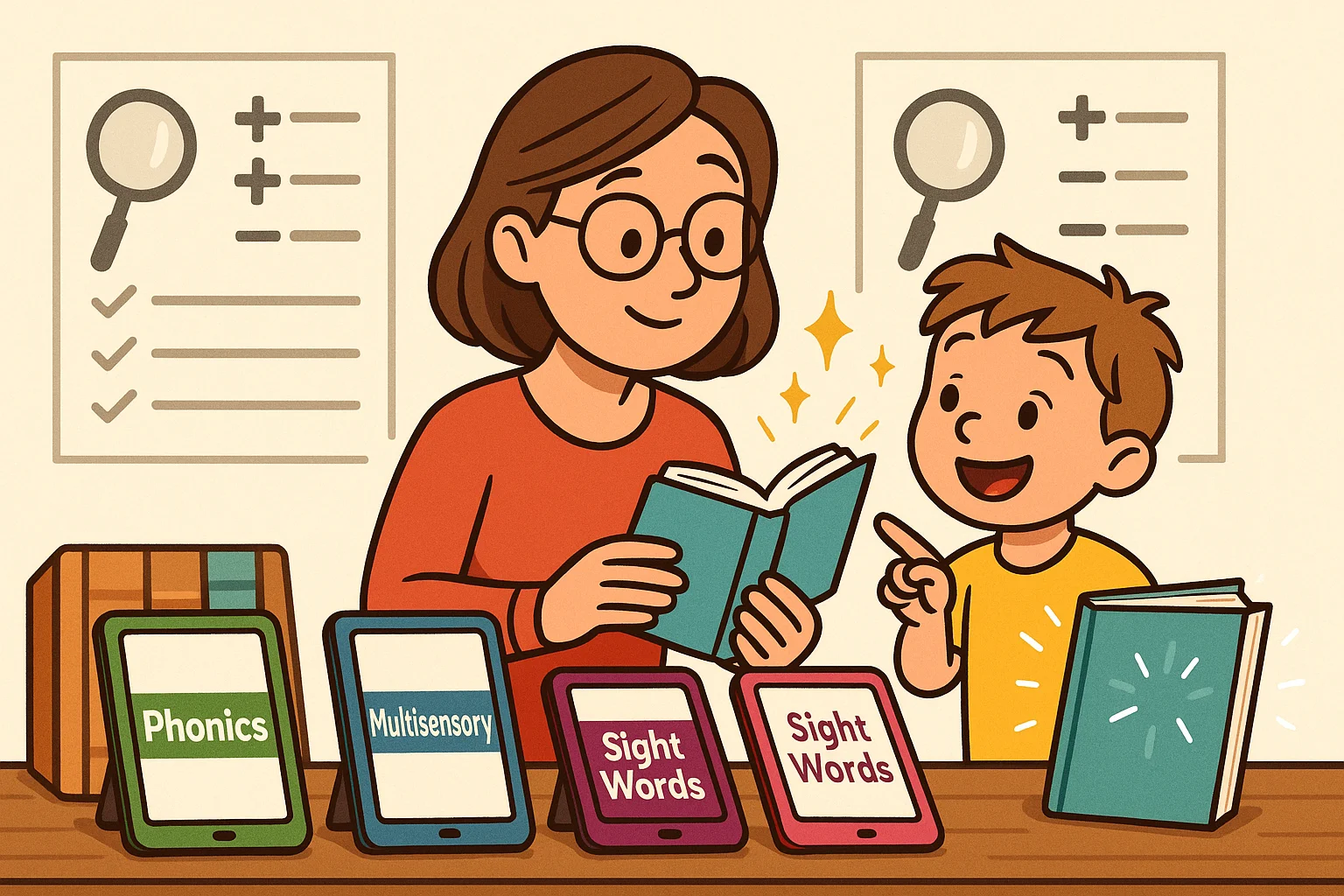
Before young learners decode printed words, they develop crucial pre-literacy skills through everyday language exposure and early reading habits. Building this foundation during the preschool years helps prepare the child for structured instruction.
Pre-Literacy Skills
Pre-literacy skills include oral language, vocabulary, memory, print awareness, and left-to-right tracking. The American Academy of Pediatrics (AAP) notes that early language skills are linked to later academic success, and rich verbal environments can support vocabulary growth. When a parent points to words while reading, a young child learns that written words move from left to right in English and carry meaning.
Reading With Preschoolers
Reading aloud daily with kids ages 3 to 5 supports language development, comprehension, and attention. During these shared reading sessions, parents can invite predictions by asking what might happen next or encourage the child to discuss the illustrations. Data from the National Center for Education Statistics (NCES) indicate that preschoolers who are read to three or more times per week are more likely to recognize the full alphabet than kids who are read to less often.
Acting Like a Reader
Children often engage in “pretend reading” before they can truly decode words, and this is an important milestone in literacy development. During this phase, parents can encourage their child to hold books, turn the pages independently, recite favorite stories from memory, and tell stories based on the pictures. This behavior shows that the child understands the basic relationship between books and storytelling.
Read for Pleasure
Cultivating a love of reading through shared enjoyment builds attention, motivation, and a long-term willingness to keep practicing. Reading routines should feel warm, secure, and collaborative rather than like a strict testing environment. When parents prioritize pleasure over performance, kids become more resilient when they encounter challenging texts later on.
Letter Sounds, ABCs, and Phonics
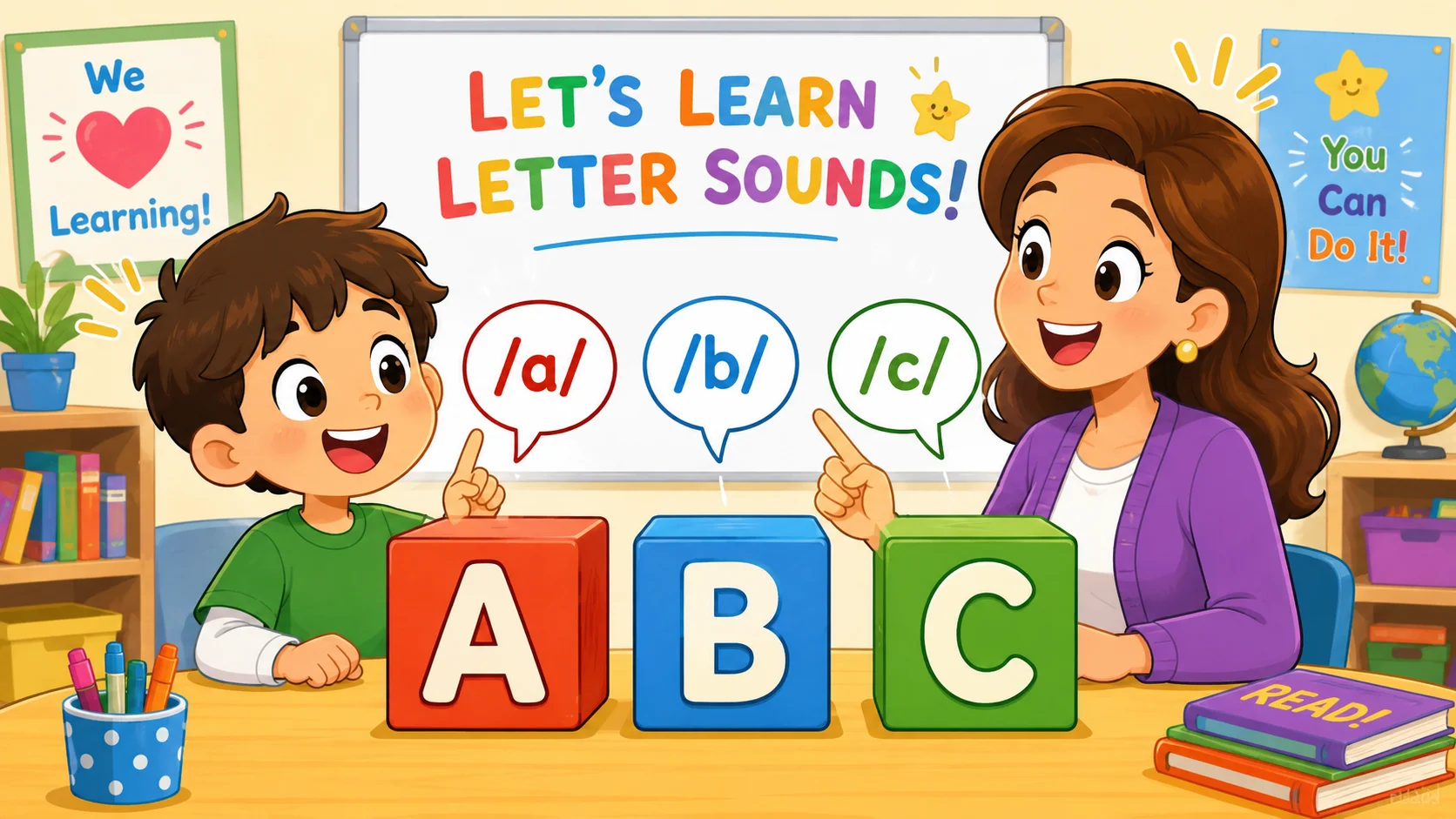
A strong reading foundation relies on explicit phonics instruction and alphabet knowledge. Teaching kids to read means showing them how written letters represent specific sounds.
Focus on Letter Sounds Over Letter Names
Learning individual letter sounds helps a child read words sooner than memorizing letter names alone. For example, knowing that the letter M represents the sound /m/ helps a child blend the word “mat” (/m/-/a/-/t/), while knowing only the letter name “em” can make blending confusing.
Parents should teach short, crisp sounds without adding an “uh” at the end. For example, pronounce T as /t/, not “tuh.”
Know Your ABCs
Alphabet knowledge remains a crucial component of early literacy because it helps kids tell different letter shapes apart. Parents can use alphabet books, magnetic letters, letter hunts around the home, and name-writing exercises to reinforce this skill.
The table below shows effective tools and activities for building alphabet knowledge:
| Tool / Activity | Targeted Literacy Skill | Implementation Method |
| Magnetic Letters | Visual discrimination and letter formation | Sort letters by shape or build the child’s name on the refrigerator. |
| Alphabet Books | Letter-sound correspondence | Read alliterative verses and point to the featured letter. |
| Letter Hunts | Environmental print awareness | Search for a specific target letter on grocery boxes or street signs. |
Begin With Uppercase Letters
Uppercase letters are visually distinct and often easier for young kids to differentiate and draw than lowercase letters. Because lowercase letters often have subtle visual differences, such as b, d, p, and q, starting with uppercase letters can reduce confusion. Parents can introduce lowercase letters once a child confidently recognizes most uppercase letters, since both forms are necessary for reading real books.
Letter Sounds
When introducing letter sounds, parents should present a small group of two to four new sounds at a time to avoid overwhelming the child’s working memory. Parents can support this focused practice with physical objects, pictures, and kinesthetic gestures that match the sound. Regular, quick review of previously learned sounds helps move the information from short-term memory into long-term memory.
Phonemes and Graphemes
A phoneme is the smallest unit of sound in spoken language, while a grapheme is the written letter or letter combination that represents that sound. For instance, the word “shop” contains three distinct phonemes (/sh/, /o/, /p/) represented by three graphemes, including the two-letter digraph “sh.” Understanding this distinction helps parents guide kids as they segment and blend more complex sound patterns in words.
Incorporate Phonics
Systematic phonics instruction teaches kids explicit sound-symbol links, word blending, sound segmenting, and the practice of reading decodable text. Decodable books mostly contain words that rely on letter-sound patterns the child has already learned, which reduces the need for guessing. The National Reading Panel reported that explicit, systematic phonics instruction improves children’s word reading and reading comprehension more effectively than non-systematic approaches.
Phonemic Awareness Games
Phonemic awareness focuses on the sounds of spoken language. Children listen to, identify, and manipulate sounds without looking at printed text.
Listen Up
Listening games help kids notice beginning sounds, ending sounds, and syllables in spoken words. A parent can play an oral sorting game by asking, “Do ‘dog’ and ‘dig’ start with the same sound?” Developing this listening skill helps kids hear the small sound differences that distinguish one word from another.
Rhyme Time
Nursery rhymes, silly made-up verses, and “find the rhyming word” games help young children hear repeating sound patterns in words. For example, playing with word families like “cat,” “hat,” and “sat” shows children how changing the initial sound changes the word while the ending pattern stays the same. This awareness makes it easier for them to decode similar written word patterns later on.
Songs and Nursery Rhymes
The rhythm, repetition, and melody in traditional children’s songs support auditory processing and phonological memory. Using songs during car rides, bath time, or cleanup routines brings phonological practice into the day without making it feel academic. Some research has linked strong nursery-rhyme knowledge in early childhood with stronger reading skills later on.
Explore Language Sounds
Oral language games such as stretching words out slowly, clapping syllables, and removing sounds help prepare children for written phonics. A parent can model oral blending by saying, “I see a /f/-/o/-/x/. What did I see?” When the child blends those sounds into the word “fox,” they practice the same skill they will use when reading print.
15 Simple Steps to Teach a Child to Read at Home
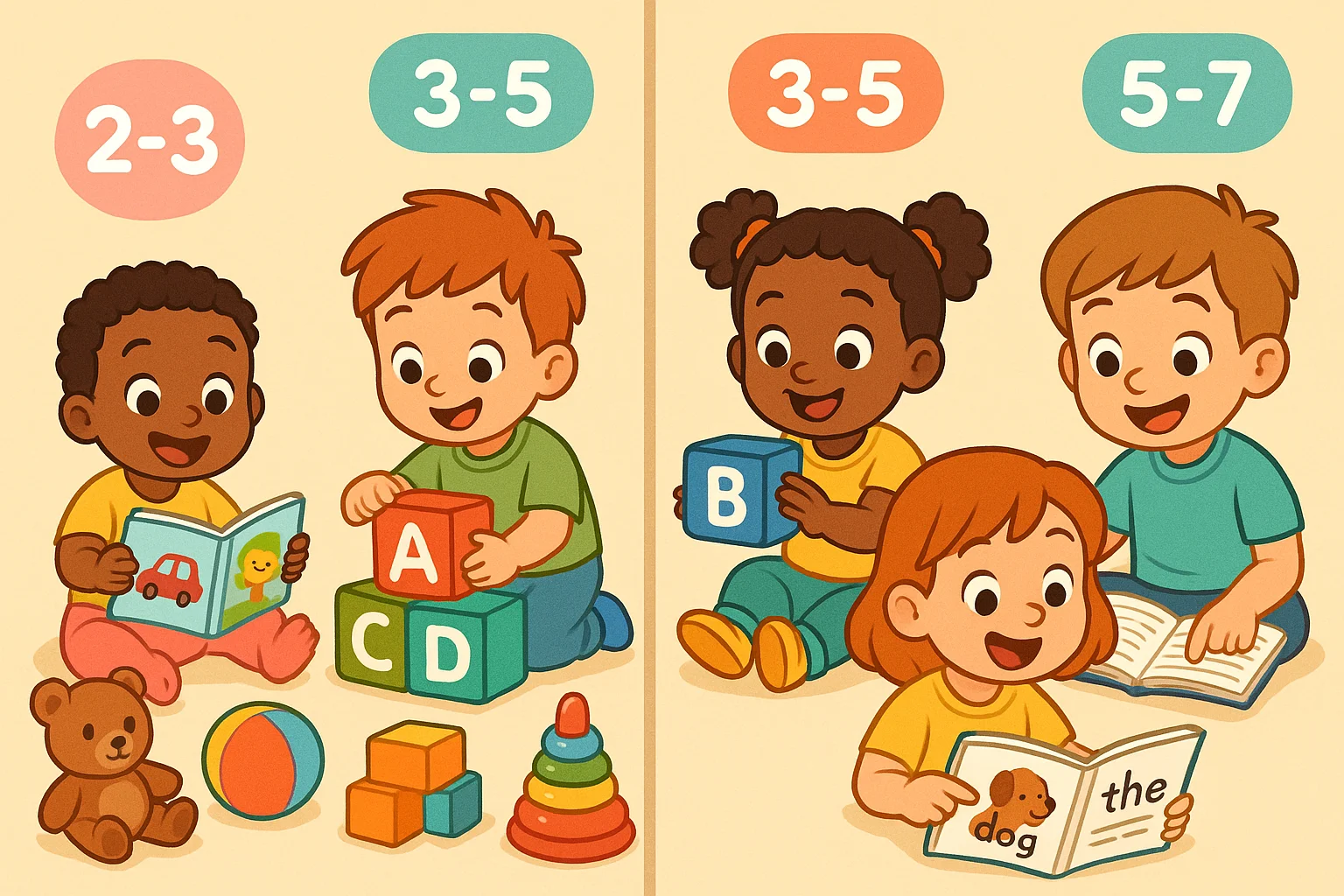
This structured guide offers fifteen practical, step-by-step methods parents can use to teach a child to read at home.
1. Read Together Every Day
Establish a 10- to 15-minute daily shared-reading routine in which you sit close together and explore a book. As you read aloud, track the text with your finger, encourage your child to join in with repeated phrases, and talk about what is happening in the illustrations.
Parent Tip: Do prioritize making this a warm, comforting bonding routine. Don’t turn the session into a stressful quiz by correcting every minor verbal stumble.
2. Make Simple Word Cards
Write simple three-letter consonant-vowel-consonant (CVC) words like “cat,” “sun,” “dog,” and “map” on index cards using a clear, dark marker. Use these cards for quick sound-matching games, word-sorting activities, or short blending practice.
Parent Tip: Do keep these card sessions brief, lasting no more than three minutes at a time. Don’t use long, complex words that the child cannot yet decode using basic phonics.
3. Build a Print-Rich Home
Transform your home into an interactive learning environment by integrating written text into daily household activities. Place clear labels on toy bins, display a family calendar, write simple recipe cards, and encourage your child to create their own illustrated books.
Parent Tip: Do point out everyday environmental print like “STOP” signs and grocery labels. Don’t overwhelm the space with too many charts, which can lose meaning and become visual clutter.
4. Play Word Games at Home or in the Car
Turn travel time or chores into active learning opportunities by playing verbal word games that require no materials. Try games like “I spy something that starts with the sound /b/,” or clap out the syllables of things you see along the way.
Parent Tip: Do switch roles and let your child challenge you to guess a sound. Don’t continue the game if your child becomes tired or loses focus.
5. Use Letter Magnets
Place colorful letter magnets on your refrigerator or a cookie sheet to give your child a hands-on way to explore letters and sounds. Show how changing one letter changes the whole word by swapping the first letter to turn “cat” into “mat,” “sat,” and “pat.”
Parent Tip: Do separate vowels and consonants by color if your magnet set includes different colors. Don’t give the child more than six to eight letters at a time when building words.
6. Blend Sounds Into Words
Model blending by running your finger under a written word as you smoothly connect the individual sounds. Show the child how the sounds /s/, /a/, and /t/ blend together to form the complete word “sat.”
A simple blending sequence can look like this:
| Step | What to Do |
| Step 1 | Say each sound clearly: /s/ /a/ /t/. |
| Step 2 | Stretch and connect the sounds: sssaaat. |
| Step 3 | Say the whole word naturally: “sat.” |
Parent Tip: Do model continuous blending by keeping the sounds connected and stretching continuous sounds when possible. Don’t encourage the child to guess the word based only on its first letter.
7. Practice High-Frequency Words
Introduce a small selection of high-frequency words, including some irregular words such as “the,” “of,” and “said,” that children will see often in text. Use short matching games or word hunts within books to help your child recognize these words automatically.
| High-Frequency Word | Common Reading Context | Practice Strategy |
| the | “The dog ran.” | Point to the word with your finger in a storybook, or highlight it on a printable page with a yellow marker. |
| said | “He said hello.” | Use simple index cards to play a memory match game. |
| of | “A cup of milk.” | Practice tracing the letters in sand or shaving cream. |
Parent Tip: Do mix a few high-frequency words into phonics-based lessons to help sentences flow smoothly. Don’t expect your child to memorize hundreds of words by sight without a phonics foundation.
8. Use Favorite Characters
Incorporate popular storybook or cartoon characters into reading materials to boost your child’s engagement and motivation. Children are often more motivated to read when they care about the characters on the page.
Parent Tip: Do ensure the character books match your child’s current decoding level. Don’t select advanced books just for the character, as complex text can cause frustration.
9. Try Digital Reading Tools Carefully
Select high-quality educational apps with age-appropriate phonics lessons and interactive sound feedback. Unlike unrestricted digital content, well-designed educational apps can support active practice by adapting to a child’s learning pace.
| Well-Designed Educational App | Unrestricted Video Platforms |
| Provides phonics practice and sound feedback | Often encourages passive viewing |
| Adapts to the child’s learning pace | May lead to distraction |
| Supports active participation | Can reduce parent-child interaction if used alone |
Parent Tip: Do sit with your child during digital play to discuss what they are learning. Don’t use apps as a passive babysitter or as a replacement for parent-child reading.
10. Ask Questions During Read-Aloud Time
Build comprehension by asking simple, open-ended questions as you turn the pages. Ask natural questions like, “What do you think will happen next?” or “Why did the bear look sad?” to encourage thinking and comprehension.
Parent Tip: Do acknowledge your child’s ideas, then gently guide them back to what the text and pictures show. Don’t turn the book into a rigid quiz that disrupts the flow of the story.
11. Label Household Items
Place neat, legible text labels on common objects around your home, such as “door,” “bed,” “chair,” and “toy box.” Occasionally hand your child a label card and make it a game by asking them to match it to the correct object.
Parent Tip: Do use clear, consistent handwriting or printed text for all household labels. Don’t leave the same labels up for so long that they blend into the background and lose their educational value.
12. Follow Your Child’s Interests
Choose reading materials that match your child’s current interests, whether they love dinosaurs, outer space, trucks, sports, or comic books. Providing nonfiction guides, maps, or illustrated magazines keeps children engaged because they genuinely want to discover the information.
Parent Tip: Do visit your local library together and let your child choose some of their own books. Don’t limit reading choices to traditional school readers if your child prefers other topics.
13. Keep Lessons Short and Fun
Limit formal reading lessons to brief sessions lasting between five and 15 minutes, and try to end the activity while your child is still enjoying it. Watch for signs of fatigue or frustration, such as looking away, shifting restlessly, or sighing.
Parent Tip: Do stop the lesson immediately if your child shows signs of emotional distress. Don’t push through a lesson just to finish a worksheet or page.
14. Read With Unconventional Materials
Expand reading practice beyond traditional books by exploring everyday text in the world around you. Encourage your child to look at cereal boxes, restaurant menus, birthday cards, and board game instructions during normal daily activities.
Parent Tip: Do highlight how useful reading is for discovering real-world information. Don’t worry if these materials include complex words; simply step in and read those parts aloud.
15. Create Child-Made Books
Help your child make a personalized book using family photographs, original drawings, names of family members, and simple sentences they dictate to you. Reading a personal story with familiar names and memories builds confidence and makes the learning process meaningful.
Parent Tip: Do write down your child’s exact spoken words beneath their pictures to show the link between speech and print. Don’t over-correct their grammar or sentence structure during this creative project.
What to Do When a Child Gets Stuck
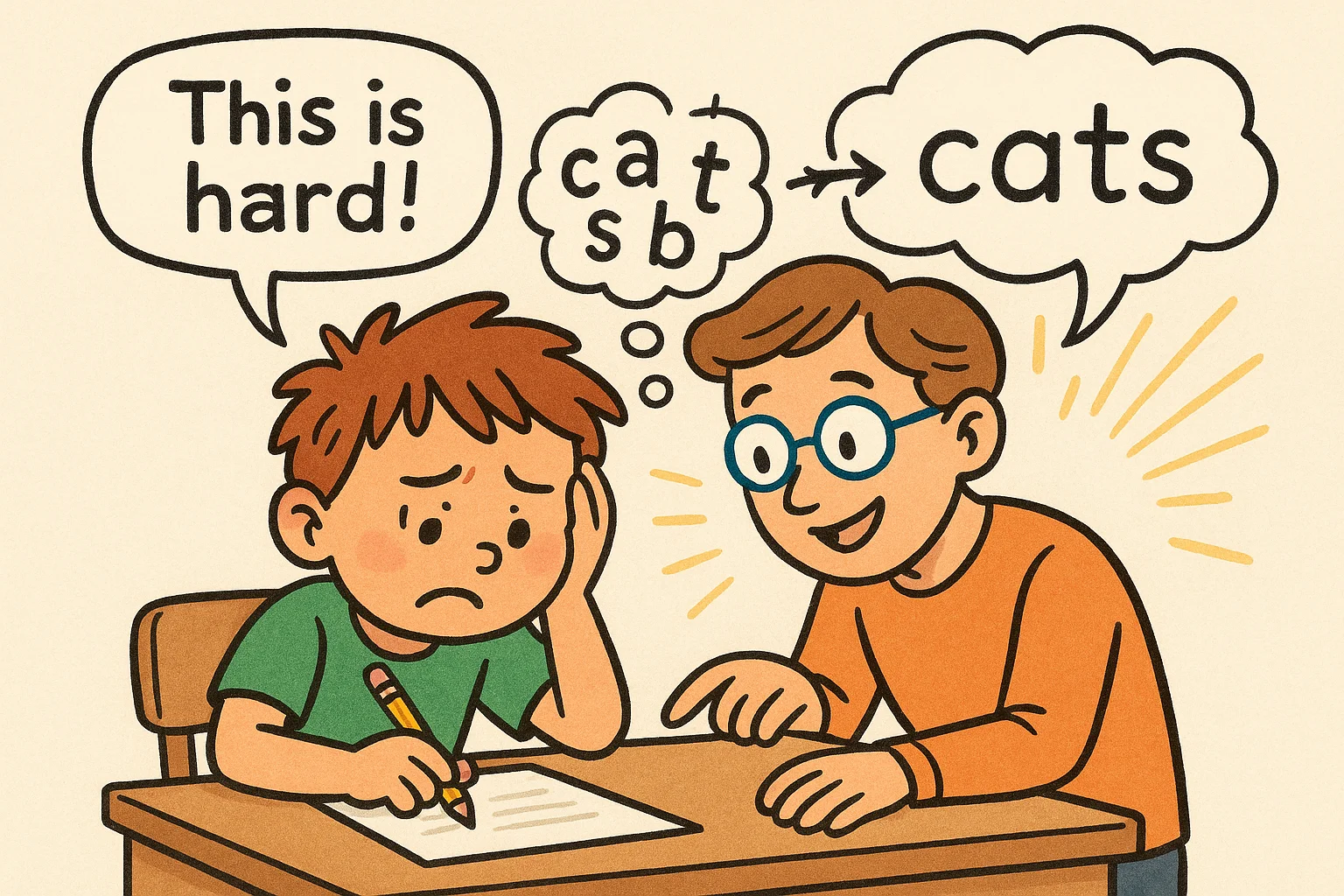
Encountering unfamiliar words is a natural part of developing reading skills. Knowing how to guide a child through these moments can prevent frustration and keep the story moving forward.
Helping When a Child Gets Stuck on a Word
When a child hesitates over an unfamiliar word, avoid stepping in right away. Instead, follow a supportive prompt sequence: pause for five seconds to allow self-correction, ask them to say the sound represented by the first letter, guide them to blend the remaining sounds, and have them reread the full sentence. If the word does not follow regular phonics rules, provide the word directly to preserve reading fluency and motivation.
Should Parents Correct Every Misread Word?
Parents do not need to correct every single verbal error during reading practice. Focus your corrections on mistakes that change the meaning of the sentence, such as reading “house” instead of “horse,” or on words that use a phonics pattern the child has already mastered. If a child misreads a small word like “a” instead of “the” but still understands the sentence, let the reading flow to protect their confidence.
What to Do During Frustration
If a child shows signs of emotional frustration, such as crying, refusing to look at the book, or closing the text, stop the instructional lesson immediately. Switch back to a comforting parent-led read-aloud, praise their effort, and return to independent decoding practice later. Forcing a frustrated learner to continue can make reading feel negative, which may slow reading progress.
Why a Child May Not Recognize a Word They Just Sounded Out
It is common for a child to sound out a word successfully on one line and then fail to recognize the same word on the next page. This happens because decoding individual letters can take up so much working memory that little capacity is left for immediate word recognition. To support fluency, have your child reread short sentences several times or temporarily switch to simpler books that place fewer demands on their working memory.
Reading Routine That Builds Habit
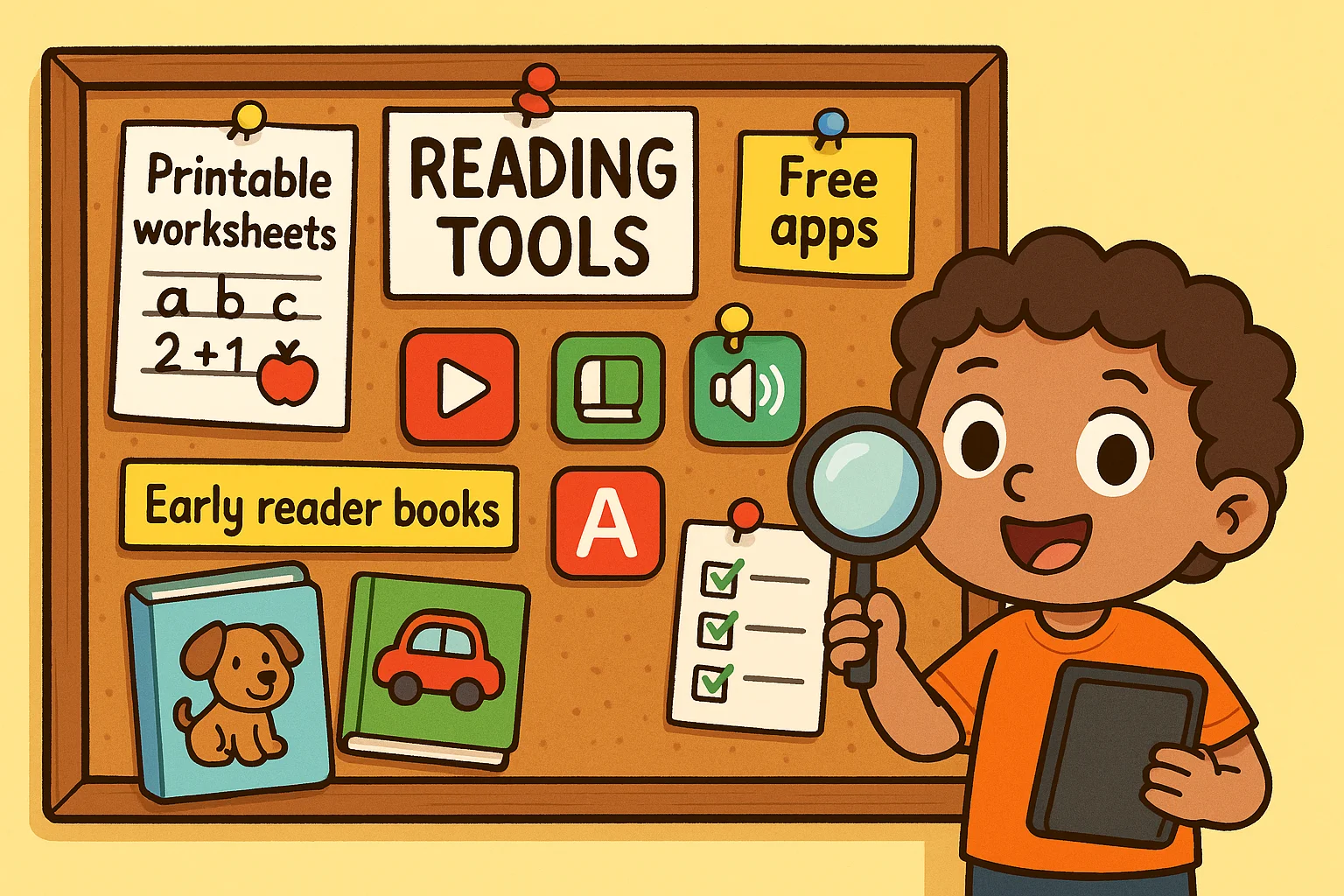
Establishing a predictable daily routine builds consistency, which is far more effective for early literacy than occasional long study sessions. A reliable structure helps children feel secure and prepared to learn.
Reading Ritual
A comforting, predictable reading ritual creates a positive emotional association with books. A successful daily ritual might involve letting your child choose a favorite book, reviewing a few familiar letter cards, reading a short decodable story together, and ending with a read-aloud led by the parent. This sequence helps every reading session conclude on a positive, stress-free note.
Daily Practice Plan
A structured daily plan helps parents maximize learning in a short window of time. The table below outlines a simple 15-minute daily practice schedule:
| Time Allocation | Focused Activity | Educational Goal |
| 3 Minutes | Flashcard sound review | Reinforce quick letter-sound recognition. |
| 5 Minutes | Word blending practice | Practice combining individual sounds into whole words. |
| 5 Minutes | Guided book reading | Apply decoding skills to sentences in a decodable book. |
| 2 Minutes | Praise and celebration | Build confidence and positive reinforcement. |
Reading Comes With Time and Practice
Learning to read is a complex developmental process that unfolds gradually and requires consistent practice over time. Every child progresses at an individual pace: some children pick up blending in weeks, while others need months of steady repetition. Parents should measure growth by looking at long-term personal progress rather than comparing their child with classmates.
Keep It Light
Maintaining a light, playful tone during home literacy sessions helps sustain motivation and focus. Incorporating games, humor, and choice helps keep reading from feeling like a chore. When children see reading as enjoyable rather than as a rigid requirement, they are more likely to practice independently.
Try Being Silly
Using funny voices, exploring nonsense words, reading with hand puppets, and playing “teacher swap” games in which the child corrects the parent’s intentional mistakes are excellent ways to boost engagement. This playful approach lowers stress and captures a child’s attention, turning phonics practice into a game.
Frequently Asked Questions
What Is the Best Way to Teach Reading at Home?
The best way to teach reading at home is to combine daily reading with your child, simple phonics practice, playful word games, and plenty of encouragement. Parents can help by reading aloud, pointing to words as you read, asking gentle questions, and giving the child time to sound out words before stepping in.
How Can I Help My Child Learn to Read Without Pressure?
To help your child learn without pressure, keep practice short, warm, and playful. Letting your child pick a book to read, using games that encourage your child to listen for sounds, and celebrating small wins can make learning to read feel enjoyable instead of stressful.
When Is a Child Ready to Start Learning to Read?
A child is ready to start on their reading journey when they show interest in books, recognize some letters of the alphabet, enjoy being read to, and begin noticing sounds in words. Some children show these signs in preschool, while others become ready closer to kindergarten or the first year of school.
Should I Teach Sight Words or Phonics First?
Phonics should usually come first because it helps kids learn how to decode new words independently. Sight words can be introduced gradually, especially common words your child sees often in books, but they should support phonics rather than replace it.

Take a short quiz to find out what your everyday choices say about your parenting style
When your child is curious about something new, what’s your instinct?
Take a short quiz to find out what your everyday choices say about your parenting style
“Can I download this app?” What happens next?
Take a short quiz to find out what your everyday choices say about your parenting style
When it comes to rules at home, which sounds most like you?
Take a short quiz to find out what your everyday choices say about your parenting style
If you could give your child one life skill today, what would you pick?
Take a short quiz to find out what your everyday choices say about your parenting style
Your child gets to choose what to watch. What would your ideal setup look like?
Take a short quiz to find out what your everyday choices say about your parenting style
Pick your parenting superpower ✨