
Best Sports for Kids with ADHD

 Discover a Free Education Video App for Kids
Pastory uses AI to personalize educational video content based on your child’s interests and personality. Safe, engaging, and built for curious young minds. Sign up now to stay updated and enjoy early access with a free trial
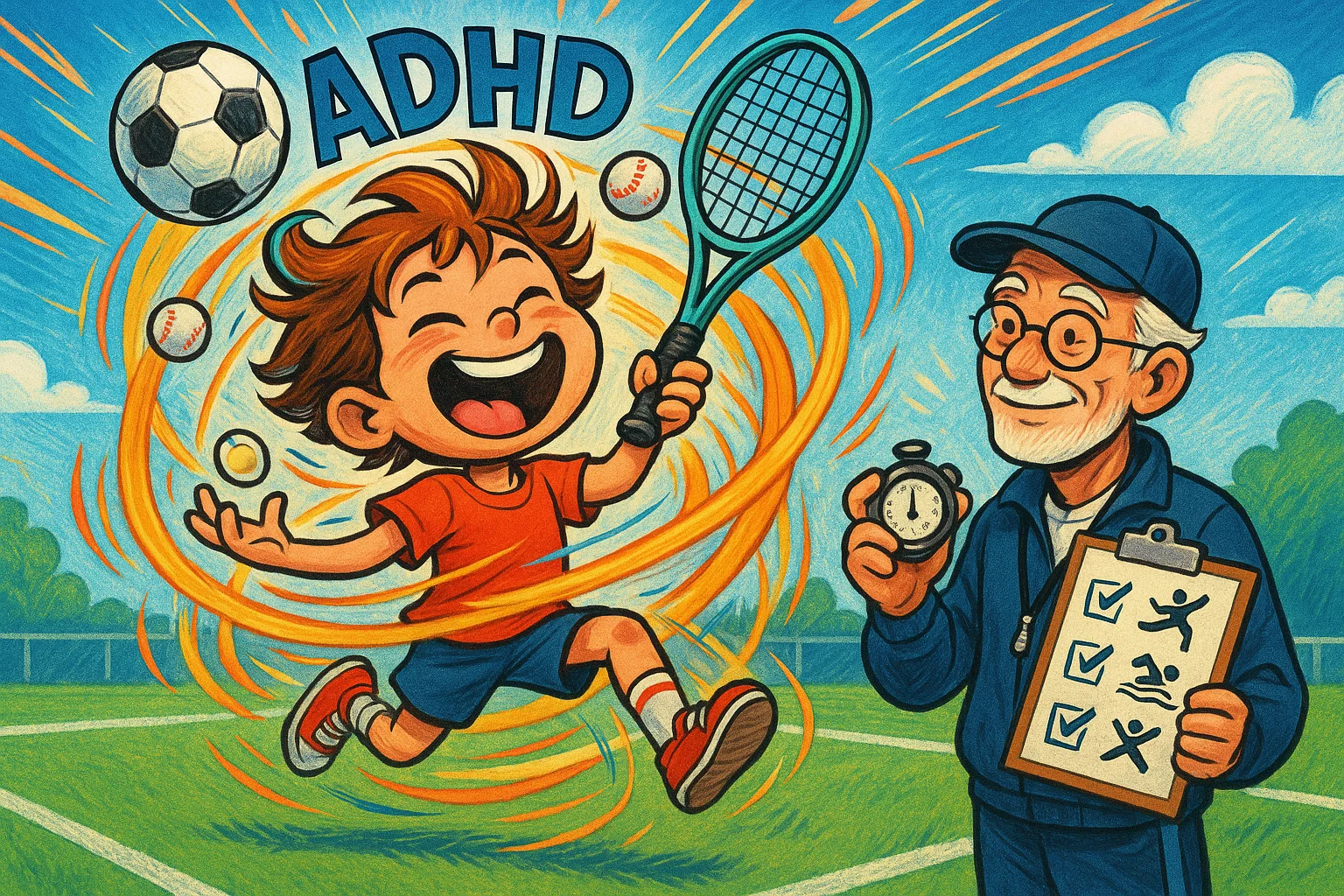
When supporting a child with ADHD, finding the right physical outlet can be more than just a hobby—it can be an important tool for development. There is no single “perfect” sport for every child with attention deficit hyperactivity disorder, but certain activities may be a better fit than others. The best sports for kids with ADHD often combine high-intensity movement, clear structure, and immediate feedback.
Choosing a sport should be a collaborative process between the child and their parent or caregiver. Success often depends on the child’s symptom profile—whether hyperactivity, impulsivity, or inattention is most prominent—as well as the coach’s approach and the safety of the environment. While some kids thrive in fast-paced team sports, others may feel overwhelmed by social complexity and find more success in individual sports where they can focus on personal goals.
Key Takeaways
- Individual sports often reduce distractions and “waiting time,” which can help children manage ADHD symptoms.
- Martial arts and swimming are often recommended because they offer clear structure, repetition, and consistent feedback.
- Physical activity may support brain functions involved in attention, mood, and self-regulation, while many ADHD medications work partly through dopamine and norepinephrine pathways.
- The coach’s approach is one of the most important factors in whether a child with ADHD feels supported and wants to continue.
- Trial sessions can help parents see how a sport affects the child’s self-esteem, energy level, and motivation before committing to a full season.
Best Overall Options
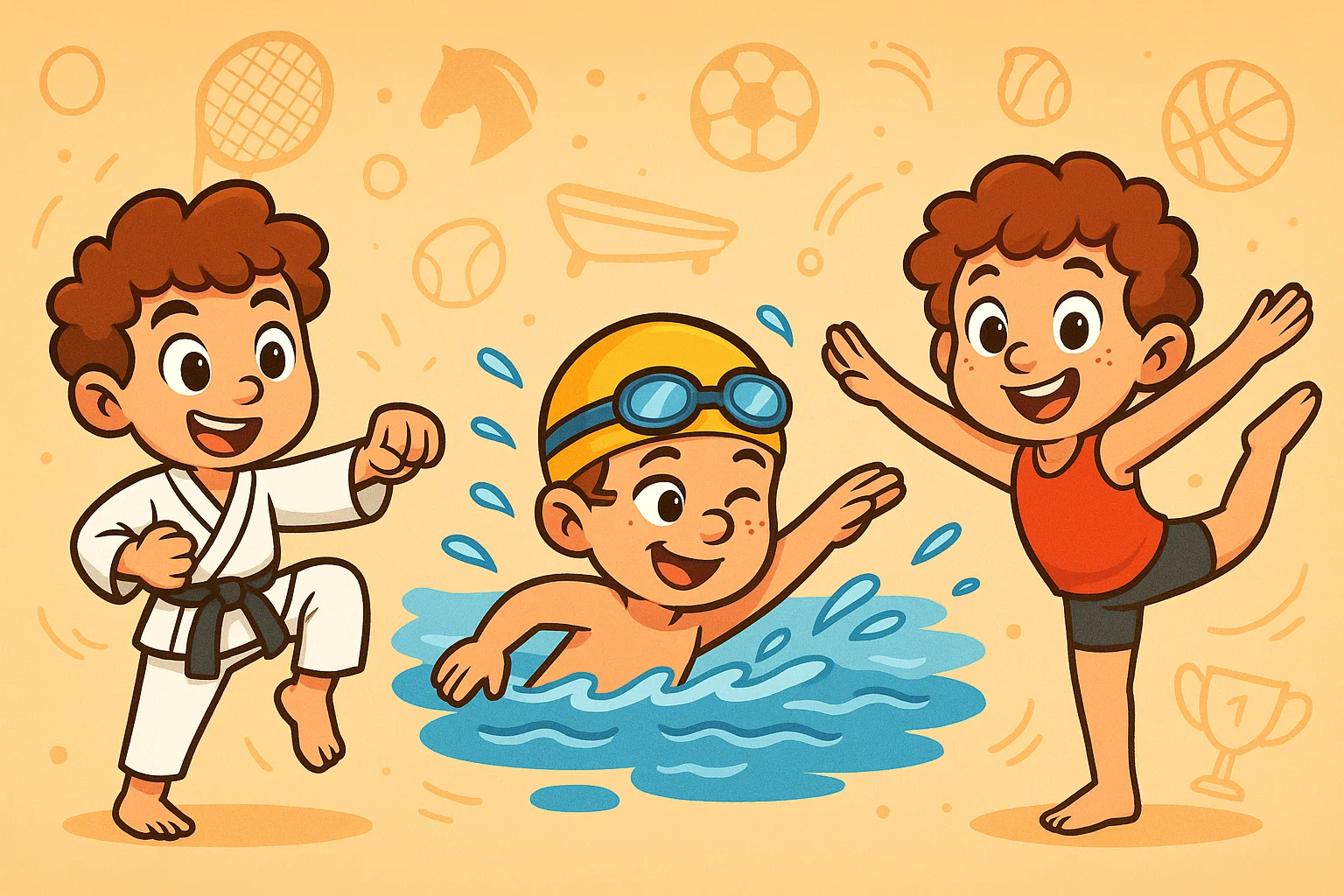
For many children with ADHD, sports that prioritize individual progress within a group setting can work especially well. Activities such as swimming, martial arts, gymnastics, tennis, track and field, and horseback riding are often good options. These activities tend to minimize standing-around time, which can intensify ADHD-related restlessness, while supporting physical fitness and self-control.
Team Sports Can Still Work
While kids with ADHD may struggle with downtime in sports like baseball, they can still benefit from team sports such as soccer, basketball, or kickball. Team sports work best when the coach is patient, instructions are brief, and the child genuinely enjoys the social aspect of being part of a team. Success in these environments can help develop teamwork and communication skills.
The Coach Matters Most
A supportive coach can make a major difference for a child with ADHD. Conversely, a coach who relies on yelling or public criticism may damage a child’s self-esteem. The ideal coach understands that a child with ADHD may need instructions repeated, demonstrated, or broken down into short visual steps rather than delivered as long verbal lectures.
Start Small
Before investing in expensive youth-sports equipment, parents should use trial classes or short recreational seasons. Starting with a low-pressure program allows the child to acclimate to the overall pace of the sport without the stress of high-stakes competition. This approach helps determine whether the activity fits the child’s sensory profile, motivation, and energy level.
Watch Energy, Sleep, and Motivation
Parents should monitor how playing sports affects their child’s overall well-being. The American Academy of Pediatrics emphasizes physical activity, adequate sleep, and other healthy habits; parents should also watch for signs that a schedule is too demanding, such as worsening irritability, fatigue, or sleep problems. If the child is consistently too tired to do homework or loses their appetite, it may be time to adjust the schedule or the intensity of the activity.
Exercise and ADHD
Regular physical activity can be an important part of a holistic plan to help manage ADHD. Exercise may have short-term alerting effects and can support attention, mood, and executive function in some kids with ADHD. For many families, sports are not just a game; they are a way to support ADHD symptom management alongside evidence-based care.
Physical Activity Benefits
One key benefit of movement is that it provides a healthy outlet for hyperactivity. When a child with ADHD engages in vigorous exercise, it may help them release excess energy that can otherwise show up as fidgeting or disruptive behavior in class. This release can help kids feel more settled during their daily routines.
Focus, Mood, and Sleep Support
Regular exercise may support mood regulation and help children handle transitions more smoothly. Research suggests that a single 20-minute bout of moderate aerobic exercise may improve certain measures of attention, inhibitory control, and academic performance in children with ADHD. Better daytime activity may support healthier sleep patterns, which matters because sleep difficulties are common in children with ADHD.
Confidence and Self-Esteem Gains
Children with ADHD frequently face academic or social struggles, which can affect their self-worth. In sports, seeing measurable progress—such as earning a new belt in martial arts or shaving seconds off a swim time—provides a tangible sense of mastery. These small wins can significantly boost their confidence.
Positive Social Interactions
Sports offer a structured environment to practice social skills. Unlike unstructured playground time, organized sports usually have clear rules and objectives, which can make it easier for children with ADHD to understand social expectations. Engaging with peers in a goal-oriented setting can help kids learn how to cooperate and handle both victory and defeat with grace.
How to Pick the Right Sport for Kids with ADHD
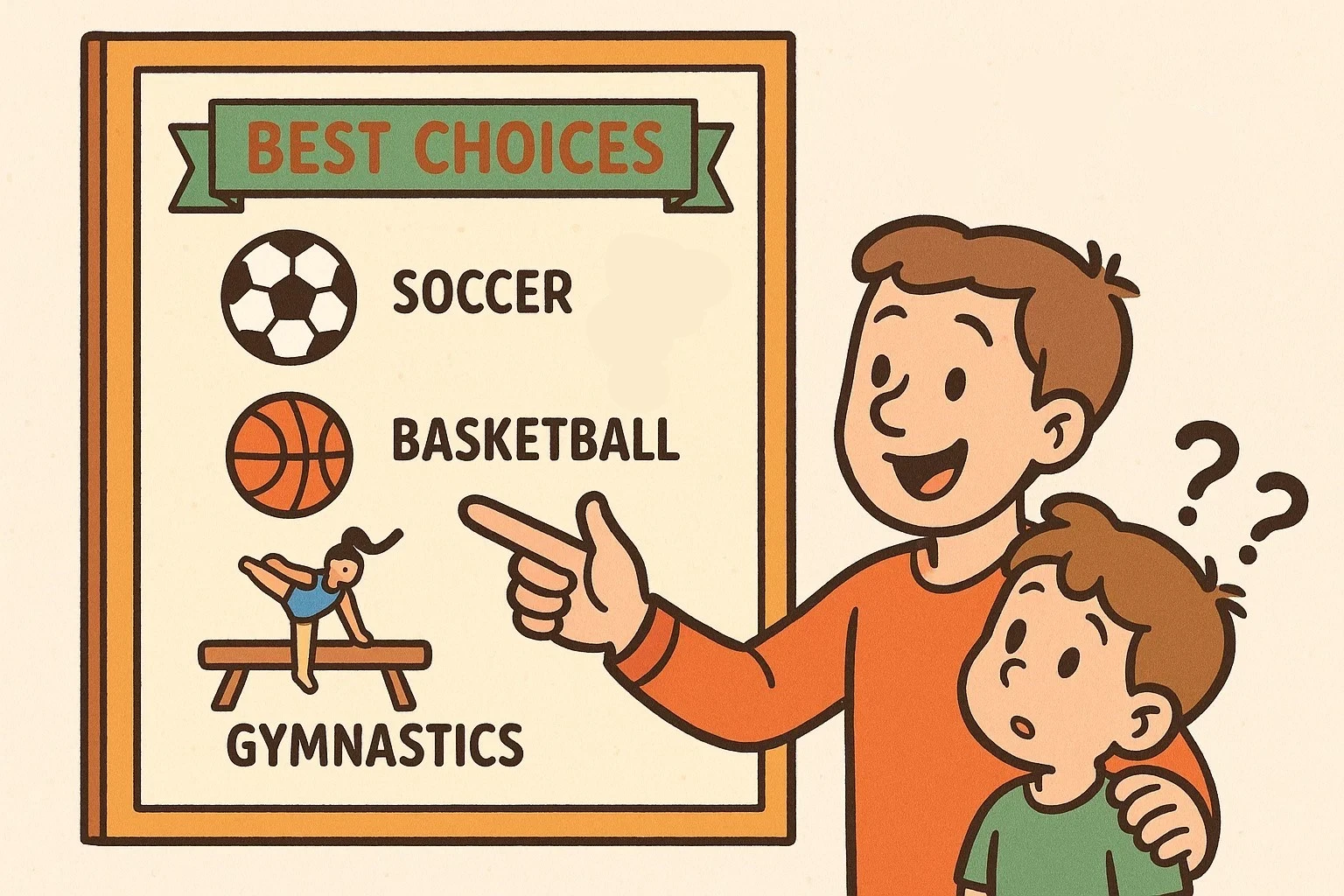
Choosing the right sport requires a careful look at your child’s temperament, interests, and symptom profile. A “one-size-fits-all” approach rarely works because ADHD symptoms vary widely from one child to another. Parents should act as observers to see which environments help their child thrive.
Match Sport with ADHD Traits
- High energy or prominent hyperactivity: Choose high-movement sports such as soccer or track and field.
- Easily distracted: Opt for closed-skill sports such as gymnastics or archery, where the task is more predictable.
- Anxiety-prone: Select lower-pressure individual sports where the child is less worried about letting the team down.
Team vs Individual Sports
When choosing a sport for a child with ADHD, one key question is whether a team-based or individual setting will be a better fit. Individual sports allow for personal focus and one-on-one coaching, reducing the social noise that can be distracting. Team sports, however, can be valuable for building social skills and learning to work as a unit, provided the child is ready for the complexity.
Open-Skill vs Closed-Skill Sports
Open-skill sports, such as basketball, require children to react to a constantly changing environment. This can be stimulating but also overwhelming. Closed-skill sports, such as swimming, usually take place in a more consistent and predictable environment. Many kids with ADHD find the predictability of closed-skill sports calming because it allows them to settle into a rhythm.
Interest Comes First
Even a sport that is often recommended for kids with ADHD may not work if the child does not enjoy it. A child’s ADHD symptoms may be less disruptive when they are highly interested in an activity, a pattern sometimes described as hyperfocus. If the child is passionate about the activity, they are more likely to develop the self-discipline required to stick with it.
Trial Sessions Before Commitment
Instead of signing up for a six-month competitive league right away, look for trial sessions, drop-in classes, or “come-and-try” days. Observe your child’s mood: are they frustrated by the rules? Do they seem to struggle to work as part of the group? Watching these initial reactions helps ensure that you are helping your child manage their ADHD symptoms rather than adding a new stressor to their life.
Team Sports vs Individual Sports
There is a common misconception that kids with ADHD should only do individual activities. In reality, both categories can offer benefits, and the choice should be based on the child’s developmental readiness, interests, and tolerance for social pressure.
| Feature | Individual Sports | Team Sports |
| Focus Type | Self-mastery and personal goals | Group strategy and communication |
| Pace | Often self-paced or repetitive | Fast-paced and unpredictable |
| Social Pressure | Lower; the focus is on a personal best | Higher; involves peer expectations and group dynamics |
| Activity Level | Constant movement is more likely | May involve periods of waiting, such as standing on the field |
When Team Sports Work Well
Team sports can be excellent for kids who thrive on social energy. If a child is naturally outgoing and enjoys working toward group goals, the teamwork aspect of sports like soccer can be a powerful motivator. Team sports can teach children to read social cues and work toward a common goal, which are areas where children with ADHD may need extra practice.
When Individual Sports Work Better
Individual sports may be a better fit for children who become easily overstimulated or frustrated by teammates’ mistakes. In these settings, the child is often competing mainly against their own previous performance. This can reduce the blame factor and allow the child to focus more on their own body mechanics and self-control.
Hybrid Options for Balance
Many sports offer a “best of both worlds” scenario. For example, a swimming team allows a child to compete individually while still being part of a team that scores points collectively. Similarly, track-and-field or gymnastics clubs can provide social interaction during practice while still focusing on individual performance during competition.
Competition Pressure and Motivation
Some children with ADHD may shut down under the pressure of a win-loss record. For these kids, recreational programs that focus on skill-building and physical and mental well-being may be a better fit than elite, competitive leagues. The goal is to keep them active, engaged, and confident—not necessarily to win trophies.
Best Sports for Children with ADHD
The best sports for children with ADHD usually offer a high level of physical and mental engagement. These activities can provide the kind of structured environment that may help a child with ADHD feel successful.
Best Sports for Focus
Activities that require precision and calm attention may help some kids with ADHD practice focus and self-regulation. Martial arts, archery, and tennis can be good choices because they require the child to filter out distractions and focus on a single target or ball. This kind of attention practice may support better concentration in other settings, including the classroom.
Best Sports for Energy Release
For kids with prominent hyperactivity, soccer, basketball, and wrestling can be strong options. These sports involve frequent movement and cardiovascular effort, which may support attention, mood, and self-regulation. Swimming is also a strong option for energy release because it uses every major muscle group.
Best Sports for Confidence
Horseback riding and gymnastics can be especially helpful for building a sense of “I can do this.” Mastering a complex routine or learning to guide a large animal can provide a meaningful boost to self-esteem. Track can also be good for confidence because personal bests provide clear, objective signs of improvement.
Swimming
Swimming is often recommended for kids with ADHD. It can provide a unique sensory environment that feels both stimulating and calming. Because many swim practices involve repeated movement in a lane, there may be fewer distractions than in a chaotic field sport.
Why Swimming Helps
The rhythmic nature of swimming strokes, combined with controlled breathing, can have a grounding effect. The water can provide proprioceptive input, sometimes described as “heavy work,” which may help some children feel more regulated. Michael Phelps, who was diagnosed with ADHD as a child, has described swimming as a place where he felt free and in control.
ADHD Challenges in Swimming
Despite the benefits, some kids may find the repetition of laps boring. There are also potential distraction points, such as the locker room or waiting for a heat at a meet. Safety is also a primary concern, especially if a child struggles with impulsivity and may enter the water before an instructor is ready.
Martial Arts
Martial arts such as karate, taekwondo, and Brazilian jiu-jitsu can be effective for some children with ADHD. They are not simply about sparring; many programs emphasize the mind-body connection and self-control.
Why Martial Arts Helps
One potential benefit of martial arts is self-discipline. Many classes start and end with a ritual of respect. The belt system provides a clear, visual progression, which can be motivating for many kids with ADHD. It can teach the child to pause and think before acting—an important skill for managing impulsivity.
Parent and Coach Tips
Look for a dojo or school that emphasizes character development, self-control, and safety over combat. A school with a clear non-aggression policy may be a better fit. Make sure the instructor understands that your child with ADHD may need a brief reset if they become frustrated during a complex kata or form.
Gymnastics
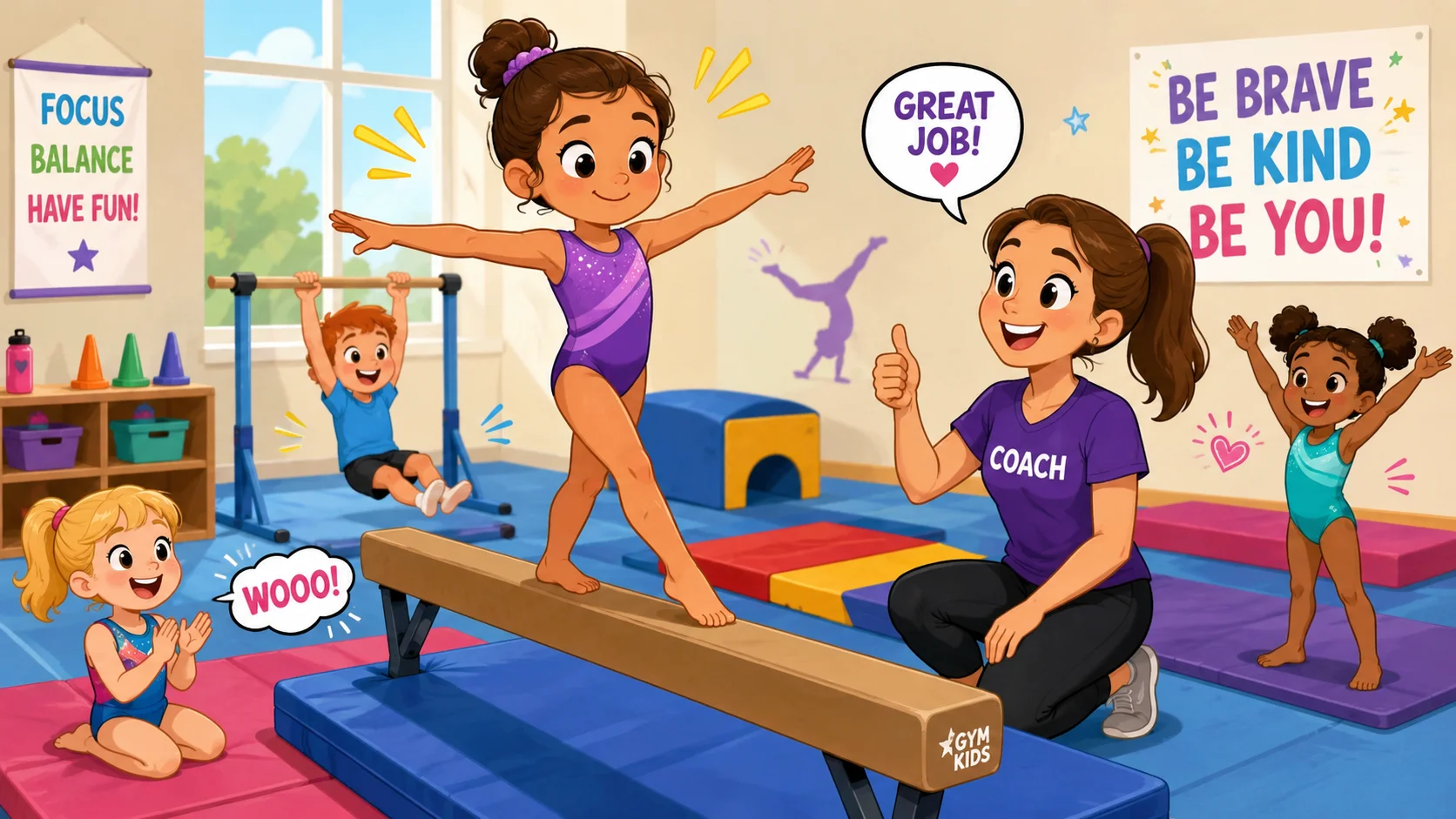
Gymnastics is a high-intensity sport that requires strong focus and body awareness. It can be particularly helpful for kids who seek sensory input because it involves swinging, tumbling, and balancing.
Why Gymnastics Helps
The sport is broken down into very specific routines. This structure can help kids with ADHD understand exactly what is expected of them. Complex movement practice in gymnastics may support coordination, body awareness, and sustained attention.
Soccer / Football
In many parts of the world, soccer—known as football outside the U.S.—is the go-to team sport. It is highly active, which can help kids with hyperactivity, but it also requires spatial awareness and quick decision-making, which can be challenging for some kids.
Why Soccer Helps
The open-skill nature of soccer can help keep many children engaged. Compared with sports that involve more downtime, soccer often includes less standing around, which may reduce sideline distractions. It can also foster a sense of belonging and teamwork.
ADHD Challenges in Soccer
The main challenges can include ball bunching and the complexity of positions. A child with ADHD may lose track of their position or become distracted when play moves to the other side of the field. Supportive coaching and frequent rotations can help keep them engaged.
ADHD and Sports: The Coach Matters
A coach can be more than a trainer; for a child with a learning or attention difference, they can also be a mentor. Be open with the coach about your child’s needs. Transparent communication can prevent misunderstandings and help the child get the right support.
Talk to the Coach
Be proactive. Before the season starts, consider telling the coach that your child has ADHD, especially if that information will help the coach support them safely and effectively. Share what works at home: “He does best with short, concrete instructions” or “She needs quick encouragement after a mistake so she does not become discouraged.” This sets the coach up for success.
Coach Qualities to Look for
- Patience: Does the coach stay calm when a child is distracted?
- Consistency: Are the rules the same every week?
- Positive reinforcement: Does the coach praise effort and progress, not just talent?
ADHD Medication and Sports
If your child takes ADHD medication, discuss sports participation with your pediatrician or prescribing clinician. Some ADHD medications can affect appetite, sleep, blood pressure, and heart rate, so hydration, fatigue, appetite, and overall tolerance should be monitored during intense physical activity.
Practice Timing
The medication wear-off period may coincide with after-school practices. Some kids experience a rebound effect, in which ADHD symptoms become more noticeable as medication wears off. Ask the prescribing clinician whether any timing adjustments are appropriate to help your child manage ADHD symptoms during sports.
Final Takeaway
Choosing the right sport for your child with ADHD is often a process of trial and error. The goal is to find an activity that aligns with their natural strengths while providing enough structure to help them grow. Whether it is the quiet focus of archery or the high-energy pace of basketball, the right sport can bring meaningful benefits to a child’s life.
Choose the Right Fit Over Popularity
Do not feel pressured to sign your child up for the most popular sport in your area. If your child prefers the individual challenge of horseback riding over the social complexity of a team sport, lean into that. The best sport is the one your child wants to return to week after week.
Common Questions About Kids with ADHD and Sports
What Is the Best Sport for Kids with ADHD?
Generally, swimming, martial arts, and gymnastics are often recommended because they offer movement, clear structure, and individual focus.
Can Team Sports Work for Kids with ADHD?
Yes. Team sports are not bad for kids with ADHD by default. However, they can be more challenging due to the downtime and social complexity. They work best with a coach who understands ADHD and a child who enjoys the social environment.
Should a Child with ADHD Avoid Contact Sports?
Not necessarily. Some kids with ADHD may benefit from the intense physical input of contact sports like wrestling. However, parents should make sure the child can follow safety rules and should consult a pediatrician or qualified clinician about injury risks.
Which Sport Helps Focus the Most?
Archery and martial arts are among the most focus-oriented options. They require stillness and precision, which may help kids practice sustained attention over time.
What Should Parents Do If Their Child Wants to Quit?
First, ask why. Is it the sport, the coach, or a specific peer? If the environment is unhealthy, unsafe, or consistently discouraging, switching is reasonable. If the problem is temporary frustration with a new skill, consider encouraging them to finish the month or the mini-season, then re-evaluate.
What Are the 7 Best Sports for Kids with ADHD?
The 7 best sports for kids with ADHD often include swimming, martial arts, gymnastics, tennis, track and field, soccer, and horseback riding. The right choice depends on the child, but these different sports can offer structure, movement, and opportunities for personal progress.
How Can Youth Sports Help Children with ADHD?
Youth sports can offer several benefits for kids with ADHD, including better physical fitness, improved confidence, and more chances to practice self-control. Sports can also help teach kids how to follow rules, manage frustration, and interact with peers in a structured setting.

Take a short quiz to find out what your everyday choices say about your parenting style
When your child is curious about something new, what’s your instinct?
Take a short quiz to find out what your everyday choices say about your parenting style
“Can I download this app?” What happens next?
Take a short quiz to find out what your everyday choices say about your parenting style
When it comes to rules at home, which sounds most like you?
Take a short quiz to find out what your everyday choices say about your parenting style
If you could give your child one life skill today, what would you pick?
Take a short quiz to find out what your everyday choices say about your parenting style
Your child gets to choose what to watch. What would your ideal setup look like?
Take a short quiz to find out what your everyday choices say about your parenting style
Pick your parenting superpower ✨



