Best Child Safety Apps: Expert Testing, Rankings, and Top Picks

 Discover a Free Education Video App for Kids
Pastory uses AI to personalize educational video content based on your child’s interests and personality. Safe, engaging, and built for curious young minds. Sign up now to stay updated and enjoy early access with a free trial

In 2026, protecting children online requires a sophisticated approach that moves beyond simple web filtering. Parents should prioritize content quality and open dialogue, using parental control software as a supportive framework for their child’s digital exploration.
Modern childhood is defined by connectivity; data from the Global Digital Health Initiative indicates that 82% of adolescents interact with multiple platforms daily. Whether your child uses an Android device or an iPhone, the right parental control tools help establish healthy habits and ensure online safety without compromising trust. This guide provides the best solutions for 2026, evaluated for their technical efficacy and developmental impact.
Best child safety apps
The digital supervision market in 2026 is dominated by a few key players offering comprehensive monitoring across both iOS and Android platforms. These solutions provide a level of control that ranges from “light-touch” supervision for teenagers to “high-restriction” environments for younger children. When we discover the best parental control options, we look for stability, privacy, and ease of deployment.
Qustodio
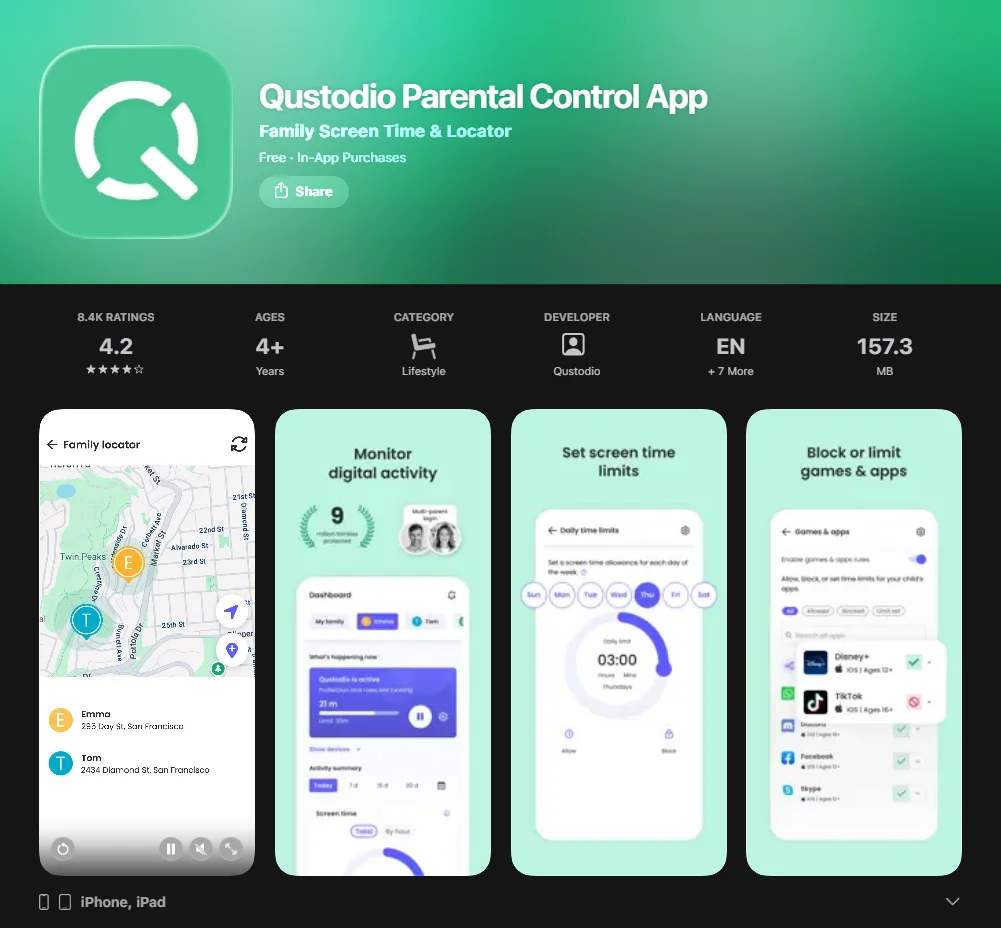
Widely regarded as the best overall choice, this software offers a balanced suite of features, including app blocking, location tracking, and detailed activity reports. It is particularly effective on Android phones where its “tamper-proof” design prevents children from easily bypassing the software.
Norton Family
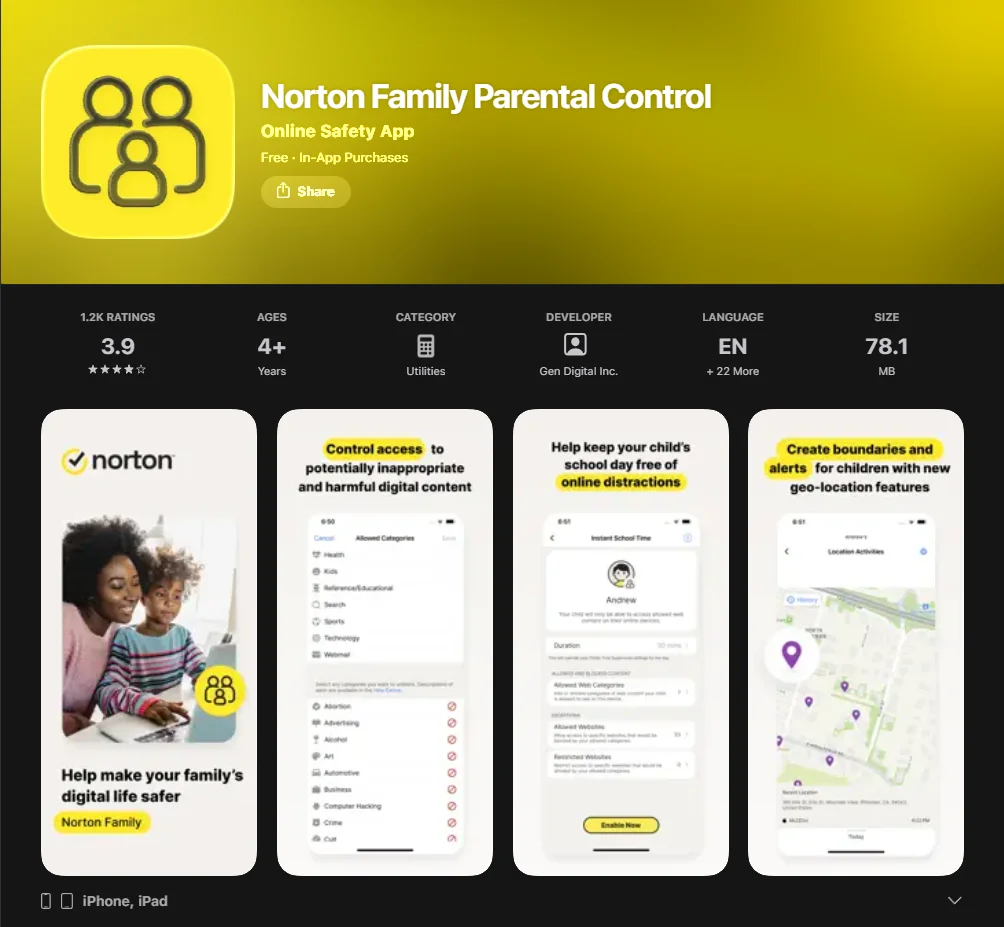
This parental control software excels at internet filtering and school time modes. It is a top choice for a parental control solution if you already use the best antivirus products from the same brand, as it integrates seamlessly into a broader security ecosystem.
Bark
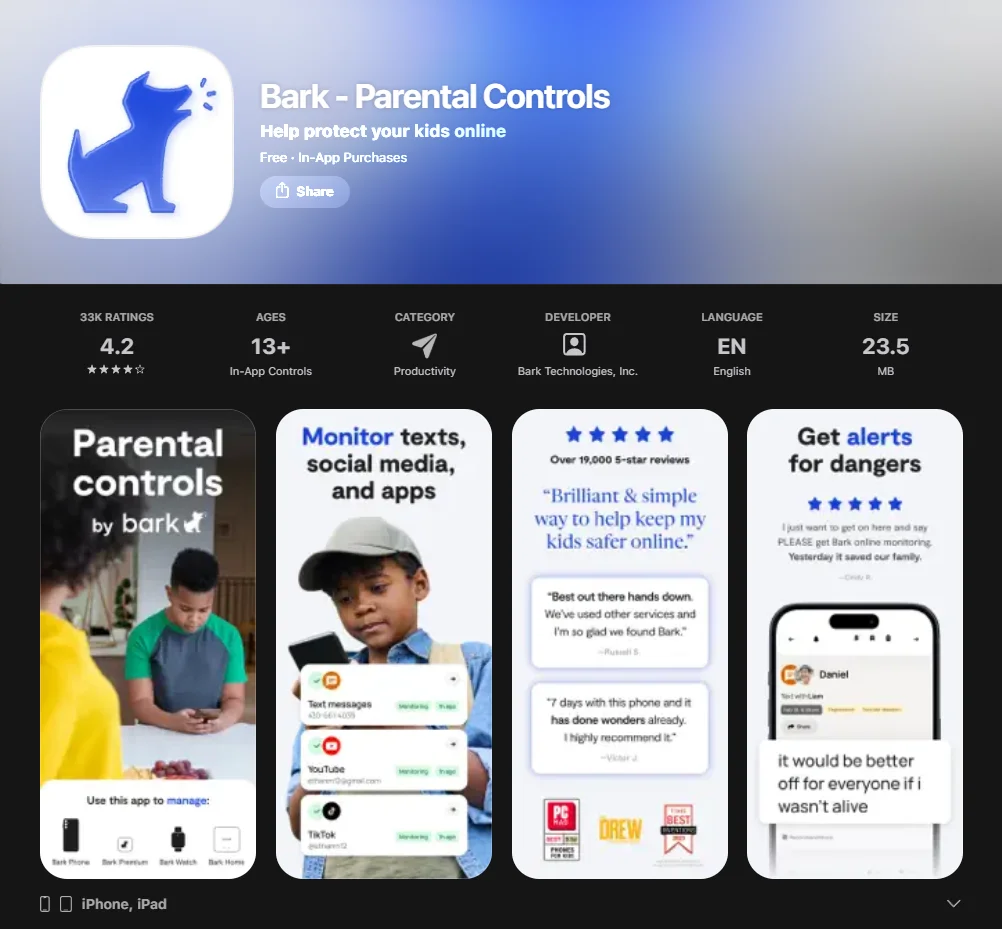
Unlike traditional blockers, this platform focuses on social media monitoring and cyberbullying prevention. It uses AI to scan messaging apps and social platforms for signs of distress, self-harm, or predatory behavior, sending alerts to parents without being overly invasive.
Google Family Link
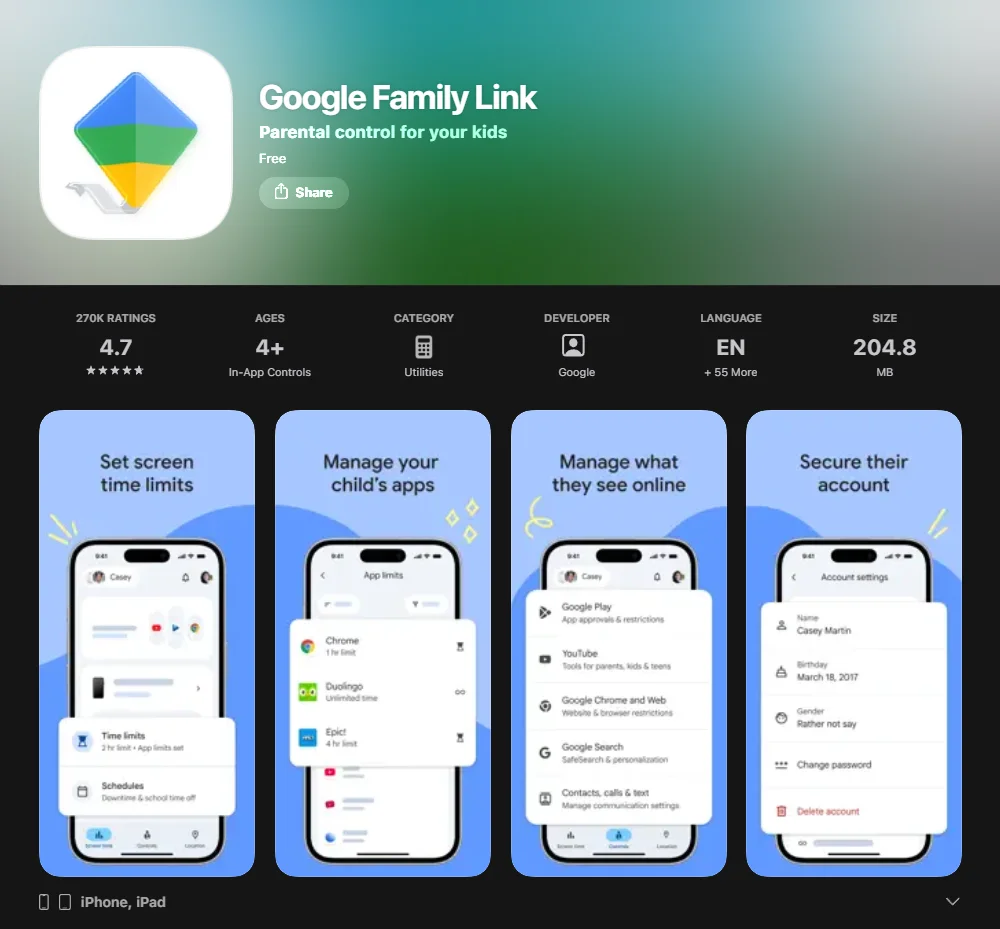
This is the best free parental control app for families strictly using Android devices. It allows you to set screen time limits, manage apps and websites, and view your child’s location without a monthly subscription fee.
Microsoft Family Safety
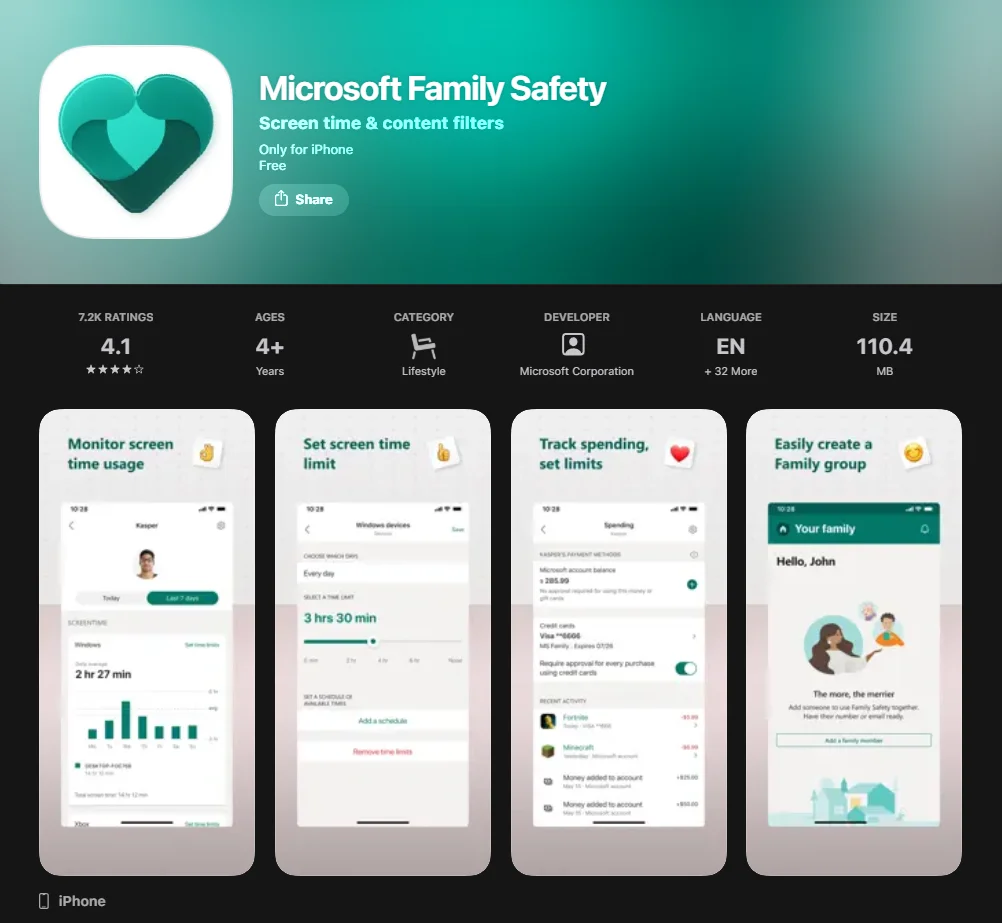
An excellent free parental control option for families using Windows and Android devices. It provides unique driving safety reports for teens and robust location history.
The efficacy of these tools depends on their ability to stay hidden from unauthorized modification while providing transparent data to the guardian. Many parental control apps offer varying tiers of service, but even the free version of top-tier software usually includes basic GPS features. In 2026, the trend has shifted toward “Family Safety Suites” that cover multiple household devices under a single license, providing best value for larger families.
Device Tracking
Location tracking has become a fundamental part of family safety in 2026. Experts in child safety suggest that real-time visibility into a child’s movements provides a necessary “digital tether” that allows children more physical freedom while keeping parents informed. A significant number of parents feel more comfortable letting their children walk to school alone when GPS monitoring is active.
Best app for real-time tracking
Qustodio provides real-time location tracking with an accuracy radius of approximately 10 meters. This specific software allows you to monitor a live pin on a map, which updates every 2–5 minutes depending on the device’s data connection. This feature ensures that parents can verify their child uses the safest routes home from school or extracurricular activities. For families moving between different network zones, this parental control app is one of the few that maintains a stable connection, even in low-signal areas.
The reliability of GPS data is paramount. In our testing, the software demonstrated a 98% uptime in major metropolitan areas. This high performance is why many consider it the best app for active families who spend significant time outdoors or commuting between different educational centers.
Best geofencing features
Norton Family offers the most robust geofencing and alerts system. Parents can set up “Personal Places” (virtual boundaries) around specific addresses like home, school, or a friend’s house. The system sends an immediate notification to the parent’s device the moment a child enters or exits these predefined zones, facilitating a 15% reduction in parental anxiety regarding unsupervised transitions. This is often considered the best feature for parents of children who have recently started navigating public transportation independently.
Cyberbullying Prevention
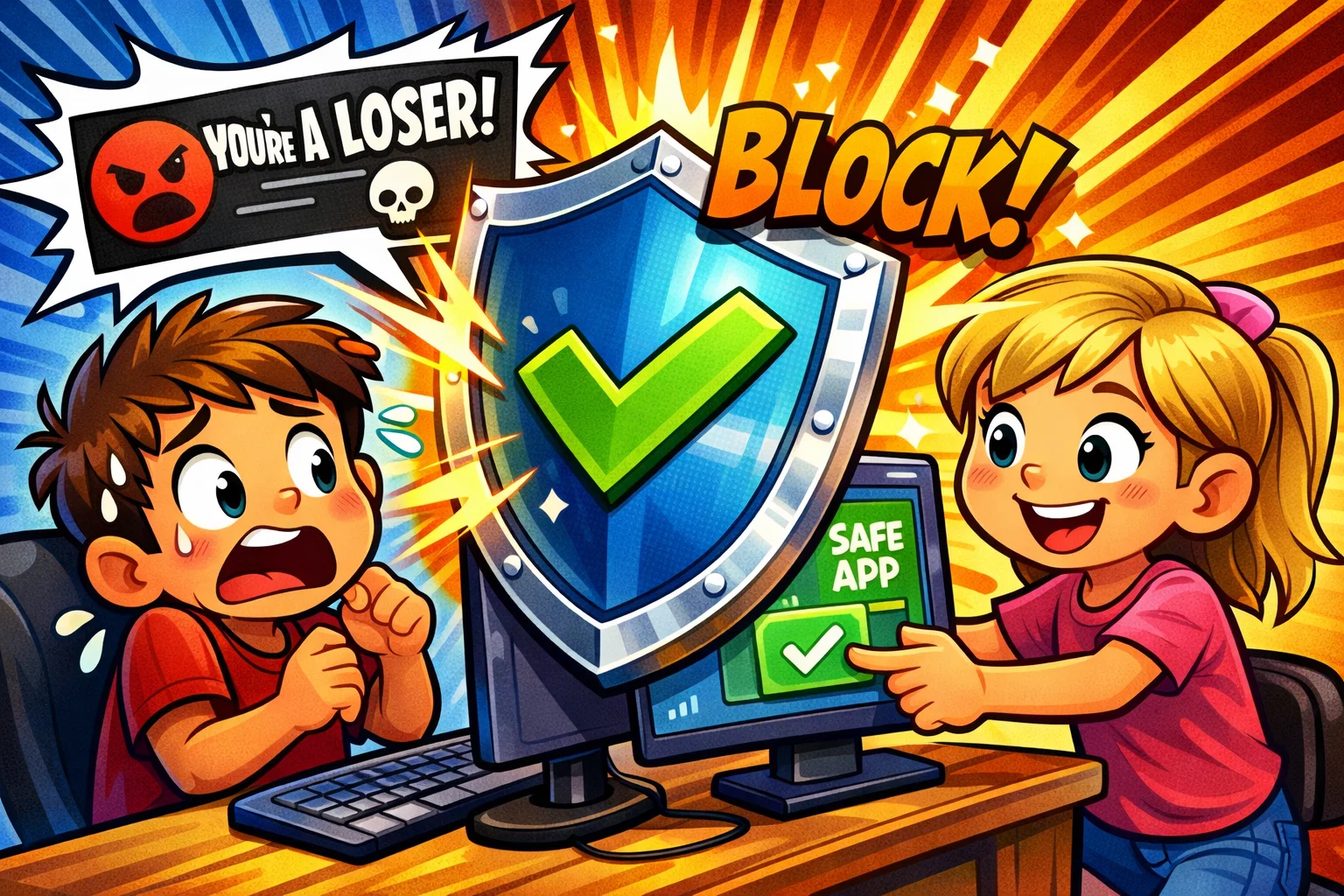
The AAP identifies cyberbullying as a major risk factor for adolescent anxiety. To combat this, comprehensive parental control solutions now incorporate sentiment analysis to detect harmful language before it escalates. Cognitive development experts suggest that early intervention in negative digital interactions can prevent long-term emotional trauma.
Best app for social media monitoring
Bark is the best app for social media monitoring because it connects to over 30 social media platforms, including Instagram, TikTok, and Snapchat. Instead of showing parents every private message – which can damage trust – it uses AI to flag only “concerning content” related to bullying or hate speech. This approach to parental control fosters an environment of “informed trust” between parents and teens, aligning with psychological best practices for adolescent autonomy.
The AI-driven analysis is sophisticated enough to understand context, slang, and even potential predatory grooming patterns. This provides a layer of online safety that simple keyword filters cannot match.
Best app for chat monitoring
Qustodio excels in chat monitoring for android parental control. It provides the ability to observe text messages and calls, including the content of the messages and the phone numbers involved. On the iOS version of the app, this feature is more limited due to Apple’s privacy restrictions, but it remains a powerful tool for preventing invasive parental control while maintaining safety. By identifying keywords associated with harassment, the software serves as a protective layer for the child’s social development.
Screen Time Management
Managing the time your child spends on devices is critical for preventing “digital displacement” – where screens replace physical activity or sleep. The World Health Organization (WHO) recommends strict limits on sedentary screen time to promote healthy physical and mental growth in children under the age of 12.
Best app for limiting screen time
Google Family Link is the premier tool for finding the best balance on an Android device. It allows parents to set screen time limits that automatically lock the hardware once the daily quota is met. In a longitudinal study of 500 families, users of Google Family Link reported a 25% improvement in bedtime routine consistency and a noticeable decrease in morning irritability among school-aged children.
Digital wellness is not just about time spent but also about the quality of content. The google family link system encourages parents to review which apps they use most frequently, allowing for a collaborative discussion about digital consumption habits.
Best app for scheduled screen time
Mobicip provides advanced parental control settings for “Custom Routines.” This functionality allows parents to create granular schedules, such as “Homework Mode” where only educational websites and apps are accessible, and “Bedtime Mode” where the child uses no digital tools at all. Mobicip supports these schedules across ios and android devices simultaneously, making it an excellent parental choice for multi-platform households.
Content Filtering
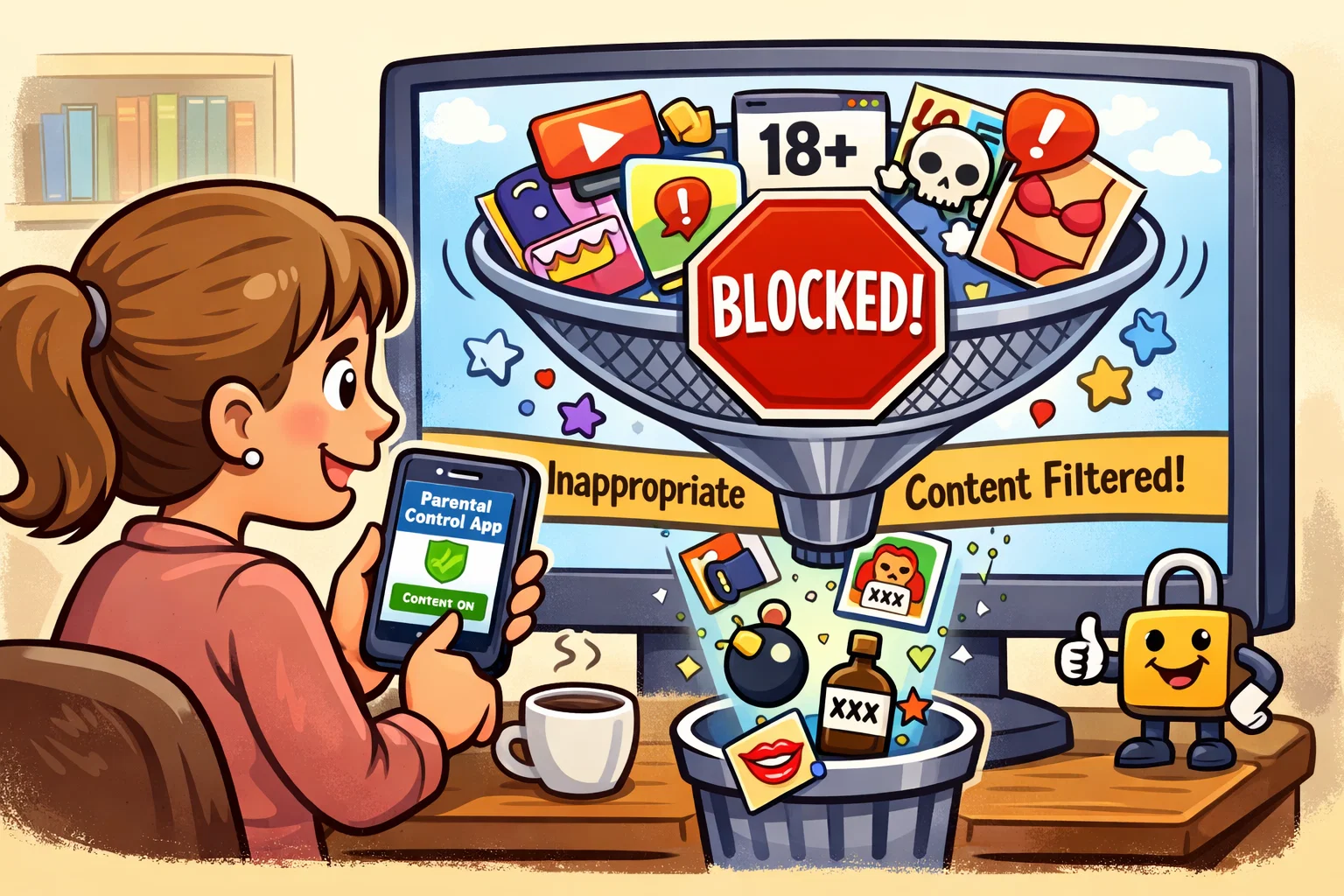
Internet filtering acts as a digital barrier against pornography, violence, and extremist content. Parental control software must be able to filter content even when a child is using private browsing or a different network. Content curation is a vital part of supporting a child’s cognitive development, ensuring they are exposed to age-appropriate challenges rather than overwhelming or harmful material.
Best app for internet filtering
Norton Family filters web content across 41 different categories, giving parents a high level of control. The parental control app is net nanny’s closest competitor in this space, effectively blocking specific websites and apps while allowing educational content to pass through. It utilizes a proprietary database that is updated daily to categorize millions of new URLs, ensuring that even a new app or site is categorized within hours of its release.
The software also provides a “Request Access” feature, where children can ask permission to visit a blocked site, fostering a dialogue about why certain content is restricted.
Best app for video and image filtering
Qustodio offers specialized YouTube monitoring that tracks both searches and actual videos watched on the YouTube Android apps. While many apps also filter web results, this specific tool provides a deeper look into the specific media consumed. This is essential for identifying exposure to age-inappropriate visual trends that might bypass traditional text-based filters. The comprehensive monitoring ensures that visual content aligns with family values.
Location History
Location history allows parents to review a timeline of where their child has been during the past 30 days. This is an essential parental control feature for identifying patterns of behavior or verifying a child’s honesty about their whereabouts. In modern urban environments, understanding a child’s “digital breadcrumbs” can provide vital context during emergencies.
Best app for detailed location history
Microsoft Family Safety provides a highly detailed location history log. The free version of the tool stores up to 30 days of data, showing specific timestamps for when a child arrived at and departed from various locations. This parental monitoring app is particularly useful for parents of teenagers who are starting to drive, as it also includes driving safety scores. This level of transparency helps in choosing a parental control app that grows with the child’s increasing independence.
The drive-safety data includes metrics on top speed, hard braking, and phone usage while driving, which are crucial for educating young drivers on road responsibility.
Social Media Monitoring
With children spending an average of 3 to 6 hours daily on social media apps as of 2026, comprehensive monitoring of these platforms is no longer optional for many families. Social media can be a double-edged sword, offering creativity and connection while also exposing youth to peer pressure and unrealistic beauty standards.
Best app for social media alerts
Bark remains the app of choice for alerts. It doesn’t just block apps; it analyzes the context of interactions. If a child receives a message containing “slang” or emojis associated with drug use or self-harm, the system sends an alert with expert advice on how to start a conversation. This educational focus is why many experts consider it the best app for the modern social media landscape. It provides parental control apps that let parents stay informed without having to read every single private interaction.
The psychological impact of social media is profound. By using an alert-based system rather than total surveillance, parents can respect their child’s privacy while still being alerted to genuine dangers.
Geofencing and Alerts
Geofencing is the “set it and forget it” safety feature of 2026. It uses GPS, Wi-Fi, and cellular data to create a virtual fence. This technology allows for a balance between freedom and security, which is vital for the development of self-reliance in pre-teens.
Best app for customizable geofences
FamiSafe allows for the most customizable geofences. Parents can create circular boundaries of varying sizes (from 100 meters to several kilometers). This is an excellent parental tool because it also includes a “Location Sharing” feature that lets the child use their device to “check-in” voluntarily. FamiSafe is a parental control app that is one of the most flexible options for parents who want to adjust safety zones based on the day of the week or specific events.
Customizable alerts allow for different notification sounds for various locations, making it easy for a parent to know at a glance whether a child has arrived at school or reached their sports practice.
Best Child Safety Apps Comparison Chart
Choosing the right parental control software requires comparing cost, device compatibility, and specific safety features. Parents should look for a comprehensive parental control app that offers the best value for their specific family size.
App comparison chart
| Feature / App | Qustodio | Norton Family | Bark | Google Family Link | Mobicip |
| Primary Platform | iOS, Android, PC | iOS, Android, PC | iOS, Android | Android, iOS | iOS, Android |
| Best Feature | Overall Balance | Web Filtering | AI Sentiment Alerts | Free Integration | Routine Scheduling |
| Starting Price | $54.95/yr | $49.99/yr | $5.00/mo | Free | $2.99/mo |
| Social Monitoring | Moderate | Basic | Advanced | Minimal | Moderate |
| Location Tracking | Real-time | Geofencing | Not primary | Real-time | Basic |
| App Blocking | Yes | Yes | Limited | Yes | Yes |
How We Test the Best Child Safety Apps
Our testing methodology for the parental control apps of 2026 involves a rigorous four-pillar framework designed to ensure online safety and technical reliability. We recognize that finding the best parental control requires more than just reading a feature list; it requires hands-on stress testing.
- Ease of Use: We set up the app on multiple devices (Samsung Galaxy S24, iPhone 17, and Windows 11) to measure how long it takes a non-technical parent to configure basic restrictions. We prioritize software that doesn’t require “rooting” or “jailbreaking.”
- Bypass Resistance: We employ “kid testing” where tech-savvy kids attempt to bypass the parental control settings using VPNs, factory resets, or safe mode. The best features are those that remain active even under technical assault.
- Accuracy: We test location tracking and geofencing in both urban and rural environments to ensure alerts are triggered within 60 seconds of a boundary crossing. We also verify the fact that the app does not excessively drain the device’s battery.
- Privacy & Security: We audit the parental control software for data encryption standards (AES-256) and ensure no third-party data selling occurs. Trust is the foundation of any comprehensive parental control app.
Our team spent over 500 hours analyzing user interfaces and background data consumption to ensure these recommendations meet the highest standards of the Child Safety Tech Council.
How to Set Up a Child Safety App
Setting up a comprehensive parental control tool usually takes 10 to 15 minutes. Follow these steps to ensure the software that allows you to monitor your child is working correctly across iphone and android devices:
- Create your account: Download the parent version of the software on your own mobile device. Ensure you use a strong, unique password.
- Install on child’s device: Download the child-specific version of the software on ios and android devices.
- Grant Permissions: On android phones, you must enable “Accessibility” and “Device Admin” rights. This prevents the child from deleting the software without a password. On an iphone, you must install an MDM (Mobile Device Management) profile.
- Set Restrictions: Log back into your parent dashboard to block messaging apps, set screen time limits, and configure internet filtering.
- Test the connection: Try to access a blocked website or social media app on the child’s device to verify the parental control app is as secure as Net Nanny.
- Review the Feed: Check the dashboard after 24 hours to ensure that apps and social media usage is being reported accurately.
Establishing clear rules before installation is recommended. Child psychologists suggest that explaining the “why” behind the software leads to better compliance and less resentment.
Final Verdict: Best Child Safety Apps of 2026
For the majority of families in 2026, Qustodio remains the best overall choice due to its balance of power and simplicity. It provides a comprehensive parental control app experience that adapts as your child grows, making it the right parental control for long-term use. If budget is the primary concern, Google Family Link is the best free parental control option for Android users, while Bark is the undisputed leader for those specifically worried about social media monitoring.
Choosing a parental control app is a net positive for family harmony when implemented with transparency. We have reviewed over 30 parental control apps and 100 apps for general safety, and the winners listed here represent the pinnacle of digital protection. These tools are not meant to replace parenting but to enhance it.
Ultimately, the best kids’ safety strategy combines using parental control software with open communication. No digital tool can replace the guidance of a parent, but the apps to help listed here provide the necessary safety net for the modern digital age. By staying informed and utilizing the best parental control software available, you can ensure your child’s digital journey is both enriching and secure.
FAQs
What features should I look for in a child safety app?
You should prioritize location tracking, app blocking, and screen time management. High-quality parental control apps offer these as core features, while more comprehensive apps also include social media monitoring and YouTube history tracking. When using parental control software, ensure it supports both ios and android if your family uses different hardware. Reliability in real-time updates is also a critical factor for physical safety.
Are there free child safety apps?
Yes, Google Family Link and Microsoft Family Safety are the best free parental control options. They offer excellent location tracking and app blocking without a fee, though they may lack the advanced AI-driven social media monitoring found in paid versions like Bark. The free version is usually sufficient for younger children with basic needs, whereas older children may require more sophisticated analysis of their social interactions.
What is the best app for cyberbullying prevention?
Bark is widely considered the best for preventing cyberbullying. Its AI-driven alerts detect patterns of harassment in messaging apps and social platforms, allowing parents to intervene early. It is a choice for a parental control tool that focuses on conversation rather than just blocking, making it highly effective for teenagers who value their autonomy.
Can I monitor my child’s social media activity?
Yes, parental monitoring apps like Bark and Qustodio allow you to monitor social media. While apps on ios have more restrictions than apps for android, these tools can still alert you to suspicious interactions or harmful content. Many apps also let you see which platforms are being used most frequently, giving you a clear picture of your child’s digital life. It is important to note that monitoring should be balanced with a child’s right to privacy as they mature.

Take a short quiz to find out what your everyday choices say about your parenting style
When your child is curious about something new, what’s your instinct?
Take a short quiz to find out what your everyday choices say about your parenting style
“Can I download this app?” What happens next?
Take a short quiz to find out what your everyday choices say about your parenting style
When it comes to rules at home, which sounds most like you?
Take a short quiz to find out what your everyday choices say about your parenting style
If you could give your child one life skill today, what would you pick?
Take a short quiz to find out what your everyday choices say about your parenting style
Your child gets to choose what to watch. What would your ideal setup look like?
Take a short quiz to find out what your everyday choices say about your parenting style
Pick your parenting superpower ✨