Best Bedtime Stories For Kids: Good Night Picks to Help Children Drift Off to Sleep

 Discover a Free Education Video App for Kids
Pastory uses AI to personalize educational video content based on your child’s interests and personality. Safe, engaging, and built for curious young minds. Sign up now to stay updated and enjoy early access with a free trial
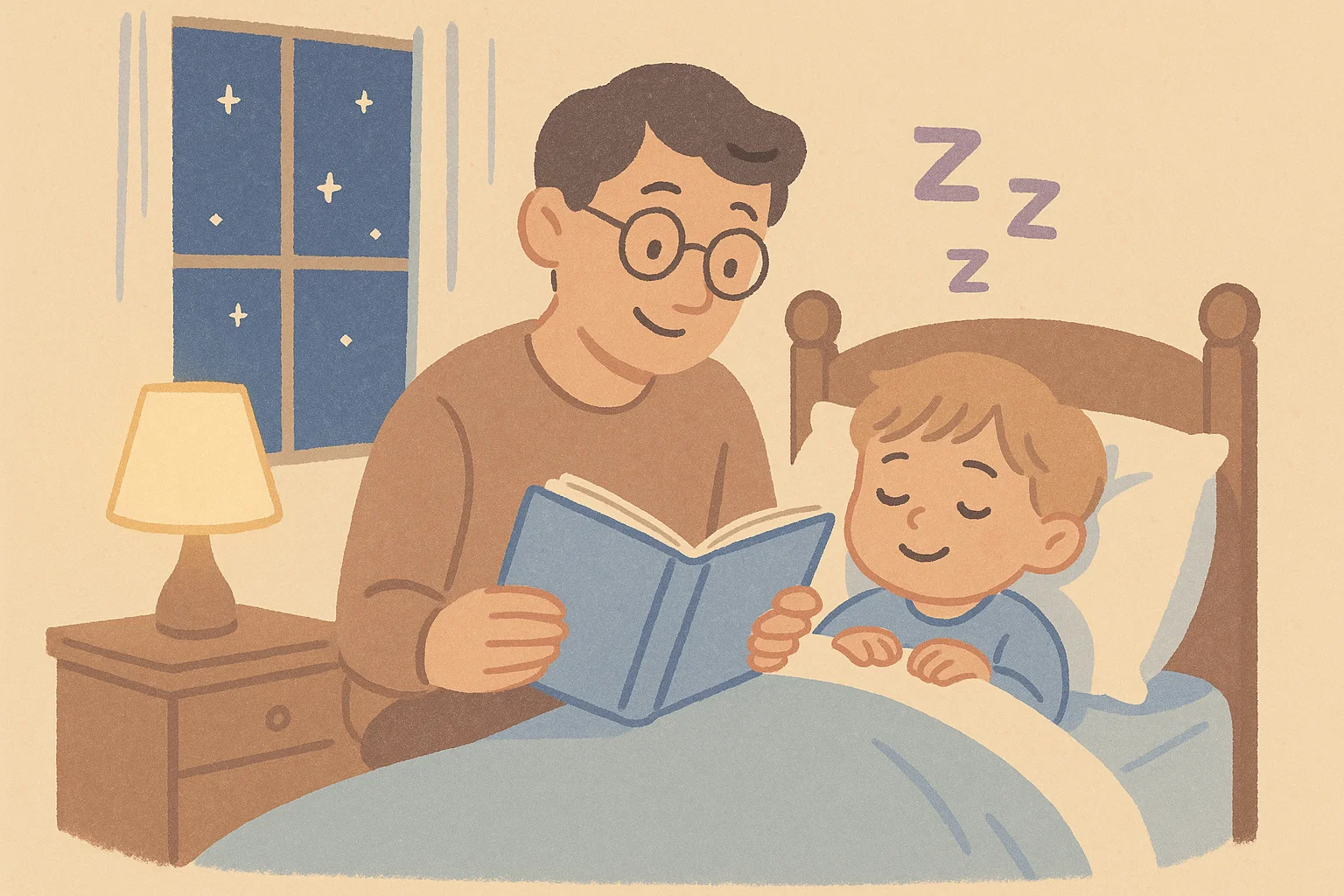
A predictable bedtime routine can help children move from the energy of the day into a calmer, more restful state. Choosing the right bedtime stories can help a child settle down, feel secure, and ease into sleep.
This guide brings together calming bedtime story recommendations by age, mood, and format. Whether you need short stories for energetic toddlers, classic picture books for preschoolers, or gentle chapter books for older children, these picks can make your evening routine calmer and more predictable.
Key Takeaways
- Routine Consistency: Reading at the same time each night helps signal that it is time to wind down and get ready for sleep.
- Soothing Voice: Reading in a low, steady voice can help children relax and settle.
- Format Selection: Low-conflict, repetitive stories are often easiest for tired children to follow and can help soothe restlessness.
- Digital Boundaries: Avoiding interactive screens before bed can reduce stimulation and help protect a child’s natural wind-down routine.
Best Picks by Age
Children’s story preferences and attention spans change quickly as they grow. To support healthy sleep habits, this guide categorizes great bedtime stories for kids into distinct developmental stages: babies, toddlers, preschoolers, school-aged children, and tweens.
Choosing an age-appropriate bedtime book helps keep the story engaging without making it too boring or too stimulating.
Calmest Formats for Fast Sleep
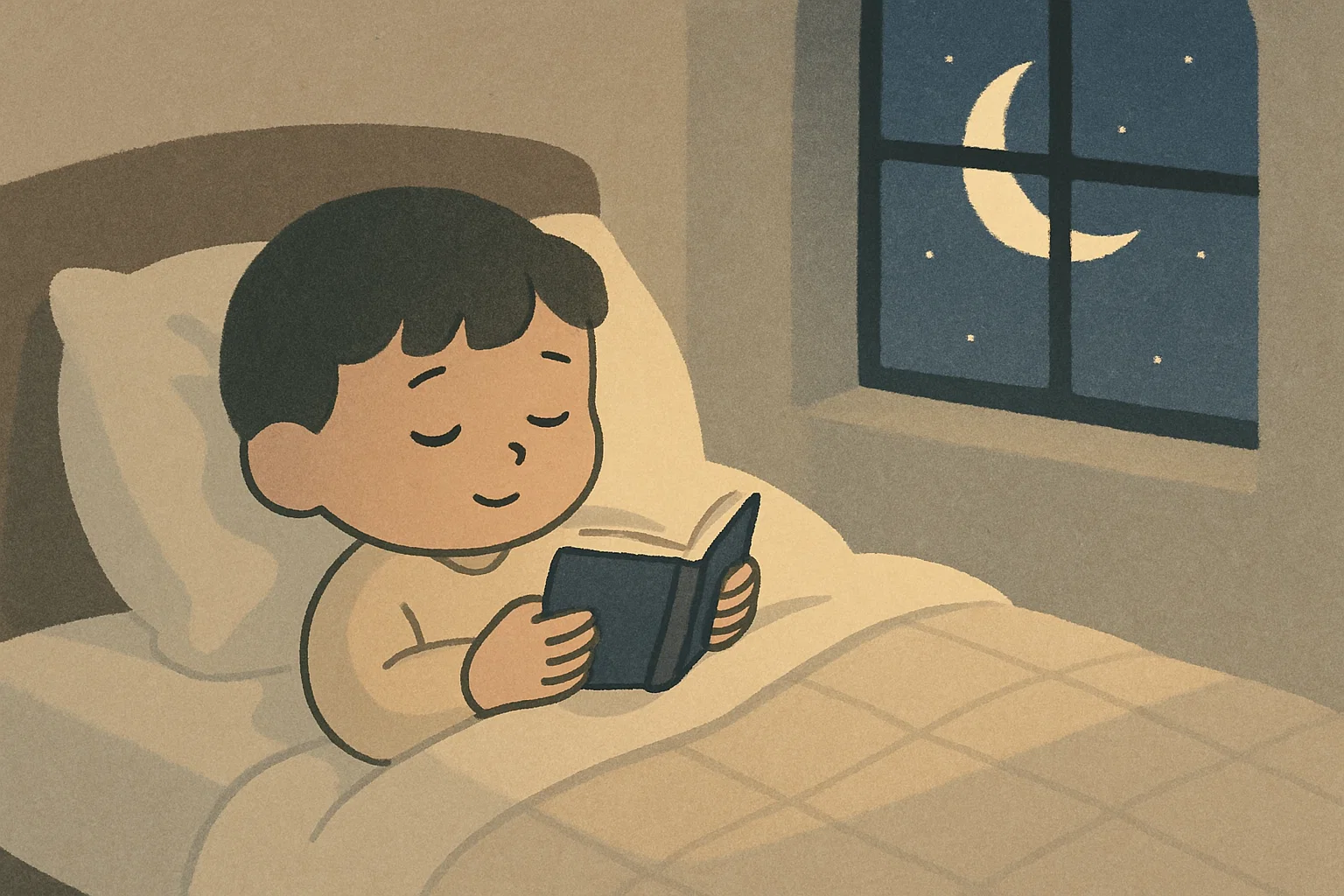
When a child is tired but struggling to fall asleep, the structure of the story can matter as much as the plot. The most effective bedtime books often use a predictable, repetitive structure and a steady, lullaby-like rhythm.
These patterns help children anticipate what comes next, which can make the story feel safe, familiar, and calming.
Nightly Reading and Bedtime Routine
A successful bedtime reading habit works best when the routine feels predictable and the boundaries are clear. Many families find it helpful to offer two book choices, read in the same cozy place, and gradually lower their voice as the story ends.
Over time, this sequence can help story time become a familiar cue for relaxation.
Free Online Options
When physical books are not available during travel or busy evenings, simple digital options can help keep the routine familiar. Parents can read text-based stories online or play calm audio stories from trusted, low-stimulation platforms.
Text-only or audio-only stories can keep the evening predictable without the stimulation of interactive, high-contrast screens.
Top Bedtime Stories by Age, Mood, and Format
The table below gives parents a quick way to match story types with age groups and bedtime needs.
| Category/Format | Target Age Group | Primary Behavioral Use Case | Exemplar Book Titles |
| Repetitive Rhyme | Babies & Toddlers | High energy before bed; needs a calming sensory cue. | Goodnight Moon; Time for Bed |
| Humorous/Silly | Preschoolers (3–5) | Bedtime resistance or extra reassurance needs. | Don’t Let the Pigeon Stay Up Late! |
| Interactive Call/Response | Toddlers & Preschoolers | Separation worries; needs emotional reassurance. | Guess How Much I Love You |
| Nature Imagery | Ages 3+ | Busy minds; racing thoughts after highly active days. | The Book of Sleep; Bear Snores On |
| Short Chapter Books | Older Kids (6–12) | Longer attention span; ready for independent reading. | Charlotte’s Web; The Wizard of Oz |
Babies, Toddlers, and Preschoolers
For younger children, bedtime books should prioritize sound, rhythm, and comfort over complex plots. Infants and toddlers often respond more to a caregiver’s tone, rhythm, and closeness than to the details of the plot.
Books with animal sounds, soft illustrations, and themes of closeness can help toddlers feel safe as they settle down.
Preschoolers and Children Ages 3+
Preschoolers understand more language and often have vivid imaginations, making them ready for classic children’s books, gentle fairy tales, and simple interactive stories.
At this stage, stories should model emotional regulation and peaceful conflict resolution. Stories with safe, predictable endings can help children process the day and feel calmer before lights out.
Older Children and Tweens
Older kids and pre-adolescents face unique sleep challenges, often related to school performance anxiety, social dynamics, and academic workloads.
For this age group, longer chapter books, fantasy novels, or historical fiction can offer a helpful mental escape. Engaging with a long-form narrative shifts the child’s focus away from personal anxieties and toward an external storyline, allowing them to relax and enjoy a good night’s sleep.
Why Bedtime Stories Matter for Sleep
Calmer Mind Before Lights Out
Engaging a child in an immersive, low-stakes narrative acts as a form of cognitive refocusing, helping them wind down from daytime stressors.
A calm printed book can shift a child’s attention away from the worries of the day and toward a gentle, predictable story. This kind of quiet focus can support a smoother transition toward sleep.
Secure Parent-Child Bond
Sitting close together with a book can help a child feel safe, connected, and cared for. This dedicated one-on-one time can be comforting and reassuring, especially at the end of a busy day.
When a child feels safe and protected, it is often easier for them to relax and fall asleep.
Consistent Sleep Cue
Human circadian biology thrives on predictability, and consistent routines help condition the brain for rest. When a family establishes a set sequence—such as bath, pajamas, and then reading at bedtime—the brain begins to associate the physical book with the onset of sleep.
Over time, this repeated pattern helps children understand that sleep is coming next.
Screen-Free Wind Down
Many sleep experts recommend reducing screen exposure before bed, especially interactive or highly stimulating screen time.
Tablets and smartphones can make it harder for some children to wind down, especially when used right before bed. Replacing screens with printed books or calm audio stories can make the bedtime environment quieter and less stimulating.
What Makes a Great Bedtime Story
Gentle Plot with Low Stakes
A good bedtime book usually avoids high-stakes conflict, frightening villains, or unresolved suspense. The narrative arc should focus on peaceful, everyday experiences, such as a walk through nature or animals preparing for winter.
Keeping the plot simple and predictable allows the child’s mind to rest, preventing the cognitive alertness that keeps them awake.
Rhythm, Repetition, and Soft Language
Linguistic mechanics play a significant role in helping a child relax and unwind. Books written with a distinct, lyrical rhyme or a slow, repetitive cadence naturally slow down the reader’s delivery pace.
This predictable rhythm can have a soothing effect on young listeners and gently guide them toward sleep.
Sleepy Setting and Safe Ending
The setting and mood of a bedtime book should support the goal of winding down. Stories that feature starlit night skies, cozy bedrooms, and sleeping animals help normalize the concept of resting.
A peaceful ending where every character is safe and asleep reinforces the child’s confidence that their own bedroom is a secure space to close their eyes.
Age Match and Reading Length
Matching a book’s length and complexity to a child’s developmental stage is essential for preventing bedtime frustration.
A restless toddler may struggle with a long chapter book, while an older child may lose interest in a story that feels too simple. Selecting the right balance keeps the child calm, attentive, and receptive to sleep.
Short Bedtime Stories for Quick Sleep
1. Good Night, Farm Animals
This simple, repetitive tale follows various farm animals as they settle down for the evening in their barn. Each short stanza describes an animal—such as a horse, cow, or sheep—closing its eyes, accompanied by a soft, rhythmic farewell phrase.
“The tired cow lowers her head, the quiet barn becomes her bed. Good night, sweet cow, sleep tight now.”
This clear pattern encourages toddlers to follow along and imagine the animals settling down for sleep.
2. Best Friend
This calming body-awareness story follows a young child as they interact gently with their favorite plush toy during the evening routine.
The story guides young listeners through calming actions, such as taking deep, slow breaths and relaxing their muscles from head to toe. By focusing on simple, comforting movements, the story serves as an easy mindfulness exercise that helps release physical tension before sleep.
3. Little Cloud
This peaceful story describes a small, fluffy cloud floating slowly across a darkening evening sky. The minimalist text follows the cloud’s soft shapes and slow movements over quiet hills and sleeping towns.
Visual cue: soft blue sky → slow drifting → a calmer body and mind.
The calm, spacious illustrations and unhurried pacing make it an excellent choice for lowering energy levels in younger children.
4. About Ladybird
This nature-focused story follows a tiny ladybug as it winds down after a busy afternoon in a sunny garden.
As the sun sets, the ladybug finds a soft, sheltered leaf, tucks in its wings, and prepares for a long night of rest. The emphasis on natural cycles and quiet outdoor settings provides a peaceful mental backdrop that helps children feel calm and secure.
5. Time for Bed by Mem Fox
This classic picture book pairs beautifully written, rhythmic verse with gentle illustrations of animal parents comforting their babies.
The comforting repetition of evening good-nights creates a warm, secure atmosphere that celebrates the bond between parent and child. The predictable cadence serves as an excellent auditory cue that helps toddlers feel safe and protected as they close their eyes.
Classic Bedtime Stories Kids Ask For Again and Again
6. Goodnight Moon by Margaret Wise Brown
Margaret Wise Brown’s timeless classic uses a rhythmic, almost hypnotic bedtime ritual to say good night to every object in the room.
The room gradually darkens throughout the illustrations, gently mirroring a child’s transition from wakefulness to sleep.
7. Where the Wild Things Are by Maurice Sendak
Maurice Sendak’s iconic story gives children a safe, imaginative way to explore big emotions.
Max’s imaginative journey to the land of the Wild Things lets children explore big feelings, while his return home offers a reassuring sense of safety.
8. The Very Hungry Caterpillar by Eric Carle
Eric Carle’s beloved book combines counting, days of the week, and a clear natural progression that many children find comforting.
The story’s predictable structure and familiar sequence can keep young children engaged without feeling too intense.
9. The Velveteen Rabbit by Margery Williams
This touching story explores themes of love, loyalty, and the comforting power of a favorite childhood toy.
Its gentle, nostalgic tone makes it a good choice for longer evening reading sessions with school-aged children.
10. Charlotte’s Web by E. B. White
E. B. White’s classic tale of friendship in a barnyard setting works well for many older children transitioning to chapter books.
The descriptive prose and slow farm setting create a comforting, low-energy narrative that may help ease a busy mind before sleep.
Relaxing Bedtime Stories for a Sleepy Mood
11. Old Oak Tree
This gentle forest story centers on a grand old oak tree that shelters woodland creatures at twilight.
The narrative details how birds, squirrels, and deer find their cozy spots within the branches and roots, creating a strong sense of security and community.
12. A Night Under the Sky
This sensory story describes a peaceful family camping trip under a vast, star-filled sky.
The text focuses on the soft crackle of a campfire, the gentle rustle of the wind through the trees, and the soothing sound of crickets, helping children picture a calm, open-air environment.
13. Bear Snores On by Karma Wilson
Karma Wilson’s charming story features a group of small forest animals who gather inside a cozy cave to escape a cold winter storm.
The rhythmic, repetitive refrain about the bear sleeping through the gathering creates a warm and cozy atmosphere.
14. The Book of Sleep by Il Sung Na
This beautifully illustrated book takes children on a quiet journey through the different ways animals sleep, from giraffes standing tall to koalas clinging to branches.
The soft, muted color palette and gentle text reinforce the idea that resting is a natural, universal part of everyone’s day.
15. I’ll See You in the Morning by Mike Jolley
This reassuring book can help children who struggle with separation worries at bedtime.
The comforting text reminds young listeners that their parents remain nearby and protective all through the night, making it an excellent choice for children who need a little extra reassurance before falling asleep.
Funny Bedtime Stories That Won’t Wind Kids Up
16. Naughty Gnome
This playful story follows an energetic little gnome who tries his best to resist bedtime by playing games around his garden home.
As the moon rises, the gnome’s yawns catch up with him, and he eventually finds comfort in his cozy bed of moss, showing children that even the most active characters eventually need rest.
17. Don’t Let the Pigeon Stay Up Late! by Mo Willems
Mo Willems uses humor to mirror a child’s typical bedtime negotiations through a determined, fast-talking pigeon character.
Children may recognize their own bedtime delay tactics in the pigeon’s funny excuses, which lead to a final sleepy yawn and a clear wind-down moment.
18. Llama Llama Red Pajama by Anna Dewdney
Anna Dewdney’s familiar rhyming story addresses common toddler separation worries with warmth and gentle humor.
The story offers reassurance as Mama Llama gently reminds her little one that she is always close by, helping soothe evening anxieties.
19. Snuggle Puppy! by Sandra Boynton
Sandra Boynton’s sweet, musical book feels like a joyful, affectionate love song from a parent to a child.
The playful rhythm and comforting message make it a wonderful, low-stress pick for toddlers who thrive on physical closeness and routine.
20. Pete the Cat Series by Eric Litwin
The relaxed, easygoing attitude of Pete the Cat offers a comforting, worry-free perspective for children before bed.
Choosing the quieter, calmer stories from this series helps children wind down with a positive, lighthearted mindset.
Interactive Bedtime Stories Kids Can Join In With
21. Good Night, Gorilla by Peggy Rathmann
This delightful, mostly wordless book invites children to follow a mischievous gorilla who quietly steals a zookeeper’s keys.
The minimal text lets children notice details in the illustrations and quietly whisper good night to each animal along the way.
22. Guess How Much I Love You by Sam McBratney
This beloved classic follows a gentle back-and-forth between Little Nutbrown Hare and Big Nutbrown Hare as they try to measure their love for each other.
The soothing, repetitive declarations of affection make it a warm choice for building closeness before sleep.
23. We’re Going on a Bear Hunt by Michael Rosen
Michael Rosen’s rhythmic, repetitive adventure can become a gentler bedtime read when you lower your voice and slow the actions down.
The familiar, predictable pattern helps children follow along while gradually reducing their energy levels.
24. Room on the Broom by Julia Donaldson
This rhyming story by Julia Donaldson features a friendly witch who welcomes a variety of helpful animals onto her broom.
The melodic verse flows smoothly, allowing parents to read at a calm, steady pace that keeps children engaged without overstimulating them.
25. Twinkle Twinkle Little Star by Kate Toms
This book expands on the familiar childhood lullaby, pairing the well-known song with soft, comforting illustrations.
Singing or reading the familiar words together can create a predictable, soothing routine that signals it is time for sleep.
Fairy-Tale Bedtime Stories with Gentle Endings
26. Goldilocks and the Three Bears
This classic story can work well at bedtime because of its repetitive structure, especially in gentle retellings focused on the three bowls of porridge, chairs, and beds.
Choosing a version with a mild, friendly ending helps keep the story comforting and low-stress.
27. Jack and the Beanstalk
A softened version of this traditional tale can focus on Jack’s sense of wonder and adventure rather than the threat of the giant.
Keeping the focus on exploration and a safe return home makes it an imaginative yet gentle bedtime choice.
28. Town Mouse and the Country Mouse
This classic fable contrasts the busy, loud life of the city with the quiet, peaceful calm of the countryside.
The story ends by celebrating the comfort and safety of a simple home, reinforcing a cozy feeling before bed.
29. The Wizard of Oz by L. Frank Baum
An abridged, illustrated version of Dorothy’s journey along the Yellow Brick Road can work well for older children who love magic.
The story’s central message—that there is no place like home—can provide a comforting close to a bedtime routine.
30. The Gruffalo by Julia Donaldson
Julia Donaldson’s clever rhyming story uses humor and quick thinking to balance out mild suspense.
The predictable rhythm and the mouse’s safe return help the story end on a calm, secure note.
Slightly Spooky Stories for Older, Brave Kids
31. Coraline by Neil Gaiman
This imaginative, spooky novel is best for older, confident readers who are not easily unsettled by eerie stories.
Parents should use their judgment and save this one for daytime reading if the eerie atmosphere makes bedtime harder.
32. Harry Potter Series by J. K. Rowling
The early, lighter chapters of J. K. Rowling’s series, especially those focused on discovering magic and life at Hogwarts, can make enjoyable bedtime reading for older children.
Parents should stick to these lighter, whimsical chapters and save the high-stakes battle scenes for daytime reading.
33. Artemis Fowl by Eoin Colfer
This fast-paced, witty fantasy series may suit tweens who enjoy clever adventures and are not overstimulated by action before bed.
Reading a chapter before bed may help older kids shift their focus away from daily school stress.
34. Percy Jackson and the Olympians by Rick Riordan
The modern mythological adventures of Percy Jackson can offer an exciting escape for school-aged children who enjoy action before bed.
Sticking to lighter chapters can keep the reading fun without adding too much suspense before sleep.
Bedtime Fear Check
If a story causes a child to ask worried questions or show signs of anxiety, it is best to pause the book immediately. Parents can gently switch to a familiar, comforting book to restore a sense of safety.
Fear cue: anxious question or body tension → pause the story → switch to a comfort object or familiar book.
Bedtime Stories with Gentle Life Lessons

35. The Kissing Hand by Audrey Penn
This beautiful story is a wonderful tool for children experiencing separation worries or school-related stress.
The comforting ritual shared by the raccoon family provides children with a tangible sense of security they can carry with them to sleep.
36. Love You Forever by Robert Munsch
This moving story highlights enduring parental love, though some families may find its emotional tone better suited to older children.
The gentle, repetitive lullaby woven throughout the book creates a warm, deeply reassuring atmosphere for bedtime.
37. The One and Only Ivan by Katherine Applegate
This touching, beautifully written novel can foster empathy and compassion in older readers.
The thoughtful, quiet pacing of the story can work well for a gentle evening wind-down.
38. Good Night Stories for Rebel Girls
This collection offers short, one-page biographies of inspiring real-life women, making it perfect for a structured bedtime routine.
Reading one profile each night can provide a positive, uplifting close to the day without the cliffhangers of traditional chapter books.
39. Black Beauty by Anna Sewell
This classic animal story explores kindness, patience, and compassion through the life of a gentle horse.
The classic storytelling style provides a calm, nostalgic narrative that helps older children settle down for the night.
Holiday Bedtime Stories
Christmas Eve Calm Stories
Holiday bedtime reading works best when it prioritizes peace, family warmth, and gratitude over excitement about gifts.
Choosing stories that focus on gentle winter scenes, falling snow, and quiet family moments helps lower energy levels on an otherwise exciting night.
Halloween Stories with Cozy Spooks
For autumn reading, look for friendly, lighthearted seasonal books featuring smiling pumpkins and kind ghosts.
Keeping the stories cheerful and fun helps children enjoy the holiday atmosphere without adding bedtime fears.
Summer Camp Wind Down Stories
Summer reading is a great opportunity to explore books about outdoor adventures, stargazing, and friendship.
These gentle nature themes fit the season well and can help children wind down after long, active days outside.
Travel Night Routine Stories
Bringing along a favorite, familiar book when traveling provides children with a comforting sense of home in an unfamiliar bedroom.
Keeping this part of the evening routine as familiar as possible can ease transition worries and support better sleep away from home.
Clock Change Sleep Stories
During daylight saving time changes, shifting story time in 15-minute increments can help ease a child into the new schedule.
Using highly repetitive, calming books during the adjustment can help keep the routine predictable.
How to Make Bedtime Stories Work Nightly
Same Time, Same Place
Consistency is key when building an effective evening routine.
Reading in the same cozy spot every night—whether in a favorite rocking chair or tucked up in bed—helps children recognize that sleep is just around the corner.
Soft Voice, Slower Pace
As you move through the story, gradually lower your volume and slow your pace.
Dropping your voice to a gentle whisper near the end of the book can feel like a natural lullaby and encourage your child to match your quiet energy.
Choice Limit with Two Options
To prevent endless bedtime delays and negotiations, offer your child a clear choice between just two pre-selected books.
This gives them a sense of independence while keeping the evening routine moving.
Independent Reading Benefits
For older children, setting aside 15 to 30 minutes of quiet independent reading in bed is an excellent way to wind down.
This independent time can help them relax while supporting a screen-free bedtime routine.
Family Routine for Busy Nights
On evenings when time is short, you can still preserve the routine with a simple shortcut.
Reading just one page of a favorite book or listening to a short audio story can keep the comforting habit going without pushing bedtime too late.
Troubleshooting Bedtime Story Challenges
Child Wants One More Story
When a child asks for “just one more book,” hold a gentle but firm boundary to prevent bedtime from stretching out.
You can use a supportive, consistent phrase to reassure them while keeping the routine on track.
“I love reading with you, but tonight we are finished. We will leave this next wonderful story right here on the shelf for tomorrow evening.”
After a Restless Day
After high-energy or stressful days, choose very simple, short books with familiar pictures and plenty of repetition.
This predictable structure can provide comfort and help an overstimulated child settle.
Bedtime Fears and Night Worries
If a child expresses fear of the dark or bad dreams, focus your reading on extra-reassuring stories that highlight safety and parental closeness.
Introducing a special comfort object alongside the book can help build their confidence as they drift off.
Toddler Head Banging in Crib
Some toddlers use rhythmic movements, such as body rocking or head rolling, as a way to soothe themselves to sleep.
While rhythmic movement can be common, parents should consult a pediatrician if the movement is forceful, causes injury, disrupts sleep, or raises any safety concerns.
Transitioning Away from a Pacifier at Bedtime
When helping a child transition away from using a pacifier, a favorite bedtime story can become a wonderful new source of comfort.
The close bonding time during reading can become a new source of comfort as the old soothing habit fades.
Gentle Sleep Support Beyond Bedtime Stories
Sleep Training Readiness Checklist
If bedtime continues to feel difficult despite a calm routine, it may be helpful to look at the family’s overall sleep habits and readiness for change.
The following criteria can help you determine whether it may be time to consider a more structured approach:
- The child is old enough for a structured sleep approach, and parents have discussed any concerns with their pediatrician.
- Bedtime resistance or night waking lasts longer than two to three weeks.
- The child struggles to fall asleep without specific support, such as being rocked, fed, or held.
- Daytime behavior shows signs of ongoing overtiredness or irritability.
Gentle Sleep Coach Support
When bedtime struggles persist and affect the whole family’s rest, a pediatrician or certified pediatric sleep consultant can help parents choose the next step.
A specialist can offer a personalized plan that respects your family’s parenting style while gently improving sleep habits.
Healthy Nap Timing
The timing and length of daytime naps can affect how easily a child settles down at night.
Leaving an age-appropriate wake window between the last nap and bedtime can help children avoid being under-tired or overtired when the evening routine begins.
Comfort Object Boundaries
Introducing a safe, consistent comfort object—like a soft blanket or a special plush toy—can make a wonderful addition to a child’s sleep routine.
Keeping this object mostly in the sleep space can reinforce its role as a cue for rest.
Final Thoughts
Best First Pick for Tonight
If you are looking for an easy place to start tonight, choose a classic, repetitive book like Goodnight Moon or a simple nature story like Good Night, Farm Animals.
These dependable choices offer a gentle balance of rhythm and calm for the bedtime transition.
Your Next Routine Step
To strengthen your evening habit tomorrow, pick one consistent reading spot, set a clear time, and choose a warm, predictable closing phrase to use every single night.
This simple repetition will help turn story time into a natural signal for sleep.
Takeaway for Parents
Remember that the goal of evening reading is not to create a flawless, picture-perfect routine every night.
Instead, it is about creating a warm, loving space that helps your child feel safe and secure as they drift off to sleep.
FAQ About Best Bedtime Stories For Kids
What are the best bedtime stories to read when a child is full of energy?
When a child is full of energy, the right story is usually short, repetitive, and low-conflict. A gentle animal story, a familiar nursery rhyme, or a quiet read-aloud with a soothing rhythm can help create a sense of calm and help them drift toward sleep.
Are free bedtime stories good for a nightly routine?
Yes, free bedtime stories can be helpful when families are traveling, between library visits, or looking for something new. Parents can read online or choose free bedtime stories for kids from calm, text-based sources, as long as the story feels gentle and does not add extra screen time before bed.
Why is reading at bedtime helpful for kids of all ages?
Reading at bedtime gives children and adults alike an opportunity to connect at the end of the day. Over time, this routine can help children develop a love of books, strengthen listening skills, and get ready for bed in a calm, predictable way.
What should parents do if a child has trouble falling asleep?
When a child has trouble falling asleep, parents often find that a familiar story works better than a new or exciting one. If a child has tossed and turned for a while, it may help to grab a book with soft language, beautiful illustrations, and a peaceful ending.

Take a short quiz to find out what your everyday choices say about your parenting style
When your child is curious about something new, what’s your instinct?
Take a short quiz to find out what your everyday choices say about your parenting style
“Can I download this app?” What happens next?
Take a short quiz to find out what your everyday choices say about your parenting style
When it comes to rules at home, which sounds most like you?
Take a short quiz to find out what your everyday choices say about your parenting style
If you could give your child one life skill today, what would you pick?
Take a short quiz to find out what your everyday choices say about your parenting style
Your child gets to choose what to watch. What would your ideal setup look like?
Take a short quiz to find out what your everyday choices say about your parenting style
Pick your parenting superpower ✨