Engaging Reading Comprehension Activities for Kids: 35 Fun Games, Ideas, Benefits, and Tips

 Discover a Free Education Video App for Kids
Pastory uses AI to personalize educational video content based on your child’s interests and personality. Safe, engaging, and built for curious young minds. Sign up now to stay updated and enjoy early access with a free trial
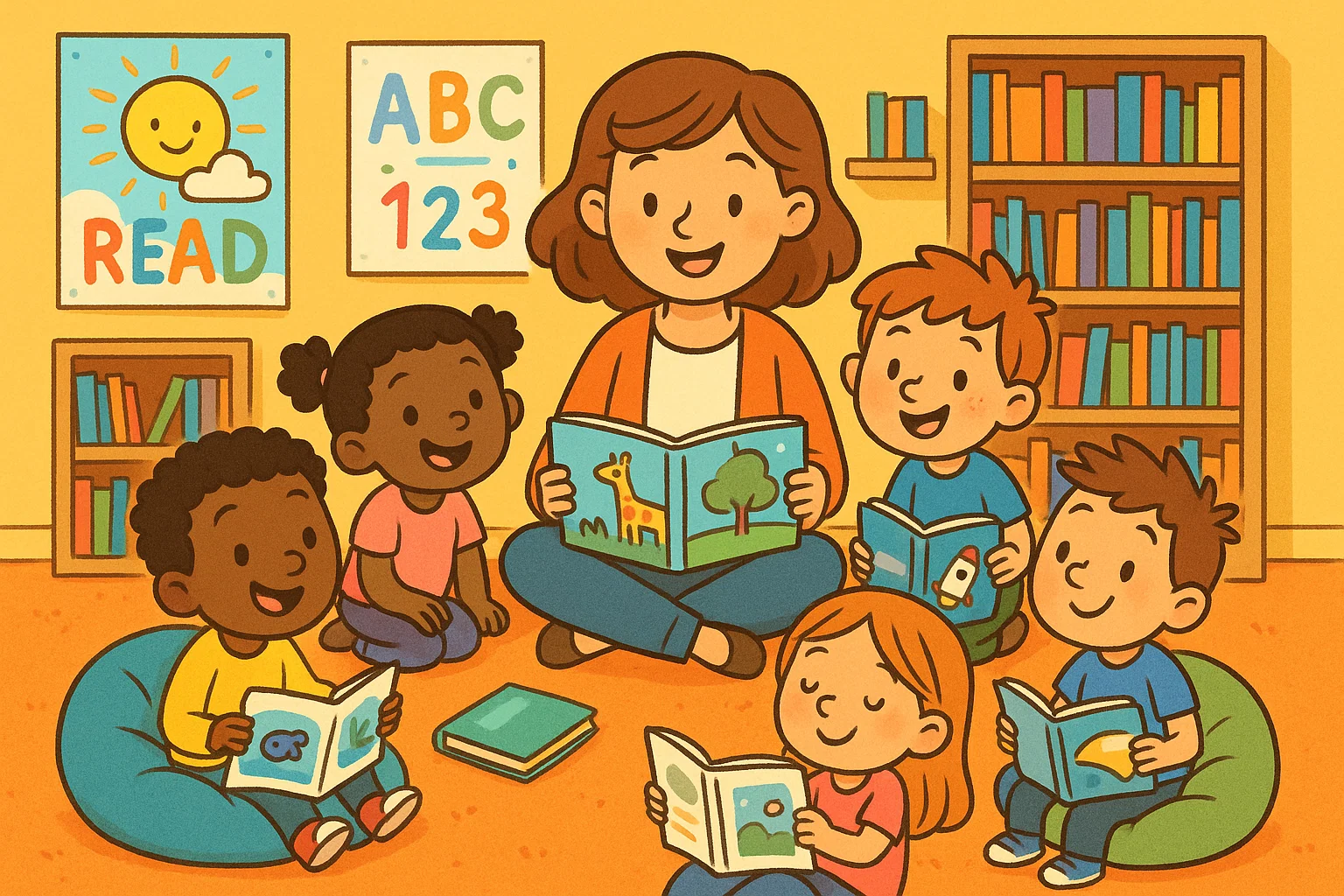
Many parents and educators find that teaching a child to read can feel like a chore. When reading practice turns into a forced routine, children often resist, causing tension and slowing their progress. The primary goal is to turn reading from a passive, mandatory task into an interactive, child-centered experience. By focusing on joyful engagement, parents can help kids build foundational literacy skills naturally.
This comprehensive guide covers 35 practical activities that support reading comprehension, fluency, and vocabulary growth. The curated activities include DIY home games, portable on-the-go challenges, and structured digital options. Every child’s literacy journey benefits from a balanced mix of play, discussion, and targeted practice that can help build a lifelong love of reading.
Key Takeaways
- Play-Based Literacy: Interactive reading activities can support reading comprehension more effectively than repetitive worksheets.
- Balanced Instruction: A mix of activities covering phonics, fluency, vocabulary, and comprehension supports more balanced long-term literacy development.
- Low-Pressure Routine: Short, consistent 15-minute book sessions often build more confidence than long, high-pressure blocks.
- Multisensory Engagement: Integrating movement, drawing, and audiobooks helps many kids, including children with learning differences, retain new words and concepts.
Reading Activities Help Kids Build Skills Through Play

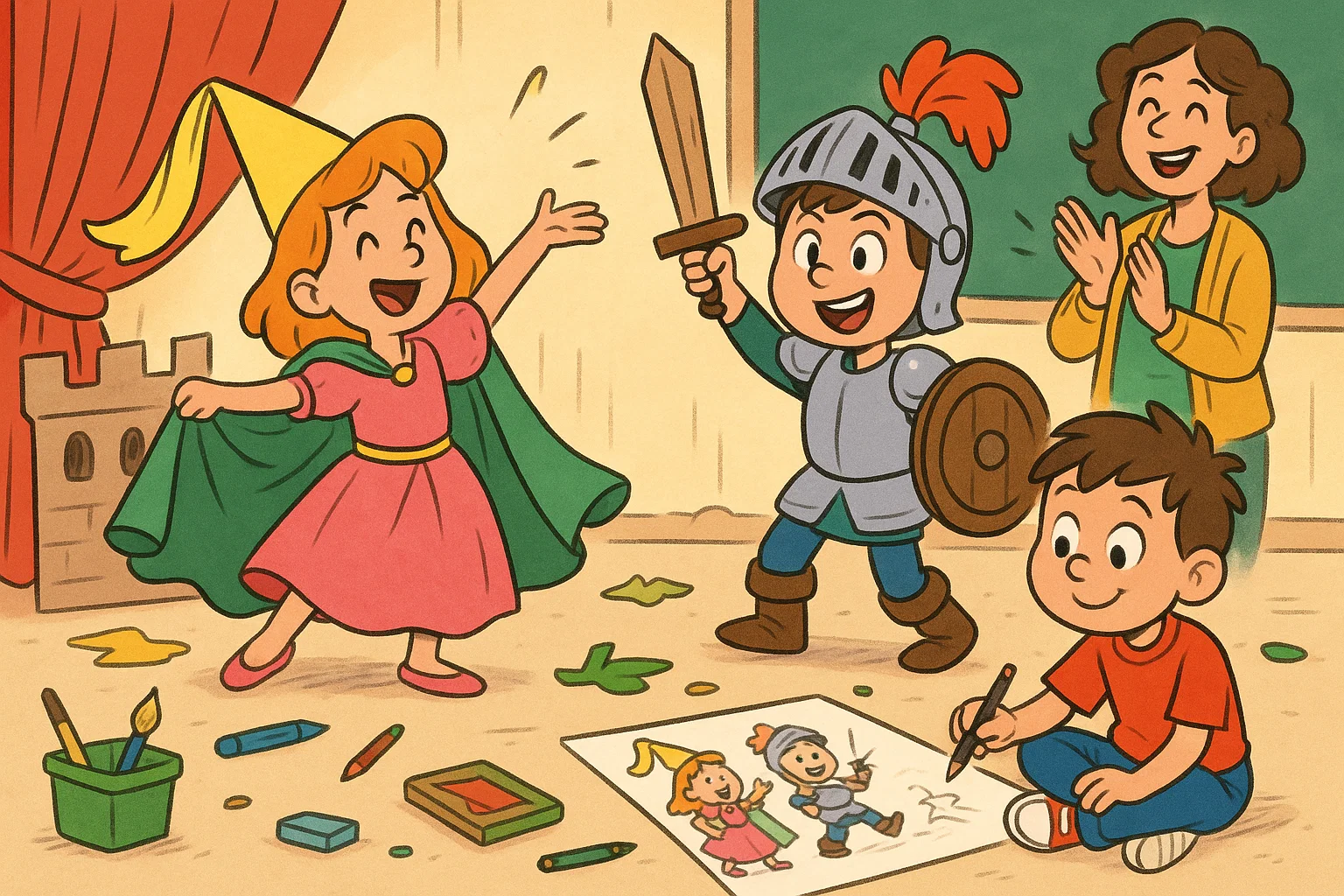
Engaging reading activities for kids use play to turn abstract text into physical, visual, and analytical experiences. Activities like scavenger hunts, dramatic role-playing, and character drawing require children to think about what they are reading in real time. Play-based learning can help children process information more deeply by reducing pressure and increasing engagement.
When an activity helps a child visualize a story, it can strengthen the connection between written words and their meanings. Interactive practice prevents children from merely decoding letters without absorbing the narrative. Turning reading into an active game helps children practice critical thinking while enjoying the process.
Best Results Come from Mixed Activity Types
A balanced literacy routine targets the five essential components of reading identified by the National Reading Panel: phonemic awareness, phonics, fluency, vocabulary, and text comprehension. Relying on a single type of practice can lead to uneven skill development. For example, a child may develop strong fluency but struggle with deep reading comprehension.
Mixing decoding games with age-appropriate comprehension activities supports well-rounded growth. Children need opportunities to practice blending sounds, exploring new vocabulary words, and discussing main ideas in the same week. This comprehensive approach builds a versatile toolkit that helps kids adapt to more complex texts as they grow.
Short, Fun Sessions Work Better than Pressure
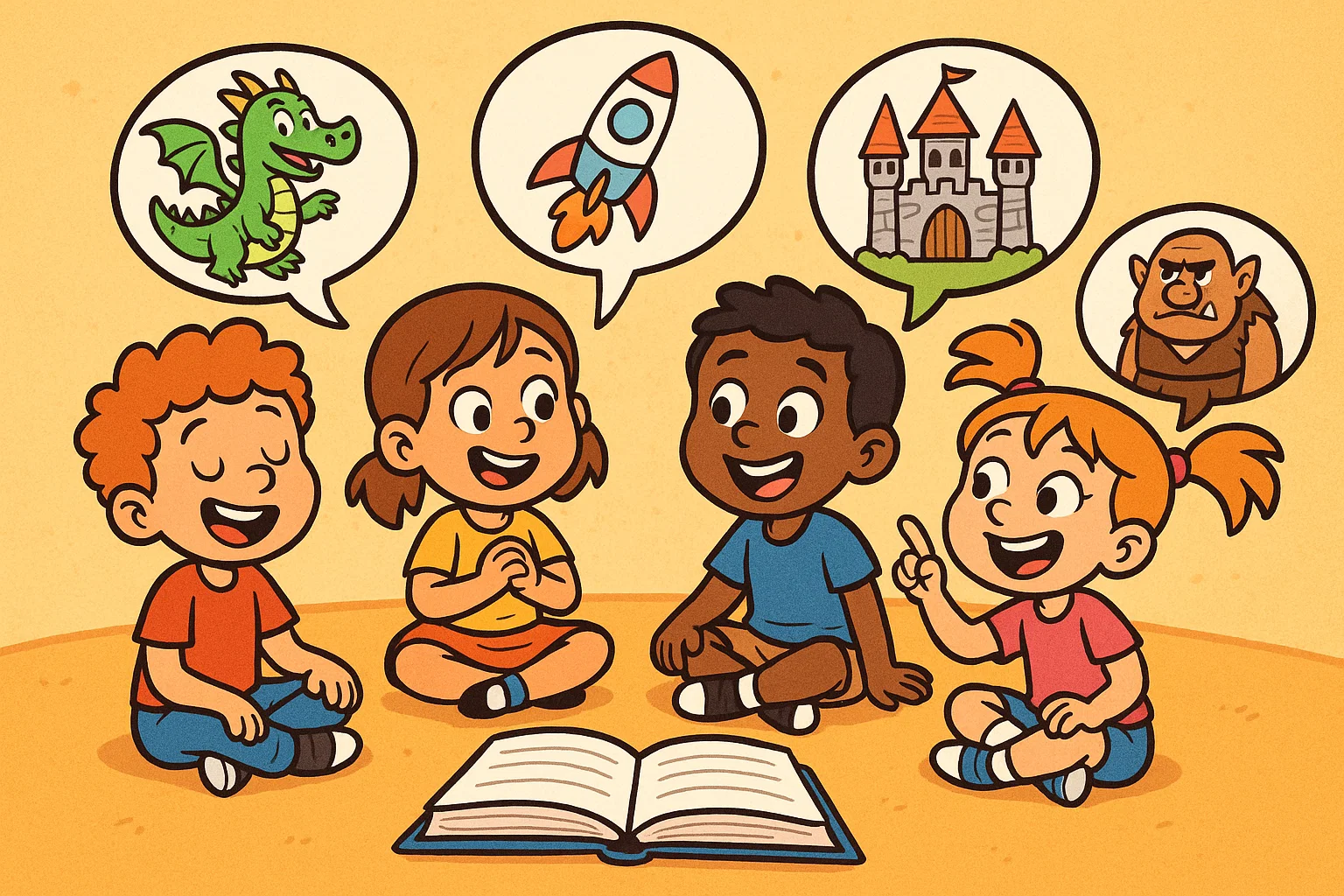
Forcing children to complete long, rigid literacy exercises often triggers avoidance behaviors and lowers motivation. Positive, low-stress interactions are essential for sustained cognitive growth. Short, energetic sessions ranging from 10 to 20 minutes keep attention high and prevent cognitive fatigue.
Prioritizing choice, humor, and encouragement over speed or absolute perfection shows your child that reading is a rewarding habit rather than a test. When reading becomes a natural, stress-free part of the daily routine, children view themselves as capable readers. This confidence is one of the strongest foundations for long-term literacy success.
What Is Reading Comprehension?
Reading comprehension is the cognitive process by which a reader decodes written text, extracts its core meaning, and connects it to prior knowledge. It is not simply the act of pronouncing words correctly from a page. True comprehension requires readers to interpret implied meanings, follow the logic of a text, and retain details across sentences, paragraphs, or chapters.
Reading comprehension develops through several connected skills: decoding and fluency help children read the words, vocabulary and context help them understand what those words mean, and analysis helps them make sense of the larger message.
What Reading Comprehension Means for Kids
For young learners, reading comprehension means “making sense of the story” rather than just reciting lines aloud. A child with strong reading comprehension can picture the events, predict what might happen next, and explain why a character feels sad, happy, scared, or excited. It transforms written symbols into a vivid internal movie, making text relevant and memorable.
Core Skills Behind Strong Literacy
Strong reading comprehension relies on a delicate network of underlying cognitive sub-skills. If any of these foundational elements is underdeveloped, the entire comprehension process can become harder.
- Decoding: The mechanical ability to translate printed letters into spoken sounds using phonics rules.
- Fluency: Moving through text accurately, at an appropriate pace, and with natural conversational expression.
- Vocabulary: Understanding the definitions and contextual nuances of the words used in a text.
- Working Memory: Holding information from the beginning of a sentence or paragraph long enough to connect it to the end.
- Inference: Reading between the lines to deduce unstated facts, motives, or feelings using textual clues.
Signs Kids Need More Practice
Parents can spot potential comprehension gaps by observing behavioral patterns during independent or shared book time. Recognizing these signs early allows for gentle, targeted intervention before a child falls behind academically.
- Detail Skipping: The child glosses over crucial plot points, names, or settings, missing the core arc of the narrative.
- Weak Recall: The child cannot answer basic questions about what happened in a story immediately after finishing a page.
- Context Guessing: The child relies entirely on illustrations to guess words instead of sounding out the letters or analyzing the text.
- Book Avoidance: The child expresses frustration, makes excuses, or shows anxiety when it is time for daily practice.
- Rote Decoding: The child reads aloud quickly with little or no expression but cannot explain the meaning of the passage afterward.
Why Reading Comprehension Matters for Kids
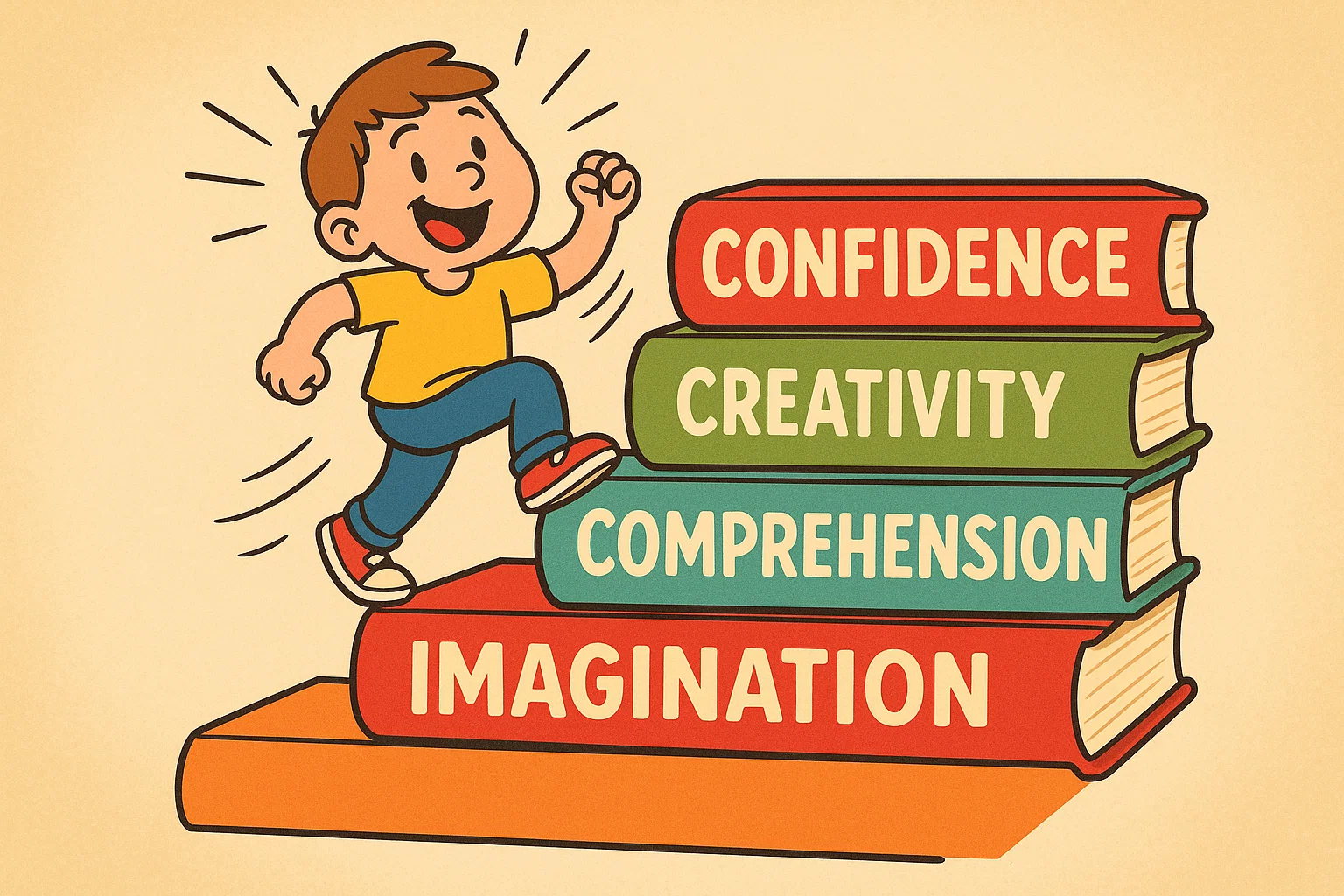
Reading comprehension skills serve as the primary gateway for future academic and personal learning. When children can interpret written language well, they gain the independence needed to explore complex subjects more deeply.
School Success Across Subjects
A child’s reading level can affect academic performance across all school subjects, not just English language arts. For example, math word problems require careful reading to identify the necessary operations. Science textbooks require close attention to follow experiments, while history lessons often ask students to evaluate cause-and-effect relationships across primary sources.
Confidence During Independent Reading
When kids improve reading comprehension, they experience less frustration during silent, independent book sessions. A child who fully understands a plot feels capable and in control of their learning environment. This sense of mastery can reduce the anxiety of getting stuck on difficult pages and encourage more independent exploration and curiosity.
Stronger Vocabulary and Language Skills
Frequent engagement with effective reading activities exposes children to unfamiliar words and sentence patterns they may not hear in daily conversation. This regular exposure allows kids to decode unfamiliar vocabulary using surrounding context clues. Over time, these words can become part of a child’s spoken and written vocabulary, helping them communicate more clearly.
Benefits of Varied Reading Activities
Relying solely on traditional silent book work can fail to engage children with different needs, strengths, and preferences. Introducing varied, interactive reading activities ensures that all children find a personal entry point into literacy.
Motivation and Interest
Offering a diverse menu of fun reading activities gives reluctant readers a sense of control and autonomy over their learning. When children choose between a comic strip challenge, an audiobook session, or a vocabulary game, they feel invested in the outcome. This child-centered approach shifts their perspective so they see reading as a reward rather than a chore.
Repetition and Reinforcement
Mastering tricky sight words and complex syntax requires repeated exposure across different environments. Varied activities allow children to encounter the same literacy concepts in multiple formats, such as finding a target word in a storybook, a word search, or a scavenger hunt. This structured repetition reinforces long-term memory retention without causing boredom.
Multisensory Reading Practice
Multisensory literacy practice combines sight, sound, touch, and physical movement to help children anchor abstract language concepts in their minds. This approach can be especially helpful for children with learning differences, such as dyslexia or ADHD, who may struggle with static text.
| Sensory Mode | Example Activity | Target Literacy Skill |
| Visual | Graphic organizers and comic strips | Story sequencing and summarization |
| Auditory | Audiobook shadowing and read-alouds | Fluency and pronunciation |
| Kinesthetic | Scavenger hunts and story cubes | Structural comprehension and vocabulary |
| Tactile | Matching onsets and rimes with tiles | Phonics and word building |
Feedback and Rewards
Many structured literacy activities incorporate clear feedback systems, such as points, stickers, or digital badges, which provide immediate validation for a child’s efforts. Immediate, positive feedback can boost motivation, engagement, and perseverance. Seeing clear signs of progress can motivate kids to tackle more challenging reading tasks.
Social Interaction
Shared activities—such as partner reading, family book clubs, and dramatic reenactments—turn a solitary task into a lively social experience. When parents and kids take turns with pages aloud, the book becomes a conversational dialogue. These collaborative moments allow children to practice listening, discuss plot twists, and build positive emotional connections with books.
35 Engaging Reading Activities for Kids

1. Complete the Sentence
- Age Range: 5-8 years
- Materials: Index cards, markers, sentence strip holder.
- Steps: Write incomplete sentences from a favorite book on cards, leaving a blank space for a missing word. Give the child a selection of word cards to choose from to complete the sentence logically.
- Skill Focus: Context clues, grammatical structure, and syntax comprehension.
- Quick Variation: Use silly or nonsense words to see whether the child can identify grammatical errors from context alone.
2. Word Hunt
- Age Range: 4-7 years
- Materials: Highlighter tape, sticky notes, any picture book.
- Steps: Assign the child a specific target sight word or phonics pattern before opening the book. As you read together, have the child place highlighter tape over the target word whenever it appears.
- Skill Focus: Visual tracking, sight word recognition, and print awareness.
- Quick Variation: Turn it into a speed race with a kitchen timer to boost engagement.
3. Word Search
- Age Range: 6-10 years
- Materials: Custom printout, grid paper, pencil.
- Steps: Create a word search grid containing 8 to 10 vocabulary words pulled directly from the child’s current chapter book. Have the child locate the words and explain their meanings in the story.
- Skill Focus: Spelling patterns, letter recognition, and focused attention.
- Quick Variation: Hide a secret message within the unused letters of the grid for a fun twist.
4. Synonym Search
- Age Range: 8-12 years
- Materials: Reading text, thesaurus, reading journal.
- Steps: Select five descriptive verbs or adjectives from a passage. Challenge the child to use a thesaurus to find two strong synonyms that preserve the author’s original meaning.
- Skill Focus: Vocabulary expansion, contextual substitution, and descriptive writing.
- Quick Variation: Have the child pick the silliest possible synonym that completely changes the tone of the story.
5. Reading Aloud
- Age Range: All ages
- Materials: A high-interest book, comfortable seating.
- Steps: Read a story aloud to your child, using distinct voices for different characters and varying your pacing. Pause periodically to discuss the illustrations and ask open-ended questions about the plot.
- Skill Focus: Auditory comprehension, expressive phrasing, and vocabulary modeling.
- Quick Variation: Let the child ring a small bell whenever you use a funny voice for a word or character.
6. Guided Reading
- Age Range: 5-9 years
- Materials: A book matched to the child’s reading level and discussion prompt cards.
- Steps: Guide the child through a text by prompting them before reading (“What do you think this title means?”), during reading (“Why did he do that?”), and after reading (“How would you change the ending?”).
- Skill Focus: Metacognition, active reading strategies, and finding evidence in the text.
- Quick Variation: Use a toy microphone to make the discussion feel like an exclusive news interview.
7. True or False
- Age Range: 6-10 years
- Materials: Whiteboard, dry-erase marker, reading passage.
- Steps: Write three statements about a freshly read chapter on a whiteboard: two true and one false. Have the child identify the false statement and point to the page that proves it.
- Skill Focus: Detail recall, critical thinking, and scanning text for evidence.
- Quick Variation: Let the child write the statements and try to trick the parent.
8. Story Retelling
- Age Range: 4-8 years
- Materials: Story cards, felt board, or finger puppets.
- Steps: After finishing a book, have the child retell the beginning, middle, and end of the narrative in chronological order using puppets or sequenced cards.
- Skill Focus: Narrative sequencing, summarization, and oral language development.
- Quick Variation: Challenge the child to retell the entire story in exactly 60 seconds.
9. Describe Characters
- Age Range: 7-11 years
- Materials: Drawing paper, colored pencils, character trait list.
- Steps: Have the child select a central character, sketch the character’s appearance based on text descriptions, and write four adjectives around the drawing describing the character’s internal traits.
- Skill Focus: Character analysis, descriptive adjectives, and inferential thinking.
- Quick Variation: Draw the character in a modern setting, such as a shopping mall or a skate park, based on the character’s personality.
10. Role Playing
- Age Range: 5-10 years
- Materials: Simple costumes, hats, or household props.
- Steps: Select a dramatic scene from a favorite book. Assign roles to family members and act out the dialogue, encouraging kids to express the characters’ primary emotions.
- Skill Focus: Perspective-taking, reading fluency, and emotional comprehension.
- Quick Variation: Record the performance on a phone to create a mini-movie of the book.
11. What Happens Next?
- Age Range: 4-9 years
- Materials: Suspenseful storybook, sticky notes.
- Steps: Place sticky notes on pages with major cliffhangers. Pause reading at those moments and ask the child to predict what will happen next based on clues from the text.
- Skill Focus: Logical prediction, causal reasoning, and plot analysis.
- Quick Variation: Write down predictions and grade them on a scale from “totally expected” to “mind-blowing twist.”
12. What Is Missing from the Picture?
- Age Range: 4-7 years
- Materials: An illustrated children’s book and a piece of paper to cover part of the image.
- Steps: Read a descriptive passage that details a scene. Show the illustration with one major element covered up, and have the child deduce what is missing based on the text.
- Skill Focus: Connecting text to imagery, spatial awareness, and close reading.
- Quick Variation: Draw a deliberately incorrect detail in a scene and see if the child spots the mistake.
13. Graphic Organizers
- Age Range: 7-12 years
- Materials: Printed Venn diagrams, story maps, or cause-and-effect templates.
- Steps: Introduce a graphic organizer that matches your reading goal, such as a Venn diagram to compare two characters or a cause-and-effect chart to map out a story’s problem. Have the child fill in the sections with details from the text.
- Skill Focus: Structural organization, comparative analysis, and conceptual synthesis.
- Quick Variation: Fill in the organizer with sticky notes so the child can easily rearrange their ideas.
14. Make a Mind Map
- Age Range: 8-12 years
- Materials: Large poster board, multicolored markers.
- Steps: Write the main theme or book title in a central circle. Draw branching lines out to secondary circles for characters, setting, conflicts, key vocabulary, and favorite scenes.
- Skill Focus: Visualizing relationships, thematic tracking, and hierarchical thinking.
- Quick Variation: Use images, stickers, and doodles instead of words to fill in the branches.
15. Make a Comic Strip
- Age Range: 6-11 years
- Materials: Blank comic template grids, fine-tip pens.
- Steps: Challenge the child to condense a long chapter into a four-panel comic strip. The strip should include character illustrations, concise caption summaries, and speech bubbles for dialogue.
- Skill Focus: Summarization, dialogue formatting, and sequencing main ideas.
- Quick Variation: Create a comic strip showing an alternate ending where the villain wins or becomes a hero.
16. Find the Word
- Age Range: 5-8 years
- Materials: Chapter book, stopwatch, point-tracking sheet.
- Steps: Give the child a specific word to look for on a page. Start the timer and see how quickly they can find it, awarding points for times under ten seconds.
- Skill Focus: Rapid scanning, orthographic mapping, and visual focus.
- Quick Variation: Award double points if they find a bonus rhyming word on the same page.
17. Word Groups
- Age Range: 5-9 years
- Materials: Word cards, sorting bins or labeled baskets.
- Steps: Provide a collection of words pulled from a story. Have the child sort them into structural categories, such as parts of speech (nouns vs. verbs) or thematic concepts (animals vs. habitats).
- Skill Focus: Categorization, semantic association, and vocabulary classification.
- Quick Variation: Introduce a “mystery card” that fits into two categories at once to spark a debate.
18. Complete the Word
- Age Range: 4-7 years
- Materials: Magnetic letters, cookie sheet, missing-letter worksheets.
- Steps: Build a vocabulary word on a cookie sheet, but leave out a vowel or consonant blend (e.g., _ _ og for frog). Have the child select the correct magnetic letters to complete the word.
- Skill Focus: Phonics blending, orthographic structure, and spelling patterns.
- Quick Variation: Change the beginning sound or letter pattern to transform the word into a new one, such as frog to clog.
19. Rhyme Search
- Age Range: 4-8 years
- Materials: Poetry books, rhyming picture books, or nursery rhymes.
- Steps: Read a line of poetry and stop right before the rhyming word. Have the child shout out a word that completes the rhyme logically based on the context of the poem.
- Skill Focus: Phonemic awareness, auditory processing, and pattern recognition.
- Quick Variation: Have the child come up with a completely nonsensical rhyming word to make the poem sound silly.
20. Dictionary Search
- Age Range: 8-12 years
- Materials: Kid-friendly physical dictionary, notebook, pencil.
- Steps: When an unfamiliar word appears during reading time, have the child look it up in a physical dictionary, copy down the simplified definition, and use it in an original sentence.
- Skill Focus: Alphabetical sorting, reference navigation, and vocabulary application.
- Quick Variation: Race to see who can find the page numbers for three different target words first.
21. Mad Libs-Style Stories
- Age Range: 7-12 years
- Materials: Printed fill-in-the-blank stories, pencil.
- Steps: Ask the child for nouns, verbs, adjectives, and adverbs without showing them the story. Plug their choices into the blanks and read the funny story aloud together.
- Skill Focus: Parts of speech classification, contextual logic, and grammar patterns.
- Quick Variation: Base the Mad Libs-style activity on a real chapter from a book the child is reading to see how much the story changes.
22. Matching Onsets and Rimes
- Age Range: 4-7 years
- Materials: Interlocking building blocks, permanent markers.
- Steps: Write onsets, or initial consonant sounds like b-, str-, and fl-, on one set of blocks and rimes, or word endings like -at, -ing, and -op, on another. Have the child click the blocks together to build real words.
- Skill Focus: Phonics decoding, word structure, and sound blending.
- Quick Variation: Set a timer to see how many real words they can build out of ten random blocks.
23. Treasure Hunt
- Age Range: 5-10 years
- Materials: Index cards, hidden treasures such as treats, toys, or tokens.
- Steps: Hide written clues around the house. Each clue should include specific directions the child must read and follow to find the next card, eventually leading to the treasure.
- Skill Focus: Following written directions, functional reading, and spatial navigation.
- Quick Variation: Write the clues from the perspective of a fictional character from their favorite book.
24. Seasonal Hunt with Hints
- Age Range: 5-11 years
- Materials: Holiday-themed cutout cards and a basket.
- Steps: Adapt the scavenger hunt format for holidays or seasons, such as finding winter-themed words hidden in paper snowdrifts or matching autumn leaves with text clues.
- Skill Focus: Contextual categorization, seasonal vocabulary, and reading motivation.
- Quick Variation: Use a flashlight to search for hidden cards in a dark room for a spooky theme.
25. Category Reading Games
- Age Range: 6-10 years
- Materials: Timer, category boards labeled Food, Action, Emotion, and Outer Space.
- Steps: Give the child a random pile of word cards from their books. Set a 2-minute timer for them to quickly read each card and place it on the correct category board.
- Skill Focus: Semantic sorting, reading fluency, and abstract classification.
- Quick Variation: Add a “miscellaneous” bin for words that do not fit any category.
26. Letter Hunt Reading Game
- Age Range: 3-6 years
- Materials: Newspaper, magnifying glass, washable marker.
- Steps: Give the early reader a magnifying glass and a target letter, such as S. Have them circle every uppercase and lowercase S they can find on a single page of a newspaper or magazine.
- Skill Focus: Grapheme recognition, print orientation, and fine motor skills.
- Quick Variation: Search for several target letters and color-code consonants and vowels as the child finds them.
27. Reenact Stories
- Age Range: 5-10 years
- Materials: Household items, recording device.
- Steps: Choose a key event from a chapter book. Have the child act out the scene using household items as props, focusing on reproducing the exact sequence of events and character dialogue.
- Skill Focus: Plot sequencing, deep comprehension, and tracking character motivation.
- Quick Variation: Do a silent movie version where the child can only use facial expressions and gestures to convey the story.
28. Story Cubes
- Age Range: 5-12 years
- Materials: Wooden cubes or dice with hand-drawn icons or words.
- Steps: The child rolls six story cubes with icons for characters, settings, and obstacles. They must tell a story that connects all six prompts in a logical way.
- Skill Focus: Narrative structure, creative synthesis, and oral literacy skills.
- Quick Variation: Roll the dice to create a brand-new side quest for a character from a book they are currently reading.
29. Reading Treasure Hunt
- Age Range: 7-12 years
- Materials: Hand-drawn map, short reading passages with embedded codes.
- Steps: Provide a hand-drawn map with locations unlocked only by solving short reading passages. The child reads a text, answers a comprehension question, and uses the correct answer to unlock the coordinates.
- Skill Focus: Analytical comprehension, critical reading, and tracking clues.
- Quick Variation: Use invisible ink markers that require a UV light to read the final coordinates.
30. Word Bingo
- Age Range: 5-9 years
- Materials: Blank bingo grids, counters or tokens, vocabulary list.
- Steps: Fill a Bingo grid with high-frequency sight words or vocabulary from a current book chapter. Read sentences aloud; the child finds and marks the corresponding word on their board.
- Skill Focus: Auditory-visual mapping, sight word automaticity, and vocabulary retention.
- Quick Variation: The first player to get a complete row must use all five winning words in a single, coherent sentence.
31. Read and Draw Scenes
- Age Range: 6-11 years
- Materials: Sketchbook, drawing pens, a descriptive block of text.
- Steps: Have the child read a descriptive passage without illustrations. The child can draw the scene as accurately as possible, including key objects, colors, and spatial details.
- Skill Focus: Text visualization, detail processing, and reading retention.
- Quick Variation: Swap drawings with a parent to see who captured the author’s descriptions more accurately.
32. Audiobook Shadowing

- Age Range: 7-12 years
- Materials: Audiobook track, matching physical book copy, headphones.
- Steps: The child listens to a professional narrator via headphones while tracking the words with their finger in a physical book. Have them whisper the words along with the narrator to match their pace and expression.
- Skill Focus: Prosody, reading fluency, and pronunciation.
- Quick Variation: Turn down the audio halfway through a page and let the child take over and set the pace.
33. Book Nook Time
- Age Range: All ages
- Materials: Pillows, soft lighting, book baskets, canopy.
- Steps: Create a cozy reading corner dedicated to reading. Set a designated daily block for unstructured, independent reading where the child selects any material they enjoy.
- Skill Focus: Autonomy, daily reading habits, and intrinsic reading motivation.
- Quick Variation: Allow them to use a headlamp to read under a blanket fort for a fun camping vibe.
34. Vocabulary Treasure Box
- Age Range: 6-12 years
- Materials: Small decorated box, index cards, glitter pens.
- Steps: When a child discovers a unique word, write it on a card with a short definition and an illustration. Store these cards in a “treasure box” and review them weekly with quick guessing games.
- Skill Focus: Vocabulary consolidation, long-term memory mapping, and semantic retention.
- Quick Variation: Use the collected words as secret passwords that unlock small daily privileges.
35. Library Passport
- Age Range: 5-12 years
- Materials: DIY passport booklet, themed rubber stamps, ink pads.
- Steps: Create a passport booklet with pages for different genres, such as biography, fantasy, science fiction, and poetry. Every time your child finishes a book in a new genre, give the passport a stamp.
- Skill Focus: Genre diversification, reading volume, and lifelong reading habits.
- Quick Variation: Offer a special library-themed reward when they collect stamps from five different genres.
How Reading Activities Build Skills and Confidence
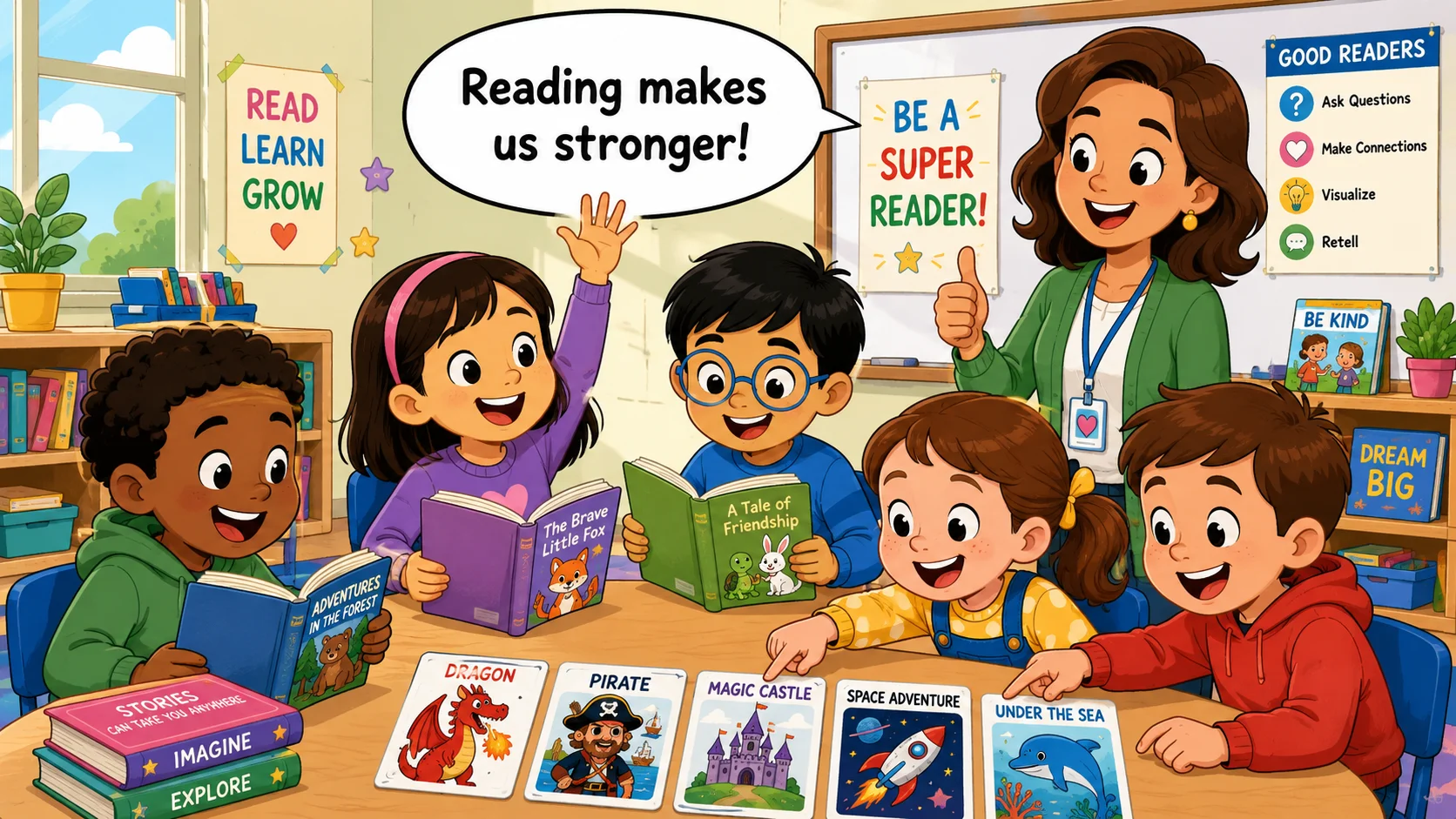
Interactive reading games do more than teach children how to decode words; they can also support cognitive, emotional, and creative growth. Engaging with stories helps kids build a versatile toolkit for navigating both school and daily life.
Vocabulary and Language Growth
Regular engagement with diverse reading activities exposes children to many new words and sentence structures they may not hear in daily conversation. Encountering these terms in rich story contexts helps kids map meanings onto words naturally, without relying on memorization.
As children’s reading vocabulary grows, new words begin to appear naturally in their daily speech and creative writing. This expanded vocabulary allows children to voice their thoughts clearly, express complex ideas, and communicate with greater confidence.
Imagination and Emotional Growth
Reading compelling stories gives children a safe space to explore diverse perspectives, navigate unfamiliar emotions, and build deep empathy for others. When children follow a character through a difficult choice or a painful loss, they learn to understand feelings from another perspective.
Discussing a character’s motives and struggles helps children build emotional intelligence and sharpens their problem-solving skills. It sparks their imagination, encouraging them to think creatively when facing challenges in their own lives.
Writing Skills
A child’s reading habits can help shape their development as a writer. Regular exposure to well-crafted stories helps children absorb grammar, punctuation conventions, and effective paragraph structure.
Comprehension activities like creating comic strips or rewriting story endings teach children how to organize plots and build suspense. Over time, they learn to bring these structural techniques and vivid descriptions into their own school essays and creative writing projects.
Focus and Confidence
Breaking reading practice into short, playful games helps reduce performance anxiety and keeps children from feeling overwhelmed by long pages of text. Achieving small wins during a word hunt or a scavenger clue gives kids a clear sense of mastery and progress.
This positive reinforcement builds their focus, expands their attention span, and encourages them to stick with tough tasks. As their confidence grows, children become much more willing to tackle advanced chapter books and independent learning challenges.
Parent-Child Bonding
Shared reading time and collaborative literacy games create a comforting, supportive space that strengthens the emotional bond between parent and child. Laughing together at a funny storyline, sharing thoughts on a cliffhanger, or building a cozy blanket fort for reading creates lasting, positive memories.
These shared experiences show your child that learning is a warm, collaborative journey rather than a stressful test. This emotional security helps children develop a relaxed, positive attitude toward books and lifelong learning.
Joy Over Speed in Reading Practice

When guiding a child’s literacy journey, it is vital to value deep understanding and pure enjoyment over rapid reading speeds. Rushing through text often gets in the way of comprehension and can turn reading into a stressful chore.
Why Speed Should Not Be the Main Goal
Forcing a child to read quickly often leads to a mechanical recitation of words without any real understanding of the underlying story. When children focus entirely on speed, they have less cognitive space to visualize scenes, connect plot points, or make logical inferences.
This high-pressure approach can create unnecessary anxiety, make kids feel self-conscious, and cause them to disengage from books entirely. True reading mastery means mindful processing that supports critical thinking and genuine comprehension.
How to Praise Reading Effort
To build a resilient reader, focus your praise on your child’s effort, persistence, and problem-solving strategies rather than reading speed or perfect accuracy.
- Instead of saying: “Wow, you read that page so fast!”
- Try saying: “I love how you paused to sound out that tricky word instead of giving up.”
- Instead of saying: “You read every word correctly.”
- Try saying: “You used a great expression in your voice when the character got excited.”
- Instead of saying: “You finished that whole book already?”
- Try saying: “That was a tough chapter, but you stuck with it and explained the ending beautifully.”
How to Keep Reading Fun
Keep daily reading practice light and engaging by regularly mixing in humor, creative movement, and hands-on choices. Use dramatic character voices, act out action verbs physically, and let your child pick their own reading material, even if they choose comic books or joke sheets.
Keep your sessions short, offer plenty of encouragement, and celebrate small milestones with simple rewards like a fun library trip. Prioritizing joy over strict performance keeps children curious and helps them view reading as an exciting adventure.
Tips for Reluctant Readers
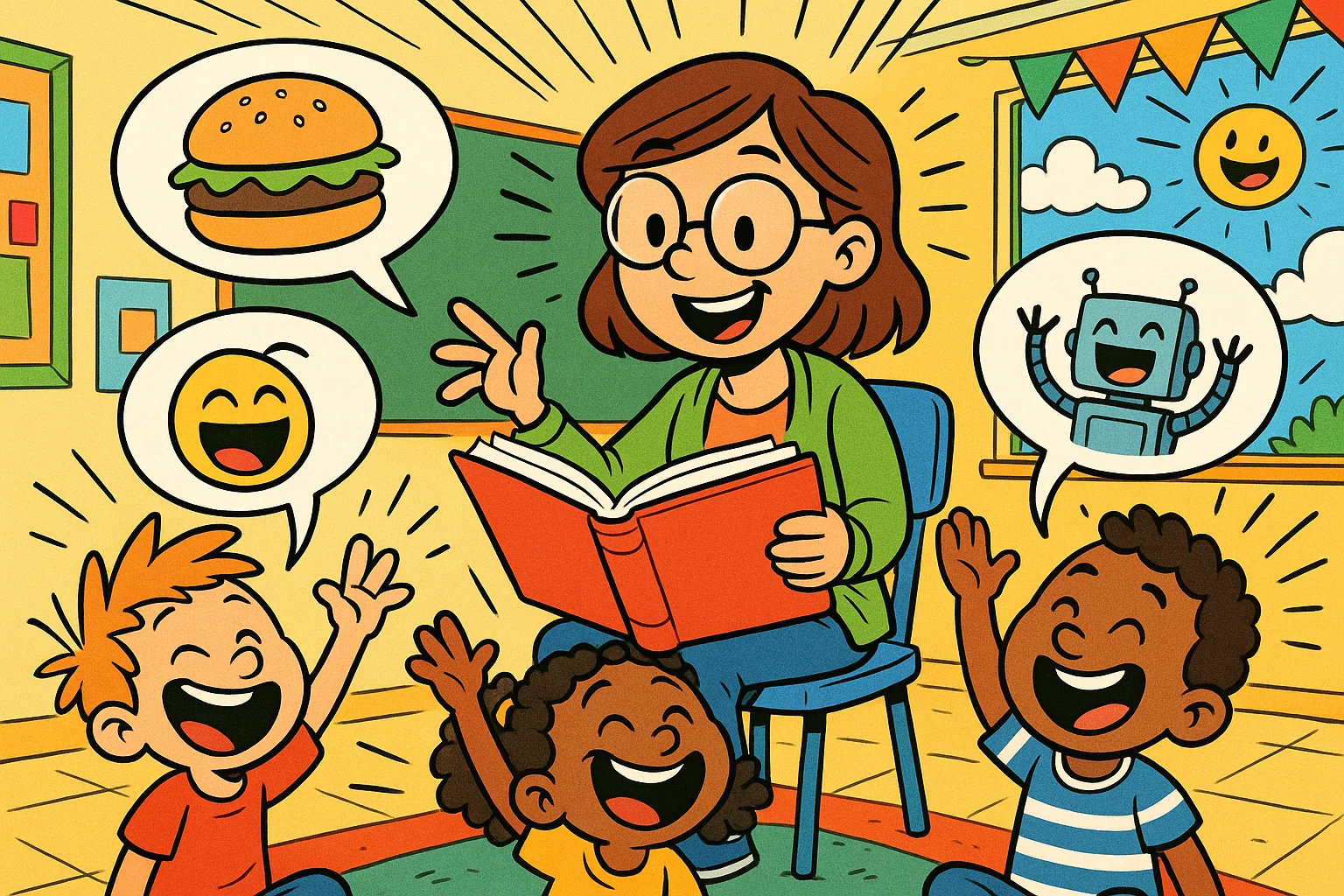
If a child resists reading time, standard teaching methods may feel too restrictive or stressful for them. Using gentle, targeted motivation strategies can help ease their anxiety and reignite their natural curiosity.
Start with Interests
The most effective way to engage a reluctant reader is to choose reading materials that match their existing passions and hobbies. If your child loves video games, look for graphic novels based on their favorite game worlds; if they love sports, find athlete biographies or sports magazines.
Aligning text with their personal interests makes reading feel like a rewarding hobby rather than a forced school assignment. When kids are genuinely curious about the topic, they are much more willing to work through unfamiliar words.
Use Short Texts First
Long pages of dense text can feel overwhelming to a struggling reader, often causing them to shut down before they even start. Introduce shorter, visual reading formats like graphic novels, comic strips, illustrated joke books, recipe cards, or short poems.
These bite-sized reading tasks provide clear visual support, allowing children to build word recognition skills without feeling drained by long chapters. Quick wins with shorter passages build confidence and prepare children to tackle longer texts later on.
Add Movement and Choice
Many children find it difficult to sit still for long periods of traditional silent reading, which can lead to restlessness and frustration. Bring physical activity into your practice by setting up literacy scavenger hunts, rolling story cubes, or acting out dramatic character scenes together.
Combine this active play with a clear “Reading Menu” that lets your child choose a reading activity each day. Mixing physical movement with personal choices keeps energy high and prevents reading from feeling like a rigid chore.
Read Together Before Independent Reading Practice
Parents and educators should not expect a struggling reader to jump straight into independent reading without adequate support. Use a shared reading approach, like “Partner Reading,” where you take turns reading pages aloud, or “Echo Reading,” where the child repeats a line right after you.
This collaborative setup reduces the child’s stress, models natural phrasing, and provides a gentle safety net when they encounter tricky words. Sharing the workload keeps the story moving forward, making reading a connected, low-pressure family activity.
Conclusion
Reading activities for kids work best when they feel joyful, varied, and connected to a child’s real interests. By combining playful phonics practice, comprehension games, read-alouds, creative projects, and thoughtful digital tools, parents and educators can help children build stronger literacy skills without turning reading into a source of pressure.
The goal is not to make children read faster or finish more pages at any cost. The goal is to help them understand, enjoy, and return to books with confidence.
Frequently Asked Questions
What Are the Best Reading Comprehension Activities for Kids?
The best reading comprehension activities for kids are simple, interactive activities that help children slow down and think about what they’re reading. Instead of only asking a child to summarize a story, try activities such as prediction questions, story maps, character drawings, true-or-false challenges, or a scavenger hunt for kids based on written clues. These activities work well because they turn reading into a conversation. Children are not just reading words on a page; they are connecting ideas, noticing details, and explaining their thoughts. This approach to reading comprehension helps build stronger reading skills while keeping the process fun and engaging.
How Can I Make Reading Fun Instead of Stressful?
The goal is to make reading feel positive, playful, and achievable. To make it fun, start with short sessions, let your child choose books that match their interests, and use creative ways to make reading more active. For example, you can act out a scene, draw a favorite character, listen to an audiobook together, or create a cozy special spot dedicated to reading. When children feel relaxed, reading doesn’t seem like a test. It becomes a natural part of the day. This can help transform reading from a passive activity into something children look forward to doing.
Which Activities Help Kids Improve Reading Skills?
The most effective reading comprehension activities combine decoding, vocabulary, fluency, and discussion. For early reading practice, use phonics games, rhyme activities, and word hunts. For older children, use graphic organizers, character analysis, book discussions, and short writing tasks connected to the story. These activities for kids to improve reading ability work best when they match a child’s reading level. If the text is too easy, children may lose interest; if it is too hard, they may feel discouraged. The right level helps kids improve skills while having fun.

Take a short quiz to find out what your everyday choices say about your parenting style
When your child is curious about something new, what’s your instinct?
Take a short quiz to find out what your everyday choices say about your parenting style
“Can I download this app?” What happens next?
Take a short quiz to find out what your everyday choices say about your parenting style
When it comes to rules at home, which sounds most like you?
Take a short quiz to find out what your everyday choices say about your parenting style
If you could give your child one life skill today, what would you pick?
Take a short quiz to find out what your everyday choices say about your parenting style
Your child gets to choose what to watch. What would your ideal setup look like?
Take a short quiz to find out what your everyday choices say about your parenting style
Pick your parenting superpower ✨