
Anxiety Coping Skills for Kids: 20 Simple Strategies Parents Can Use

 Discover a Free Education Video App for Kids
Pastory uses AI to personalize educational video content based on your child’s interests and personality. Safe, engaging, and built for curious young minds. Sign up now to stay updated and enjoy early access with a free trial
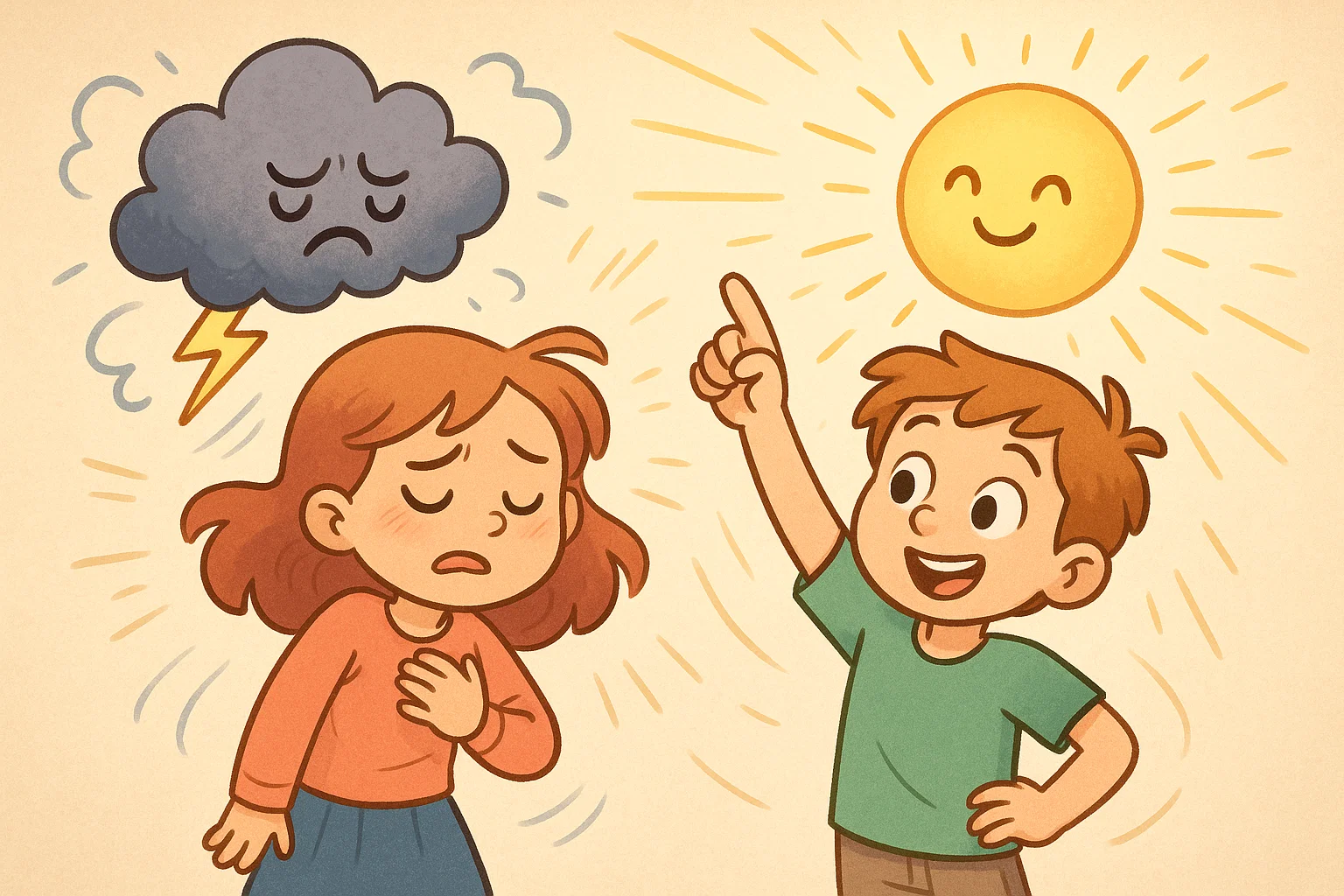
Parents, caregivers, and teachers often look for simple, safe, and age-appropriate anxiety coping skills to help children manage stress and anxiety. Occasional anxiety is a normal part of childhood development, but when anxious feelings become frequent, intense, or disruptive, kids may need more targeted support.
These coping skills tend to work best when families practice them during calm moments, rather than trying to introduce them for the first time during a panic attack or emotional crisis. Practicing a coping skill when a child feels secure helps the technique become more familiar and easier to use when the child feels anxious or overwhelmed.
Key Takeaways
- Early Practice: Teaching kids healthy coping mechanisms during low-stress moments increases the likelihood that they will use these tools independently during periods of higher anxiety and stress.
- Somatic Regulation: Body-based tools such as deep breathing, progressive muscle relaxation, and sensory grounding can help reduce anxiety by lowering physical arousal and slowing the heart rate.
- Environmental Structure: Creating a calm-down corner and keeping a structured list of coping skills provides predictable environmental support for an anxious child.
- Adult Modeling: Parents help manage anxiety most effectively when they validate emotions, maintain a calm tone, and model their own healthy coping skills.
- Professional Guidance: Families should seek professional help from a mental health professional when childhood anxiety disrupts daily functioning, including school attendance, sleep routines, or peer relationships.
Anxiety Coping Skills Help Kids Calm Their Bodies and Minds
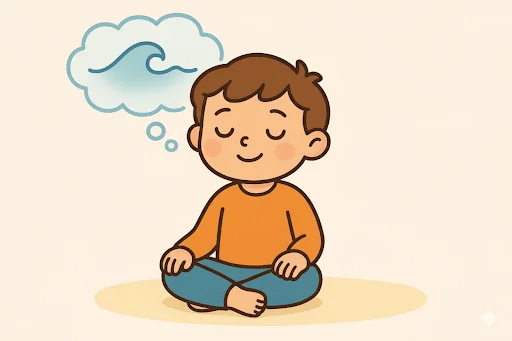
Anxiety in kids can activate the sympathetic nervous system, triggering a fight, flight, or freeze response that raises the heart rate and speeds up breathing. Effective coping strategies work by engaging a child’s breathing, physical senses, thought patterns, movement, and connection with trusted adults.
When a supportive caregiver calmly practices specific skills with a child, the child receives cues of safety that can help counter the physical stress response. This whole-child approach helps kids move from emotional dysregulation toward a more grounded state of psychological safety and clearer thinking.
Fast Calming Tools Can Help During Panic
When intense anxiety makes a child feel overwhelmed or panicky, it can become much harder for them to think clearly or use reasoning. In these moments, fast calming tools such as structured deep breathing, sensory grounding, slow counting, and targeted muscle relaxation can help the child begin to settle.
Caregivers should focus on immediate calming strategies before discussing the thoughts or worries that may have triggered the episode.
Daily Habits Can Lower Anxiety Over Time
While acute tools address sudden panic, consistent daily habits can help kids lower their overall baseline anxiety over time. A predictable routine that includes adequate sleep, balanced nutrition, physical movement, journaling, reading, and creative outlets stabilizes a child’s internal rhythm and daily expectations.
Predictable routines can reduce stress and help kids regulate their emotions more effectively. Over weeks and months, these lifestyle practices build long-term resilience and may reduce the frequency and intensity of anxiety spikes.
Parents Help Most Through Calm, Steady Support
Adults support an anxious child most effectively by staying calm, nonjudgmental, and emotionally present while validating the child’s experience. When a parent or teacher uses simple language, avoids shaming terminology, and models adaptive coping strategies, they help co-regulate with the child.
Co-regulation refers to the process in which an adult’s calm presence helps stabilize a child’s dysregulated nervous system. Dismissing a child’s fears or forcing immediate compliance can intensify stress and anxiety, while calm validation helps the child feel supported enough to face their worries.
What Anxiety Looks Like in Kids
Anxiety in kids can show up across many areas of daily functioning, including behavior, physical symptoms, sleep, school performance, and relationships. Younger kids often lack the emotional vocabulary to explain internal distress, so they may express anxiety through outward behavior changes or physical complaints.
Recognizing these signs allows parents to intervene early with healthy coping mechanisms rather than misinterpreting the behavior as simple non-compliance or defiance.
Common Signs of Anxiety in Children
Somatic and behavioral signs can indicate that a child is experiencing anxiety or distress. The table below outlines common presentations that parents and educators can monitor.
| Domain | Behavioral and Physical Signs of Anxiety in Children |
| Physical Symptoms | Frequent stomachaches, headaches, muscle tension, nausea, rapid heart rate, or restlessness. |
| Sleep Disruptions | Difficulty falling asleep, frequent nighttime waking, nightmares, or refusing to sleep alone. |
| Behavioral Changes | Increased clinginess, crying spells, sudden irritability, or explosive temper tantrums. |
| Avoidance Patterns | Refusing to attend school, avoiding social gatherings, or withdrawing from previously enjoyed activities. |
| Reassurance Seeking | Repeatedly asking questions about safety, schedules, or possible negative outcomes. |
The Difference Between Stress and Anxiety in Kids
Understanding the distinction between stress and anxiety helps caregivers choose the right coping techniques for a child’s situation. The table below compares the defining features of stress and anxiety in kids.
| Attribute | Pediatric Stress | Childhood Anxiety |
| Trigger Source | Directly linked to an identifiable external pressure, such as an upcoming math test or doctor visit. | Can occur without an immediate external trigger and is often driven by internal worries about future events. |
| Duration | Usually decreases once the specific external trigger or event passes. | May persist over time, even after the original stressful event has been resolved. |
| Intensity | Typically proportional to the external demand or situation. | May feel disproportionate to the actual threat and cause significant distress. |
| Impact on Focus | Concentrated on solving the immediate problem at hand. | Centered on repetitive intrusive thoughts, worry loops, or generalized apprehension. |
Anxiety in Children and Teens
Anxiety can look very different depending on a child’s developmental stage, so coping skills should match the child’s age and abilities.
Toddlers and preschool-aged kids may show anxiety through intense separation distress, physical clinginess, crying, or regressive behaviors such as thumb-sucking. School-age kids often show anxiety through repetitive questions, perfectionism, stomachaches, and avoidance of specific school or social situations.
In contrast, teens and older kids may withdraw from family interactions, show a decline in school performance, or describe more complex worries about the future, relationships, or daily responsibilities.
What Can Make Kids Feel Anxious
Childhood anxiety can stem from developmental, situational, and environmental stressors that overwhelm a child’s coping resources. Common triggers include prolonged separation from caregivers, academic pressure, peer exclusion, bullying, moving to a new school, and unfamiliar social environments.
Stressful life events such as parental divorce, family illness, or moving to a new home can also increase anxiety. Recognizing these environmental stressors allows adults to introduce targeted coping tools before a child becomes completely overwhelmed.
Quick Ways to Help a Child Calm Down
When acute anxiety strikes, parents need immediate, practical interventions that can reduce the physical intensity of emotional distress. These rapid calming techniques are designed to interrupt the panic response and help the child’s body move out of a high-alert state.
Breathe Through It
Controlling deep breathing is one of the simplest ways to help a child slow their breathing, reduce physical tension, and settle their body during anxiety. Parents can coach a child through this process using concrete visual prompts such as “smell the flower” for a slow inhale through the nose, followed by “blow out the candle” for a longer exhale through the mouth.
For best results, have the child practice this sequence for two to three minutes, or for as long as they can comfortably manage. A longer exhale can help signal the body to slow down and relax.
Move to a Calm Place
When environmental stimuli worsen an anxious episode, moving the child to a quiet, low-stimulation environment can help reduce sensory overload. Parents can guide the child away from loud crowds, bright lights, or chaotic spaces and into a calmer area, encouraging them to stay close to a trusted adult if that feels comforting.
A familiar comfort item, such as a favorite stuffed animal or soft blanket, can provide reassuring sensory input and reinforce feelings of safety. This environmental transition lowers external stimulation and gives the child’s nervous system a chance to settle.
Try Slow Counting
Slow, systematic counting can be a helpful distraction for kids who struggle with abstract calming strategies during moments of distress. Caregivers can ask the child to count backward from 20 to 1, count objects nearby, or count each inhale and exhale.
This simple task gives the child something concrete to focus on. By focusing on numbers, the child may interrupt repetitive worry loops and stabilize their attention.
Use a Short Calming Script
Short, repeated scripts can reassure a child by replacing fearful thoughts with a predictable, grounding rhythm. Caregivers should deliver a short calming script in a low, steady voice, using phrases like:
- “You are safe right now.”
- “This uncomfortable feeling will pass.”
- “Keep breathing slowly with me.”
The consistent repetition of these phrases can function as an external anchor for a child who feels overwhelmed by internal panic. This validation helps reduce anxiety by reassuring the child that they are protected and that intense physical sensations are temporary.
20 Anxiety Coping Skills for Kids
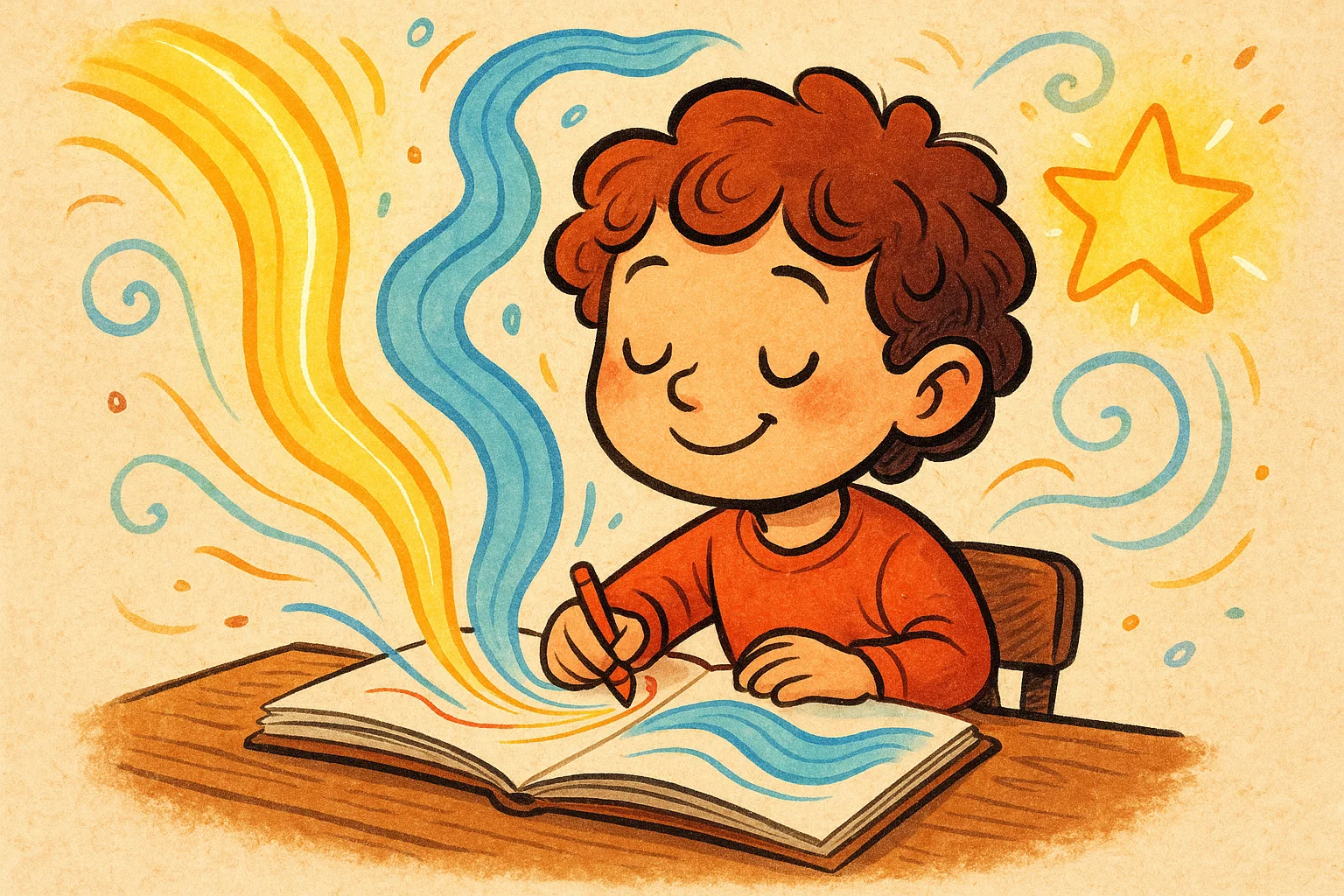
The following list provides 20 anxiety coping skills for kids, with simple instructions, age-appropriate adaptations, and guidance on when to use each one.
1. Breathing Exercise
Belly breathing can help counter the rapid, shallow chest breathing that often appears when a child feels anxious or stressed. Ask the child to place one hand on their stomach and the other on their chest, expanding their abdomen like a balloon as they inhale for three seconds, then letting it soften as they exhale for three seconds.
For younger kids, use “bubble breathing,” where they blow slow, imaginary bubbles through a wand to encourage longer exhalations. Older kids can use “box breathing,” a structured practice where they inhale for four seconds, hold for four seconds, exhale for four seconds, and hold for four seconds.
Try this exercise before school transitions, bedtime routines, or other predictable stress points.
2. Grounding Exercise
The 5-4-3-2-1 grounding technique reduces acute anxiety by directing a child’s attention away from internal worries and anchoring them in the present moment through sensory input.
Ask the child to look around their immediate environment and name the following items out loud:
- 5 things they can see
- 4 textures they can feel
- 3 sounds they can hear
- 2 scents they can smell
- 1 flavor they can taste
This sensory sequence helps shift the child’s attention from future worries to what is happening in the present moment. Use this grounding exercise during sudden panicky moments, car rides, or public transitions.
3. Guided Imagery
Guided imagery allows kids to step away from internal stress by mentally creating a detailed, emotionally safe place. Parents can begin by inviting the child to close their eyes and imagine a soothing location, such as a calm beach, a quiet forest trail, or a cozy reading room.
Guide the experience with sensory-rich prompts:
- “What color is the sand?”
- “Can you hear the gentle rhythm of the ocean waves?”
- “Can you feel the warm sun on your shoulders?”
This active visualization can create a felt sense of safety and help the child relax. Use this tool at bedtime to ease nighttime fears or during medical visits to manage procedure-related anxiety.
4. Mindful Meditation
Mindful meditation develops long-term emotional regulation by teaching children to observe immediate sensations without judgment. Ask the child to sit comfortably for 30 to 60 seconds, focusing on the rise and fall of their chest or the sounds in the room.
If a worry pops into their mind, teach them to notice it like a passing cloud and gently return their attention to their breath. This short mindfulness practice is less likely to overwhelm younger kids than long periods of silence.
Practice this brief meditation every morning to set a calmer baseline for the day.
5. Progressive Muscle Relaxation
Progressive muscle relaxation releases the physical tension that often accompanies childhood anxiety or stress. Guide the child through a sequence of squeezing specific muscle groups tightly for five seconds, then releasing them completely for ten seconds to notice the sensation of relaxation.
Have them squeeze their fists as if they are squeezing lemons, shrug their shoulders up to their ears like a turtle pulling into its shell, and scrunch their toes into the floor. This contrast teaches children to identify bodily tension early, allowing them to release it before it escalates into greater discomfort.
Use this exercise after school or during evening wind-down routines.
6. Positive Affirmations
Positive affirmations help children challenge catastrophic thinking patterns by practicing believable, encouraging self-talk. Provide children with simple, realistic phrases such as:
- “I can handle hard feelings.”
- “I am safe right now.”
- “I know how to ask for help when I need it.”
Avoid overly positive or unrealistic phrases like “Nothing bad will ever happen,” because children may reject statements that do not feel believable. Write these affirmations on index cards and place them on the bathroom mirror or inside a school lunchbox.
Consistent repetition helps children internalize a more supportive inner voice over time.
7. Journaling
Journaling offers older kids and teens a private outlet for expressing complex thoughts and feelings of anxiety. Introduce a “worry journal” or a “worry dump” page where the child can freely write down circulating fears, anxieties, and stressors without editing or censoring themselves.
Alternatively, try a structured gratitude log where they write down three positive moments from the day to balance anxious thinking patterns. Writing worries down can help create distance from anxious thoughts and make problems feel more manageable.
Encourage journaling for ten minutes in the evening before bed.
8. Physical Exercise
Physical exercise can help children release built-up energy and physical tension that often come with anxiety. Activities such as taking a brisk walk, doing jumping jacks, dancing to upbeat music, stretching, or participating in organized sports can help release physical tension.
When a child experiences an anxiety spike, their body may be primed for action because of the fight-or-flight response. Engaging in high-energy movement gives this physical impulse a safe, constructive outlet, reducing restlessness and helping lower anxiety levels.
Try a five-minute movement break when a child shows signs of physical restlessness or agitation.
9. Yoga
Yoga combines gentle movement with deep breathing, helping children notice body sensations while maintaining calm focus. Guide the child through simple, kid-friendly poses such as child’s pose for security, tree pose for balance, cat-cow for spinal flexibility, and star pose for confidence.
Encourage steady, slow inhales and exhales throughout each position. This focused movement can increase body awareness and support emotional regulation.
Practice a short five-minute yoga flow in the living room during high-stress transition periods.
10. Cognitive Reframing
Cognitive reframing helps school-age children and teens identify, challenge, and reframe unhelpful worry thoughts. When a child expresses an anxious thought like “I am going to fail my test and everyone will laugh at me,” help them investigate the statement like a detective.
Ask grounding questions such as:
- “What evidence do you have that shows you will fail?”
- “What is the most likely outcome, rather than the worst-case scenario?”
- “What supportive words would you say to a close friend who felt this same way?”
This questioning pattern interrupts automatic catastrophic thinking and teaches kids to replace fear-based assumptions with balanced, realistic perspectives.
11. Drawing or Painting
Artistic expression gives younger kids a non-verbal way to externalize and process abstract feelings of anxiety. Invite the child to draw their “worry monster,” paint what their anxiety looks like using different colors, or sketch their own safe place.
Comparing an “anxious” drawing with a “calm” drawing can help children notice how their feelings shift over time. This creative process helps the child put a scary feeling onto paper, where it may feel less overwhelming.
Use art projects on rainy days, during quiet weekend afternoons, or whenever a child needs a gentle emotional outlet.
12. Music
Music can influence mood and can be a helpful tool for supporting emotional regulation. Parents can create calming playlists with soft classical tracks, ambient nature sounds, or gentle acoustic melodies to help lower high anxiety levels.
Active musical participation can also help. Options include:
- Humming a familiar tune
- Clapping rhythmically
- Singing along to a favorite song
- Playing a simple percussion instrument
These activities can naturally slow and steady breathing. Use calming music in the background during morning routines, homework sessions, or car rides to create a more peaceful environment.
13. Counting
Sequential counting provides an immediate, low-demand cognitive anchor that interrupts escalating anxiety loops. When a child begins to feel overwhelmed, direct them to count concrete items in their surroundings, such as steps as they walk, ceiling tiles above them, or specific colors in the room.
This counting technique requires no abstract emotional processing, making it accessible for younger kids or children experiencing intense distress. The structured nature of numbers can offer a sense of predictability when feelings feel chaotic.
14. Labeling Emotions
Labeling emotions accurately prevents children from feeling consumed by vague distress. Help your child expand their vocabulary beyond “bad” or “mad” by teaching them to use precise emotional words like worried, scared, nervous, embarrassed, overwhelmed, or frustrated.
Naming an intense emotion – sometimes called “name it to tame it” – can help children feel less overwhelmed and make it easier to talk about what they need. Use a visual feelings chart on the refrigerator to help kids identify and communicate their internal states daily.
15. Nature Walk
Spending time outdoors can provide a sensory reset that reduces stress and supports calmer mood regulation. A mindful nature walk encourages children to engage their senses by observing wildlife, listening to rustling leaves, feeling textured tree bark, and breathing fresh outdoor air.
Nature walks combine mild physical exercise with a calming environment, making them an ideal weekly family ritual for building long-term emotional resilience.
16. White Noise
Bedtime often worsens childhood anxiety because the absence of daytime distractions allows worries to become more noticeable. Using consistent background sounds – such as a white noise machine, soft rain sounds, gentle ocean waves, fan noise, or calming audiobooks – can provide a soothing sensory focus.
This consistent sound layer can mask sudden house noises that might startle an anxious child while offering a predictable cue that signals safety and rest. Use white noise at night to support children struggling with separation anxiety or sleep disruptions.
17. Calm-Down Corner
A calm-down corner is a designated, comfortable space in the home or classroom designed for emotional regulation, not punishment or time-outs. Equip this safe zone with soft pillows, plush blankets, sensory fidget tools, a securely sealed glitter jar, coloring pages, children’s books about emotions, and visual breathing prompt cards.
Introduce the area during a calm moment, explaining that it is a helpful spot to visit whenever someone feels overwhelmed, angry, or anxious. This physical space gives an anxious child an immediate, predictable refuge to practice self-soothing strategies independently.
18. Positive Self-Talk
Teaching kids positive self-talk helps them replace defeated inner statements with more resilient, action-oriented phrases. Help your child notice when they use negative self-talk like “I can’t do this, it’s too hard,” and coach them to rephrase it:
“This is tough, but I can try taking one small step forward.”
Reminding kids of past successes by saying “You have done hard things before” reinforces their internal sense of control. Over time, practicing these shifts can help children build a stronger sense of self-efficacy and reduce avoidance.
19. Role-Playing
Role-playing allows kids to preview and practice feared future social or situational scenarios within the safety of home. Parents can role-play common anxiety-inducing situations, such as joining a peer game on the playground, asking a teacher a question, sleeping alone in their bedroom, or navigating morning school drop-off.
By rehearsing the exact words and actions they will use, children make the unknown scenario feel more familiar and build situational confidence. This playful practice can reduce anticipatory anxiety that may contribute to school refusal or social withdrawal.
20. Reading
Bibliotherapy – the strategic use of literature to support mental health – helps kids understand and normalize their experiences through storytelling. Reading age-appropriate books about characters who face worry, fear, separation anxiety, or school-related stress allows kids to see their own struggles reflected safely from a distance.
Discussing a character’s coping mechanisms helps children learn practical strategies without feeling directly targeted or criticized. Integrate these therapeutic stories into the standard nightly reading routine to foster open family conversations about emotional well-being.
A Coping Skills Toolbox for Kids
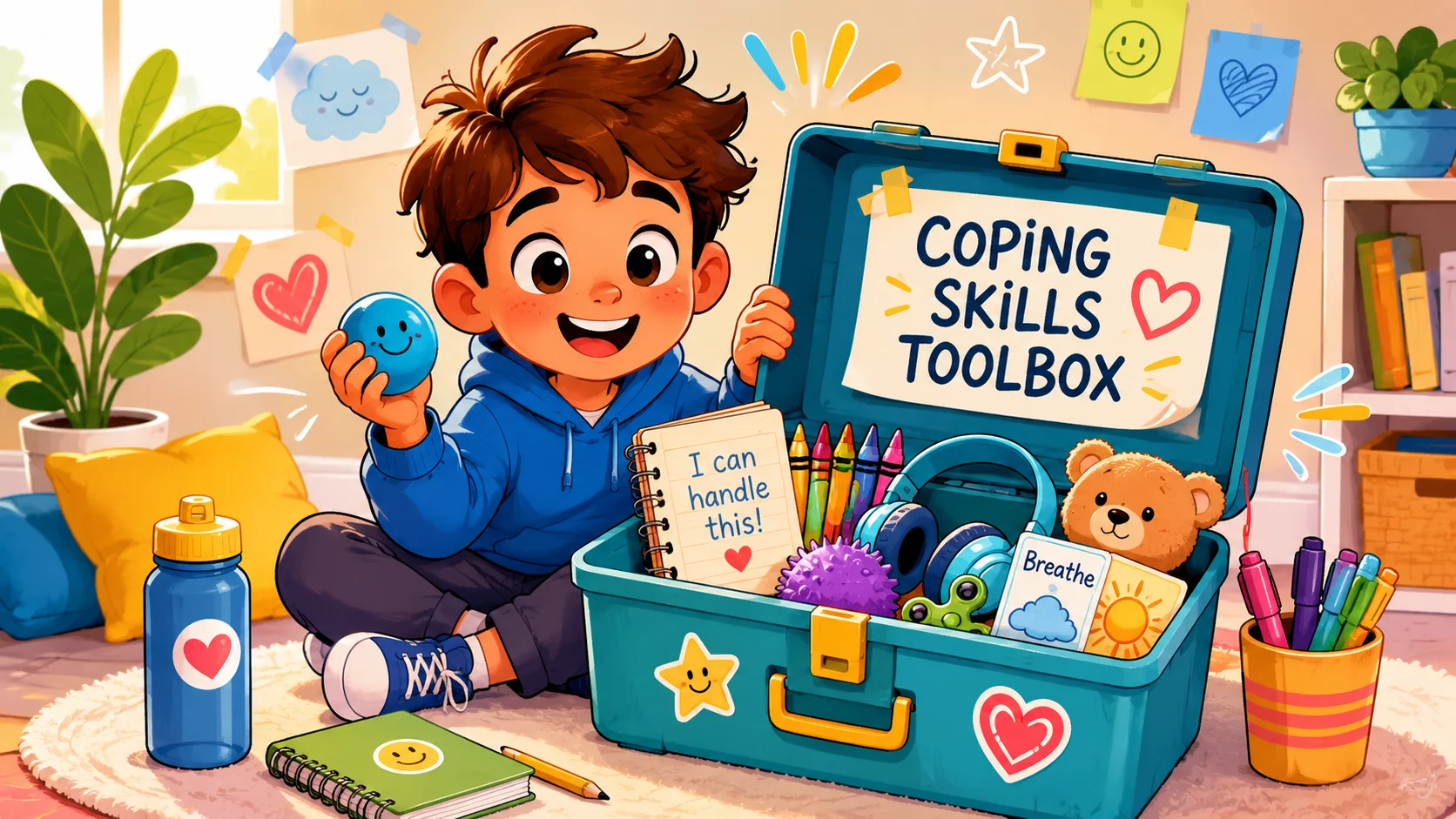
A physical coping skills toolbox provides a tangible, organized set of sensory and visual items that kids can access when anxiety begins to rise. Keeping these items together in a designated container reduces the pressure of deciding how to calm down during a stressful moment.
What to Include
A well-stocked anxiety kit can include tactile, visual, and auditory tools tailored to the child’s sensory preferences.
| Category | Examples |
| Tactile Tools | Squishy stress balls, textured therapy putty, and hand fidgets to release tension. |
| Sensory Modulators | Noise-canceling headphones to reduce environmental noise and soft plush toys for tactile comfort. |
| Visual Guides | Laminated breathing cards, feelings wheels, and coloring pages. |
| Expressive Materials | A small journal, a sketchpad, and washable markers or colored pencils. |
Transitional Objects
Transitional objects are comforting physical items – such as a small stuffed animal, a parent’s scarf, a smooth pocket stone, or a matching family bracelet – that represent the secure connection between a child and their primary caregiver.
These items can be especially helpful for managing separation anxiety during school drop-offs, camp arrivals, or bedtime routines. Holding a transitional object provides tactile reassurance and helps the child maintain a sense of safety and family connection even when physically separated from their parents.
Visuals
Visual supports can create predictability for children who experience daily anxiety because clear expectations often make transitions feel less overwhelming. Visual schedules, color-coded emotion scales, step-by-step morning routine charts, and calm-down posters can help children navigate daily transitions with less anticipatory worry.
These visual aids reduce uncertainty about what comes next and can help children regulate their actions more independently. Place visual materials at the child’s eye level in high-traffic areas like the bedroom or kitchen.
Mind Jar
A mind jar – sometimes called a glitter jar – is a securely sealed clear plastic bottle filled with water, glycerin, and colorful craft glitter that serves as a visual metaphor for a busy, anxious mind. Ask the child to shake the jar gently and observe how the glitter swirls, representing racing thoughts and overwhelming feelings of anxiety.
Then, direct the child to sit quietly and watch as the glitter slowly settles to the bottom of the jar, leaving the water clear again. This visual exercise serves as a concrete mindfulness tool, encouraging the child’s breathing and heart rate to slow down along with the falling glitter.
Supportive Language for Anxiety
The words parents use with an anxious child can either unintentionally fuel the anxiety loop or gently guide the child toward calm regulation. Structured, validating scripts help children feel heard while encouraging brave coping behaviors.
Things to Say
When a child is actively struggling with anxiety, parents should use grounding, validating scripts that affirm the child’s experience while reinforcing safety.
Effective script examples include:
- “I hear you, and I believe you. Your body feels really scared right now, but you are safe with me.”
- “This is an uncomfortable feeling, but feelings are temporary and they do pass.”
- “Let’s face this together by taking just one small, brave step at a time.”
- “I am right here with you, and we can practice our breathing together until your body feels calmer.”
Starting a Conversation With a Child
Starting a conversation about worries works best with a low-pressure, curious approach that does not demand immediate explanations. Parents can ask open-ended, non-threatening questions during relaxed moments, such as:
- “What feels a little bit hard or heavy for you right now?”
- “Where do you notice the worry hiding inside your body today?”
Framing the conversation around physical sensations or using playful language can make it easier for younger kids to express their internal experiences without feeling defensive or evaluated.
Talking About Feelings
Regularly discussing emotions during everyday family routines normalizes the experience of anxiety and prevents children from feeling isolated or broken because they experience fear.
Caregivers can name their own mild stressors and demonstrate healthy coping mechanisms out loud:
“I’m feeling a little rushed and nervous about our schedule, so I am going to take two big, deep breaths to help my body stay calm.”
This intentional modeling teaches kids that anxiety is a common human experience that can be managed with simple strategies, rather than a dangerous emotion that must be feared or hidden.
Avoid the Reassurance Loop
While offering comfort is natural, falling into a continuous reassurance loop – where a parent repeatedly answers the same anxiety-driven questions – can strengthen long-term anxiety. Constant reassurance may prevent children from developing internal distress tolerance and teach them to rely only on external validation to feel safe.
Parents can validate the child’s underlying feeling briefly:
“I know you are worried about who will pick you up, but we already have a safe plan.”
Then gently pivot the child toward personal coping actions:
“What is one helpful tool from your coping toolbox that we can use right now?”
Mind-Based Strategies
Mind-based strategies help older children and teens notice, evaluate, and reframe intrusive worry thoughts.
Worry Time
Worry time is a structured strategy in which a parent sets aside a daily 10- to 15-minute window for discussing worries. During the rest of the day, if an anxious thought surfaces, the parent and child can write it down and postpone the discussion.
A parent might say:
“That is an important worry. Let’s write it down and look at it during our worry time at 5:00 PM.”
When worry time arrives, the child can review the list, discuss solutions, or realize that the worry no longer feels urgent. This boundary prevents anxiety from dominating the entire day and teaches children that they can choose when to engage with their fears.
Thought Detective
The “thought detective” exercise teaches children to treat anxious thoughts as hypotheses rather than facts. Coach the child to gather objective evidence for and against scary thoughts while looking for alternative explanations and realistic outcomes.
If the child worries, “No one will talk to me at the birthday party,” have them list past parties where they successfully connected with peers. This systematic evaluation trains the brain to look for logical data and helps kids dismantle unrealistic assumptions.
Guided Mindfulness Scripts
Short, targeted mindfulness scripts during daily transitions can provide predictable anchors that ease anticipatory anxiety. Caregivers can read these soothing scripts aloud during school mornings, car rides, or bedtime routines to keep the child anchored in the present moment.
A sample transition script might sound like this:
“Put your feet flat on the floor and feel the ground supporting you. Notice the cool air coming into your nose and the warm air leaving your mouth. Right now, in this exact moment, you are safe, you are cared for, and you are ready for this next step.”
Positive Imagination Practice
Positive imagination practice uses visualization to rehearse successful outcomes before upcoming anxiety-provoking events. Before a major stressor – such as a classroom presentation, a sports competition, or a pediatric dental visit – have the child close their eyes and imagine the experience going smoothly.
Ask them to picture themselves walking into the room, using their coping skills effectively, and feeling relieved when the task is complete. This proactive visualization builds familiarity and can reduce anticipatory anxiety that often triggers avoidance.
Body-Based Strategies
Body-based strategies target the physical symptoms of anxiety and help kids notice early warning signs before they become overwhelming.
Body Scan
A child-friendly body scan teaches kids to notice where anxiety shows up in their bodies before it escalates. Guide the child mentally from head to toe, asking them to notice whether their jaw feels tight, their heart is beating fast, their stomach has butterflies, or their shoulders feel tense.
Teach them to send a long, slow breath into any tight area they discover, consciously relaxing those muscles as they exhale. Regular body scan practice enhances physical awareness and helps kids use coping mechanisms before tension turns into full-blown panic.
Movement Break
When a child’s body enters a high-anxiety fight-or-flight state, movement breaks provide a healthy outlet for built-up adrenaline. Direct the child to perform physical challenges such as 20 jumping jacks, 10 firm wall pushes, or heavy “animal walks” across the room like a bear or crab.
These weight-bearing movements engage large muscle groups and can provide calming sensory feedback. Incorporating short physical breaks during homework sessions or long school lessons can lower anxiety levels and restore focus.
Cold Water Reset
The cold water reset is a rapid physical strategy that can help slow the body during acute panic moments. With supportive adult guidance, an older child can splash cool water on their face or place a cool, damp washcloth across their forehead and eyes for a few seconds.
Avoid breath-holding, and skip this technique if it feels frightening or if the child has relevant medical concerns. This physical reset can create a brief pause when a child feels overwhelmed.
Rest and Sleep Routine
Chronic sleep deprivation can make emotional regulation harder and increase a child’s vulnerability to daily stress and anxiety. Establishing a consistent bedtime routine and limiting stimulating screen use before bed can support the child’s natural sleep rhythm.
Replace digital stimulation with calming evening rituals such as warm baths, gentle stretching, audiobooks, or reading together in low lighting. A well-rested nervous system has a higher threshold for handling daytime triggers, making quality sleep a critical pillar of childhood anxiety management.
Soothing Strategies
Soothing strategies focus on adjusting the surrounding sensory environment and using gentle physical tools to create an atmosphere of safety and emotional recovery.
Calm-Down Spot
Setting up a permanent, accessible calm-down spot in the home or classroom gives children a reliable place to go before an emotional crisis peaks. Choose a quiet, low-traffic area and fill it with comforting textures, soft seating, and visual regulation charts.
Teach the child how to use this spot during peaceful moments, emphasizing that it is a space for personal recovery rather than discipline. Providing this predictable physical boundary allows kids to practice self-soothing behaviors independently whenever they feel overwhelmed by external stimuli.
Rearrange the Room
Modifying a child’s bedroom environment to reduce sensory overload can support long-term emotional regulation and lower anxiety. Parents can minimize clutter, replace harsh overhead lighting with soft lamps, and reduce visually overstimulating wall decor.
Organizing the room into a predictable layout – such as keeping a clear separation between play zones and cozy sleep areas – promotes a sense of environmental control. A calm, visually orderly living space can act as a quiet buffer against daily stress.
Soothing Sensory Tools
Targeted sensory tools can provide calming tactile, visual, and sensory feedback for an overactive nervous system.
| Tool Type | Examples |
| Textures | Soft faux-fur blankets, smooth worry stones, and plush toys for tactile grounding. |
| Scents | A mild, familiar scent if the child tolerates it well. Avoid diffusing essential oils around infants, children with asthma or respiratory sensitivities, or children with allergies unless a pediatrician approves. |
| Sensory Bins | Containers filled with kinetic sand, dry beans, rice, or other age-appropriate materials for repetitive, regulating play. Avoid water beads for young children because they can be dangerous if swallowed. |
| Weighted Items | Weighted blankets or lap pads used only with adult guidance, appropriate sizing, and only if the child can remove them independently. |
Story Podcasts for Children
Calming audio stories can be a useful screen-free tool during high-stress transitions, long car rides, or evening wind-down routines. These audio programs often use slow pacing, gentle voice modulation, peaceful background sounds, and imaginative storylines designed to support relaxation.
Listening to a gentle story can shift the child’s attention away from worry loops without adding more screen stimulation before bed. This auditory tool helps children transition from high-energy activities back to a calmer baseline.
Healthy Lifestyle Habits That Support Anxiety Management
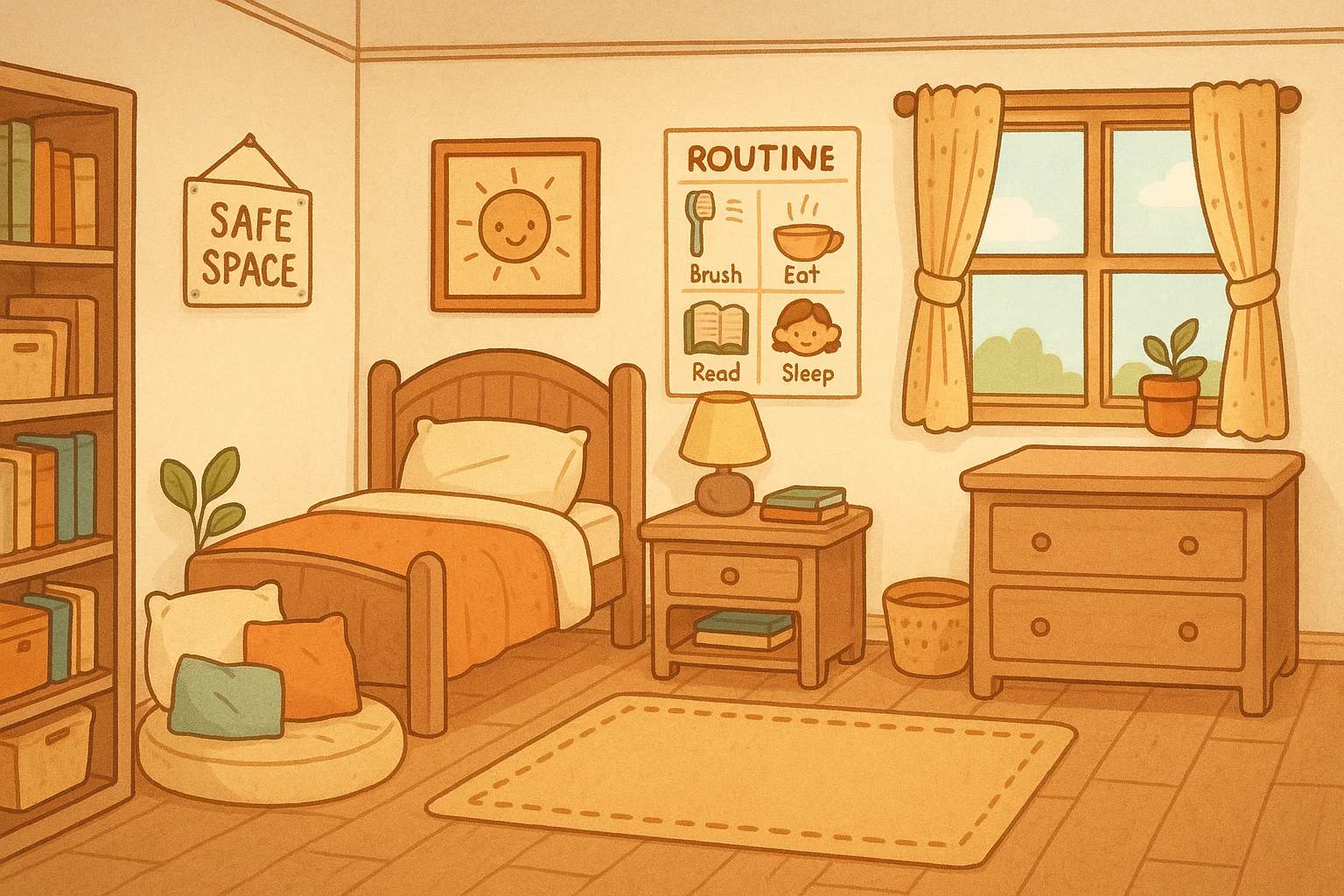
Long-term management of childhood anxiety requires a strong foundation of healthy lifestyle habits that support neurological development, emotional regulation, and physical well-being.
Physical Activity
Consistent daily physical activity can support overall mental health and help reduce stress and anxiety symptoms in children. For kids and adolescents ages 6 to 17, aim for at least 60 minutes of physical activity each day through outdoor free play, sports, dance, or family walks.
Regular physical activity supports mood, sleep, and stress regulation, especially when it is enjoyable and age-appropriate. Incorporating playful physical movement into the daily family schedule builds emotional resilience and improves a child’s capacity for stress tolerance.
Balanced Diet
Nutrition can support stable energy and mood, which may help some children feel more regulated. Parents can offer regular, balanced meals with complex carbohydrates, protein, and healthy fats.
Encourage hydration throughout the day, limit excess refined sugar, and avoid or strictly limit caffeine-containing sodas and energy drinks. A neutral, supportive approach to food can prevent meals from becoming power struggles and protect the child’s relationship with eating.
Quality Sleep
Quality sleep is a cornerstone of emotional health because kids need rest to process the day, regulate mood, and recover. Caregivers should maintain a consistent sleep schedule, keeping wake and bedtime hours as steady as possible, including on weekends.
Keep the child’s bedroom dark, quiet, and cool, using white noise or calming audio tools if needed to ease nighttime separation fears. Removing digital devices from the bedroom can help prevent late-night scrolling and protect uninterrupted rest.
Screen-Time Boundaries
Excessive exposure to screens, fast-paced games, social media, and distressing news can contribute to higher stress and anxiety in some kids. Establish clear, consistent screen-time boundaries, and consider turning off screens and keeping devices outside the bedroom 30 to 60 minutes before bedtime, or earlier if screens clearly disrupt sleep.
Monitor the content your child consumes, as unrestricted internet access can expose developing minds to mature themes they may not yet have the emotional capacity to process. Prioritize curated, educational, or slow-paced media content that supports critical thinking and emotional intelligence over high-stimulation digital loops.
Anxiety Skills by Situation
Different anxiety-provoking situations may call for different combinations of coping skills. Parents can choose strategies based on the specific demands of each scenario.
Everyday Anxiety
For everyday worries that drift from one topic to another, focus on building a simple routine around foundational coping skills. Introduce a consistent morning feelings check-in using a visual chart, encourage daily journaling to externalize swirling thoughts, and practice progressive muscle relaxation before bed.
Use supportive language that validates the child’s feelings without confirming the feared catastrophic outcome. Teaching kids to label emotions accurately helps them communicate internal states before they feel completely consumed by worry.
Separation Anxiety
Managing intense separation anxiety during school drop-offs or bedtime requires a predictable, confident approach from the caregiver. Establish a short, loving, and consistent goodbye ritual – such as a specific handshake followed by a phrase like “I always come back” – and leave calmly without lingering.
Provide the child with a physical transitional object, such as a small pocket charm or a matching family bracelet, to offer continuous tactile comfort. Maintain a confident facial expression and calm tone during goodbyes, as kids often look to their parents’ behavior to decide whether an environment is safe.
School Anxiety and Refusal
When childhood anxiety shows up as school refusal, Monday-morning stomachaches, or intense academic panic, a collaborative, step-by-step support plan can help. Establish a structured morning routine to reduce chaotic home transitions, and work closely with school counselors and teachers to create a personalized safety plan.
Provide the child with a pocket-sized coping card that outlines simple calming steps. If appropriate, arrange a “calm pass” that allows them to visit a designated school helper when they feel overwhelmed.
Avoid long-term school avoidance whenever possible, because extended absences can reinforce anxiety and make returning harder. Always consider illness, bullying, safety, and clinical guidance when deciding how to respond.
Panic Moments
During a panic moment – marked by hyperventilation, crying, or freezing – caregivers should prioritize immediate calming and safety over logical explanations. Stay calm, lower your voice, reduce surrounding stimulation by dimming lights or moving to a quiet space, and breathe slowly together.
Use immediate body-based grounding techniques such as the 5-4-3-2-1 exercise or a cold water reset to help lower physical arousal. Avoid lecturing, asking complex questions, or disciplining the child during the episode. Wait until the child’s nervous system has returned to a calmer baseline before discussing the trigger.
Learning and Attention Differences
Children with ADHD, dyslexia, autism, or other learning differences may experience elevated anxiety due to executive-functioning challenges, sensory sensitivities, or repeated school-related stress. These children may benefit from visual coping support, short and concrete instructions, frequent practice during calm moments, and close collaboration with school specialists.
Use visual schedules to reduce unexpected transitions, break tasks into bite-sized steps, and offer sensory tools such as noise-canceling headphones to prevent environmental overload. Tailoring coping mechanisms to the child’s learning profile prevents kids from feeling overwhelmed by standard expectations.
When to Seek Professional Help
While many children manage mild or occasional anxiety with home-based coping strategies, certain signs require specialized support from a licensed provider. Recognizing when parenting tools are no longer enough protects the child’s long-term mental health and ensures the family receives evidence-based care.
Anxiety Disrupts Daily Life
Parents should seek professional help when anxiety consistently disrupts a child’s daily life. Major red flags include persistent school refusal, severe and ongoing sleep disruptions, regular panic attacks, avoidance of normal social activities, noticeable changes in appetite, or prolonged withdrawal from family and friends.
If anxiety prevents a child from participating in age-appropriate activities or causes ongoing, unmanageable distress for more than a few weeks, home-based strategies may not be enough.
Child Talks About Self-Harm
Safety note: If a child or teen talks about wanting to die, mentions self-harm, or says they feel unsafe, caregivers should seek immediate professional or emergency support.
Do not dismiss these verbal or written statements as attention-seeking, exaggeration, or ordinary drama. Contact local emergency services, go to the nearest emergency department or crisis center, contact a qualified mental health crisis service, or use an appropriate crisis line immediately to protect the child’s safety and arrange professional evaluation.
Parent Feels Stuck
Seeking professional help from a licensed child therapist or child psychologist is a sign of proactive, loving parenting, not personal failure. If a parent feels stuck, overwhelmed by a child’s intense emotional outbursts, or notices that family dynamics are becoming increasingly strained, professional guidance can be invaluable.
A specialized therapist can provide evidence-based treatments such as Cognitive Behavioral Therapy (CBT), guide the family through gradual exposure techniques, and teach parents specific co-regulation strategies for managing home behavior.
Where to Start
A good first step is to schedule a consultation with the child’s pediatrician or primary care provider. A pediatrician can rule out underlying physical health issues, provide initial clinical screenings for anxiety disorders, and offer trusted local referrals.
Families can also connect with a licensed child therapist through school counselors, local mental health organizations, pediatric hospital networks, or verified professional directories.
FAQ
What Are the Best Anxiety Coping Skills for Kids?
The most effective anxiety coping skills for kids address both physical and cognitive symptoms of distress. Key strategies include controlled deep breathing, such as belly breathing or box breathing; sensory grounding, such as the 5-4-3-2-1 technique; labeling emotions accurately; and using physical movement to release built-up stress. Creating a permanent calm-down corner at home, practicing positive self-talk, and keeping a dedicated worry journal can also offer structured, long-term support for an anxious child.
How Can I Calm an Anxious Child Quickly?
To calm an anxious child quickly during an intense episode, lower your voice, reduce environmental stimulation, and model slow breathing for the child to copy. Use concrete body-based grounding techniques, such as asking the child to name five things they can see or placing a cool washcloth on their face if that feels safe and comfortable. Offer a short, repeated calming script such as “You are safe, I am here, and this feeling will pass.” Avoid long lectures or logical arguments until the child’s body is more regulated.
What Should I Not Say to an Anxious Child?
When a child feels anxious, parents should avoid dismissive or invalidating statements such as “Stop worrying about nothing,” “You are being dramatic,” or “There is nothing wrong with you.” These phrases can increase shame and cause the child to hide their anxiety rather than manage it. Also avoid forcing a child into a terrifying situation too quickly without gradual preparation, or over-promising unrealistic outcomes such as “I guarantee nothing bad will ever happen.” Unrealistic reassurance can weaken trust over time.
Can Anxiety Coping Skills Help at School?
Yes, anxiety coping skills can be effective at school when they are planned in advance with teachers and educational staff. Children can use pocket-sized coping cards that list simple calming strategies, quiet desk fidget tools to manage restlessness, or a pre-arranged “calm pass” for brief breathing breaks in a designated safe office. Maintaining a predictable school routine and establishing clear, supportive communication with classroom teachers helps the child feel more secure while facing academic and social demands.
When Does a Child’s Anxiety Need Therapy?
Childhood anxiety may require professional therapy when distress persists for several weeks and significantly interferes with daily functioning, academic performance, or social relationships. Key indicators include chronic school refusal, persistent physical complaints such as stomachaches, regular panic episodes, intense sleep disruptions, and severe avoidance of normal childhood activities.

Take a short quiz to find out what your everyday choices say about your parenting style
When your child is curious about something new, what’s your instinct?
Take a short quiz to find out what your everyday choices say about your parenting style
“Can I download this app?” What happens next?
Take a short quiz to find out what your everyday choices say about your parenting style
When it comes to rules at home, which sounds most like you?
Take a short quiz to find out what your everyday choices say about your parenting style
If you could give your child one life skill today, what would you pick?
Take a short quiz to find out what your everyday choices say about your parenting style
Your child gets to choose what to watch. What would your ideal setup look like?
Take a short quiz to find out what your everyday choices say about your parenting style
Pick your parenting superpower ✨



