Becoming a Father for the First Time

 Discover a Free Education Video App for Kids
Pastory uses AI to personalize educational video content based on your child’s interests and personality. Safe, engaging, and built for curious young minds. Sign up now to stay updated and enjoy early access with a free trial
Becoming a father for the first time is one of the most emotional and life-changing milestones a person can experience. The transition into parenthood brings a completely new role that requires quick adaptation, physical stamina, and emotional resilience. While expecting a newborn can bring immense joy, it can also create pressure, sudden lifestyle changes, and a steep learning curve.
This comprehensive guide is designed to help first-time dads feel prepared and more confident as the big day approaches. The following sections cover essential preparation strategies before birth, practical newborn care techniques, relationship changes, mental health, and balancing household responsibilities. It also covers baby gear, financial planning, a survival plan for the first 30 days, and a practical checklist to help you create a safe, nurturing environment for your family.
Key Takeaways
- Preparation Drives Confidence: Installing the car seat, setting up a safe sleep space, and preparing freezer meals before the baby arrives can significantly reduce early postpartum stress.
- Bonding Through Care: You can build a strong bond with your baby through skin-to-skin contact, diapering, soothing, and active feeding support.
- Teamwork With Your Partner Is Critical: Open communication and a fair division of the mental load help protect your relationship from resentment.
- Paternal Mental Health Matters: Sleep deprivation and the demands of parenthood can trigger postpartum mood changes in men; asking for help is a sign of responsible parenting.
- Skills Develop with Practice: Parenting confidence grows through repetition, and mistakes are a natural part of adjusting to life as a new father.
What to Expect as a First-Time Dad
Fatherhood Feels Hard and Rewarding
Becoming a dad can trigger a complex mix of intense emotions, including pride, protective instincts, financial worry, and exhaustion. Research suggests that many men experience hormonal shifts during fatherhood, including changes in testosterone, prolactin, and oxytocin, which may support bonding. A first-time father may feel overwhelmed by the scale of the responsibility while also experiencing a depth of love he has never felt before. Navigating these contrasting feelings requires patience, a growth mindset, and an understanding that confidence builds gradually over time.
Preparation Starts Before Birth
A proactive approach to fatherhood starts long before you bring your baby home from the hospital. Preparing for a baby means reviewing household finances, understanding paternity leave options, organizing essential baby gear, and completing safety tasks such as installing the car seat. Emotional preparation also means having honest conversations with your partner about parenting values, the division of labor, and family boundaries. Shared birth preparation and prenatal education can also support relationship satisfaction during the first year of parenthood.
Newborn Care Becomes a Daily Skill
Taking care of a newborn means turning advice into practical daily skills within the first few weeks. A first-time dad needs to learn how to change diapers, handle bath time safely, support feeding, and recognize subtle baby cues. Consistent parental responsiveness during the first weeks and months can support a child’s cognitive and emotional development. Mastering these tasks helps a first-time dad become an equal, capable caregiver rather than a passive helper.
Partner Support Matters Every Day
The first few weeks after the baby arrives are a critical healing period for the birth parent, so active partner support is essential. Supporting your partner means managing the household, protecting the nursing parent from unnecessary interruptions, and validating their emotions. Strong partner support is also associated with a lower risk of postpartum emotional distress. By taking active responsibility at home, a new dad helps build a cooperative foundation and protect the couple’s connection.
Dad Self-Care Helps the Whole Family
Taking care of your health is essential for keeping up with the physical and mental demands of parenthood. Chronic lack of sleep and the pressure of raising a child can quickly lead to paternal burnout, irritability, and isolation. Making time for food, hydration, basic exercise, and planned sleep shifts is essential for family stability. When a father looks after his own mental and physical health, he preserves the emotional reserves needed to provide a nurturing environment for his family.
Introduction
What First-Time Dads Usually Worry About
It is completely normal for a first-time father to worry about infant safety, financial stability, lifestyle changes, and relationship shifts. One of the biggest concerns for many men is accidentally hurting a fragile newborn or being unable to soothe persistent crying. Sleep loss is another major source of anxiety, as extended sleep deprivation can affect cognitive function, emotional regulation, and workplace performance. Many also worry about changes in their romantic relationship and the rising costs of medical care, clothing, and essential baby gear.
Why the Dad Role Starts Before the Baby Arrives
A man begins stepping into fatherhood well before the baby arrives by building a supportive, organized foundation during pregnancy. Attending prenatal appointments, tracking fetal development milestones, and helping organize the home are meaningful ways to show paternal involvement. Active paternal involvement during pregnancy can provide emotional support for the birth parent and help both partners prepare for family life. By helping manage logistics and household tasks during pregnancy, a new father builds practical skills for the newborn phase.
How This Guide Helps New Dads
This guide gives you a practical framework for navigating the early days of parenthood with more clarity and confidence. Instead of offering vague encouragement, this guide provides structured checklists, step-by-step instructions, and evidence-based tips for new dads. By covering both infant-care logistics and paternal mental health, this guide works as a practical manual for new dads. The goal is to reduce early parenting anxiety, improve the division of household labor, and help you build a deep, meaningful bond with your newborn.
Words of Advice for First-Time Dads
Transitioning into fatherhood is a marathon that requires adaptability, resilience, and a willingness to learn from mistakes. The following advice combines child-development principles with practical wisdom from experienced parents.
There Is No Perfect Time to Become a Dad
Waiting for perfect finances, career timing, or emotional readiness before starting a family is unrealistic. True readiness is not a static state achieved before birth; it is a skill set that expands through daily caregiving. The moment you hold your baby, change a difficult diaper, or soothe a crying infant, your identity naturally begins adapting to the role. Competence develops through daily parenting routines, not through reading alone.
Good Days and Bad Days Will Happen
The early weeks of parenthood are marked by emotional swings, where moments of pride can quickly alternate with deep exhaustion. A single day can include a successful doctor’s visit followed by hours of evening crying that leave both parents feeling defeated. Understanding that these ups and downs are normal can keep a first-time dad from seeing ordinary newborn challenges as personal failures. Accepting that mistakes, fatigue, and sudden confidence boosts are all part of the process helps maintain long-term emotional stability.
Ask for Help Before the Breaking Point
Many new fathers feel pressure to appear completely self-sufficient, which can lead them to hide stress until they feel isolated or burned out. Parents should establish a trusted support system of family, friends, and medical professionals before the baby arrives. Reaching out to a pediatrician, a mental health counselor, or an experienced dad friend can help protect your household. Recognizing your limits and asking for help ensures that you remain a safe, reliable, and emotionally regulated anchor for your family.
Pick Battles and Protect Energy
The first 30 days are not the time to aim for a perfect home or argue over minor disagreements. Fatigue can turn minor household irritations into major arguments, draining the energy both parents need for infant care. First-time parents should actively choose to overlook non-essential chores, unmade beds, or small differences in swaddling techniques. Prioritizing core fundamentals—such as infant safety, basic adult nutrition, consolidated sleep shifts, and mutual partner support—preserves essential family energy.
Is Being a New Dad Hard?
Yes, becoming a new father is challenging because it changes your time, routines, sleep, and emotional capacity. However, understanding the specific challenges makes them much easier to manage with targeted preparation and realistic expectations.
Sleep Loss Hits Hard
Disrupted sleep is often the biggest physical shock for a first-time dad during the first few weeks. Newborns do not yet have a developed circadian rhythm and often wake to feed every two to three hours around the clock. This persistent fragmentation of sleep can reduce REM and deep sleep, leading to cumulative sleep deprivation that affects clarity, patience, and emotional regulation. Managing this reality requires a clear plan for sharing night duties so each parent gets at least one solid block of rest.
Emotional Pressure Can Surprise Dads
The sudden responsibility of caring for a vulnerable newborn can bring unexpected waves of anxiety and identity confusion. Some fathers experience a distinct sense of feeling left out or secondary during the initial weeks, particularly if the infant is exclusively breastfeeding. Paternal postpartum depression can affect new fathers and may appear as irritability, social withdrawal, low mood, or changes in behavior. Recognizing that these emotional shifts can be connected to stress, sleep deprivation, and major life changes allows fathers to address them without shame.
Daily Routine Changes Fast
The arrival of a newborn completely overrides long-standing personal schedules, spontaneous free time, exercise routines, and professional flexibility. Standard daily activities—such as eating a meal, taking a shower, or running a basic errand—now require planning and coordination with your partner. Free time is temporarily replaced by feeding support, laundry, diaper changes, and soothing a crying baby. Adapting to this loss of personal freedom requires a shift from managing your own time to coordinating life as a family.
Confidence Builds Through Practice
No one is born knowing how to install a car seat correctly or trim a newborn’s fingernails safely. Every essential skill—from swaddling securely to giving a safe bath—is learned through practice. The more often a new father directly handles these tasks without deferring to others, the faster his parenting anxiety decreases. Over time, actions that initially caused intense stress become automatic parts of your daily family routine.
What Should Dads Do to Prepare for a Baby?
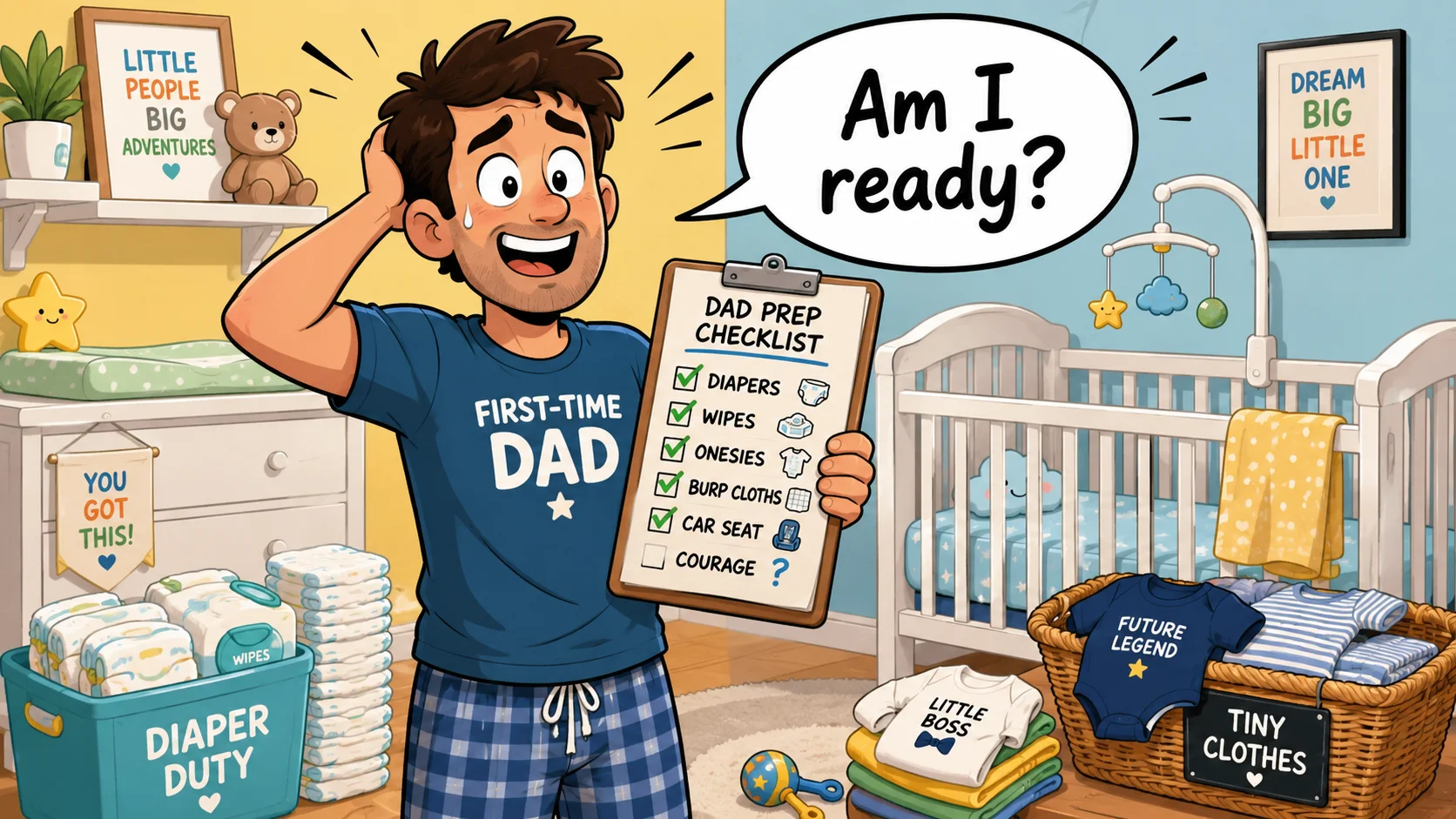
Preparing during the third trimester can reduce stress and confusion once the baby arrives. Focusing on specific preparation tasks helps make the home and both parents more ready for the transition.
Learn Birth Basics
Understanding the stages of labor and delivery can help a first-time father stay calm during childbirth. Dads should learn the difference between Braxton Hicks contractions and true labor, including how to track contraction frequency and duration. Familiarize yourself with hospital logistics, common medical interventions, and the items packed in your partner’s hospital bag. Knowing what to expect during early labor, active labor, and transition allows you to serve as a clear-headed advocate for your partner.
Set Up the Baby Sleep Space
The AAP recommends placing babies on their backs for sleep on a firm, flat surface in a crib, bassinet, or portable play yard, with no loose blankets, pillows, bumper pads, stuffed toys, or other soft items in the sleep space. Dads should complete the physical assembly of this sleep space at least four weeks before the estimated due date to ensure everything is stable and ready. Position the bassinet near the parental bed to make nighttime care easier during the first months. Organize a dedicated nighttime supply station nearby with extra swaddles, clean diapers, and wipes to reduce unnecessary movement during night wakings.
Install the Car Seat Before the Due Date
A properly installed, rear-facing car seat is essential for safely driving your newborn home, and many hospitals check that parents have an appropriate car seat before discharge. First-time fathers should carefully follow the car seat manufacturer’s manual and the vehicle owner’s manual to secure the base using either the LATCH system or the seat belt. For a rear-facing seat, the harness straps should come from at or just below the infant’s shoulders, and the chest clip should sit at armpit level; always confirm the details in your car seat manual. Dads should practice buckling a stuffed animal or doll into the seat multiple times to master the tension and release mechanisms before the birth.
Build a Small Support Network
Relying entirely on two parents during the postpartum recovery phase can quickly lead to exhaustion. Dads should organize a small, dependable network of family members, close friends, or hired postpartum support before the birth. Coordinate a digital meal train where volunteers can drop off prepared meals at designated times without requiring social hosting. Clearly define specific, practical tasks for your network—such as walking the dog, grocery shopping, or helping with older siblings—so your primary focus can remain on recovery, bonding, and newborn care.
Prepare Yourself for Birth
Serving as an effective labor support partner requires stamina, emotional control, and a clear understanding of your partner’s birth preferences. Your presence in the delivery room should be active and collaborative, designed to reduce stress and support maternal comfort.
Know Your Partner’s Birth Preferences
A well-constructed birth plan serves as a roadmap for labor preferences, including choices about pain management, mobility, medical interventions, and the delivery room environment. Dads should review this document thoroughly with their partner and the healthcare team during prenatal visits to ensure everyone understands the main goals. Discuss potential medical scenarios—such as an emergency Cesarean delivery or the use of Pitocin—so you can confidently support your partner’s choices if labor becomes intense. Remember that flexibility is crucial, as medical needs may require changes to the initial plan to keep both parent and baby safe.
Pack Dad’s Hospital Bag
A common mistake for first-time fathers is forgetting to pack their own comfort bag, which can leave them drained during a long labor. Your bag should be fully packed and placed by the front door alongside your partner’s bag by the 36th week of pregnancy.
Use this checklist to make sure you have what you need for the hospital stay:
- Nutrition: Energy bars, trail mix, electrolyte packets, and a large refillable water bottle.
- Electronics: Extra-long phone charging cords, a high-capacity portable power bank, and entertainment tablets.
- Clothing: Three changes of comfortable, layerable clothes, slip-on shoes, and a button-down shirt for immediate skin-to-skin contact.
- Toiletries: Toothbrush, toothpaste, deodorant, face wipes, and personal prescription medications.
- Documentation: Copies of insurance cards, birth preference documents, hospital pre-registration papers, and a pen.
Practice Calm Support
During intense contractions, a laboring partner needs a grounding, emotionally stable presence rather than a frantic observer. Dads can provide physical comfort by applying counter-pressure to the lower back, guiding slow breathing, and offering ice chips between contractions. Maintain a reassuring, positive tone, validate your partner’s strength, and focus on one contraction at a time without showing personal panic. Act as a respectful buffer against unnecessary distractions and help keep the delivery room calm, quiet, and focused on the birth.
Plan the Route to the Hospital
A high-stress labor scenario is not the time to configure GPS or discover unexpected road construction. Dads should drive the exact route to the hospital or birthing center several times at different hours of the day to understand traffic patterns. Identify the entrance used for after-hours admissions, locate emergency parking areas, and understand the hospital’s parking policies. Keep a backup route in mind and make sure the car’s fuel tank stays at least half full during the final month of pregnancy.
Choosing Baby Gear
Navigating the market of modern baby gear can feel overwhelming, but focusing on safety and function makes the process much easier. Avoid overbuying novelty gadgets; instead, prioritize safe, essential items that fit your family’s lifestyle.
Choose Essential Gear First
The basic equipment needed to safely welcome a newborn home is simpler than many parents expect. Prioritize a certified rear-facing car seat, a safe sleep space such as a crib or bassinet, a reliable thermometer, and a well-stocked diaper changing setup. Make sure you have an initial supply of diapers, alcohol-free sensitive wipes, and soft muslin burp cloths. If your family plans to use formula, prepare an initial supply of iron-fortified infant formula, BPA-free bottles, and a dedicated bottle brush.
Avoid Buying Too Much
Many first-time parents fall for aggressive marketing and buy expensive, low-use novelty items that their baby may dislike or quickly outgrow. Avoid purchasing excessive quantities of newborn-sized clothing, as many infants outgrow these items within the first few weeks. Skip expensive specialty items such as wipe warmers, baby shoes, and complex tracking gadgets until a real-world need appears. Keeping your initial inventory streamlined reduces clutter, saves money, and gives you time to learn your baby’s preferences.
Compare Strollers and Carriers
Choosing travel gear means thinking about your daily environment, transportation habits, living space, and physical comfort. The table below compares standard strollers and ergonomic baby carriers.
| Equipment Type | Primary Benefits | Key Constraints | Ideal Use Case |
| Standard Stroller | Provides built-in storage, long-term durability, and no physical load on the parent’s back. | Can be heavy, difficult to lift up stairs, and bulky in a car trunk. | Suburban walks, paved paths, errands, and extended day trips. |
| Ergonomic Baby Carrier | Leaves your hands free, supports bonding, and makes it easier to move through tight spaces. | Places the baby’s weight directly on the parent, which can cause heat buildup and back fatigue over time. | City living, public transit, crowded spaces, and soothing an infant at home. |
Check Safety Standards
When buying or accepting any piece of baby gear—new or secondhand—safety verification is essential. Check that the product meets current safety standards and, where applicable, has a recognized certification such as JPMA certification. Cross-reference the model name and serial number with federal recall databases to make sure the item has no known safety issues. Never accept a secondhand car seat unless you can verify its full accident history, and always assemble gear according to the manufacturer’s instructions.
Financial and Legal Tasks
Establishing a clear financial framework and organizing essential legal documents provides security for your growing family. Completing these tasks early prevents delays and helps ensure uninterrupted access to healthcare and employment benefits.
Create a Family Budget
A new baby brings both upfront equipment costs and recurring monthly expenses. Sit down with your partner to calculate a revised monthly budget that includes diapers, wipes, formula if needed, pediatric copays, and increased utility use. Estimate future childcare costs early, as daycare or nanny services often become one of the largest ongoing family expenses. Build an emergency cash reserve equivalent to three to six months of living expenses to protect against potential income gaps during parental leave.
Make Workplace Plans
Review your employer’s official policies regarding paid and unpaid paternity leave, FMLA coverage if applicable, and any related benefits. Talk with your manager at least three months before the due date to discuss your planned leave and return timeline. Create a coverage plan that explains how your main responsibilities will be handled while you are away. Clearly define your availability during leave, including whether you will be fully offline or checking in only for urgent issues.
Organize Important Information
During a medical emergency or a rushed moment, searching through disorganized files for insurance policies or identity documents can create unnecessary stress. Create a secure physical binder and an encrypted digital folder containing essential family information. Make sure both parents have immediate access to this information, and update passwords and account permissions as needed.
Your centralized information file should include:
- Medical Contacts: Phone numbers and addresses for the pediatrician, obstetrician, hospital, and local emergency room.
- Insurance Details: Policy numbers, group IDs, and customer service contact numbers for your health insurance plan.
- Legal Documents: Copies of birth certificates, marriage certificates, wills, and power of attorney forms if applicable.
- Financial Records: Essential account information, bank routing numbers, and emergency credit card contacts, stored securely.
Automate Accounts Where Possible
The exhaustion and brain fog of the first 30 days can make it easy to miss bill due dates. Set up autopay for as many recurring bills as possible, including housing payments, utilities, insurance premiums, and credit cards. Set up recurring transfers to savings accounts and use shared household budgeting tools to track expenses with minimal manual effort. Streamlining financial tasks preserves limited mental energy for newborn care and partner support.
Consider a Baby Savings Account
Long-term education or adult milestones may feel far away when you are holding a newborn, but starting early gives savings more time to grow. Research tax-advantaged savings options such as a 529 College Savings Plan or a UTMA custodial account. Even a modest monthly contribution can build a meaningful financial foundation over time. A designated account also gives extended family members a practical way to contribute financial gifts for birthdays and holidays.
Skin-to-Skin Contact With Dad
Skin-to-skin contact, often referred to as Kangaroo Care, is a powerful caregiving practice with meaningful biological and emotional benefits for both father and child. This simple act of placing your diaper-clad newborn directly against your bare chest can become a regular part of early bonding.
Start Skin-to-Skin Early
Skin-to-skin contact can begin in the delivery room as soon as the birth parent’s medical checks are complete and the baby is stable. Continue this practice consistently once you arrive home, setting aside 30 to 60 minutes during calm moments or after bath time. Sit comfortably in a chair, remove your shirt, and place your newborn—wearing only a diaper—against your bare chest, with a warm blanket over the baby’s back. This practice gives a first-time father a simple, meaningful way to participate in early caregiving.
Use Skin-to-Skin for Bonding
Skin-to-skin contact can help support newborn warmth, stability, and early bonding. The closeness to your heartbeat, scent, and voice can help your baby feel safe and secure. This close physical contact may also support oxytocin release in both father and baby, strengthening emotional attachment. For many dads, regular skin-to-skin time also helps reduce anxiety and build confidence in handling the baby.
Make Skin-to-Skin Safe
While skin-to-skin contact is highly beneficial, it must always be done safely to avoid any risk of accidental suffocation. The adult must remain fully awake, alert, and aware throughout the session; never do skin-to-skin if you are severely exhausted. Position the baby upright on your chest with the head turned to one side, keeping the neck straight and the airway clear. Never fall asleep with an infant on a couch, armchair, or adult bed, as these environments can be dangerous for babies.
Sharing Household Duties
A successful transition into parenthood requires shifting from “helping out” to fully sharing responsibility for the home. Both parents need to work together to divide the physical and mental workload of keeping the household running.
Divide Tasks Before the Baby Arrives
Trying to negotiate basic chores on two hours of sleep can quickly lead to arguments. Sit down with your partner several weeks before the due date to map out a clear and fair division of domestic labor. Create a schedule or visual chart that assigns accountability for essential recurring tasks, making sure no single parent becomes overwhelmed.
Use these categories to guide the discussion:
- Infant Care Logistics: Tracking feeding schedules, monitoring diaper supply, and packing the diaper bag for medical appointments.
- Food Operations: Grocery shopping, meal preparation, meal cleanup, and sterilizing bottles or pumping equipment.
- Laundry Operations: Washing baby clothes, folding laundry, and managing the regular rotation of adult bedding and towels.
- Home Environment: Taking out trash, sanitizing kitchen surfaces, running the dishwasher, and caring for household pets.
Own Complete Tasks
True equality in parenting means owning the whole task: noticing what needs to be done, planning it, and doing it. Avoid waiting for your partner to give instructions or manage your household responsibilities. If you notice that the diaper pail is full, do not wait to be asked; take it out, clean the container if needed, and replace the liner. Owning a task completely reduces the hidden mental load that often exhausts the primary birthing parent.
Revisit the Chore Plan Weekly
A newborn household’s needs change quickly as the baby grows, has growth spurts, or develops new sleep patterns. Schedule a brief, 10-minute check-in with your partner every week to review how the current division of labor is working. Use this time to talk openly about resentment, adjust sleep shifts, or redistribute tasks that have become unmanageable. Regular communication helps your household stay flexible, responsive, and fair.
Support Recovery After Birth
The first six weeks after childbirth are a major physical healing period for the birth parent, whether the delivery was vaginal or Cesarean. During this recovery window, the father should step up to handle most of the heavy physical household work. Reduce your partner’s need to lift heavy objects, stand for long periods, or manage complicated household tasks while their body heals. Prioritizing rest and emotional recovery supports a more stable, nurturing environment for the whole family.
Skills to Work On for First-Time Dads
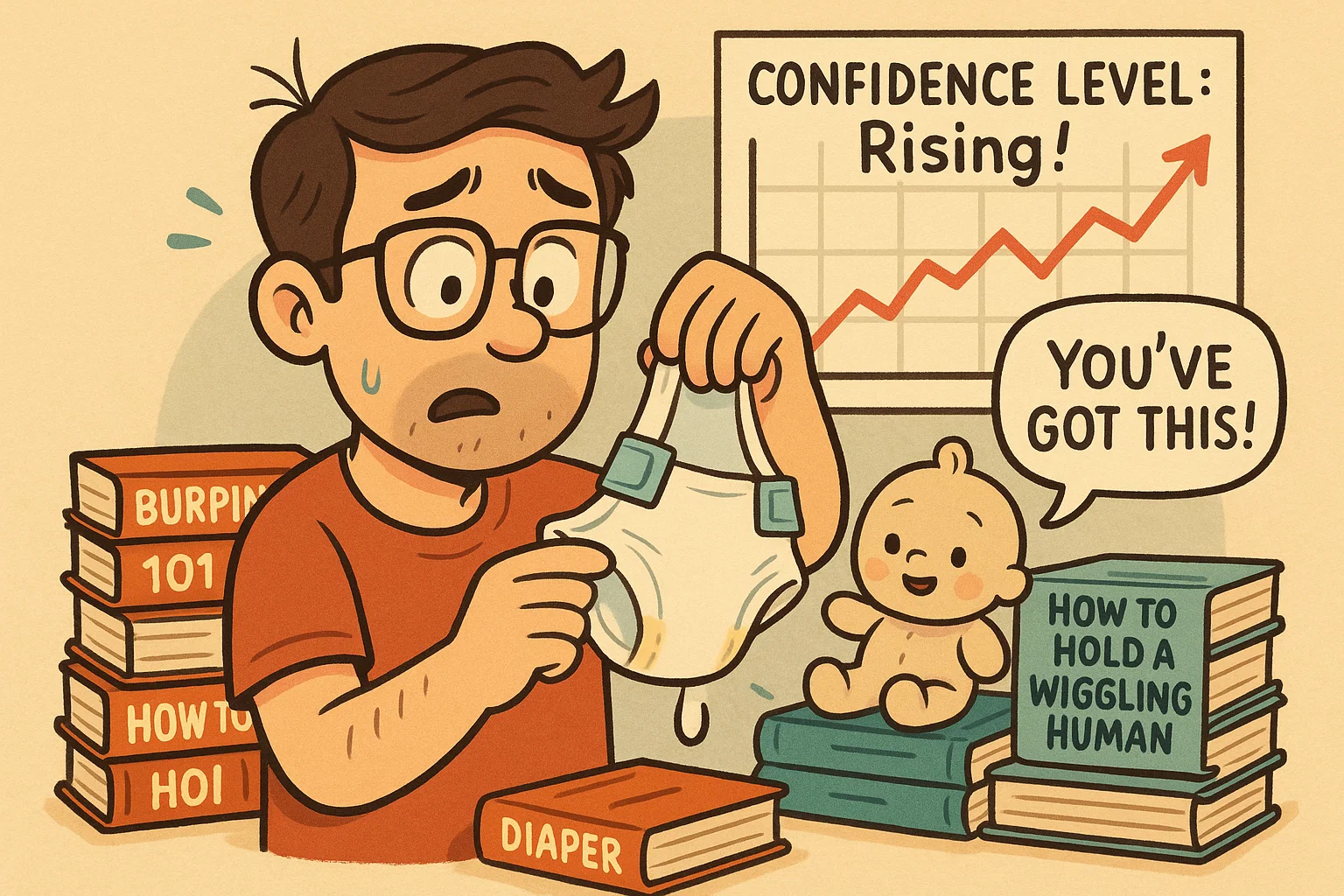
Becoming a competent, self-sufficient father requires developing practical skills before and immediately after the birth. Taking time to master these core skills reduces stress and boosts your parenting confidence.
Communicating and Listening
Effective communication with your partner is the foundation of successful co-parenting under physical and emotional stress. Practice active listening by giving your partner your full attention, avoiding immediate defensiveness, and validating their emotions. Use clear “I” statements to explain your own needs and fears without assigning blame. Remaining calm, maintaining an even tone of voice, and asking open-ended questions can prevent minor miscommunications from becoming major conflicts.
Using a First Aid Kit
Knowing basic infant first aid and how to use simple medical tools is essential for keeping your baby safe. Familiarize yourself with your baby’s first aid kit, including how to safely use a rectal or temporal thermometer to get an accurate reading. Know the temperature that defines a fever in a young infant: a rectal temperature of 100.4°F (38°C) or higher. For babies under 3 months, contact a pediatrician right away if they have a rectal temperature of 100.4°F (38°C) or higher.
Packing the Diaper Bag
A poorly packed diaper bag can turn a routine pediatrician visit into a stressful outing. Master the habit of keeping a compact, well-stocked travel kit ready for immediate departure.
Use this checklist to prepare your diaper bag:
- Diapering Supplies: Six clean diapers, a full pack of sensitive wipes, a travel changing mat, and diaper rash ointment.
- Clothing: Two complete changes of infant clothing, packed in airtight plastic bags to isolate dirty or soiled garments.
- Sanitation: A small bottle of alcohol-based hand sanitizer, travel disinfecting wipes, and three small plastic trash bags.
- Feeding Gear: Clean muslin burp cloths, a nursing cover if needed, or prepared bottles and measured formula for the trip duration.
Creating a Routine and Sticking With It
A newborn cannot follow a rigid clock-based schedule, but predictable routines can help create stability. Work with your partner to develop a consistent sequence of evening cues, such as a warm bath, gentle massage, quiet story, and feeding. Maintain a flexible but consistent household rhythm: keep daytime bright and active, and keep nighttime wakings dark, quiet, and boring. This consistency can help support the development of the baby’s circadian rhythm and create a more manageable daily flow for the whole family.
First-Time Father Checklist

Use this chronological checklist to track essential tasks across each stage of your transition into fatherhood. Checking off these concrete items helps ensure that important safety, financial, and household preparations are not overlooked.
Before Birth Checklist
- Securely install the rear-facing infant car seat base and practice adjusting the harness.
- Assemble the crib or bassinet in the primary bedroom, ensuring a firm, bare mattress surface.
- Pack a dedicated hospital bag for yourself with snacks, comfortable layers, electronics, and hygiene items.
- Review, print, and finalize your partner’s birth preferences with the healthcare team.
- Prepare, portion, label, and freeze at least 14 dinners and convenient breakfast items.
- Submit paternity leave paperwork and any applicable FMLA forms to your human resources department.
Hospital Checklist
- Manage the collection and secure storage of birth registration forms, medical ID numbers, and insurance papers.
- Provide water, ice chips, counter-pressure, and calm encouragement during active labor.
- Do skin-to-skin contact with your newborn as soon as it is safe and appropriate.
- Take natural, candid photos of your partner interacting with the baby during the early hours after birth.
- Confirm that the baby’s going-home outfit fits safely under the car seat harness.
First Week Checklist
- Start a digital or paper log to track feeding times, sleep, and diaper output.
- Establish a clear nighttime sleep shift routine with your partner so both adults get some rest.
- Limit unannounced visitors and protect recovery, bonding, and feeding time.
- Complete the first newborn pediatric follow-up appointment and document the baby’s weight and health status.
- Manage the household flow, including dishes, laundry, meals, and basic cleaning.
First Month Checklist
- Review your family budget and track real expenses for diapers, wipes, formula if needed, and medical fees.
- Schedule a 10-minute weekly relationship check-in with your partner to review communication and chore distribution.
- Attend the one-month pediatric checkup and ask any questions about infant growth or development.
- Schedule separate solo personal time for both yourself and your partner to reduce burnout.
- Back up all digital family photos to a secure external drive or encrypted cloud service, organizing files by month.
FAQ
How Can a First-Time Dad Feel Ready to Become a Father?
A first-time dad does not need to feel perfectly ready to become a father before the baby arrives. Readiness usually grows through preparation, practice, and daily care once your little one is here. Learning how to use new equipment, preparing the home, discussing responsibilities with your partner, and asking practical questions during prenatal visits can all boost your confidence. This dad guide is designed to give helpful tips that make the parenting journey feel more manageable from the beginning.
What Are the Best Tips for First-Time Dads During Sleepless Nights?
The best tips for first-time dads during sleepless nights are to plan shifts, keep expectations realistic, and protect teamwork with your partner. Sleep loss can put a lot of pressure on a new family, especially during the first few weeks. Try to divide night duties clearly, keep nighttime care quiet and simple, and avoid starting serious arguments when both parents are exhausted. Even short blocks of uninterrupted rest can improve patience, mood, and confidence in your parenting.
How Can a Dad for the First Time Start Bonding With a Baby?
A dad for the first time can start bonding with a baby through simple, consistent care. Skin-to-skin contact, diaper changes, burping, soothing, feeding support, talking, and singing all help your baby recognize your voice, smell, and touch. Bonding with a baby does not require perfect instincts right away; it grows as you get to know your baby’s cues, preferences, and routines. The more involved you are in daily care, the more natural fatherhood begins to feel.

Take a short quiz to find out what your everyday choices say about your parenting style
When your child is curious about something new, what’s your instinct?
Take a short quiz to find out what your everyday choices say about your parenting style
“Can I download this app?” What happens next?
Take a short quiz to find out what your everyday choices say about your parenting style
When it comes to rules at home, which sounds most like you?
Take a short quiz to find out what your everyday choices say about your parenting style
If you could give your child one life skill today, what would you pick?
Take a short quiz to find out what your everyday choices say about your parenting style
Your child gets to choose what to watch. What would your ideal setup look like?
Take a short quiz to find out what your everyday choices say about your parenting style
Pick your parenting superpower ✨