
92 Easy Outdoor Activities for Kids to Do at Home, in the Backyard, or at a Nearby Park

 Discover a Free Education Video App for Kids
Pastory uses AI to personalize educational video content based on your child’s interests and personality. Safe, engaging, and built for curious young minds. Sign up now to stay updated and enjoy early access with a free trial
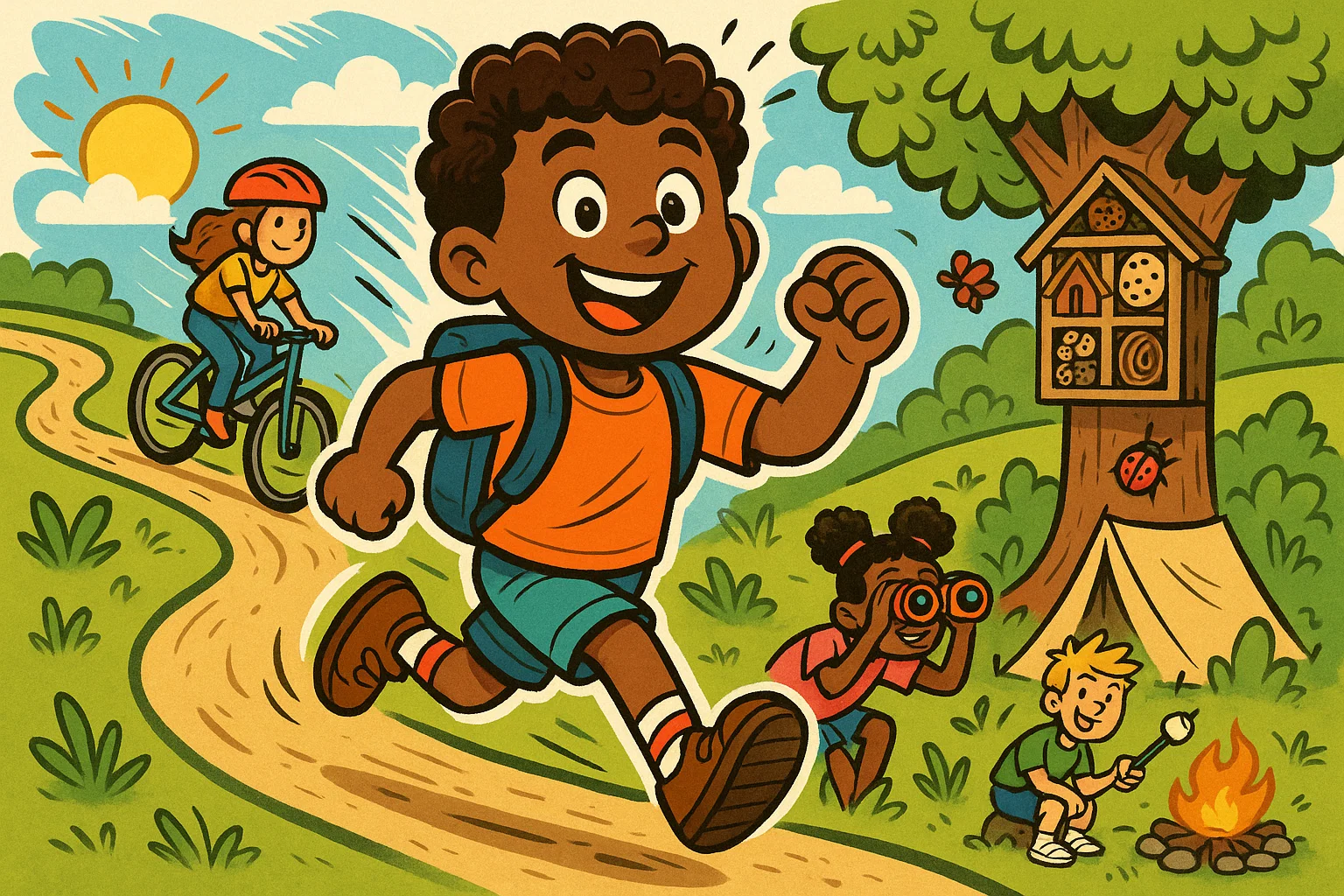
Because modern childhood often involves a lot of screen time, intentional outdoor play is essential for healthy development. Health experts encourage daily physical activity and outdoor play; children ages 6–17 should get at least 60 minutes of moderate-to-vigorous activity each day, while younger children should stay active throughout the day. Outdoor activities for kids can help lower stress, support executive functioning, and build a lasting connection to nature.
This comprehensive guide offers low-prep, practical outdoor activities for kids. Whether you have a spacious backyard, a paved driveway, or a local park, these simple activities will help keep kids busy, active, and learning. From toddlers to school-age kids, these favorite outdoor activities require minimal supplies and use items you likely already have at home.
Key Takeaways
- Low Prep, High Value: Most easy outdoor activities for kids require zero financial investment and less than five minutes of setup using standard household items.
- Developmental Benefits: Outdoor play supports gross motor skills, sensory processing, emotional resilience, and independent problem-solving.
- Highly Adaptable: The best outdoor activity ideas can be scaled up or down to engage toddlers, preschoolers, and older children simultaneously.
- Screen-Time Balance: Swapping some digital media for real-world sensory experiences can support focus, sleep quality, and spatial awareness.
- Safety First: Simple preparation—such as weather-appropriate clothing and clear physical boundaries—helps children explore more safely and independently.
No-Prep Outdoor Activities for Kids
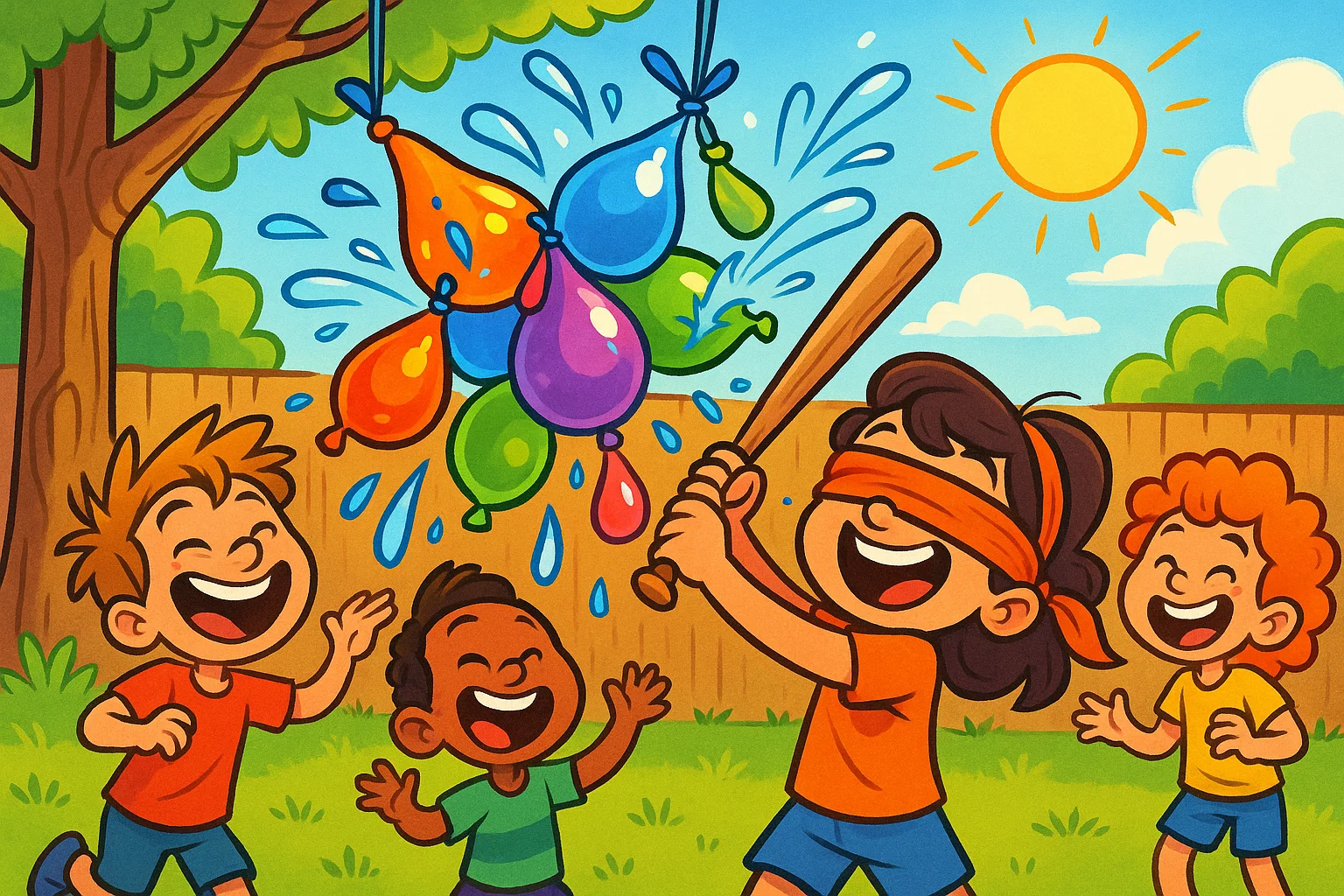
When the afternoon slump hits, it helps to have quick options that do not require a trip to the store. These classic games can be played in local parks, yards, or driveways and give children an immediate outlet for movement and thinking skills.
1. Play Follow the Leader
Follow the Leader requires one child or adult to lead while the other players copy their movements. To optimize physical development, the leader should incorporate movements like jumping, spinning, crawling, marching, and balancing on one foot. For younger children, keep the path straight and the movements simple; for older kids, introduce complex trajectories, multi-step actions, and brisk pacing to challenge their working memory and coordination.
2. Play Hide-and-Seek
Hide-and-seek challenges a child’s spatial awareness and risk assessment as they look for safe boundaries within a yard or park. For toddlers, parents should keep the hiding spots highly visible and remain within arm’s reach to prevent separation anxiety. For group play or older children, establish clear safety boundaries, such as “stay inside the fenced backyard,” and try a flashlight version in the evening to make the game more challenging and fun.
3. Play Tag
The classic game of tag builds cardiovascular endurance, agility, and quick reflexes in a safe running area. Parents can introduce structural variety by playing freeze tag, shadow tag, or beanbag tag. In freeze tag, tagged players must freeze until crawled under or tapped by a teammate; in shadow tag, the chaser steps on a player’s shadow; and in beanbag tag, players balance a beanbag on their head while running. Ensure the outdoor space is entirely free of trip hazards like exposed tree roots or uncoiled garden hoses before letting children run around.
4. Play Red Light, Green Light
In Red Light, Green Light, one caller stands at the finish line while players move on “Green Light” and freeze on “Red Light.” This structured interaction builds executive function by training children in inhibitory control—the conscious ability to suppress a physical impulse. Games that require children to stop and start quickly can help preschoolers practice self-regulation.
5. Play “I Spy” Outside
Playing “I Spy” outside turns a simple nature walk into a fun observation game. The caller selects a visible object and shares a single attribute, such as “I spy something that is rough, brown, and cylindrical.” Children scan the environment to identify the object, which helps build visual tracking skills and descriptive vocabulary as they look for colors, shapes, insects, birds, and cloud formations.
6. Look for Shapes in the Clouds
Cloud spotting is an excellent low-energy outdoor activity that fosters creative projection and emotional regulation. Have the little ones lie flat on their backs on a blanket or patch of grass, look up at the sky, and describe the shifting shapes they see. This open-ended prompt encourages them to invent complex stories about the cloud figures, which can be extended later into an indoor drawing or journaling session.
7. Read a Book Outside
Reading outdoors shifts a sedentary literacy activity into a refreshing sensory experience. Parents can set up a comfortable reading nook using a picnic blanket under tree shade, a hammock, or a pop-up tent. Bringing nature-themed books outside lets children compare the illustrations with real leaves, bark, and insects, strengthening connections between books and the world around them.
Nature Scavenger Hunts and Discovery Games
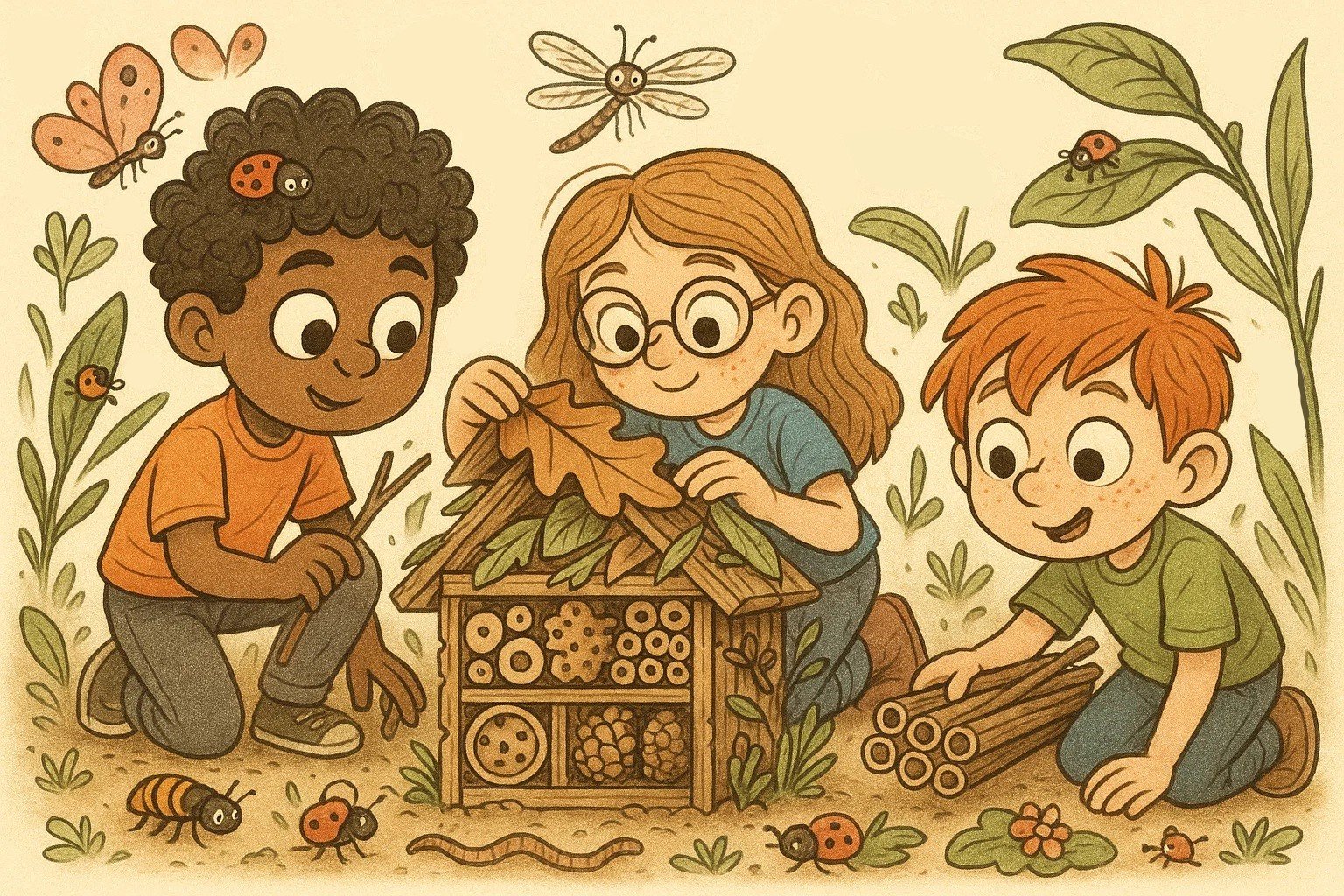
Nature-based discovery games turn the great outdoors into an open-ended science laboratory. These structured activities satisfy a child’s curiosity while building early STEM skills.
| Activity Type | Core Target Items | Developmental Benefit |
| Nature Scavenger Hunt | Leaves, rocks, pinecones | Visual discrimination |
| Insect Search | Ants, beetles, earthworms | Classification and empathy |
| Nature Investigator | Textures, weights, species | Scientific thinking |
8. Go on a Nature Scavenger Hunt
A nature scavenger hunt gives children a simple checklist of natural items to find in a designated outdoor space. Parents can create a simple handwritten or printable checklist tailored to the local environment. A standard checklist might include a fuzzy leaf, a feather, a smooth stone, a pinecone, a Y-shaped stick, and a piece of clover. This fun activity teaches children to sort natural materials by color, shape, size, and texture.
9. Try a Photo Scavenger Hunt
A photo scavenger hunt is a great version of the classic game for older children because they document what they find instead of collecting it. Provide your child with an old smartphone or digital camera and a list of abstract visual prompts, such as “a close-up of tree bark texture,” “a shadow shaped like an animal,” or “three distinct shades of green.” This activity helps children practice composition while encouraging close observation of outdoor details.
10. Search for Bugs
An outdoor insect search introduces children to the variety of bugs and other small creatures living nearby. Guide your kids to look under decaying logs, beneath flower heads, in moist garden soil, and on the undersides of leaves. Teach your children gentle observation techniques, such as watching without touching or using a soft paintbrush to guide an insect into a clear viewing jar before releasing it safely back into its microhabitat.
11. Dig for Worms
Digging for earthworms is a sensory-rich activity that typically yields the best results in moist soil beneath leaf piles or immediately after a rainstorm. Provide your child with a small trowel or a large spoon to gently turn over the topsoil in a designated garden patch. Parents can use this opportunity to explain how earthworms process organic matter, aerate the soil, and act as vital helpers that take care of the garden.
12. Search for Wildlife Tracks
Searching for wildlife signs teaches children to read the outdoor environment like a detective story. Look closely at mud, damp sand, or dusty paths to find animal footprints, fallen feathers, old nests, or chewed leaves. Keeping a safe, respectful distance from wild animals and active nesting sites teaches children basic environmental awareness and respect for wildlife.
13. Use a Field Guide to Identify Plants
With adult supervision, children can use a simple regional field guide or a kid-safe identification app to identify local plants. Instruct your child to examine the leaf margins, bark patterns, and flower structures of trees and plants in your local park. Emphasize this safety rule: children should never touch or eat unknown berries, mushrooms, or leaves, which makes the activity a valuable lesson in outdoor safety.
14. Become a Nature Investigator
Turn your child into a nature investigator by giving them a simple field kit with a magnifying glass, clipboard, notebook, and pencil. Give them structured prompts like “Observe this square foot of grass for five minutes—what did you notice?” Recording details through sketches and simple tallies introduces children to observation, counting, and basic scientific thinking.
Outdoor Art Activities for Kids
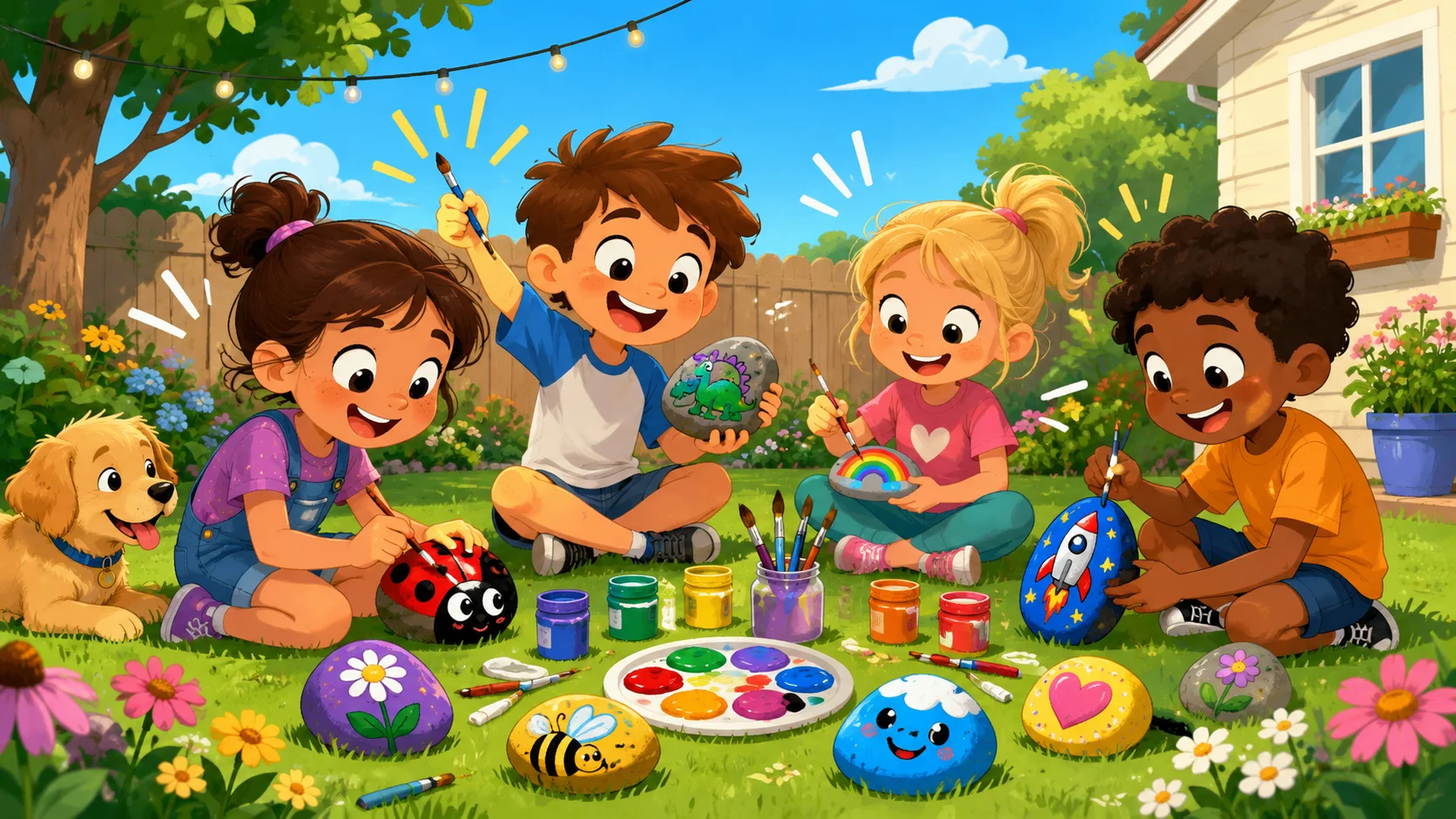
Artistic expression changes when it moves beyond the limits of the kitchen table or craft area. Using natural materials and open spaces allows children to engage in large-scale, sensory-driven creative projects.
15. Collect and Paint Rocks
Rock painting combines a physical collection walk with fine-motor artistic expression. Have the kids collect smooth, flat stones from the yard or a local park, wash off the dirt with water and an old toothbrush, and dry them thoroughly. Using non-toxic acrylic or washable paint, children can transform the rocks into animals, geometric patterns, or kindness messages to display at home or share only where painted rocks are allowed.
16. Draw with Chalk
Sidewalk chalk turns an ordinary concrete driveway or patio into a massive, open-ended canvas. Beyond standard drawing, parents can encourage kids to create large murals, chalk roads for toy cars, or life-size self-portraits by tracing their outlines. This expansive form of art encourages gross motor movement and spatial planning that regular paper cannot accommodate.
17. Create a Chalk Relay
A chalk relay combines quick movement with simple creative prompts. Set up a starting line several yards away from a paved drawing area, and have children run to the zone to draw one specific component of a scene, such as “draw a house window” or “add a wheel to the car,” before sprinting back to hand off the chalk. This fast-paced game builds physical endurance while requiring quick creative decision-making.
18. Paint with Leaves
Painting with leaves introduces children to natural textures and stamp-like patterns. Have your kids collect a variety of fallen leaves featuring prominent vein structures, dip them lightly into washable paint, and press them onto thick paper or cardboard surfaces. This process helps children observe structural variations across different tree species while experimenting with color mixing and pattern repetition.
19. Try Leaf-Rubbing Art
Leaf-rubbing art is a classic tactile activity that reveals the hidden vein structures of leaves. Have your child place collected leaves vein-side up beneath a sheet of standard drawing paper, then use the flat side of an unwrapped crayon to rub firmly over the surface. The intricate patterns of the veins and stem will emerge on the paper, creating an immediate visual representation of plant anatomy.
20. Paint with Flowers
Painting with flowers uses fallen blossoms and discarded weeds to create unique fluid prints. Children can hold the stems of hardy wildflowers or dandelion heads and use them as natural paintbrushes, or gently press paint-dipped petals onto paper. Always instruct your child to collect only fallen blossoms or abundant weeds, leaving protected and cultivated plants untouched.
21. Create Nature Art
Nature art involves arranging found objects like twigs, loose stones, pinecones, fallen petals, and colorful leaves into temporary mosaics or mandalas on the ground. Because these designs are temporary and can be scattered by the wind, the process teaches children about impermanence, symmetry, patterns, and color contrast.
22. Make Mud Faces on Trees
Creating mud faces on tree trunks combines tactile sculpting with playful imagination. Children can mix soil and water to form a thick, clay-like mud paste, pack it directly onto the rough bark of a mature tree, and sculpt facial features. They can then press in natural materials like twigs for hair, small stones for eyes, and fallen leaves for clothing, creating a temporary, eco-friendly sculpture.
Water Play Activities for Hot Days
When temperatures rise, water play provides a fantastic sensory cooling experience. These activities combine physical coordination with simple water play, keeping kids active and comfortable.
Before playing with water balloons, set clear rules:
- Fill and prepare: Fill water balloons to a similar size using an outdoor spigot, then place them in a soft plastic bucket filled with water to prevent premature bursting.
- Set distance boundaries: Arrange players in pairs standing close together, and instruct them to throw and catch the balloon using soft, cupped hands.
- Play the distance challenge: Ask both players to take one step backward after every successful catch, increasing the distance until the balloon bursts upon impact.
- Clean up every balloon piece: Turn cleanup into a quick game, challenging kids to collect every broken balloon fragment to protect local wildlife.
23. Play with a Hose
A garden hose can be used for a variety of simple, high-energy outdoor games. Parents can adjust the nozzle to a fine mist for a cooling run-through, create a jumping game by waving a low stream of water back and forth across the grass like a snake, or have kids fill several buckets to compare volume and weight. Always monitor water pressure to ensure the stream remains gentle and safe for children of all ages.
24. Run Through a Sprinkler
Running through a backyard mechanical sprinkler is a classic summer pastime that provides continuous physical movement. Parents can make this simple activity more exciting by playing music, turning it into a dance game, organizing short races through the spray, or adding it to a backyard obstacle course. The changing movement of the water stream helps children practice timing, coordination, and quick reactions.
25. Have a Water Balloon Toss
A structured water balloon toss helps children practice fine motor control, gentle catching, and hand-eye coordination. Partners stand close together and gently toss a water balloon back and forth. With each successful catch, players take one step backward, increasing the physical trajectory and requiring softer, more coordinated hand movements to prevent the balloon from bursting.
26. Play with Water Balloons
Beyond standard tossing, water balloons can be integrated into structured target practice. Draw distinct chalk targets on a wooden fence or brick wall, labeling different rings with numerical points to blend basic math practice into outdoor play. Alternatively, children can sort balloons by color, run a spoon-balancing relay race, or play a gentle game of hot potato with a filled balloon.
27. Paint with Water Blasters
Painting with water blasters uses water pressure for large-scale outdoor art. Parents can fill clean squirt bottles or water blasters with a highly diluted mixture of washable tempera paint and water, then hang large sheets of butcher paper or old bedsheets along a fence. Children can spray the targets to create abstract drip art, experimenting with how distance and pressure alter the paint patterns.
28. Try Aqua Limbo
Aqua Limbo swaps a traditional wooden stick for a steady, horizontal stream of water shot from a hose nozzle. An adult or older child holds the hose steady while music plays, and participants must arch backward to walk underneath the water stream without getting their torsos wet. Lower the stream slightly after each successful round to increase the physical challenge.
29. Make a DIY Water Slide
A DIY water slide can be safely constructed by laying a heavy-duty, smooth plastic tarp along a gentle downward slope in the yard. Secure the edges thoroughly with flush lawn pins, coat the surface with a continuous stream of water from a garden hose, and add a small amount of tear-free baby shampoo to increase slickness. Continuous adult supervision is mandatory to ensure children slide safely on their bellies or bottoms.
30. Use a Garden Hose on a Trampoline
If the trampoline manufacturer allows water use, a gentle mist from a garden hose can cool the jumping surface on hot summer afternoons. To help ensure safety, establish strict operational boundaries: allow only one child on the trampoline mat at a time to prevent collisions, forbid high-risk maneuvers like flips, and ensure an adult monitors the activity constantly.
Backyard Games, Races, and Sports
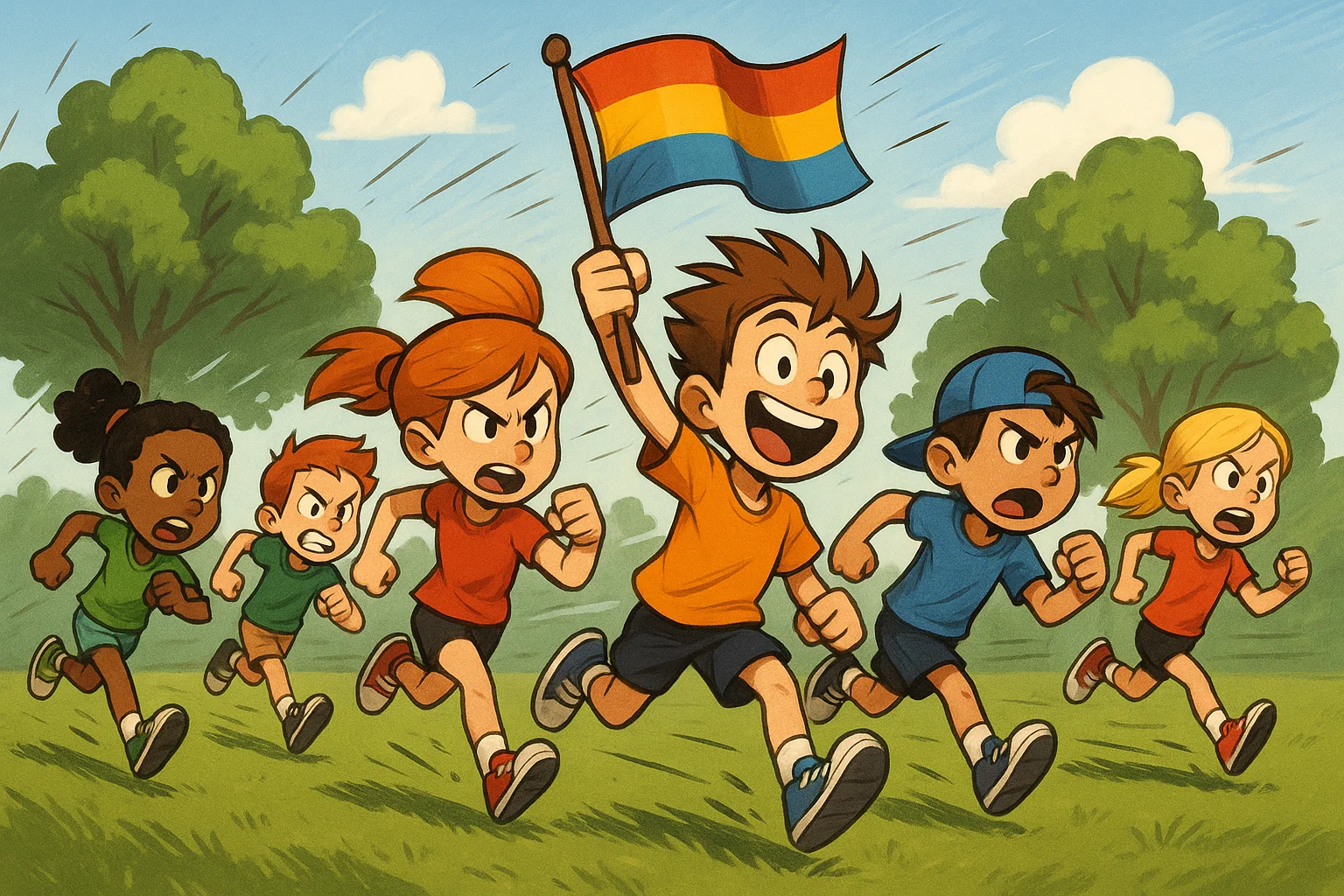
Structured physical games build gross motor coordination, teamwork, and healthy sportsmanship. These high-energy activities are perfect for burning off pent-up energy while refining balance and agility.
31. Have a Relay Race
Relay races can be customized to build balance, coordination, and teamwork. Introduce a classic spoon-and-ball race, where kids balance a small ball or egg on a spoon while sprinting; a traditional burlap sack race; or an animal-walk relay where participants must move like a crab, bear, or frog. These variations engage different muscle groups and keep the competition engaging for kids of all ages.
32. Race Around the House
A structured loop race around the exterior perimeter of a house, garage, or dedicated garden path provides immediate cardiovascular exercise. Parents should walk the path beforehand, set a clear start and finish line, and remove hazards around corners or along the route. Using a stopwatch to track and record lap times turns the activity into a personal-best challenge that builds self-motivation.
33. Play Catch or Kickball
Basic ball skills like throwing, catching, and kicking support gross motor development. For younger children, use a large, soft foam ball and a short physical distance, or begin by rolling the ball back and forth across the grass. As hand-eye coordination improves, introduce smaller balls, increase the distance, or set up plastic bases for a simple game of backyard kickball.
34. Practice Throwing Skills
Target practice refines a child’s depth perception, physical release timing, and throwing accuracy. Parents can arrange an array of targets using plastic buckets, hula hoops, cardboard boxes, or laundry baskets spaced at varying distances. Children can toss tennis balls, beanbags, or rolled-up wet sponges into the targets, earning different point values based on the difficulty of each target.
35. Create an Obstacle Course
Setting up an obstacle course challenges a child’s motor planning and total-body agility. Parents and kids can design a custom course using common household and garden items.
- Cones or Buckets: Set them up in a zigzag configuration for rapid side-to-side agility weaving.
- Sticks or Pool Noodles: Suspend them between two chairs to create low crawling zones or elevated jumping hurdles.
- Hula Hoops or Chalk Circles: Place them flat on the ground to create precise, single-foot hopping targets.
- Patio Cushions: Arrange them in a row to create an unstable, balance-challenging pathway.
36. Try Hula Hoop Challenges
Hula hoops offer many ways to play beyond standard waist spinning. Children can challenge themselves to spin the hoop around their arms or neck, roll the hoop along a paved driveway like a wheel, use it as a giant jump rope, or lay multiple hoops out to play a fast-paced game of human tic-tac-toe.
37. Have a Pool Noodle Fight
A supervised pool noodle duel can provide a soft outlet for rough-and-tumble play. Establish explicit safety rules before starting: hits are only permitted from the shoulder down, face hits result in an automatic timeout, and the activity must stop immediately if anyone says “stop.” This high-energy game lets your kids burn off energy while practicing physical boundaries and self-control.
38. Play Classic Yard Games
Classic yard games introduce children to games many parents grew up playing and require minimal equipment. Introduce games like Capture the Flag, Kick the Can, or Duck, Duck, Goose to build strategic thinking and teamwork. For smaller spaces, games like Cone Guardian, where one child guards a central marker from being hit by a soft ball thrown by others, or Crab Soccer work beautifully.
Gardening, Growing, and Eco Activities
Gardening connects children directly to life sciences and environmental stewardship. Research on school and community gardening suggests that children who grow food may become more willing to try vegetables and develop a stronger understanding of ecological systems.
| Eco Activity | Primary Tools Needed | Environmental Lesson |
| Planting Seeds | Biodegradable pots, soil | Plant life cycle and photosynthesis |
| Yard Work | Kid-sized rake, hand trowel | Decomposition and soil composition |
| Neighborhood Cleanup | Protective gloves, trash bags | Waste management and conservation |
39. Plant Seeds
Planting seeds introduces children to biological growth cycles through a tangible, long-term care routine. Choose hardy, fast-germinating seeds like cress, radishes, sunflowers, or sugar snap peas, which give children quick visual feedback. Have your child press the seed to the correct depth in loose soil, pat it down gently, and place it in a sunny location, establishing a daily observation habit.
40. Water Plants and Flowers
Transform watering the garden into an active, independent daily responsibility. Provide your child with a small, lightweight watering can or a hose attachment set to a gentle shower mode. Teach them to check whether the soil is dry and water the base of the plants, turning routine garden care into a practical lesson.
41. Make a Plant Pot
Making a custom plant pot combines craft design with functional gardening. Children can upcycle household containers like plastic milk jugs, egg cartons, or aluminum cans by painting the exteriors or wrapping them in twine. Ensure an adult punches functional drainage holes in the bottom of each container before the child packs it with potting soil and plants their seeds.
42. Do Yard Work
Involving children in seasonal yard work builds practical life skills and physical strength. Provide kid-sized tools or lightweight gloves so they can safely collect fallen twigs, gather dry autumn leaves into piles for composting, pull simple garden weeds like dandelions, or sweep loose dirt off the back patio.
43. Pick Up Trash Around the Neighborhood
Organizing a neighborhood clean-up walk instills community pride and environmental awareness. Parents must enforce strict safety rules: children must wear thick, protective gloves, stay under direct adult supervision, use trash grabbers if available, and never touch sharp glass or hazardous waste items. Have them separate recyclable plastics and aluminum cans from regular landfill waste to reinforce sorting skills.
44. Grow a Mini Garden
A dedicated mini garden gives a child ownership of a small patch of soil or a large planter box. They can design a specialized sensory garden filled with tactile plants like lamb’s ear and fuzzy moss, or a culinary herb corner featuring mint, basil, and rosemary. Managing their own plot builds long-term project dedication and pride.
45. Plant a Tree with a School or Community
Participating in a community or school tree-planting event connects a child to long-term ecological restoration. Digging the soil, positioning the root ball, and backfilling the hole teaches basic tree-planting skills. Children can return to visit the site over the years, tracking the tree’s physical growth against their own.
Wildlife and Bird Activities
Attracting and observing local wildlife can build empathy and curiosity about nature. These low-intervention activities help children see how human environments interact with native birds and beneficial insects.
46. Make a Simple Bird Feeder
A simple DIY bird feeder can provide supplemental food for local birds and long-term observation opportunities for children.
- Pinecone Feeder: Tie a sturdy piece of twine around a large, open pinecone. Use a butter knife to slather the exterior with peanut butter or sunflower seed butter, then roll the coated cone in a tray of wild birdseed until completely covered.
- Recycled Carton Feeder: Cut a wide viewing window into the side of a clean cardboard milk carton, push a wooden stick through the base to serve as a perch, and fill the bottom basin with mixed birdseed. Hang the finished feeder from a sturdy tree branch out of reach of local predators.
47. Attract Birds to the Garden
Transform your backyard into an inviting space for local birds. Children can set out a shallow ceramic bowl filled with clean water as a simple birdbath, refresh the water daily to discourage mosquitoes, and place chairs nearby for quiet observation. Sitting quietly to sketch or observe visitors teaches kids patience and respect for wildlife.
48. Build a Bug Hotel
Building a bug hotel can provide shelter for beneficial insects such as solitary bees, beetles, and lacewings. Children can pack an open wooden box or a sturdy tube with natural materials such as hollow bamboo reeds, pinecones, dry bark, rolled corrugated cardboard, and bundles of twigs. Place the hotel in a dry, sheltered location near garden flowers.
49. Make a Small Mammal Hideaway
Where hedgehogs are native, a hedgehog hideaway can provide a dark, sheltered nesting spot. In other regions, make a general small mammal or insect shelter instead. Children can assist in placing a sturdy wooden crate upside down in a quiet, undisturbed corner of the garden, cutting a small entry hole into the side, and covering the structure with dry leaves and twigs for natural insulation. Establish a strict rule never to disturb an occupied shelter.
50. Build a Wildlife Home
Building diverse wildlife homes helps children understand different animal nesting requirements. Kids can help assemble pre-cut bird boxes, install specialized solitary bee tubes, or construct simple brush piles out of logs and branches in the back corner of the yard. These habitats provide essential shelter for small lizards, frogs, and overwintering insects.
51. Spot Wildlife
Wildlife spotting turns a quiet afternoon into a simple nature survey. Teach your children to sit completely still for ten minutes in a park or backyard, tracking the movements of squirrels, butterflies, bumblebees, earthworms, and garden snails. Encourage them to close their eyes and isolate different animal noises, matching distinct chirps and rustles to specific creatures.
52. Visit Baby Animals
Visiting a working agricultural farm, a nonprofit nature center, or a local park during the spring months exposes children to young animals. This real-world experience allows them to observe how young animals move, feed, and interact with their mothers. Remind children to maintain a calm, quiet demeanor and a respectful physical distance to avoid stressing the animals.
Mud, Sand, and Sensory Play
Sensory play with materials like mud, water, and sand supports early sensory and motor development. These unstructured activities strengthen a child’s hands, stimulate tactile sensory pathways, and encourage creative problem-solving.
53. Make Mud Pies
Making mud pies is a tactile, open-ended activity that encourages imaginative play. Provide your child with an assortment of old kitchen bowls, pie tins, measuring cups, and large spoons. Children mix soil with water until it becomes thick and workable, shape the mud into pretend pies, and decorate them with natural items like dandelions, smooth pebbles, and pine needles.
54. Build a Mud Kitchen
A permanent or semi-permanent backyard mud kitchen gives children a dedicated space for unstructured sensory play. This play space can be easily constructed using old wooden pallets, inverted crates, or a low weather-resistant table. Stock the kitchen with durable, discarded real-world utensils like metal pots, strainers, ladles, and muffin tins, allowing children to safely experiment with messy textures.
55. Mix Nature Potions
Mixing nature potions encourages children to experiment with volume, color, texture, and how different materials behave in water. Give your kids clear plastic jars or deep plastic tubs filled with water, and let them collect colorful fallen petals, fragrant crushed pine needles, emerald grass clippings, and coarse sand. Stirring the mixtures with long sticks helps them observe how different organic materials float, sink, or tint the water.
56. Have a Treasure Hunt in Dirt or Sand
A treasure hunt in a sandbox or a designated garden digging plot develops fine motor skills and tactile discrimination. Parents can bury a few child-safe objects—such as smooth seashells, toy coins, or miniature plastic animal figures—beneath the surface. Provide children with kitchen spoons, sifting screens, or paintbrushes to systematically excavate the hidden items.
57. Jump in Puddles
Rainy weather offers unique physical play opportunities when conditions are safe. Dress your children in full waterproof outerwear and sturdy rubber boots so they can safely splash in clean pavement puddles. Jumping in puddles builds gross motor leg strength and teaches children about gravity, impact force, and fluid displacement through joyful physical play.
58. Create a Sensory Play Garden
A sensory play garden brings different textures, scents, and sounds into one outdoor space. Design an accessible corner featuring soft, touchable plants like lamb’s ear, highly aromatic herbs like rosemary and lavender, a smooth gravel walking path, a trickling water fountain, and deep-toned metallic wind chimes to stimulate a child’s sensory processing skills.
Pretend Play and Imagination Outdoors
Outdoor spaces provide a rich backdrop for imaginative play. Unstructured pretend play helps children practice storytelling, role-playing, and emotional expression.
59. Build a Den or Fort
Building an outdoor den or brush fort encourages spatial engineering and cooperative play. In a wooded area or backyard corner, children can lean sturdy fallen branches against a low tree fork or a sturdy fence line to construct a basic lean-to structure. For a backyard version, they can drape old blankets over patio chairs or garden benches to create an immediate, cozy shelter.
60. Set Up a Tent or Teepee
Pitching a standard camping tent, canvas teepee, or pop-up shelter in the backyard creates an immediate hub for imaginative role-play. Children can pack the interior with favorite books, cozy sleeping bags, battery-operated lanterns, and plush animals, transforming the structure into a base camp for wilderness tracking or a peaceful outdoor reading nook.
61. Build a Clothesline Tent
A clothesline tent is a simple, temporary structure made by draping a large bedsheet or heavy blanket over a taut outdoor clothesline or a rope tied between two trees. Secure the bottom edges with wooden clothespins, clips, or soft weighted objects to form a classic A-frame tent. This shaded spot provides an excellent, well-ventilated retreat for quiet play on warm afternoons.
62. Create a Fairy House
Creating a miniature fairy house supports fine motor skills and imaginative design. Children can build tiny structures near the roots of a mature tree using pieces of bark for walls, soft moss for carpeting, flat stones for patio steps, and acorn caps for dishes, encouraging appreciation for small forest details.
63. Have a Pirate Treasure Hunt
A pirate treasure hunt adds an imaginative storyline to a simple navigation game. Parents can sketch a stylized map of the backyard or local park, using specific landmarks like “the old oak tree” or “the large gray boulder” to guide children through a series of written riddles. Mark the final location with a clear “X” where a small prize or box of treats is hidden.
64. Play Dress-Up in the Yard
Moving a trunk of dress-up clothes outside shifts role-play into a dynamic new environment. Children can wear capes, explorer vests, or costumes to go on superhero rescue missions, pretend to be wildlife explorers, or act as animals navigating a backyard jungle.
65. Put On a Play or Dance Show
A backyard patio, flat lawn, or elevated deck can be easily transformed into a performance stage. Children can collaborate to write a short play, choreograph an original dance routine, or practice a musical piece. They can design simple costumes from household items, create paper entry tickets, and perform their show for an audience of family members or neighbors.
66. Film an Outdoor Movie
Older children can use a smartphone or digital camera to write, direct, and film an original short movie set entirely in nature. Using the natural landscape as a backdrop encourages them to think about framing, lighting, and storytelling while staying active outdoors.
Outdoor Learning Activities
Outdoor learning activities use hands-on, real-world experiences to teach foundational STEM and literacy concepts. Observing scientific principles in action helps children understand how academic lessons apply to the world around them.
| Learning Activity | Core Subject Alignment | Tangible Output |
| Nature Journal | Literacy and botany | Illustrated phenology journal |
| Weather Watching | Meteorology | Quantitative rain and wind chart |
| Outdoor Math | Arithmetic and geometry | Classified natural data arrays |
67. Keep a Nature Journal
An ongoing nature journal combines descriptive literacy with seasonal botanical observation. Provide your child with a durable blank notebook to record daily weather metrics, sketch physical leaf shapes, paste in pressed flowers, and note local bird sightings. This project builds long-term focus and helps children track gradual seasonal changes.
68. Learn About Tree Rings
Examining the exposed rings on a cut tree stump or a fallen log provides a tangible history lesson in forestry science. Teach your child that each distinct concentric circle represents one full year of growth, and show them how to count the rings to determine the tree’s age. Explain that wider rings can indicate years with better growing conditions, while narrow rings may suggest drought, competition, or other environmental stress.
69. Be a Weather Watcher
Turn your child into an amateur meteorologist by setting up a basic backyard weather station. Children can use a clear plastic container marked with a ruler to measure rainfall, hang a ribbon to track wind direction, and read an outdoor thermometer daily. Recording these data points on a wall chart helps children spot patterns and make simple daily weather predictions.
70. Try an Outdoor Science Experiment
Doing simple science experiments outside keeps messy cleanup out of the kitchen while showing children how science works in real life.
- Backyard Volcano: Pack moist soil around an empty plastic bottle, pour in 2 tablespoons of baking soda, add a few drops of dish soap, and pour in 1/2 cup of vinegar to trigger an immediate, foaming chemical reaction.
- Solar Evaporation Test: Pour measured amounts of water onto different outdoor surfaces, such as pavement and grass, to see how heat and surface area alter the rate of evaporation.
71. Hold a Paper Airplane Contest
A paper airplane contest introduces children to aerodynamic engineering and data collection. Have your kids fold different airplane models using varied paper weights and wing configurations, then launch them from a marked starting line. Use a tape measure to track distance and observe how wind speed and wing design alter the plane’s flight path.
72. Watch Planes with a Flight-Tracking App
When you spot a commercial plane flying overhead, open a live flight tracking app with your child to check its origin, flight path, and destination. This real-time interaction connects the physical plane in the sky to a digital map, creating an engaging opportunity to discuss geography, global trade routes, and aviation physics.
73. Practice Outdoor Math Games
Outdoor math games use found natural objects to make abstract arithmetic concepts tangible. Have your children count flower petals to practice multiplication, measure sticks with a ruler to learn fractions, sort stones into geometric arrays, or draw a massive chalk number line on the driveway to practice addition and subtraction through hopping games.
Walks, Rides, and Nearby Adventures
Venturing beyond the boundaries of the backyard builds navigation skills, environmental confidence, and physical endurance. These simple excursions turn a standard afternoon into an engaging community exploration.
74. Go on a Nature Walk
A structured nature walk uses a specific theme to keep children engaged throughout the excursion. Parents can challenge kids to focus on one sensory input—such as a “sound walk” where they list every noise they hear, a “color walk” where they look for a specific color, or a “texture walk” to spot contrasting smooth and rough surfaces.
75. Take a Bike Ride
A family bike or scooter ride builds endurance, coordination, and lower-body strength. Whether it’s simple driveway loops for beginners or a longer path through a local park, a bike ride gives you a great opportunity to teach road safety, hand signals, and the importance of wearing a properly fitted helmet.
76. Visit Woods Near You
Visiting a nearby woodland trail or nature preserve introduces children to mature forest ecosystems. Walking on unpaved paths filled with rocks, tree roots, and varying elevations challenges a child’s balance and proprioception—their body’s internal awareness of its position in space—far more than flat concrete surfaces.
77. Fly a Kite
Flying a kite introduces children to aerodynamic forces, wind resistance, and spatial coordination. Choose a wide, open space, such as a public beach, school sports field, or large park, that is free of overhead power lines, trees, and nearby roads. Learning to run and adjust line tension to catch wind currents teaches children about invisible atmospheric forces.
78. Play Poohsticks
Poohsticks is a classic, simple game played on a footbridge over a moving stream. With adult supervision, participants drop their twigs from the upstream side of a footbridge and walk to the downstream side to see whose stick appears first. This game introduces children to water currents, speed, and simple cause and effect.
79. Volunteer to Walk a Neighbor’s Dog
For older children, volunteering to walk a friendly neighbor’s dog under direct adult supervision introduces animal care and community responsibility. Walking a dog helps kids practice safe handling, learn basic canine behavior cues, and understand the regular exercise needs of pets.
80. Climb a Tree Safely
Climbing a tree provides an excellent full-body physical challenge that refines a child’s strength, grip, and spatial problem-solving. Parents should select a sturdy, mature tree with low, thick branches and provide close supervision. Establish clear safety rules: children must maintain three points of physical contact, such as two hands and one foot or two feet and one hand, at all times and stay at low, safe heights.
Outdoor Food, Picnics, and Family Time
Sharing meals and conversation outdoors offers a wonderful way to slow down and connect as a family. These activities shift daily routines into memorable outdoor shared experiences.
81. Have a Picnic
A picnic turns a standard lunchtime routine into an engaging outdoor activity. Children can help pack a basket with simple finger foods, carry the blanket to a local park or a shady spot in the backyard, and lay out the spread. Adding a simple pack-in, pack-out cleanup routine teaches kids to leave no trace and respect shared public spaces.
82. Have an Outdoor Tea Party
An outdoor tea party blends imaginative role-play with real-world social interaction. Children can arrange patio furniture or a picnic blanket, invite family members or stuffed animals, and serve real water, juice, and finger sandwiches in small cups. This structured setup encourages polite conversation, pouring coordination, and sharing.
83. Eat Outdoors
Moving your regular breakfast, lunch, or dinner out onto a backyard table, patio, or picnic blanket is a simple way to change up the daily routine. Eating outdoors gives the family fresh air, natural light, and calming background sounds, which can encourage slower meals and more relaxed conversation.
84. Tell Stories Around a Campfire
A backyard fire pit or designated park campfire ring provides a cozy gathering spot for evening storytelling. With strict fire safety rules and constant adult supervision, families can share classic folk tales, take turns building round-robin stories, or tell flashlight stories. Roasting simple foods adds a fun, traditional touch to the evening.
85. Have a Watermelon Seed-Spitting Contest
A classic watermelon seed-spitting contest is a silly, high-energy summer game that can be easily set up on an open lawn. Use a tape measure or place distinct chalk markers to track the distance of each spit. This lighthearted game provides a fun, physical way to wrap up a hot afternoon while encouraging friendly family competition.
86. Set Up a Hammock
Hanging a woven or nylon camping hammock securely between two mature trees or on a stable metal frame creates a relaxing, low-energy outdoor retreat. Set the hammock low over a soft, grassy surface. It offers a peaceful spot for children to rest, read books, or quietly watch the clouds drift by.
Rainy-Day and Seasonal Outdoor Activities
Outdoor play shouldn’t stop when the weather changes. Embracing rainy afternoons, autumn leaf falls, and crisp winter days ensures children experience the full, beautiful spectrum of changing seasonal cycles.
| Seasonal Activity | Primary Weather Condition | Equipment Needed |
| Play in the Rain | Active rainfall | Rain jacket, waterproof boots |
| Ice Treasure Game | Sub-freezing temperatures | Plastic containers, freezer tray |
| Autumn Leaf Craft | Dry fall day | Fallen leaves, heavy cardboard |
87. Play in the Rain
Playing in gentle summer rainstorms gives children sensory experiences they do not get on clear days. Equipped with appropriate waterproof coats and boots, children can listen to the rhythmic sound of rain on an umbrella, watch earthworms surface on wet soil, and observe how downpours create small backyard streams.
88. Make Autumn Leaf Crafts
The vibrant colors of autumn provide a wonderful palette for seasonal crafting. Children can collect fallen leaves in rich shades of crimson, amber, and gold to sort by size and color. They can then assemble them into intricate leaf crowns, glue them down to form animal shapes on cardboard, or string them together to make festive garlands to hang indoors.
89. Try a Winter Picnic
Picnics aren’t just for warm summer days; a winter picnic offers a crisp, refreshing seasonal alternative. Pack insulated thermoses filled with hot chocolate, cider, or hearty soup, wrap up in warm layers, and head to a winter park for a short, invigorating lunch.
90. Watch Shadows Change
Watching shadows change is a simple way to show how the sun appears to move across the sky as Earth rotates. On a clear, sunny day, have your child stand in the same spot on a paved driveway at 9:00 AM, 12:00 PM, and 3:00 PM. Trace their shadow with sidewalk chalk each time to compare how the changing angle of the sun alters the shadow’s length and direction.
91. Make an Ice Treasure Game
The ice treasure game is an engaging excavation activity for freezing winter days or hot summer afternoons. Freeze small plastic toys or colorful child-safe items inside a large block or bowl of ice, and provide your children with spray bottles of warm water, blunt wooden sticks, and coarse salt. They can slowly melt the ice to “rescue” the hidden treasures.
92. Look for a Four-Leaf Clover
Searching through a patch of clover requires deep focus, patience, and visual discrimination. Guide your child to sit quietly and scan the clover bed, looking for the rare leaf variation. This calming activity can help overstimulated children slow down while turning a simple patch of grass into an observation challenge.
Outdoor Activities for Toddlers, Preschoolers, and Older Kids
To maximize engagement and minimize frustration, parents should adapt outdoor activities to match their child’s specific developmental stage. Tailoring games to their age ensures they stay fun and appropriately challenging.
Outdoor Activities for Toddlers
Toddlers ages 1–3 learn primarily through direct sensory exploration and gross motor practice. For this stage, focus on simple, tactile activities like chasing iridescent soap bubbles, exploring a dedicated water table, making simple chalk scribbles, and collecting interesting leaves on a slow stroller walk. These activities build hand strength and coordination without overwhelming toddlers.
Outdoor Activities for Preschoolers
Preschoolers ages 3–5 thrive on imaginative themes, basic rules, and cooperative tasks. Excellent options for this age group include structured nature scavenger hunts, playing in a backyard mud kitchen, navigating simple backyard obstacle courses, and helping water the garden. These activities stretch their imagination while refining their motor planning and self-regulation skills.
Outdoor Activities for School-Age Kids
Older children ages 6 and up need activities that challenge their physical endurance, strategic thinking, and independence. Encourage them to build elaborate branch forts, conduct outdoor science experiments, film short nature movies, and keep detailed nature journals. These multi-step projects foster long-term dedication, problem-solving, and independent discovery.
Outdoor Activities for Siblings
Managing mixed-age sibling play requires open-ended activities that can be adapted for different skill levels. Organizing family relay races allows older kids to run longer distances while younger siblings complete shorter ones. Chalk cities, backyard picnics, and team scavenger hunts encourage cooperative play, allowing older children to practice leadership while younger siblings feel included.
Safety, Supplies, and Setup Tips
A safe, well-stocked outdoor play space allows children to explore with appropriate supervision while giving parents peace of mind. Implementing a few simple setup strategies keeps outdoor play safe, organized, and stress-free.
Choose a Safe Outdoor Space
Before letting children run around, parents should walk through the outdoor play space, establish clear boundaries, and remove major hazards. Check that the area is clear of heavy traffic, secure any open water features, cover sharp garden tools, and identify areas of deep shade for hot days. Establishing clear, visual boundaries helps children manage their own safety during independent play.
Keep a Simple Outdoor Activity Kit
Keeping a pre-stocked, grab-and-go outdoor activity kit makes heading outside simple and stress-free. Store your supplies in a durable, weather-resistant plastic tote near the back door.
- Sidewalk Chalk and Bubbles: For immediate art projects and sensory play.
- Magnifying Glass and Plastic Trowel: For quick insect searches and soil exploration.
- Jump Rope and Soft Foam Ball: For high-energy yard games and agility practice.
- Old Towel and Picnic Blanket: For quick seating setups and messy play cleanup.
Dress Kids for the Weather
Proper clothing is essential for keeping kids comfortable during extended outdoor play. In warm weather, protect them with broad-spectrum sunscreen, wide-brimmed sun hats, and lightweight, breathable clothing. For cold or rainy days, use layers, waterproof outerwear, insulated boots, and a spare change of dry clothes to keep year-round play safe and comfortable.
Match the Activity to the Energy Level
Pay close attention to your child’s natural energy shifts throughout the day to choose the right style of play. When kids are bursting with pent-up energy, suggest high-intensity games like tag or an obstacle course. If they are winding down or feeling overstimulated, guide them toward calming, focused activities like looking for cloud shapes, reading under a tree, or sketching in a nature journal.

Take a short quiz to find out what your everyday choices say about your parenting style
When your child is curious about something new, what’s your instinct?
Take a short quiz to find out what your everyday choices say about your parenting style
“Can I download this app?” What happens next?
Take a short quiz to find out what your everyday choices say about your parenting style
When it comes to rules at home, which sounds most like you?
Take a short quiz to find out what your everyday choices say about your parenting style
If you could give your child one life skill today, what would you pick?
Take a short quiz to find out what your everyday choices say about your parenting style
Your child gets to choose what to watch. What would your ideal setup look like?
Take a short quiz to find out what your everyday choices say about your parenting style
Pick your parenting superpower ✨



