Teens (15–17 Years)
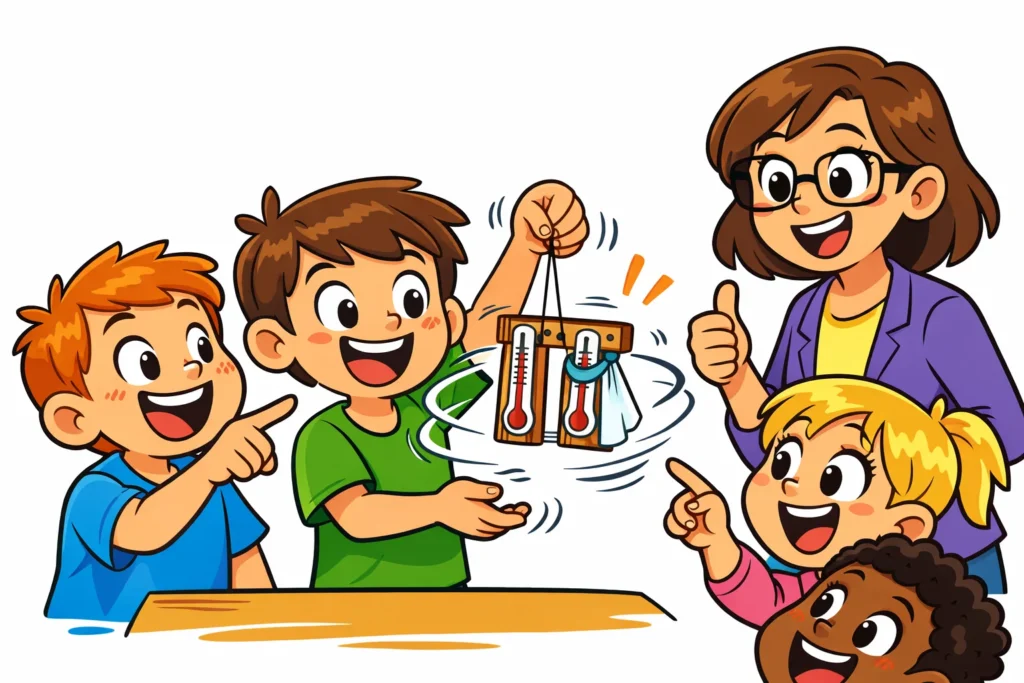
Humidity Experiment for Kids Using Psychrometer
Measuring the invisible world around us is one of the most exciting ways to spark a child's interest in STEM. While we can easily feel when the air is heavy and sticky on a summer day, teaching children how to quantify that sensation using a psychrometer turns a vague feeling into a concrete scientific observation. This experiment allows students...
11.02.2026
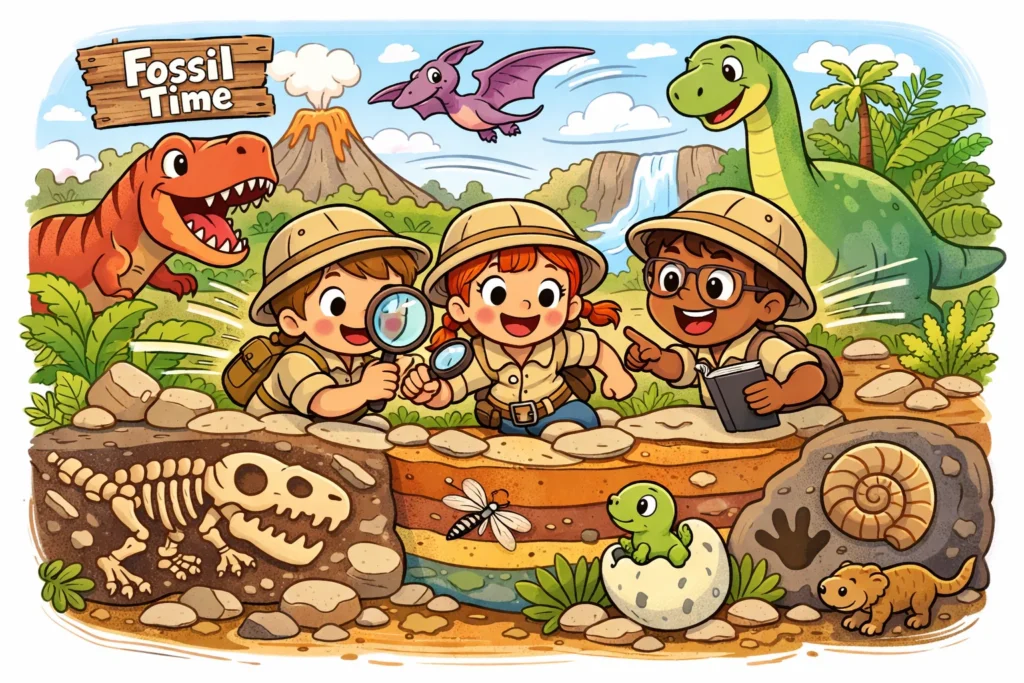
Fossil Formation Experiment for Kids: A Journey Through Prehistoric Time
Have you ever wondered how a massive dinosaur that roamed the Earth millions of years ago can still be studied by scientists today? The secret lies in the incredible, natural process of fossilization. For children, understanding how these ancient records emerge can feel like a magic trick performed by nature over vast stretches of time. By...
11.02.2026
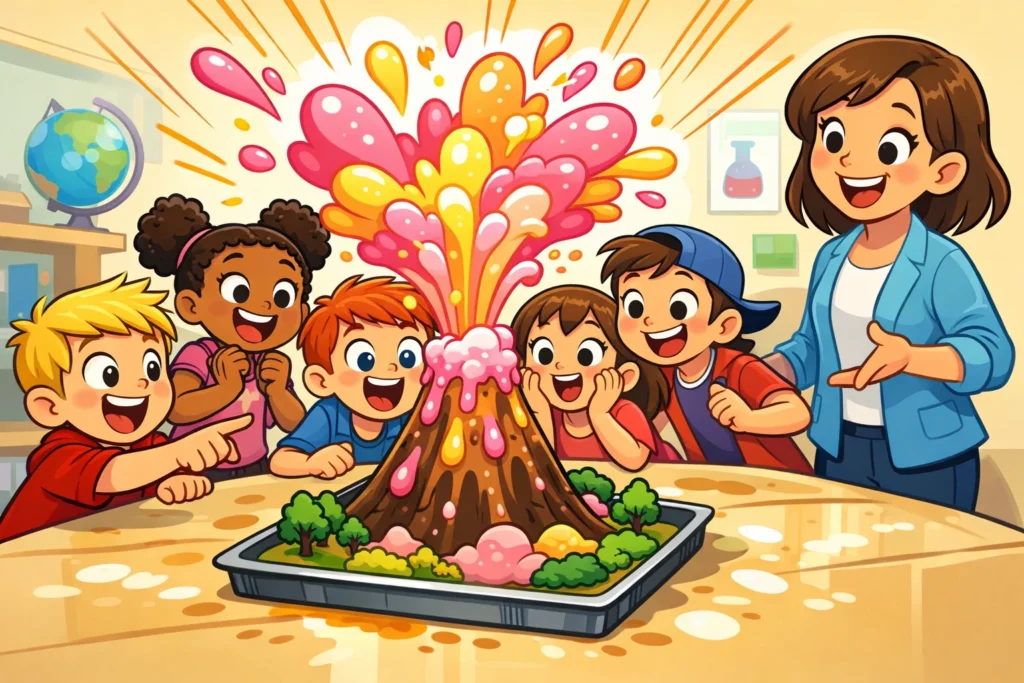
Volcano Model Experiment for Kids: Eruption Science Activity
Igniting a child's curiosity about the natural world often starts with a single, spectacular moment. The volcano science experiment is a classic for a reason: it combines the thrill of a "messy" activity with the profound wonder of geological forces. By creating a model volcano, children transition from passive observers to active scientists,...
11.02.2026
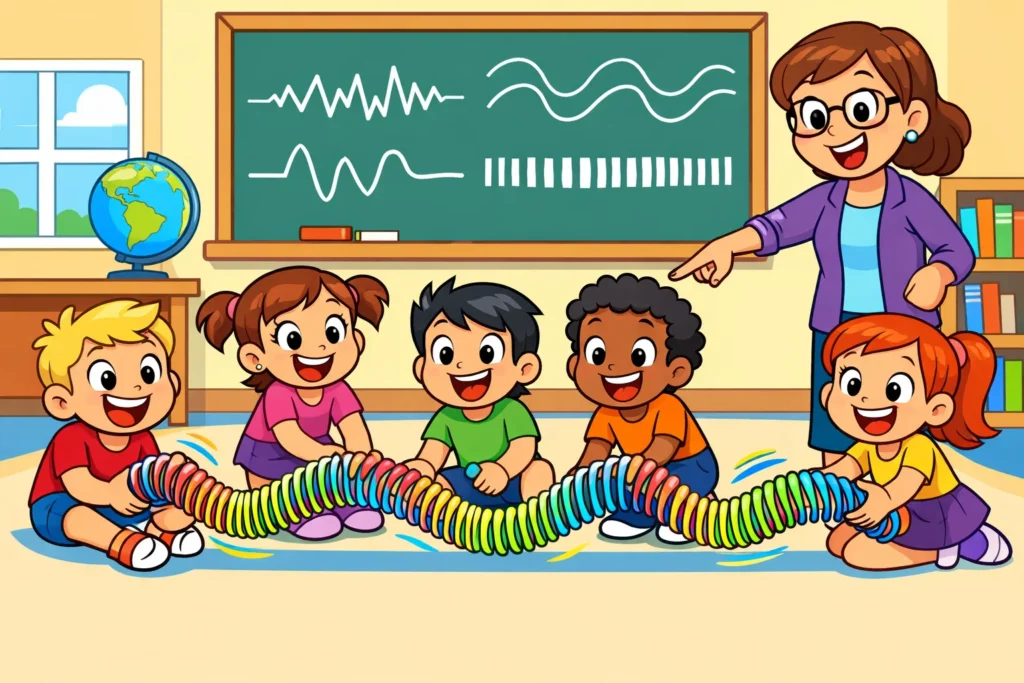
Earthquake Wave Experiment for Kids Using Slinky
If you’ve ever felt the ground tremble or heard about the massive power of an earthquake, you know how mysterious and intimidating the Earth can be. For children, understanding these invisible forces is much easier when they can see them in action. Using a slinky provides a handy model to bridge the gap between complex geology and hands-on fun,...
11.02.2026