Early Primary (5–7 Years)
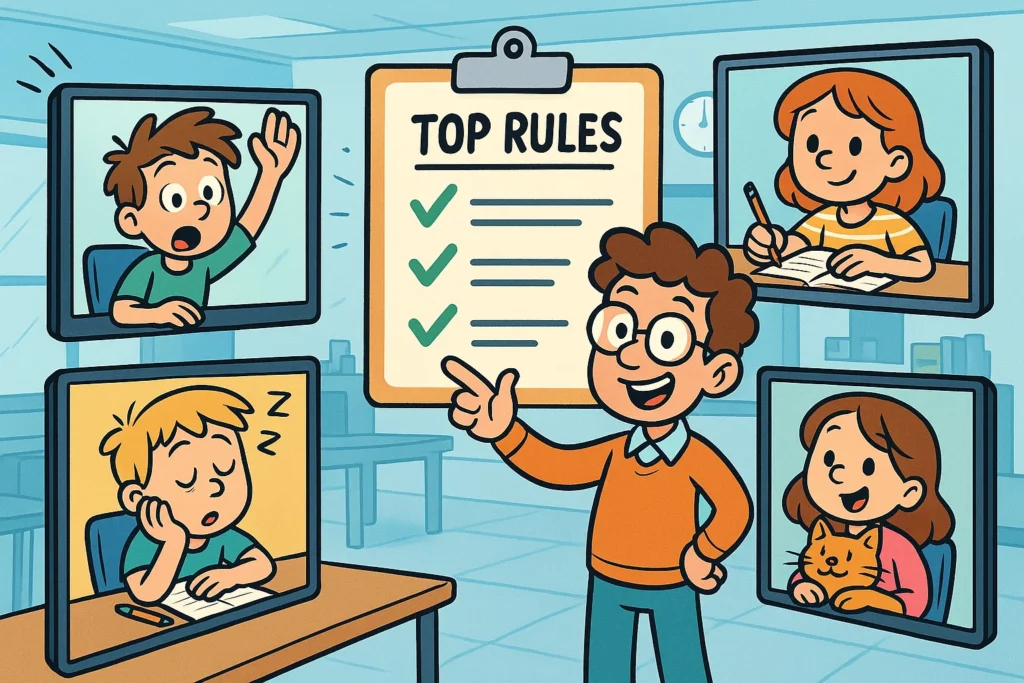
15 Top Rules for Online Classroom Behavior
Establishing a structured online learning environment requires clear guidelines that protect instructional time for both students and teachers. In a virtual classroom, the lack of physical boundaries can lead to distractions, technical disruptions, and lower engagement. Creating a clear set of virtual classroom rules helps online platforms become...
27.11.2025
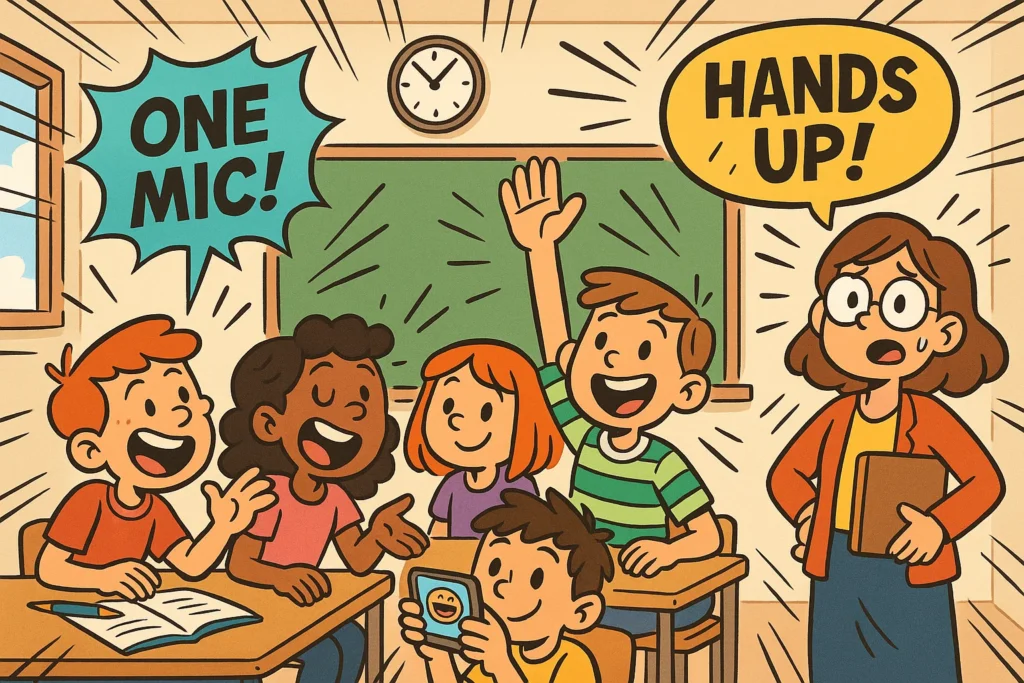
Top 10 Classroom Etiquette Rules for Students
Teachers, families, and school leaders often look for clear guidance on classroom etiquette that improves behavior, focus, respect, and learning. A well-managed classroom is not only about discipline; it is about creating an environment where every learner feels safe, heard, and ready to succeed. This guide explains ten practical classroom rules,...
27.11.2025
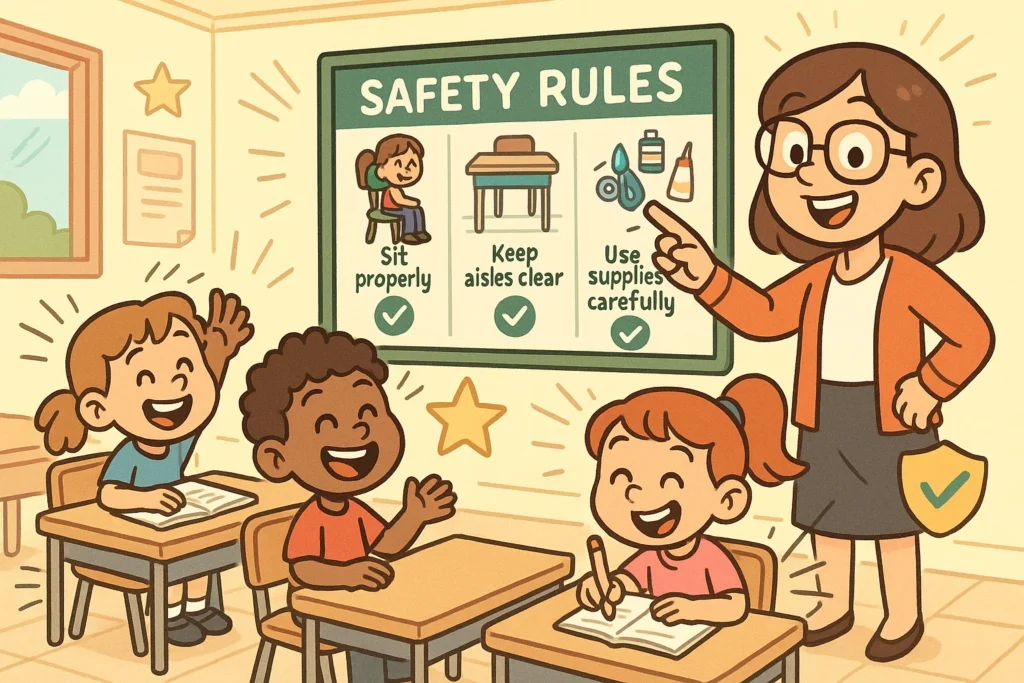
10 Safety Rules to Be Followed in School for a Secure Classroom
Creating a safe and supportive environment is the bedrock of effective education. When students feel physically and emotionally secure, they are more likely to thrive, focus on academic success, and fully participate in class discussions.
27.11.2025
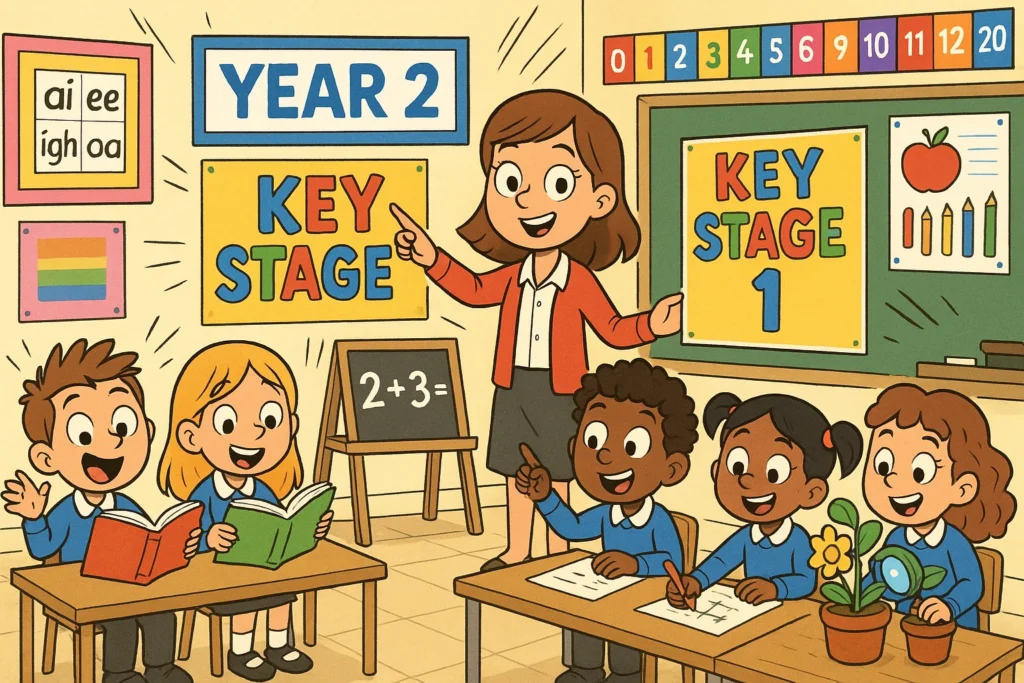
Year 2 National Curriculum UK: What to Expect in Year 2 Across Key Stage 1
Year 2 is a pivotal time in a child's primary school journey in England. At this stage, typically for children aged 6–7, pupils consolidate the foundational skills they built in Year 1 and prepare for the transition to Key Stage 2 (KS2).
27.11.2025
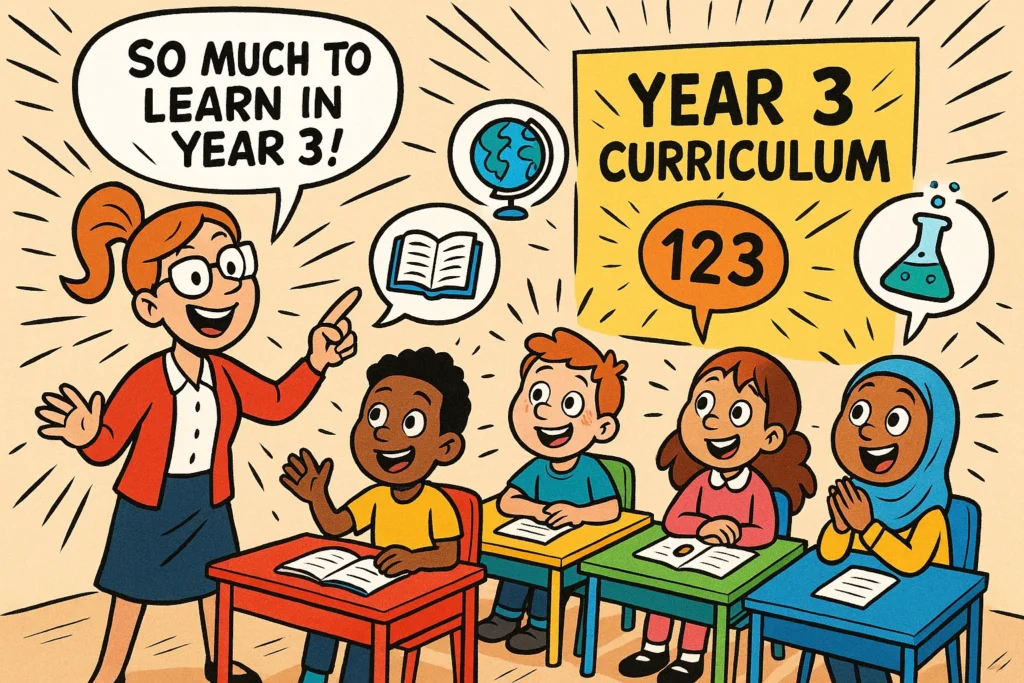
Year 3 Curriculum: What to Expect in Year 3 Across English, Stage 3 Programme and National Curriculum
The transition into Year 3 marks a significant milestone in your child's educational journey. Typically for pupils aged 7 to 8, this school year is not just about moving up a grade; it represents the crucial leap from Key Stage 1 (KS1) infant education into the Key Stage 2 (KS2) junior phase of primary school.
27.11.2025
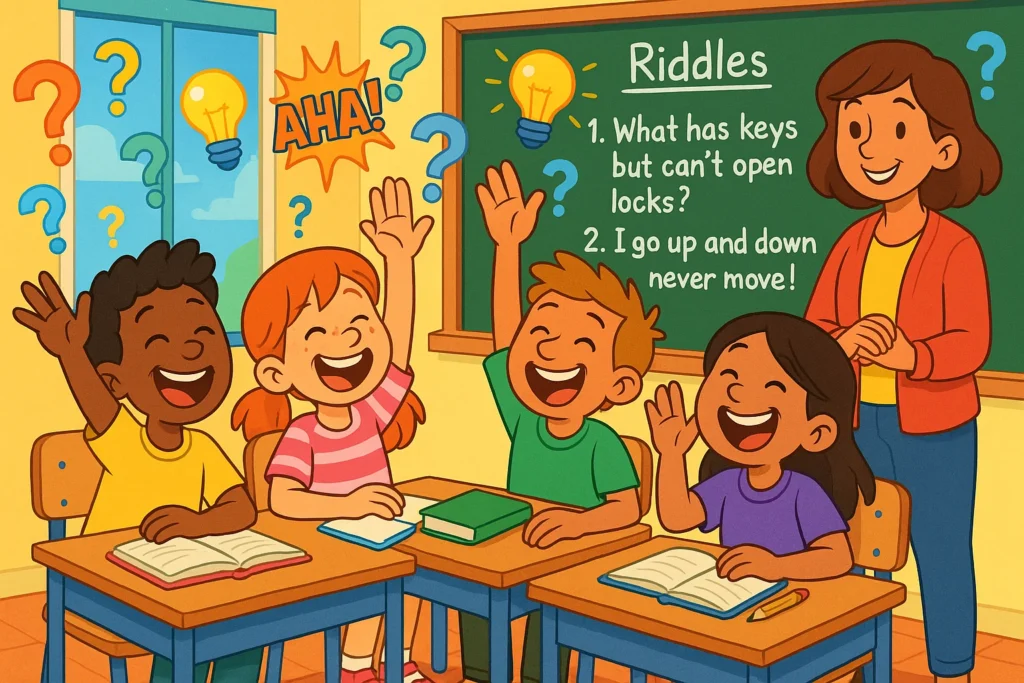
4 Steps to Create Riddles for Middle Schoolers and Kids
Riddles for kids are more than a fun pastime — they’re a simple yet powerful way to boost cognitive development. Solving riddles sparks curiosity, strengthens logic, and expands vocabulary, all while giving that rewarding “aha!” moment.
26.11.2025