Preteens (12–14 Years)
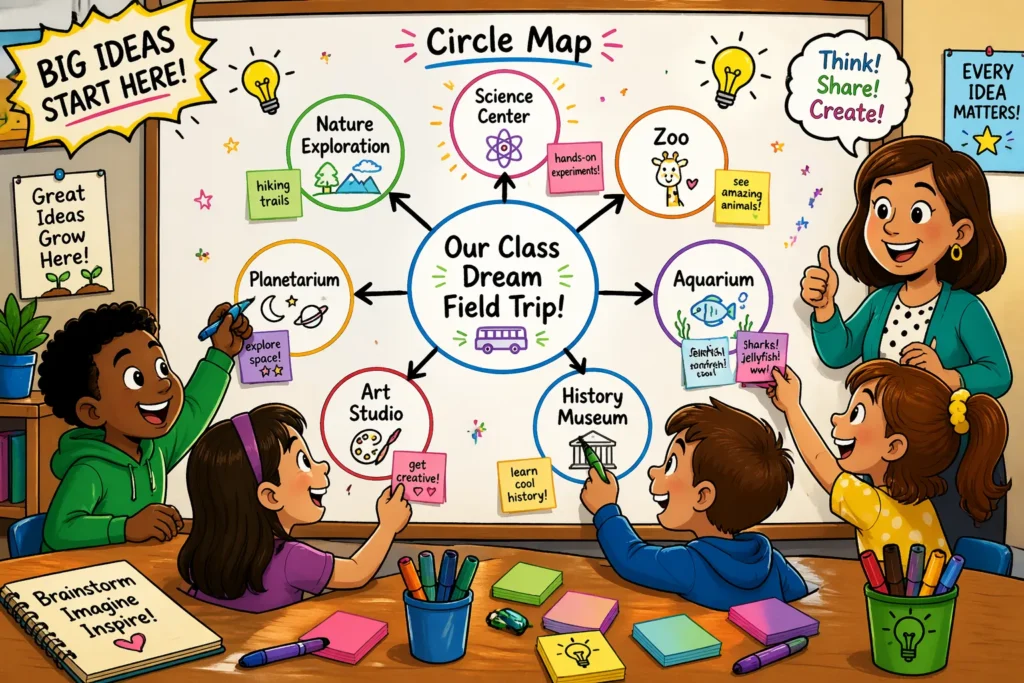
6 Graphic Organizer Types Every Teacher & Student Should Know
Graphic organizers are among the most versatile tools available to educators today. Whether you're helping students brainstorm ideas, compare two characters, or map out the steps of a science experiment, the right tool can turn confusion into clarity.
This guide covers 6 graphic organizer types every teacher should know, along with practical...
30.04.2026
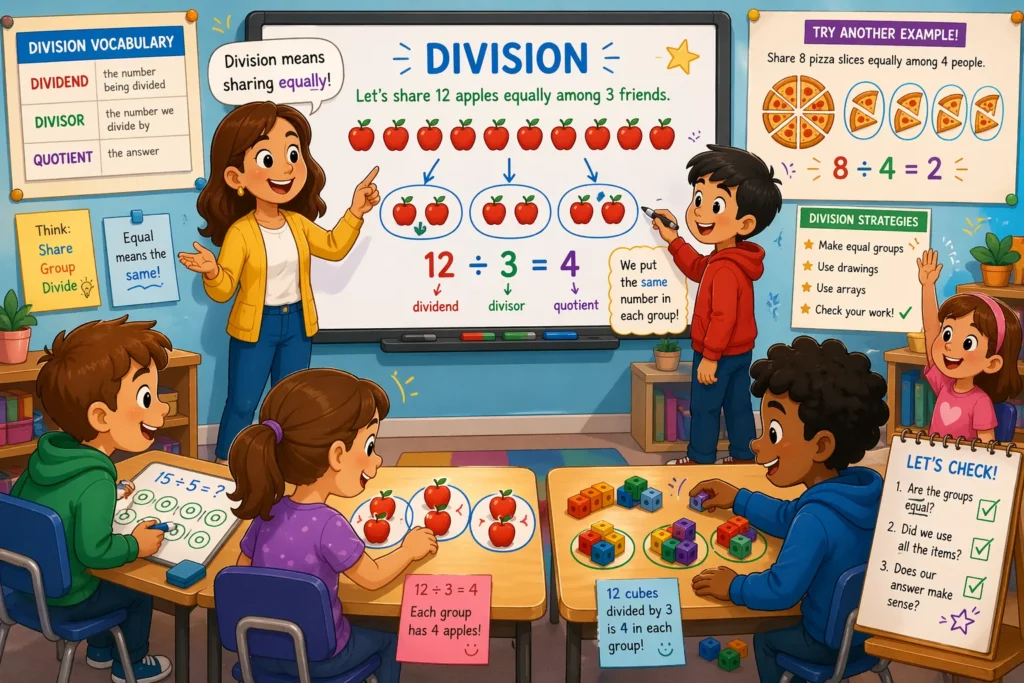
11 Steps to Teach Division to Kids: Strategies for Every Grade
Division is one of those math concepts that can feel like a big leap for young learners — but with the right approach, it doesn't have to be. Teaching division to kids works best when you start with what they already understand: sharing. This guide walks parents and teachers through easy steps, from simple equal groups to long division and...
30.04.2026
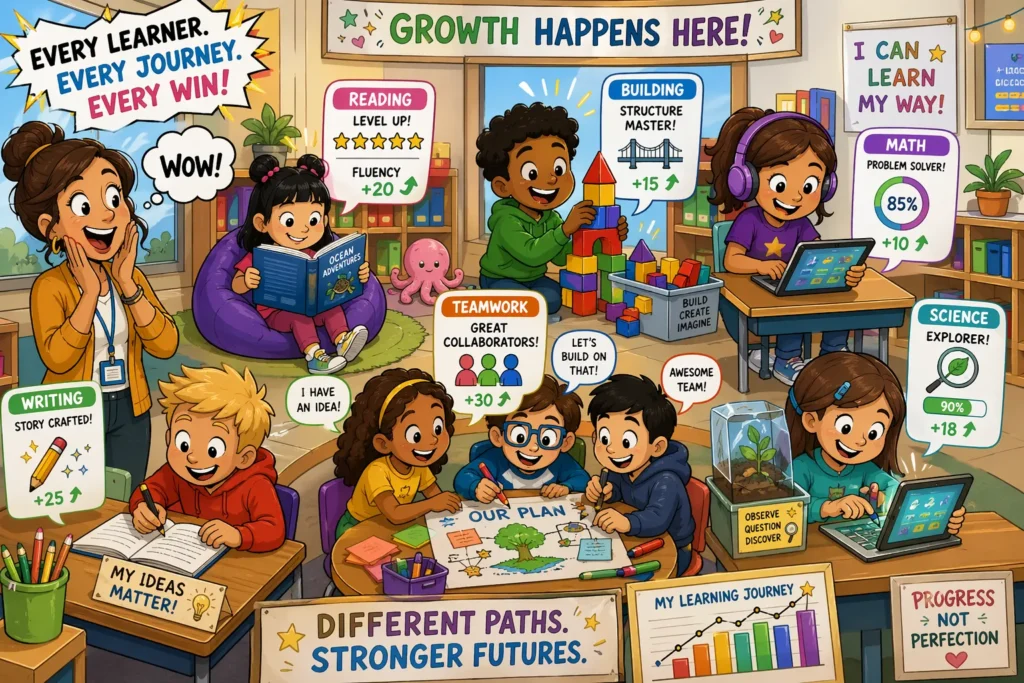
Competency-Based Education: Examples for Kids in School and Learning Programs
Children learn at different speeds — and a learning system that recognizes this can make a real difference. Competency-based education (CBE) is a structured approach to education where students move forward only after demonstrating mastery of specific skills and knowledge, rather than simply advancing with their age group.
This guide explains...
30.04.2026

English Prayer for Kids: Simple Short Prayers for Every Moment
Teaching children to pray is one of the most meaningful gifts a parent, caregiver, or educator can offer. An English prayer for kids is simply a short, age-appropriate conversation with God — spoken in clear, everyday language that children can understand, remember, and make their own.
This guide covers practical prayers organized by daily...
30.04.2026
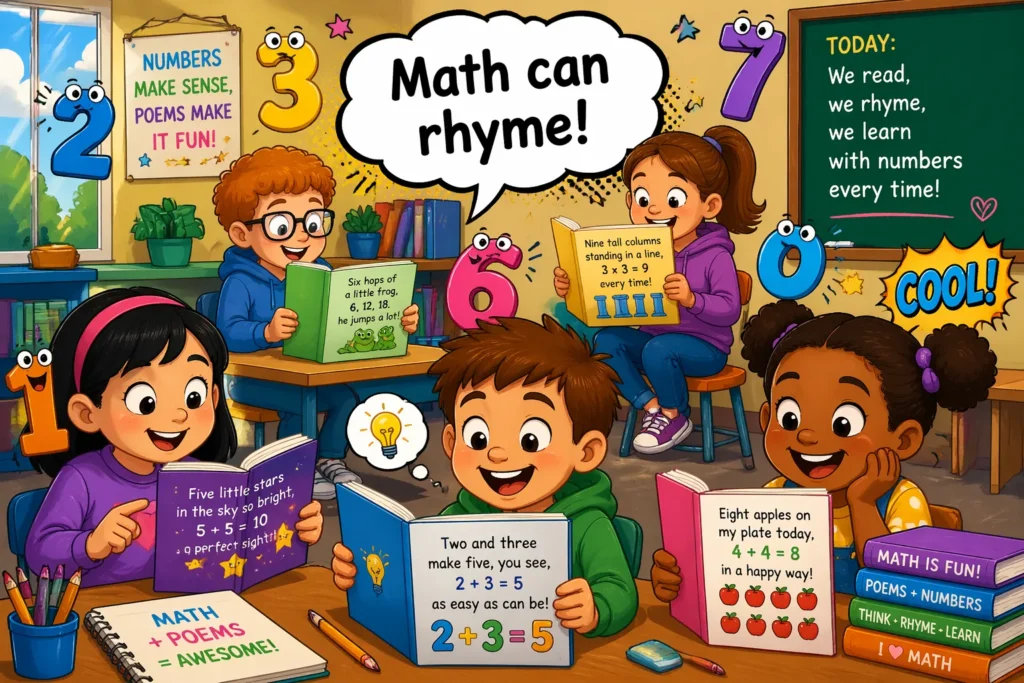
Short Math Poems Collection for Students Across Grade Levels
Math and poetry might seem like opposites — one built on logic, the other on language — but short math poems bring these two worlds together in surprisingly powerful ways. This collection gathers rhythm-based verses for young learners and abstract, concept-driven poems for older students, organized by grade level and theme to make discovery easy...
30.04.2026
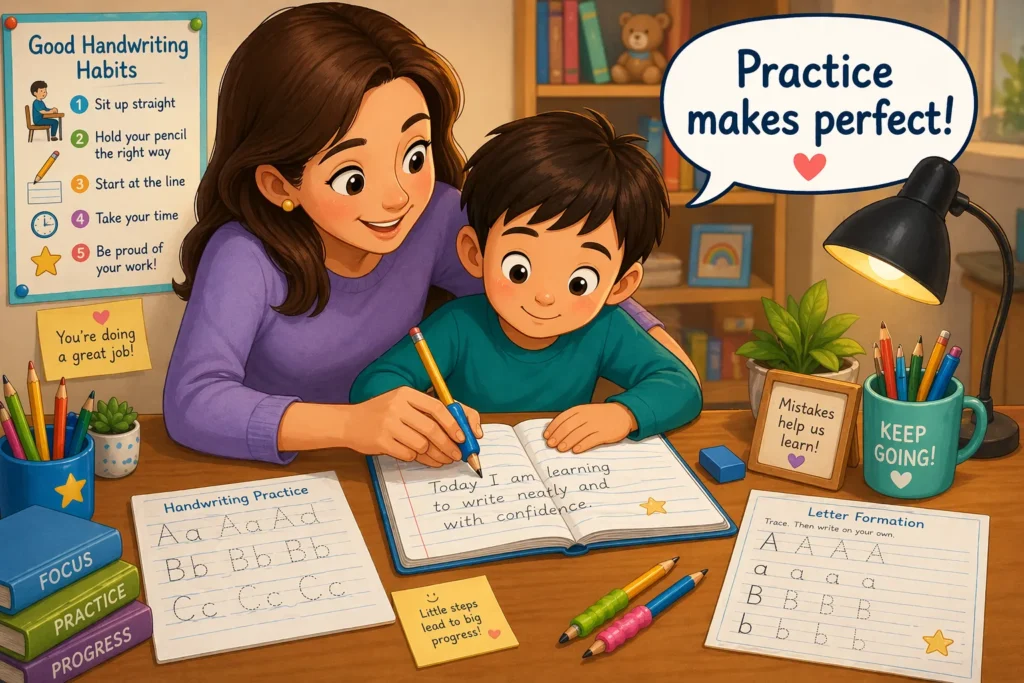
How to Improve Handwriting for Kids – Effective Strategies for Parents
This guide covers proven, practical methods to help children from early elementary to middle school develop legible, neat handwriting. Whether your child is struggling with messy handwriting or just needs a little extra support, you'll find strategies covering motor skills, posture, tools, motivation, and teacher collaboration — all grounded in...
30.04.2026