This or That for Kids: Fun Questions, Easy Game Ideas, and the Best Picks by Category

 Discover a Free Education Video App for Kids
Pastory uses AI to personalize educational video content based on your child’s interests and personality. Safe, engaging, and built for curious young minds. Sign up now to stay updated and enjoy early access with a free trial
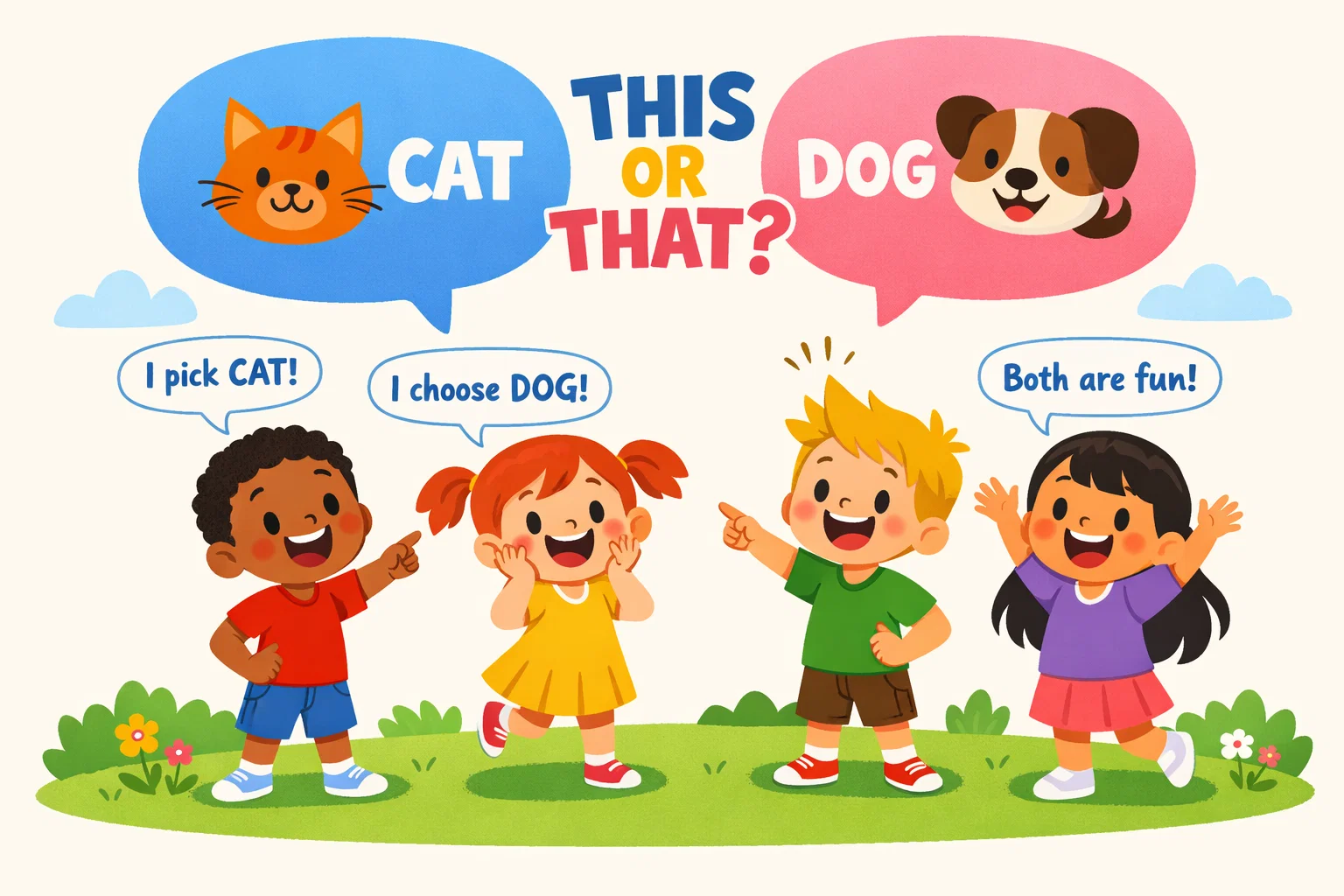
Finding the right conversation starter for children can sometimes feel like solving a puzzle. Whether you are a parent looking to liven up family dinner or a teacher seeking a quick classroom icebreaker, these simple choice questions are an easy solution. These activities require almost no prep and offer a fun way for children to express their preferences between two options.
This guide explores some of the best this-or-that questions for kids, ranging from silly and imaginative scenarios to more thought-provoking choices. You will discover how to use these engaging questions to spark creativity, support decision-making, and create moments of laughter. By the end, you will have a collection of more than 100 this-or-that and would-you-rather prompts that can help start conversations children actually enjoy.
What Is This or That for Kids?
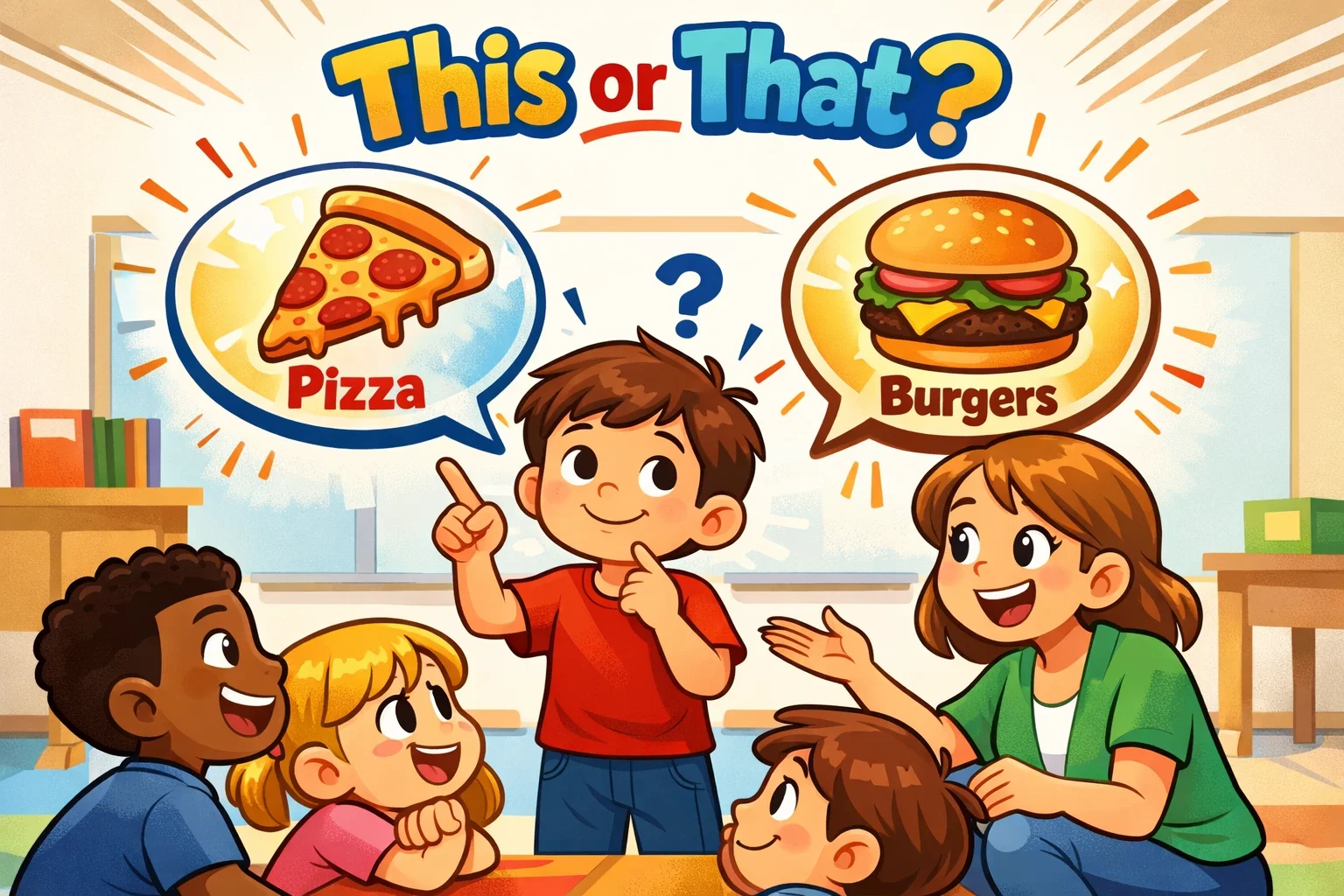
These prompts are part of a fast-paced verbal activity in which one person presents two options and the child chooses one. Unlike more complex games, this format works as a versatile icebreaker for family gatherings, road trips, sleepovers, or classroom warm-ups.
This format is closely related to Would You Rather because both are based on forced-choice scenarios. While Would You Rather often leans toward hypothetical or unusual choices, simple this-or-that rounds are usually quicker and more grounded in everyday preferences.
How This or That Questions Work
The format is intentionally simple, which helps keep children engaged. A player hears a question with two choices, such as “Apples or oranges?” or “Video games or board games?” The participant makes a quick choice and, if the setting allows, gives a short explanation of why.
The options should be clear, short, and appropriate for the child’s age and interests. Rapid-fire choices can help children practice decision-making without the stress of a “right or wrong” answer, while also fostering a sense of autonomy. This can build confidence by showing children that their opinions and preferences matter.
Difference Between This or That and Would You Rather
Although these two formats are often used interchangeably, they differ in tone and complexity. Simple preference questions are usually more direct and grounded in reality, focusing on everyday favorites like “Ice cream or cake?”
In contrast, would you rather questions are often more imaginative and scenario-based. For example, a Would You Rather prompt might ask whether a child would rather live under the sea or live on the moon for the rest of their life. This distinction makes basic choice games ideal for younger children with shorter attention spans, while hypothetical scenarios often work better for older kids who enjoy exploring funny or impossible situations.
Why Kids Love This Game
Children often enjoy this activity because it removes the pressure of open-ended questions like “How was your day?” Instead, it gives them a fun way to share their personality through low-stakes choices.
The fast tempo creates a sense of playtime even in structured environments like a classroom. Children also enjoy the laughter that comes from silly pairings, and they often feel valued when adults take a genuine interest in their tastes, such as a favorite ice cream flavor or video game. It transforms a standard chat into an interactive experience.
Best Ages for This or That for Kids
The format is highly adaptable across different developmental stages. For a preschool audience, the choices should be highly visual and concrete (e.g., “Red or Blue?”). As children move into elementary school, the prompts can involve more creativity, such as choosing between being a superhero or a wizard.
For tweens, the game can expand to include social preferences, technology, or more thought-provoking choices. Providing choices to children as young as three can support cognitive development and self-regulation skills. By offering autonomy, adults support a child’s growing sense of identity.
How to Play This or That With Kids
Engaging in these rounds requires no special equipment, making it a great game that can be played anywhere. Whether you have an hour or just five minutes, the game can easily be adapted to fit your schedule.
Basic Rules
To keep the game engaging and positive, follow these three simple rules:
- Present the options: The leader states the two choices clearly.
- Make a choice: The player must pick one – no “both” or “neither” allowed.
- Keep it kind: Ensure all choices are age-appropriate and maintain a friendly tone.
How Many Players Can Join
One of the biggest strengths of the activity is how easily it scales. It works perfectly for a 1-on-1 conversation between a parent and child, but it can also be adapted for a whole class. In larger groups, you can have children move to different sides of the room based on their choice, turning a verbal game into a physical ice-breaking activity. This movement can also help active learners stay focused and energized.
How Long Each Round Should Last
For a quick burst of energy, rounds should move quickly. Aim for 5–10 seconds per choice to keep the momentum high. If you are using the game for meaningful conversations, you can extend the time to 30 seconds to allow the child to explain their reasoning, which often leads to surprising insights into their world. These longer pauses can also create space for deeper conversation and connection.
How to Make the Game More Fun
You can make the game more engaging by adding interactive elements:
- Voting: Use hand signals or colored cards for group responses.
- Physical Movement: Designate the left side of the room for Option A and the right for Option B.
- The Timer: Use a stopwatch to see how many questions a child can answer in 60 seconds.
- Printable Sheets: Create a printable checklist for kids to fill out and compare with friends.
- Double down: Allow a player to “double down” on a choice they love and explain why it is their absolute favorite.
How to Keep Questions Kid-Friendly
Safety and positivity are paramount when crafting questions for kids. Always avoid topics that are scary, embarrassing, or divisive. Focus on lighthearted themes like food questions, holiday questions, or superhero powers. By keeping the content safe, you ensure the activity remains a great icebreaker rather than a source of stress. Emotional safety is key to fostering open conversation.
Best This or That Questions for Kids
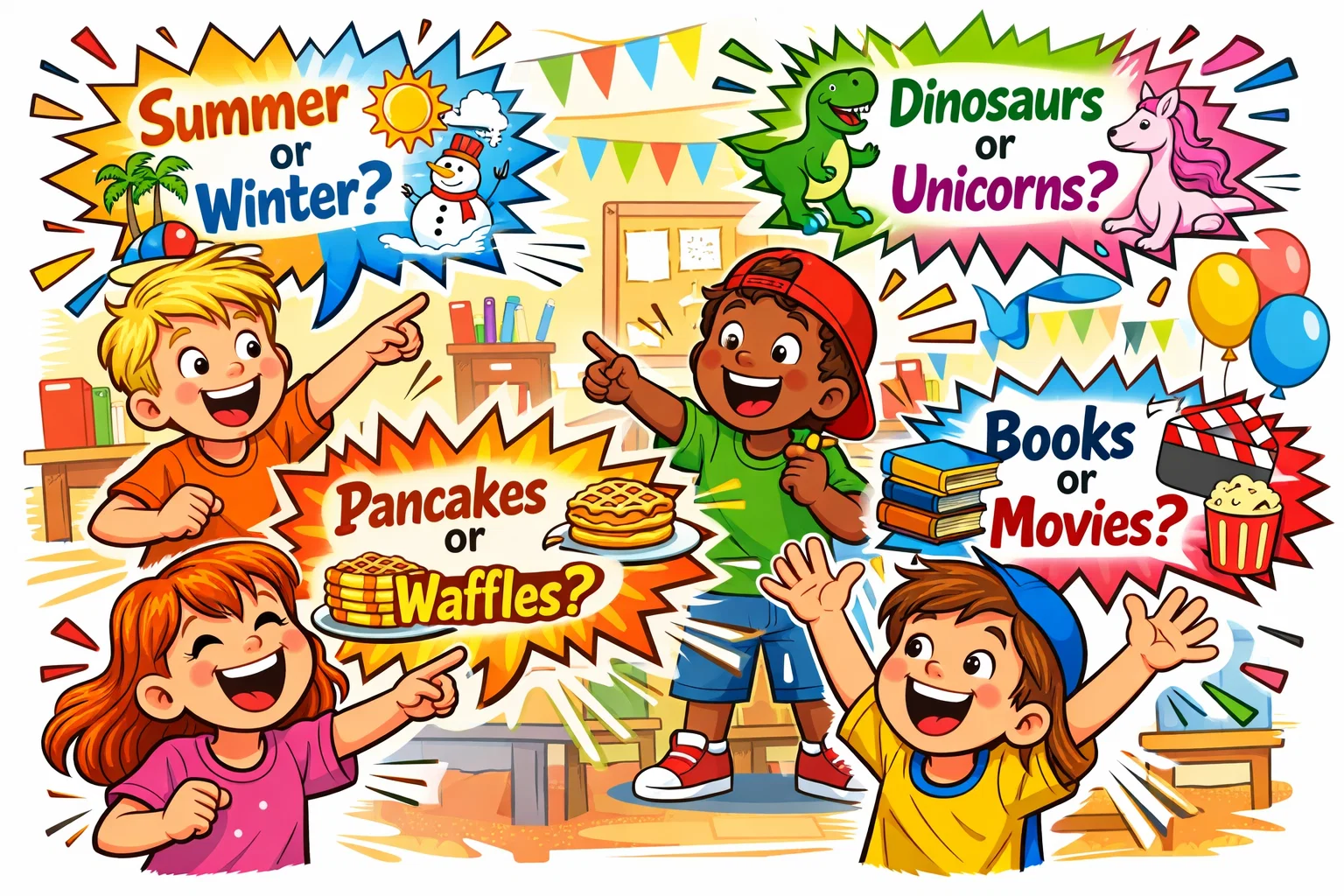
This section provides a list of engaging questions to help you get started right away. These questions are family-friendly and flexible enough for many different situations.
Easy This or That Questions for Kids
These simple pairs are perfect for younger children or as a quick warm-up.
| Option A | Option B | Category |
| Cats | Dogs | Animals |
| Summer | Winter | Seasons |
| Pancakes | Waffles | Breakfast |
| Apples | Bananas | Fruit |
| Pool | Beach | Travel |
Funny This or That Questions for Kids
Laughter is one of the best ways to bond with a child. These silly options are guaranteed to cause a giggle.
- Silly hats or funny shoes?
- Sneeze confetti or hiccup bubbles?
- Be as tall as a giant or as small as an ant?
- Have a pet dinosaur or a pet dragon?
- Wear pajamas to school or a superhero cape to bed?
- Have a nose that honks like a horn or ears that flap like wings?
Good This or That Questions for Kids
These universal favorites work well for any family game night or school setting.
- Video games or board games?
- LEGO bricks or Play-Doh?
- Drawing or coloring?
- Singing or Dancing?
- Parks or museums?
- Movies at home or movies in the theater?
Thought-Provoking This or That Questions for Kids
Use these to spark deeper meaningful conversations and explore a child’s imaginative side.
- Be able to change the color of the sky or the color of your hair?
- Fly like a bird or swim like a fish?
- Become invisible or be able to fly?
- Travel to the past or travel to the future?
- Craft something new or fix something broken?
- Speak every language in the world or talk to animals?
Hard This or That Questions for Kids
For older children, these unusual choices require a bit more thought.
- No more video games or no more sweets?
- Always have to walk backward or always have to talk in rhyme?
- Playing music really loudly or living in total silence?
- Be the fastest person in the world or the smartest person in the world?
- Only eat your favorite ice cream flavor forever or only eat your favorite kind of pizza forever?
- Never use a computer again or never watch a movie again?
This or That Questions by Topic
Organizing the game by topic helps maintain interest and allows you to tailor the experience to a child’s specific interests.
Food This or That Questions for Kids
Food questions are usually a hit because most children have strong opinions about what they like to eat.
- Pizza or Hamburgers?
- Chocolate or Vanilla?
- Broccoli or Carrots?
- Juice or Milk?
- Cookies or Brownies?
- Tacos or Nachos?
- Grapes or Strawberries?
Animal This or That Questions for Kids
Children often feel a deep connection to animals, making these great icebreakers.
- Lions or Tigers?
- Sharks or Dolphins?
- Hamsters or Bunnies?
- Owls or Eagles?
- Monkeys or Elephants?
- Penguins or polar bears?
- Giraffe or Zebra?
School This or That Questions for Kids
Use these in the classroom to build community among students.
- Art class or Music class?
- Math or Reading?
- Recess or Lunchtime?
- Group projects or working alone?
- Field trips or school parties?
- New pencils or a new backpack?
- Library time or Computer lab?
Sports and Outdoor This or That Questions for Kids
These choices focus on physical activity and outdoor fun.
- Soccer or Basketball?
- Riding a bike or a scooter?
- Snowball fight or Water balloon fight?
- Hiking in the woods or Camping in the backyard?
- Running fast or Jumping high?
- Skateboarding or Rollerblading?
- Treehouse or Fort?
Books, Movies, and Screen Time This or That Questions for Kids
Children often have strong preferences about how they enjoy stories and entertainment.
- Books or Movies?
- Cartoons or live-action shows?
- Roblox or Minecraft?
- Watching TV or Playing on a tablet?
- Action movies or Comedy movies?
- Superheroes or Wizards?
- Audiobooks or Physical books?
Imagination This or That Questions for Kids
Encourage creativity by exploring fantasy worlds and magical scenarios.
- Magic wand or Invisibility cloak?
- Space alien or Deep-sea creature?
- Talking to animals or controlling the weather?
- Live in a treehouse or in a castle?
- Being a pirate or a ninja?
- Discover a new planet or find buried treasure?
- Having a robot butler or a flying carpet?
This or That Questions by Age
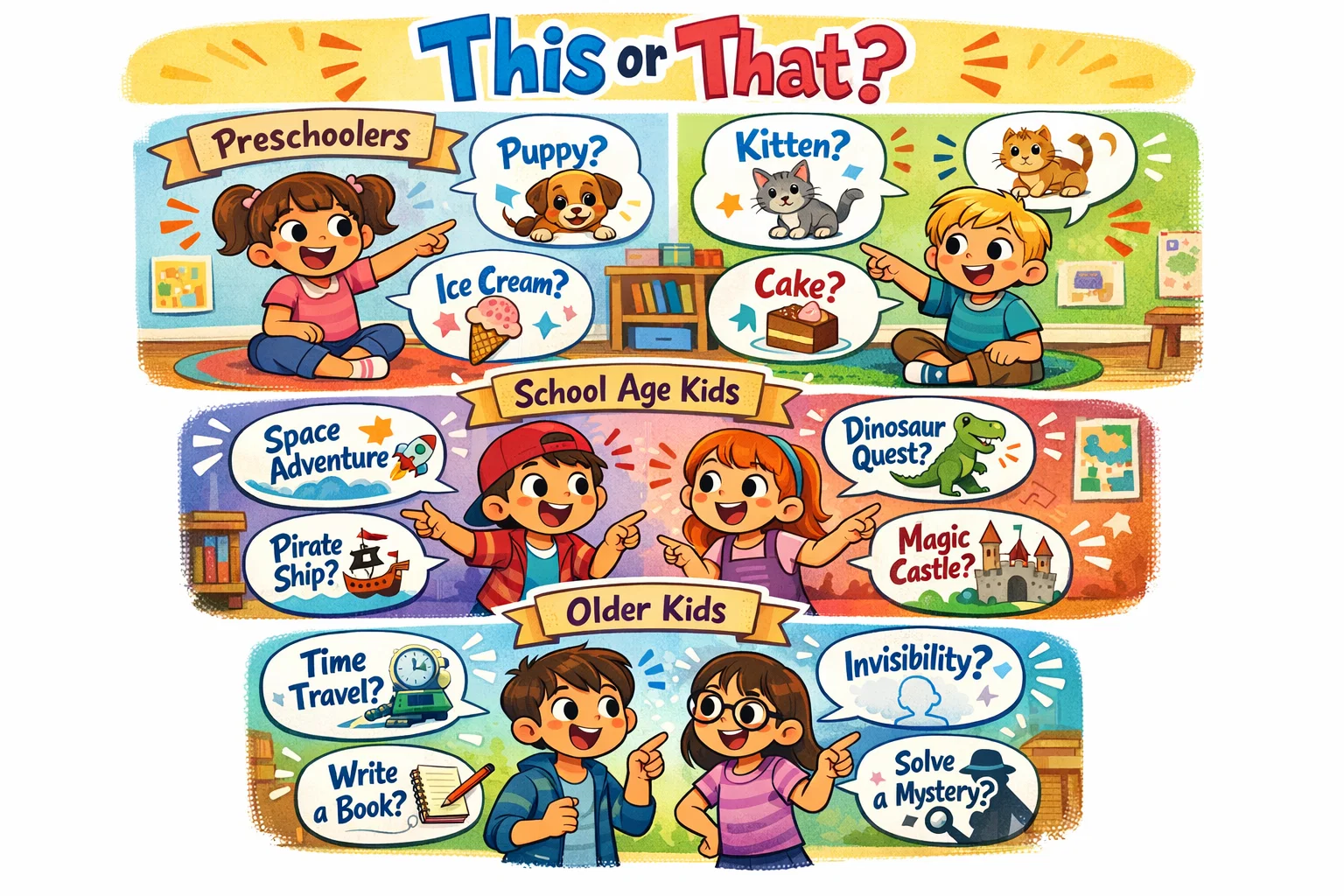
Tailoring the complexity of the questions ensures that the game remains age-appropriate and fun.
This or That for Preschoolers
Keep these questions very simple and focus on concrete things children can see, touch, or easily imagine.
- Blue or Red?
- Big or Small?
- Sun or Moon?
- Teddy bear or Doll?
- Milk or Water?
- Swing or Slide?
- Ball or Blocks?
This or That for Kindergarten and Early Elementary
At this age, children can handle slightly more variety involving their daily routines and hobbies.
- Playground or Gym?
- Crayons or Markers?
- Birthday party or Halloween?
- Rain or Snow?
- Sandcastle or Snowman?
- Zoo or Aquarium?
- Lunchbox or School tray?
This or That for Big Kids
Older elementary-age children often enjoy questions that involve imaginative scenarios and social choices.
- Being the leader or being the helper?
- Summer camp or Family vacation?
- Reading a long book or watching a short movie?
- Building a fort or baking a cake?
- Surprise party or a planned party?
- Theme park or Water park?
- Arcade or Bowling alley?
This or That for Tweens
Tweens (ages 9–12) appreciate questions that touch on their developing identity and interests.
- Headphones or Speakers?
- Texting or Video calling?
- Brand new clothes or a cool new gadget?
- Middle school or high school?
- Staying up late or Waking up early?
- Being famous or being a genius?
- City life or Country life?
This or That for Home, Classroom, Parties, Road Trips
The versatility of this question game means it can be adapted to almost any setting.
This or That for Family Dinner
Using these prompts at the dinner table is a fun way to shift attention away from screens. It encourages meaningful conversations and helps parents learn more about their child’s day-to-day preferences in a low-pressure environment. It creates a ritual of connection where every family member has a voice.
This or That for Classroom Warm-Ups
Teachers can use these engaging questions as a transition tool. For example, “If you prefer math, stand by the door; if you prefer art, stand by the window.” This helps students settle in while practicing their decision-making skills. It also allows the teacher to gauge the energy of the room.
This or That for Birthday Parties
Transform the questions into a group game. Have children vote on the “most popular” choice, or give out small stickers to those whose preference matches the birthday child’s choice. It’s an easy, low-cost way to keep a group of kids entertained without complex rules or expensive equipment.
This or That for Road Trips
Because it requires no printed materials or physical pieces, this is an easy travel game to use on the go. It helps pass the time and keeps the laughter going during long stretches on the highway. Parents can focus on driving while still engaging with their children in the backseat.
This or That for Sleepovers and Playdates
When kids are getting to know each other, these choices act as a bridge. It’s a great icebreaker that helps children find common ground, such as a shared love for a specific video game or ice cream flavor. It breaks the ice and reduces social awkwardness quickly.
Seasonal This or That Questions for Kids
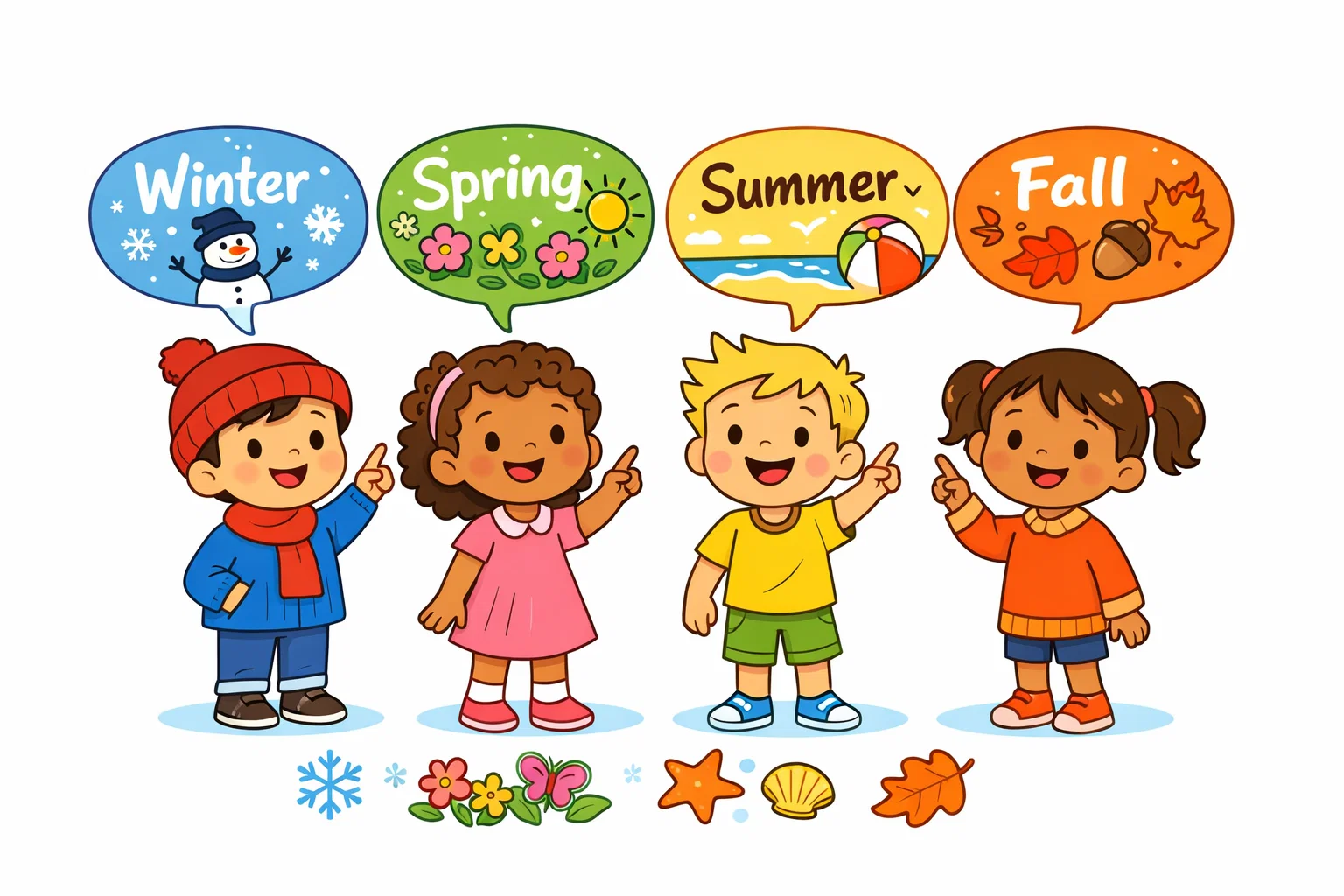
Keep the game fresh by incorporating holiday questions and seasonal themes throughout the year.
Christmas Questions
- Opening presents on Christmas Eve or Christmas morning?
- Candy canes or Gingerbread cookies?
- Real tree or Fake tree?
- Hot cocoa or Eggnog?
- Decorating the tree or Hanging stockings?
- Santa’s sleigh or Flying reindeer?
Easter Questions
- Chocolate bunnies or Jelly beans?
- Finding eggs or Decorating eggs?
- Bunnies or Chicks?
- Spring flowers or Rain showers?
- Hard-boiled eggs or plastic eggs?
Valentine’s Day Questions
- Pink or Red?
- Heart-shaped cookies or a box of chocolates?
- Writing cards or Receiving cards?
- Cupcakes or Brownies?
- Red roses or Colorful tulips?
Winter Questions
- Making a snowman or making a snow angel?
- Ice skating or Sledding?
- Heavy coat or Fuzzy blanket?
- Mittens or Gloves?
- Staying inside by the fire or playing out in the cold?
Summer Questions
- Beach or Pool?
- Popsicles or Ice cream?
- Camping in a tent or staying at a hotel?
- Flip-flops or going barefoot?
- Bike ride or Water park?
- Fireworks or Stargazing?
How to Write Great This or That Questions for Kids
Creating your own prompts is a great way to personalize the game. Here are a few ways to make sure your questions work well.
Use Clear and Familiar Choices
Ensure the child understands both options. Avoid using complex vocabulary or concepts too abstract for their age group. If they don’t know what an “opera” is, asking them to choose between that and pop music won’t work. Stick to their world of experience.
Keep Both Options Balanced
A good this-or-that question works best when the choice feels genuinely balanced. If one option is “Eating a bowl of candy” and the other is “Doing chores,” the selection is too easy. Try to make both options equally appealing or equally silly. That balance is what makes the game fun.
Match Questions to Age Group
As noted earlier, a preschooler needs different prompts than a tween. Adjust your complexity to keep the child engaged and prevent them from feeling bored or overwhelmed. Vocabulary should grow alongside the child’s development.
Mix Real-Life and Imaginative Choices
Variety is key. Alternate between everyday items (like food questions) and imaginative scenarios (like being a superhero). This keeps the brain active and the laughter flowing. This helps keep the game from becoming repetitive or predictable.
Add Follow-Up Prompts
To turn a simple choice into a meaningful conversation, ask “Why?” or “What made you pick that?” This encourages children to elaborate and practice their verbal communication skills. It shows that you value the reasoning behind their choice.
Printable and Card-Based Ideas
While you can play verbally, a physical set of printable cards can make the game feel more organized and engaging.
How to Turn Questions Into Cards
Write one question per index card. Use different colored markers for different categories – for example, green for animals, red for silly questions, and blue for school. This allows kids to “pick a category” before they answer, giving them more control over the game.
How to Organize Questions by Category
Using a small box with tabs can help you keep your questions for kids organized. This is especially helpful for teachers who might want to grab the “Math” or “Recess” category specifically for a classroom activity. Organization ensures you always have the right prompt ready.
How to Use Cards in Small Groups
Pass the cards around a circle. Each child draws a card, reads it aloud, and the rest of the group votes on their preference. This promotes listening skills and group cohesion. It also helps children see that others might have different, equally valid opinions.
How to Make a Printable Set More Engaging
Add checkboxes or “voting circles” to your printable sheets. You can also include a space for “Favorite Answer of the Day,” allowing the child to reflect on the most engaging questions they encountered. Visual appeal makes the physical cards more exciting to use.
Tips for Making This or That More Engaging
To keep the energy high and children engaged, consider these simple gameplay tips.
- Let kids explain their choice: The “why” is often funnier than the “what,” and it opens the door to storytelling.
- Change Pace With Speed Rounds: Do 10 questions in 30 seconds to create high energy. This is perfect for shaking off boredom.
- Use theme rounds: Focus on one topic, like “the Minecraft round” or “the superhero round.” This allows children to explore a specific interest in more depth.
- Invite kids to make questions: Asking children to create their own prompts can help them feel involved and spark creativity. It turns them from players into creators.
- End with favorite questions: Revisit the harder this-or-that questions at the end to see whether anyone changed their mind. It shows how opinions can evolve.
By incorporating these fun Would You Rather and This or That prompts into your daily routine, you are doing more than just playing a game. You are building a bridge to meaningful conversations, fostering creativity, and ensuring every child feels heard and valued. Whether it’s choosing between an ice cream flavor or deciding if they’d rather fly like a bird, the goal remains the same: laughter, connection, and a whole lot of joy. This simple format helps children practice making choices, expressing their preferences, and connecting with the adults and peers in their lives. By exploring these questions together, you can help support emotional intelligence and social confidence over time.
FAQ
What Are This or That Questions for Kids?
They are simple, forced-choice questions where a child picks between two options. They serve as excellent conversation starters and icebreakers because they are easy to understand and quick to answer.
How Do You Play This or That With Kids?
One person asks a question with two options, and the child chooses one. You can follow up with “why” to encourage more talking and build meaningful conversations.
What Age Is Best for It?
The format works for ages 3 and up. For younger children, keep the choices simple and concrete; for older kids, use more thought-provoking or silly scenarios to keep them interested.
What Is the Difference Between This or That and Would You Rather?
Basic preference questions are usually shorter and based on real-life favorites, while Would You Rather often involves more imaginative or unusual hypothetical choices.
How Many This or That Questions Do You Need?
For a quick warm-up, 10–15 is enough. For a party or a long road trip, having a longer list of this-or-that or would-you-rather prompts can help keep the fun going.
How Do You Make The Questions More Fun?
Use a timer, add physical movement by having kids stand on different sides of the room, or create a printable scorecard to track the group’s favorites.
Can These Questions Help Kids Start Conversations?
Absolutely. It removes the social anxiety often associated with open-ended talking by providing a structured, fun way to share opinions and discover common interests.
Where Can You Use It?
Everywhere! It is a great icebreaker for the classroom, family gatherings, road trips, birthday parties, or even while waiting at a restaurant.

Take a short quiz to find out what your everyday choices say about your parenting style
When your child is curious about something new, what’s your instinct?
Take a short quiz to find out what your everyday choices say about your parenting style
“Can I download this app?” What happens next?
Take a short quiz to find out what your everyday choices say about your parenting style
When it comes to rules at home, which sounds most like you?
Take a short quiz to find out what your everyday choices say about your parenting style
If you could give your child one life skill today, what would you pick?
Take a short quiz to find out what your everyday choices say about your parenting style
Your child gets to choose what to watch. What would your ideal setup look like?
Take a short quiz to find out what your everyday choices say about your parenting style
Pick your parenting superpower ✨