How to Parent a Strong-Willed Child: Signs, Strategies, and Support

 Discover a Free Education Video App for Kids
Pastory uses AI to personalize educational video content based on your child’s interests and personality. Safe, engaging, and built for curious young minds. Sign up now to stay updated and enjoy early access with a free trial
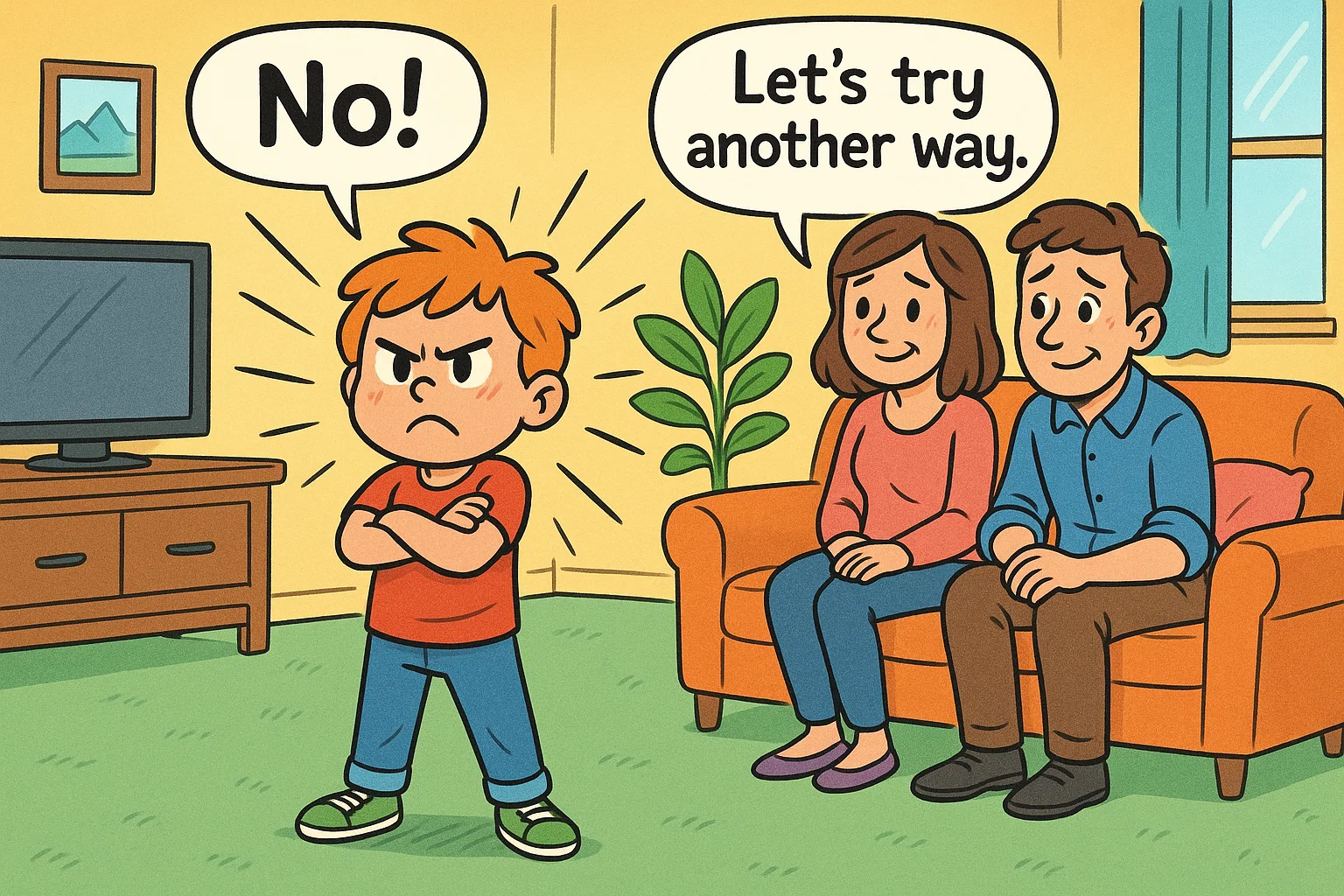
Learning how to parent a strong-willed child takes patience, consistency, and a shift in perspective. These children push back, hold firm opinions, and resist direction — not out of defiance, but because of a powerful drive for independence. That same determination, when guided well, becomes one of their greatest strengths.
This guide covers how to recognize strong-willed behavior, why common discipline methods often backfire, and which strategies build real cooperation and trust. You’ll also find guidance on when to seek professional support and how to protect your own well-being along the way.
Key Takeaways
- Strong-willed children are driven by a deep need for autonomy, not deliberate defiance.
- Early signs appear in toddlers and show up consistently at home and in school settings.
- Effective parenting strategies include setting clear boundaries, offering choices, and using empathy.
- Traditional discipline methods often backfire by triggering power struggles and eroding trust.
- Strong-willed children tend to develop leadership, resilience, and confidence over the long term.
Signs of a Strong-Willed Child
Every child is unique! Recognizing the traits of a strong-willed kid is the first step toward understanding and effectively parenting them. These children stand out not just for their challenging behaviors, but for their unique, often admirable, qualities. They’re often seen as challenging because they resist external control, but their internal drive and strong opinions are what set them apart.
Early Signs in Toddlers
For younger children, the signs of a strong-willed child often manifest as an early insistence on autonomy. They might seem oppositional, trying to dress themselves before they’re able, having epic meltdowns when they can’t get their way, and saying “me do it!” constantly. You may notice them:
- Resisting directions: When you ask them to put away their toys, they might say “no” or simply ignore you. This isn’t necessarily a sign of a defiant kid but rather a push for control over their own actions.
- Strong reactions: They have big feelings and aren’t afraid to show them. When something doesn’t go their way, a tantrum can be an intense, full-body event. They may be easily overwhelmed by changes in routine or sensory input.
- Insistence on autonomy: They want to make their own choices, from what they wear to what they eat, and will fight you on it if they feel their choice is being taken away. This can feel like a constant battle, but it’s a vital part of their development.
Daily Patterns at Home
The struggles a parent of a strong-willed child faces often become daily routines. The following scenarios may feel all too familiar:
- Bedtime battles: A strong-willed child might resist going to bed because they don’t want their day to end or they feel a loss of control. It’s not about being tired; it’s about making their own decisions.
- Homework refusal: Getting them to sit down and do their work can be a constant power struggle. They may talk back or argue, not because they’re being malicious, but because they don’t see the immediate value in following a rule they didn’t create.
- Arguing over chores: They often question the “why” behind every request. If they don’t agree with the reason, they won’t comply, making it a hard time getting them to cooperate.
Behavior in School Settings
At school, strong-willed children may be seen as both leaders and disruptors. They might:
- Challenge teachers: They often question rules or express strong opinions about classroom activities. This can be seen as insubordination, but it often stems from a desire for fairness and logic.
- Show leadership: Because they have a clear sense of what they want, they can be highly effective leaders on the playground or in group projects. Other kids often look to them for directions.
- Struggle with rules: When they feel a rule is arbitrary or unfair, they might refuse to follow it, which can cause conflict. They may be inflexible when it comes to others’ opinions if they don’t see the logic behind them.
Benefits of Parenting a Strong-Willed Child

While the challenges can be daunting, a strong-willed kid possesses incredible potential. These very traits that can exasperate parents are the building blocks of future success.
Leadership and Independence
Their determination and persistence are not just for winning arguments; they are what prepare them for a life of leadership and independence. A child who is strong-willed will likely:
- Be self-sufficient: They thrive on autonomy and will learn to make decisions and solve problems on their own. They don’t need constant guidance, which is a valuable trait as they grow.
- Be a leader: Their confidence and clear sense of self mean they are often natural leaders. They aren’t swayed by peer pressure and will stand up for what they believe is right.
Creativity and Problem-Solving
A strong-willed child is often an out-of-the-box thinker. Because they question rules, they are more likely to find new and innovative solutions to problems. Their resistance to traditional methods can foster a unique sense of creativity.
Advocacy and Confidence
When a child is strong-willed, they are learning to advocate for themselves. This is an essential life skill. They develop the confidence to speak their mind, stand up to bullies, and fight for what they believe in.
Challenges Parents Face with Strong-Willed Children
It’s important to acknowledge the reality of living with an especially strong-willed child. You’re not alone if you feel overwhelmed or that you’re constantly in a power struggle.
Power Struggles at Home
These are the moments when a small request turns into a major standoff. Whether it’s about getting dressed, cleaning up, or turning off the TV, the parent and the child are locked in a battle of wills. This constant conflict can lead to feelings of frustration and burnout.
Discipline Issues
Traditional disciplinary methods often backfire with a strong-willed kid.
A clinical psychologist and parenting expert Dr. Laura Markham says that punishment, especially harsh or physical punishment, can just make them more defiant and less likely to cooperate. For a strong-willed child, it’s not about fear; it’s about control. When they feel controlled, they will push back even harder.
Social Conflicts
A strong-willed child’s natural inflexible nature can sometimes spill over into their relationships with others. They might struggle with sharing, taking turns, or accepting different opinions from their friends. At school, they may clash with other children who are not used to a child with such a powerful will.
Effective Parenting Strategies for a Strong-Willed Child
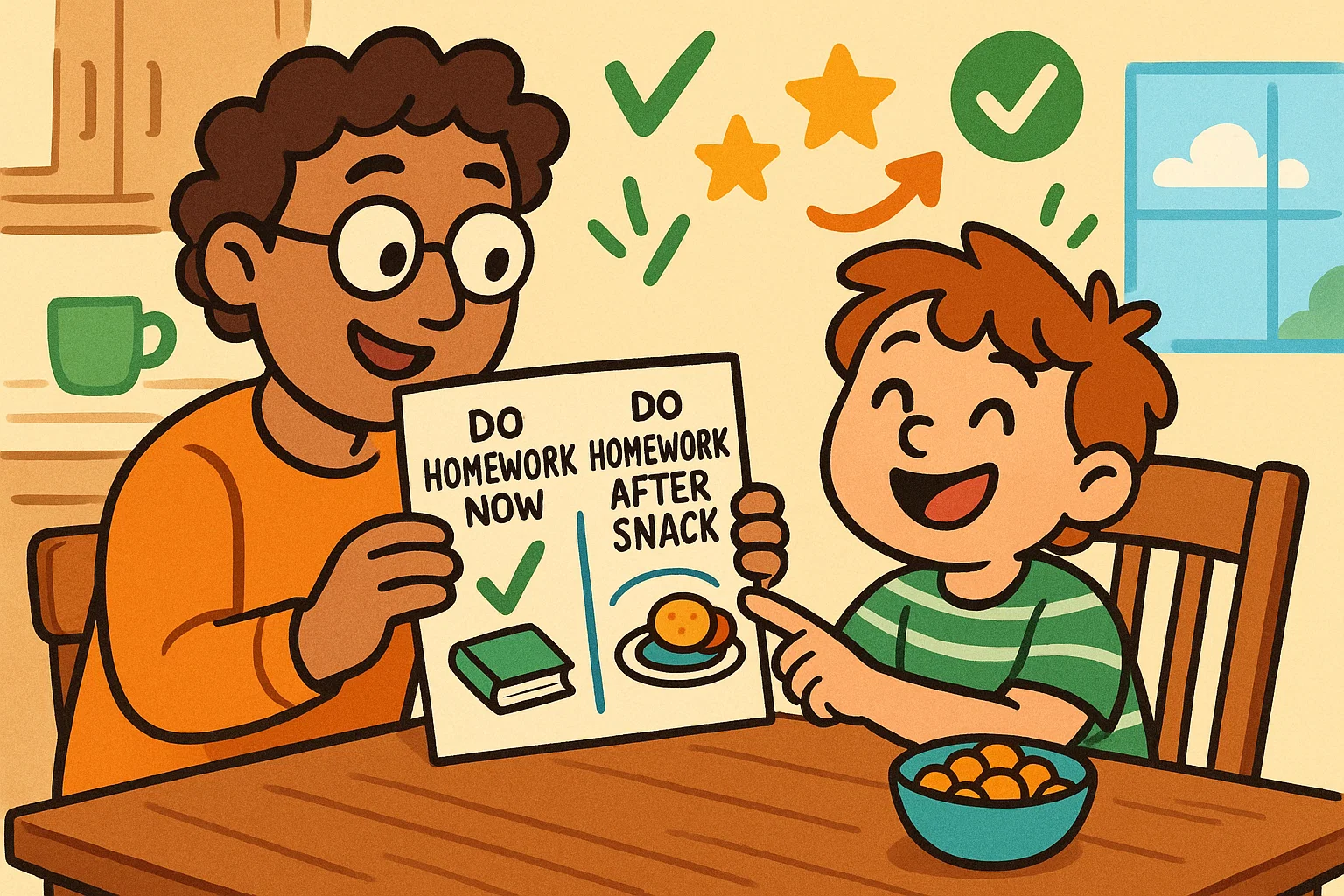
So, how do you manage the day-to-day challenges of raising a strong-willed child without constantly battling them? The key is that parents need to shift from control-based parenting to one that fosters cooperation, empathy and understanding.
Set Clear and Consistent Boundaries
A strong-willed child needs boundaries, but they need to understand the “why” behind them.
- Be firm, not harsh: State your expectations clearly and calmly. Instead of “Clean your room now!” try “You need to put your toys away before we can go to the park.”
- Follow through: Consistency is key. If you set a boundary, stick to it. If you say “no TV until homework is done,” you must enforce it every time. This helps your strong-willed kid feel secure because they know what to expect.
Use Empathy and Respect
Validate their feelings, even when you can’t give them what they want. When they’re upset, you can say, “I know you’re frustrated that you can’t have another cookie.” This shows you’re on their side, even while holding the boundary. This technique helps your child feel understood and can often defuse a potential tantrum.
Pick Your Battles Wisely
Not every request or pushback needs to be a fight. Ask yourself, “Is this a hill I want to die on?” If they want to wear a mismatched outfit to the grocery store, is it really worth the fight? Save your energy for the rules that truly matter, like safety and respect.
Offer Choices and Autonomy
A strong-willed child is looking for control. Give it to them in small, safe ways. This is a powerful way to reduce resistance. Instead of “Put on your shoes now,” try “Do you want to wear your blue shoes or your red shoes?” This simple shift empowers them and makes them more likely to cooperate.
Praise Persistence and Effort
Acknowledge their positive strong will. When you see them sticking with a difficult puzzle or practicing a skill, say, “I love how you never give up. You’re so determined!” This reinforces the idea that their strong will is a strength. This positive feedback helps to nurture their best qualities.
Discipline Approaches That Work
For especially strong-willed children, traditional punishments often fail. They simply don’t work because they don’t teach the child the right way to behave, and in fact, they might increase negative feedback. Here are some methods that focus on teaching and growth instead of punishment:
Natural and Logical Consequences
Instead of punishing a child, let them learn from the natural or logical consequences of their actions.
- Natural consequences: If they refuse to wear a jacket, they will be cold. This is a powerful, real-world lesson.
- Logical consequences: If they refuse to clean up a mess, they lose the privilege of playing with that toy until it’s cleaned up. This consequence is directly related to the action.
When-Then Strategies
This approach is about creating a clear cause-and-effect structure. It frames a less-desirable task as the prerequisite for a desired one. For example:
| When (Task to be done) | Then (Privilege/Reward) |
| Your homework is done | We can have screen time |
| Your room is clean | We can have friends over |
| You’ve finished your dinner | You can have a dessert |
This strategy works by allowing the child to make decisions for themselves and have a sense of control over their own outcomes.
Collaborative Problem-Solving
Instead of a top-down approach, work with your child to solve a problem. Sit down with them and say, “We have a problem. You want to stay up late, and I need you to get enough sleep. What do you think we can do?” This helps your strong-willed child feel like a valued partner, not an opponent. It fosters a connection with the parent and the child and teaches them valuable life skills.
Why Traditional Methods Fail
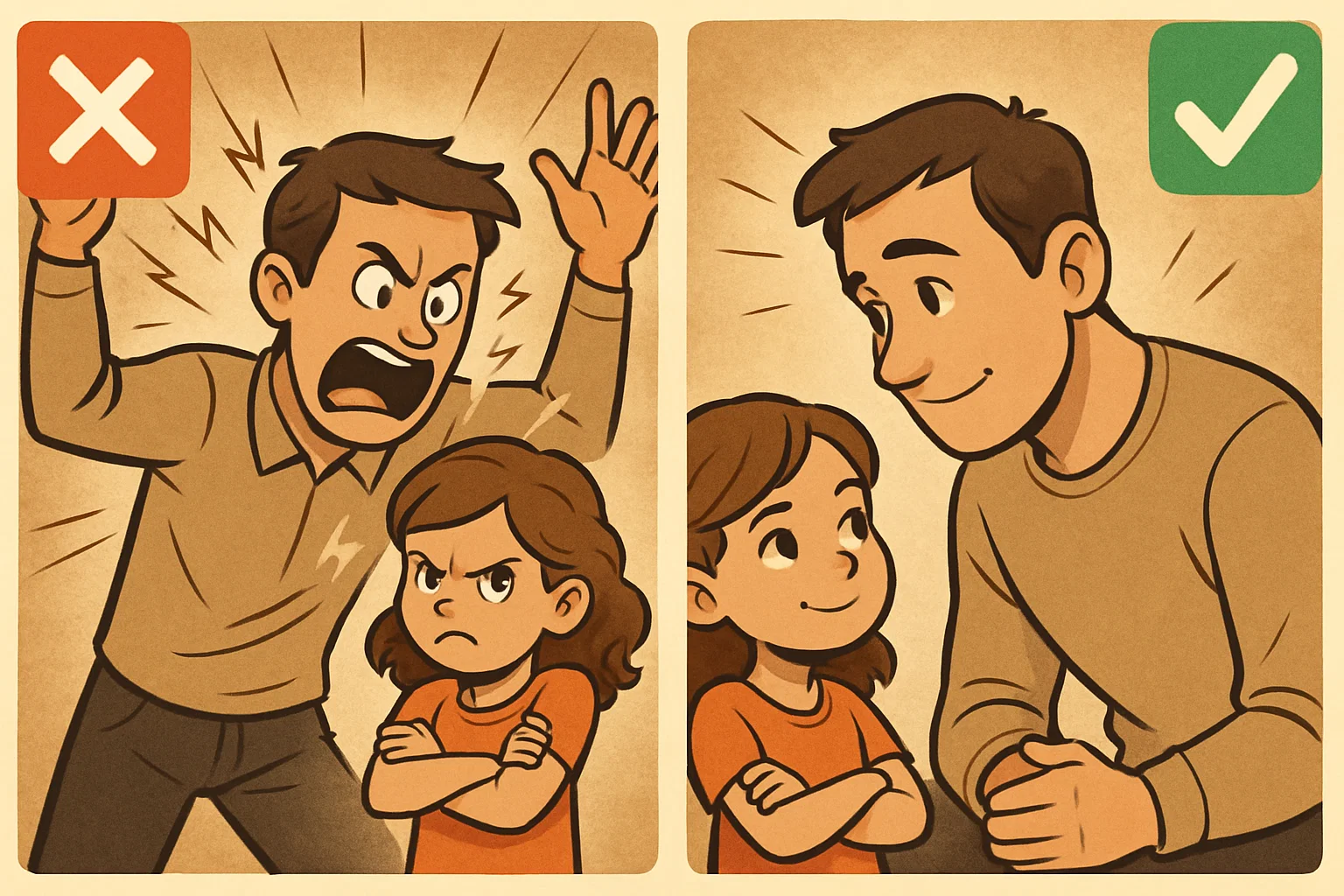
Many parents of strong-willed kids get stuck in a negative cycle because they default to traditional methods that often backfire. Yelling, spanking, or rigid authoritarian approaches only intensify the behavior of a defiant kid.
Strong Defense Responses
When parents yell or are harsh, a child who is strong-willed will likely become more out-of-control or defiant. Their natural defense mechanism is to push back even harder. This is their way of preserving their sense of self and autonomy.
Breakdown in Trust
Harsh discipline erodes the parent-child connection. A child gets the message that their parent is a source of control, not safety. This breakdown in trust makes it harder to get them to listen and cooperate in the long run.
Escalation of Conflict
What starts as a small disagreement over a toy can quickly escalate into a full-blown argument when a parent and the child are both stuck in a loop of yelling and pushing back. This can increase stress levels for everyone and create a tense home environment.
Professional Guidance and Support
Sometimes, despite your best efforts, you might need a little extra help.
When to Seek Help
Consider seeking professional help if you notice:
- Frequent meltdowns: The child’s behavior is consistently extreme, and you can’t de-escalate it.
- School refusal: Your child is actively refusing to go to school, which can be a sign of deeper issues.
- Severe family stress: The power struggles are causing significant stress on the entire family.
Types of Professionals
You can seek help from a variety of experts, including:
- Pediatricians: They can rule out any underlying medical or developmental issues.
- Child psychologists: They can provide strategies and tools to manage specific behaviors.
- Family counselors: They can help the entire family improve communication and dynamics.
Parenting Programs and Courses
Many organizations offer courses specifically on parenting a strong-willed child. These programs provide structured learning opportunities and a supportive community of other parents who understand what you’re going through.
Long-Term Outlook for Strong-Willed Children
It’s really easy to get caught up in the current struggles, but it helps to have a long-term perspective. A child who is strong-willed can grow up to be a resilient, successful, and confident adult.
Future Success Traits
The determination and persistence they show now can translate into:
- Achievement: They are more likely to pursue their goals with passion and tenacity.
- Problem-solving skills: Their creativity and ability to think outside the box will serve them well in their careers and personal lives.
Building Resilience and Self-Discipline
With proper guidance, they can learn to channel their strong will into self-discipline and resilience. They’ll learn that their actions have consequences and that they have the power to make good choices.
Supporting Their Individuality
The goal is not to “break” their will, but to teach them how to use it constructively. By nurturing their unique qualities while teaching them balance, you are helping them grow into a healthy, confident, and empathetic adult.
Parent Self-Care and Mindset
Remember that like all children, especially strong-willed children need a parent who is calm, grounded, and in control of their own emotions.
Managing Frustration
It’s easy to get angry, but taking a deep breath and stepping away for a moment can help. Say to your child, “I need a minute to calm down, and then we’ll talk about this.”
Building Patience and Perspective
Remind yourself that this is a phase. The same qualities that are making life difficult now are the ones that will make them an amazing adult. This perspective can help you manage stress more effectively.
Creating Support Networks
Talk to other parents of strong-willed children. Share your struggles and successes. You can find communities online or in person that offer one-on-one support and understanding.
Frequently Asked Questions about Strong-Willed Children
Is strong will the same as stubbornness?
While strong will can look like stubbornness, it’s not the same. Stubbornness is an unwillingness to change one’s mind, whereas strong will is a deep inner drive to follow one’s own path. A strong-willed child will listen to logic, and if you can convince them, they may change their mind.
How do I discipline without breaking their spirit?
Focus on teaching, not punishment. Use logical consequences and collaborative problem-solving. This teaches them that their actions have consequences without resorting to harshness, which would only make them more defiant. A clinical psychologist would agree that this approach helps nurture their spirit, not break it.
Can strong-willed children struggle with anxiety or ADHD?
Yes, they can. The intensity and inflexible nature of a strong-willed child can sometimes be a sign of anxiety or other neurodevelopmental differences. Their strong opinions might be a way to manage an overstimulating environment. If you’re concerned, it’s a good idea to talk to a pediatrician or child psychologist.
Do strong-willed kids outgrow defiance?
With the right parenting, many of the challenging behaviors will subside. As they learn to manage their feelings and have their needs met, the defiance often fades. What remains is a confident, resilient, and determined young adult.

Take a short quiz to find out what your everyday choices say about your parenting style
When your child is curious about something new, what’s your instinct?
Take a short quiz to find out what your everyday choices say about your parenting style
“Can I download this app?” What happens next?
Take a short quiz to find out what your everyday choices say about your parenting style
When it comes to rules at home, which sounds most like you?
Take a short quiz to find out what your everyday choices say about your parenting style
If you could give your child one life skill today, what would you pick?
Take a short quiz to find out what your everyday choices say about your parenting style
Your child gets to choose what to watch. What would your ideal setup look like?
Take a short quiz to find out what your everyday choices say about your parenting style
Pick your parenting superpower ✨