
Parent-Teacher Meeting Classroom Discussion: 20 Best Practices for Effective Parent-Teacher Partnerships

 Discover a Free Education Video App for Kids
Pastory uses AI to personalize educational video content based on your child’s interests and personality. Safe, engaging, and built for curious young minds. Sign up now to stay updated and enjoy early access with a free trial
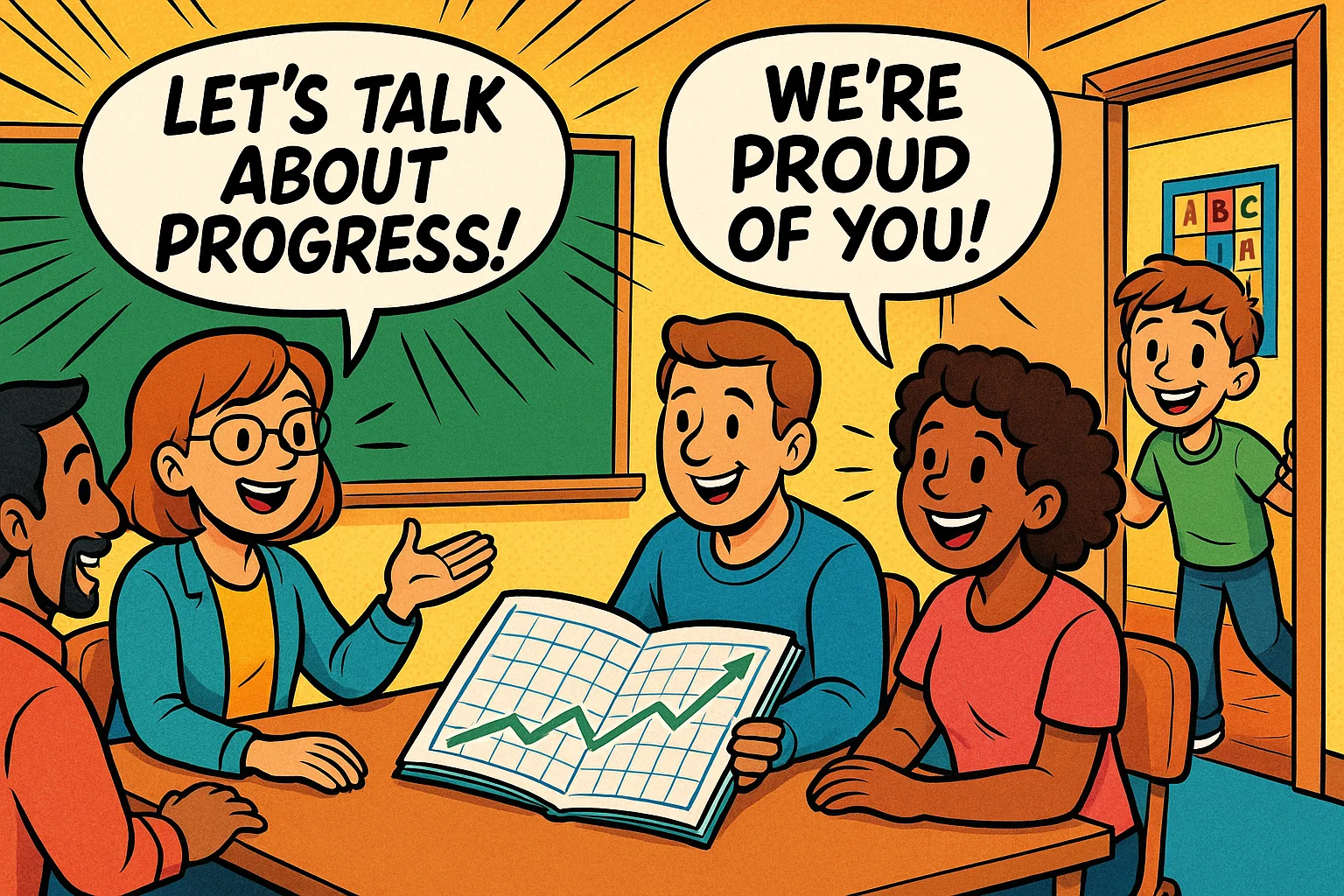
The parent-teacher relationship is the cornerstone of a thriving educational environment, acting as a bridge between a child’s home and school life. When teachers and parents engage in meaningful, well-structured conversations, they create a unified support system that can strengthen a student’s academic progress and emotional well-being. Research on parent engagement consistently links it to stronger academic, social, and behavioural outcomes for children.
A strong parent-teacher partnership helps everyone stay aligned on classroom expectations and the child’s learning journey. These meetings are more than routine progress updates; they give parents insight into the curriculum and help teachers better understand the child’s life outside school. By fostering open communication, both parties can recognise a child’s strengths and address areas for improvement before they become significant hurdles. This guide offers 20 practical best practices for turning parent-teacher meetings into a strong partnership that supports student success.
Preparing for the Meeting and Setting Up Communication
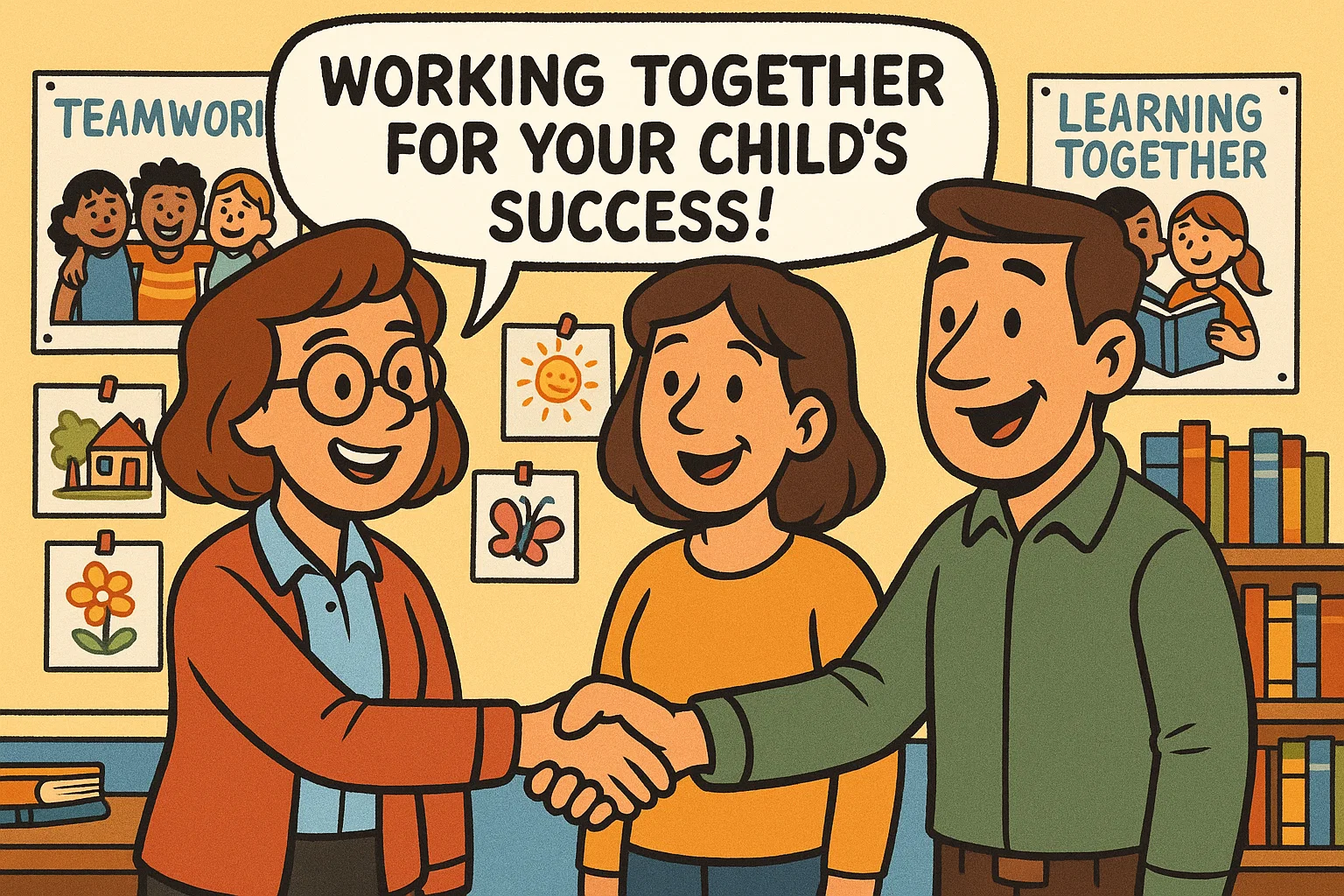
Effective parent-teacher meetings do not happen by accident; they are the result of deliberate preparation and a commitment to stay informed and involved. When parents and teachers enter a discussion with a clear agenda, the dialogue shifts from vague generalities to specific, actionable insights. Strategic preparation helps ensure that limited meeting time is used efficiently, reducing stress for both the teacher and the family.
1. Plan Meeting Goals
Goal setting provides a roadmap for the parent-teacher dialogue, ensuring the conversation remains focused on the child’s development. Teachers should identify primary objectives such as reviewing academic progress, discussing behaviour patterns, or coordinating additional support in numeracy or literacy. By defining these goals early, the partnership can move quickly toward solving problems rather than just identifying them.
2. Prepare Student Progress Notes
Student progress notes serve as the empirical foundation for any effective parent-teacher interaction, grounding the conversation in specific evidence rather than impressions alone. Teachers should compile a portfolio that includes recent grades, the student’s work samples, and observations about classroom participation. Specific, evidence-based feedback helps parents understand the child’s progress and how to support learning at home.
3. Establish Clear Communication Channels
Communication channels are the vital link that helps parents stay connected to the classroom throughout the year. Many schools utilize platforms like ClassDojo, Seesaw, or dedicated school apps to provide regular updates and a digital newsletter. Establishing these channels early means that when concerns arise, there is already a clear route for communication, which helps prevent minor misunderstandings from escalating.
4. Clarify Roles in Educational Journey
The educational journey is most successful when the teacher acts as the pedagogical expert and the parent acts as the primary advocate for the child’s interests. Clearly defining these roles helps parents to share their unique insights into the child’s growth while allowing the teacher to lead on school policies and the school curriculum. This clarity prevents friction and fosters a strong partnership where both parties feel valued and responsible for the student’s progress.
Positive Tone and Professional Presence
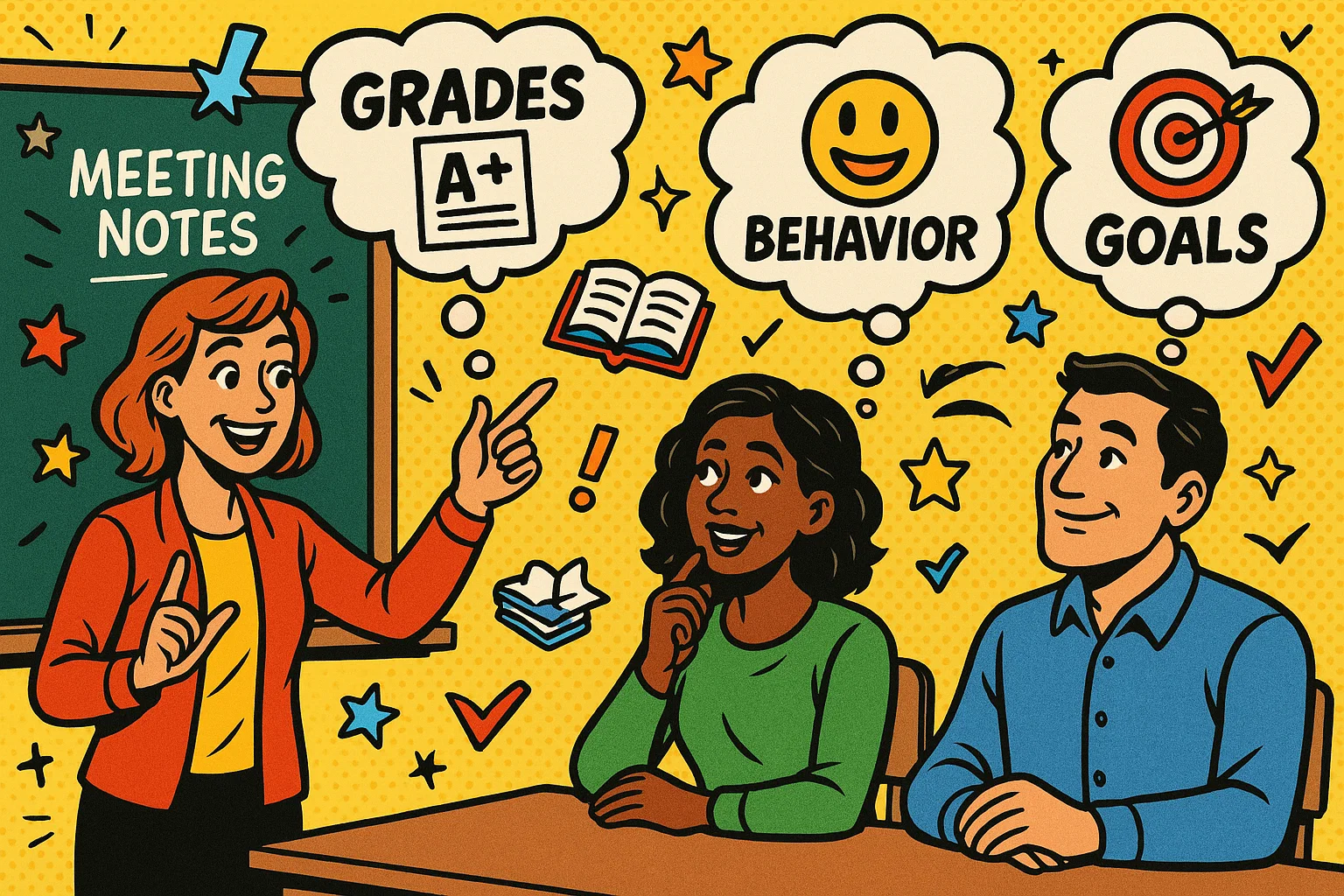
The first few minutes often shape the tone of the conversation, where professionalism and mutual respect are established. A positive tone encourages transparency, making it easier for parents to attend meetings without feeling defensive or anxious. Professional presence is not merely about attire; it is about creating a safe, welcoming space for an honest dialogue about a child’s school experience.
5. Use Positive Language
Positive language reframes challenges as opportunities for growth, which is essential for maintaining a strong parent-teacher partnership. Instead of labelling a student as ‘distracted,’ a teacher might say that the student ‘is developing their ability to focus during maths lessons.’ A better approach is to begin with specific strengths, discuss concerns directly and respectfully, and finish with clear next steps.
6. Stay Polite and Presentable
Professionalism in demeanor and appearance signals to families that the teacher takes the child’s education seriously. Maintaining calm body language and a polite tone, even during difficult conversations, builds the trust necessary for a strong partnership. When teachers present themselves as organised and composed, it reassures parents that the classroom is a stable and well-managed environment for their child.
7. Be Punctual and Organised
Punctuality is a direct reflection of respect for a family’s time and is a key component of effective communication. A well-organised teacher has the student’s work and progress reports ready, which helps the meeting feel focused rather than rushed. Respecting the allotted time to discuss ensures that every parent receives the same level of attention and care during parent-teacher conferences.
8. Build Mutual Respect from First Minutes
Mutual respect is the bedrock of any successful partnership between home and school. Starting a meeting by acknowledging a parent’s effort to support learning at home or by asking about the child’s interests outside of school builds immediate rapport. This collaborative approach makes parents more willing to participate because they feel like respected members of the team.
Classroom Discussion and Shared Decision-Making
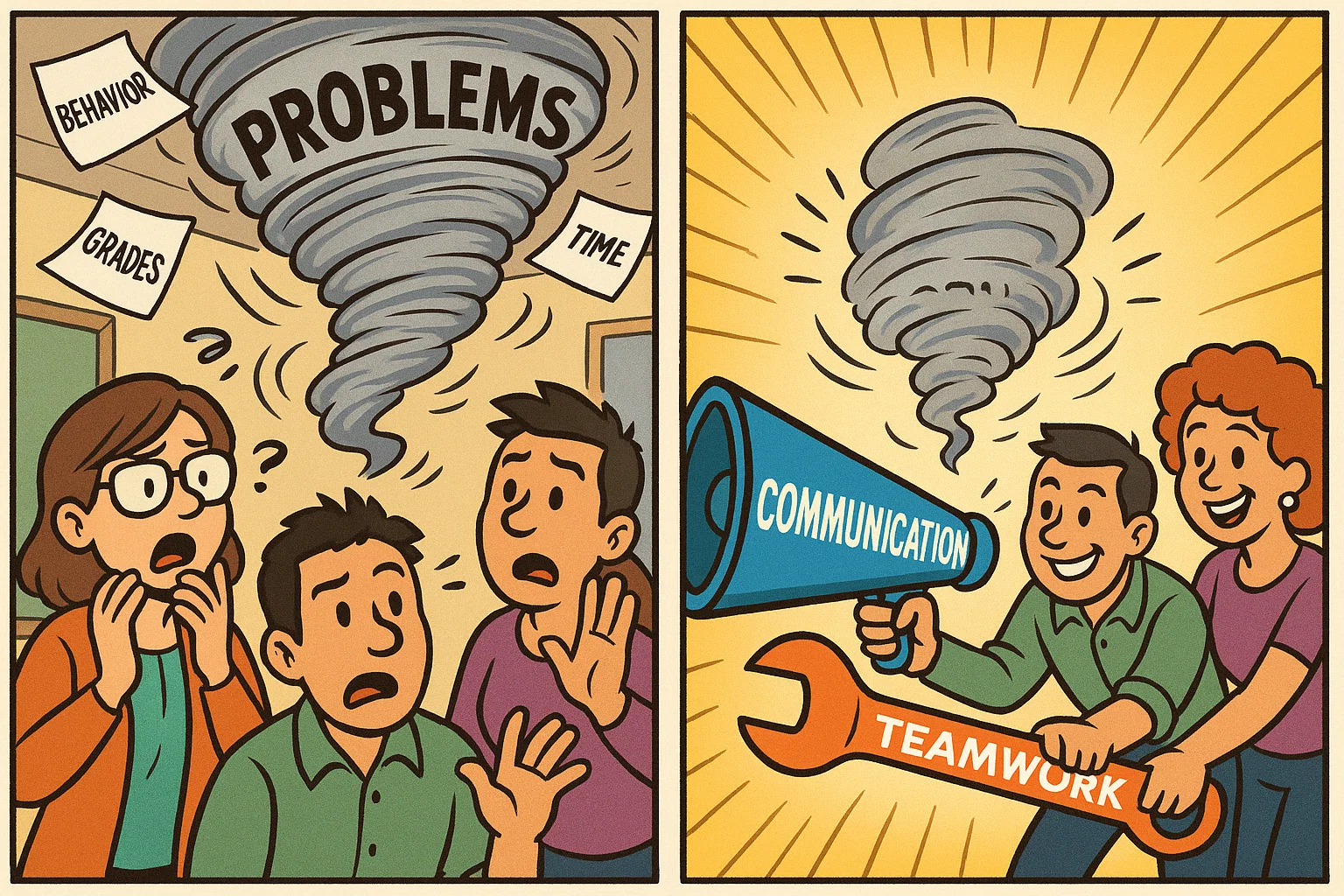
At the heart of every parent-teacher meeting is a discussion of the child’s day-to-day classroom experience. This is the opportunity for parents to see the world through their child’s eyes and for teachers to provide guidance on how parents can reinforce learning at home. Shared decision-making ensures that strategies used in the classroom and at home are consistent, which is vital for a child’s success.
9. Focus on Student Strengths and Needs
A balanced classroom discussion highlights both a child’s strengths and their specific learning needs to create a holistic view of the student. By identifying what a child does well – whether that is numeracy, creativity, persistence, or participation – teachers can build on those strengths in more challenging areas. This comprehensive view helps ensure that the child feels capable and motivated to take ownership of their learning.
10. Involve Parents in Learning Process
Involving parents means giving them the tools to support their child’s learning journey effectively. Teachers should provide parents with specific strategies for learning at home, such as good study habits or ways to practice math through daily activities. When parents are informed and involved, they can better support learning at home, creating a seamless transition between the school day and the evening routine.
11. Encourage Parent Questions and Shared Decisions
Shared decisions are more likely to be implemented when parents feel their voice has been heard and their concerns addressed. Teachers should invite parents to share their perspective and help set goals for the next term. This level of engagement transforms parents from passive listeners into active partners in the child’s education.
12. Discuss Behaviour, Participation and Classroom Dynamics
Behaviour and classroom participation are often early indicators of a child’s academic and social comfort. A dialogue about how a child interacts with peers or contributes to classroom discussion provides a fuller picture of their child’s development. Discussing these dynamics helps parents and teachers address social anxieties or behavioural patterns that may be affecting the child’s learning.
Inclusive Support and Sensitive Topics
Every child’s learning journey is unique, and some require additional support or specialized attention. Handling sensitive topics with empathy and confidentiality is crucial for maintaining the trust of the family. Whether discussing SEND (Special Educational Needs and Disabilities) or cultural differences, the goal is always to find the best support for the student’s progress.
13. Show Cultural Sensitivity
Cultural sensitivity involves recognizing and respecting the diverse backgrounds, languages, and communication styles of all families. Teachers who recognise these differences can adapt their regular updates and check-ins to be more inclusive, ensuring that no parent feels alienated from the school curriculum. This inclusivity is a key factor in building a stronger connection between the school and the wider community.
14. Support SEND and Inclusive Needs
Supporting SEND requirements requires a highly coordinated partnership involving the teacher, parent, and often external specialists. During parent-teacher meetings, it is vital to discuss specific accommodations and additional support that will help the child thrive. Clear, documented plans help ensure that support is tailored to the child’s specific needs and complies with the legal and policy framework in the school’s jurisdiction.
15. Respond Promptly to Concerns
Effective communication requires a commitment to responding to parent concerns in a timely manner. A prompt response – whether via email or a scheduled meeting – prevents minor issues from turning into a misunderstanding. This responsiveness shows parents that the teacher is a dedicated partner in their child’s success and is proactive in addressing any obstacles to learning.
16. Maintain Confidentiality and Professionalism
Confidentiality is a legal and ethical obligation that protects the privacy of the child’s academic and social records. Teachers must ensure that sensitive topics are discussed in private settings and that information is only shared with authorized personnel. Maintaining this boundary reinforces the professionalism of the educator and protects the child’s development from unnecessary external scrutiny.
Follow-Up and Long-Term Partnership
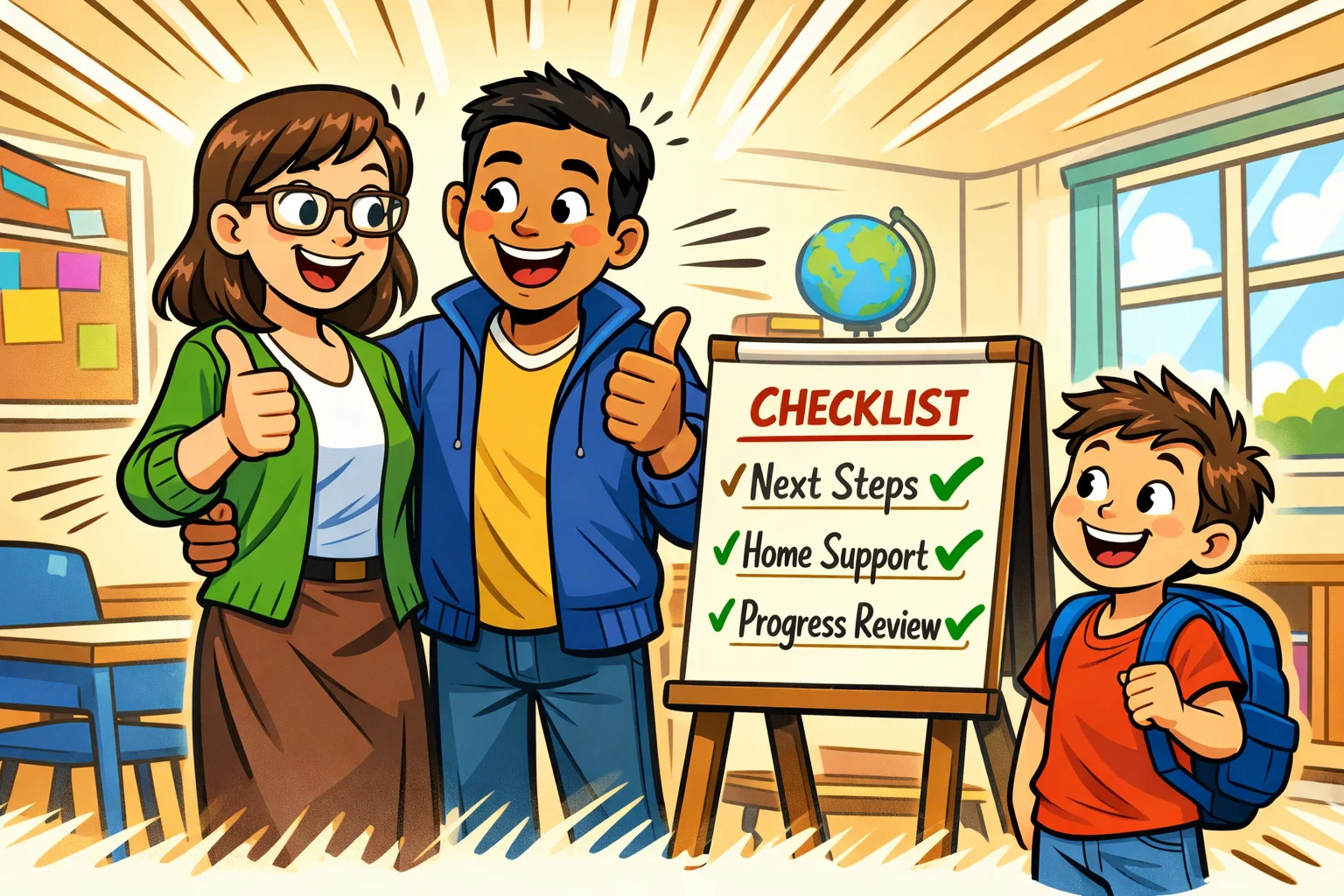
The most effective parent-teacher relationships are built not in a single evening but through consistent interaction over the course of the school year. A strong partnership requires a follow-up plan to ensure the goals discussed during the parent-teacher conferences are being met. Consistent engagement through technology and school events helps maintain momentum throughout the child’s learning journey.
17. Schedule Regular Updates
Regular updates provide quick checkpoints on the child’s progress, ensuring that the strategies agreed upon in meetings are working. This can be as simple as a bi-weekly email or a quick check-in at the classroom door. Consistent communication helps students feel more accountable and supported, and it makes it easier for families and teachers to respond early when problems arise.
18. Use Technology for Ongoing Contact
Technology offers a variety of clear communication channels that make it easier for busy parents to stay informed. Platforms like Google Classroom or specialized school apps allow parents to see what their children are working on in real-time. These tools provide parents with a window into the classroom, making the partnership more transparent and dynamic.
19. Encourage Parent Involvement in School Events
School events, such as extracurricular activities, curriculum nights, or volunteer opportunities, help build a stronger connection to the school community. When parents attend these events, they gain a better understanding of the school’s culture, policies, and classroom expectations. This involvement fosters a sense of belonging for the family and demonstrates to the child that their parents and teachers are part of the same team.
20. Create a Post-Meeting Action Plan
A post-meeting action plan ensures that the classroom discussion results in tangible change. This plan should outline:
- Agreed Goals: Specific academic or behavioral targets.
- Responsibilities: What the teacher will do in class and what the parent will do for learning at home.
- Timeline: When the next regular check-ins will occur.
- Success Indicators: How both parties will know the child is making progress.
| Feature | Teacher Responsibility | Parent Responsibility |
| Homework | Setting clear instructions and deadlines | Providing a quiet space and good study habits |
| Communication | Providing a quiet space and encouraging good study habits | Reading updates and responding to concerns |
| Behaviour | Consistent classroom expectations | Reinforce learning at home and values |
| Progress | Sharing academic progress data | Encouraging ownership of their learning |
Frequently Asked Questions About Effective Parent-Teacher Partnerships
How can parents prepare for a parent-teacher meeting?
Parents can prepare by talking to their child about what they enjoy at school, what they find difficult, and any concerns they may have. It is helpful to write down a list of specific questions or concerns about the school curriculum or academic performance beforehand. Reviewing previous reports and noting any changes in the child’s behaviour or interest in math or reading will also make the time to discuss more productive.
What should teachers discuss during a parent-teacher meeting?
Teachers should focus on a holistic view of the student’s progress, including academic success, social behaviour, and classroom participation. Key topics include the child’s strengths, specific areas for improvement, and how the parents and teachers can work together to support their child’s learning. It is also important to keep parents informed about upcoming school events and changes in school policies.
How can parents support learning after the meeting?
The best way to support learning at home is to create a consistent routine that mirrors the structure of the school day. Parents can reinforce learning at home by helping with homework (without doing it for them) and encouraging good study habits. Regular conversations with the child about school helps them take ownership of their learning and stay motivated.
How should teachers handle difficult parent conversations?
Teachers should remain professional, calm, and data-focused when concerns arise. Using “I” statements and focusing on the shared goal of the child’s success can de-escalate tension. If a misunderstanding occurs, it is helpful to document the conversation and, if necessary, involve a senior staff member to help ensure a fair and productive resolution.
Why do regular parent-teacher meetings improve student progress?
Regular parent-teacher meetings ensure that the support system around a child is consistent and proactive. When teachers and parents are aligned, they can catch small issues before they become major problems, providing a stable foundation for the child’s development. This partnership gives students a sense of security because the key adults in their lives are working together to support both academic and social development.
Why is it important for parents to be involved in their child’s school life?
When parents are actively involved in their child’s schooling, they gain a clearer understanding of their child’s academic and social development. By taking the time to ask about classroom activities and review children’s work, parents should feel more confident in supporting their child at home. This collaboration respects the teachers’ expertise while ensuring the family remains a central part of the child’s academic performance and overall growth.
How can teachers effectively communicate with parents throughout the year?
To maintain a strong connection, teachers should meet with parents not only when problems arise but also to celebrate successes. While digital updates are helpful, periodic scheduled meetings or face-to-face meetings allow for a deeper dialogue that helps align expectations. This ongoing tapestry of interaction ensures that when teachers talk to parents, it feels like a natural extension of their shared commitment to the child’s educational journey.

Take a short quiz to find out what your everyday choices say about your parenting style
When your child is curious about something new, what’s your instinct?
Take a short quiz to find out what your everyday choices say about your parenting style
“Can I download this app?” What happens next?
Take a short quiz to find out what your everyday choices say about your parenting style
When it comes to rules at home, which sounds most like you?
Take a short quiz to find out what your everyday choices say about your parenting style
If you could give your child one life skill today, what would you pick?
Take a short quiz to find out what your everyday choices say about your parenting style
Your child gets to choose what to watch. What would your ideal setup look like?
Take a short quiz to find out what your everyday choices say about your parenting style
Pick your parenting superpower ✨



