20 Best Pattern Games for Preschoolers to Build Math, Reading, and Logic Skills

 Discover a Free Education Video App for Kids
Pastory uses AI to personalize educational video content based on your child’s interests and personality. Safe, engaging, and built for curious young minds. Sign up now to stay updated and enjoy early access with a free trial
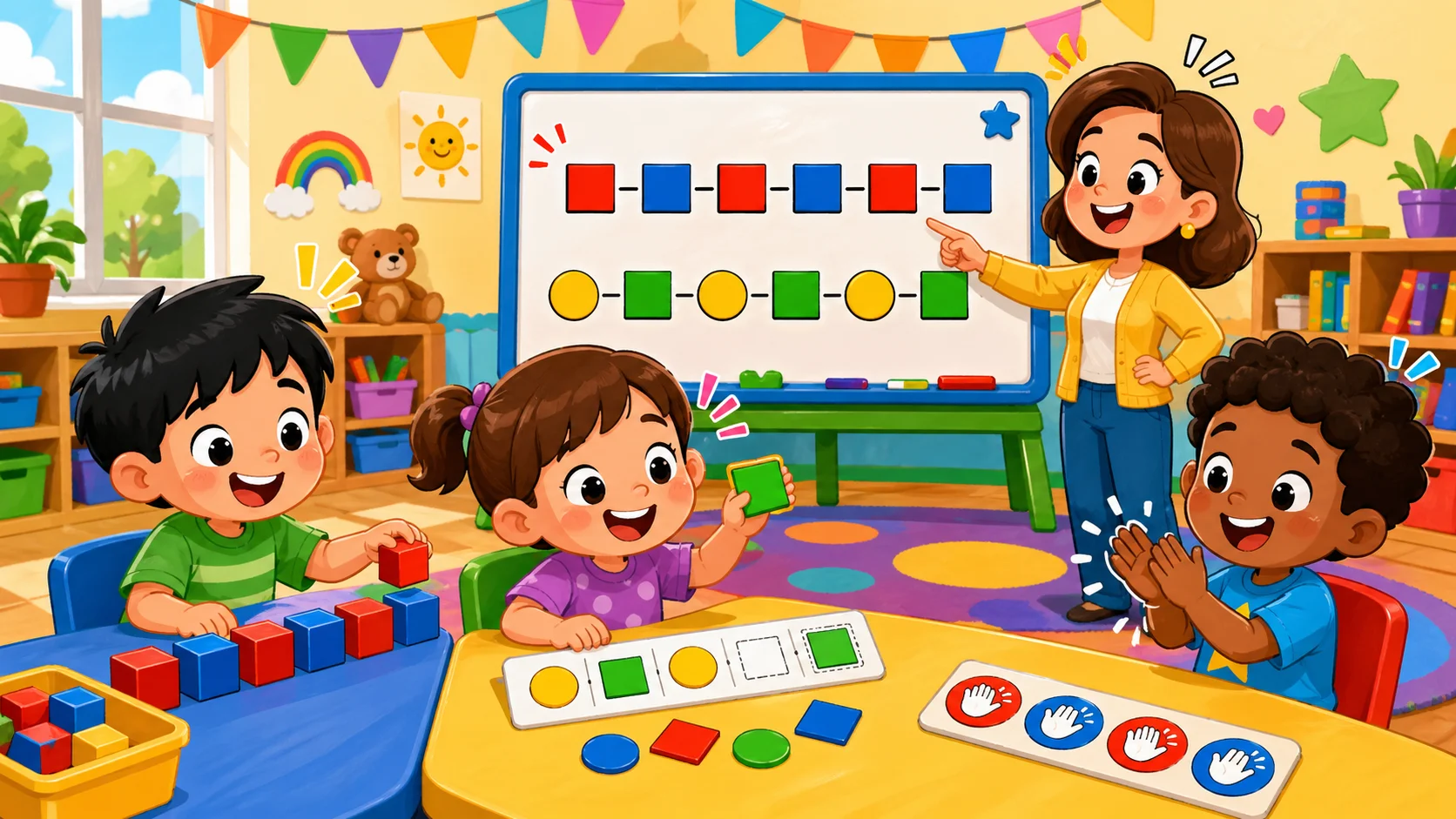
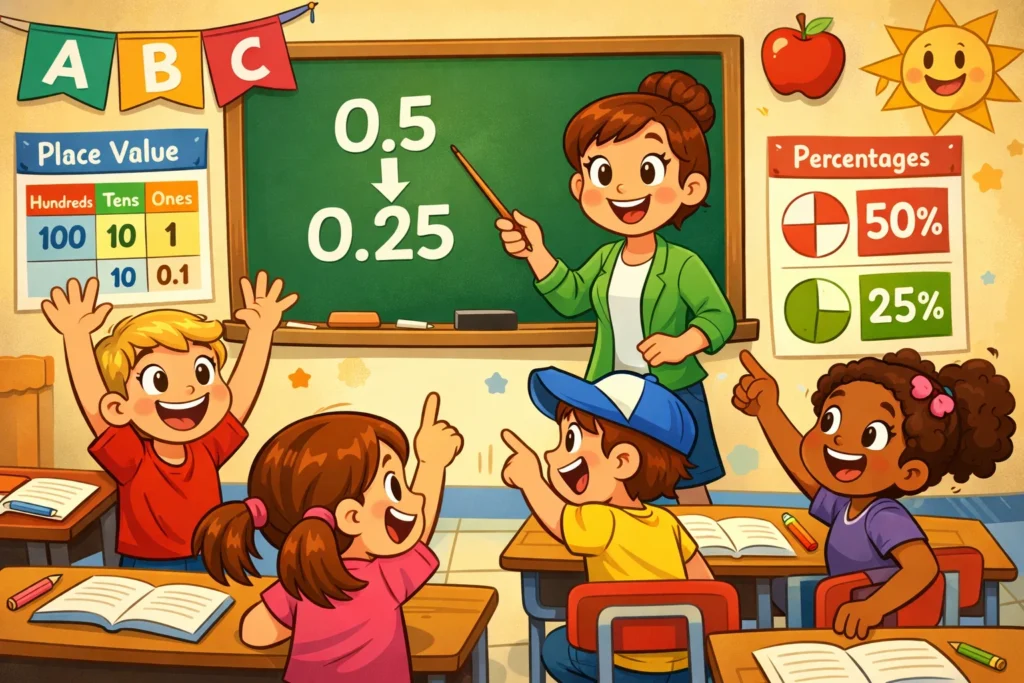
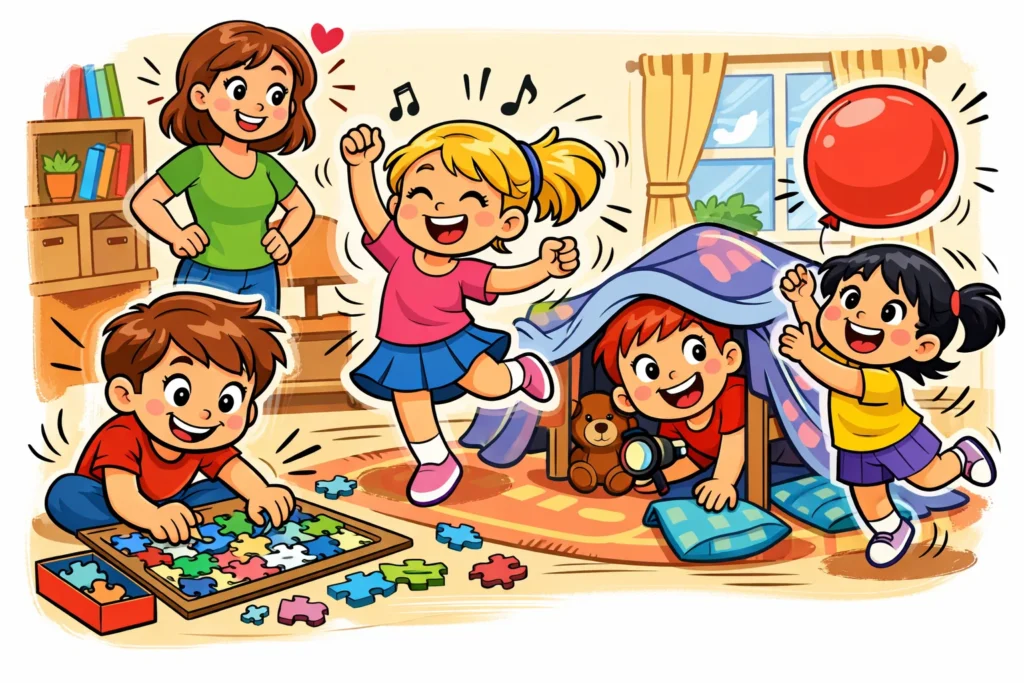
Engaging in pattern games for preschoolers is a foundational step in early childhood development that utilizes everyday objects to teach complex concepts. These interactive games use colors, shapes, sounds, movement, snacks, nature objects, cards, blocks, and storybooks to help children recognize, spot, copy, continue, and create patterns. By identifying repetition in a sequence, young learners develop the cognitive framework needed for later math and literacy skills.
Why Pattern Recognition Matters for Preschoolers
Pattern recognition serves as a connecting thread across many developmental milestones in preschool and kindergarten. When toddlers and preschoolers engage in sequence play, they are not just arranging toys; they are practicing problem-solving and critical thinking. This skill helps them make predictions about the world, which can build confidence and create a comforting sense of order.
Math Readiness
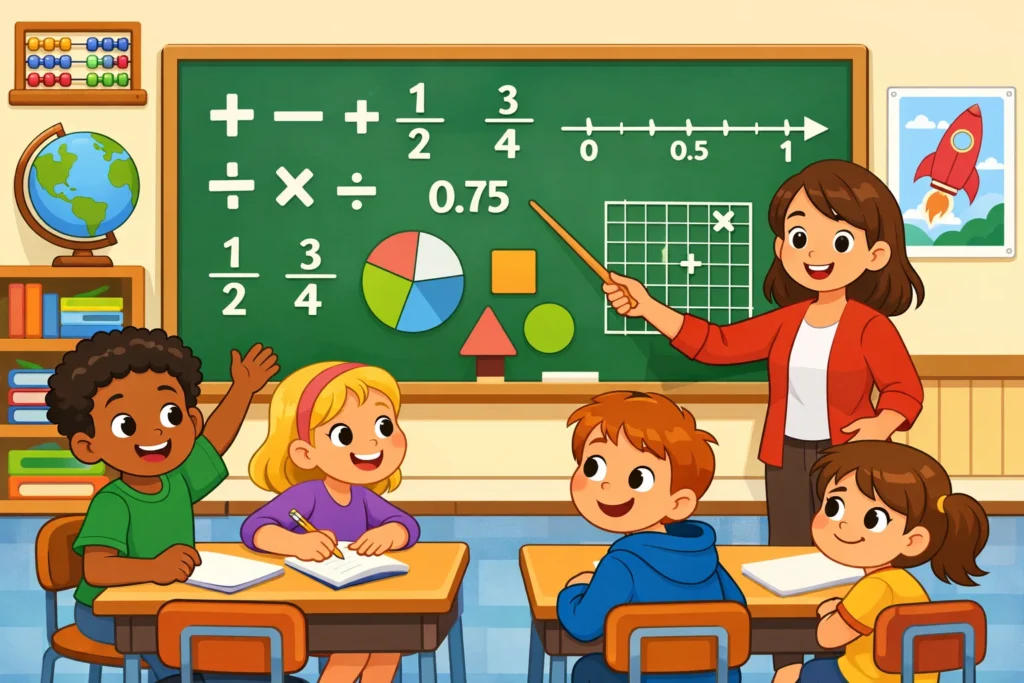
Early math skills are closely connected to the ability to explore sequences, which prepares children for skip counting and understanding geometric relationships. The National Council of Teachers of Mathematics (NCTM) identifies recognizing sequences as an important early step toward algebraic thinking. Understanding that a sequence like 1-2-1-2 follows a specific rule helps children begin to notice mathematical relationships that later support operations such as repeated addition.
Reading Readiness
The ability to spot patterns also supports literacy and phonological awareness. Language relies on sequences of sounds and symbols, so recognizing recurring sounds and structures in rhymes and stories can help children predict what comes next. Research suggests that children who can identify visual and auditory sequences may develop stronger decoding skills when learning to read.
Daily Life Connections
Parents and teachers can find examples in almost every environment, from stripes on a shirt to tiles on a kitchen floor. A routine is also a pattern, such as washing hands, eating, and brushing teeth, and it gives children a predictable structure for the day. Noticing these everyday repetitions in nature or music helps reinforce the concept that the world is organized and predictable.
1. Counting Pattern Games
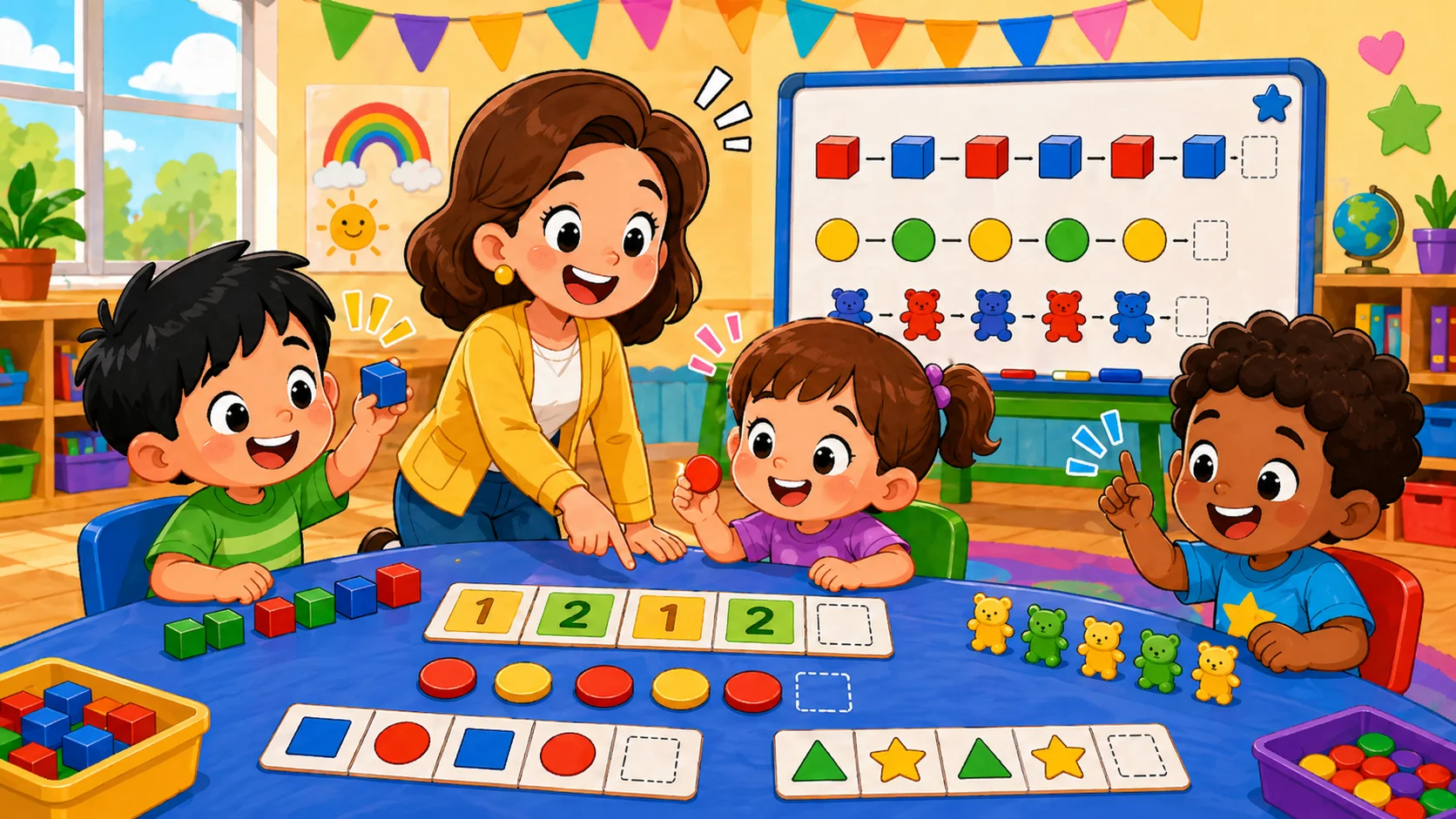
Counting games introduce preschoolers to mathematical logic through number sequences and repetition. These hands-on activities help children move beyond rote memorization to a functional understanding of number order.
Materials Needed
- Number cards (1–10)
- Colorful blocks or counters
- Printable number strips
- Small toy animals
How To Play
An educator or parent starts a simple pattern such as 1-2-1-2 using number cards and asks the child to continue the sequence by placing the correct card next. For older preschoolers, you can increase the difficulty by introducing growing patterns such as 2-4-6-8 or 5-10-15-20 to support early addition and skip-counting skills.
Skills Built
This pattern game strengthens math fluency, sequence prediction, and numerical recognition. By physically moving the blocks or cards, children also engage fine motor skills and improve their ability to count with one-to-one correspondence.
2. Color Block Patterns
Color block patterns use tactile play to teach preschoolers how to alternate between different attributes. This is often the first type of pattern a child masters, starting with the basic AB format.
Materials Needed
- LEGO-style bricks
- Wooden blocks in primary colors
- Plastic cubes or foam blocks
How To Play
The parent creates a horizontal row using red-blue-red-blue blocks and asks the child to copy the sequence. Once the child is comfortable, introduce more complex repeating patterns like AAB (red-red-blue) or ABC (red-blue-yellow) to challenge their visual discrimination.
Skills Built
Working with block sequences develops fine motor control and spatial reasoning. It requires the child to recognize the rule of the sequence and apply it to continue the row, which is a core component of logic.
3. Shape Sorting Games
Shape sorting games combine matching skills with pattern recognition by focusing on geometric attributes. This activity helps children categorize objects based on their visual properties.
Materials Needed
- Paper shapes (circles, squares, triangles)
- Sorting trays or labeled boxes
- Felt shapes or shape cards
How To Play
The child begins by sorting a pile of mixed shapes into dedicated trays. Once sorting is complete, the adult encourages the child to use those sorted piles to make a sequence row, such as circle-square-circle-square.
Skills Built
This game builds vocabulary for geometric shapes and improves visual memory. It teaches young children how to classify information, a vital skill for later science and math learning.
4. Shape Pattern Strips
Shape pattern strips provide a more structured, worksheet-style activity similar to tasks used in preschool and kindergarten. These are excellent for independent play or quiet time.
Materials Needed
- Paper strips with pre-drawn shapes
- Sticker shapes or cut-outs
- Glue and crayons
- Laminator (optional for reuse)
How To Play
The adult provides a printable strip that shows a sequence with a blank space at the end. The child must spot the rule and choose the correct sticker or cut-out to fill in what comes next.
Skills Built
Worksheet-style activities can help develop left-to-right tracking, an important early literacy skill. It also improves prediction skills and prepares children for standardized math formats.
5. Pattern Towers With Blocks
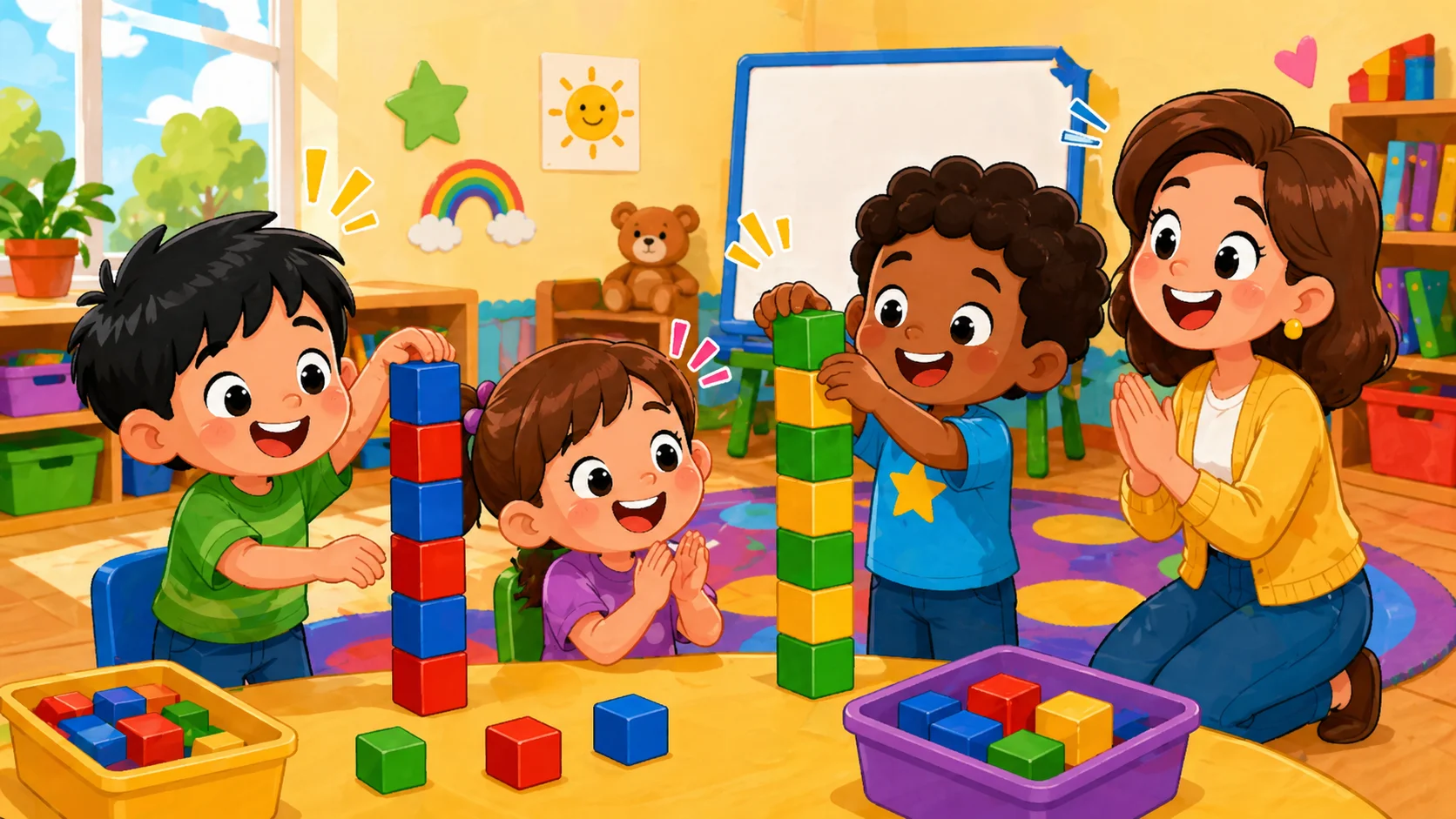
Pattern towers add a vertical dimension to pattern play, introducing the challenge of gravity and balance.
Materials Needed
- Blocks of varying color, size, and texture
- Stable flat surface
How To Play
The child is challenged to build a vertical tower following a specific repeat (e.g., large-small-large-small). The goal is to reach a certain height while maintaining the sequence and ensuring the tower does not tip over.
Skills Built
This activity builds spatial awareness and motor planning. The child must focus on the sequence while also managing balance and stability, which strengthens concentration.
6. Clapping Pattern Game
The clapping pattern game is a no-prep auditory activity that can be played anywhere, making it a favorite for parents and teachers during circle time or transitions.
Materials Needed
- No physical materials required
- Hands or a flat surface like a table
How To Play
The adult performs a sound-and-movement sequence, such as clap-clap-stomp or clap-tap-clap-tap. The child listens and then attempts to repeat the exact sequence of sounds.
Skills Built
Auditory pattern recognition supports the development of phonological awareness. This game also improves working memory and rhythm, which are foundational for both music and reading.
7. Tapping Pattern Games
Tapping pattern games are a variation of sound-based play that incorporates tools to produce different pitches and volumes.
Materials Needed
- Wooden spoons or rhythm sticks
- Small drum or empty plastic containers
- Pencils
How To Play
In a call-and-response format, the adult taps a sequence on a drum or table (e.g., loud-soft-loud-soft). The child must recognize the volume or tempo repeat and mimic it using their own tapping tool.
Skills Built
This game emphasizes impulse control and turn-taking. It also helps preschoolers differentiate between auditory features, such as pitch, volume, and intensity.
8. Dance Pattern Moves
Dance pattern moves turn the whole body into a tool for patterning, making math and logic feel active, fun, and engaging.
Materials Needed
- Music with a clear beat
- Open space
- Colorful scarves (optional)
How To Play
The adult leads a sequence of three moves, such as jump-spin-clap, and repeats it. The child joins in, following the repeat. Eventually, the child is invited to invent a sequence for the adult to follow.
Skills Built
Gross motor skills and coordination are the primary benefits here. Research on embodied cognition suggests that learning through movement may help young children retain sequence information more effectively.
9. Movement Pattern Cards
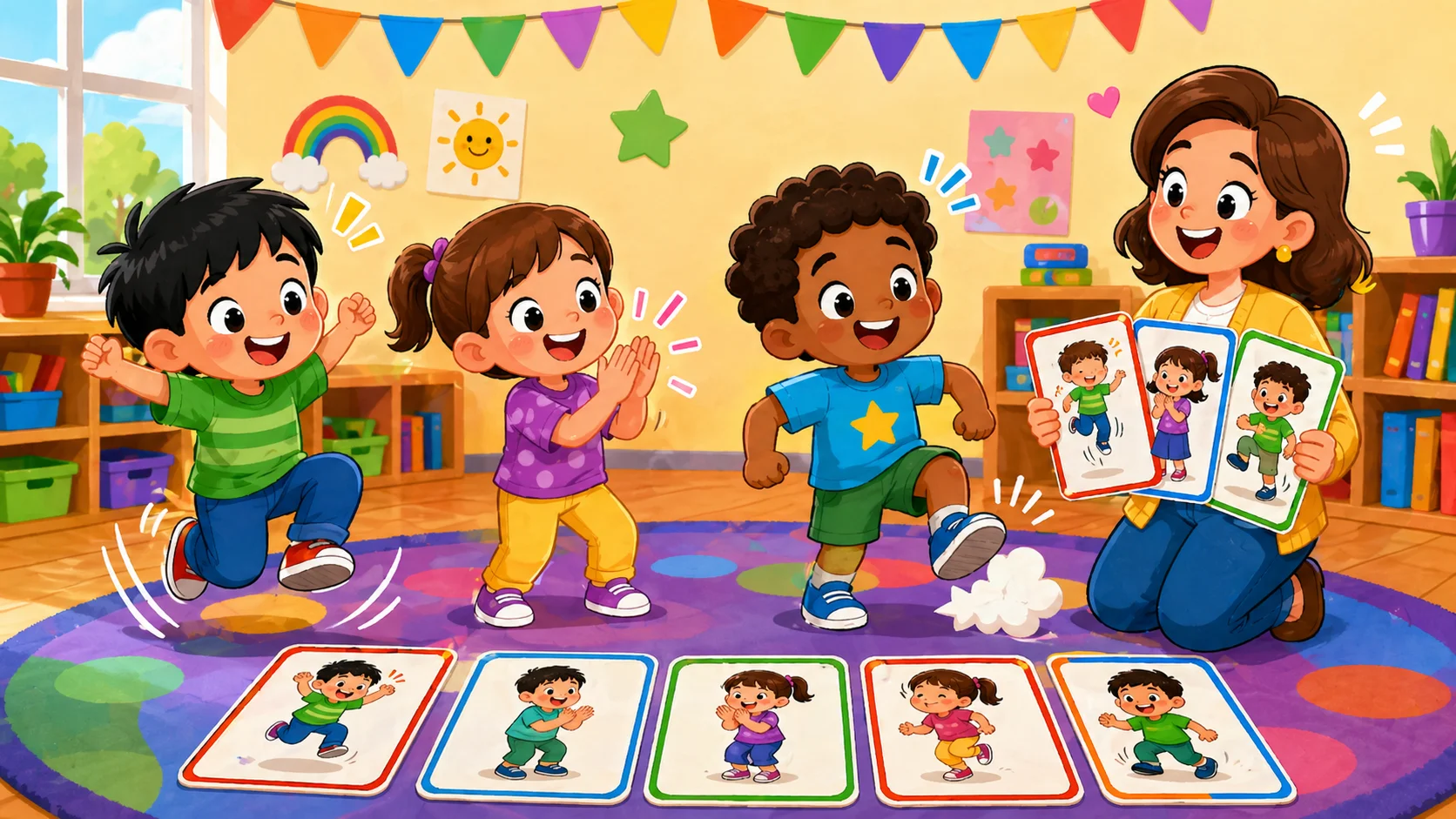
Movement pattern cards provide visual prompts for physical activity, helping children link a picture or symbol to a specific action.
Materials Needed
- DIY action cards (drawings of a hop, a clap, or a spin)
- Tape to secure cards to the floor
How To Play
Place three or four movement cards in a row. The child must perform the actions in the exact sequence shown. To make the game more challenging, add more cards to the row.
Skills Built
This game improves sequencing and motor planning. It also helps with literacy by teaching children that a visual symbol represents a specific meaning or action.
10. Sticker Pattern Strips
Sticker pattern strips are a quiet, inexpensive way to practice fine motor skills and pattern recognition simultaneously.
Materials Needed
- Stickers (various colors or animals)
- Long paper strips
- Marker or crayons
How To Play
The adult starts a simple sequence on a paper strip using dot stickers. The child is then asked to complete the rest of the strip by following the established repeating order.
Skills Built
Peeling and placing stickers is excellent for fine motor development and hand-eye coordination. This activity also promotes independent play and task completion.
11. Stamp Pattern Games
Stamp pattern games allow children to explore symmetry and repetition through artistic expression.
Materials Needed
- Rubber stamps (shapes, animals, or letters)
- Washable ink pads
- Paper and smocks
How To Play
Children use different stamps to create a sequence on their paper. For example, they might use a cat-dog-cat-dog row. Educators can encourage them to alternate ink colors to add another layer of complexity.
Skills Built
This activity teaches fine motor pressure control and creative expression. It also helps children understand that many variations can be made from the same set of tools.
12. Dot Marker Pattern Games
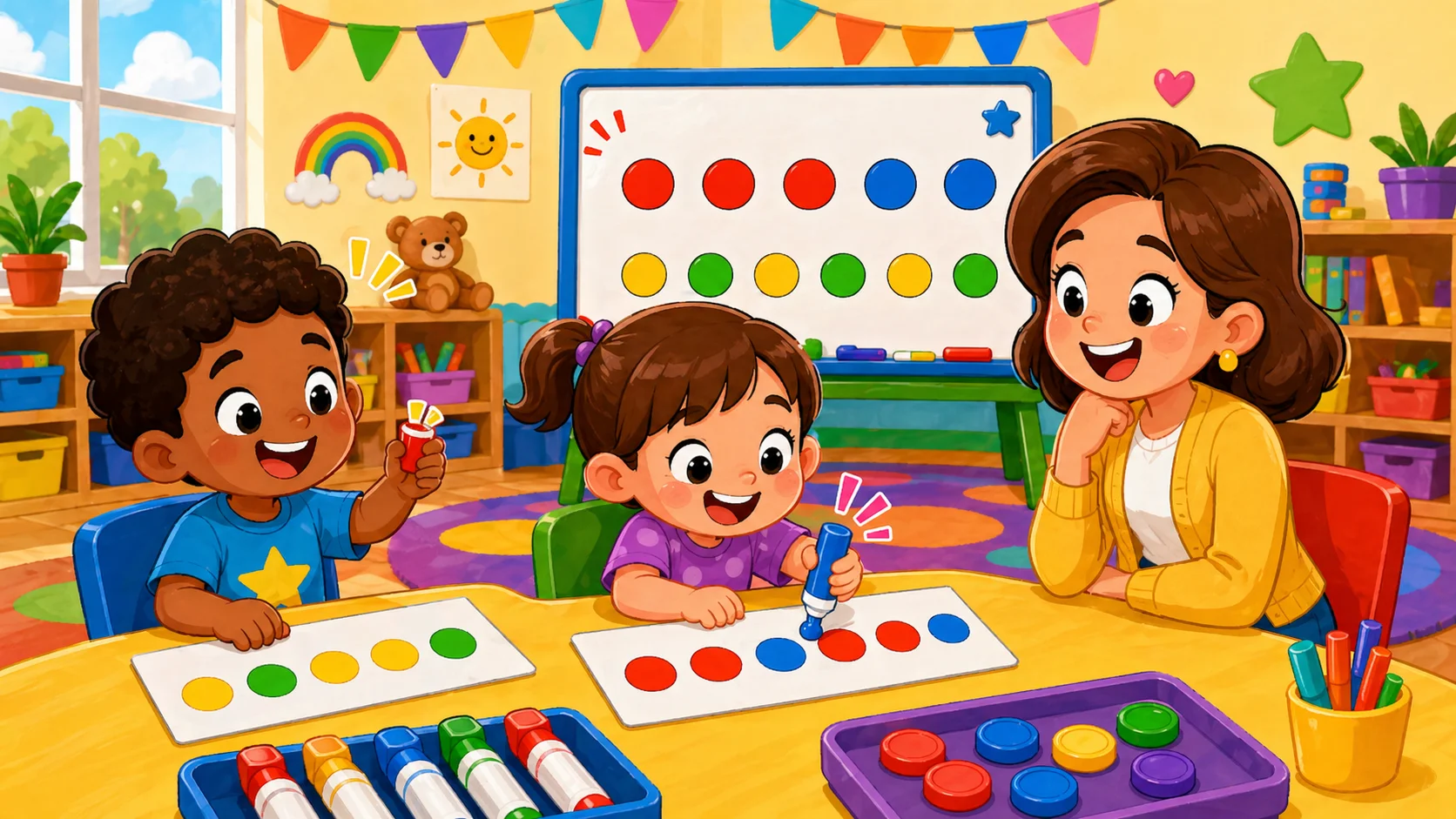
Dot marker pattern games use dot markers or bingo daubers to create bold, colorful visual sequences that are easy for preschoolers to see and track.
Materials Needed
- Dot markers in various colors
- Large butcher paper
- Prompt cards
How To Play
Provide a prompt card that shows a color sequence, such as red-red-blue. The child then uses the dot markers to recreate the sequence on the large paper.
Skills Built
This game strengthens visual sequence tracking and hand strength. The large paper format encourages children to explore sequences using whole-arm movements, which can support pre-writing development.
13. Pattern Detective Game
The Pattern Detective Game is a scavenger-hunt-style activity that encourages children to spot repetition in their environment.
Materials Needed
- Toy magnifying glass
- Clipboard and worksheet
- Sticker rewards
How To Play
The child becomes a “detective” and searches the room or playground for recurring designs. They might find stripes on a rug, a repeating tile pattern on the floor, or repeated shapes in a leaf. They mark their findings on a checklist or take a photo.
Skills Built
This game fosters observation skills and helps children make a real-world connection between math concepts and their surroundings. It also builds vocabulary as they describe what they find.
14. Storybook Pattern Play
Storybook pattern play focuses on the literacy side of repetition by identifying recurring phrases, sounds, and story structures.
Materials Needed
- Predictable books, such as Brown Bear, Brown Bear, What Do You See?
- Nursery rhyme collections
How To Play
While reading, the adult pauses before a repeat phrase and waits for the child to fill in the blank. This encourages the child to recognize the story’s structure and predict what comes next.
Skills Built
This activity builds reading readiness, oral language, and memory. It shows that repetition is not only visual but also part of the way we communicate.
15. ABC Pattern Games
ABC games introduce letters through playful sequences, making letter recognition more engaging.
Materials Needed
- Magnetic letters
- Alphabet cards
- Marker and paper
How To Play
Create an AB sequence using letters, such as A-B-A-B, or use the child’s name letters to create a sequence. You can also color-code the letters to help the child spot the repeat more easily.
Skills Built
This game reinforces alphabet recognition and print awareness. It helps children understand that letters can appear in predictable sequences and combine to form words, which is a key literacy milestone.
16. Snack Time Patterns
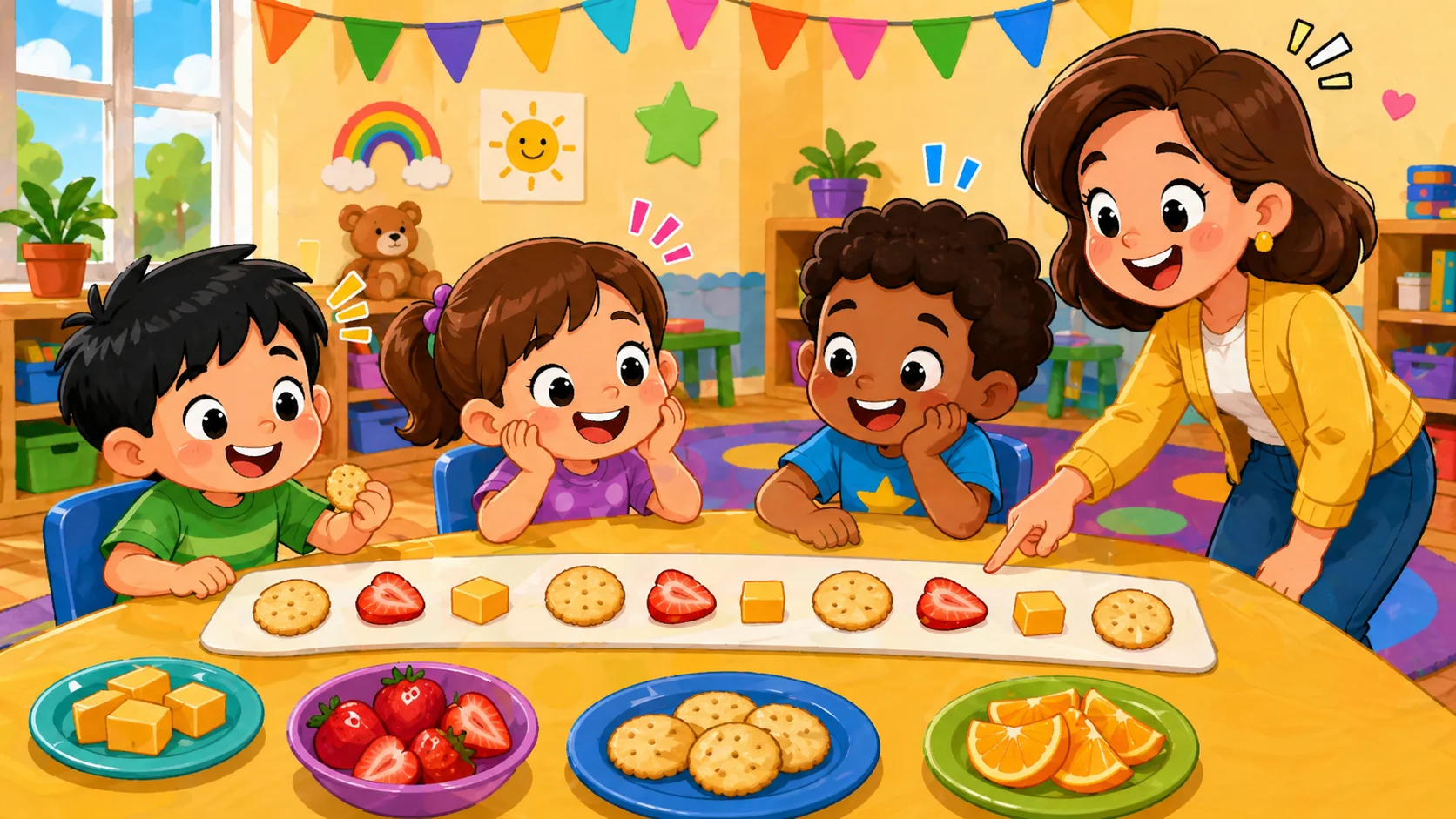
Snack time patterns turn eating into a fun learning opportunity and use sensory feedback to reinforce early math concepts.
Materials Needed
- Crackers, cheese cubes, or cereal
- Plate and napkins
How To Play
Before eating, the child must make a sequence on their plate, such as cracker-cheese-cracker-cheese. After the child completes the sequence, invite them to check the pattern with you before eating the snack.
Skills Built
This activity teaches sorting, prediction, and self-control. Using food as a learning tool provides immediate sensory reinforcement and keeps the activity playful.
17. Fruit And Veggie Patterns
Fruit and veggie patterns promote healthy eating habits while challenging children to recognize shapes and colors in natural foods.
Materials Needed
- Banana slices, berries, cucumber rounds
- Plates or wooden skewers (with supervision)
How To Play
Children can create a “rainbow” sequence on their plate or, with supervision, thread fruit onto a child-safe skewer or straw to create kabob-style patterns. For example: blueberry-strawberry-blueberry-strawberry.
Skills Built
This game builds fine motor skills through threading and handling small food items. It also expands their vocabulary for healthy foods, shapes, and textures.
18. Nature Sequence Collage
A nature sequence collage combines outdoor exploration with an art project using inexpensive materials found outside.
Materials Needed
- Leaves, rocks, sticks, shells
- Glue and heavy paper
- Baskets for collecting
How To Play
After a nature walk, the child sorts their treasures by type. They then arrange them into repeating sequences (e.g., leaf-stick-leaf-stick) and glue them onto paper to create a permanent collage.
Skills Built
This activity connects science with math through observation and sensory learning. It encourages children to notice patterns, shapes, and symmetry in the natural world.
19. Shadow Sequence Games
Shadow games use light and silhouettes to help children recognize objects by their outlines.
Materials Needed
- Flashlight
- Toys or blocks
- White wall or paper
How To Play
The adult places toys in a sequence in front of a light source. The child must look at the shadows on the wall and recognize the order. They can then try to continue it by placing the next toy in the light.
Skills Built
This game develops visual discrimination and cause-and-effect understanding. It sparks curiosity about how light travels and how shadows change based on perspective.
20. Craft Stick Sequence Games
Craft stick matching activities are a versatile DIY activity for building both shapes and sequences.
Materials Needed
- Colored craft sticks
- Prompt cards or markers
How To Play
The child can use the sticks to build sequences on the floor or follow a prompt card. They can also glue the sticks to make geometric fences or roads while following a specific color pattern.
Skills Built
This activity focuses on fine motor skills and geometry. It allows for high levels of creativity while maintaining the logical structure of a sequence.
How Often Should Preschoolers Practice Pattern Games?
Consistency is more important than duration when it comes to sequence activities for preschoolers. Short, frequent bursts of play help reinforce children’s ability to recognize and predict sequences.
Daily Micro Practice
Incorporate quick sequence moments into existing routines. While getting dressed, point out stripes or repeating designs on a shirt. During cleanup, ask the child to put away red and blue toys in an alternating sequence. These moments take less than two minutes but can still reinforce the concept in a meaningful way.
Weekly Activity Rotation
To keep the child engaged, rotate between different types of matching activities. Use movement sequences on Monday, sticker activities on Wednesday, and snack time sequences on Friday. This prevents boredom and shows that patterns appear in many different forms.
Signs a Child Is Ready for Harder Patterns
A child is ready for more complex sequences (like ABC or AAB) when they can:
- Identify the “rule” of an AB pattern without help.
- Continue sequences accurately for at least three repetitions.
- Create patterns of their own from scratch.
- Spot a “mistake” in a sequence you have created.
Common Mistakes During Pattern Games
Even the most well-intentioned educator or parent can inadvertently make these games frustrating for a child. Avoiding these pitfalls ensures the experience remains fun and engaging.
Starting Too Hard
One common error is introducing ABC or AABB sequences before the child has mastered a simple alternating AB pattern. A child needs to understand the concept of repetition with two elements before adding a third or fourth element.
Correcting Too Quickly
If a child places the wrong block or shape, avoid immediate correction. Instead, ask, “Let’s check the pattern together – what comes after the red one?” This promotes critical thinking and problem-solving rather than simple obedience.
Skipping Child-Led Play
While worksheet-style activities can be useful, they should not replace hands-on play led by the child. Letting a child make their own sequences builds confidence and allows them to explore at their own pace.
Final Word
The best pattern games for preschoolers are those that turn learning into a fun and engaging adventure. By using everyday materials like blocks, snacks, natural objects, and movement, parents and teachers can help young children build essential math, literacy, and logic skills. Whether it is a simple breakfast sequence or a more complex shape pattern in a craft, these activities help build a foundation for critical thinking.
Key Takeaway for Parents
Pattern practice does not require expensive tools or complicated setups. Look for repeating patterns in your home and encourage your child to spot them during daily activities.
Key Takeaway for Teachers
Incorporate patterning into circle time, transitions, and small group centers. Use printable strips and tactile objects to support different ways of learning.
Next Step
Try two or three of the easiest games mentioned, such as the clapping pattern game or color block patterns, today. Once your child is comfortable, gradually introduce more elements to keep the activity challenging.
Frequently Asked Questions
How Do You Teach Patterns to Preschoolers?
Teaching starts with modeling. Show the child a simple sequence, name the elements aloud, such as “red, blue, red, blue,” and ask them to copy it. Gradually move to asking them to continue the row and finally to create patterns of their own.
What Is a Pattern Game?
A pattern game is any playful activity in which children recognize, copy, continue, or create a sequence of objects, sounds, or movements that repeats according to a specific rule.
What Are the Benefits of Sequence Games for Preschoolers?
These games support math readiness, reading readiness, and logic. They also support fine motor skills, visual memory, and the ability to predict what comes next.
What Is an Easy Pattern Example for Kids?
The most basic example is an AB pattern: red-blue-red-blue, clap-stomp-clap-stomp, or circle-square-circle-square.
Which Sequence Games Work Best for 3-Year-Olds?
Three-year-olds benefit most from high-contrast visual and tactile games, such as color block patterns, sticker strips, clapping games, and snack time patterns.
Which Sequence Games Work Best for 4-Year-Olds?
Four-year-olds are often ready for shape sequence strips, ABC pattern games, pattern detective searches, and identifying repetition in storybook phrases.
Take a short quiz to find out what your everyday choices say about your parenting style
When your child is curious about something new, what’s your instinct?
Take a short quiz to find out what your everyday choices say about your parenting style
“Can I download this app?” What happens next?
Take a short quiz to find out what your everyday choices say about your parenting style
When it comes to rules at home, which sounds most like you?
Take a short quiz to find out what your everyday choices say about your parenting style
If you could give your child one life skill today, what would you pick?
Take a short quiz to find out what your everyday choices say about your parenting style
Your child gets to choose what to watch. What would your ideal setup look like?
Take a short quiz to find out what your everyday choices say about your parenting style
Pick your parenting superpower ✨