Parenting Tips for a Child With ADHD

 Discover a Free Education Video App for Kids
Pastory uses AI to personalize educational video content based on your child’s interests and personality. Safe, engaging, and built for curious young minds. Sign up now to stay updated and enjoy early access with a free trial
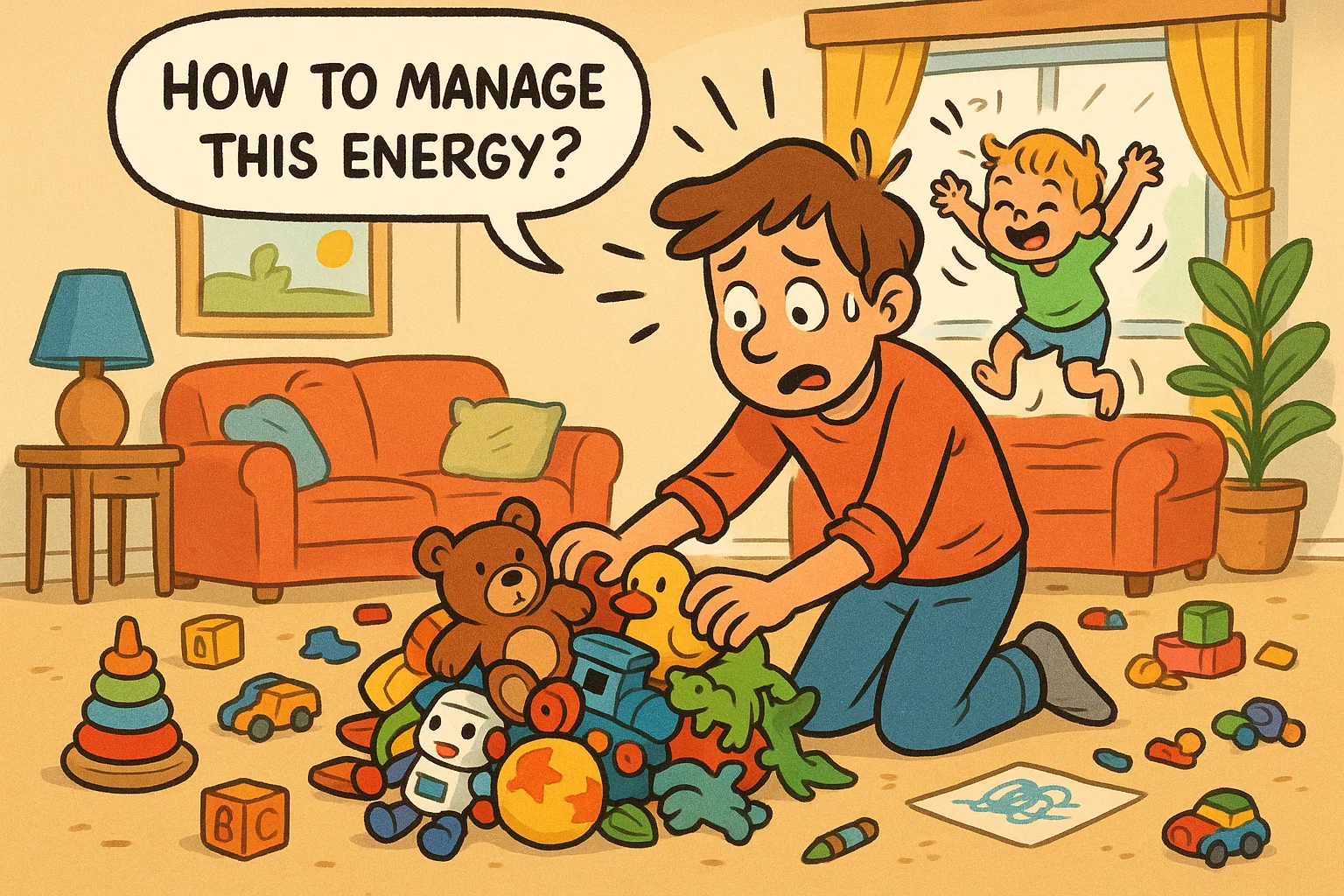
The early years of childhood bring both rewards and challenges. When a child shows signs of hyperactivity or ADHD-like behavior, parents often need clear, evidence-informed strategies. This guide gives parents practical tips and strategies for parenting a child with ADHD-like traits, building calm routines, encouraging positive behavior, reducing daily friction, and knowing when to seek professional guidance. It is designed especially for parents of children with ADHD-like behaviors who want to help their child feel safer, calmer, and more supported at home.
Structured changes at home can help kids practice self-regulation, reduce family conflict, and feel more secure and supported.
Key Takeaways
- Structured Environments: A predictable routine can make daily transitions smoother and reduce resistance.
- Visual Supports: Visual schedules and simple reward systems can help kids with ADHD-like traits understand expectations without relying only on verbal instructions.
- Positive Reinforcement: Immediate, specific praise helps shift attention toward positive behavior.
- Clear Communication: Single-step, eye-level instructions make it easier for a child with ADHD-like traits to understand and follow directions.
- Proactive Regulation: Daily movement breaks can help reduce restlessness and support regulation.
- Professional Consultation: Seeking an early developmental or behavioral consultation can help the family find tailored support strategies.
Quick Summary for Busy Parents
- Establish Predictability: Keep meals, wake-up times, and bedtime routines consistent.
- Simplify Directions: Give one short, clear instruction at a time while making sure your child is listening.
- Integrate Movement: Give your child a chance to move and play before expecting quiet focus.
- Prioritize Rest: Create a consistent, screen-free wind-down period to support better sleep.
- Reward Success: Offer immediate, descriptive praise the moment your child shows a desired behavior.
- De-escalate Calmly: Respond to emotional outbursts with calm, low-stimulation support instead of lengthy lectures.
- Seek Guidance: Consult a pediatric specialist if behavioral challenges consistently interfere with family functioning or daycare participation.
Main Actions to Try First
- Create an Eye-Level Visual Schedule: Place a picture chart with the morning and evening routines where your child can easily see it.
- Reduce Distractions: Turn off the TV and other screens during meals, dressing, and instruction times.
- Use the “First-Then” Rule: State expectations clearly, such as “First shoes, then playground.”
- Catch Them Being Good: Give specific verbal praise within three seconds of an observed positive behavior.
- Schedule Daily Movement Breaks: Add a short active play break before seated activities or difficult transitions.
What Is ADHD in Toddlers?
Attention-deficit/hyperactivity disorder (ADHD) is a neurodevelopmental condition marked by persistent patterns of inattention, hyperactivity, and impulsivity. While many young children have high energy levels, ADHD may be considered when inattention, hyperactivity, or impulsivity is more intense, persistent, and impairing than expected for the child’s developmental stage.
If a child has ADHD or may have ADHD, the goal is not to label every difficult behavior as a symptom. Instead, parents can look at the overall pattern: how often ADHD symptoms appear, how intense they are, and how much they affect safety, sleep, learning, and family routines. Understanding the possible effect of ADHD can help parents respond with more patience and structure.
Formal ADHD diagnosis in kids under 4 is usually approached cautiously because toddler development changes rapidly and many ADHD-like behaviors can also be developmentally typical. Therefore, parents should treat early behavioral signs as reasons to seek support and adapt routines, not as proof of a definitive diagnosis.
ADHD Traits Versus Typical Toddler Behavior
Distinguishing typical toddler behavior from possible ADHD signs means looking at how often the behaviors happen, how intense they are, and whether they appear across settings. A helpful clinical distinction is whether the behaviors are persistent, impairing, and present in more than one setting, rather than occasional or limited to one situation.
| Behavioral Dimension | Typical Toddler Behavior | Possible ADHD-Like Signs |
| Activity Level | Energetic but can settle for brief preferred activities, such as listening to a short story. | Constantly in motion, running or climbing excessively even when the situation calls for calmer behavior. |
| Impulse Control | Learns basic safety boundaries with consistent parental reminders. | Frequently acts before considering consequences and repeatedly rushes into unsafe situations. |
| Emotional Regulation | Tantrums are usually brief and tied to identifiable triggers like fatigue or hunger. | Intense, prolonged meltdowns that may be triggered by small changes in routines or transitions. |
| Attention Span | Sustains focus on a self-chosen toy or game for 5 to 10 consecutive minutes. | Shifts quickly between activities and often leaves tasks unfinished. |
When Parents Should Start Paying Attention
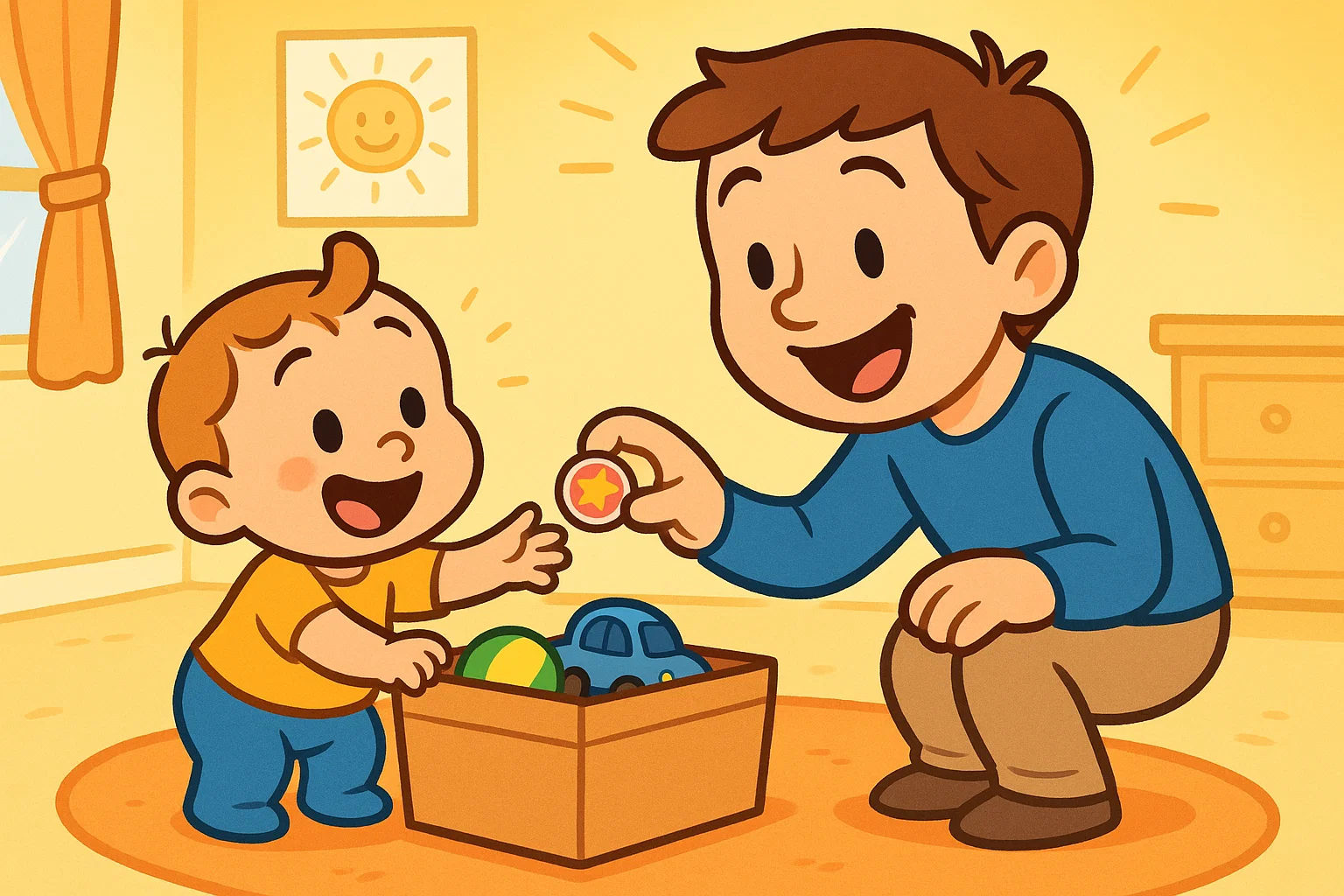
Parents should pay closer attention when a child’s activity level or impulsivity causes ongoing challenges across settings, such as at home, in daycare, and during community outings. It is worth seeking guidance if a child persistently struggles with small routine changes or if impulsive behavior puts their safety at risk.
When behavior consistently interferes with family sleep, peer interactions, or daycare participation, the child needs more structured support than standard parenting strategies provide. A developmental consultation or ADHD assessment may help parents understand what is happening and how to support your child more effectively.
Why Early Support Matters
Intervening early provides a stabilizing framework that protects the long-term relationship with your child. Early behavioral support can help kids build self-regulation skills before difficult behavior patterns become more established.
Proactive changes at home can reduce daily ADHD-related friction, lower parental stress, and help your child thrive. For families coping with ADHD-like challenges, early support can make daily routines feel more manageable and help kids build confidence over time.
Common Signs of ADHD in Toddlers
ecognizing how ADHD symptoms may appear in early childhood helps parents shift from frustration to constructive support. Many kids with ADHD or ADHD-like traits struggle most when expectations change quickly, when routines are unclear, or when they are tired, hungry, or overstimulated. A young child with ADHD-like traits may not yet have the language skills to explain restlessness or frustration, so those feelings may show up as challenging behavior during daily routines.
High Activity Level
A child with ADHD-like traits may seem to have a constant need for movement, often described clinically as acting “as if driven by a motor.” An overactive child may run, climb, wiggle, or move from one activity to another even when adults expect quiet behavior. Parents may notice frequent running, climbing on furniture, fidgeting, or difficulty remaining seated during short meals or storytelling sessions.
This movement may continue even in settings where quiet behavior is expected, reflecting difficulty regulating activity level rather than intentional misbehavior.
Impulsivity During Daily Routines
Impulsivity in a child with ADHD-like traits can look like difficulty pausing before acting. During daily interactions, the child may grab objects from others, interrupt conversations, bolt away in public parking lots, or start an action before an adult finishes giving an instruction.
This can happen because children with ADHD often struggle to pause, wait, or think through consequences before acting.
Big Emotions and Fast Frustration
Children with ADHD-like traits may have difficulty regulating emotions because executive-function skills are still developing and may be especially challenging for them. A child may have intense tantrums, crying episodes, or sudden aggressive reactions to limits, such as being asked to stop playing and move to another activity.
These intense reactions may reflect overwhelm, especially when the child is tired, overstimulated, or struggling with a transition.
Difficulty Following Simple Directions
When a child shows traits of ADHD, working memory may limit their ability to retain spoken information. If a parent gives a multi-step instruction, the child may hear only the first part or become distracted mid-task by something in the environment.
This difficulty does not necessarily mean intentional defiance. The child may need short, concrete instructions paired with visual or hands-on support.
Build a Predictable Routine
A predictable routine can act as an external structure for a child who has trouble organizing behavior internally. When a child knows what to expect, anxiety and resistance may decrease, making daily transitions easier.
Morning Routine
A structured morning routine reduces rushing and lowers the chance of early-morning power struggles. Keep the sequence as consistent as possible:
- Wake up.
- Use the toilet.
- Put on pre-selected clothes.
- Eat breakfast.
- Put on shoes.
- Leave the house.
Using a consistent order helps the child learn the routine and makes hygiene and preparation tasks feel more automatic over time.
Bedtime Routine
A calming, consistent bedtime routine can help because many kids with ADHD-like traits have difficulty winding down. Create a simple path to sleep that may include:
- A warm bath.
- Pajamas.
- Quiet sensory play.
- One short story.
- Dimmed lights.
- A consistent closing phrase.
This predictable wind-down sequence signals that sleep is coming and helps the child’s body and mind settle.
Transition Routine
Moving from a preferred activity to a less preferred task can be a major trigger for frustration or meltdowns in kids with ADHD-like traits. Support these shifts with countdown timers, visual clocks, transition songs, or picture cards.
Clear, time-based warnings, such as “In two minutes, the toy goes in the bin,” give the child time to shift attention and make the change feel less sudden.
Use Lists and Visual Timetables
Verbal reminders often get lost in the background noise of a toddler’s environment. Visual schedules and simple lists make expectations concrete, reduce repeated verbal reminders, and can lower household stress.
Picture Schedule
A picture schedule turns daily plans into a clear visual sequence using photos or simple icons. Place the chart at your child’s eye level in a busy area of the home, such as the hallway or kitchen.
When kids can follow icons for meals, play, and hygiene, they may become more independent and feel less anxious about transitions.
First-Then Board
The “First-Then” framework provides an immediate behavioral incentive by pairing a required task with a preferred outcome.
| First | Then |
| Put on shoes. | Go to the playground. |
| Wash hands. | Eat snack. |
| Put toys in the bin. | Read a favorite book. |
When the preferred activity follows the required task right away, kids can better understand the connection and practice frustration tolerance.
Reward Chart for Tiny Wins
A simple reward chart can encourage positive behavior by tracking small successes over a short period. Let your child earn points, stickers, or checkmarks immediately after a target behavior, such as sitting at the table for five minutes or putting a toy in a bin.
Keep the goals small and achievable so your toddler can experience success and stay motivated.
Give Clear Instructions One Step at a Time
Multi-step directions are often hard for a child with ADHD-like traits because working memory can become overloaded by too much verbal input. Parents can significantly improve cooperation by changing how they give spoken instructions.
Short Words and Calm Voice
Give directions in short, direct phrases using a calm, neutral tone. Replace lengthy explanations with action-oriented phrases such as:
- “Shoes on.”
- “Hands down.”
- “Walking feet.”
- “Toy in the box.”
Avoiding emotional lectures during instructions can reduce overwhelm and help the child focus on the requested action.
Eye-Level Connection
Before giving a direction, make sure you have your child’s attention so the message is more likely to be received. Walk over to your child, gently say their name, get down to their level, and wait until they look toward you or otherwise show they are listening.
Helpful Tip: Getting close before speaking helps reduce distractions and makes it more likely that your child will process the instruction.
Follow-Up After Instruction
Once you give a single-step direction, remain nearby to monitor your child’s response. If the child does not begin the task after a few seconds, calmly repeat the same phrase once. If they still struggle, offer gentle help.
The moment your child begins to cooperate, provide immediate positive reinforcement to strengthen the connection between the instruction and the desired behavior.
Define Rules with Flexibility
Parenting a child with ADHD-like traits effectively requires a balance of firm, predictable boundaries and realistic developmental flexibility. Safety boundaries should stay firm, but daily expectations for your child can adapt to their emotional and physical capacity. This balance is especially important when raising a child with ADHD-like traits because stress, fatigue, and overstimulation can make the symptoms of ADHD-like behavior worse.
Few Family Rules
Limit your core household expectations to three to five clear, safety-focused rules. Phrase these boundaries using positive, action-based language that tells the child exactly what to do rather than what to avoid:
- Use gentle hands.
- Use walking feet inside the house.
- Keep toys safe on the floor.
- Hold a grown-up’s hand near the road.
Display these rules visually using simple icons so your child knows what is expected throughout the day.
Flexible Expectations
Keep in mind that children with ADHD-like traits may be highly sensitive to environmental stress, fatigue, and sensory overload. If your child shows signs of exhaustion or overstimulation, adjust your expectations by shortening a task, offering extra physical help, or providing a limited choice.
Adjusting expectations during difficult moments can help prevent escalation while keeping the environment supportive.
Consistent Consequences
When a child misbehaves or crosses a safety boundary, respond with a calm, immediate, related consequence. The goal is not to shame the child, but to help the child consider the consequences of their actions in a simple, safe way.
If a toy is thrown intentionally, place that specific toy out of reach for a brief period while saying, “Throwing means the toy goes away.”
Responding quickly and calmly helps the child understand the link between the action and the outcome.
Focus on Good Behavior, Not Bad
Because children with ADHD-like traits may act impulsively often, they may hear frequent corrections throughout the day. Shifting your focus toward positive moments helps reshape behavior and protects self-esteem.
Catch Good Moments Fast
Look for moments when your child naturally follows expectations, and name those actions with specific praise right away. Instead of using a generic phrase like “Good job,” use descriptive feedback that highlights the exact behavior:
- “You kept your feet still at the table.”
- “You used gentle hands with the puppy.”
- “You came back to me the first time I called your name.”
This specific praise helps your child connect your words with the behavior you want to encourage.
Praise Effort More Than Results
Many children with ADHD-like traits try hard to regulate their behavior but still struggle because of impulsivity. Praise their focus and effort even if the final task is not completed perfectly.
Recognizing their effort with phrases like “I see how hard you are trying to wait your turn” can reduce shame and encourage them to keep trying.
Ignore Minor Attention-Seeking Behavior
Use selective ignoring for harmless behaviors that seek attention or connection, such as whining, repetitive noises, or mild protesting. If the behavior is safe, briefly reduce attention until it stops. As soon as your child is calm, reconnect warmly.
Note: Any behavior that compromises physical safety requires an immediate protective response.
Help Manage Aggression
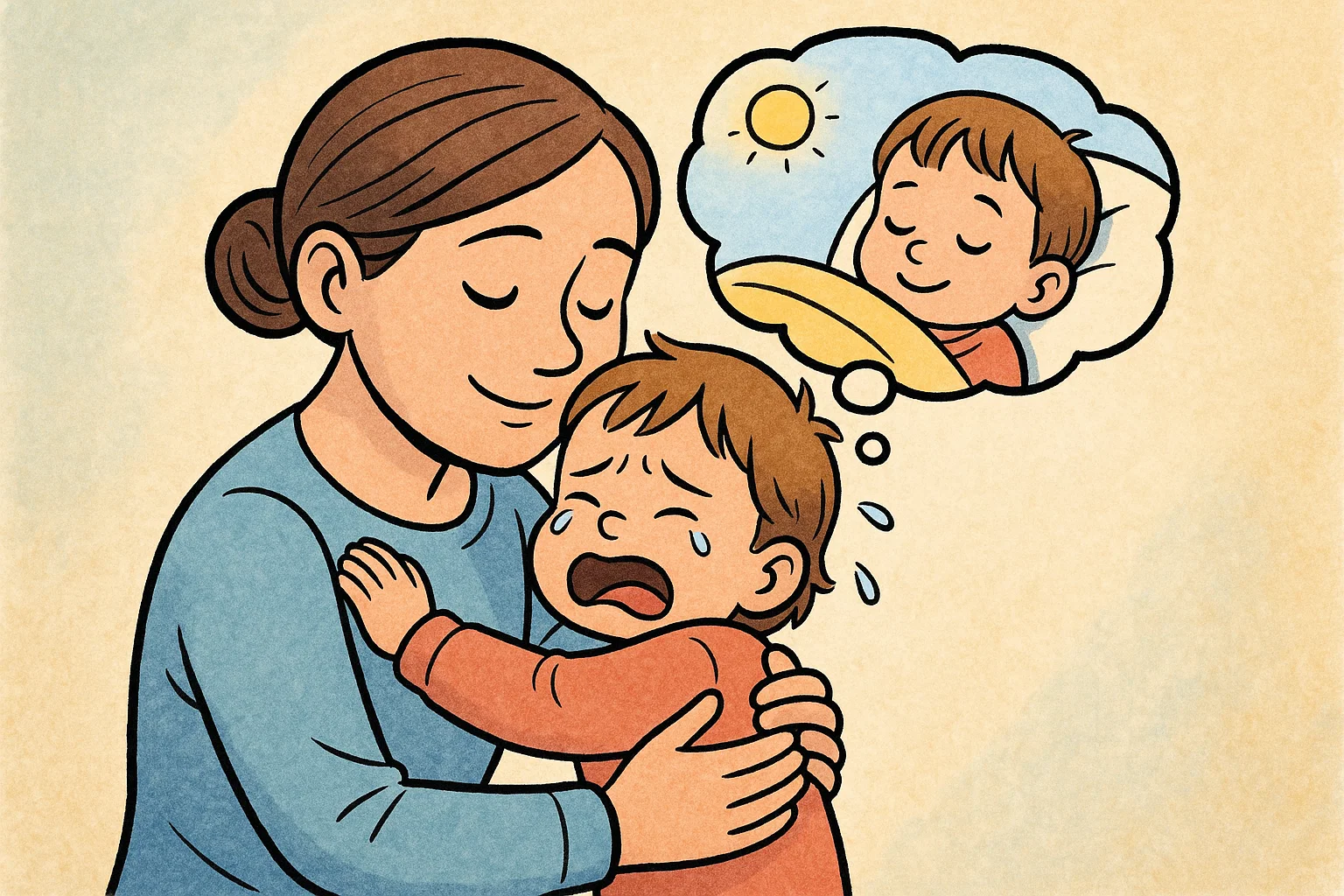
Limited language skills and high impulsivity can sometimes lead a young child with ADHD-like traits to lash out physically. Managing aggression involves noticing early triggers, keeping everyone safe, and teaching safer ways to express frustration.
Aggression Triggers
Physical aggression in young children is rarely random. It often stems from specific stressors. Identifying these patterns can help parents step in before the behavior escalates.
Common triggers include:
- Overtiredness: Sleep disruptions that reduce coping capacity.
- Overstimulation: Loud, crowded environments that overwhelm sensory processing.
- Communication Delays: Frustration from being unable to express needs or wants.
- Unprepared Transitions: Sudden changes in activities without warning.
- Physical Discomfort: Hunger, pain, illness, teething, or other physical discomfort.
Safe Response Plan
If your child acts out physically by hitting, kicking, or biting, prioritize safety while staying calm. Block the movement if you can do so safely, and say in a calm voice, “I won’t let you hit; hitting is not safe.”
Avoid yelling or lecturing in the moment, because strong parental reactions can unintentionally increase the child’s distress. Keep the environment quiet and low-stimulation until your child begins to calm down.
Replacement Skills
Once your child is calm and receptive, teach safe alternatives for releasing frustration. Practice simple phrases like:
- “Help, please.”
- “Stop.”
- “My turn.”
Pair these phrases with safe physical outlets, such as belly breathing, squeezing a soft pillow, or stomping on a mat. Teaching replacement skills helps children learn healthier ways to handle big emotions over time.
Manage Meltdowns
A meltdown can be a state of overwhelm in which a child has much less control over their behavior and cannot respond well to reasoning or discipline. During an intense meltdown, the child may not be able to process logic, demands, or discipline and needs calm support and safety.
Early Warning Signs
Parents can often reduce escalation by watching for early signs of sensory or physical overload. Intervening early allows you to help your child co-regulate before they lose control.
Early warning signs may include:
- Pacing or restlessness.
- Whining or protesting.
- Throwing objects.
- Covering ears or avoiding sensory input.
- Trying to run away or hide.
When you notice these signs, simplify the environment, lower your demands, and guide the child to a quieter space.
Calm-Down Space
Set up a comfortable space in your home for emotional recovery and co-regulation. Fill this area with soft items such as pillows, books, calming sensory toys, and dimmable lighting.
When your child is upset, guide them to this space without treating it as punishment. Use a soothing, quiet voice to help their nervous system settle safely.
After-Meltdown Repair
Once your child is calm enough to listen, focus on reconnecting and repairing the moment. Keep your summary brief:
- Name the emotion.
- Reassure your child of your support.
- Practice one alternative skill for next time.
For example, you might say, “You felt very angry because we had to leave. I am here with you. Next time, we can practice saying, ‘One more minute, please.’”
This approach reassures the child that your relationship remains strong and secure, even after a difficult moment.
Simplify and Organize Home
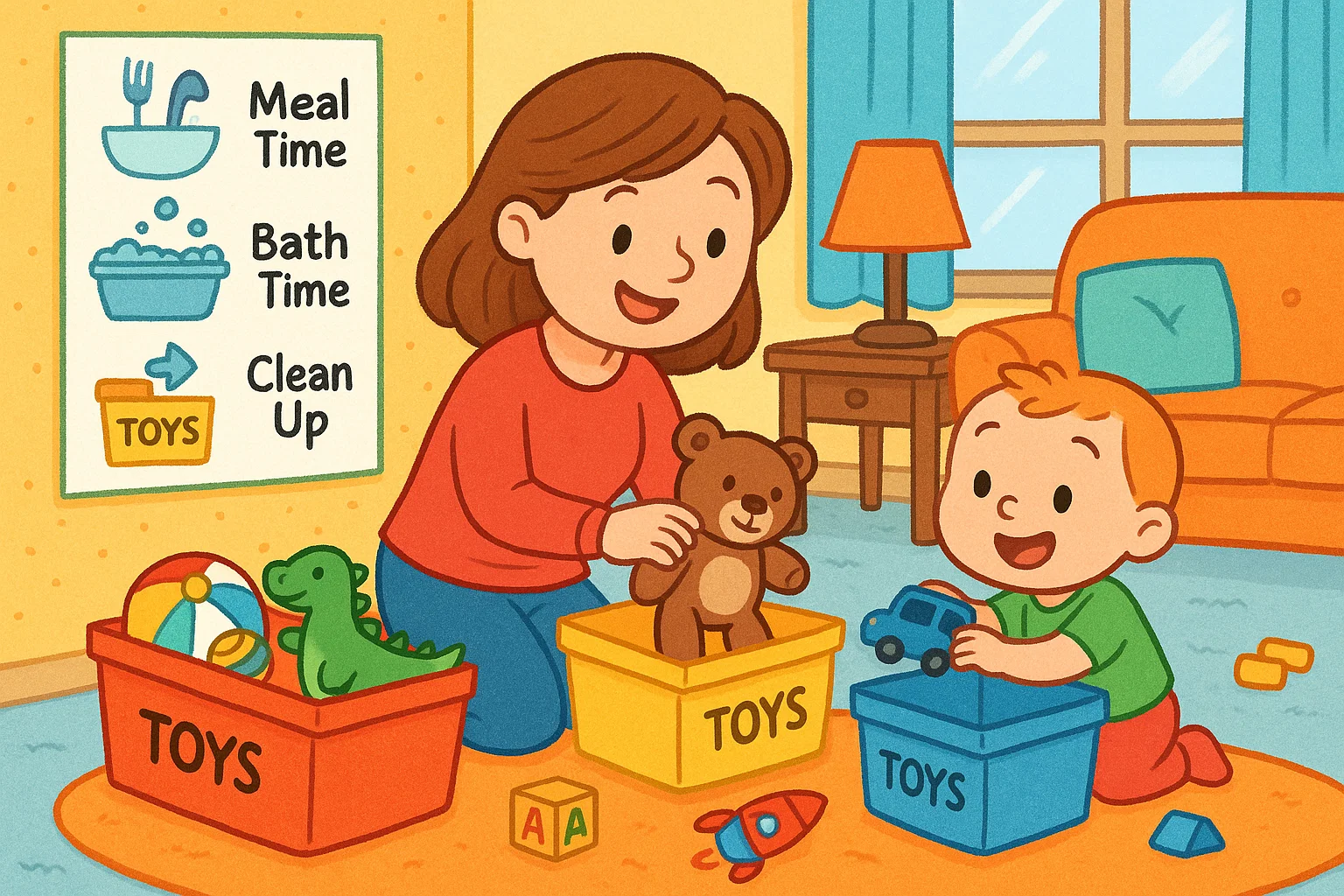
The physical layout of your home directly affects your child’s ability to focus and manage impulses. A cluttered, disorganized living space can overstimulate a child with ADHD-like traits, while a predictable, structured home environment can support calmer behavior.
Toy Rotation
Keeping too many toys out at once can overwhelm a child, leading to a short attention span and disorganized play. Divide the toys into separate bins, keep only two or three sets accessible in the play area, and rotate them weekly.
For example:
| Bin | Contents | Use |
| Bin A | Blocks | Active play this week |
| Bin B | Trains | Stored for later rotation |
| Bin C | Puzzles | Stored for later rotation |
Limiting the options on display encourages deeper engagement, reduces clutter, and helps your child focus on one activity at a time.
Low-Distraction Play Zones
Designate specific, simple areas of the home for distinct activities like building, reading, or quiet sensory play. Keep these zones free from background distractions such as overflowing toy bins or digital screens.
A clear, single-purpose space can make it easier for your child to settle into an activity without being pulled away by other sights and sounds.
Easy Cleanup System
Create a simple cleanup routine by using low, open bins with clear visual labels or photos showing what goes inside. Use a familiar cleanup song to make the transition predictable, and work alongside your child as they learn.
Breaking the task into small, manageable steps prevents your child from feeling overwhelmed by the mess and teaches them how to tidy up successfully.
Limit Distractions
Kids with ADHD-like traits may find it difficult to filter out background noise and visual clutter. By reducing sensory input at home, you can help your child listen and complete daily tasks more easily.
Screen and Noise Control
Turn off televisions, tablets, and background music during critical daily routines like meals, dressing, and instruction times. Research suggests that background media may interfere with young children’s attention and executive-function skills, making spoken directions harder to follow.
Keeping the sensory environment quiet allows your child to focus more fully on what you are saying.
Simple Meal Setup
- Minimalist Table: Clear away unnecessary items, placemats, and decorations from the immediate dining area.
- Consistent Seating: Have your child sit in the same chair for meals when possible.
- Proactive Movement: Schedule five minutes of active physical play before everyone sits down to eat.
- Realistic Timeframes: Keep meals brief and age-appropriate, focusing on about 10 to 15 minutes when needed.
- Praise Small Successes: Offer immediate, positive reinforcement when your child sits calmly or finishes part of their food.
Focus-Friendly Play
Encourage focus by offering one toy or activity at a time, such as a puzzle or a set of building blocks. Sit on the floor and model calm, focused play alongside your child.
If your child starts to move toward another object, gently guide their attention back to the current toy.
Break Tasks into Manageable Pieces
Large, open-ended tasks can feel overwhelming to a toddler with ADHD-like traits and may lead to avoidance or frustration. Parents can support independence by breaking daily chores and self-care routines into small, step-by-step actions.
Dressing Steps
Avoid giving a broad instruction like “Go get dressed,” which can leave a child unsure of where to start. Instead, hand your child their clothes one piece at a time in a clear, consistent order:
- Underwear.
- Pants.
- Shirt.
- Socks.
- Shoes.
Step in with gentle help before your child becomes frustrated so the routine feels successful rather than stressful.
Cleanup Steps
When it is time to clean up a play area, give your child specific instructions focused on one type of item at a time instead of asking them to tidy the whole room. Ask them to put the blocks away first, move on to the toy cars next, and finish by stacking the books.
Small, clear goals keep the task manageable and can prevent your child from feeling overwhelmed by a big mess.
Hygiene Steps
Break daily habits like brushing teeth, washing hands, and using the toilet into small, predictable routines supported by simple pictures near the sink or toilet.
For handwashing, the routine might be:
- Turn on the water.
- Apply soap.
- Rub hands.
- Rinse.
- Dry with a towel.
Following the same steps every day turns these self-care habits into familiar routines that require less parental prompting.
Make Tasks Interesting
Young children with ADHD-like traits often respond well to novelty, play, and high engagement. Adding play to daily tasks can increase cooperation and reduce resistance.
Turn Chores into Games
Turn ordinary routines into simple games to capture your child’s interest and focus. Set a visual timer and race to put toys away, use silly character voices when giving directions, or turn cleanup into a playful search for specific colors.
Creating a sense of fun naturally motivates your child to cooperate without constant reminders.
Use Movement During Tasks
Incorporate physical activity into everyday tasks to help your child stay engaged while releasing energy. Have them hop like a frog to the bathroom for bath time, march like a soldier to put on their shoes, or do a few silly animal crawls before sitting at the kitchen table.
Using movement keeps transitions lively and can prevent your child from stalling or losing focus.
Offer Limited Choices
Give your child a sense of autonomy while keeping boundaries clear by offering two acceptable choices for daily tasks. Ask if they prefer the red cup or the blue cup, the dinosaur pajamas or the truck pajamas, or whether they want to tidy up the blocks or the cars first.
These structured choices give your child a sense of control and can reduce pushback during daily routines.
Encourage Exercise and Active Breaks
Regular physical activity supports emotional regulation, attention, and healthy sleep patterns in children with ADHD-like traits. Providing structured opportunities for movement throughout the day helps manage restlessness and supports healthy development.
Daily Outdoor Play
Give your child opportunities for active outdoor play whenever possible, focusing on gross motor movements like running, climbing, swinging, pulling, and digging. Activities that require physical effort can provide helpful sensory input and may help an active child feel calmer.
Aim for active play throughout the day, including outdoor time when possible, and follow your pediatrician’s guidance for your child’s age, health, and environment.
Movement Before Quiet Tasks
Schedule a brief period of active play before events that require your child to sit still, such as meals, errands, daycare drop-offs, or doctor appointments.
Letting your child run, jump, or play actively beforehand can help meet their need for movement. This proactive step may make it easier for them to remain calm and focused during the quiet activity that follows.
Indoor Movement Ideas
- Obstacle Courses: Set up a simple path using couch cushions, painter’s tape lines, and low stools to climb over.
- Dance Breaks: Put on an upbeat song for a quick two-minute dance session.
- Animal Walks: Practice moving across the room like a bear, kangaroo, or crab.
- Yoga Cards: Use simple illustrated cards to practice playful balance poses.
- Heavy-Work Tasks: Have your child help with small household tasks, such as pushing a laundry basket or carrying a stack of books.
Support Sleep Patterns
Healthy sleep is critical for brain development, yet many children with ADHD-like traits struggle with winding down and staying asleep. Because fatigue can intensify hyperactivity and emotional outbursts during the day, prioritizing a consistent sleep environment is important.
Consistent Sleep Schedule
Maintain a stable bedtime and wake time every day of the week, including on weekends when possible. Consistency supports your child’s internal body clock and can make it easier for them to settle at bedtime.
Keep day-to-day changes small when possible to protect this predictable sleep rhythm.
Screen-Free Wind Down
Turn off digital screens, tablets, and televisions at least one hour before bedtime. Screens can make bedtime harder by adding light, stimulation, and engaging content, all of which may make it more difficult for a child to settle.
Replace digital media with calming activities like dimming the lights, listening to soft music, reading a favorite book, or playing with quiet sensory materials.
Sleep Problems Worth Discussing
While occasional bedtime resistance is normal for toddlers, certain persistent patterns warrant a conversation with your pediatrician. Contact a specialist if you notice ongoing issues such as:
- Loud snoring.
- Restless tossing and turning.
- Frequent night awakenings.
- Regular night terrors.
- A consistent inability to fall asleep within 45 minutes of lights out.
Addressing underlying sleep challenges can noticeably improve daytime behavior and emotional regulation.
Teach Waiting Strategies
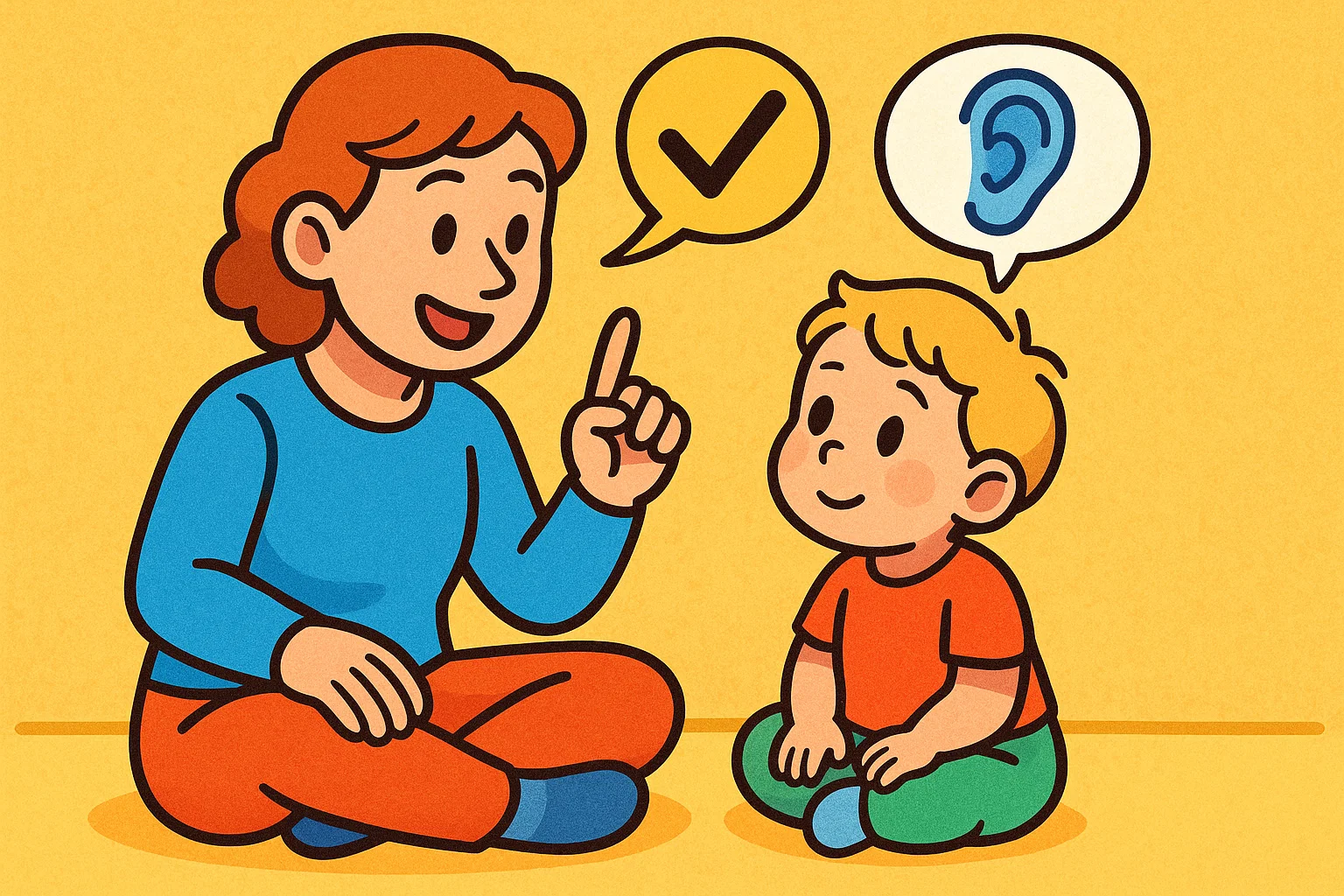
Learning to wait is an advanced executive-function skill that can be especially challenging for a child with ADHD-like traits. Parents can help by introducing short, playful waiting practices that gradually build patience over time.
Tiny Waiting Practice
Start practicing patience during calm moments by asking your child to wait for a brief period, such as 5 to 10 seconds, before handing them a desired toy or snack. Use a clear verbal cue like “Wait, please,” count down slowly on your fingers, and immediately reward success with the item and specific praise.
Gradually increase the time as your child becomes more comfortable with the routine.
Visual Timer
Make waiting easier to understand by using visual tools like a colorful sand timer, a countdown clock, or a familiar short song. When a child can see time passing, waiting feels more concrete and may become less frustrating.
Waiting Alternatives
Give your child something specific to do with their mind or hands while they wait. This helps redirect impulsive energy.
Helpful waiting alternatives include:
- Holding a small fidget toy.
- Squeezing a soft ball.
- Counting steps.
- Singing a quiet song.
- Helping you with a simple task, such as holding a grocery list.
Providing a clear alternative activity gives their energy a constructive outlet and makes waiting easier to manage.
Model Thinking Out Loud
Young children learn a great deal by watching and listening to the adults around them. By narrating your own thought processes and emotional management out loud, you can model self-control and problem-solving in a way your child can understand.
Parent Modeling
Proactively narrate your own moments of frustration, patience, and emotional control using simple language. Let your child hear you process your feelings out loud in real time:
- “I really want to open this package quickly, but I need to stop and wait for the scissors.”
- “I feel a little frustrated right now because this spilled, so I am going to take a big breath before I clean it up.”
Hearing you manage your reactions teaches your child that big feelings are normal and can be handled calmly.
Emotion Words
Help your child build emotional vocabulary by regularly identifying and naming feelings during daily experiences. Use clear, simple words like:
- Mad.
- Sad.
- Excited.
- Scared.
- Tired.
- Hungry.
Giving your child words for their feelings can help them feel understood and may reduce physical outbursts when they are overwhelmed.
Problem-Solving Scripts
Provide your child with short, easy-to-remember phrases they can use when they face an obstacle or conflict. Practice simple scripts like:
- “Help, please.”
- “Let’s try again.”
- “My turn next.”
- “Please stop.”
These clear verbal tools give them an alternative to physical reactions and can help social interactions go more smoothly.
Help Your Toddler Eat Well

Nutrition supports healthy childhood development and can affect a child’s energy levels throughout the day. Providing a predictable meal schedule and balanced food options supports stable energy and helps prevent hunger-related meltdowns.
Regular Meal Rhythm
Establish a reliable daily routine for meals and snacks to keep your child’s energy more stable. Some children may become so absorbed in play that they miss early hunger cues, which can contribute to irritability or tantrums.
Offering food at predictable intervals helps meet nutritional needs before hunger contributes to irritability or an outburst.
Protein and Fiber Options
Include balanced portions of protein, healthy fats, and fiber in your child’s meals to provide steady, long-lasting energy. Consider incorporating wholesome foods such as:
- Plain yogurt topped with fresh berries.
- Scrambled or hard-boiled eggs.
- Mild bean dips or hummus with vegetables.
- Nut or seed spreads served thinly on whole-grain toast, if they are safe for your child.
- Fresh fruit slices paired with cheese.
These nutrient-dense options can support steadier energy than many highly processed, sugary snacks.
Picky Eating Support
Many young children go through phases of selective or picky eating, which can sometimes be intensified by sensory sensitivities associated with ADHD-like traits. Keep mealtime relaxed by offering small portions, avoiding pressure, and continuing to introduce new foods alongside familiar favorites.
If you have concerns about your child’s growth, nutritional intake, or extreme food avoidance, consult your pediatrician for personalized guidance.
Take Time to Play
Rules and routines are important parts of parenting, but relaxed, unstructured play is just as vital. Regular, positive play strengthens your connection with your child and can encourage better cooperation during daily routines.
Daily Special Play
Set aside 10 minutes every day for one-on-one, child-led play that is free from distractions like phones, chores, or teaching moments. Let your child choose the activity and take the lead while you follow along, comment positively on their ideas, and avoid correcting their play unless there is a safety concern.
Developmental Impact: This dedicated, positive attention can help your child feel secure, valued, and more receptive to your guidance.
Games for Impulse Control
Incorporate playful, structured games into your routine to help your child practice stopping and starting actions in a fun environment. Try games such as:
- Red Light, Green Light.
- Freeze Dance.
- Simon Says.
- Bubble popping with a specific “go” signal.
These games provide a playful way for your child to practice self-regulation and build motor control.
Reading Together
Enjoy short, brightly illustrated books together, keeping reading sessions interactive and responsive to your child’s attention span. Ask questions about the pictures, encourage them to point to different characters, and welcome movement-friendly reading, such as letting them stand or wiggle while listening.
Accepting a short focus window helps reading stay enjoyable and pressure-free while supporting language development.
Encourage Creativity and Imagination
Creative and imaginative play supports cognitive flexibility, language development, and emotional expression. Open-ended activities allow kids with ADHD-like traits to explore ideas, solve problems, and express feelings at their own pace.
Pretend Play
Encourage imaginative play using simple prop kits, such as toy medical supplies, play kitchens, animal figures, or dress-up items. Take part in creative storylines, such as helping an animal figure on a “rescue mission” or practicing daily routines through a doll.
This style of play offers a safe space for your child to explore emotions, try out different social roles, and build creative thinking skills.
Sensory Art
Provide regular opportunities for open-ended art activities that offer a rich sensory experience, such as finger painting, playing with modeling dough, using stickers, or painting with water on colored paper.
Focus on the creative process rather than a perfect final product. This allows your child to enjoy tactile exploration, which can be highly soothing for an active mind.
Music and Movement
Incorporate music into daily transitions to make routines more engaging and predictable. Use specific upbeat songs to signal cleanup time, gentle melodies to ease transitions between activities, or rhythmic chants to help your child learn about emotions and body regulation.
Music often captures a toddler’s attention, making daily transitions feel smoother and more collaborative.
Support Siblings
A child’s high energy and support needs can sometimes affect the daily lives of siblings. Maintaining a balanced family dynamic involves ensuring every child feels valued and teaching safe boundaries for everyone in the home.
Fair Attention
Schedule regular one-on-one time with your other kids so their individual achievements and needs receive focused attention. It is common for the needs of a child with ADHD-like traits to take up a large portion of daily family energy.
Prioritizing separate time for siblings helps them feel supported and may prevent feelings of resentment or neglect.
Simple Safety Rules
Teach your other kids clear, practical boundaries for managing difficult moments with their siblings. Encourage them to:
- Keep special toys in a designated safe area.
- Step away if play becomes too rough.
- Ask an adult for help instead of trying to manage the behavior themselves.
These simple guidelines keep everyone safe while allowing parents to handle discipline.
No-Blame Family Language
Describe behavioral challenges using objective, supportive language that avoids labels, blame, or criticism. Use kind, factual explanations when talking with siblings:
- “Your brother’s body has a lot of extra energy today, so we are helping him practice waiting.”
- “Sometimes big feelings are hard to control, but we are all working together to learn safe choices.”
Using no-blame language keeps the family environment supportive and models empathy for everyone.
Work with Preschool or Daycare
Open, consistent communication with your child’s early childhood educators helps create more consistent support between home and preschool or daycare.
Share What Works at Home
Schedule a collaborative meeting with your child’s primary caregivers or educators to share the strategies that work well at home. Provide practical details about:
- Daily routines.
- Known sensory triggers.
- Effective calming techniques.
- Visual schedules.
- Transition tools.
Sharing this information helps teachers use similar approaches, making the school day more predictable for your child.
Ask About Behavior Patterns
Regularly check in with your child’s educators to learn about behavior patterns during the school day. Ask specific questions to find out when challenges tend to occur, such as during:
- Group circle time.
- Meals.
- Nap transitions.
- Outdoor play.
- Peer interactions.
Understanding these patterns can help you adjust support at home and collaborate with the school on specific needs.
Create a Consistent Support Plan
Work with the educational team to establish a unified support plan that uses consistent phrases, visual cues, and transition strategies across both environments. Create a predictable morning drop-off routine and set up a regular schedule for brief progress check-ins.
A consistent approach across home and school helps your child feel secure and reinforces positive behavior choices.
Find Professional Help and Parent Training
Parents do not have to navigate the challenges of raising a child with ADHD-like traits alone. Connecting with qualified specialists and evidence-informed training programs can offer families valuable support, practical tools, and personalized intervention plans.
Parent Behavior Training
Evidence-based parent behavior training programs, such as Parent-Child Interaction Therapy (PCIT) or the Incredible Years framework, provide parents with practical strategies for managing challenging behaviors.
These programs often focus on:
- Structured routines.
- Specific praise.
- Clear boundary-setting.
- Calm de-escalation.
- Positive parent-child interaction.
Learning these skills can help parents build confidence and support healthy child development.
Individualized Counseling or Therapy
Different specialists can support different areas of development:
- Child Psychologist: Provides developmental evaluations and supports early emotional regulation skills.
- Occupational Therapist (OT): Helps address sensory processing needs and builds fine and gross motor coordination.
- Speech-Language Pathologist (SLP): Supports communication development to reduce frustration related to language delays.
- Developmental Pediatrician: Offers medical guidance on developmental milestones and long-term support planning.
Medication Questions
Decisions about medication for very young kids require careful evaluation and close guidance from a qualified healthcare provider, such as a developmental pediatrician or child psychiatrist.
For kids under 6, guidelines generally recommend parent training in behavior management and behavioral supports before medication is considered, unless a qualified clinician advises otherwise. Discuss any questions with your child’s healthcare provider to understand the safest and most appropriate approach for your child’s needs.
Look After Yourself

Parenting a child with significant behavioral needs takes patience, energy, and emotional resilience. Taking proactive steps to care for your own well-being matters because a calm parent can help a child learn to regulate emotions more effectively.
Planned Breaks
Schedule regular, safe breaks from caregiving by partnering with a spouse, family member, trusted friend, or professional respite provider. Stepping away for even a brief period allows you to rest, recharge, and clear your mind.
Parenting Reminder: Taking regular breaks can help prevent burnout and make it easier to provide patient, supportive care.
Calm Parent Strategies
Develop a dependable plan for managing your own stress when behavioral challenges arise. Practice:
- Taking a slow, deep breath before responding.
- Stepping back if it is safe to do so.
- Lowering your voice.
- Using a simple internal script, such as “This is a tough moment, but I can handle it calmly.”
Keeping your own reaction steady helps prevent power struggles and guides your child back toward calm.
Support Network
Build a reliable support network by connecting with local parent groups, family counselors, or specialized educational programs. Sharing experiences with others who understand the realities of raising a child with ADHD-like traits can provide emotional reassurance and practical ideas.
Reaching out for support early can protect your well-being and help your family cope more effectively.
FAQ About Parenting a Child with ADHD
How do I know if my toddler may have ADHD?
A toddler may have ADHD-like traits if hyperactivity, impulsivity, intense emotions, or difficulty following directions happen often, appear in more than one setting, and interfere with daily life. However, many toddler behaviors overlap with normal development, so early signs are not the same as a confirmed diagnosis. Parents should pay attention to patterns over time. If the symptoms of ADHD-like behavior affect sleep, daycare, safety, or family routines, it may be time to speak with a pediatrician or developmental specialist.
When should parents consider an ADHD assessment?
An ADHD assessment may be helpful when a child’s behavior is persistent, intense, and difficult to manage despite consistent routines and supportive parenting strategies. For very young kids, professionals often focus first on developmental screening, parent guidance, and behavioral support rather than rushing to a diagnosis. If your child is diagnosed later, the assessment can help clarify your child’s needs and guide a more personalized support plan.
What are the most useful parenting tips for ADHD at home?
The most useful parenting tips for ADHD at home are usually simple, consistent, and practical. A predictable routine for your child, short one-step directions, visual schedules, immediate praise, and regular movement breaks can all make daily life easier. Since ADHD affects self-regulation, kids with ADHD need support that is calm, structured, and repeated often. The goal is not to make behavior perfect, but to help them learn skills gradually.
How can I help my child with ADHD follow directions?
To help a child with ADHD follow directions, keep instructions short, concrete, and limited to one step at a time. Get close to your child, use a calm voice, and check that they are listening before you speak. For example, instead of saying, “Go clean up your toys, put your shoes on, and get ready to leave,” say, “Put the blocks in the bin.” Once that step is complete, give the next direction. This approach can help kids with ADHD feel less overwhelmed and more successful.
What should I do if my child acts out in public?
If your child acts out in public, focus first on safety and calm de-escalation. Move to a quieter place if possible, lower your voice, and use short phrases such as “I am here” or “Hands safe.” Avoid long explanations during the outburst. Many kids with ADHD are often unable to process reasoning when they are overwhelmed. Once your child is calm, briefly explain what happened and practice what they can do next time.
Should I be strict with my child if they have ADHD-like traits?
Clear boundaries are important, but being overly strict with your child can sometimes make the symptoms of ADHD-like behavior worse. Kids with ADHD may also struggle with impulse control, transitions, and emotional regulation, so they need structure paired with patience. Set simple rules, repeat them consistently, and use consequences that are immediate, calm, and related to the behavior. This helps the child consider the consequences without feeling shamed or rejected.
How can I reward my child without overusing rewards?
You can reward your child by focusing on immediate, specific praise rather than relying only on stickers, treats, or prizes. Say exactly what they did well, such as “You came back when I called you” or “You used gentle hands.” Small reward charts can also help, especially when the goal is simple and short-term. The key is to reward effort and progress, not perfection.
Can routines decrease the symptoms of ADHD?
Routines do not cure ADHD, but they can decrease the symptoms of ADHD-related stress by making daily life more predictable. A consistent morning, bedtime, and transition routine can reduce power struggles and help your child know what to expect. This is especially important for kids with ADHD because predictability lowers the amount of planning and self-control they need in the moment.

Take a short quiz to find out what your everyday choices say about your parenting style
When your child is curious about something new, what’s your instinct?
Take a short quiz to find out what your everyday choices say about your parenting style
“Can I download this app?” What happens next?
Take a short quiz to find out what your everyday choices say about your parenting style
When it comes to rules at home, which sounds most like you?
Take a short quiz to find out what your everyday choices say about your parenting style
If you could give your child one life skill today, what would you pick?
Take a short quiz to find out what your everyday choices say about your parenting style
Your child gets to choose what to watch. What would your ideal setup look like?
Take a short quiz to find out what your everyday choices say about your parenting style
Pick your parenting superpower ✨