Articles
25 Best Co-Curricular Activities for Students: Types, Benefits, Examples and Tips
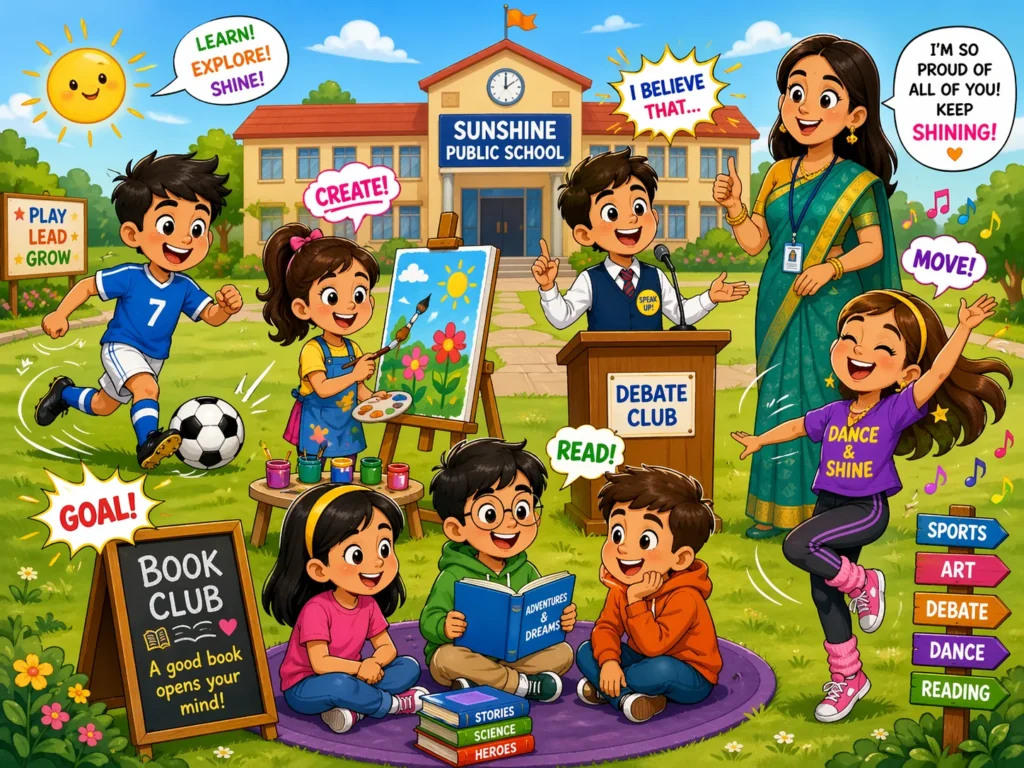
Choosing the right co-curricular activities is a vital step in a student's educational journey. These programmes complement classroom learning by giving students practical ways to apply knowledge while developing essential life skills. This guide explores the range of co-curricular activities available, explains why participation matters, and shows how to balance these activities with school life.
Continue Reading...Main Idea vs. Theme for Kids: Differences, Examples, Activities, and Questions
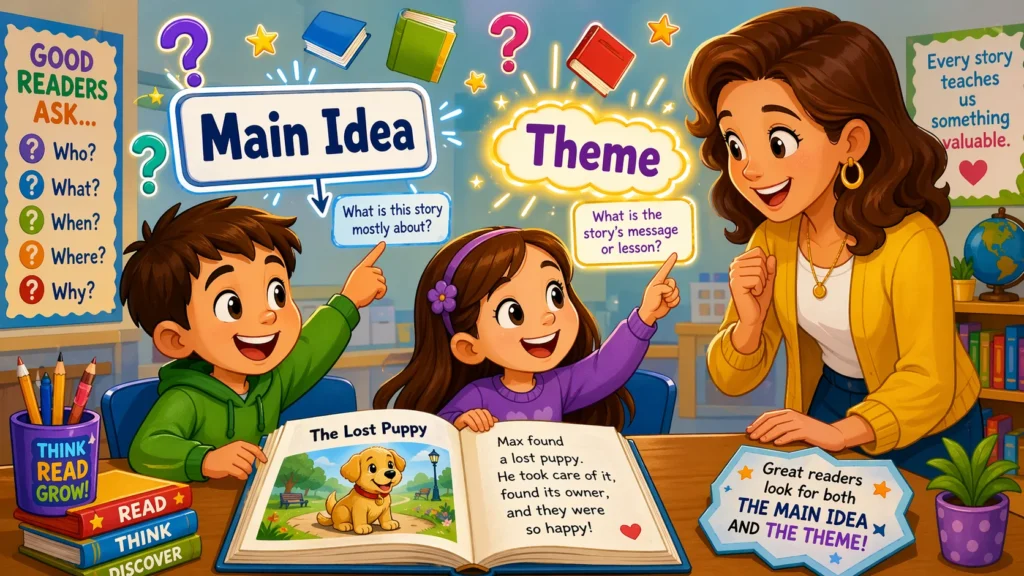
Distinguishing between the main idea and the theme of a story is a foundational milestone in literacy development. While these concepts are closely related, they serve distinct purposes in helping young readers comprehend and analyze text. Many students initially struggle with this distinction, often confusing specific plot details with the broader message the author intends to convey. Teaching children the difference between a text’s central point and its deeper message transforms them from passive readers into active thinkers. This guide provides a comprehensive comparison, clear definitions, and practical examples from well-known stories. With clear questions, anchor charts, and engaging activities, parents and educators can help students master these reading comprehension skills with confidence. In the following sections, readers will find a clear breakdown of definitions, step-by-step instructions for identifying both elements, and ready-to-use practice exercises. Whether students are reading fiction or nonfiction, the goal is to move beyond guessing and toward using textual evidence to build deep understanding.
Continue Reading...71 Pop Culture Trivia Questions for Kids With Answers
Pop culture is a vibrant, ever-evolving landscape that shapes how children interact with the world, from the movies they watch to the music that tops the Billboard Hot 100. Pop culture trivia is more than just a way to pass the time; it helps kids practice recall, build confidence, and connect with others. This guide offers a wide range of pop culture trivia questions and answers for kids, from Disney classics and superheroes to social media trends and popular streaming shows. Whether you are organizing a virtual trivia event, a classroom "brain break," or a lively game night at home, these questions are designed to be age-appropriate and engaging. The list is organized into easy questions, harder rounds, and era-based categories covering the 2020s, 2010s, and a throwback section for families. Get ready for a friendly competition that spans everything from Taylor Swift’s record-breaking Eras Tour to Harry Potter and other family favorites.
Continue Reading...240+ Daily Questions for Kids to Spark Fun Conversations Every Day
Starting a meaningful conversation with a child can sometimes feel like solving a complex puzzle. While the standard “How was your day?” is a common go-to, it often leads to one-word answers that shut the conversation down before it even begins. Using well-chosen daily questions can help you move past the usual “fine” or “good” and get a more genuine glimpse into a child’s world. Adding a few thoughtful questions to your daily routine does more than fill the silence; it creates space for meaningful conversations that support social-emotional development. Whether you are looking for classroom icebreakers or dinner-table conversation starters, having a varied list of questions helps you keep kids engaged and thinking. This guide offers more than 240 questions designed to make everyday conversations more fun, engaging, and reflective from breakfast to bedtime.
Continue Reading...15 Fun Letter O Activities for Preschoolers
30.04.2026Teaching O is an exciting milestone in a preschooler's literacy journey. Because it is shaped like a simple circle, the letter O is an accessible starting point for hands-on learning through play, crafts, and sensory bins. These O activities are designed to support multisensory learning through phonics, fine motor practice, and playful exploration. Whether you’re looking for O crafts, tracing practice, or preschool alphabet games, this guide offers a variety of low-prep ideas. By exploring uppercase and lowercase O through art projects, snacks, and movement games, preschoolers build early literacy skills that support later reading success.
Continue Reading...15 Signs of Childhood Emotional Neglect: Effects, Parenting Patterns, and Ways to Heal
Childhood emotional neglect occurs when a parent or caregiver consistently fails to respond sufficiently to a child’s needs for comfort, validation, and connection. Unlike physical neglect, which involves the absence of food or shelter, emotional neglect is often the "invisible" form of child maltreatment. Because it is characterized by what is missing rather than what is actively done, many individuals do not realize they experience emotional neglect until adulthood. This guide explores 15 signs of childhood emotional neglect, its long-term effects on self-esteem, and possible paths toward healing.
Continue Reading...21 Letter B Activities for Preschool, Pre-K, and Kindergarten
30.04.2026Teaching the alphabet is a foundational milestone in early childhood education. For young learners, the letter B is often one of the first consonants introduced because its sound is easy to produce and its shape is easy to recognize. This guide offers 21 engaging ways to build letter recognition, phonemic awareness, and fine motor skills through hands-on play and structured learning.
Continue Reading...Letter Q Activities for Preschoolers: 16 Fun Crafts and Games
30.04.2026Teaching the letter Q can be a fun part of any letter-of-the-week routine. Although Q is not one of the most common letters in English, its distinct shape and the /kw/ sound it often represents with U can make it memorable for young children. With the right mix of crafts, movement, sensory play, and printables, preschoolers can build letter recognition, strengthen fine motor skills, and begin connecting the letter shape with its sound. This guide includes playful alphabet activities designed to help children explore the letter Q in different ways. Some focus on visual discrimination, some support letter formation, and others build confidence with initial sounds. Together, they create a practical, engaging plan for preschool at home or in the classroom.
Continue Reading...Vocabulary Games for Kids: 25 Fun Ideas for Home, Classroom, and Online Play
Building a strong vocabulary is a cornerstone of literacy and academic success. Playing vocabulary games gives children repeated, low-pressure opportunities to encounter and use new vocabulary. This guide covers 25 practical vocabulary activities for home, classroom, and online learning. Whether you are supporting an English language learner or strengthening a native speaker’s literacy skills, these strategies make vocabulary practice interactive and enjoyable. The National Reading Panel highlights that repeated exposure to vocabulary, especially in rich and varied contexts, supports language learning. Games help parents and teachers build this repetition into playful, meaningful practice. From classic board games and search puzzles to digital tools, these activities help children build English skills while staying engaged.
Continue Reading...