
Best Mindfulness Apps for Kids: A Comprehensive Guide to Emotional Wellness

 Discover a Free Education Video App for Kids
Pastory uses AI to personalize educational video content based on your child’s interests and personality. Safe, engaging, and built for curious young minds. Sign up now to stay updated and enjoy early access with a free trial
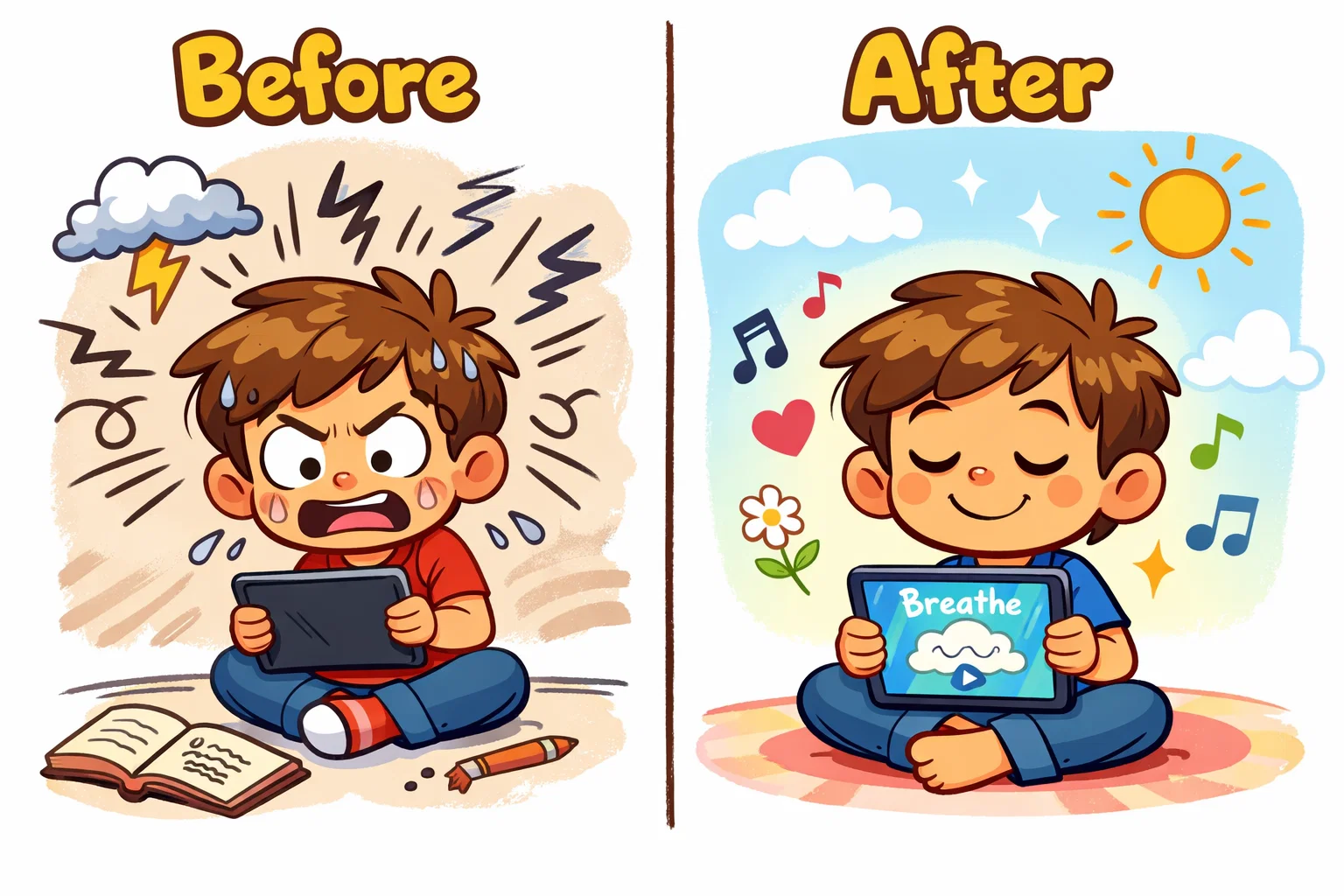
In today’s fast-paced digital world, children face unique stressors – from academic pressures to the overstimulation of constant connectivity. As a parent or educator, finding the right tools to support a child’s emotional regulation is essential. Mindfulness and meditation are no longer seen as practices just for adults; they are evidence-based approaches that can help children manage anxiety, improve focus, and build resilience over time.
This guide explores top-rated mindfulness apps tailored to various ages, specific needs (like sleep or focus), and budgets. Whether you’re looking for bedtime stories to soothe a toddler or CBT-based tools for a stressed teenager, this guide will help you choose the platform that best supports your child’s development.
Best Mindfulness Apps for Kids
Choosing a meditation app means balancing engaging content with evidence-based practices. The apps below were selected for their educational value, ease of use, and suitability for child-friendly relaxation and breathing exercises.
| App Name | Best for | Age range | Platform | Pricing |
| Smiling Mind | Classrooms & Homes | 3–18+ | iOS, Android | 100% Free |
| Headspace | Structured Routines | 3–12 | iOS, Android | Subscription |
| Calm | Sleep & Families | 4–Adult | iOS, Android | Subscription |
| Moshi | Bedtime Stories | 0–10 | iOS, Android | Free / Paid |
| Buddhify | On-the-go Practice | 4–Adult | iOS, Android | One-time Purchase |
| Breathe, Think, Do with Sesame | Toddler Basics | 2–5 | iOS, Android | Free |
Smiling Mind
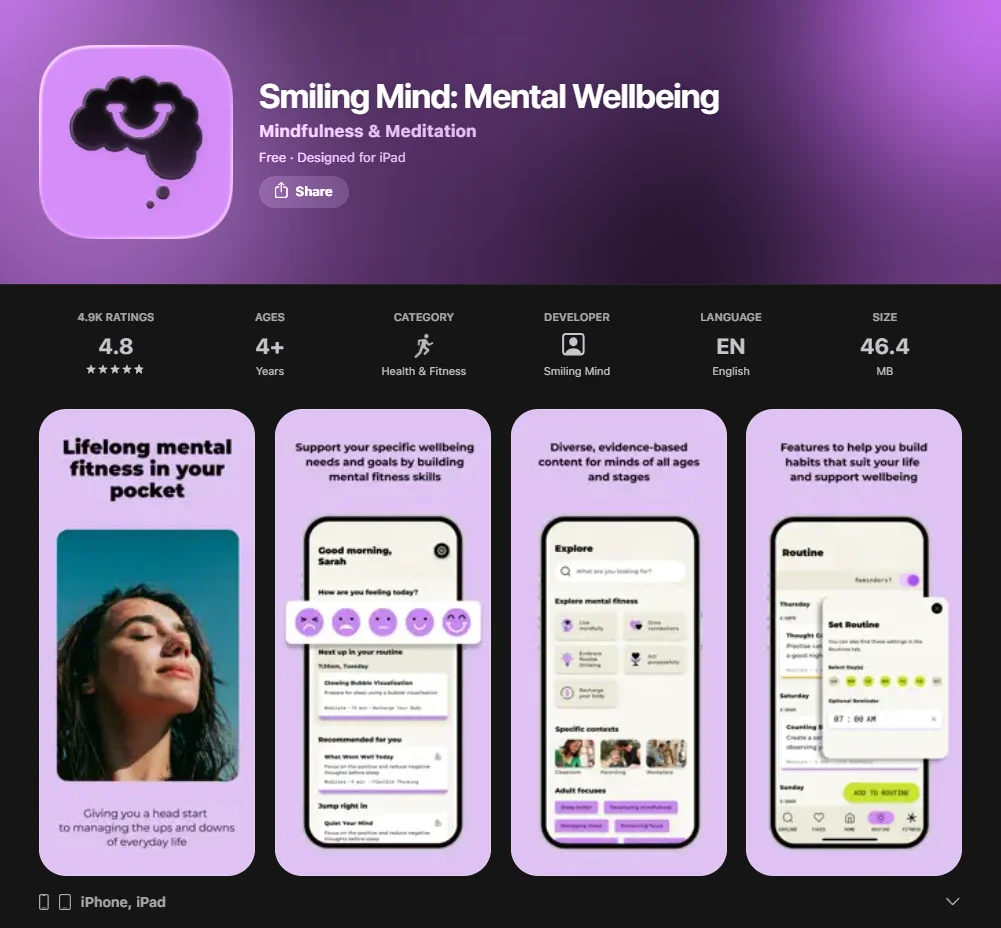
Smiling Mind is a nonprofit, evidence-based mindfulness app with programs developed by psychologists and educators. The app offers dedicated modules for different age groups, making it a versatile tool for supporting long-term emotional development. Because the interface is designed for a broad audience, younger children may need parental help navigating specific sessions, but the depth of its free content is a major advantage.
Headspace
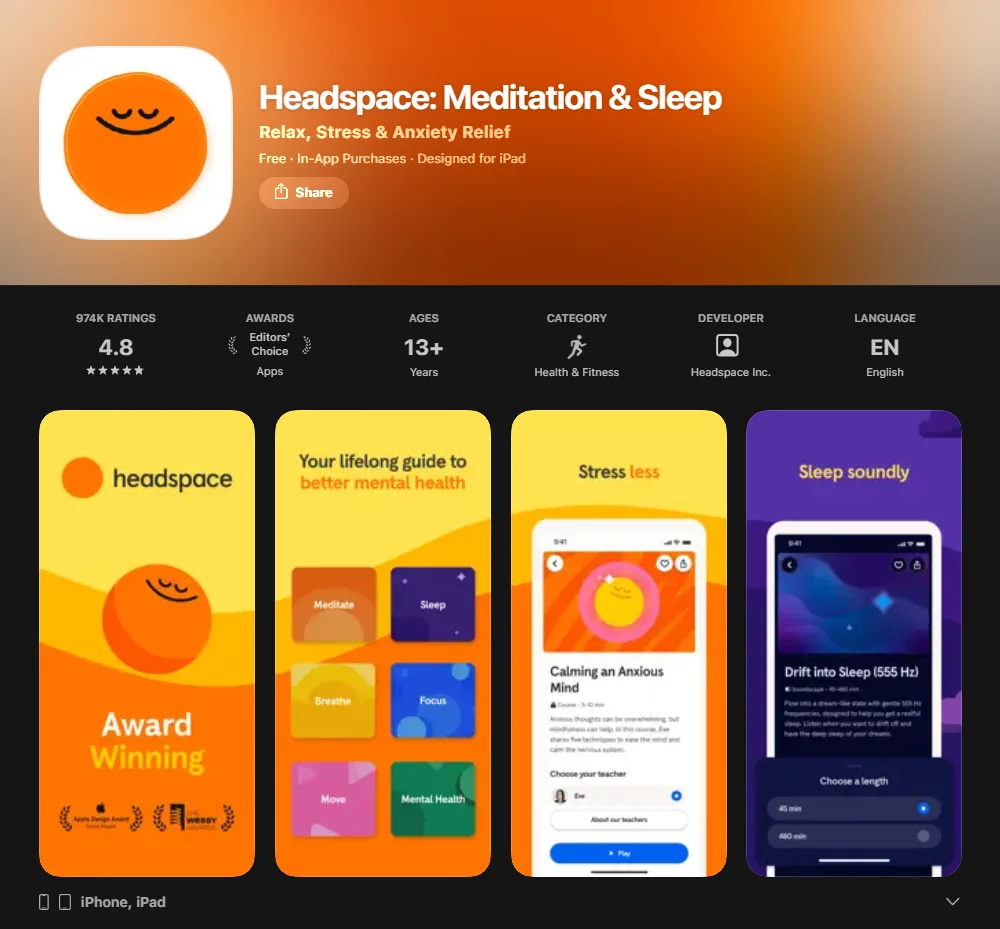
Headspace includes a dedicated ‘Headspace Kids’ section with playful animations and simplified language to teach meditation basics. The app offers sessions categorized by themes such as Calm, Focus, and Wake Up, typically lasting between 1 to 5 minutes to accommodate short attention spans. This platform suits families who want a structured, visually consistent experience that fits easily into morning or after-school routines.
Calm
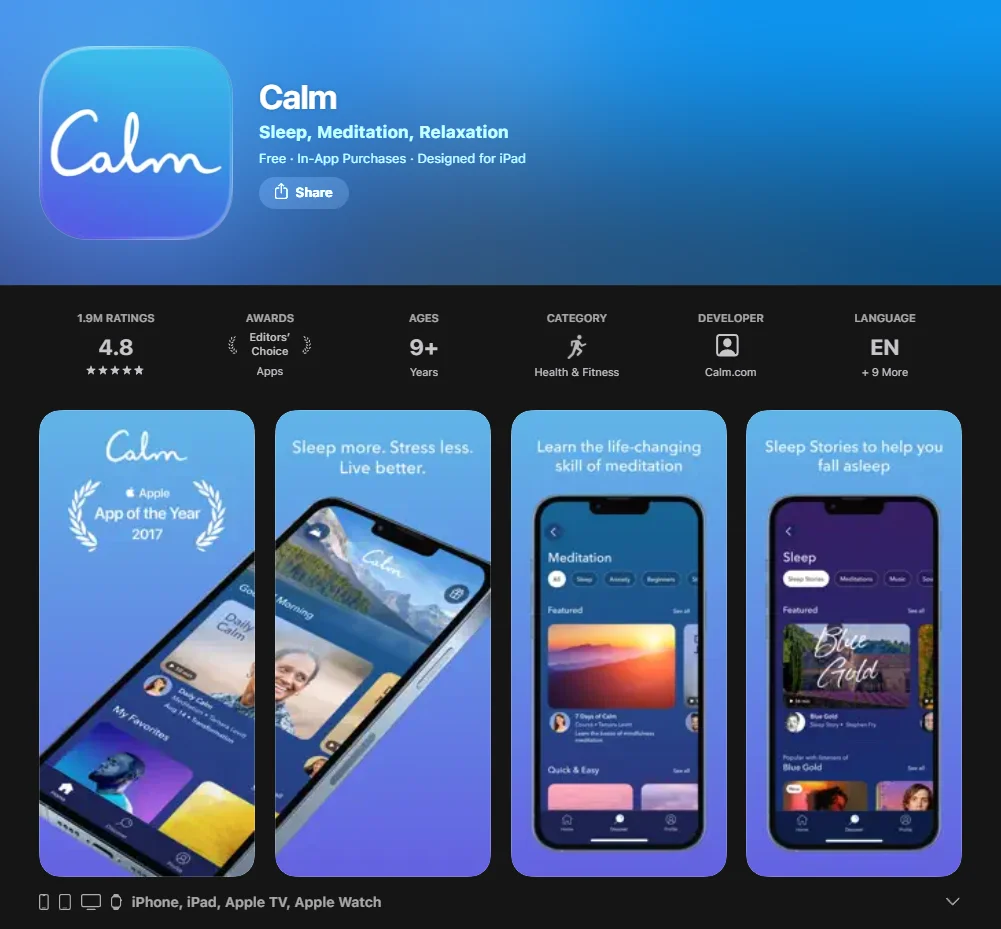
Calm offers a large library of relaxation tools, including the Calm Kids section, which features guided meditations and breathing exercises. Although it is best known for adult content, the app also includes sleep stories narrated by well-known voices to help children wind down before bed. It can be a strong choice for families who want one app that both parents and children can use.
Moshi
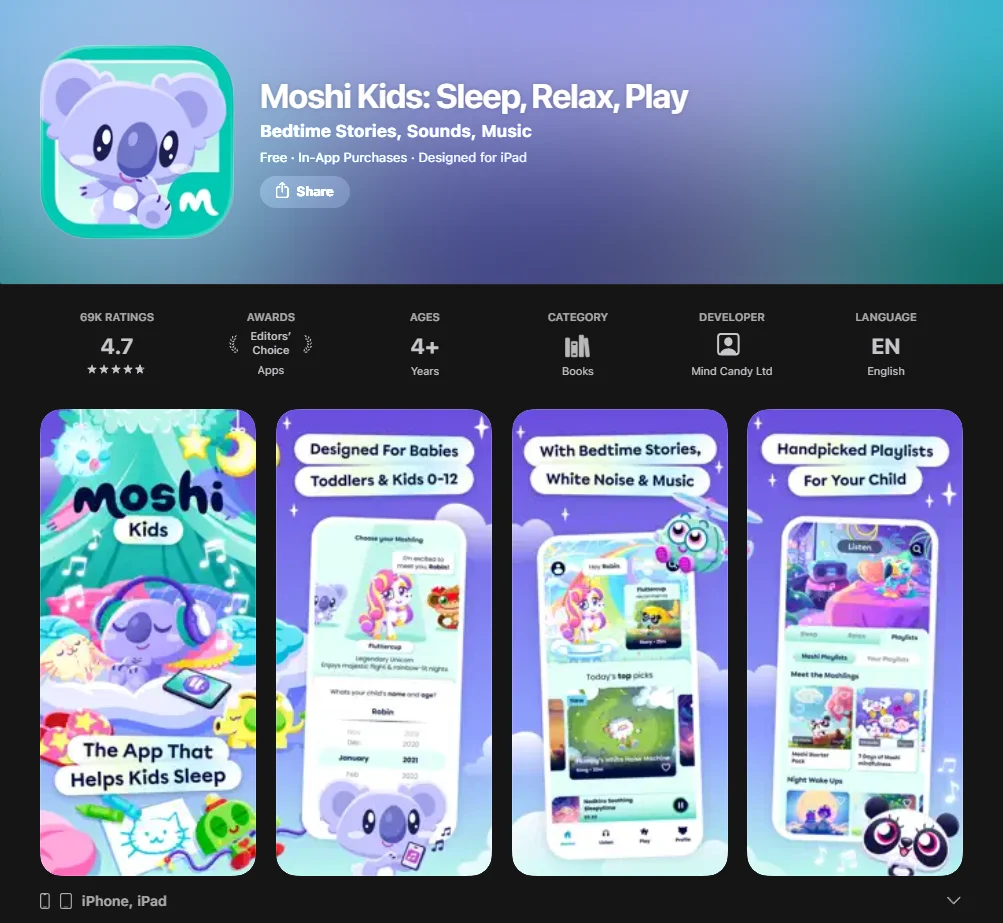
Moshi offers a specialized audio experience focused almost entirely on the wind-down period before sleep. The app offers hundreds of original sleep stories, white noise tracks, and calming music designed to help children relax and fall asleep. Some research has been cited in support of Moshi’s bedtime content, but this claim should be sourced directly or softened before publication. A safer editorial phrasing would be: ‘This makes it a strong option for families dealing with bedtime resistance.’
Buddhify
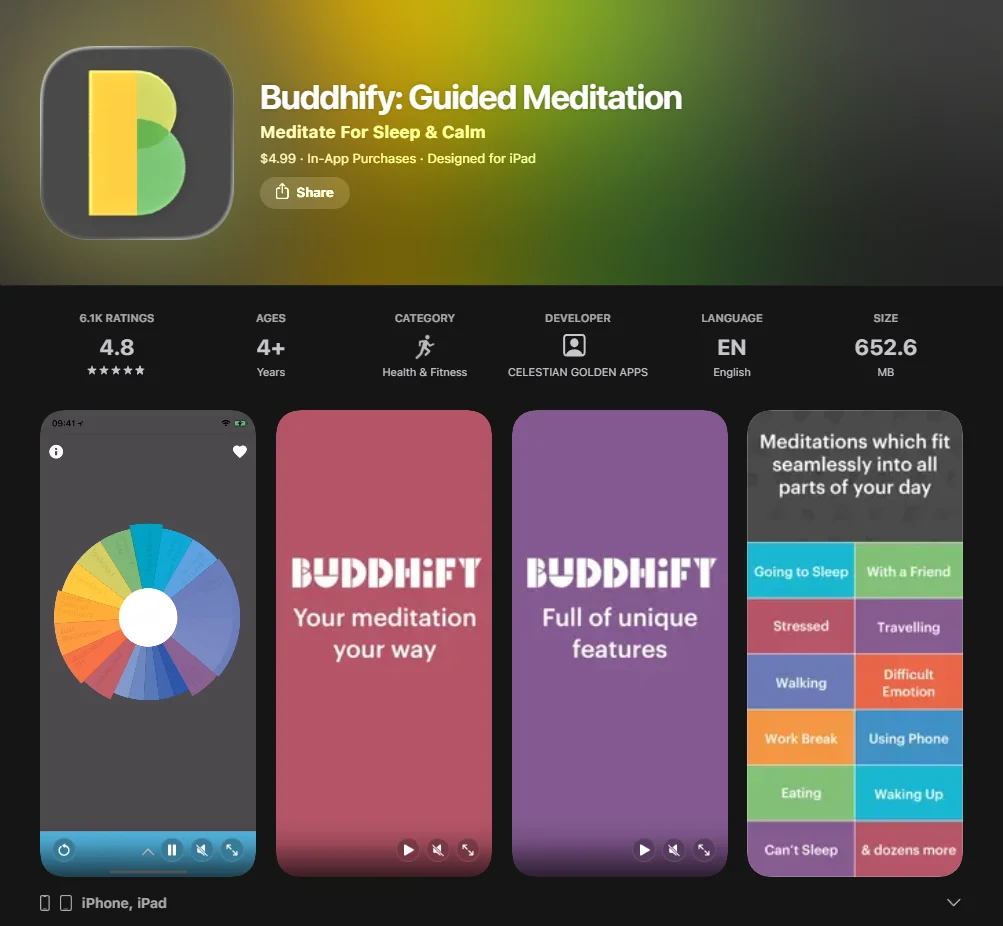
Buddhify uses a distinctive ‘wheel’ interface that lets users choose meditations based on what they are doing or how they feel. The kids’ section includes ‘The Kids Wheel,’ with short, practical sessions for situations such as ‘Dealing with Difficulties’ or ‘Starting the Day.’ It is a strong option for families who want flexible, everyday mindfulness content rather than a highly linear program.
Breathe, Think, Do with Sesame
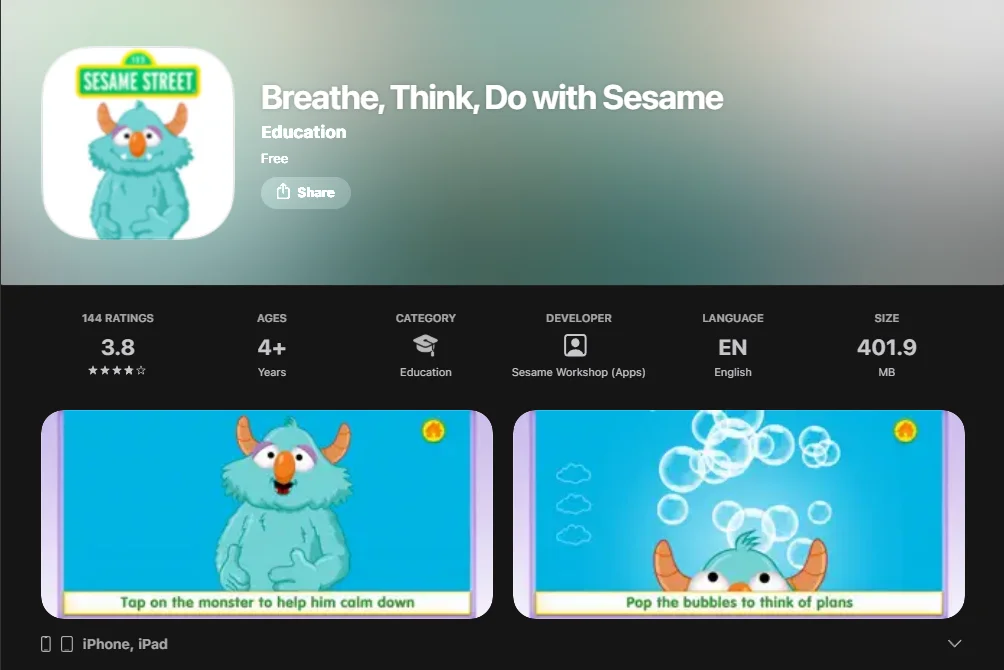
Breathe, Think, Do with Sesame offers an introductory, research-informed experience that helps preschoolers (ages 2–5) learn basic self-regulation. The app uses an interactive game format where children help a Sesame Street monster solve problems by taking deep breaths, thinking of a plan, and then doing it. This introductory app helps very young children experience deep breathing in a concrete, age-appropriate way before they are ready for more abstract meditation.
Best Free Mindfulness Apps for Kids
While many premium apps offer high-quality content, several free or budget-friendly options provide significant value without monthly subscription barriers.
Mindful Garden
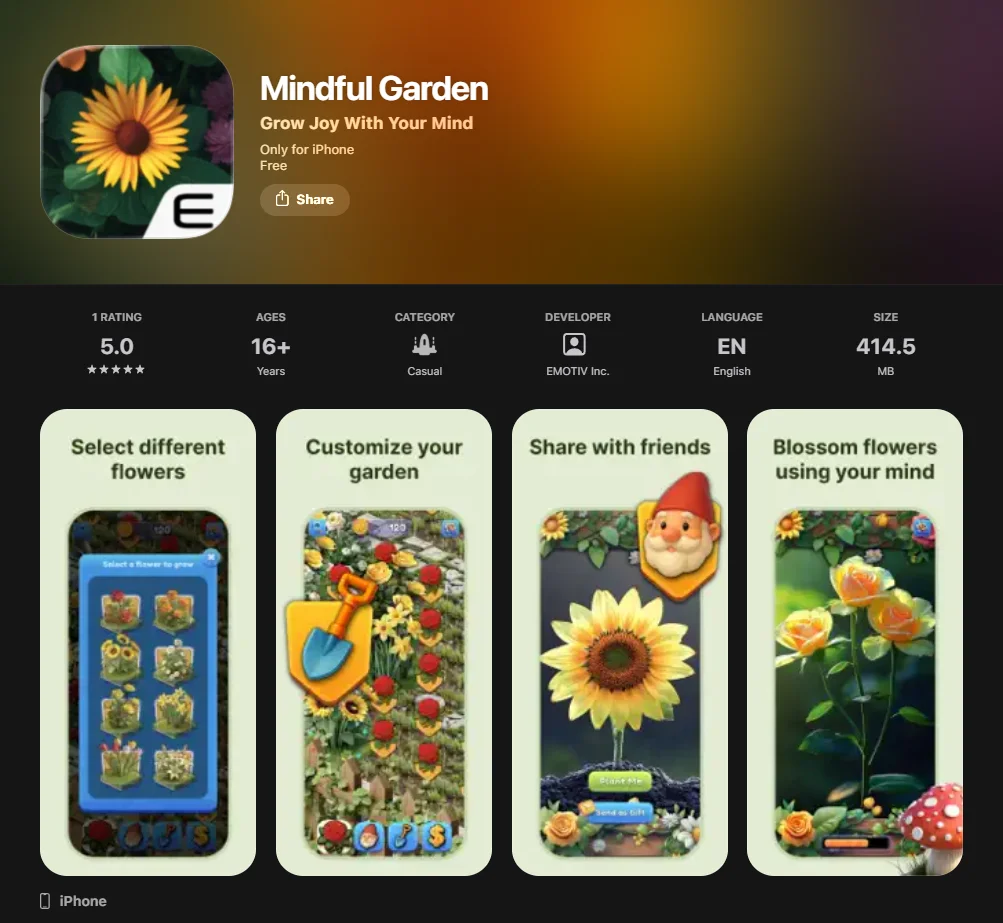
Mindful Garden provides a gentle, interactive introduction to mindfulness through the BBC’s CBeebies brand. Aimed at younger children, the app uses a “safe space” garden metaphor where kids complete simple daily activities to help their garden grow. This app suits parents seeking a distraction-free, ad-free environment focused on basic focus and relaxation tasks.
Chill Panda
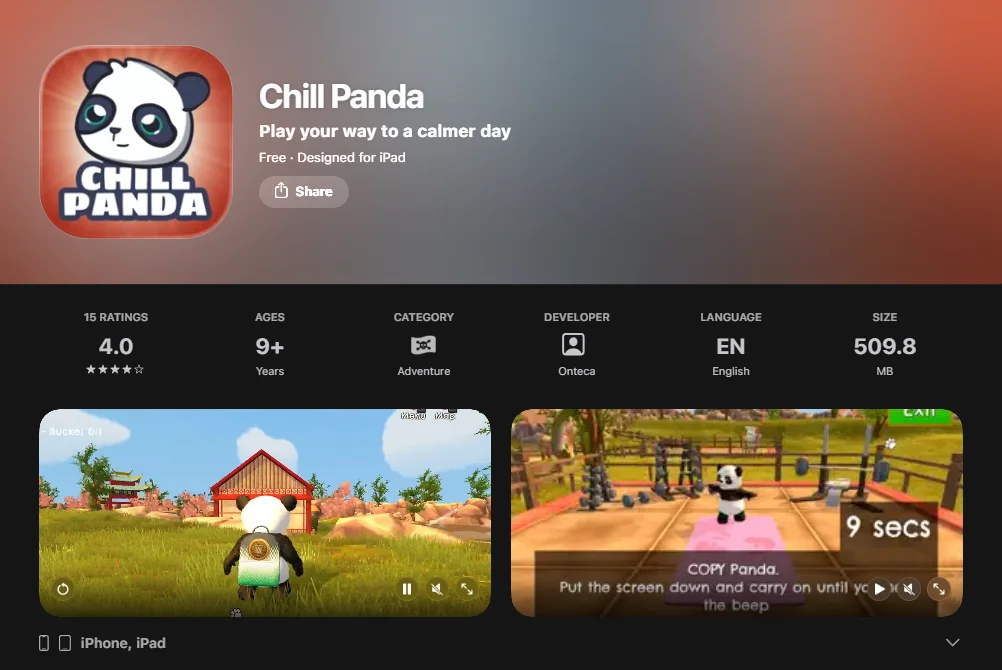
Chill Panda takes a gamified approach to anxiety management for younger children. By estimating the child’s heart rate through the camera and then suggesting activities such as coloring or breathing based on their ‘chill level,’ the app helps make emotional states feel more concrete. It can work especially well for children who respond to visual feedback and light game mechanics.
Calm Zone
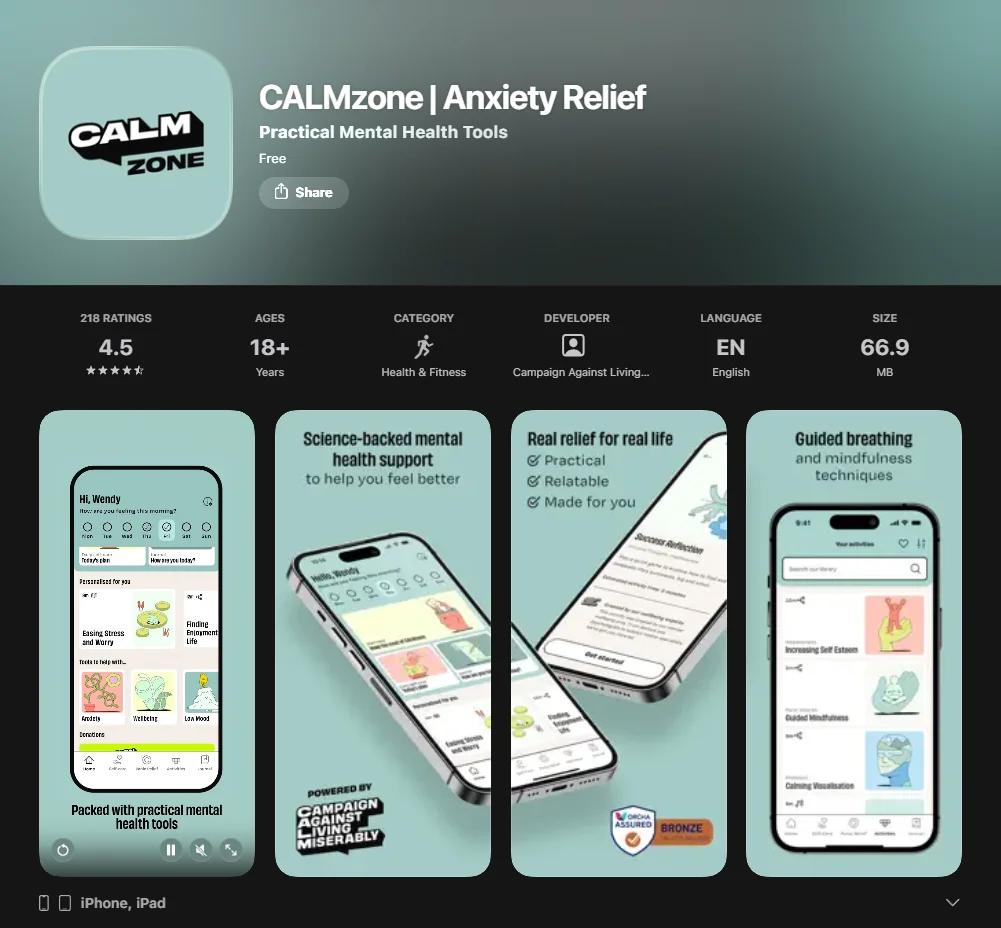
Calm Zone is a free online resource that offers breathing exercises, games, and videos. It functions as a toolkit providing immediate stress relief. It can be especially useful for older children and teens who need quick, no-cost coping tools during overwhelming moments.
Three Good Things
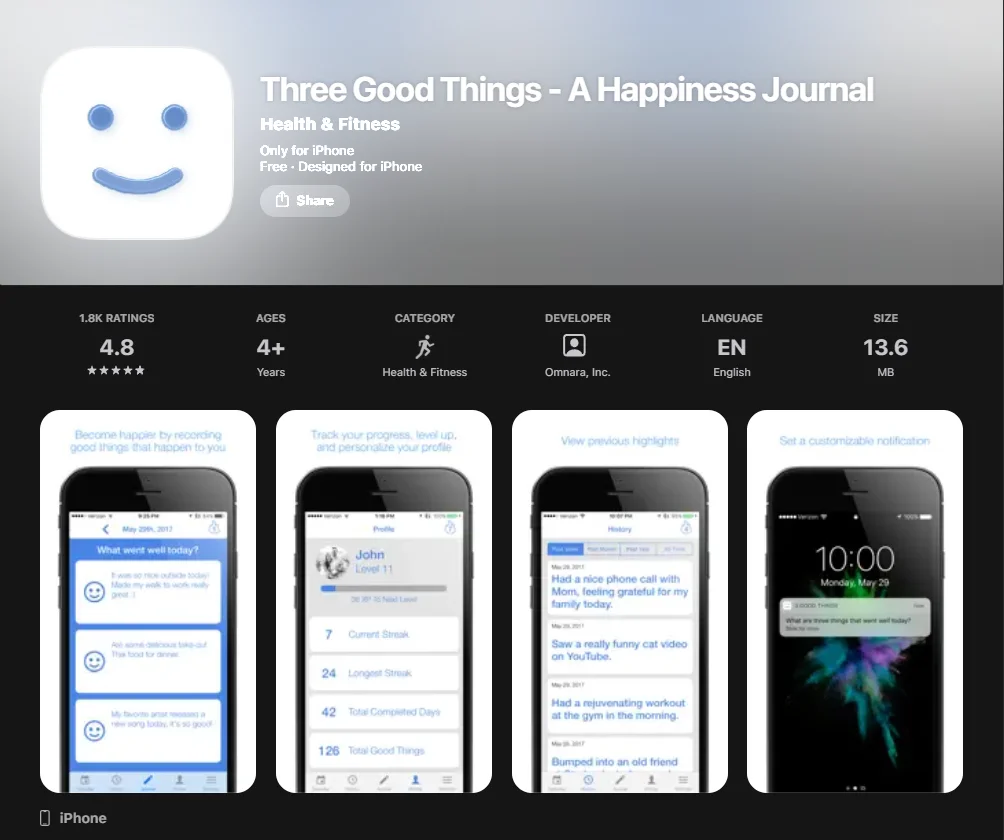
Three Good Things is a digital gratitude journal built around the habit of reflecting on positive moments. Every day, the child writes down three positive events, helping rewire the brain to notice the good even amid difficult days. This format can appeal to children who find traditional seated meditation frustrating.
Serenity
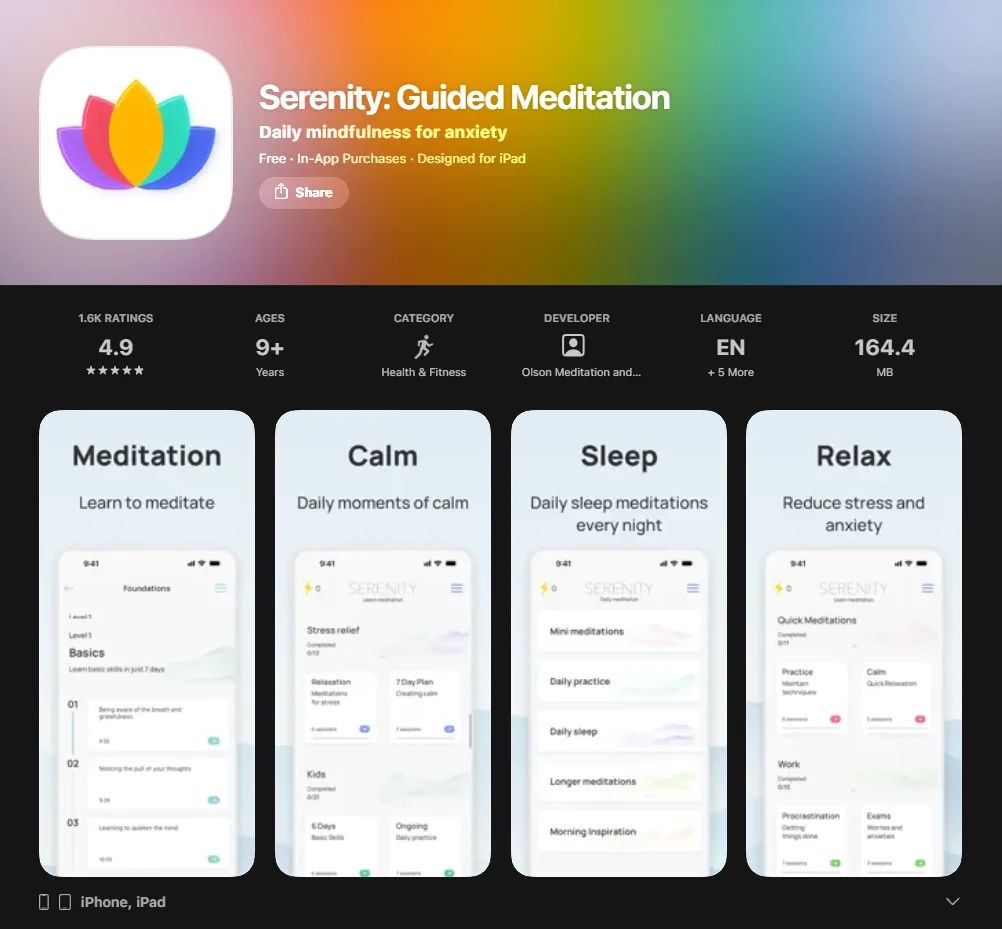
Serenity can serve as a budget-friendly alternative to larger subscription-based platforms. It offers a basic ‘Learn to Meditate’ course free of charge, though the app is better described as a general meditation app than a child-specific one. This is an excellent middle-ground allowing families to test mindfulness habits before committing to expensive platforms.
Mindfulness Apps: Anxiety, Focus, and Big Feelings
When children are dealing with specific challenges such as school stress, social anxiety, or ADHD, general meditation content may not be enough. These apps use specialized techniques targeting specific emotional hurdles.
Mindful Powers
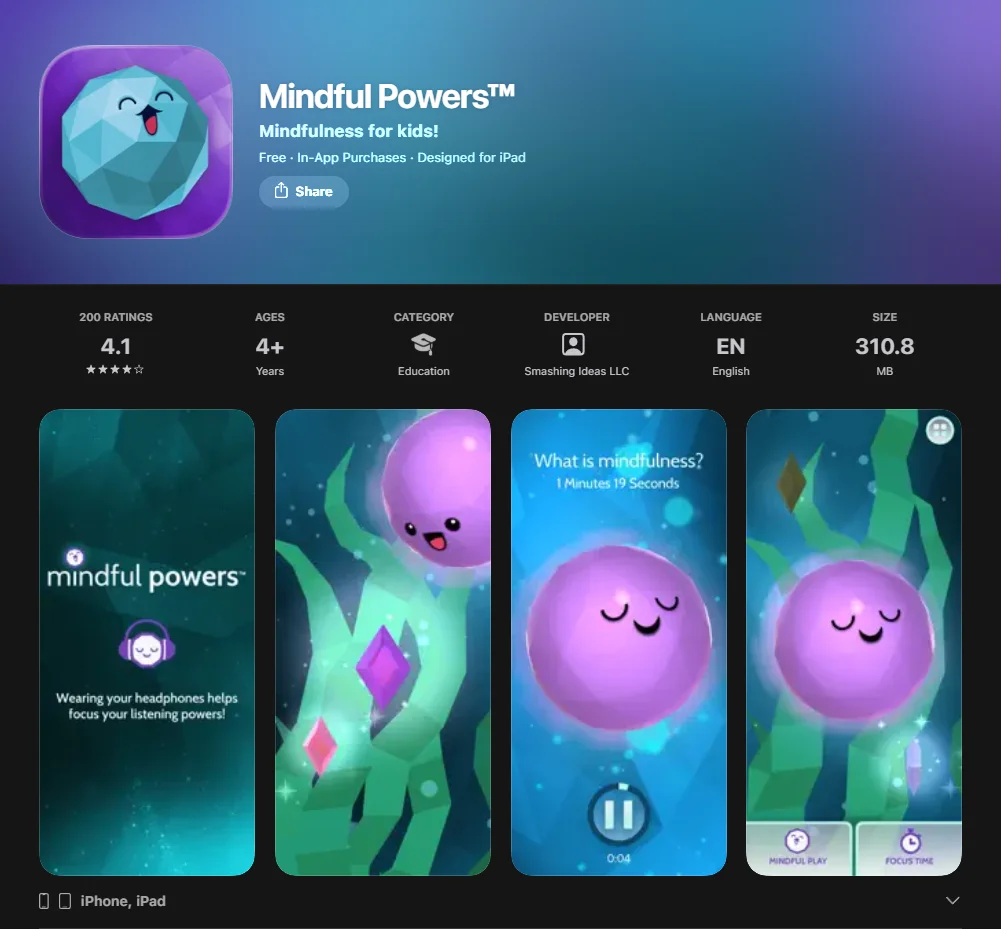
Mindful Powers offers a story-driven, skills-based approach for grade-schoolers. The app uses a “Power-to-the-People” framework where children interact with a round, sensory character called a “Flibbertigibbet.” By soothing the character, children practice self-soothing while also building persistence and focus through a guided sequence.
Clear Fear
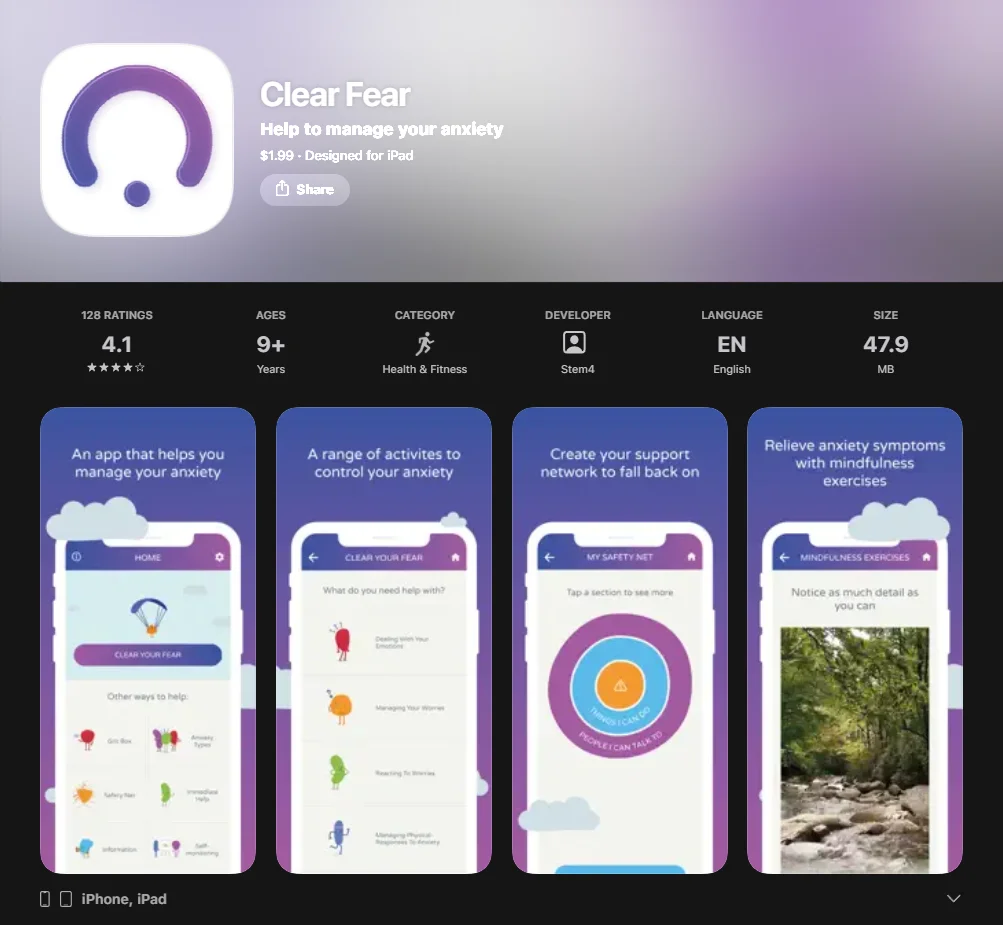
Clear Fear offers CBT-based tools designed to help older children and teens manage anxiety symptoms. The app uses the metaphor that fear rises and falls like a wave and offers practical ways to ‘ride it out,’ such as muscle relaxation. It may be particularly useful for older children or teens who experience repetitive worry or panic symptoms.
MindShift
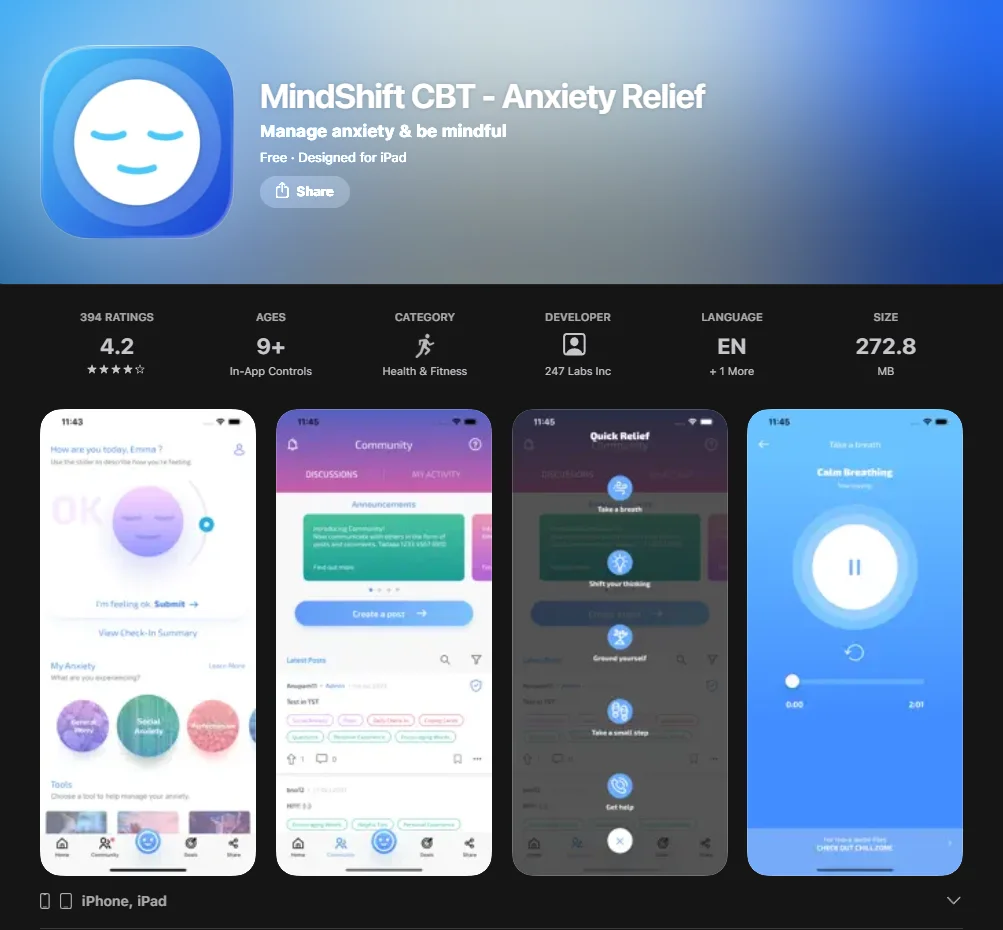
MindShift offers structured tools for teens and young adults dealing with performance anxiety or social anxiety. Developed by Anxiety Canada, the app includes “Chill Out” audio, “Active Steps” to face fears, and a “Thought Journal.” Its design avoids overly childlike visuals, which can make it more appealing to teens who want a more mature tone.
Mindfulness Apps: Sleep, Movement, and Daily Resets
Mindfulness is not restricted to sitting still. For many children, especially those with high energy levels, physical movement or immersive storytelling can be a better gateway to relaxation.
Super Stretch Yoga
Super Stretch Yoga provides an interactive yoga app using storytelling and animation to teach children yoga poses and breathing. Each pose features a “superhero” character, helping kids understand how physical movement influences internal states. This can be a strong choice for kinesthetic learners who find traditional meditation too sedentary.
Insight Timer
Insight Timer offers a massive free meditation library, including children’s content that parents can browse by topic and duration. Because it hosts thousands of independent teachers, it offers a wider variety of voices, styles, and relaxation content than most curated apps. It suits families exploring different mindfulness “styles” without being locked into one brand’s voice.
Aura
Aura offers personalized mindfulness micro-sessions that can be completed in about three minutes. The app uses AI to learn what content works best regarding the user’s needs. However, because Aura is not specifically designed for children, this point should be framed cautiously if you keep the app in the article.
Mindfulness Apps Organized by Age Group
A child’s developmental stage dictates how they perceive mindfulness. An app effective with a 4-year-old will likely feel patronizing to a 14-year-old.
Ages 2–5 (Preschool)
At this stage, mindfulness should remain parent-led and entirely playful. Focus on apps like Sesame Street or Your Mindful Garden. The primary goal is to introduce simple breathing and calm-down routines, often through characters and guided play. Sessions should not exceed 2–3 minutes.
Ages 6–8 (Early Elementary)
Children in this age bracket develop more complex emotions but still benefit from gamification. Apps like Mindful Powers or Chill Panda provide the level of visual engagement many children in this age group still need. This period is ideal to introduce bedtime stories that incorporate guided imagery supporting nighttime independence.
Ages 9–12 (Pre-Teen)
Pre-teens face increasing social and academic pressure. They need tools that offer more autonomy. Smiling Mind and Headspace work well because they offer a clear sense of progression. Focus on themes like task persistence and managing stress from friendships.
Teens (Ages 13+)
Teens require a “grown-up” tone. Apps like MindShift or Feeling Good Teens are essential because they focus on brain science and practical life skills. At this age, mindfulness can become a practical tool that supports performance in sports, exams, and social situations.
How Mindfulness Apps Help Kids
Mindfulness apps can act as a bridge between a chaotic environment and a child’s internal state. They provide structured frameworks teaching skills once found only in therapeutic settings.
Sleep and Bedtime
Sleep stories, relaxation exercises, and breathing practices can help children unwind and transition more calmly into bedtime. By establishing a “predictable ritual,” apps like Moshi or Calm reduce bedtime resistance. A consistent audio cue can signal that it is time to wind down.
School Focus
Mindfulness may support executive function – the set of mental skills involved in working memory, attention control, and self-regulation. Short sessions of guided meditation before homework act as a “cognitive reset,” helping children filter out distractions. Even short sessions of mindful breathing may help some children settle and refocus before homework.
Anxiety and Emotional Regulation
Apps teach kids to move from “reaction” to “observation.” Breathing exercises can help a child slow down a stress response during moments of overwhelm. Over time, this builds emotional intelligence, allowing a child to express, “I feel frustrated,” instead of acting out.
Skills Kids Can Build
Beyond simple relaxation, these digital tools cultivate a “mental toolkit” children carry into adulthood.
- Breathing and Body Awareness: Recognizing physical signs of stress and using deep breathing to counter them.
- Naming Feelings: Moving from vague distress toward specific labels such as ‘overwhelmed,’ which is an important first step in self-regulation.
- Gratitude: Using apps like Three Good Things to build the habit of noticing positive moments, which can support resilience over time.
- Self-Soothing Skills: Building the confidence to use calming techniques independently.
How to Use Mindfulness Apps with Kids
Success depends more on implementation than the app itself. Integration should be gradual and positive.
- Start with 3–5 Minutes: Long sessions lead to resistance. Success in a 3-minute session builds a “win.”
- Make Practice Playful: Use “framing” techniques. Instead of “time to meditate,” say “Let’s help the panda calm down.”
- Use During Existing Routines: Tie the app to existing cues, such as after toothbrushing or during the ride home from school.
- Listen Together: Sit with your child initially. This models behavior and shows you value emotional health.
How to Choose the Right App
When navigating the apps on the market, use the following criteria to ensure a good fit.
| Criteria | What to Look For |
| Age Fit | Does the narrator sound like a peer or a patronizing adult? |
| Goal Fit | Are you looking for support with sleep or daytime focus? |
| Format | Does the child prefer stories, games, or simple audio? |
| Privacy | Check the privacy policy to understand what data is collected, how it is used, and whether it is shared or sold. |
| Cost | Is there a free trial? Can you access content offline? |
FAQ
Do Mindfulness Apps Work for Kids?
Yes, but they are “supportive tools,” not “magic fixes.” Regular use (3+ times a week) can lead to noticeable improvements in emotional regulation, particularly with parental support.
What Age Works Best for Mindfulness Apps?
Children as young as 2 benefit from breathing games, while independent use typically begins around age 8. The sweet spot for habit-building is often between ages 6 and 11.
Are Free Mindfulness Apps Enough?
For many families, a Smiling Mind is more than enough. Paid apps like Headspace or Calm are worth investigating if you want “premium” production or specific licensed characters.
Which Mindfulness App Fits ADHD-Friendly Routines?
Mindful Powers and Stop, Breathe & Think Kids are excellent. They offer short, engaging sessions with clear structure, which can help children who struggle with transitions.
Can Mindfulness Apps Replace a Therapist?
No. These apps address general stress and wellness. If a child is experiencing severe anxiety, these apps should supplement, not replace, professional care from a licensed mental health professional.
Can meditation and mindfulness apps help with sleep?
Yes, many of them can help transition a child from a high-energy day to a restful night. A dedicated section of the app often offers meditation specifically designed to reduce anxiety before bed. By using relaxing sounds and guided meditations for kids, these tools help the body learn to relax, allowing children to sleep better and wake up refreshed.
How do mindfulness activities benefit young kids?
For young kids, engaging in mindfulness practice helps in understanding emotions and building resilience. Simple mindful activities, such as belly breathing or using a happiness journal, teach them to stay calm during stressful moments. These mindful moments encourage new ways of thinking, helping your child manage stress and anxiety more effectively as they grow.

Take a short quiz to find out what your everyday choices say about your parenting style
When your child is curious about something new, what’s your instinct?
Take a short quiz to find out what your everyday choices say about your parenting style
“Can I download this app?” What happens next?
Take a short quiz to find out what your everyday choices say about your parenting style
When it comes to rules at home, which sounds most like you?
Take a short quiz to find out what your everyday choices say about your parenting style
If you could give your child one life skill today, what would you pick?
Take a short quiz to find out what your everyday choices say about your parenting style
Your child gets to choose what to watch. What would your ideal setup look like?
Take a short quiz to find out what your everyday choices say about your parenting style
Pick your parenting superpower ✨



