Inductive Method of Teaching in 2026: Pros and Cons

 Discover a Free Education Video App for Kids
Pastory uses AI to personalize educational video content based on your child’s interests and personality. Safe, engaging, and built for curious young minds. Sign up now to stay updated and enjoy early access with a free trial

The teaching approach you choose shapes classroom dynamics. This article provides school leaders and educators with a clear analysis of when the inductive method works best, when it may slow lesson pacing, and how to apply it effectively in modern classrooms. By balancing direct instruction and inductive teaching, you can improve students’ understanding of complex material and help them develop broader competencies.
What Is the Inductive Method, and Why Does It Matter in 2026?
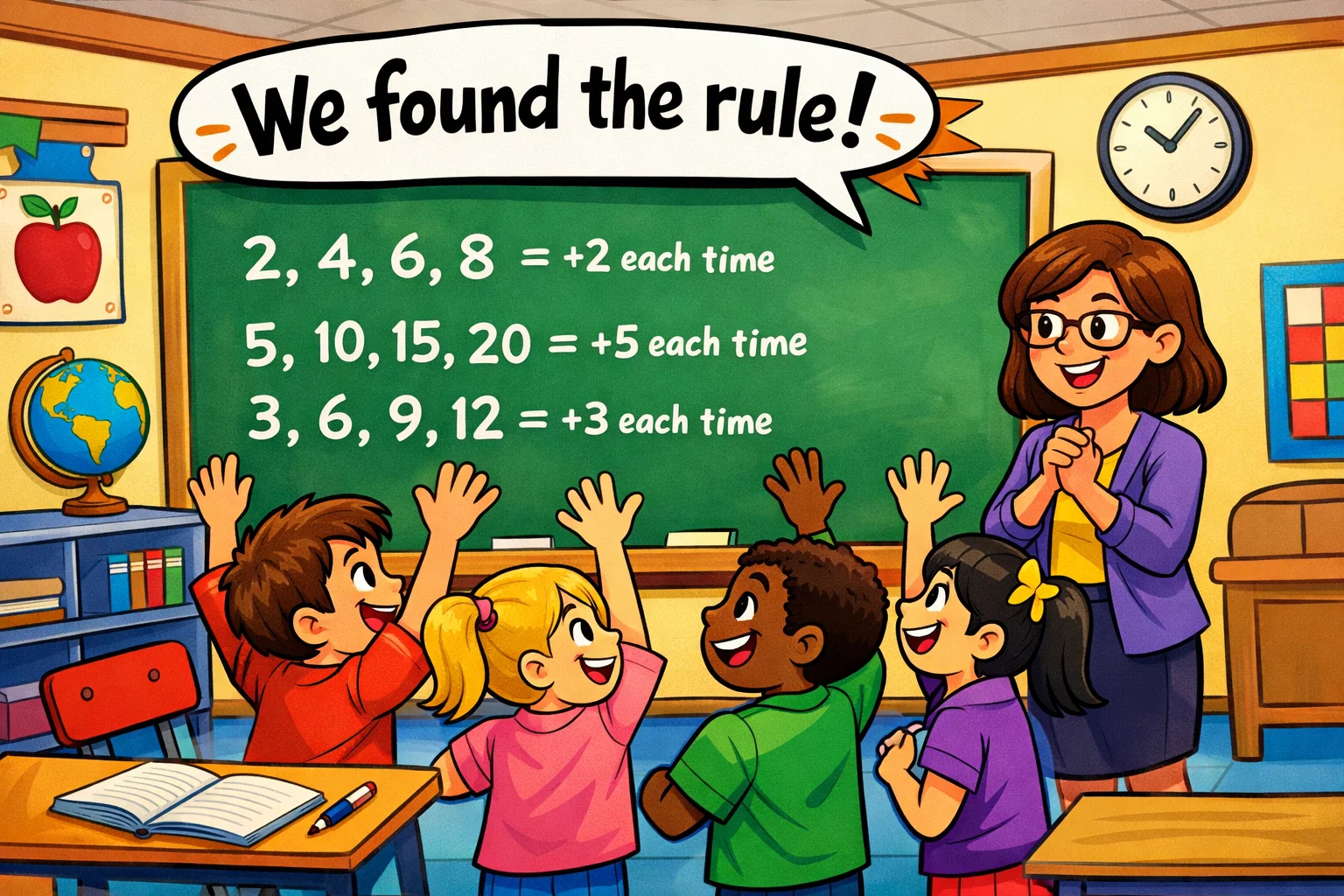
The inductive method of teaching is an instructional approach in which learning begins with specific observations or examples rather than with the immediate presentation of general rules. This bottom-up approach shifts the classroom away from teacher-centered lectures and makes it especially effective for small-group instruction that prioritizes active learning.
Definition and Core Purpose
The inductive approach to teaching requires that students discover patterns and meanings before they are given the formal definition. When you use the inductive method, you facilitate a learning experience where students are encouraged to observe, analyze, and draw conclusions themselves. This fosters a deeper understanding of the subject matter, as participants build knowledge through personal investigation rather than passive absorption.
Comparison of Reasoning Strategies
While the deductive approach provides the rule first and then applies it, the inductive method of teaching encourages cognitive engagement through inductive reasoning. Understanding the interplay between inductive and deductive strategies allows you to choose the right method for small group learning based on the complexity of the topic. The synergy between the two creates a robust curriculum that values both guided rule learning and independent exploration.
Core Principles of the Approach
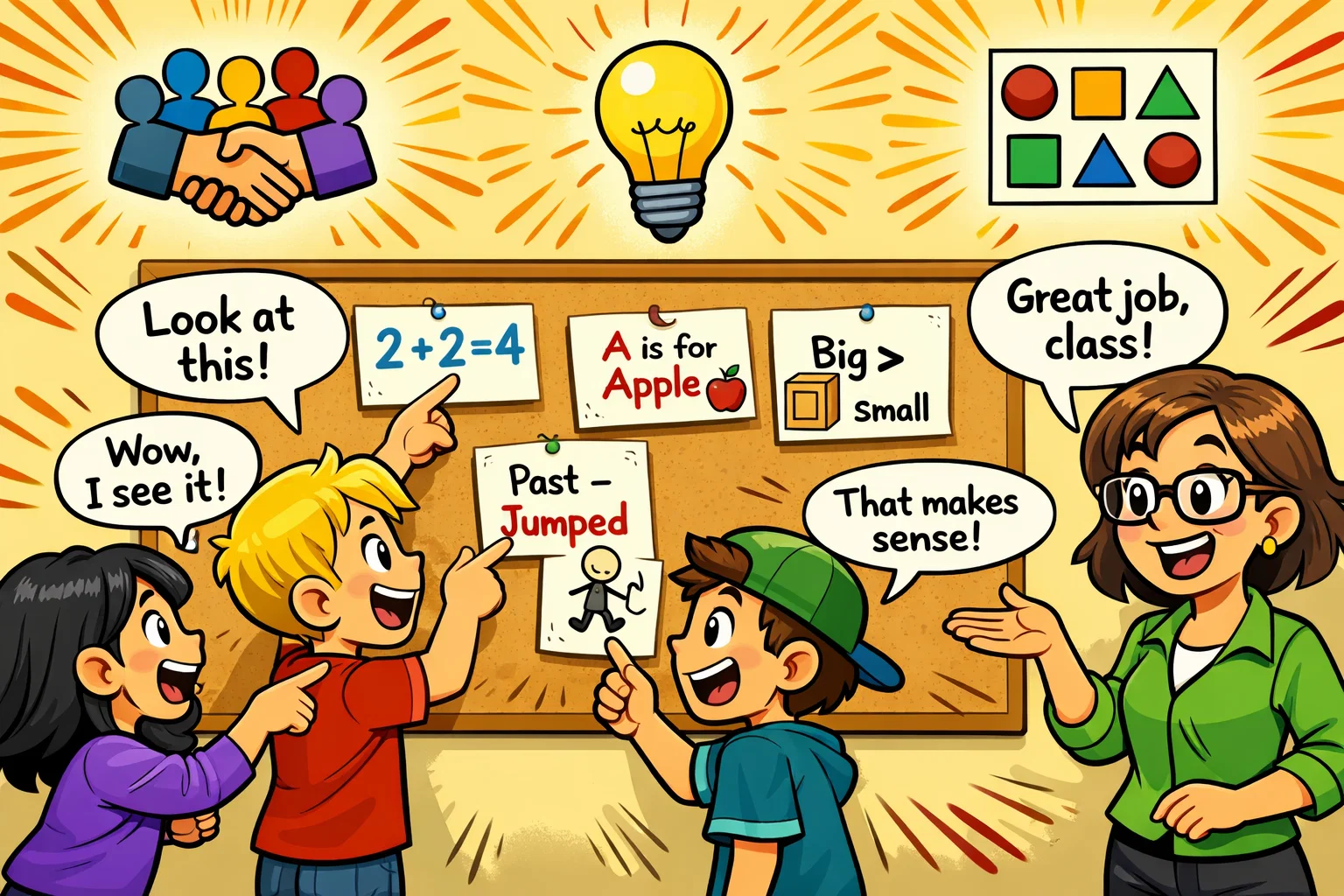
This teaching method encourages deeper cognitive processing by connecting new concepts to prior knowledge.
- Observation Before Rule: Before explaining grammar rules or scientific laws, teachers guide students through raw data or examples. This helps students build mental frameworks for new information.
- Pattern Recognition: Students identify relationships and trends in the evidence. By sorting and categorizing information, they move from concrete observation to abstract thinking.
- Hypothesis Building: Students learn that they must test their theories against new scenarios in order to discover the rule. This trial-and-error process supports long-term retention.
- Inquiry-Based: The method promotes critical thinking and strengthens reasoning skills by requiring learners to justify their findings.
Small Group Interactive Teaching

Research on interactive small-group teaching has found that these methods can be highly effective in modern classrooms. Specifically, forms of small group interactive learning, such as topic-based small group tutorials, allow for a more personalized environment where every voice is heard. Recent studies have evaluated the effectiveness of topic-based sessions compared with traditional lectures and suggest that the former can lead to better knowledge transfer.
The Role in Specialized Education
This style of instruction is playing an increasingly important role in medical education. Medical education has traditionally relied on passive reception, but many programs have shifted toward active discovery. Studies of inductive teaching during clinical rotations have shown that topic-based tutorials can improve clinical reasoning because participants must apply principles in real-time scenarios.
Comparison Table: Small Group Formats
| Feature | Traditional Lecture | Small-Group Tutorials |
| Focus | Teacher-centred | Student-centred |
| Engagement | Low | High – encourages active participation |
| Knowledge | Memory-based | Deeper understanding |
| Feedback | Limited | Immediate and personalized |
Six Steps in the Learning Process
To effectively guide students through discovery, follow this structured flow:
- Present Data: Provide raw materials (for example, in teaching English, provide sets of sentences). The quality of the input is crucial.
- Encourage Observation: Ask students what they notice. Keep the environment open-ended.
- Identify Patterns: Help the group find consistencies. Use visual aids or charts.
- Encourage Inquiry: Prompt students to formulate a theory. This bridges the gap between observation and understanding.
- Test Hypothesis: Apply the theory to new examples. If the theory fails, refine it.
- Apply Rule: Solidify the grammar rule or concept through a final practice exercise.
Advantages of this Method
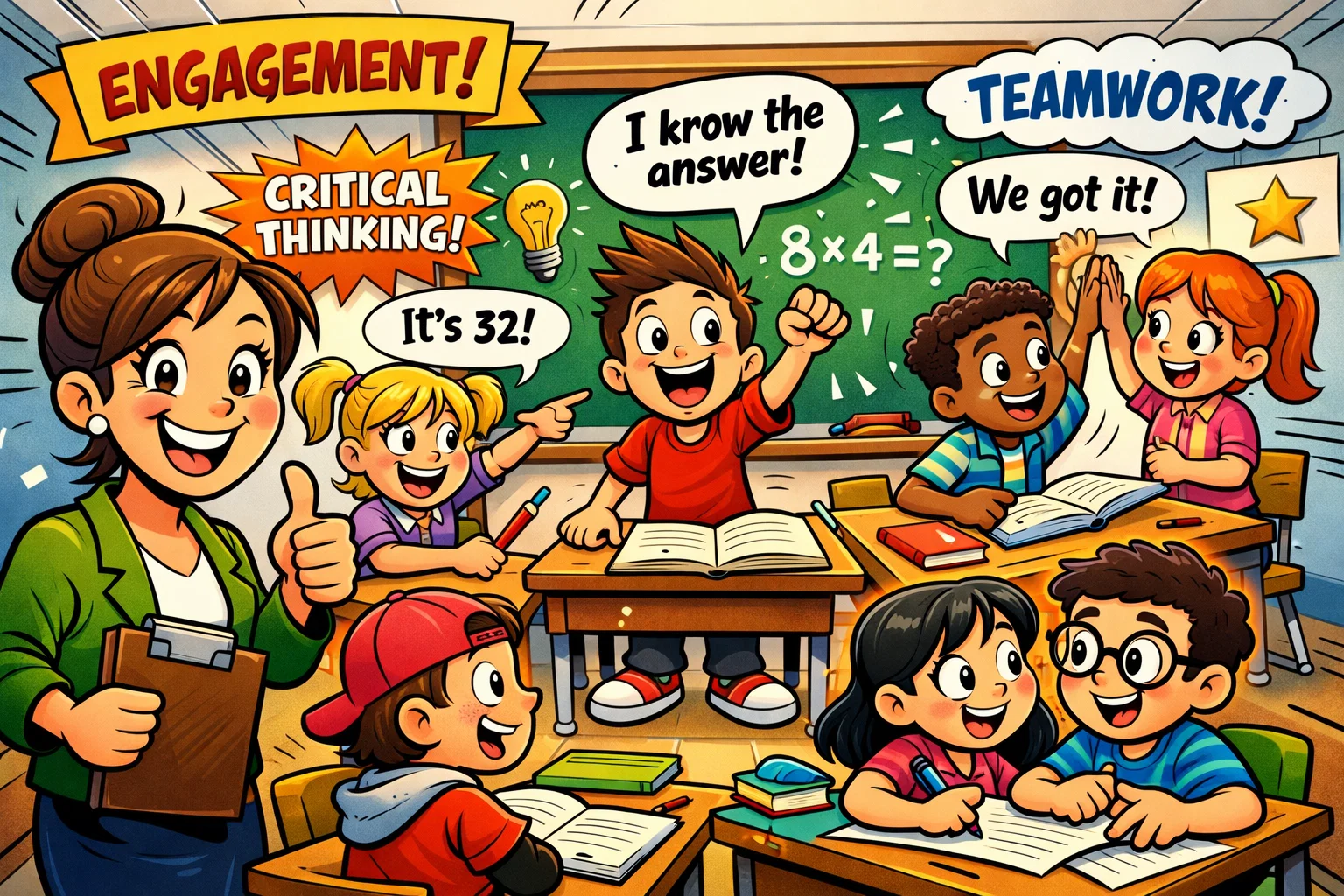
The advantages of implementing the inductive method are especially clear when it comes to long-term retention:
- Active Ownership: Students gain agency over their learning. When they find the rule, they own it.
- Skill Development: The process strengthens critical thinking and analytical rigor, both of which are essential in today’s workplace.
- Engagement: It is easy to engage students when they are active investigators rather than passive listeners.
- Flexibility: It works well within alternating cycles of direct instruction and discovery-based learning, allowing for a high degree of customization in the classroom.
Addressing Disadvantages and Challenges
Every pedagogical choice has limitations that must be addressed:
- Time-Intensity: Discovery takes longer than direct instruction. To mitigate this, teachers should carefully curate materials to avoid aimless wandering.
- Guidance Requirements: Without clear scaffolding, some learners may struggle to reach the correct conclusion. Teachers guide students by providing hints rather than the answer.
- Consistency: Standardizing results can be difficult compared to a teacher-centred approach, so formative assessments are key.
Conclusion and Verdict for 2026
There is growing demand for teaching methods that prepare learners for real-world complexity. Whether you are using inductive grammar exercises or topic-based small group tutorials, the key is to ensure the general principles of discovery are maintained. By using a range of small-group formats, you can help ensure that students understand the material at a fundamental level.
Key Takeaways
- The inductive approach builds lasting reasoning skills.
- Interactive small-group teaching is one of the most effective formats for this method.
- Always balance the teaching method with the specific needs of your learners.
- Teachers guide students – they do not simply lecture to them.
Frequently Asked Questions
Does the inductive approach work for all subjects?
It works best in subjects with clear patterns, such as English grammar or scientific principles. For historical or interpretative topics, it may require a more hybrid approach.
How do I assess progress in small groups?
Use performance tasks and oral reflection to determine whether students have gained the intended knowledge. Look for the application of the rule, not just its recitation.
When does the deductive method work better?
When time is limited or the rule is highly abstract, a mix of direct and inductive instruction is often the most pragmatic approach. Use deductive instruction to provide a baseline, then switch to inductive tasks for deeper exploration.

Take a short quiz to find out what your everyday choices say about your parenting style
When your child is curious about something new, what’s your instinct?
Take a short quiz to find out what your everyday choices say about your parenting style
“Can I download this app?” What happens next?
Take a short quiz to find out what your everyday choices say about your parenting style
When it comes to rules at home, which sounds most like you?
Take a short quiz to find out what your everyday choices say about your parenting style
If you could give your child one life skill today, what would you pick?
Take a short quiz to find out what your everyday choices say about your parenting style
Your child gets to choose what to watch. What would your ideal setup look like?
Take a short quiz to find out what your everyday choices say about your parenting style
Pick your parenting superpower ✨