
How to Deal with a Child Who Cries Over Everything

 Discover a Free Education Video App for Kids
Pastory uses AI to personalize educational video content based on your child’s interests and personality. Safe, engaging, and built for curious young minds. Sign up now to stay updated and enjoy early access with a free trial
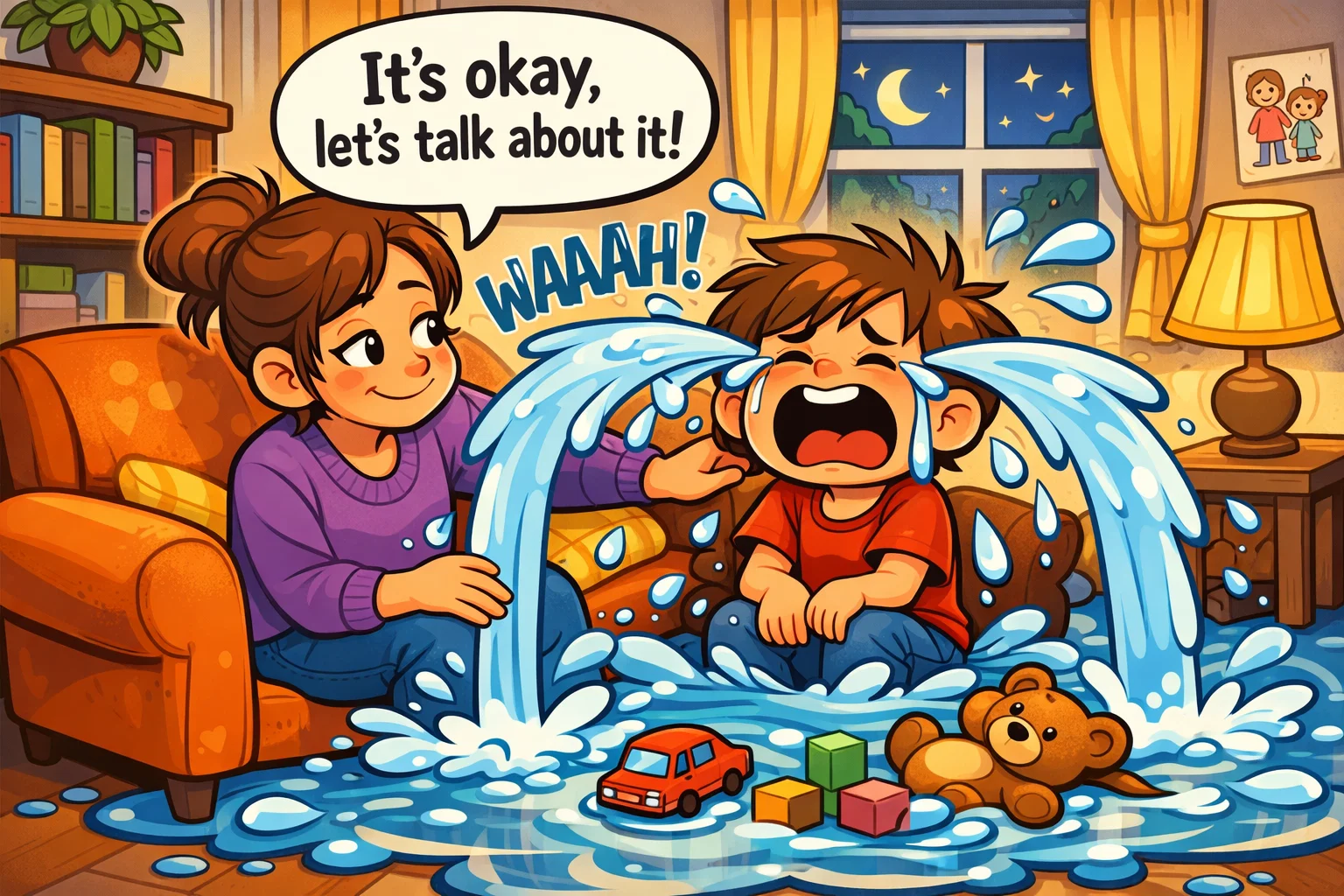
If your child cries over every little thing, you’re probably feeling exhausted. It is common to feel overwhelmed when a youngster seems to cry without a “logical” reason, such as receiving the wrong color cup. This behavior suggests that the child is struggling with emotional regulation, a skill in which the brain learns to process internal reactions to stressors.
To help your child, view frequent crying as communication rather than a behavioral problem. The ability to regulate emotions develops through co-regulation with a caregiver. By using specific coping strategies, you help the youth learn how to manage their emotions effectively. Understanding that big feelings are a part of human development is the first step toward resilience. This guide explores why kids cry, how to validate their feelings, and when to seek professional help.
Causes of Excessive Crying in Children
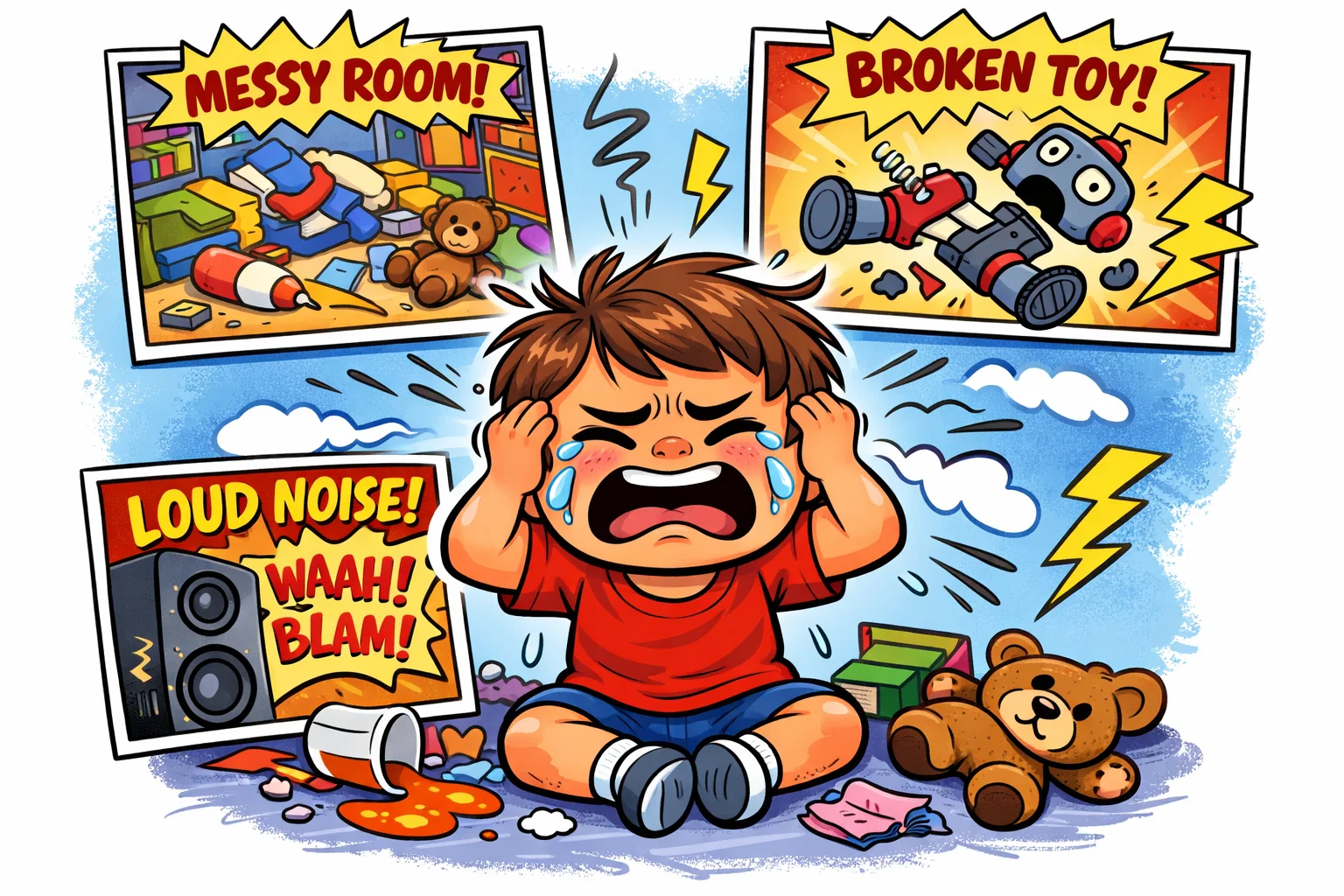
Understanding why a youngster cries so frequently requires looking at a combination of biological, developmental, and environmental factors. Excessive crying is rarely about the “small thing” that triggered the outburst; instead, it is often the result of an overloaded nervous system. When a little one gets overwhelmed, their “downstairs brain” (the emotional center) takes over, making it physically impossible for them to access logic or reason until they feel safe and calm again.
Emotional Sensitivity and Overwhelm
A sensitive child may experience stimuli more deeply than their peers, leading to a quicker “boiling point” where they scream and cry. This heightened sensory sensitivity means that a toddler may experience emotional pain or physical discomfort more intensely, leading them to cry over every little thing. For these individuals, the world is louder, brighter, and more emotionally charged, making emotion regulation a much steeper learning curve compared to more easygoing peers.
Developmental Stages and Crying
Child development plays a massive role in how babies and toddlers express frustration, with toddler tantrums peaking between ages 2 and 3 as they strive for independence but lack the vocabulary to express it. A youth who feels a desire for autonomy but lacks the motor skills or language to achieve it will often start crying as a default response to frustration. These ‘big feelings’ are developmental markers of a growing awareness of the environment and limited control over it.
Health-Related Causes
Before addressing behavioral causes, parents should consider potential medical issues that may lead a child to learn that crying is the only way to signal physical distress. Chronic sleep deprivation, undiagnosed allergies, or sensory processing disorder (SPD) can leave a nervous system in a constant state of high alert. When a little one is crying “all the time,” a lack of physical comfort often lowers their threshold for frustration, making small things feel catastrophic.
Environmental Factors Impacting Crying
The environment significantly affects the ability to stay calm and manage emotions. Chaos, loud noises, or unpredictable schedules can trigger a crying child who feels a lack of safety or predictability. Everything may feel threatening to a child who cries frequently if their home or school environment lacks the structure needed for their brain to feel at rest.High-stress households often correlate with a 25% increase in reactive vocalizations among school-aged youth.
Managing and Reducing Crying in Children
The goal of intervention is not to suppress feelings, but to provide the regulation skills necessary for handling life’s ups and downs. Parents who help manage these moments with empathy and structure provide a “scaffold” for the little one to learn self-soothing over time. Effective coping strategies focus on the transition from external regulation (the parent) to internal regulation (the youth).
| Strategy Type | Actionable Step | Goal |
| Immediate | Check your own emotions | Prevent escalation |
| Verbal | Validate their feelings | Build emotional safety |
| Physical | Deep breaths / Co-regulation | Lower cortisol levels |
| Long-term | Teach coping strategies | Build independence |
Validate Their Feelings, Not Their Tears
To help a child who cries, you must first validate the emotion they’re experiencing, even if the reason for the outburst seems trivial to you. Validate their feelings by saying, “I see you are disappointed that the blue shirt is dirty,” which helps the youth learn to label their internal state. This process of emotion regulation begins with the individual feeling understood, which naturally reduces the need for excessive crying as a primary communication tool.
Implementing Calming Techniques
When a child is struggling in the middle of a meltdown, they need immediate physical tools to help them relax. Teaching a youngster to take deep breaths – sometimes called “smelling the flowers and blowing out the candles” – directly engages the parasympathetic nervous system to help your child calm. These regulation skills are most effective when practiced during neutral times, so the youth can learn to use them when they are actually upset.
Teaching Coping Strategies Early
Developing coping strategies such as using a “calm-down corner” or “feelings posters” allows a youth who feels overwhelmed to have a designated plan. Emotional regulation skills are like a muscle; they must be exercised through role-playing and storytelling. By asking your child, “What can we do next time you feel angry?” you foster the ability to solve problems rather than just reacting to them with frequent crying.
Reducing Sensory Overload
For a child who is highly sensitive, reducing environmental triggers is a direct way to help them avoid emotional crashes. Sensory processing issues often mean the offspring needs fewer choices, lower lights, or noise-canceling headphones to avoid becoming a child who cries over everything. By proactively solving the problem of sensory input, you provide the sensitive child with the “breathing room” required to stay emotionally balanced.
Consistent Routines for Emotional Security
Consistent routines act as a safety net for a youth that cries due to anxiety or transitions. A predictable daily schedule helps a toddler learn what to expect, which reduces the cognitive load and the likelihood of crying over little things. When the day is structured, they use less mental energy on “what’s next,” leaving more energy for learning to manage their emotions.
When Crying Becomes a Concern
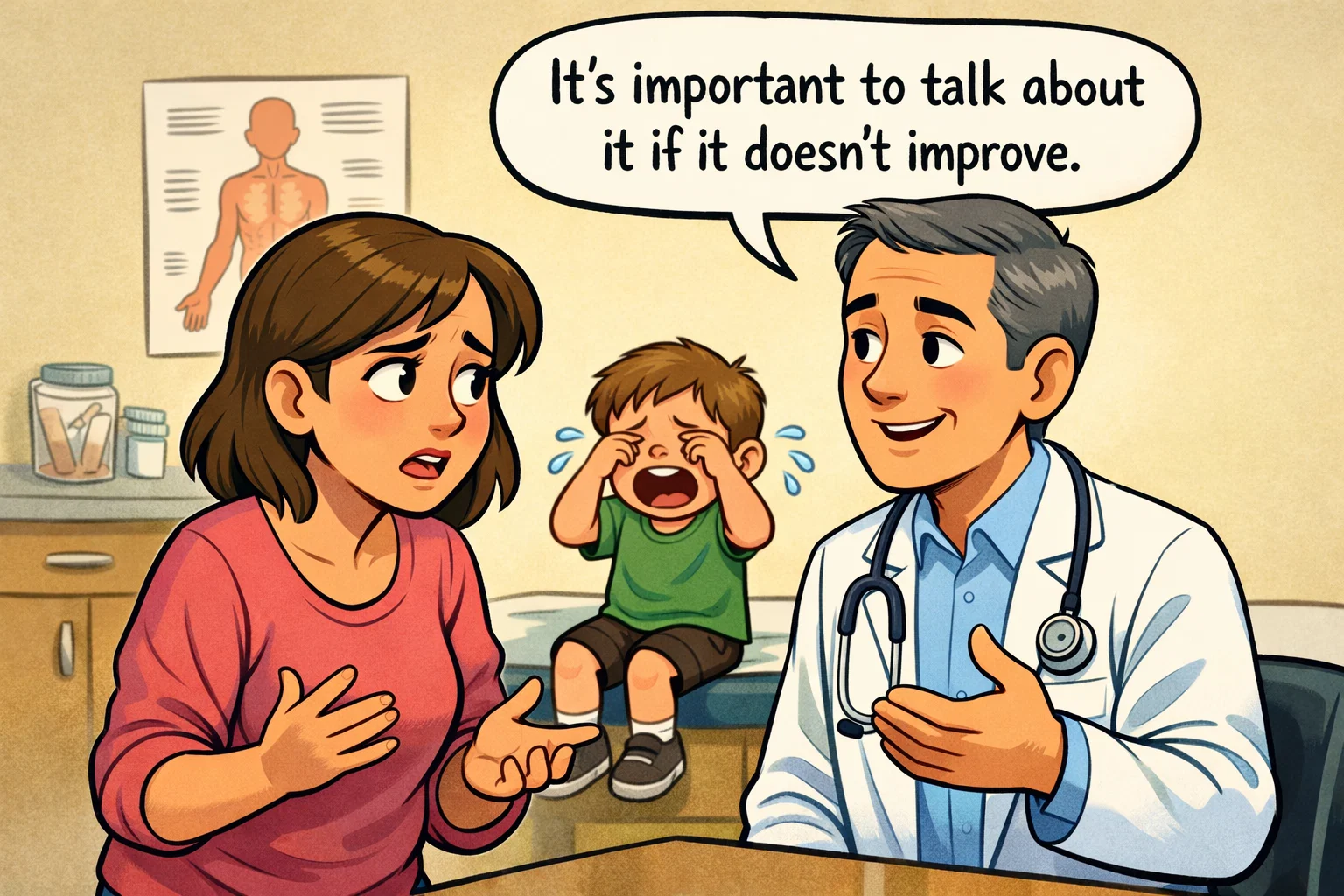
While kids cry as a normal part of growing up, there are instances where the frequency and intensity of the outbursts may signal a deeper issue. It’s important to distinguish between developmental “big feelings” and symptoms of clinical conditions. Parents should monitor if the little one is struggling to function in multiple areas of life, such as school, play, and social interactions.
Signs Crying Is a Result of Anxiety
If a youngster is crying alongside physical symptoms like stomachaches, or if they won’t stop worrying about future events, they may be struggling with anxiety. Anxiety-driven crying often occurs before a transition or in social situations where the child may feel judged or unsafe. Unlike a typical tantrum, anxiety-based frequent crying is often accompanied by avoidance behaviors or extreme clinging to a caregiver.
When to Seek Professional Help
Parents should seek professional help if the behavior is self-injurious, lasts longer than age-appropriate, or if the child frequently cannot be calmed by primary caregivers. Consulting a pediatrician or a child psychologist is recommended if the crying child shows a regression in previously mastered skills or if the outbursts occur daily past the age of 5. Early intervention can provide a child who cries over everything with the specialized coping skills they need to thrive.
The Role of a Pediatrician in Diagnosing Behavioral Issues
A pediatrician serves as the first line of defense in ruling out medical issues such as ear infections, vision problems, or nutritional deficiencies that might cause a child to cry. They can also screen for sensory processing disorder or neurodivergence, such as ADHD or Autism, which often present difficulty with emotion regulation. A medical professional can help you feel more confident by providing a clear path toward behavioral therapy or sensory integration.
Tips for Parents Coping with a Crying Child
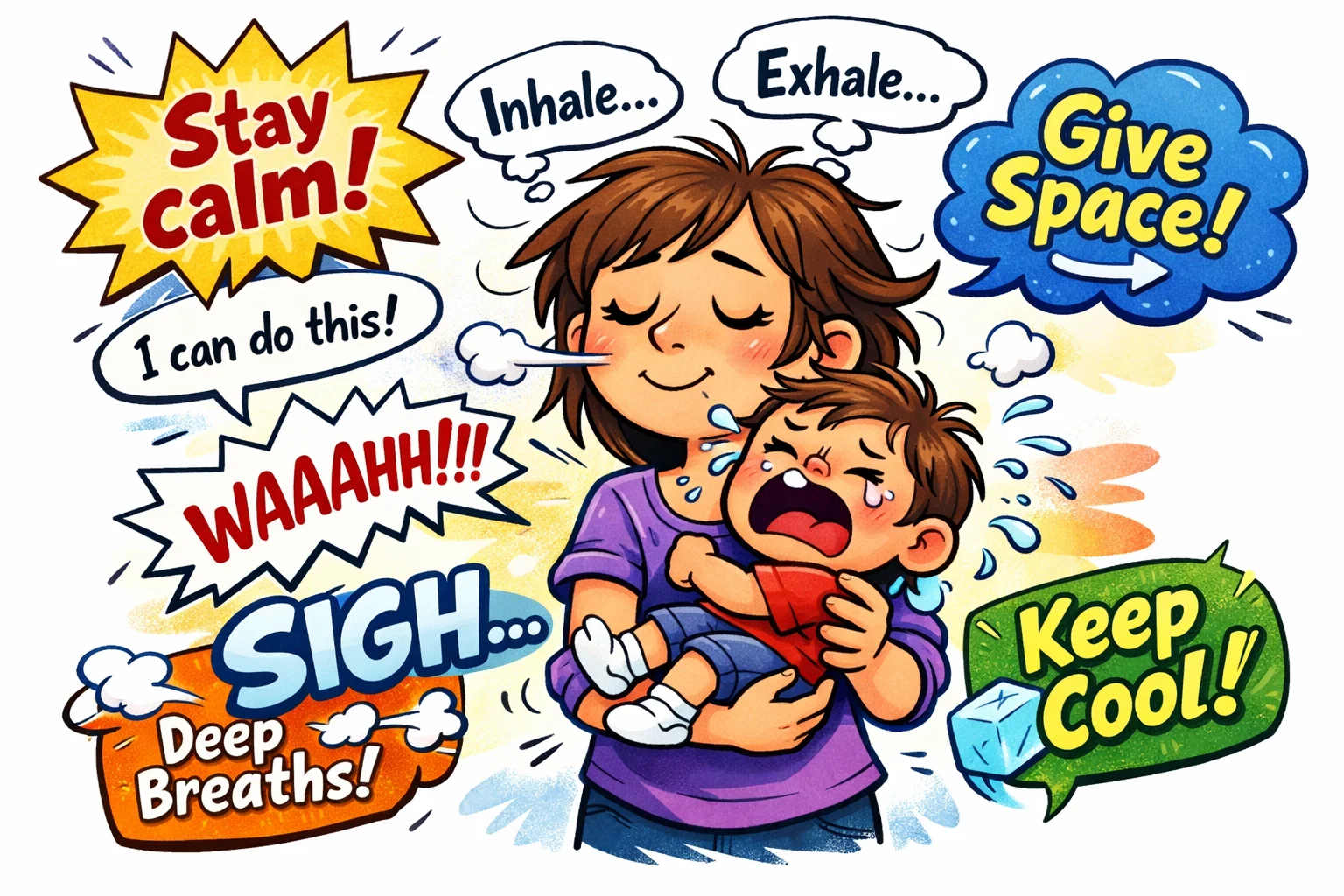
Dealing with a youth who cries over everything is emotionally taxing for the caregiver. Your ability to help manage behavior is directly linked to your emotional state. If you are stressed or angry, the little one gets more anxious, creating a cycle of excessive crying and parental burnout.
Staying Calm and Focused
To deal with a child who is screaming, you must first check your own emotions. Taking deep breaths yourself helps you maintain the “calm presence” the youngster needs to regulate. If you stay calm, you signal to the nervous system that there is no actual danger, which is the most effective way to help your child move from panic to peace.
Self-Care for Parents
You cannot pour from an empty cup; managing a highly sensitive individual requires immense patience that can only be sustained through self-care. This might involve:
- Setting boundaries for “quiet time” during the day.
- Seeking support from a partner or a parenting group to help you feel less isolated.
- Practicing mindfulness to increase your own emotional regulation during a little one’s meltdown.
- Remembering that the offspring’s crying is not a reflection of your parenting success.
When Your Child Is Highly Sensitive
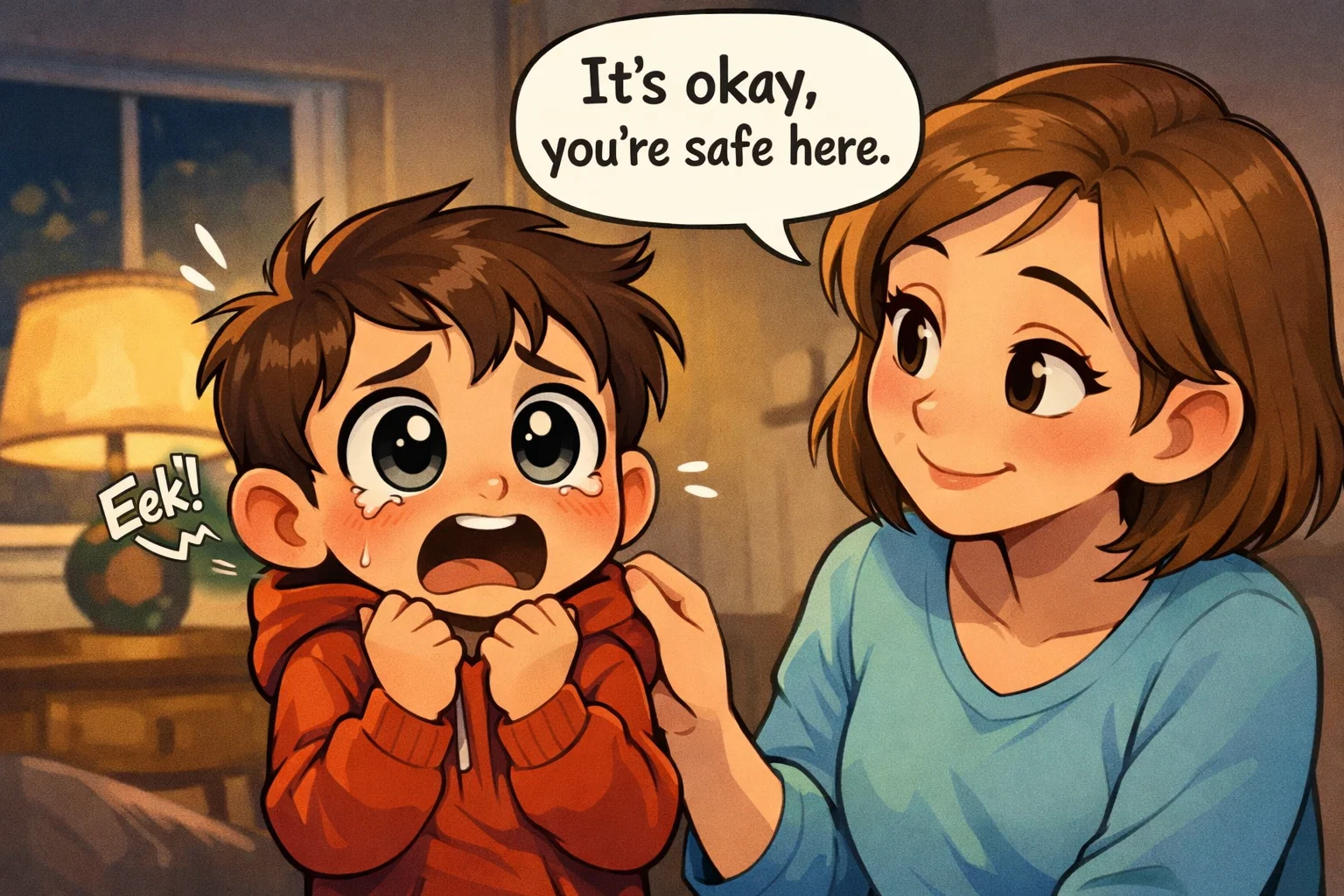
Approximately 15% to 20% of infants are born with a nervous system that is more finely tuned, a trait known as being highly sensitive. A youngster who is highly sensitive is not “weak” or “manipulative”; rather, they process stimuli more deeply than others. This trait, often referred to in psychology as sensory processing sensitivity, means the youth may be more prone to crying about everything because they are genuinely feeling more than the average person.
Identifying Highly Sensitive Children
A toddler may be highly sensitive if they exhibit certain behavioral markers. Understanding these can help you respond to their reactions without becoming frustrated.
| Attribute | Behavioral Indicator in Highly Sensitive Kids |
| Sensory | Complains about itchy tags, loud noises, or bright lights. |
| Emotional | Displays extreme empathy or gets “hurt feelings” easily. |
| Cognitive | Asks deep, provocative questions or worries about others’ safety. |
| Social | Prefers quiet play and may be slow to warm up to new people. |
Parenting Tips for Highly Sensitive Kids
To help your child, you must adapt your parenting style to honor their temperament. A highly sensitive youth thrives on connection and gentle guidance rather than harsh discipline. Focus on:
- Providing warnings before transitions to prevent small things from causing distress.
- Using a soft voice to communicate, as a sensitive child may perceive a loud voice as a physical attack.
- Encouraging their strengths, such as their creativity and empathy, to build their self-esteem.
- Creating “downward” transitions like reading a book to help them find their center after a busy day.
Managing a child who cries over everything is a journey that requires patience, empathy, and a solid understanding of human development. Whether your little one is highly sensitive, struggling with a developmental stage, or simply learning to manage their emotions, your role as a calm, validating presence is vital. By teaching emotional regulation skills and using consistent coping strategies, you are not just trying to stop crying in the moment – you are helping the youth learn how to navigate the world with resilience. Remember, big feelings are temporary, but the coping skills you teach today will last a lifetime.
Frequently Asked Questions (FAQ)
What causes a child to cry for no reason?
Scientifically, there is always a reason, even if it isn’t visible. A youngster who seems to cry for “no reason” is often experiencing sensory overload, physical fatigue, or an inability to communicate a complex emotion. The “reason” is usually an internal state of overwhelm rather than an external event.
How can I stop my child from crying every time we go out?
To help your child in public, use “pre-loading” strategies. Explain the schedule in advance, bring sensory comforts (like a favorite toy), and keep outings short. If the toddler starts crying, move to a quiet space to help them find their calm before continuing the activity.
Is my child’s crying a sign of a behavioral disorder?
Frequent crying is often a normal developmental phase. However, if the little one frequently has meltdowns that interfere with their education or social life, it may be worth consulting a pediatrician to screen for sensory processing disorder or anxiety.
How do I help a child who is really having a hard time?
The best way to deal with a child in crisis is “low and slow.” Lower your voice, lower your physical height to match theirs, and slow down your movements. This co-regulation also helps your child feel safe enough to begin regulating their emotions.

Take a short quiz to find out what your everyday choices say about your parenting style
When your child is curious about something new, what’s your instinct?
Take a short quiz to find out what your everyday choices say about your parenting style
“Can I download this app?” What happens next?
Take a short quiz to find out what your everyday choices say about your parenting style
When it comes to rules at home, which sounds most like you?
Take a short quiz to find out what your everyday choices say about your parenting style
If you could give your child one life skill today, what would you pick?
Take a short quiz to find out what your everyday choices say about your parenting style
Your child gets to choose what to watch. What would your ideal setup look like?
Take a short quiz to find out what your everyday choices say about your parenting style
Pick your parenting superpower ✨



