
Gifts for Kids That Have Everything: Creative Ideas Beyond Toys

 Discover a Free Education Video App for Kids
Pastory uses AI to personalize educational video content based on your child’s interests and personality. Safe, engaging, and built for curious young minds. Sign up now to stay updated and enjoy early access with a free trial
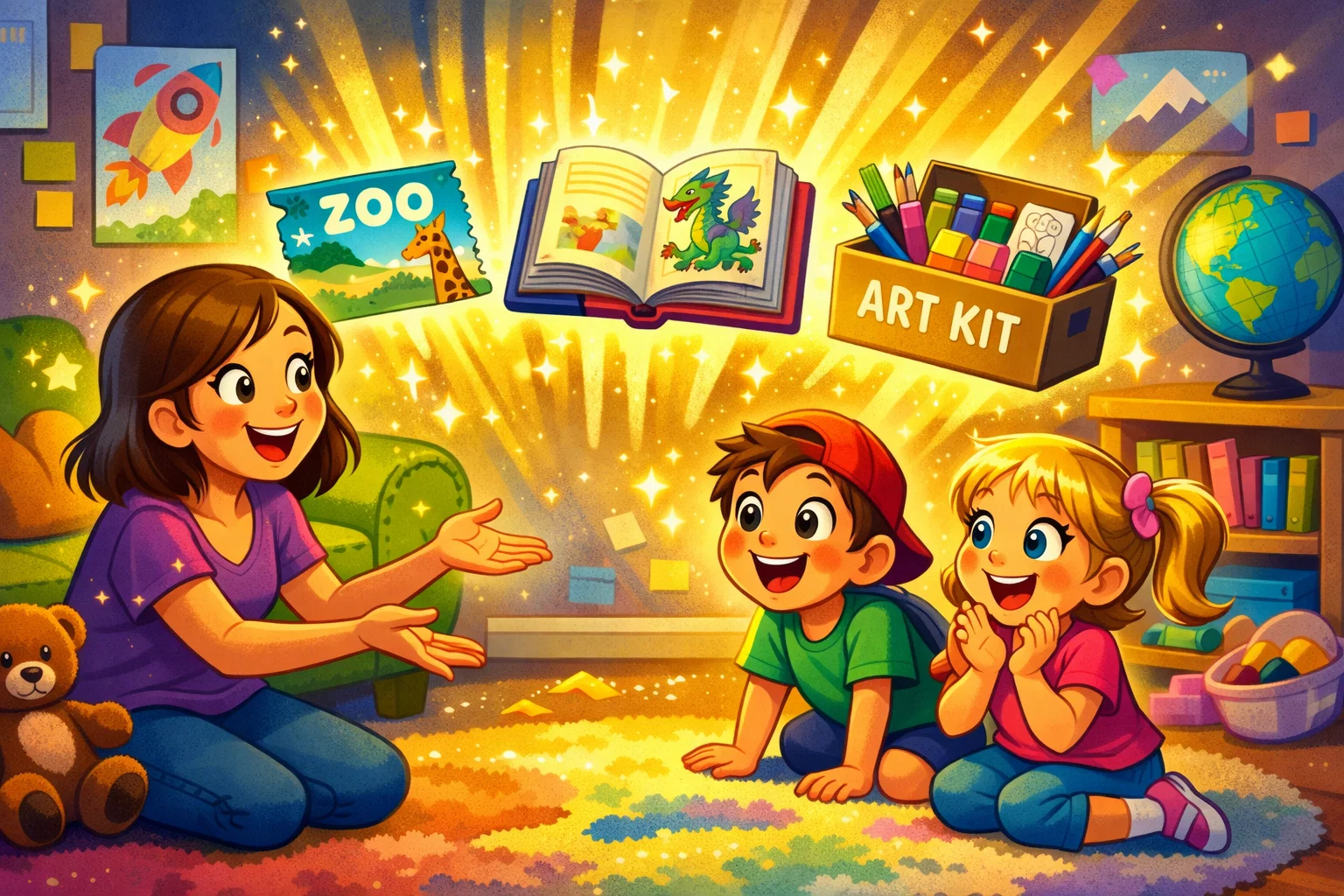
Every parent, aunt, uncle, or grandparent has faced the same challenge: standing in a store (or scrolling endlessly online) trying to find the perfect gift for a child who genuinely seems to have everything. The toy chest is overflowing, the shelves are packed, and yet another doll or LEGO set feels like it will just add to the clutter. If this sounds familiar, you’re not alone — and the good news is that some of the most meaningful gifts for kids have nothing to do with toys at all.
Child development research consistently shows that experiences, skills, and personal connections leave a more lasting impression than physical objects. A study published in the Journal of Experimental Psychology found that experiential purchases tend to produce greater long-term satisfaction than material ones — and this holds true for children as well as adults. Gifts that teach, challenge, or create shared memories often become the ones kids (and parents) talk about for years to come.
That said, this isn’t about dismissing toys entirely. Some toys genuinely inspire creativity, support development, and bring real joy. The shift is simply toward being more intentional: choosing gifts that match a child’s interests, stage of development, and the kind of growth you want to encourage.
Experience Gifts for Kids Who Have Everything
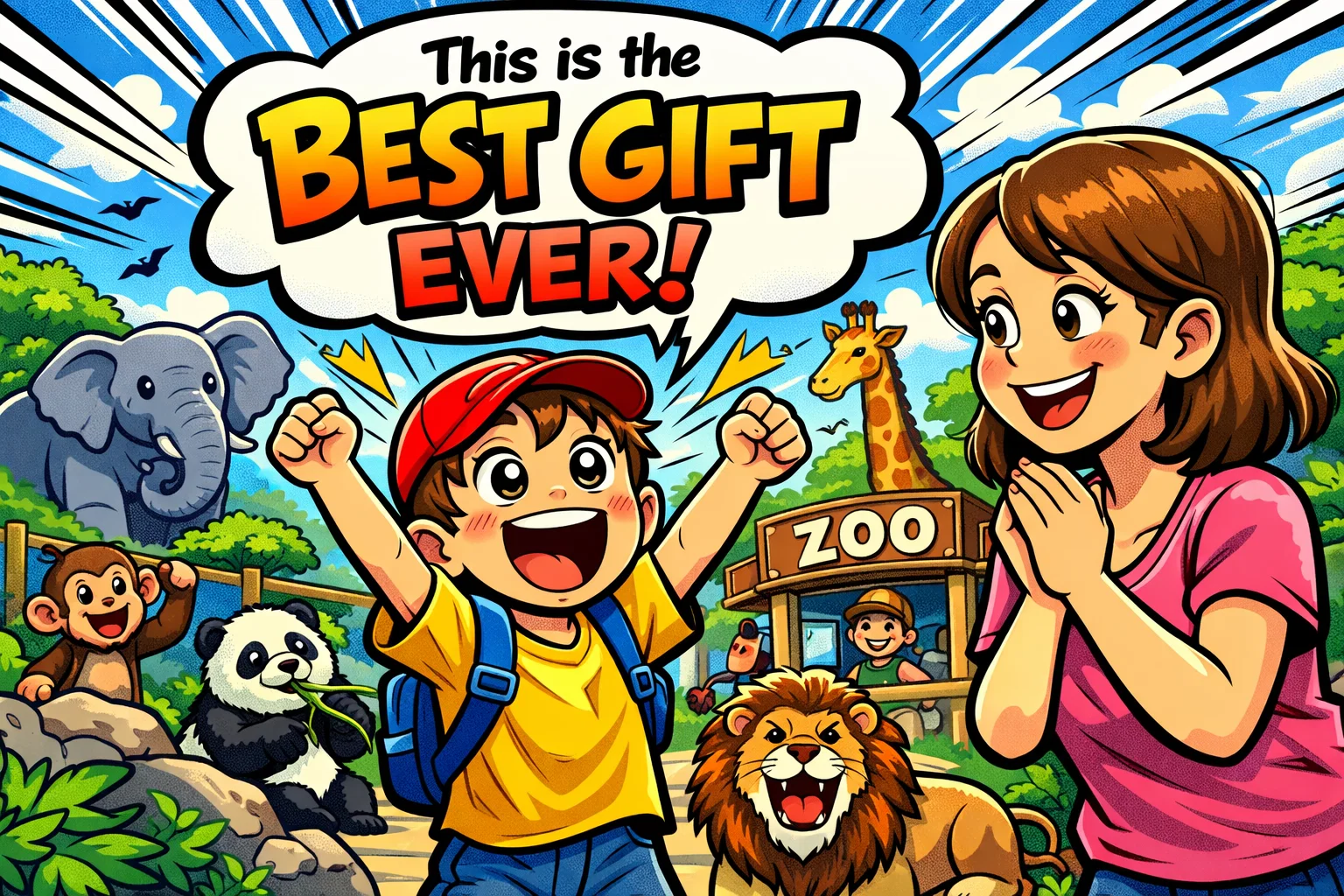
Experience-based gifts are among the strongest alternatives to physical toys, especially for kiddos who already have plenty of things to play with. Rather than adding to a collection, experience gifts create memories — and research from Cornell University suggests that the anticipation of an experience is itself a source of happiness, often more so than waiting for a physical item to arrive.
Tickets to Events and Attractions
Tickets to a theme park, live show, sports event, or aquarium give children something to look forward to — and something to remember long after the day is over. For a child who loves animals, a trip to a local aquarium or zoo can spark curiosity in ways that a toy simply can’t. For kids who love music or performance, tickets to a concert or theatre show can open up entirely new interests. Wrapping the tickets with a small related item (a program book, a themed pack of snacks) makes the gift feel special to open on Christmas morning or a birthday.
Classes and Skill-Building Activities
Enrolling a child in music lessons, an art class, a coding camp, or a cooking workshop is one of the most investment-worthy gift ideas available. These experiences don’t just entertain — they build real, lasting skills. The American Academy of Pediatrics (AAP) emphasizes that skill-building activities support executive function, confidence, and social development in children. A gift like this says: I see what you’re interested in, and I want to help you grow.
Memberships to Museums and Clubs
A year-long membership to a science center, children’s museum, zoo, or sports club is a gift that keeps on giving well beyond the holiday season. Unlike a single-use ticket, a membership invites repeated visits, which deepens engagement and learning over time. Many families find that a museum membership becomes a go-to activity on weekends, rainy days, or school holidays — making it one of the most practical and enriching gift ideas on this list.
One-on-One Outings and Special Days
Sometimes the most treasured gift a child can receive is undivided attention from someone they love. A “special day” coupon — redeemable for a hike, a cooking afternoon, a trip to a favorite café, or a movie marathon — costs very little but delivers enormous emotional value. Child psychologists consistently highlight the importance of quality one-on-one time for a child’s sense of security and belonging. This kind of gift is especially meaningful from grandparents, aunts, uncles, or older siblings who don’t get to see a child regularly.
Subscription Gifts That Keep Giving All Year
Subscription gifts have become one of the most popular alternatives to traditional toys — and for good reason. Rather than a single item unwrapped and forgotten, a subscription delivers ongoing excitement, variety, and learning throughout the year.
Monthly Subscription Boxes for Kids’ Interests
Companies like KiwiCo offer monthly subscription boxes tailored to different ages and interests, from STEM kits and art projects to cooking and engineering challenges. A KiwiCo crate, for example, arrives each month with all the materials and instructions needed to complete a hands-on project — building critical thinking and creativity with every delivery. These boxes are particularly well-suited to kids who love to put things together or who thrive on structured creative challenges.
Magazine Subscriptions for Learning and Fun
Age-appropriate magazines — like Highlights, National Geographic Kids, or Muse — support reading habits, spark curiosity, and give children something to look forward to in the mail each month.
For avid young readers or children who are just developing a love of reading, a magazine subscription is a low-cost, high-value gift idea that parents tend to appreciate as much as the kids.
Digital Subscriptions and Audiobooks
For families who embrace educational technology, a subscription to an audiobook platform, a learning app, or a curated streaming service can be a thoughtful and practical gift. Services designed specifically for children offer age-gated content, parental controls, and content that supports literacy and imagination.
Audiobooks in particular are a wonderful option for car journeys, bedtime routines, and independent listening — and research suggests they support vocabulary development and comprehension skills.
Gifts That Match Child Interests and Hobbies
For a child who already has many toys, the most meaningful gift ideas are the ones that reflect who they actually are — their passions, their strengths, and what makes them light up. Personalization is the key difference between a gift that gets used and one that collects dust.
Art and Craft Supplies for Creative Kids
Rather than a general craft kit, consider investing in high-quality art materials that match a child’s specific creative interest. A child who loves drawing might treasure a professional-grade sketchbook and a set of fine-line pens. A child who enjoys making jewelry might love a quality bead set and wire tools. These kinds of supplies communicate that their hobby is worth taking seriously — which is deeply validating for young creatives.
Music and Instruments for Young Musicians
A real instrument — even a beginner-level ukulele, keyboard, or drum pad — is a far more meaningful gift than a toy version. Real instruments allow children to develop genuine skills and experience the satisfaction of actual music-making.
If a child has already shown interest in a particular instrument, a starter kit paired with a few lessons is one of the most well-rounded gift ideas available. The AAP notes that musical training supports language development, attention, and fine motor skills in children.
Outdoor and Nature Exploration Gifts
Gear that encourages outdoor adventure — a children’s backpack for hikes, a gardening kit, a bug-catching set, or a basic telescope — supports physical health, curiosity, and a connection to the natural world.
These gifts work especially well for children who tend to wander, explore, and ask questions about how things work. Outdoor exploration gifts also have the added benefit of getting kids away from screens and into fresh air.
STEM and Educational Gift Ideas
Science kits, coding tools, and problem-solving games are among the most enduringly popular non-toy present ideas for good reason: they’re genuinely fun to play with and they build skills. Look for kits that are open-ended and reusable rather than one-and-done experiments. Games that involve strategy, logic, or spatial reasoning — chess sets, tangram puzzles, or coding board games — offer long-term entertainment and cognitive development in one package.
Gifts That Encourage Family Time and Connection
Some of the best gift ideas for kids who have everything aren’t for the child alone — they’re for the whole family. Gifts that bring people together around a shared activity create the kind of togetherness that children genuinely need and enjoy.
Here are a few ideas that work especially well for family-centered gifting:
- Board games and puzzles — Strategy games, cooperative games, or large jigsaw puzzles encourage communication, patience, and game night traditions that families return to again and again.
- Cooking activities and kitchen tools — A child-sized kitchen set, a baking kit, or a kid-friendly cookbook paired with a cooking afternoon is both a learning experience and a memory in the making.
- DIY coupon books and shared experience vouchers — Handmade coupon books filled with promises (a trip to the cinema, a pancake breakfast, a fort-building afternoon) are among the most charming and low-cost gift ideas for any age.
- Outdoor adventure and exploration sets — Presents like camping gear, picnic sets, or nature exploration kits encourage families to spend time outdoors together. They help disconnect from technology, and build stronger connections through shared adventures like hiking or backyard camping.
These kinds of gifts don’t just entertain — they build the family’s shared story, which is something no toy can replicate.
How to Choose the Best Gift for a Kid Who Has Everything
Choosing the right present becomes much easier when you approach it with a few clear principles in mind.
- Consider age and development stage. A present that’s too advanced will frustrate a child; one that’s too simple will bore them quickly. Think about where the child is developmentally — not just their age, but their current interests and abilities. A four-year-old and a seven-year-old may both love art, but they need very different tools and levels of complexity.
- Focus on experiences over quantity. One well-chosen experience gift is almost always more impactful than several smaller physical items. The goal isn’t to impress with volume — it’s to offer something genuinely meaningful. When in doubt, less is more.
- Personalization makes the difference. A present that reflects a child’s specific interests — their favorite animal, their current obsession with space, their love of a particular sport — shows care and attention. Personalized gifts feel special in a way that generic ones simply don’t, regardless of price.
Mistakes to Avoid When Buying Gifts for Kids
Even with the best intentions, it’s easy to fall into a few common gifting traps:
- Buying more toys that won’t be used. If a child already has many toys and isn’t engaging with them, adding more of the same is unlikely to change the dynamic. Redirecting toward experiences or skill-based gifts is almost always a better choice.
- Ignoring the child’s actual interests. A gift guide can inspire ideas, but the best present always comes from paying attention to what a specific child loves — not what’s trending or what worked for another child.
- Choosing trend over lasting value. The newest gadget or the most-advertised toy of the holiday season may generate excitement on Christmas morning, but trend-driven purchases often lose their appeal quickly. Gifts that grow with a child — instruments, art supplies, memberships, experiences — tend to deliver far more value over time.
Conclusion: Smart Gift-Giving Tips for Kids Who Have Everything
Finding the right present for a child who already has plenty doesn’t have to be stressful. The most meaningful gifts for kids tend to share a few qualities: they match the child’s interests, they offer something to do or experience rather than simply own, and they leave a lasting impression beyond the unwrapping moment.
Start by thinking about what the child loves, what they’re curious about, and what kind of memory you’d like to create. Then choose accordingly — whether that’s a museum membership, a set of quality art supplies, a cooking class, or a handmade coupon book for a special day together. Any of these can become a treasure in the truest sense: something a child (and their family) genuinely values for years to come.
FAQ About Gifts for Kids Who Have Everything
What should you give a child who has too many toys?
The best alternatives to toys include experience gifts (classes, tickets, memberships), subscription boxes tailored to their interests, high-quality art or music supplies, and family activity gifts like board games or cooking kits. These options reduce clutter while offering genuine value and lasting memories.
Are experience gifts better than toys?
In many cases, yes — particularly for children who already have a well-stocked toy collection. Research suggests experiences tend to produce longer-lasting satisfaction than material possessions. They also create shared memories and often support skill development in ways that most toys don’t. That said, the best gift is always the one that fits the specific child.
When do traditional toys still make sense?
Toys remain an excellent choice when they’re open-ended, developmentally appropriate, and genuinely suited to the child’s interests. Building blocks, quality dolls, wooden toys, and pretend-play sets all support imagination and development — and there’s no reason to avoid them simply because a child has other toys. The key is choosing intentionally rather than defaulting to whatever is easiest.
How can you make a gift feel special without spending much?
Thoughtfulness matters far more than price. A handwritten letter explaining why you chose the present, a DIY coupon book for shared experiences, or a small item paired with a heartfelt plan (like promising to bake together using a simple kit) can be more meaningful than an expensive purchase. Personalization — even in small, inexpensive forms — is what makes a gift truly memorable.

Take a short quiz to find out what your everyday choices say about your parenting style
When your child is curious about something new, what’s your instinct?
Take a short quiz to find out what your everyday choices say about your parenting style
“Can I download this app?” What happens next?
Take a short quiz to find out what your everyday choices say about your parenting style
When it comes to rules at home, which sounds most like you?
Take a short quiz to find out what your everyday choices say about your parenting style
If you could give your child one life skill today, what would you pick?
Take a short quiz to find out what your everyday choices say about your parenting style
Your child gets to choose what to watch. What would your ideal setup look like?
Take a short quiz to find out what your everyday choices say about your parenting style
Pick your parenting superpower ✨



