How Parents Can Support Gen Alpha: Parenting Guide

 Discover a Free Education Video App for Kids
Pastory uses AI to personalize educational video content based on your child’s interests and personality. Safe, engaging, and built for curious young minds. Sign up now to stay updated and enjoy early access with a free trial
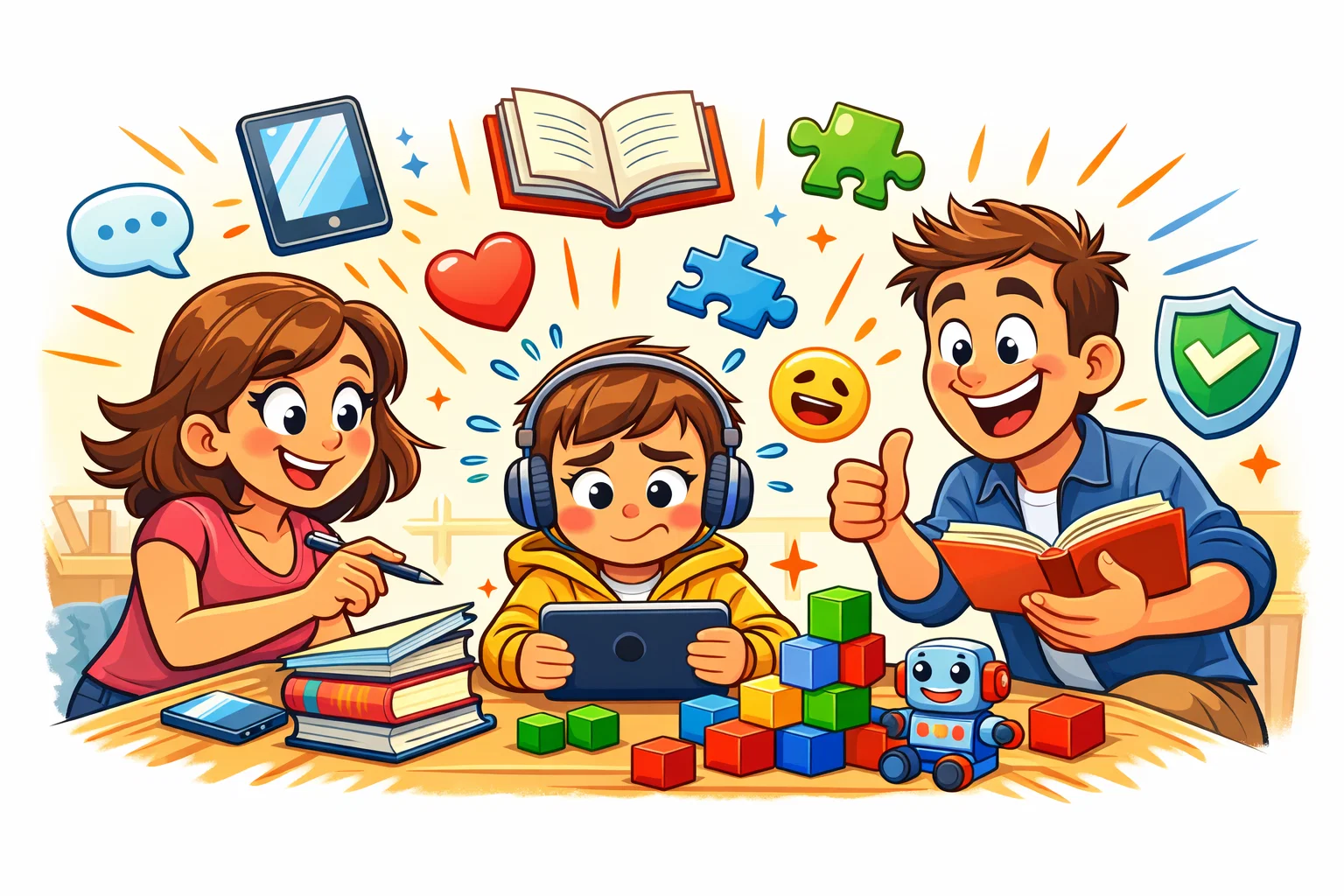
Generation Alpha, the cohort born between 2010 and 2025, represents a landmark shift in human development. As the first generation born entirely within the 21st century, these children are growing up in a “digital-first” environment where technology is not a tool but a fundamental layer of reality. For parents, this shift requires a move away from restrictive “gatekeeping” toward a role as an emotional anchor and digital mentor. Supporting Gen Alpha is not about ‘banning things for the sake of bans,’ but rather about establishing clear boundaries, providing emotional stability, and fostering human-centric skills—like empathy and deep focus—that no algorithm can replicate.
The modern parenting landscape for Alpha kids is shaped by high-speed information and constant connectivity. To thrive, these children need parents who can help them navigate the noise of social media while grounding them in physical-world values. By prioritizing mental well-being and safe technological exploration, millennial parents can help their children develop the adaptability needed for 2030 and beyond.
Who Is Generation Alpha
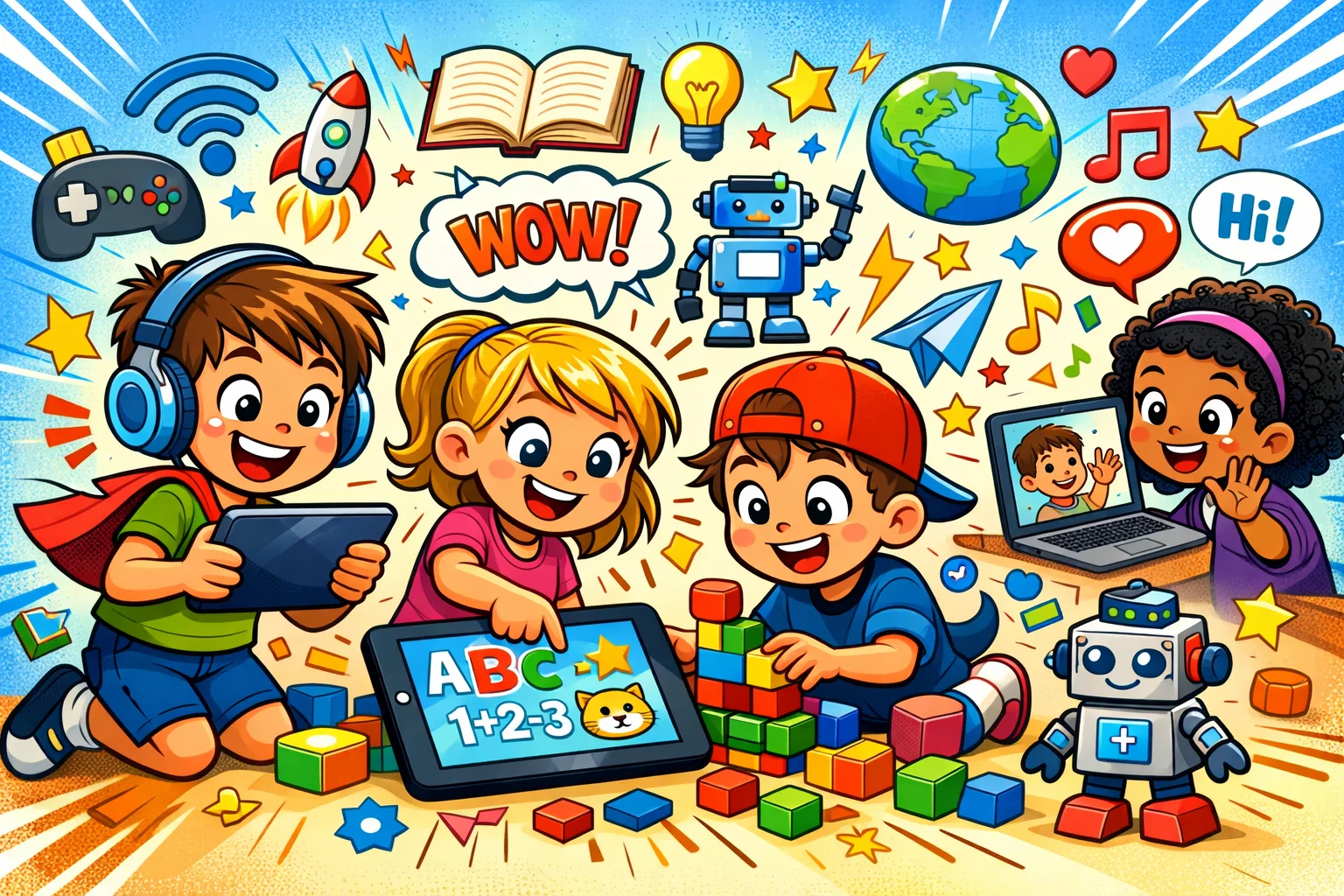
Generation Alpha refers to the demographic cohort succeeding Generation Z. Understanding who these children are is the first step for any parent or educator looking to provide effective support. This group is currently the youngest generation on the planet, and their unique upbringing is shaping new global trends in education, consumption, and social interaction.
Birth Years And Core Traits
Generation Alpha includes children born between 2010 and 2025. This timeframe marks them as the first generation to be born entirely in a world where smartphones and tablets existed from day one. Core traits of Alpha children include a natural affinity for visual communication, an inherent expectation of interactivity in all media, and a rapid ability to adapt to new digital interfaces. Unlike previous generations, Gen Alpha children do not perceive a distinction between the ‘online’ and ‘offline’ worlds; for them, life is a seamless blend of both.
Why Name Alpha Matters
The name “Generation Alpha” was popularized by social researcher Mark McCrindle to signify a fresh start. Since the Greek alphabet follows the Roman one (which ended with Gen Z), “Alpha” represents the beginning of a new era rather than a continuation of the old. For parents, recognizing this term is crucial because it highlights that the old parenting playbooks may no longer apply. Brands, schools, and psychologists use this label to track how specific global events—like the shift to remote learning—specifically impact this cohort’s development.
Why Gen Alpha Feels Different From Gen Z
While Gen Z were “digital natives,” Gen Alpha are “digital primitives” who were born into a world of advanced AI and ubiquitous connectivity. Gen Z remembers a time before TikTok or the iPad (released in 2010), whereas Gen Alpha has never experienced a world without voice-activated assistants and personalized streaming services. This constant “connected-ready” environment makes Gen Alpha more impatient for feedback and more comfortable with AI-integrated tools than their Gen Z predecessors.
What Makes Gen Alpha Kids Different
The uniqueness of Generation Alpha extends beyond their birth dates and into their cognitive processing and social behavior. Their environment has fundamentally altered how they perceive authority, learn new concepts, and interact with the world around them.
Digital-First Childhood
Growing up in a digital-first world means that Gen Alpha kids are exposed to YouTube, educational apps, and smart speakers before they can even read. This exposure creates a high level of technical literacy but also shifts the “primary source” of information from parents and teachers to the internet. Consequently, parents must focus on teaching media literacy early, helping children differentiate between credible information and influencer-driven content.
Visual And Interactive Learning Style
Gen Alpha children demonstrate a strong preference for visual and interactive learning styles over traditional auditory or text-heavy methods. Platforms like Roblox and Minecraft offer “experiential” learning where children solve problems through trial and error in a 3D space. This shift suggests that traditional worksheets may be less effective for this generation compared to gamified educational tools that provide immediate, visual rewards for progress.
Instant Feedback And Low Tolerance For Delay
The “on-demand” nature of modern technology has conditioned Gen Alpha to expect instant feedback. Whether it is an app responding to a touch or a streaming service playing a video immediately, these children have a lower tolerance for delay. This can lead to challenges in developing “delayed gratification,” a key component of emotional intelligence. Parents can support Gen Alpha by intentionally creating ‘slow’ moments, such as board games or long-term craft projects, to help them build patience.
How Millennial Parenting Shapes Gen Alpha
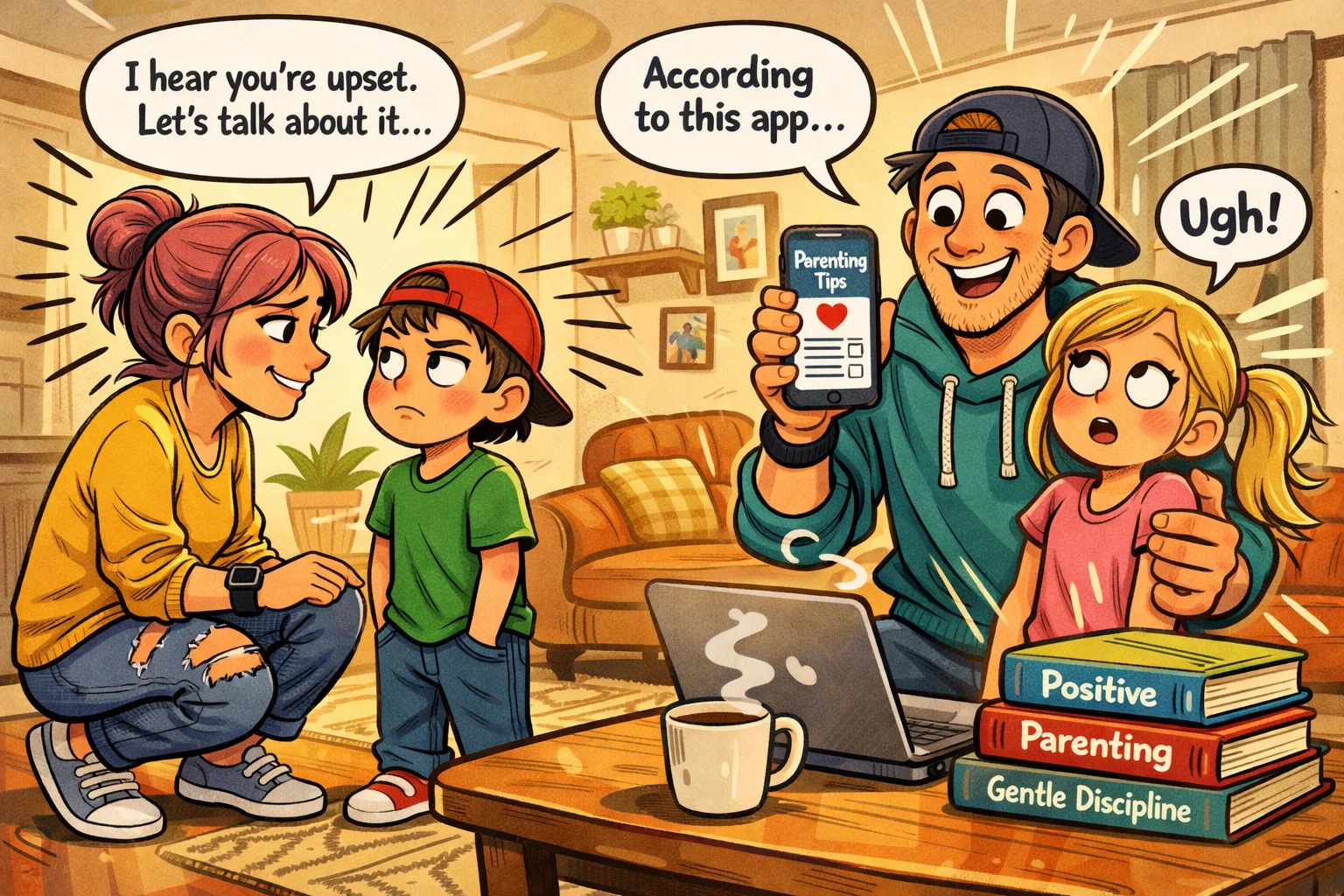
The majority of parents of Gen Alpha are Millennials, a generation that has redefined the “parenting style” by prioritizing emotional health and mutual respect over traditional authoritarian structures.
Being Present Without Overcorrecting
Millennial parents often strive for high levels of emotional involvement, aiming to “feel heard and understood” by their children. While this presence builds strong bonds, it is important to avoid “overcorrecting” or micromanaging every social interaction. Allowing Gen Alpha children to experience small failures without immediate parental intervention fosters resilience and encourages independent problem-solving skills.
Emotional Awareness And Clear Limits
The “new parenting” movement focuses heavily on validating emotions and practicing empathy. Millennial parenting techniques often involve ‘naming the feeling’ to help a child regulate their emotions. It is widely suggested that empathy should be paired with clear, predictable limits. Children feel safest when they know exactly where the boundaries lie, even if those boundaries are established with kindness rather than fear.
Happiness Purpose And Career Goals
There is a notable shift in millennial parenting toward prioritizing a child’s happiness and “fulfillment” over traditional status markers. This generation of parents is more likely to encourage their children to pursue diverse interests rather than a single, fixed career path.
| Parenting Focus | Traditional (Gen X/Boomer) | Millennial (Parenting Alpha) |
| Primary Goal | Academic Excellence / Status | Emotional Intelligence / Happiness |
| Discipline Style | Compliance / Punishment | Communication / Natural Consequences |
| Technology View | Distraction / Luxury | Utility / Fundamental Skill |
| Career Outlook | Stability in one field | Adaptability across many fields |
How To Communicate With Gen Alpha
Effective communication with Gen Alpha requires moving away from one-way lectures toward two-way, active listening. Because they are used to interactive environments, they respond best when they feel they have a “seat at the table.”
Active Listening And Two-Way Conversations
To ensure an Alpha child feels heard, parents should practice active listening by rephrasing what the child says and asking open-ended questions. Instead of saying ‘Do your homework,’ a parent might ask, ‘How do you plan to organize your tasks this evening?’ This involves the child in the decision-making process, which aligns with their desire for autonomy and respect.
Speaking Gen Alpha Without Forced Slang
While it is helpful for parents to understand terms used on TikTok or in gaming communities, “forced slang” can often backfire and create a generational gap. The goal is not to try to sound like a peer, but to understand the context of their world. Knowing what a “skibidi” or “rizz” refers to allows a parent to engage in the child’s world without losing their authoritative role as a guide.
Using Stories Visuals And Shared References
Since Gen Alpha is visually oriented, using shared references from their favorite media can be a powerful learning tool. If a child is struggling with teamwork, a parent might reference a collaborative mechanic in a game like Roblox. Using stories and visuals helps bridge the gap between abstract concepts (like “responsibility”) and the concrete, digital world the child inhabits.
How To Build Emotional Intelligence
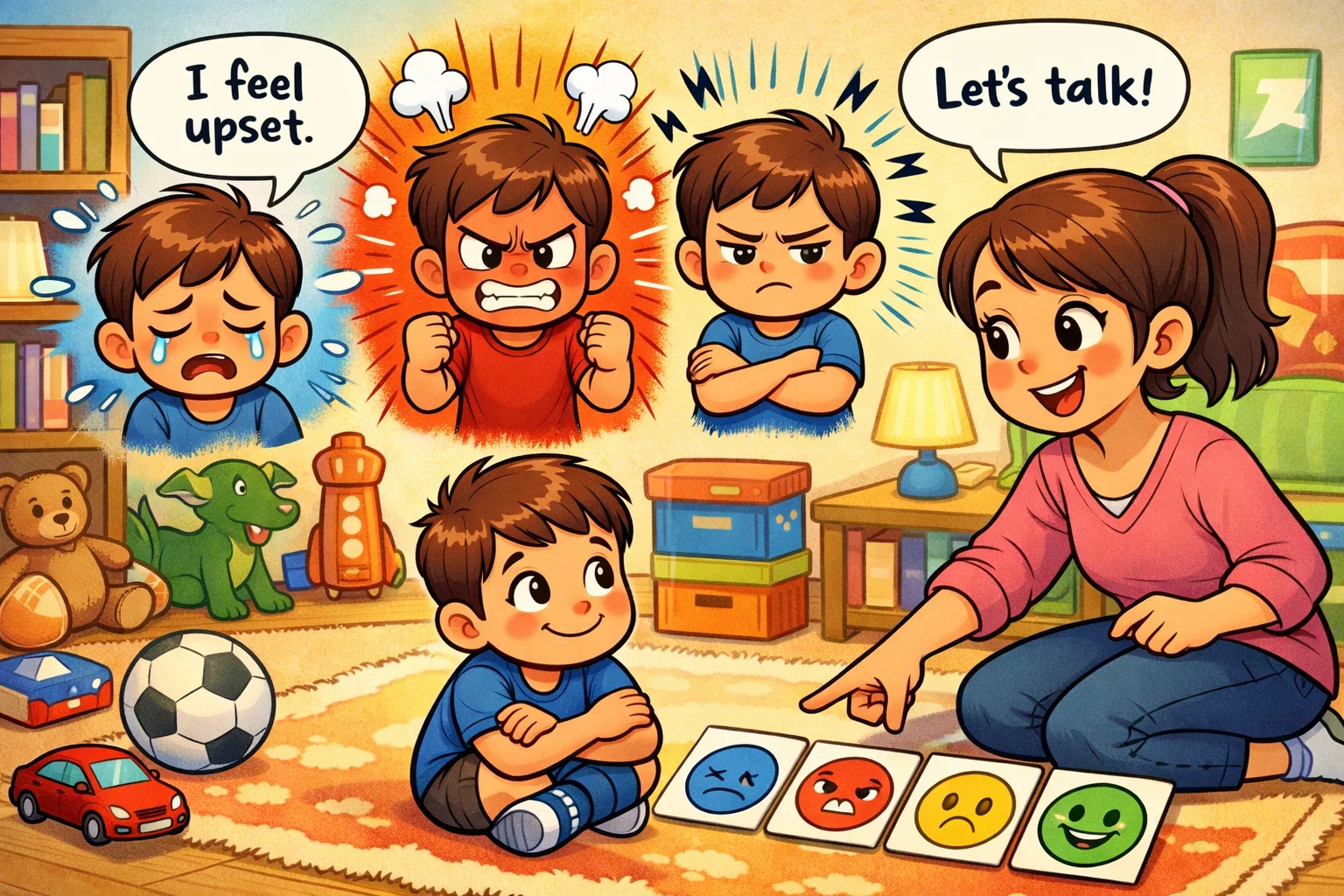
Emotional intelligence (EQ) is perhaps the most critical skill for Gen Alpha to develop as they navigate a world of complex online social dynamics and AI-generated content.
Naming Feelings Without Labels Taking Over
Helping a child name their feelings is the first step in emotional development. However, it is vital to teach that “I am feeling angry” is different from “I am an angry person.” By treating emotions as temporary states rather than permanent identity labels, parents help children develop a growth mindset regarding their mental health.
Empathy Self-Regulation And Conflict Repair
Building EQ involves teaching children how to pause before reacting to a stimulus. Parents can model “I-statements” (e.g., “I feel frustrated when…”) to show how to communicate needs without aggression. Crucially, “conflict repair”—the act of apologizing and making amends after a fight—teaches Gen Alpha that relationships can be mended, which is essential for long-term social stability.
Confidence Without Arrogance
Parents can foster confidence by praising effort rather than innate talent. This “process-oriented” praise helps Gen Alpha children feel capable of tackling new challenges. To prevent confidence from turning into arrogance, parents should encourage children to actively listen to others’ perspectives and practice empathy for different lived experiences.
How To Manage Screens Tech And Online Safety
The “parenting in the digital age” challenge is most acute when managing screen time and online safety. The goal is to move from passive consumption to active, intentional tech use.
Screen Time Rules That Match Real Life
Rather than a one-size-fits-all hourly limit, parents should create screen time rules that reflect the family’s rhythm. For example, “no screens during meals” or “all devices in the kitchen by 8 PM.” Using visual timers can help Gen Alpha kids transition away from devices without a struggle, as they can see exactly how much time they have left.
From Passive Scrolling To Skill Building
Not all screen time is equal. Parents can help Gen Alpha shift from passive scrolling (watching endless short-form videos) to skill-building activities like coding, digital art, or research.
- Active Tech: Coding in Scratch, creating a video edit, researching a hobby.
- Passive Tech: Mindless scrolling on social media feeds, autoplaying videos.
When To Delay Phones And Social Media
It is often recommended that delaying personal smartphones and social media can help protect a child’s developing brain from the dopamine loops of ‘likes’ and ‘shares.’ Many parents wait until age 14 or 15 to provide a full smartphone, opting for “dumb phones” or smartwatches in the interim to maintain communication without the risks of unrestricted internet access.
Privacy Consent And Digital Footprint
Gen Alpha’s digital footprint often begins before they are born due to “sharenting” (parents posting photos of their children). It is crucial to teach children about privacy and consent early. This includes asking the child’s permission before posting their photo and explaining that anything put online can stay there forever.
How To Build Focus Independence And Self-Reliance
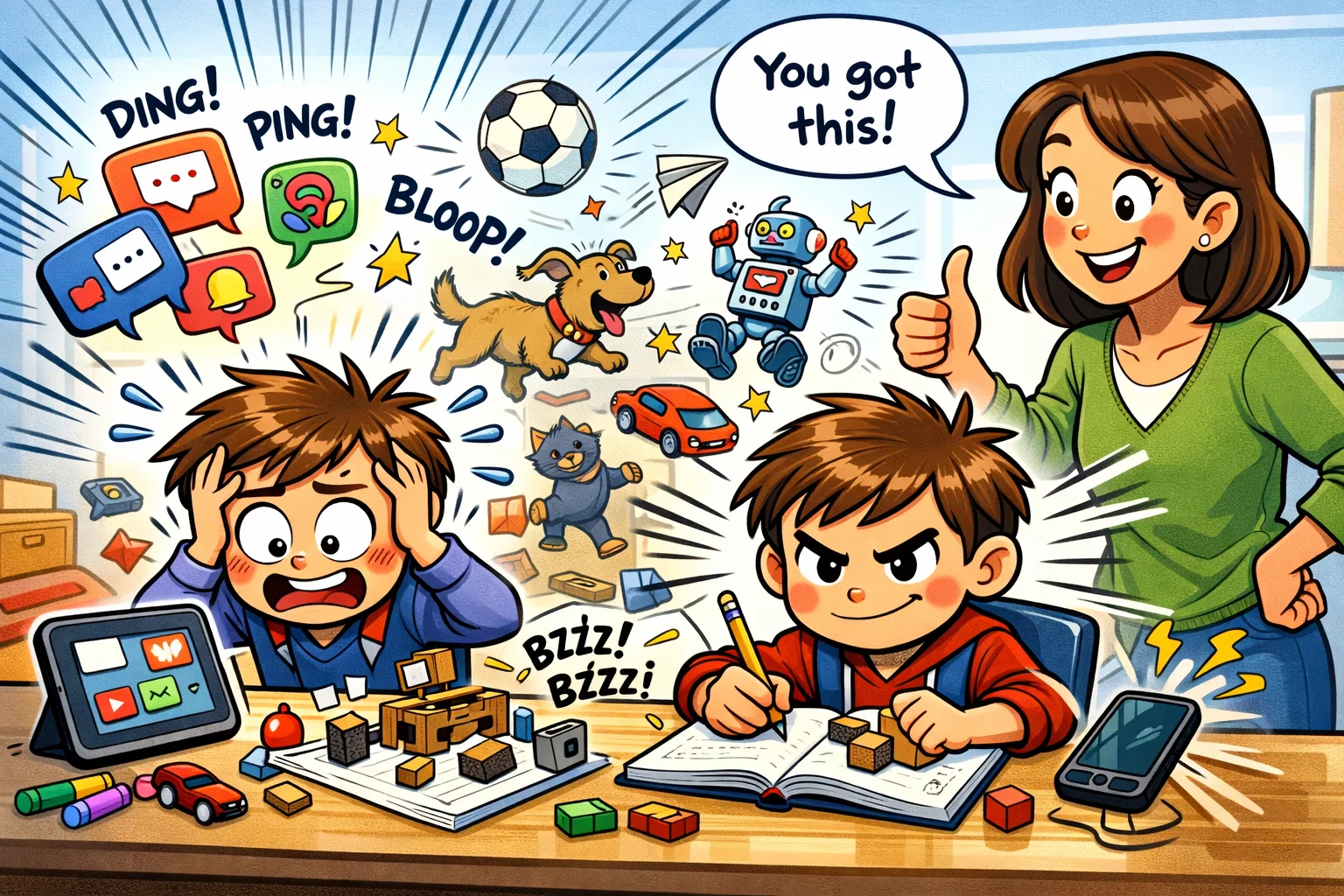
In an age of constant digital stimulation, the ability to focus and act independently is a “superpower” for Generation Alpha.
Boredom As Growth Tool
In a world of “instant everything,” boredom is often seen as a problem to be solved. However, boredom is a vital growth tool that forces a child to use their imagination and initiate their own play. When a parent resists the urge to provide a screen during a “boring” car ride, they are giving the child space to develop internal resources and creativity.
Offline Routines Chores And Problem Solving
Regular household chores and offline routines provide a necessary “grounding” for Gen Alpha. Managing a small physical task—like setting the table or sorting laundry—teaches problem-solving and self-reliance. These tasks provide a sense of agency that digital environments, which are often highly curated and guided, cannot offer.
Structure That Reduces Constant Stimulation
A predictable daily structure helps reduce the “cognitive load” on a child. By alternating high-stimulation activities (like gaming) with “quiet periods” (like reading or drawing), parents help train the child’s brain to sustain focus. Consistency in these routines reduces anxiety and helps children transition between different types of energy.
How To Support Learning At Home And School
Education for Gen Alpha must go beyond rote memorization and focus on “how to learn” rather than “what to learn.”
Curiosity-Driven Learning Beyond Worksheets
Parents can support learning by fostering a “curiosity-driven” environment. This means following the child’s interests—if they like dinosaurs, find a documentary, visit a museum, or build a 3D model. This approach turns learning into an adventure rather than a chore, making it more likely that the information will be retained.
Holistic Growth Across Academics Creativity And Life Skills
The UK National Curriculum and other modern frameworks are increasingly emphasizing “holistic growth.” This means recognizing that a child’s ability to work in a team or manage their time is just as important as their math score. Encouraging music, sports, and “soft skills” alongside academics ensures a well-rounded development profile.
School Motivation Attention And Executive Skills
For a child used to the high-speed feedback of an iPad, a traditional classroom can feel slow. Parents can help by coaching “executive skills,” such as breaking a large school project into smaller, manageable steps. This helps Gen Alpha maintain motivation and prevents them from feeling overwhelmed by tasks that do not offer immediate rewards.
How To Raise Inclusive Socially Aware Kids
Generation Alpha is on track to be the most diverse and socially aware generation in history. Supporting this means teaching them to navigate a globalized world with kindness.
Inclusivity Diversity And Cultural Awareness
Parents can introduce inclusivity by ensuring the books, movies, and toys their children interact with represent diverse cultures and abilities. Discussing different experiences in a neutral, factual way helps children develop cultural awareness without feeling that “difference” is something to be feared.
Digital Citizenship And Online Kindness
Since much of Gen Alpha’s social life happens online, “digital citizenship” is a required life skill. Parents should teach children how to react to “toxicity” in game chats and the importance of not participating in online bullying. Emphasizing that “there is a human on the other side of the screen” helps bridge the empathy gap created by digital distance.
Climate Values Activism And Responsibility
Many Gen Alpha kids feel a high level of “climate anxiety.” Parents can help by turning this worry into “small-scale activism,” such as recycling, reducing plastic use, or participating in local community gardens. Giving the child a sense of influence over their environment reduces feelings of helplessness.
Which Future Skills Matter Most For Gen Alpha
As we look toward 2030, the job market will likely value “human” skills that AI cannot easily replicate.
Critical Thinking Creativity And Adaptability
The ability to analyze information critically and adapt to new situations will be more valuable than specific technical knowledge that may become obsolete. Parents can encourage critical thinking by asking “Why do you think that happened?” or “How could we solve this differently?”
Coding Media Literacy And AI Readiness
Being “tech-savvy” is no longer enough; Gen Alpha needs “AI readiness.” This means understanding how algorithms work and how to use AI tools ethically and effectively. Media literacy is equally important—knowing how to spot a “deepfake” or a biased news source is a fundamental survival skill in the 2020s.
Teamwork Resilience And Human Skills
In a world of remote work and digital collaboration, the ability to work in a team and bounce back from failure (resilience) is vital. These human-centric skills are the foundation of leadership and innovation.
| Skill Category | Examples | Importance for 2030 |
| Cognitive | Critical Thinking, Problem Solving | Extremely High |
| Digital | AI Literacy, Coding, Media Analysis | High |
| Social | Empathy, Teamwork, Communication | Extremely High |
| Personal | Resilience, Adaptability, Focus | High |
Which Challenges Parents Face Most
Raising Gen Alpha is not without its hurdles. Acknowledging these challenges is the first step toward overcoming them.
Information Overload And Contradictory Advice
Millennial parents are often bombarded with “perfect” parenting images on social media and contradictory advice from various “experts.” It is important to filter this noise and focus on what works for your specific child and family values. Trusting your intuition and the observed behavior of your child is often more effective than following every online trend.
Parent Burnout And Loneliness
The high level of “emotional labor” involved in modern parenting can lead to burnout. Finding a community of other parents—whether online or in person—can provide the support needed to navigate the challenges of raising Gen Alpha. Self-care for the parent is not a luxury; it is a necessity for maintaining the emotional stability the child needs.
Boundaries Consistency And Family Values
The greatest challenge is often maintaining consistency. In a world of “instant” everything, sticking to a boundary (like “no more iPad today”) can be exhausting. However, consistency is the key to building trust and security. When a parent’s “no” means “no,” the child learns that the world has predictable rules, which reduces anxiety in the long run.
FAQ
How Much Screen Time Is Too Much For Gen Alpha?
There is no “magic number.” What matters more is the quality of the content and how it affects the child’s sleep, behavior, and physical activity. If a child is getting enough exercise, sleep, and face-to-face social time, their screen time is likely at a healthy level.
When Should Gen Alpha Child Get Their First Phone?
This depends on the child’s maturity and the family’s needs. Many experts suggest waiting until age 14 for a smartphone with social media access. For younger children who need to stay in touch, a basic “talk and text only” phone or a smartwatch is often a better starting point.
How Can Parents Help Gen Alpha Focus Better?
Reduce background noise and visual clutter during homework. Use visual timers to break tasks into 20-minute chunks followed by a physical break. Encouraging offline hobbies like Lego, drawing, or sports also helps “retrain” the brain for sustained attention.
How Can Parents Respond To Gen Alpha Slang?
Don’t mock it, but don’t try to use it to “be cool.” Ask your child what a word means if you’re confused. This shows interest in their world without crossing the line into “cringe” territory.
How Can Parents Balance Empathy And Discipline?
Empathy is understanding the feeling; discipline is managing the behavior. You can say, “I understand you are frustrated that we have to leave the park (empathy), but we do not hit (discipline).” The two are not mutually exclusive.
How Can Parents Reduce iPad Dependence Without Daily Battles?
Set clear, visual limits before the device is turned on. Use the “Screen Time” settings to automatically lock the device when time is up. Most importantly, ensure there are engaging offline alternatives ready to go once the screen is turned off.
How Can Parents Teach Online Safety And Privacy?
Start early by talking about what is okay to share (hobbies) and what isn’t (address, full name). Teach them to come to you if they see something “weird” online, and promise not to take the device away if they tell the truth—this ensures they won’t hide problems from you.
What Skills Will Matter Most For Gen Alpha Jobs?
The “top tier” skills will be adaptability, critical thinking, empathy, and AI literacy. Being able to work alongside technology while maintaining high-level human communication will be the ultimate competitive advantage.

Take a short quiz to find out what your everyday choices say about your parenting style
When your child is curious about something new, what’s your instinct?
Take a short quiz to find out what your everyday choices say about your parenting style
“Can I download this app?” What happens next?
Take a short quiz to find out what your everyday choices say about your parenting style
When it comes to rules at home, which sounds most like you?
Take a short quiz to find out what your everyday choices say about your parenting style
If you could give your child one life skill today, what would you pick?
Take a short quiz to find out what your everyday choices say about your parenting style
Your child gets to choose what to watch. What would your ideal setup look like?
Take a short quiz to find out what your everyday choices say about your parenting style
Pick your parenting superpower ✨