25 Free Parenting Resources for Toddlers: Tools, Courses, Activities, and Support

 Discover a Free Education Video App for Kids
Pastory uses AI to personalize educational video content based on your child’s interests and personality. Safe, engaging, and built for curious young minds. Sign up now to stay updated and enjoy early access with a free trial
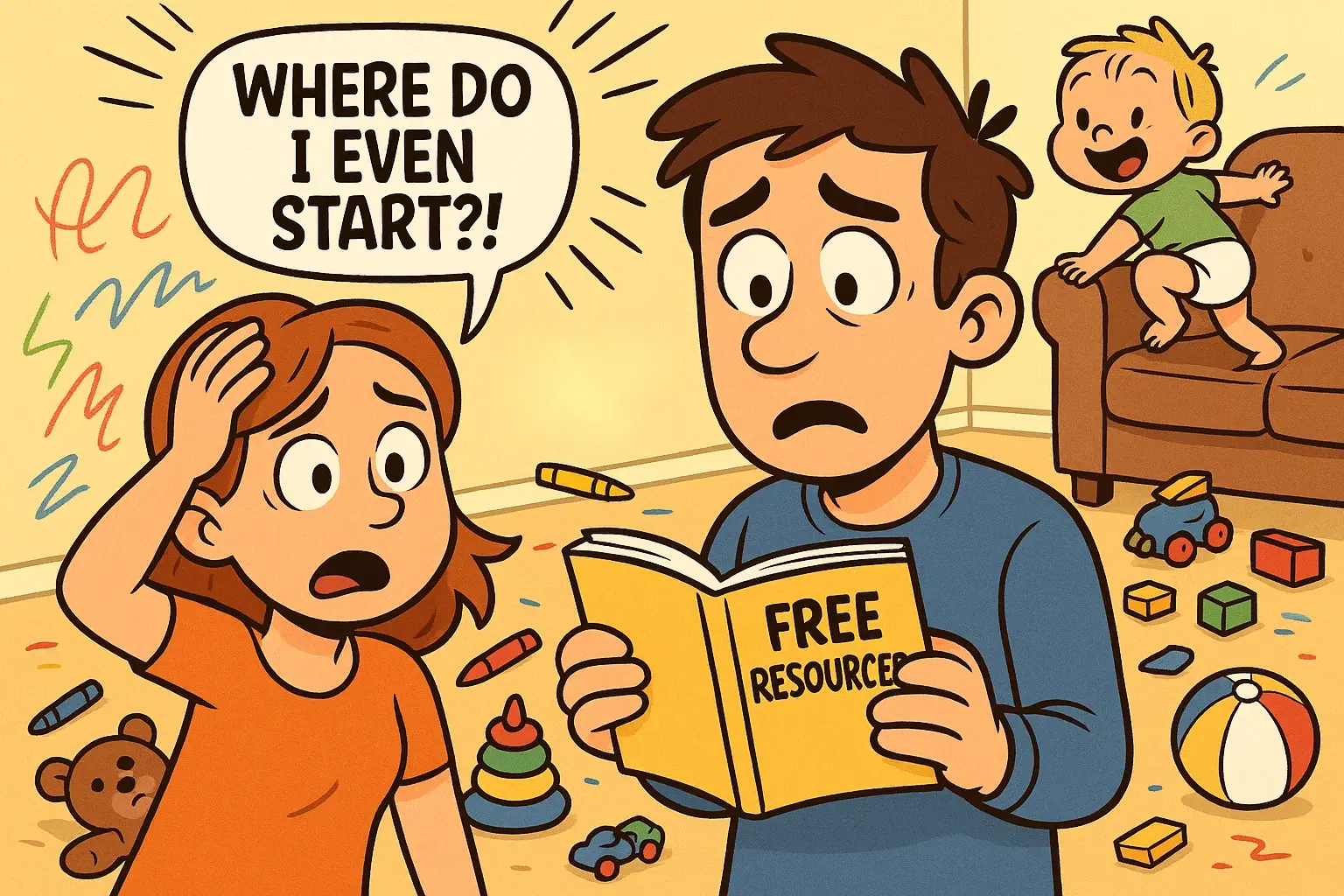
The toddler years can bring enormous joy, but they also come with real developmental challenges. For families looking for free support, trusted parenting resources can make daily challenges easier to manage. This guide brings together trusted, evidence-informed free parenting resources to help parents and caregivers support early development, respond to common challenges such as tantrums, and encourage positive child behavior.
Whether you are looking for free courses, a printable daily routine chart, or expert parenting advice, these resources can help you find practical strategies that support your child’s development.
Key Takeaways
- Comprehensive Support: Free parenting resources for toddlers can offer guidance on behavior, developmental milestones, play, sleep routines, language development, and parental emotional well-being.
- Evidence-Informed Tools: Strong resources combine research-backed guidance with practical tools, such as downloadable charts, step-by-step scripts, and local support options.
- Age-Specific Guidance: Parents are more likely to find useful advice when resources match their child’s developmental stage, such as 12–24 months, 24–36 months, or the transition to preschool.
- Professional Support: Seeking specialized help is a proactive step when a caregiver notices persistent speech delays, sensory differences, high family stress, safety concerns, or developmental regression.
Fast Resource Map
To make this guide easier to use, the resources are grouped into clear sections. The Parent Hub section covers general child care guidance and ways to organize helpful resources. The behavior and discipline section provides positive discipline scripts and emotional regulation tools to help caregivers respond to challenging behaviors. The main list covers 25 types of free resources, including milestone trackers, sensory play ideas, and support for children with developmental differences or special educational needs. Finally, the evaluation section explains how to assess source credibility before trying new strategies.
Best Starting Point for Busy Parents

Parents and caregivers can save time by choosing resources intentionally instead of browsing at random. First, identify the child’s age and developmental stage so expectations are realistic. Second, choose the main concern, such as a developmental milestone, tantrums, sleep, meals, or a disrupted routine. Third, select the preferred delivery format, such as a quick printable chart, an interactive parenting course, a video, or an audio podcast.
This targeted approach helps prevent information overload and makes it easier to find practical support quickly.
When Extra Support May Help
While general parenting strategies can help with many everyday challenges, some situations call for professional support. The American Academy of Pediatrics notes that tantrums are a normal part of development, but parents should speak with a pediatrician if tantrums are unusually intense, unsafe, persistent, or raise concerns about development.
Parents should consult a pediatrician, child psychologist, or licensed family therapist if a child has persistent difficulty calming down, notable language delays, severe sensory distress, regression, or behaviors that could harm the child or others. Professional guidance is also recommended when family stress makes it difficult for a caregiver to provide calm, responsive, and supportive care.
Parent Hub for Toddler Families
A centralized parent hub can help parents and caregivers find reliable toddler resources in one place. When resources are organized by need, age, and format, families can find trustworthy information faster and avoid relying on unvetted forums.
Parenting Resources
Comprehensive toddler parenting guides often explain how development, behavior, and daily routines are connected. Trusted platforms provide practical guidance on sleep, feeding transitions, safety, play, and early communication skills.
Research suggests that predictable routines can help children feel more secure, reduce stress, and support self-regulation. These resources can help parents create safe, predictable environments that support healthy early childhood development.
Family Support Library
A family support library turns complex child development concepts into practical, easy-to-use resources. These libraries often include checklists, short videos, and downloadable toolkits that parents can use during common parenting challenges.
By turning child development principles into step-by-step techniques, these libraries help caregivers apply strategies consistently and track progress over time. This format makes it easier for caregivers to find and use key behavior strategies during stressful moments.
Family Support Service
Local community programs can provide in-person support that complements online resources. Parents and caregivers may be able to access early childhood programs, community hubs, public health services, and local nonprofit organizations at no cost.
Organizations such as the NSPCC emphasize that parents and caregivers may need extra support when mental health, stress, or family circumstances make caregiving harder. In-person centers may offer developmental screenings, playgroups, parenting classes, and referrals tailored to local needs.
Featured Parenting Resources and Courses
Structured educational programs can provide step-by-step guidance that goes beyond what a single article can cover. Many hospitals, nonprofits, public health departments, and community organizations offer free parenting courses or webinars for families with toddlers and preschoolers.
The table below highlights reputable organizations and resources that families can use as starting points.
| Organization | Core Content Type | Key Functional Benefit |
| Zero to Three | Evidence-informed articles and tip sheets | Explains early brain development, relationships, play, and communication |
| American Academy of Pediatrics / HealthyChildren | Pediatric guidance and health milestones | Provides pediatrician-reviewed safety, health, and development advice |
| NSPCC | Safety guides and positive parenting tools | Offers practical strategies to support emotional well-being and child safety |
| Incredible Years | Evidence-based parenting programs | Provides structured steps for handling challenging behaviors; availability and cost may vary by location |
| CDC Learn the Signs. Act Early. | Milestone checklists and tracking tools | Helps families monitor development and prepare for well-child visits |
Most Popular Toddler Resources
Parents often look for help with specific, common behavior and development concerns. The most sought-after topics include handling tantrums, responding to hitting or biting, managing potty training setbacks, and navigating toddler separation anxiety.
Parents also frequently seek help with picky eating, language delays, and bedtime resistance. Clear, evidence-informed strategies can help families respond to these challenges with more confidence and consistency.
Toddler Behavior Help and Positive Discipline Tools
Managing toddler and preschool behavior is often more effective when parents focus on teaching regulation skills rather than relying on punishment. Therapist-informed tools can help parents de-escalate conflicts while strengthening the parent-child relationship.
Responding to Challenging Behaviors
When responding to intense behaviors such as screaming, throwing objects, refusal, or running away, caregivers can use a simple three-step response.
- Before: Prevention
Establish clear transitions using visual timers, simple language, and predictable routines to reduce anxiety during changes. - During: De-escalation
Stay nearby when it is safe to do so, make sure the environment is safe, and use very few words because a highly distressed toddler may not be able to process complex language. - After: Repair
Once the child begins to calm down, label the emotion clearly and offer brief, non-shaming comfort to reinforce security.
Positive Discipline Scripts
During a behavioral crisis, language should be clear, brief, and focused on guidance rather than reprimands. Positive discipline scripts replace vague commands with clear boundaries, simple choices, and opportunities to redirect behavior.
Examples include:
- Setting a Limit: “I cannot let you hit. Hitting hurts.”
- Offering Structured Choices: “It is time to leave. Do you want to hop to the car like a frog or stomp like a dinosaur?”
- Redirection and Repair: “The blocks are not for throwing. Let’s throw these soft beanbags into the basket instead.”
Emotion Regulation for Parents
A child’s ability to regulate emotions is strongly influenced by the caregiver’s ability to co-regulate. Research on early development suggests that infants and toddlers often rely on caregivers’ calm, steady responses to help regulate their own emotions and stress.
When a parent feels stress rising, a deliberate five-second pause and a slow breath can reduce the chance of reacting harshly. Acknowledging frustration without shame can help the adult stay calmer and turn a difficult moment into a chance to reconnect and teach.
Time-In Tools and Calm-Down Spaces
Instead of relying only on isolation-based discipline, many child development experts recommend calm, connected “time-in” spaces. These spaces can include simple tools that help a child calm down, name feelings, and reconnect with a caregiver.
Helpful tools may include:
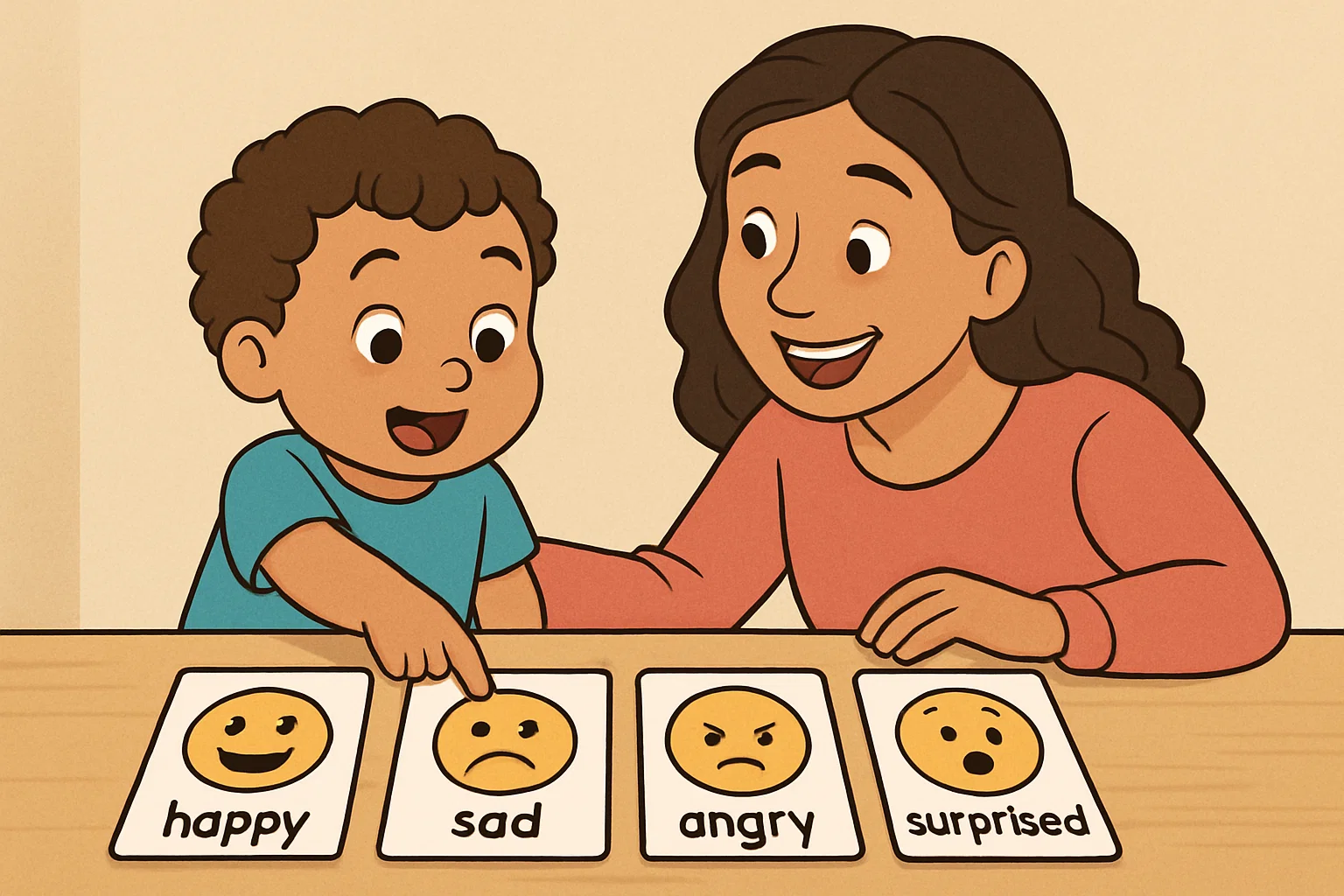
- Visual Feelings Charts: Picture-based guides that help non-verbal or early-verbal children identify emotions.
- Sensory Tools: Soft cushions, textured objects, picture books, and slow-moving liquid timers that provide calming visual and tactile input.
- Communication Cards: Simple picture cards that allow a toddler to express basic needs, such as wanting a hug, needing space, or asking for water.
Therapeutic Games for Toddlers
Play is one of the most natural ways toddlers build social and emotional skills. Simple games such as “Red Light, Green Light” and “Freeze Dance” help toddlers practice listening, waiting, stopping, and starting.
Role-playing with stuffed animals allows toddlers to practice sharing, turn-taking, and problem-solving in a low-stakes environment. These games turn abstract expectations, such as waiting or taking turns, into concrete and enjoyable practice.
25 Free Parenting Resources for Toddlers
The following list outlines 25 types of free resources, tools, and platforms that can support parents and caregivers during the toddler years.
1. Toddler Milestone Checklists
Developmental milestone checklists help parents track language, fine and gross motor skills, cognitive development, and social-emotional growth. The Centers for Disease Control and Prevention (CDC) offers the Learn the Signs. Act Early. program, including free illustrated milestone checklists and a Milestone Tracker app for children from 2 months to 5 years.
These tools can help parents notice possible delays earlier and share specific observations with pediatricians during well-child visits.
2. Printable Daily Routine Charts
A printable routine chart converts abstract daily schedules into concrete visual markers that toddlers can understand. A simple visual layout with pictures for morning, meals, naps, and bedtime can make transitions easier.
Visual schedules may reduce transition-related stress by making expectations more predictable. They also help toddlers build an early sense of independence as they learn what comes next.
3. Tantrum Response Guides
Comprehensive tantrum response guides explain why meltdowns happen and help parents see them as signs of overwhelm rather than deliberate misbehavior. These free downloadable guides provide step-by-step strategies for maintaining safety, using minimal verbal scripts, and timing the post-tantrum repair phase.
These guides can help caregivers stay calmer and prevent everyday tantrums from turning into prolonged conflict.
4. Feelings Charts
A visual feelings chart helps children connect words with emotions and body sensations. By displaying clear illustrations or photographs of children experiencing joy, anger, sadness, fear, and frustration, these charts bridge the gap between emotion and language.
Regularly referencing these images during calm periods can improve a toddler’s emotional literacy and reduce physical outbursts caused by communication frustration.
5. Positive Discipline Scripts
Downloadable discipline scripts give parents ready-to-use phrases that can replace yelling or long lectures. These resources offer quick phrasing options for setting boundaries, presenting controlled choices, and redirecting behavior.
Keeping these concise verbal tools easily accessible helps parents deliver consistent, calm responses that reinforce household rules while preserving the child’s self-esteem.
6. Free Library Storytime
Local public library storytime programs offer free, structured settings that support early literacy and social interaction. Led by children’s librarians, these sessions introduce toddlers to group routines, interactive singing, and active listening.
This free resource can also serve as a community connection point, allowing parents to meet other families and reduce the isolation that can come with raising young children.
7. Free Parenting Webinars
Online educational webinars hosted by children’s hospitals, public health departments, universities, or early childhood nonprofits can bring expert guidance directly into the home. Common webinar topics include picky eating, nighttime waking, toilet readiness, and emotional regulation.
These webinars may include live question-and-answer sessions, giving families a chance to hear from pediatric, behavioral, or early childhood professionals.
8. Early Language Activities
Targeted language development tools offer structured ideas to support talking and listening during everyday routines. Resources from organizations such as Zero to Three emphasize descriptive narration, responsive imitation, pointing, reading, singing, and conversational turn-taking.
Using these language-building practices during infancy and toddlerhood can support vocabulary growth and later literacy skills.
| Parent Action | Toddler Response | Parent Expansion |
| “See the blue car.” | “Bu car!” | “Yes, that is a fast blue car!” |
9. Sensory Play Ideas
Sensory play toolkits offer simple instructions for creating tactile, auditory, and visual experiences using everyday household items. Activities such as safe water play, fabric textures, homemade playdough, and sound-sorting containers support exploration, attention, and early learning.
Sensory play can give active or easily overstimulated toddlers a safe way to explore, focus, and calm their bodies.
10. Potty Training Trackers
Free potty training trackers and readiness checklists guide families through the physical and behavioral phases of toilet learning. These printable charts help parents track natural elimination patterns, identify readiness cues, and maintain a positive, pressure-free routine.
Moving away from rigid timelines can reduce pressure and help families avoid power struggles around toilet learning.
11. Picky Eating Resources
Evidence-informed feeding resources can help parents navigate food neophobia – fear of new foods – and selective eating, both of which are common in toddlerhood.
Grounded in Ellyn Satter’s Division of Responsibility framework, these tools advise parents to decide what, when, and where food is served, while the child decides whether to eat and how much. This approach can reduce mealtime anxiety, encourage food exploration, and support a long-term healthy relationship with food.
12. Sleep Routine Guides
Sleep routine guides explain how environment, timing, and consistent cues can support healthier toddler sleep. These resources provide advice on nap transitions, nighttime fears, and bedtime wind-down rituals.
A predictable sleep routine can support better rest, smoother days, and healthier development.
13. Parent Mental Health Support Pages
Dedicated parental mental health resources address burnout, chronic stress, and postpartum mood concerns without judgment. These resources may provide self-care strategies, grounding exercises, and links to confidential phone or text helplines.
Prioritizing caregiver mental health is an important part of child development because a parent’s well-being affects their capacity to provide sensitive, responsive care.
14. Co-Parenting Worksheets
Structured co-parenting worksheets can help families align daily rules, behavior expectations, and household responsibilities. These downloadable templates guide adults through constructive conversations about discipline strategies, screen time limits, child care responsibilities, and household routines.
A unified and predictable caregiving approach can reduce household tension and give toddlers a more consistent environment.
15. Special Educational Needs, Disabilities, and Developmental Difference Guides
Parent guides for special educational needs, disabilities, and developmental differences can help families understand support options and next steps. These guides may explain signs of autism, speech and language concerns, or sensory processing differences, while outlining how to access local or publicly funded early intervention services.
Using these resources can help parents advocate for their child’s educational, developmental, and therapeutic needs.
16. Screen Time Checklists
Screen time checklists can help families make more intentional choices about digital media and toddler development. Grounded in guidance from the American Academy of Pediatrics, these tools emphasize limited, high-quality content and co-viewing with a caregiver.
The following table highlights key differences between high-quality educational media and unrestricted digital content.
| Evaluation Metric | High-Quality Educational Content | Unrestricted Digital Content |
| Pacing and Editing | Slower pacing that matches young children’s attention and processing abilities | Rapid cuts that may overstimulate attention spans |
| Narrative Flow | Clear storylines that support attention and comprehension | Fragmented or repetitive clips with limited substance |
| Interactive Value | Encourages co-viewing, conversation, and real-world play | Encourages passive consumption and isolation |
| Advertising Exposure | Ad-free or clearly limited advertising | High volume of hidden marketing or unvetted ads |
17. Free Toddler Activity Calendars
Monthly activity calendars provide quick, daily play prompts designed to stimulate creativity and gross motor skills without requiring expensive toys. Activities such as building cardboard box tunnels, sorting socks by color, or looking for specific items in nature use common household objects.
These prompts help busy parents add simple, meaningful play to everyday routines.
18. Community Family Hubs
Information directories for local family hubs point parents toward centralized physical locations that offer social, health, and family support services. These government-sponsored or nonprofit centers may offer playgroups, child health clinics, parenting classes, and referrals to financial support services.
Accessing a local hub can help families build in-person support networks that improve long-term household stability.
19. Father Support Resources
Dedicated fatherhood initiatives offer tailored resources, podcasts, and community groups focused on paternal bonding, identity, and mental health. These platforms may provide practical advice on play, emotional communication, and changes in partner relationships after childbirth.
Active father involvement in early childhood can support bonding, communication, and social development.
20. Parent Podcasts
Podcasts hosted by child development experts can be a flexible learning format for busy caregivers. These short episodes share evidence-informed strategies that parents can listen to during commutes, chores, or stroller walks.
Listening to expert discussions on toddler behavior can reinforce positive parenting strategies over time.
21. Free Ebooks and Library Books
Digital library apps such as Libby or Hoopla may allow parents to borrow parenting books and children’s picture books for free through participating libraries. Accessing well-reviewed books on child psychology, positive discipline, and early education can reduce financial barriers to high-quality information.
Reading these resources can give parents a deeper understanding of child development and practical caregiving strategies.
22. Therapist-Informed Tools
Therapist-informed resource pages may offer visual supports, emotional regulation cards, and behavior tracking templates often used in child therapy or early intervention settings. These visual tools can help children handle transitions, practice calming strategies, and understand household expectations.
Using structured resources at home can create consistency and reinforce positive behavior patterns.
23. Family Bonding Games
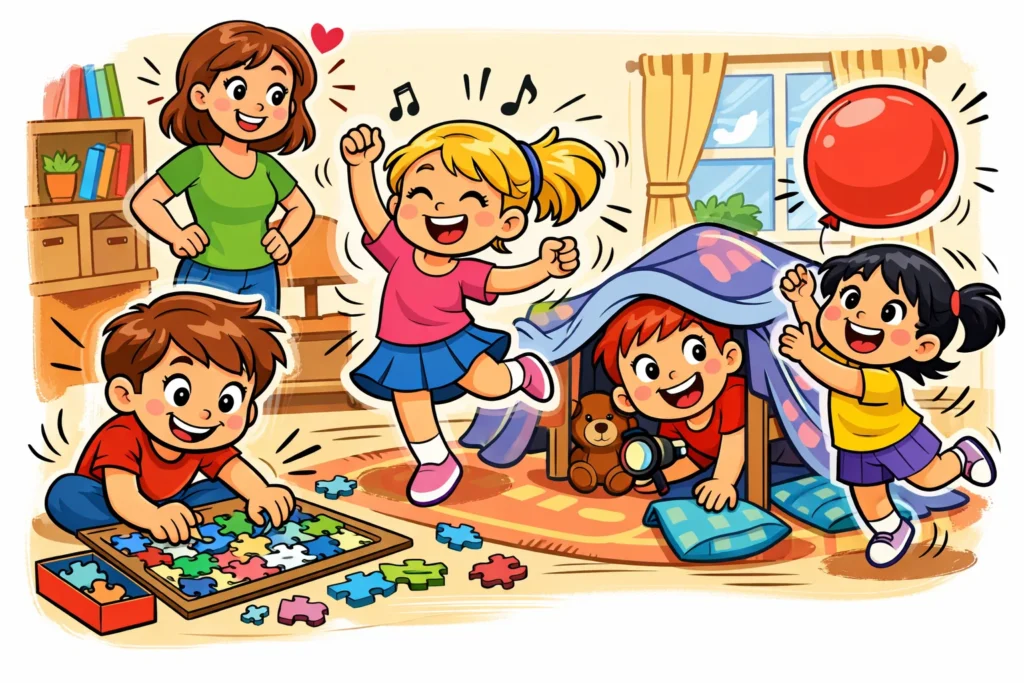
Low-prep family bonding games can help strengthen attachment, build trust, and encourage cooperation. Simple activities such as mirror imitation games, building a blanket fort together, and family storytelling can strengthen emotional connection.
Prioritizing shared play can strengthen connection and may reduce behavior that stems from a child’s need for attention.
24. Safety Planning Resources
Safety planning resources can provide guidance on childproofing, pediatric first aid, emergency contacts, and poison control. Some resources also provide confidential support channels for families dealing with severe stress, mental health crises, or domestic abuse.
These resources can help caregivers make the home environment safer, both physically and emotionally.
25. Recommended Parenting Websites
Curated directories of verified parenting websites help families separate rigorous, evidence-informed platforms from subjective blogs or commercial storefronts. High-quality digital resources usually show author or reviewer credentials, update dates, sources, and a clear separation between education and marketing.
Learning to choose trustworthy online sources helps families avoid unscientific or potentially harmful advice.
How to Choose the Best Free Parenting Resources for Toddlers
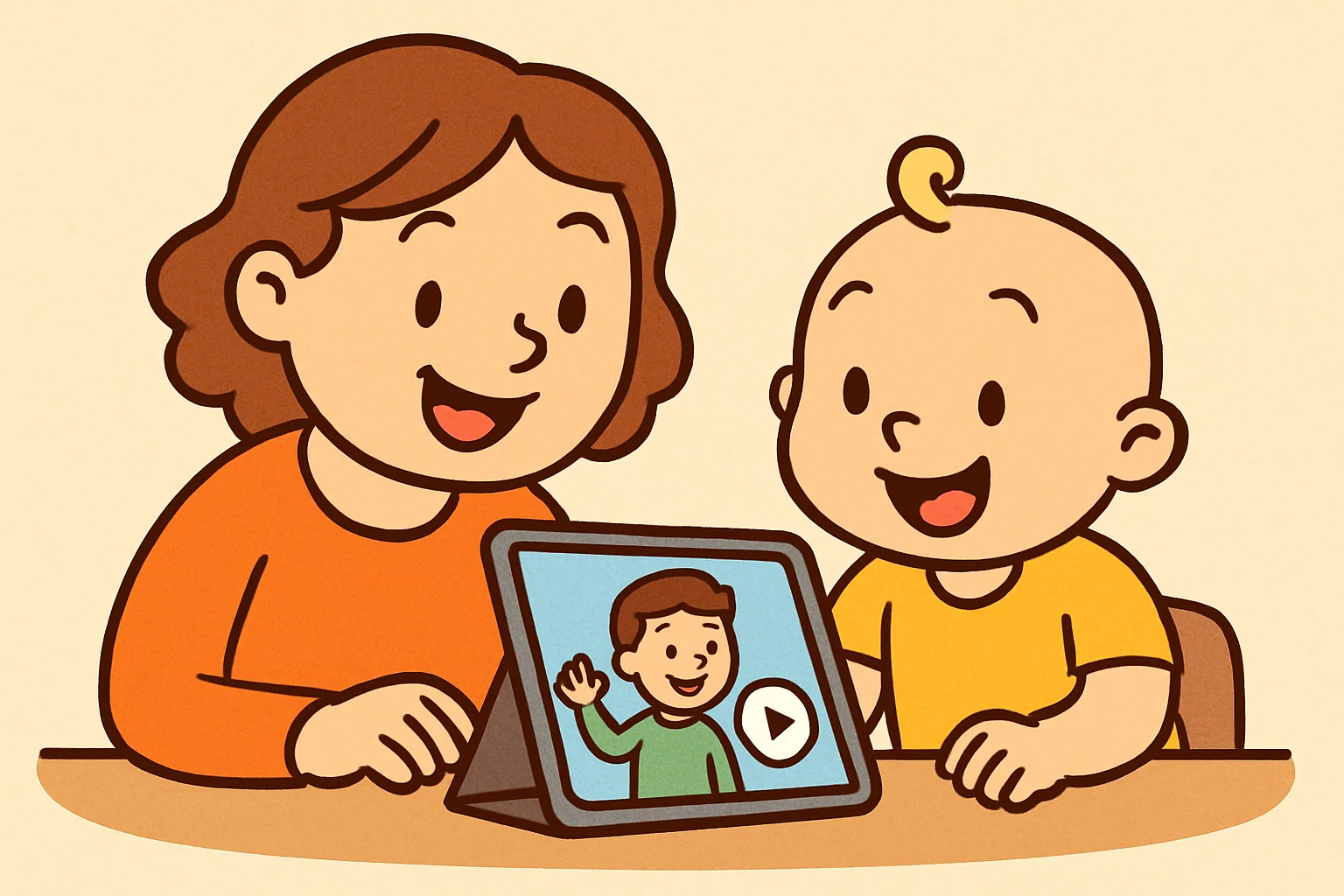
Because there is so much parenting content online, caregivers should use clear criteria to check whether resources are safe, accurate, and developmentally appropriate.
Check Source Credentials
Parents should prioritize parenting resources created or reviewed by recognized medical associations, universities, licensed mental health clinicians, early childhood specialists, or public health organizations. Verifying that content is authored or reviewed by qualified professionals helps protect families from misleading advice.
Trustworthy resources clearly display author or reviewer credentials, update dates, and sources for medical or developmental claims.
Match Resource to Toddler Age
A child’s development changes quickly between 14 and 34 months, so strategies should match the child’s age and abilities. Resources should offer guidance tailored to specific developmental milestones rather than presenting one broad solution for all children.
For example, a preschooler may respond to simple explanations and choices, while a younger toddler may need fewer words, sensory redirection, and help staying safe.
Look for Practical Steps
A useful parenting resource should go beyond theory and provide concrete, real-world tools. Prioritize materials that include sample scripts, short video demonstrations, printable tracking logs, and step-by-step guidance.
| Principle | Practical Tool | Real-World Application |
| Encourage autonomy | Visual routine chart | The child independently puts shoes away |
| Support emotional literacy | Feelings chart | The child points to “angry” or “sad” instead of hitting |
| Reduce transition stress | Timer or picture schedule | The child sees what comes next before leaving the playground |
Avoid Fear-Based Advice
Caregivers should avoid resources that use alarmist language, promise instant behavioral cures, or shame parents into compliance. Good child development advice uses supportive, objective language that acknowledges the real challenges of parenting.
If a platform relies on sensational headlines or pseudoscientific claims to sell a product, it is safer to look for a more transparent source.
Save Favorites in One Parent Hub
To stay consistent and reduce decision fatigue, parents can keep their most trusted tools in one easy-to-access place. A browser bookmark folder, shared digital note, or physical binder can keep key resources available during challenging moments.
A shared resource hub helps caregivers use the same scripts and routine charts, creating more consistency for toddlers.
FAQ
What is the best free resource for parents of toddlers?
The best resource for parents is usually one that matches the child’s age, developmental stage, and current challenge. Strong resources for families often include milestone guidance, behavior support, sleep tips, play ideas, and information for parents who need extra help. Look for resources created or reviewed by pediatricians, early childhood specialists, licensed clinicians, or public health organizations.
How can free printables help your child?
Free printables can make everyday routines easier for toddlers to understand. Visual routine charts, feelings charts, potty training trackers, and simple activity calendars can help your child know what comes next, name emotions, and practice independence. These printables are especially useful when they are simple, visual, and designed to support real-life moments such as bedtime, transitions, meals, or cleanup.
What tips for parents can help nurture positive behavior?
The most useful tips for parents focus on connection, consistency, and clear limits. To nurture positive behavior, parents can use short phrases, offer simple choices, notice good behavior, and model calm responses during stressful moments. In UK-focused resources, this may be described as support for children’s behaviour; in US-focused resources, it is usually written as child behavior support.
How can parents build a positive relationship with their child?
Parents can build a positive relationship with their child through warm attention, predictable routines, shared play, and calm repair after difficult moments. Simple daily habits – reading together, naming feelings, playing turn-taking games, and giving focused attention – can strengthen relationships and help toddlers feel secure. A strong relationship with your child also makes it easier to teach limits and encourage good behavior.

Take a short quiz to find out what your everyday choices say about your parenting style
When your child is curious about something new, what’s your instinct?
Take a short quiz to find out what your everyday choices say about your parenting style
“Can I download this app?” What happens next?
Take a short quiz to find out what your everyday choices say about your parenting style
When it comes to rules at home, which sounds most like you?
Take a short quiz to find out what your everyday choices say about your parenting style
If you could give your child one life skill today, what would you pick?
Take a short quiz to find out what your everyday choices say about your parenting style
Your child gets to choose what to watch. What would your ideal setup look like?
Take a short quiz to find out what your everyday choices say about your parenting style
Pick your parenting superpower ✨