20 Father’s Day Activities for Preschoolers

 Discover a Free Education Video App for Kids
Pastory uses AI to personalize educational video content based on your child’s interests and personality. Safe, engaging, and built for curious young minds. Sign up now to stay updated and enjoy early access with a free trial
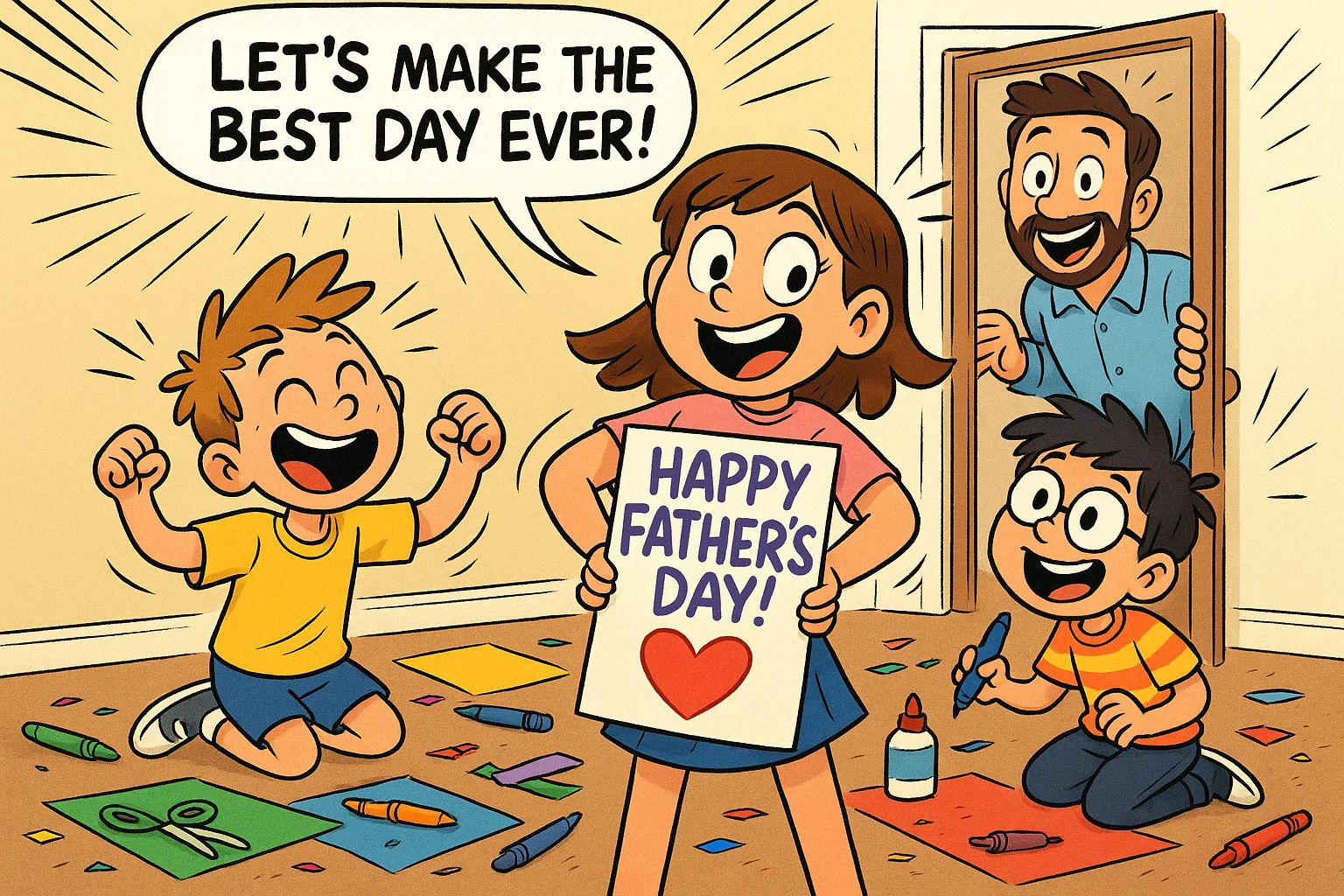
Planning Father’s Day activities for preschoolers requires a balance of simplicity, engagement, and meaningful connection. This collection of ideas provides age-appropriate, low-prep projects designed for home, classroom, or daycare settings, focusing on creative expression, fine motor development, and emotional bonding. These activities use accessible materials such as paper, paint, and recycled items, making it easy for every child to celebrate a father, grandfather, uncle, or another important father figure with confidence and joy.
How to Use Father’s Day Activities for Preschoolers
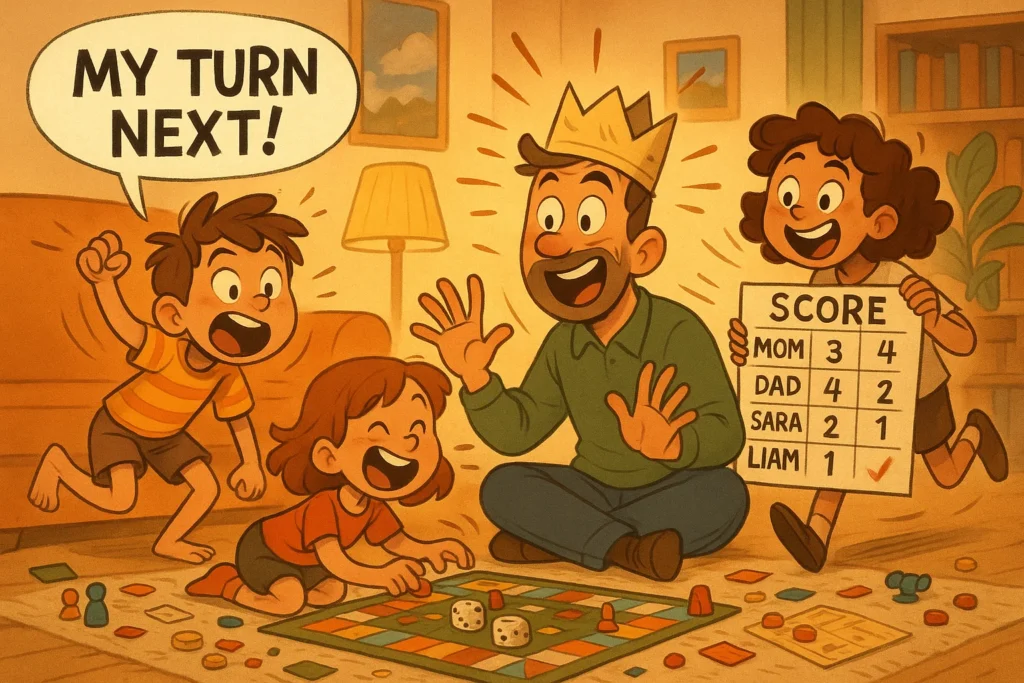
Selecting the right activity depends on the child’s developmental stage, available preparation time, and the specific learning goal. Adults can choose from structured, teacher-led sessions or open-ended, child-directed play to ensure the experience remains fun and manageable.
Best Settings for Home, the Classroom, and Daycare
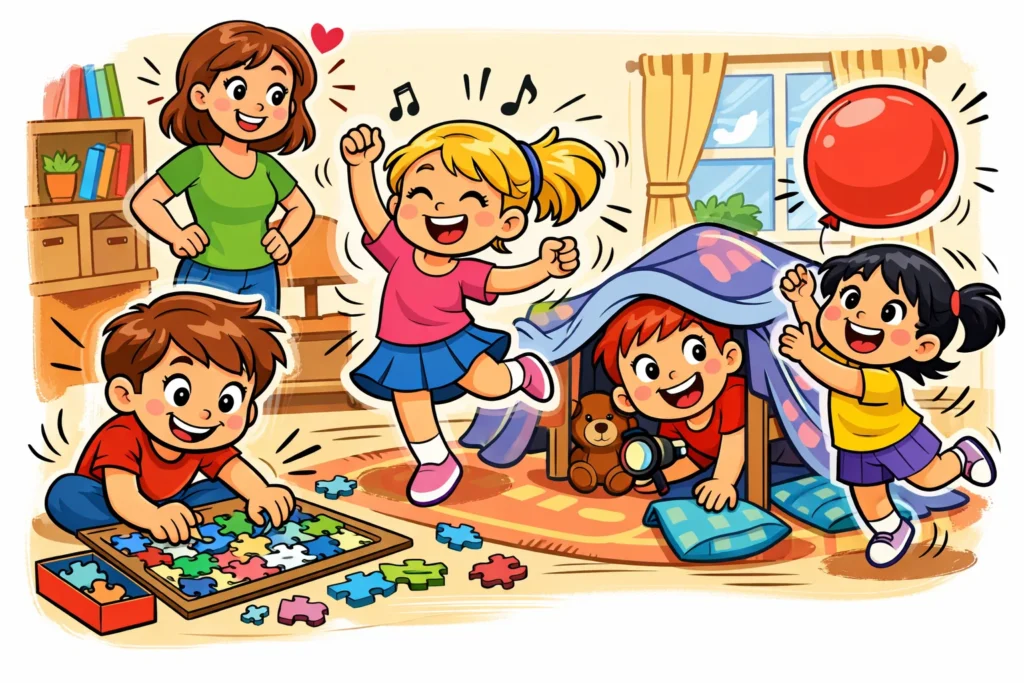
- Home: Activities like backyard picnics or building blanket forts provide an intimate setting for quality time and family bonding.
- Classroom: Group-based tasks such as center rotations or “Dads and Donuts” morning events facilitate peer interaction and social skill development.
- Daycare/Mini-Centers: Short, repetitive tasks like rock painting or sensory-bin exploration work well for mixed-age groups and can be set up with simple adult support.
Low-Prep Materials for Quick Setup
- Art Supplies: Washable paint, glue sticks, construction paper, and crayons serve as the foundation for most craft projects.
- Sensory/Recyclables: Shaving cream, empty containers, cardboard boxes, and natural items like sticks or rocks offer endless possibilities for exploration.
- Household Items: Ribbons, tape, old ties, and kitchen staples allow for creative personalization without needing specialized craft kits.
Easy Ways to Adapt for Different Family Structures
Inclusive planning ensures every child feels supported, regardless of their family structure. Using flexible language – such as “special person,” “father figure,” or “guardian” – allows children to personalize their gifts for the specific individual they wish to celebrate.
1. Backyard Picnic or Pancake Breakfast
A backyard picnic or pancake breakfast serves as a memorable, high-engagement activity that encourages family interaction.
Simple Menu for Preschool Helpers
Preschoolers can safely participate by mixing batter, adding toppings like blueberries or chocolate chips, and arranging napkins or plastic cutlery on the table.
Outdoor or Indoor Setup Ideas
An outdoor setup in a backyard provides space for movement, while an indoor “pretend picnic” station with a blanket and basket serves as a reliable alternative during inclement weather.
Conversation Prompts About Dad, Grandpa, an Uncle, or Another Father Figure
Ask children questions such as: “What is your special person’s favorite food?” or “What game do you love to play together?” to deepen the emotional connection.
2. DIY Handprint Crafts
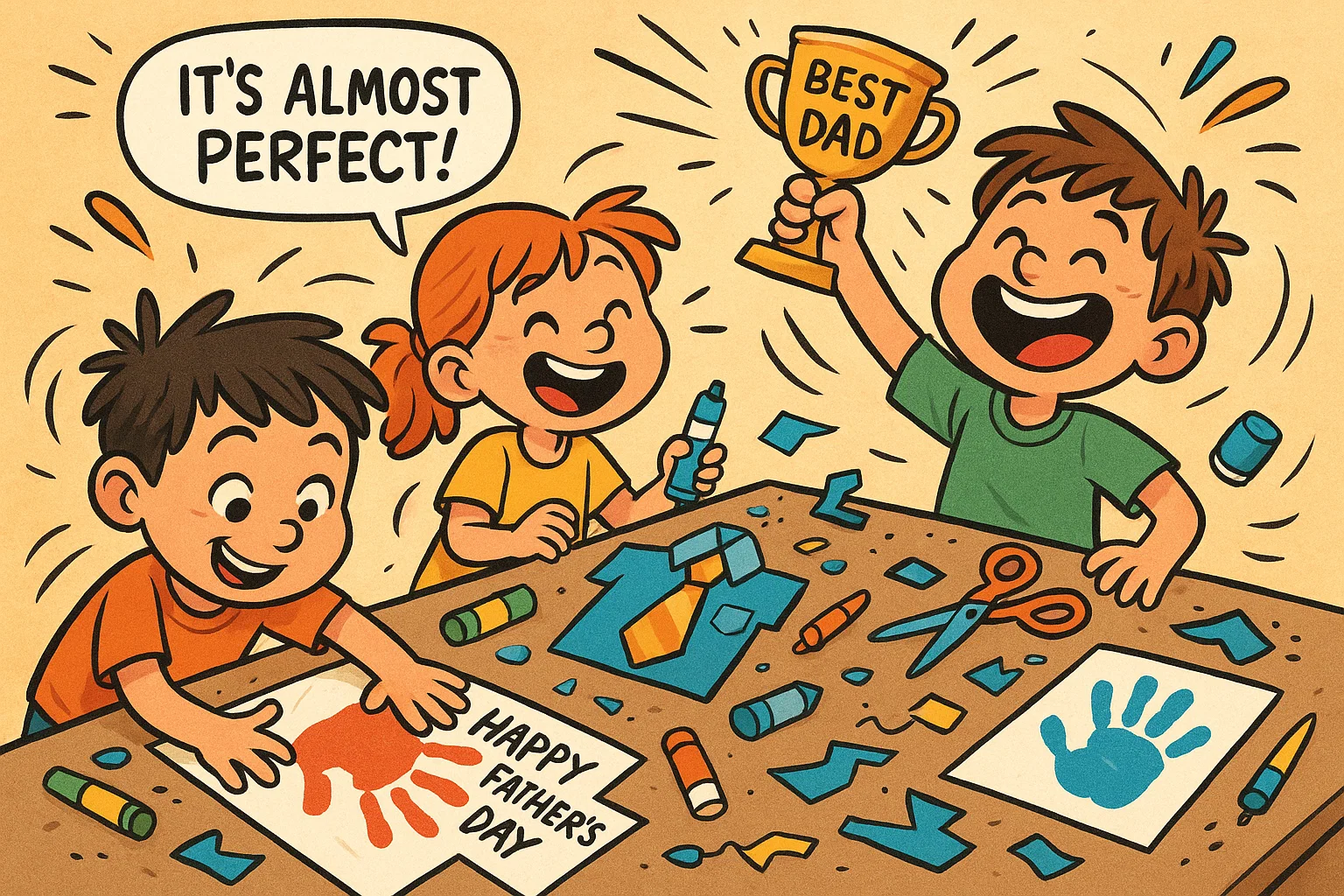
Handprint crafts act as timeless keepsakes, capturing a moment in time through the child’s physical development.
Handprint Apron, Oven Mitt, and Mug Ideas
Children can create personalized kitchen items by stamping their handprints on plain aprons, oven mitts, or ceramic mugs using fabric or acrylic paint.
Paint, Clay, Salt Dough Options
- Washable Paint: Best for immediate results on paper or cloth.
- Salt Dough/Clay: Ideal for creating lasting, 3D impressions that harden over time.
Keepsake Tips for Clean Results
Always use washable, non-toxic materials and provide a dedicated station with wet wipes. Label every project with the child’s name and the current date to ensure the keepsake remains meaningful for years.
3. All About Dad Activity Page or Survey
The “All About Dad” page functions as a versatile, printable tool that captures the unique, often humorous, perspective of a preschooler.
Funny Questions Preschoolers Can Answer
Include prompts such as, “What is your dad’s favorite food?”, “What is his superpower?”, and “What is something funny he always says?”
Drawing Prompts for Non-Writers
For children who are not yet writing, replace text fields with large boxes for drawing, or allow them to select stickers that represent their answers.
Memory Page Format for Take-Home Gift
Teachers can turn these surveys into a memory book or a polished keepsake page that the child can proudly present to a family member.
4. Create a Special Card
Handmade cards remain the most direct way for a child to express love, meeting the primary intent of a Father’s Day gift.
Folded Card, Pop-Up Card, Photo Card Options
Provide templates for simple folded cards, or guide students in adding a pop-up element or a small photograph of themselves to the front.
Easy Messages Preschoolers Can Dictate
Adults can act as scribes for messages like “I love you,” “You are my hero,” or “Thank you for playing with me,” which the child then illustrates.
Add Names, Stickers, Fingerprints, Photos
Encouraging children to add their own fingerprints or personal drawings significantly increases the card’s perceived value and individuality.
5. Dad and Me Toy Time
Toy time turns free play into a focused bonding experience, allowing adults to join the child in their world.
Best Toy Choices for Ages 3 to 5
Encourage the use of building blocks, cars, puzzles, or simple board games that allow for shared focus and cooperative play.
Turn Free Play Into Bonding Time
Adults should follow the child’s lead, ask open-ended questions about their building process, and model descriptive language during play.
Classroom Version for Special Person Visit
Set up a designated “toy station” where family members are invited to participate in 15–20 minutes of uninterrupted play with their child.
6. Mini Nature Walk, Treasure Hunt, or Bug Hunt
A nature hunt integrates outdoor exploration with cognitive tasks like categorization and counting.
Simple Hunt Lists for Preschoolers
Provide a picture-based checklist featuring items such as a smooth rock, a yellow leaf, a feather, or a specific flower shape.
Collect, Sort, Talk About Nature Finds
After the walk, use the collected items to discuss attributes such as color, size, texture, and quantity, turning a simple walk into a math lesson.
Safety Rules for Outdoor Exploration
Establish clear rules: stay in sight, use “walking feet,” observe insects without touching, and always ensure adequate sun protection and hydration.
7. Wash a Car Together
Washing a car – whether a real vehicle or a set of toy cars – combines sensory play with a “helping” theme that appeals to young children.
Materials for Messy but Easy Setup
Essential materials include buckets of soapy water, large sponges, plastic brushes, towels for drying, and kid-sized aprons.
Real Car Version and Toy Car Version
A real car wash involves washing the family vehicle with an adult, while a “toy car wash station” uses a water table or plastic bin to clean toy cars, trains, or trucks.
Learning Extensions With Counting and Sequencing
This activity allows for practicing sequencing (e.g., rinse, soap, scrub, dry) and counting the number of vehicles or sponges used.
8. Build a Blanket Fort
Building a blanket fort creates an immersive, cozy environment for shared storytelling or quiet reading.
Fort Supplies From Everyday Items
Use blankets, pillows, couch cushions, sturdy chairs, and clips to build the structure, adding flashlights for extra excitement.
Read, Snack, or Tell Stories Inside the Fort
The fort serves as a perfect, quiet location for reading a favorite book, sharing a small snack, or telling imaginative stories together.
Photo-Worthy Keepsake Moments
The unique atmosphere of a blanket fort offers an excellent opportunity to take a high-quality photograph that the child can later share or gift.
9. Father’s Day Dance Party
A dance party encourages physical movement, helping children practice gross motor skills and rhythm.
Favorite Songs for Movement Time
Choose clean, upbeat songs or “freeze dance” tracks that prompt children to move, stop, and follow musical cues.
Dance Moves Preschoolers Can Copy
Introduce simple, repeatable movements like spinning, clapping, stomping, jumping, and “wiggling” to keep the group engaged.
Circle Time Music and Movement Version
In the classroom, start with a greeting song, transition into partner movement, and end with a calm “cool-down” song to help children regulate their energy levels.
10. Why I Love Dad Video or Coupon Book
These modern, personalized gifts offer high emotional value and are easily shareable with extended family.
Short Video Prompts for Preschool Voices
Record a child answering simple prompts like “What do you like to do with [Name]?” or “What makes [Name] special?” to create a lasting digital keepsake.
Coupon Ideas Preschoolers Can Offer
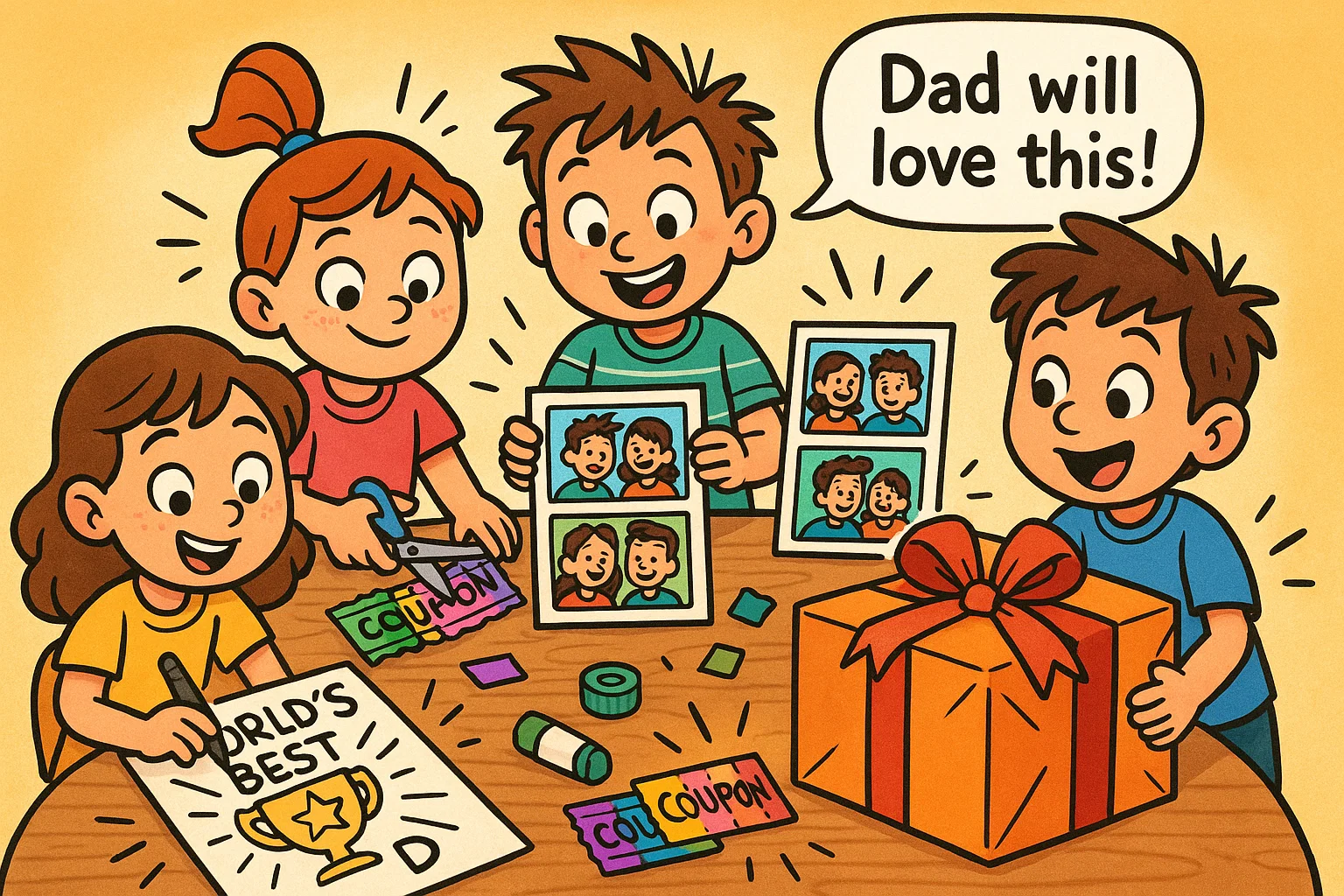
Create printable coupons for simple gestures such as one big hug, help with tidying up, choosing a story, or one extra cuddle.
A Printable Memory Gift
Compile the coupons into a small, stapled booklet or attach a QR code to a card that links to the recorded video.
11. Paint Rocks for Dad
Rock painting provides a durable, multi-purpose gift that can function as a paperweight or a decorative desk item.
Rock Painting Ideas With Faces, Words, Patterns
Guide children to paint rocks with themes like “Dad Rocks,” smiley faces, superhero logos, or simple, vibrant geometric patterns.
Turn Rocks Into Paperweights or a Gift Set
Seal the painted rocks with a non-toxic varnish and present them in a small, decorated box or drawstring bag.
Mess Control and Drying Tips
Use a tray lined with newspaper to catch spills, and provide a labeled drying area to prevent smudging.
12. Make Matching T-Shirts or Dress Like Dad
This activity fosters a sense of connection and provides a fun, photo-ready experience for Father’s Day.
Easy Shirt Designs for Preschool Hands
Use fabric markers, sponge-applied paint, or simple handprint stencils to create custom designs on plain, white t-shirts.
Dress-Like-Dad Pretend Play Ideas
For an alternative, allow children to use safe costume props like ties, hats, tool belts, or oversized glasses to “dress up” like their special person.
Photo Session Ideas for Home or the Classroom
Set up a mini photo booth with a neutral backdrop and props to photograph the children in their custom shirts or costumes.
13. Cook a Simple Treat Together
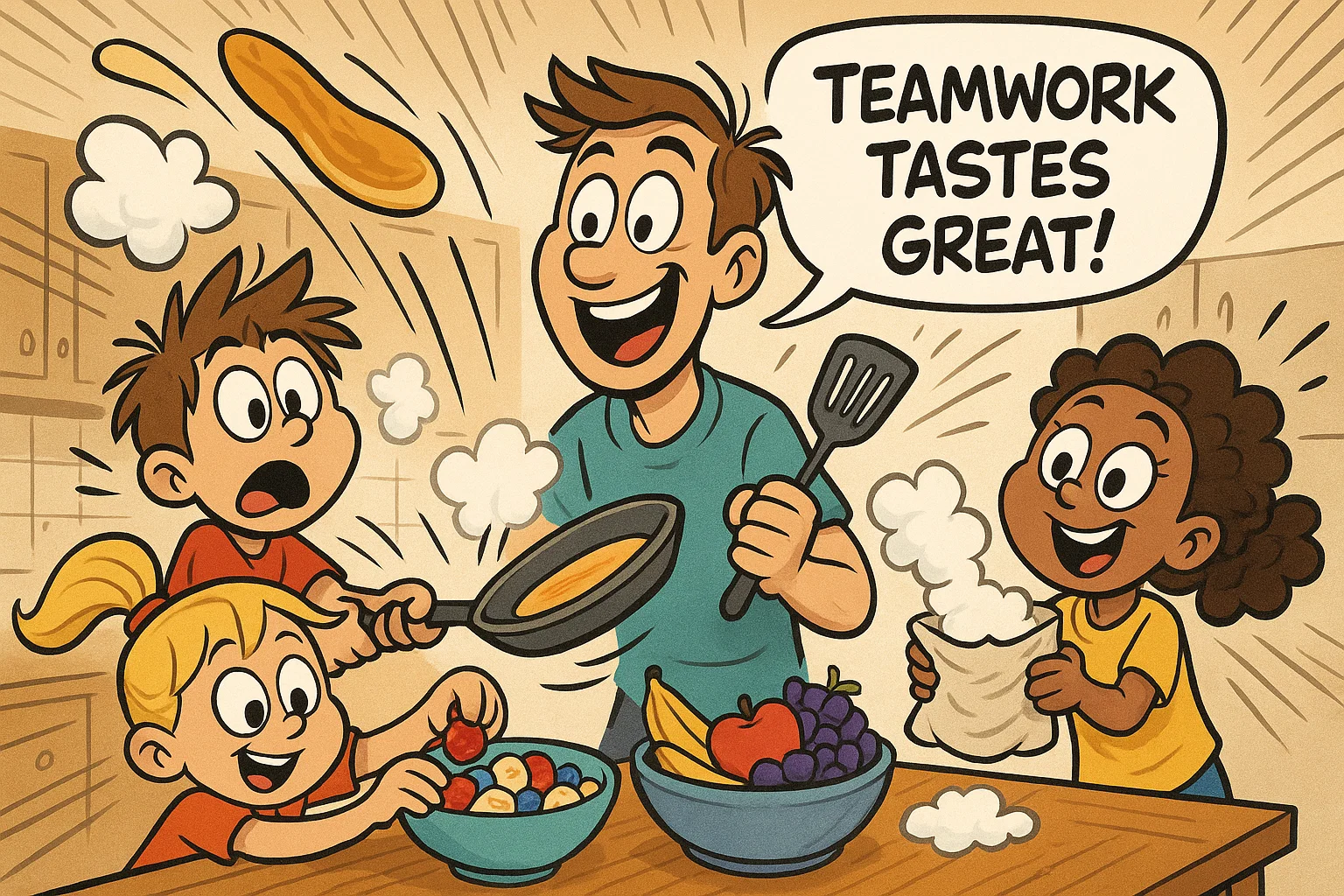
Cooking together introduces children to basic culinary skills and the concept of following a recipe.
No-Bake Recipes for Preschoolers
Easy, no-bake options include yogurt parfaits with fruit, simple trail mix in cups, or cracker sandwiches with cream cheese.
Grill-Themed and Pretend-Cooking Extensions
Supplement real cooking with a pretend grill station in the classroom, complete with laminated recipe cards and play food.
Kitchen Safety and Job Assignments
Clearly define roles: the adult handles sharp items or stove use, while the child focuses on washing, mixing, sorting, and serving.
14. Outdoor Obstacle Course, “Father Says,” or “Father, May I?”
Physical games improve gross motor skills while allowing children to practice following directions in a thematic context.
Easy Obstacle Course With Cones, Pillows, and Tape
Create a course requiring children to jump over cones, crawl under a blanket, or balance along a line of tape on the floor.
Turn Classic Games Into Father’s Day Theme
Adapt “Simon Says” to “Father Says” or the classic game “Mother, May I?” to “Father, May I?” using phrases related to chores, tools, or family activities.
Gross Motor Skills Preschoolers Practice
These games provide structured movement, requiring children to jump, crawl, balance, and listen carefully to specific instructions.
15. Dads and Donuts Party
A “Dads and Donuts” party is an effective school celebration format that strengthens family-school connection.
Simple Party Agenda for Morning Event
The event typically includes a welcome table, a designated craft station, a donut snack, a photo corner, and the distribution of handmade gifts.
Activities to Add During Party
Include an “All About Dad” survey wall, a collaborative block-building challenge, or a short, pre-recorded group song.
Budget-Friendly Decor and Take-Home Ideas
Use paper tablecloths, simple streamers, and student-made decorations to keep costs low while maintaining a celebratory atmosphere.
16. Barbecue Dramatic Play or Workshop
Dramatic play centers allow children to practice social roles and language skills related to “fixing” or “grilling.”
Setup Ideas for Pretend Grill Station
Use a cardboard box to create a “grill,” adding felt food, toy tongs, and printed menu cards for a realistic experience.
Workshop Props for Tool-Themed Play
Provide safe plastic toy tools, measuring tapes, and wooden nuts and bolts to encourage fix-it play in a workshop-themed center.
Language Practice Through Role Play
During play, prompt children to use functional phrases like, “Can I help you?” “Is this fixed?” or “Here is your order.”
17. Dad’s Name Scavenger Hunt and Writing Center
This literacy-focused activity helps children recognize letters and words associated with their family.
Letter Hunt With Dad, Papa, Grandpa Names
Hide cards with individual letters around the room, asking children to find the letters that spell their special person’s name.
Shaving Cream Letter Writing Practice
Place a small amount of shaving cream on a tray, allowing children to practice writing letters or names using their fingers.
Book Pairings and Dictation Prompts
Pair these activities with read-aloud books about families, then have children dictate a sentence about what they love about their person.
18. Tie Sorting, Patterning, and Measuring
Math-based activities using Father’s Day themes reinforce classification and measurement skills.
Sort by Color, Size, Shape, Pattern
Provide a collection of fabric scraps or paper cutouts shaped like ties, asking children to sort them by color, length, or pattern.
Compare, Count, and Measure Tie Activities
Use non-standard measurement tools (like linking cubes) to see how many “units long” a tie is, comparing the results to other ties.
Shape Matching and Recipe Card Extensions
Extend the math theme by matching shapes to the ties or creating simple patterns with tie cutouts.
19. Shaving Cream Sensory Play and Mystery Box
Sensory play engages children in tactile exploration while keeping with the Father’s Day theme.
Shaving Cream Car Wash Sensory Bin
Fill a plastic bin with shaving cream and give children toy cars, brushes, and sponges so they can pretend to wash them clean.
Give Dad a Shave Pretend Play
Attach balloons or paper faces to a surface, cover them in shaving cream, and allow children to “shave” the foam off using plastic tools.
Mystery Box, Dough, Texture Exploration
Create a “mystery box” filled with items (like a screwdriver, tie, or rock) that children must identify by touch alone.
20. Father Figures Around the World and Emotions Circle Time
These discussions help children understand different family structures and recognize a range of emotions.
Talk About Different Father Figures
Use inclusive language to explain that families come in many forms, with different important adults who provide care and love.
Emotion Cards and Feeling Prompts
Use emotion cards showing feelings such as “happy,” “proud,” “calm,” or “excited” to facilitate a discussion about how family members feel and show love.
Circle Time Questions for Respectful Discussion
Ask general questions like, “What are some things that make someone a good helper?” to encourage thoughtful, non-pressured responses.
Inclusive Father Figures and Family Structures
High-quality early childhood education requires sensitive, inclusive language to ensure every child feels represented.
- Inclusive Terminology: Use “special person,” “guardian,” or “father figure” in all printables and classroom discussions.
- Avoid Assumptions: Never assume a specific family structure; instead, offer children the option to choose who they are creating their gift for.
- Choice-Based Activities: Ensure every project allows for personalization, giving children the agency to decide how they wish to celebrate.
Why Use Father’s Day Activities in Preschool
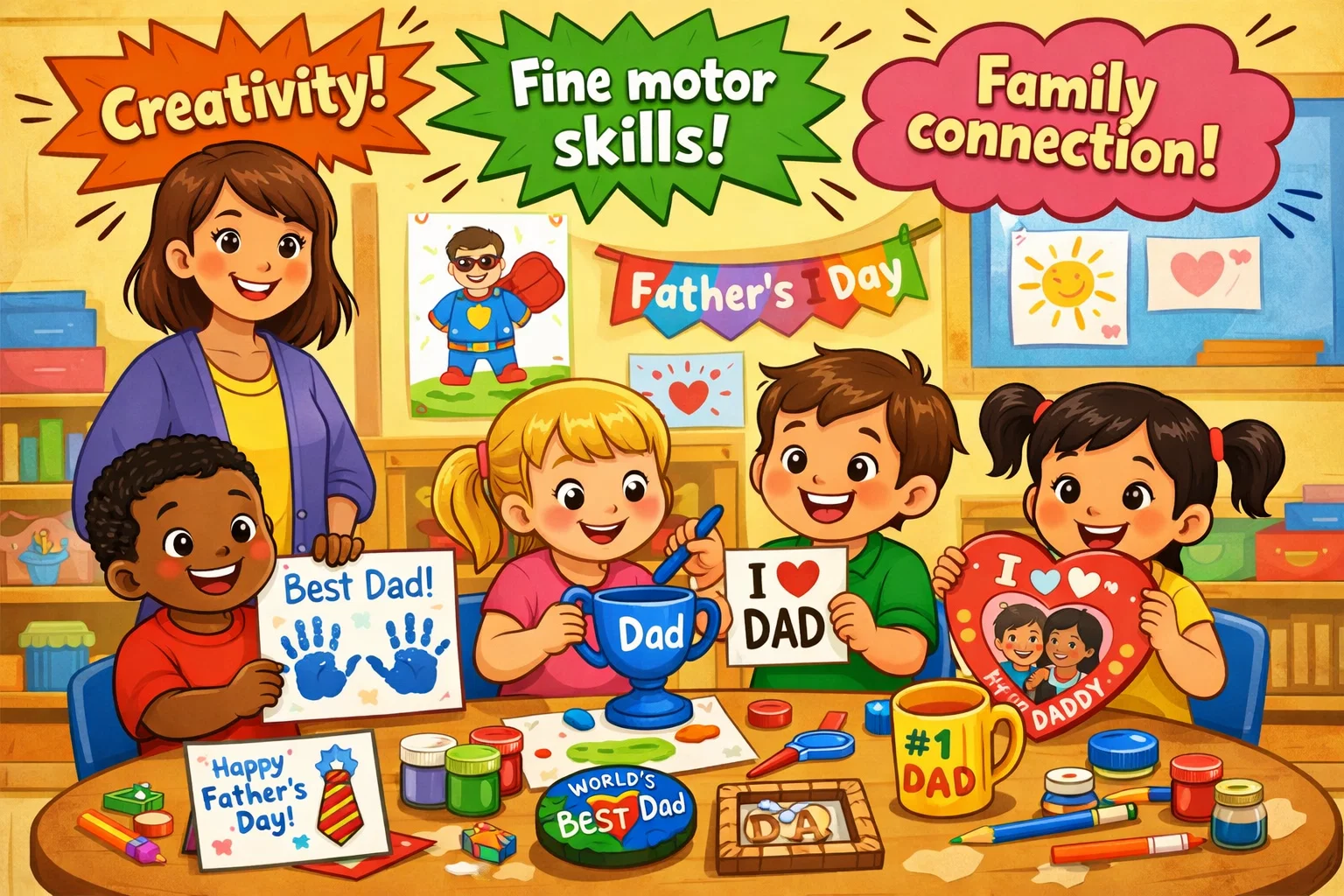
Integrating Father’s Day activities into the curriculum supports holistic development across multiple domains. These experiences provide structured opportunities for children to practice essential skills while exploring themes of love, appreciation, and family roles.
Social-Emotional Skills Through Celebration
Engaging in these activities helps children articulate feelings of affection and gratitude. Discussion prompts regarding family roles encourage emotional expression and build empathy, allowing children to understand how their actions can bring happiness to their loved ones.
Fine Motor Practice Through Crafts and Cards
Projects like handprint crafts, cutting, and lacing require precise hand movements that strengthen small hand muscles. These tasks provide natural, repetitive practice that improves coordination, pencil grip, and dexterity, which are critical for early writing readiness.
Early Learning Through Play-Based Activities
- Literacy: Writing tasks, such as filling out an “All About Dad” page, improve vocabulary and letter recognition.
- Math: Activities involving sorting ties, measuring, or counting items in a scavenger hunt introduce fundamental quantitative concepts.
- Science/Sensory: Play with shaving cream or nature walks encourages observation, comparison, and exploration of physical properties.
Father’s Day Lesson Planning Ideas
Teachers can seamlessly embed these activities into a daily or weekly schedule to maximize learning without adding excessive workload.
One-Day Mini Theme Plan
A concentrated one-day plan starts with a morning “All About Dad” circle time discussion, followed by a craft station, a quick movement game, and concludes with students taking home a handmade card or gift.
Week-Long Center Rotation Plan
- Monday/Tuesday: Focus on art and literacy centers (e.g., painting rocks, writing letters).
- Wednesday/Thursday: Implement math and sensory stations (e.g., tie sorting, shaving cream play).
- Friday: Dedicate the day to dramatic play and a final celebration or gift-wrapping session.
Take-Home Gift Plus Classroom Activity Balance
To prevent educator burnout, combine one whole-group activity, such as a class card or song, with individual-choice projects that children can personalize at their own pace.
Materials and Safety Tips for Preschool Activities
Practical preparation ensures that activities are safe, manageable, and enjoyable for both educators and children.
- Supply Checklist: Always use non-toxic, washable supplies to minimize risks and make cleanup efficient.
- Supervision: Maintain direct, active supervision during activities involving water, scissors, or small objects to prevent accidents.
- Cleanup Strategies: Use plastic trays to contain messes, provide smocks for art projects, and prepare pre-cut materials to save time during group activities.
Father’s Day Activities for Preschoolers FAQ
What are the best Father's Day activities for preschoolers?
The best activities are simple, hands-on, and personalized, such as handprint crafts, homemade cards, “All About Dad” surveys, and sensory play.
How do you celebrate Father's Day in preschool?
Celebrations can range from simple center-based activities to scheduled “Dads and Donuts” morning events that include family guests.
What can preschoolers make for Father's Day?
Preschoolers can create a variety of gifts, including handprint art, painted rocks, custom coupon booklets, and handmade cards with dictated messages.
How do you make Father's Day activities inclusive?
Use inclusive language like “special person” or “father figure,” and always give students a choice about who they are creating their projects for.
How can I make a DIY gift with craft sticks?
You can use craft sticks and string to build a collage frame or a themed desk organizer, adding a picture of the child to make it extra special.
Which fun activities help toddlers and preschoolers show appreciation?
Simple classroom activities like reciting a short poem or making a Father’s Day card are easy, fun ways for little ones to show love and appreciation.
How do I incorporate Dad’s name into a preschool lesson?
You can include Dad’s name in a preschool lesson by having children find the letters in his name, trace them in shaving cream, or build the name with letter tiles at the writing or block center.

Take a short quiz to find out what your everyday choices say about your parenting style
When your child is curious about something new, what’s your instinct?
Take a short quiz to find out what your everyday choices say about your parenting style
“Can I download this app?” What happens next?
Take a short quiz to find out what your everyday choices say about your parenting style
When it comes to rules at home, which sounds most like you?
Take a short quiz to find out what your everyday choices say about your parenting style
If you could give your child one life skill today, what would you pick?
Take a short quiz to find out what your everyday choices say about your parenting style
Your child gets to choose what to watch. What would your ideal setup look like?
Take a short quiz to find out what your everyday choices say about your parenting style
Pick your parenting superpower ✨