Educational Activities for 11 Year Olds: A Comprehensive Guide to Growth

 Discover a Free Education Video App for Kids
Pastory uses AI to personalize educational video content based on your child’s interests and personality. Safe, engaging, and built for curious young minds. Sign up now to stay updated and enjoy early access with a free trial
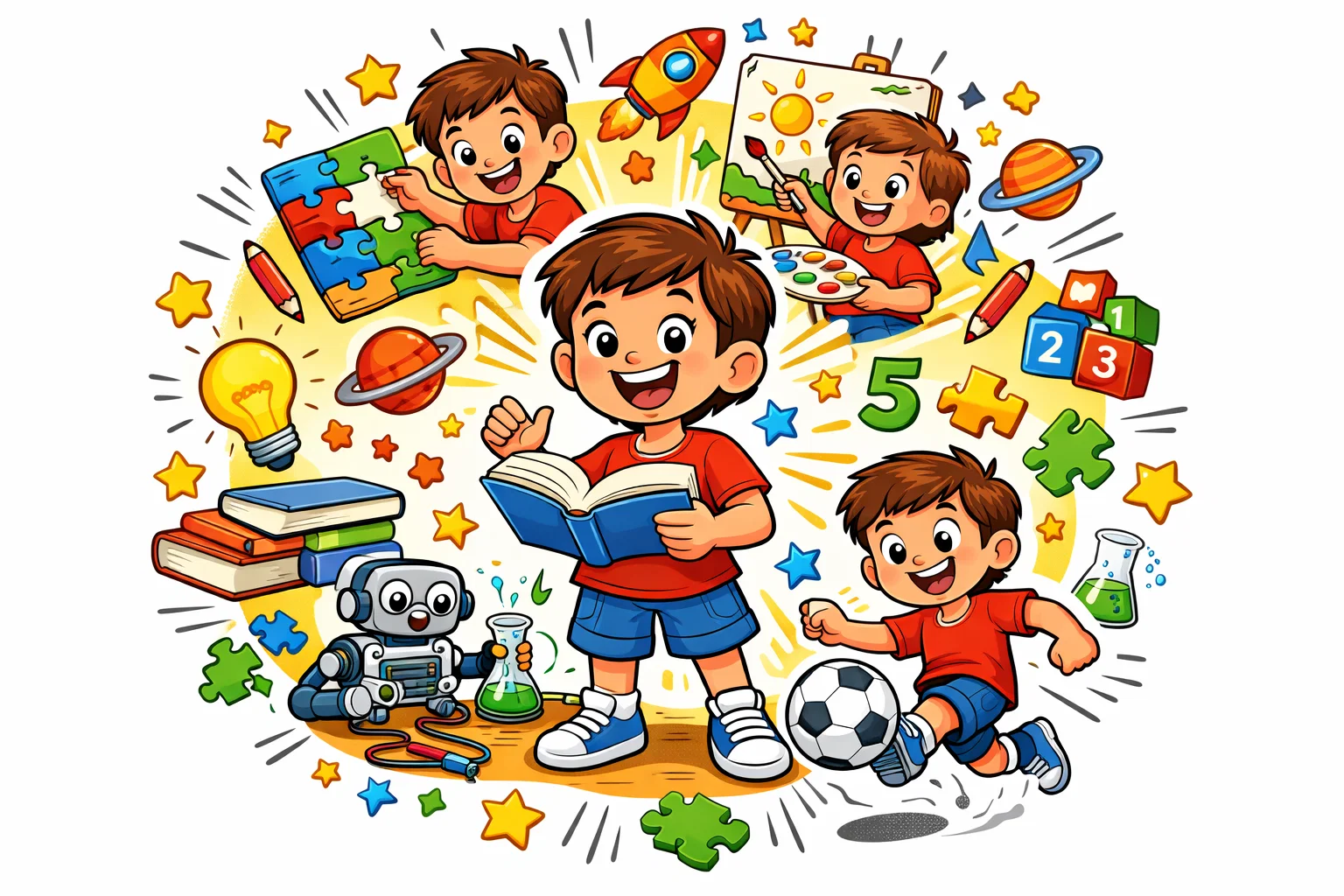
As children near the end of primary school, finding the right activities for 11-year-olds becomes a balance between academic preparation and fostering independence. At this age, children enter the “tween” phase, where their cognitive abilities support more complex problem-solving and abstract thinking. This is a critical time to encourage exploration through diverse activities that promote learning, creativity, and social growth.
Effective activities should go beyond rote memorization, focusing on tasks that support physical development, coordination, and practical life skills. This guide offers a selection of activities for children aged 7 to 11, with a focus on the unique needs of 11-year-olds, bridging the gap between play and the responsibilities of secondary school.
What Should 11-Year-Olds Be Doing?
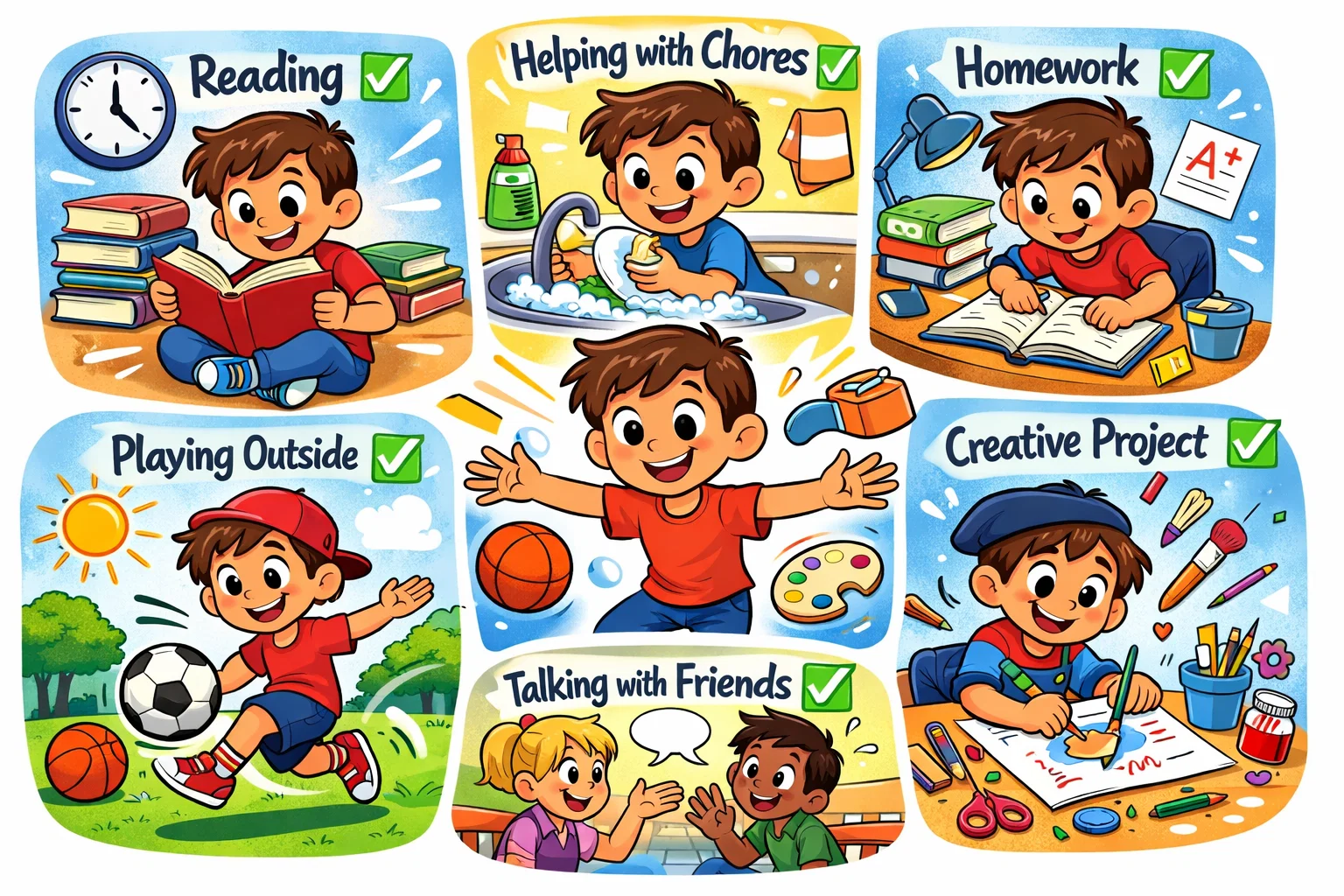
At age 11, a child’s daily routine should be a mix of structured learning and self-directed exploration. High-quality activities for children aged 11 focus on developing knowledge and skills that prepare them for the autonomy of middle or secondary school. Every child is different, but the general goal is to foster a sense of responsibility and curiosity.
Academic Growth and Confidence
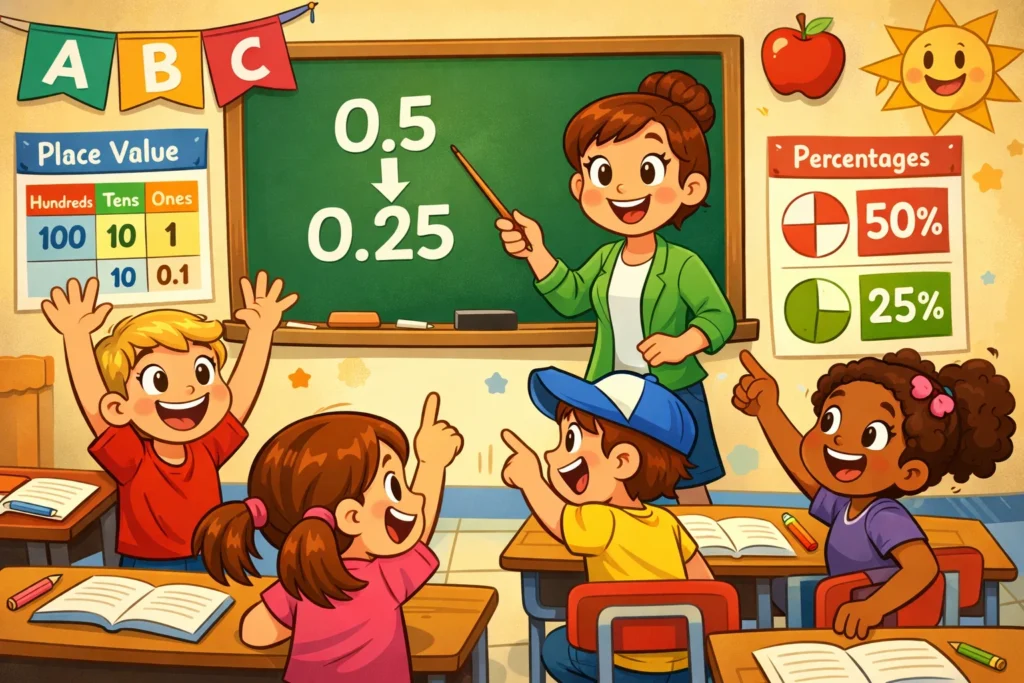
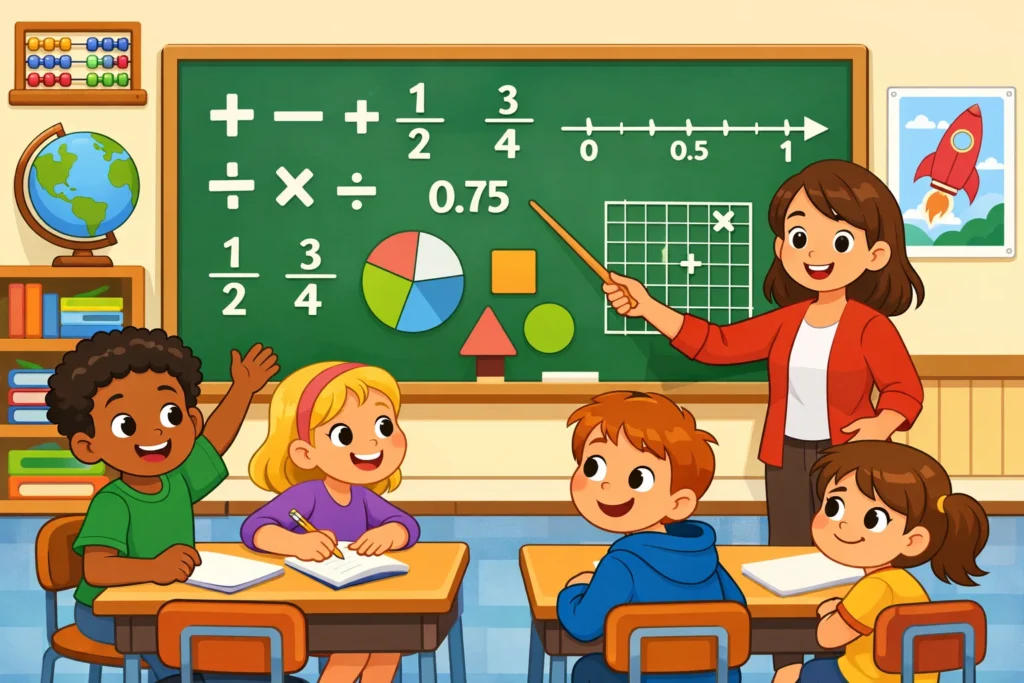
Academic activities for 11-year-olds should strengthen reading, writing, grammar, and maths skills—such as fractions, geometry, and measurement—without feeling like traditional “schoolwork”. Engaging in fun reading and logic puzzles helps build confidence in their intellectual abilities. Engaging in a range of cognitive activities at this age can help support the development of executive function.
Independence and Responsibility
Building life skills is essential as children approach their teenage years. Introduce your child to routines such as using a daily schedule, communicating clearly with family members, and taking responsibility for tasks such as simple cooking or organising their own science projects. Guidance from the American Academy of Pediatrics suggests that age-appropriate chores can help children build responsibility, independence, and self-esteem.
Social Skills and Teamwork
Social skills are refined through activities and games that require collaboration. 11 year olds benefit significantly from board games or card games and group scavenger hunts that necessitate negotiation and strategy. These activities help children navigate the increasingly complex social dynamics of the later primary years and the transition into secondary school.
Creativity and Curiosity
A creative outlet for self-expression is vital for emotional health. Engaging in creative projects like writing stories, arts and crafts, or digital coding allows 11-year-olds to process their experiences. At this age, many children are ready for more detailed creative and communication-based activities, including more intricate DIY and craft projects.
Games and Activities for 11 Year Olds
Finding a variety of stimulating activities ensures that children aged 11 remain motivated. Below is a structured look at different categories of play that double as learning tools.
Writing Ideas
Encouraging creative projects such as story writing can significantly strengthen a child’s literacy and communication skills.
- Book Journals: Tracking characters and plots to improve inference.
- Comic Creation: Combining visual art with narrative structure.
- Review Writing: Critiquing films or games to develop argumentative skills.
Reading Together
Even for older children, shared reading remains beneficial. Discussing complex themes in books like Little Women or Railhead builds social development and empathy. Another activity is to engage in “paired reading” where the child reads to a younger sibling, reinforcing their own fluency.
Maths Games
Maths games that involve algebraic thinking, place value, and problem-solving can be highly effective. Using concepts such as fractions, geometry, and measurement in real-world contexts—for example, by doubling a baking recipe—helps make abstract ideas more concrete.
Board Games and Puzzles
Board games like Chess or Catan are excellent for 11 year olds to develop strategic problem-solving skills.
| Game Type | Skill Developed | Example |
| Strategy Board Games | Long-term planning & logic | Catan, Chess |
| Card Games | Memory & probability | Bridge, Rummy |
| Logic Grids | Deductive reasoning | Sudoku, Riddles |
Activities for Age 11 Focused on Skill Growth
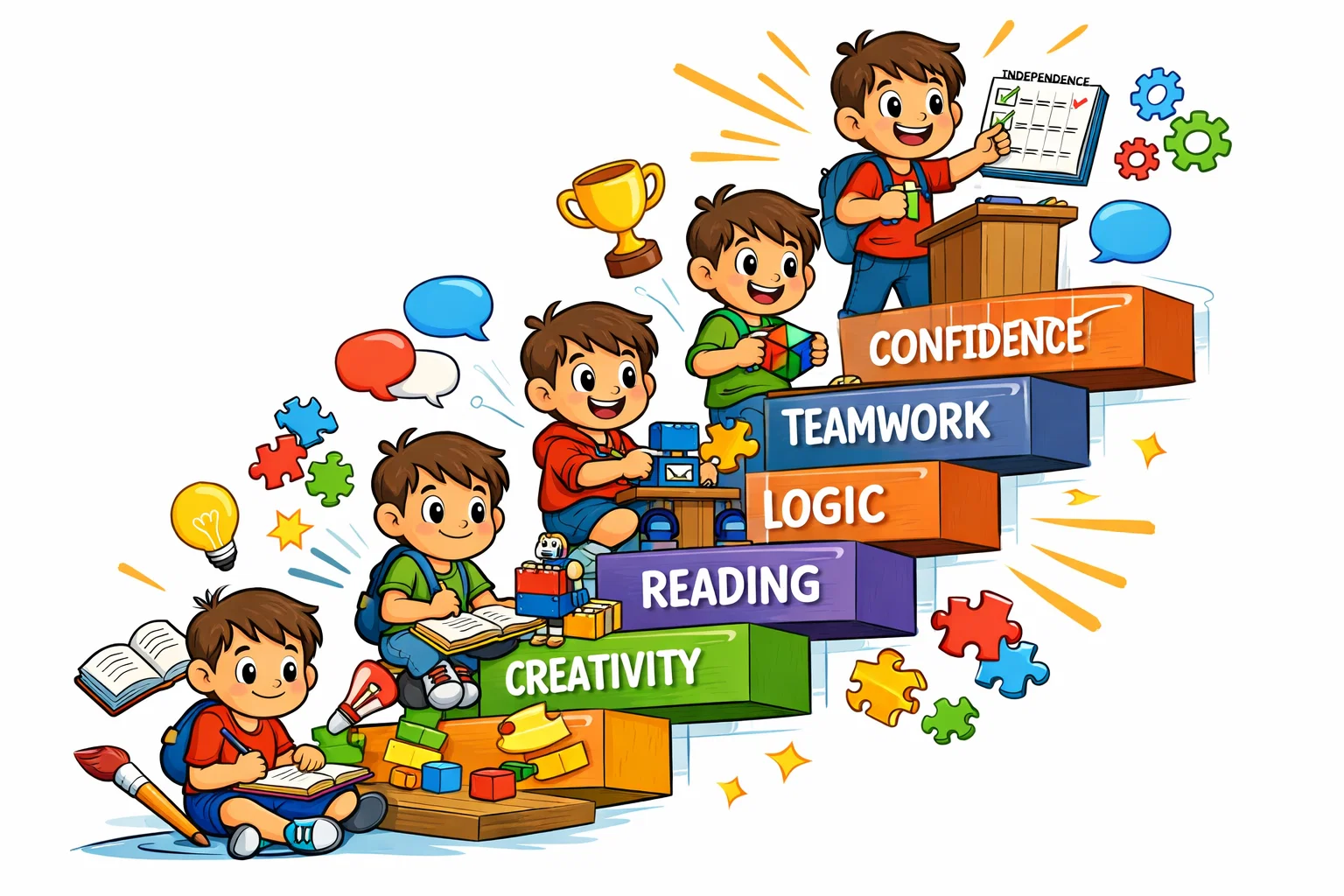
True wellbeing and development at this age come from mastering specific life skills. These activities are designed to help children move from dependence towards greater independence in their learning.
Goal Setting and Planning
Teaching 11-year-olds to use daily schedules, planners, and simple family routines can foster time-management skills. Another useful activity is creating a “Hobby Tracker”, in which the child chooses a new skill—such as a foreign language—and logs their progress over 30 days.
Basic Life Skills
Activities include playing “Chef for a Day” or managing a small weekly budget. Involving children in age-appropriate household tasks can help build responsibility, planning skills, and confidence.
Advanced Study in Passion Areas
If a child wants to explore a specific interest—such as astronomy, stargazing, coding, or robotics—parents should provide the resources and encouragement needed for deeper learning. This kind of mastery-based learning can also strengthen the depth, clarity, and credibility of educational content.
Interactive Learning Resources
In a digital age, interactive games and online educational videos can be powerful tools if used intentionally. Engaging in activities that support digital literacy is crucial for 11 year olds.
Spelling and Vocabulary Activities
Digital crosswords and code-breaking games can turn spelling, vocabulary, and language practice into something more engaging. Apps that focus on spelling and vocabulary can also support children as they move into more demanding upper-primary or early secondary work.
Reading Comprehension Tasks
Use non-fiction reading comprehension tasks about current events. This helps 11-year-olds develop critical thinking by distinguishing between fact and opinion in digital spaces.
Foreign Language Learning
Introduce your child to foreign language learning through song-based practice or themed vocabulary hunts. Age 11 can be a good time to begin or continue foreign-language learning, especially when children receive regular exposure and meaningful practice.
Interactive Puzzles and Games
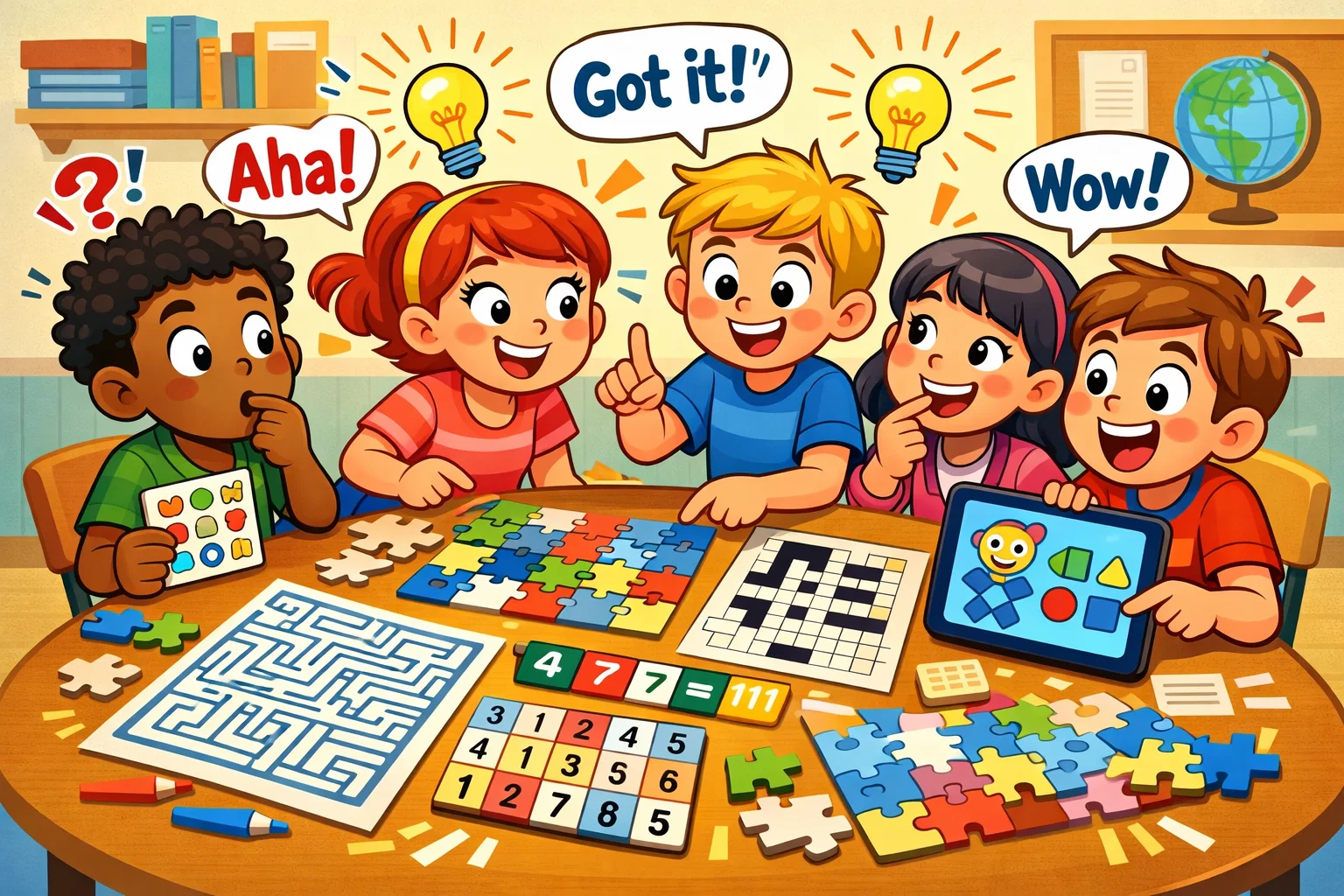
Logic puzzles provide a stimulating mental challenge and help develop concentration and reasoning skills. They are a fun and engaging way to keep healthy young minds sharp during downtime.
- Sudoku: Improves sequencing and pattern spotting.
- Logic Grids: Enhances deductive reasoning.
- Code Breakers: Combines maths games with linguistic logic.
STEAM Projects for 11 Year Olds You Can Do Today
STEAM (Science, Technology, Engineering, Arts, and Mathematics) projects offer a wide range of stimulating activities that encourage curiosity, creativity, and problem-solving.
Science Experiments and Projects
Conducting science projects like growing crystals or observing mold growth teaches the scientific method.
Engineering Challenges
Engineering challenges like building a bridge out of pasta or a “Rube Goldberg” machine are perfect activities for 7 to 11-year-olds. These tasks require problem-solving skills and persistent effort.
Gardening and Environmental Awareness
Gardening introduces children to life science, observation, measurement, and practical scientific thinking. Tracking the growth of an herb garden involves measurement and data logging, helping children practise observation and data-handling skills.
Get Ready for Secondary School Checklist
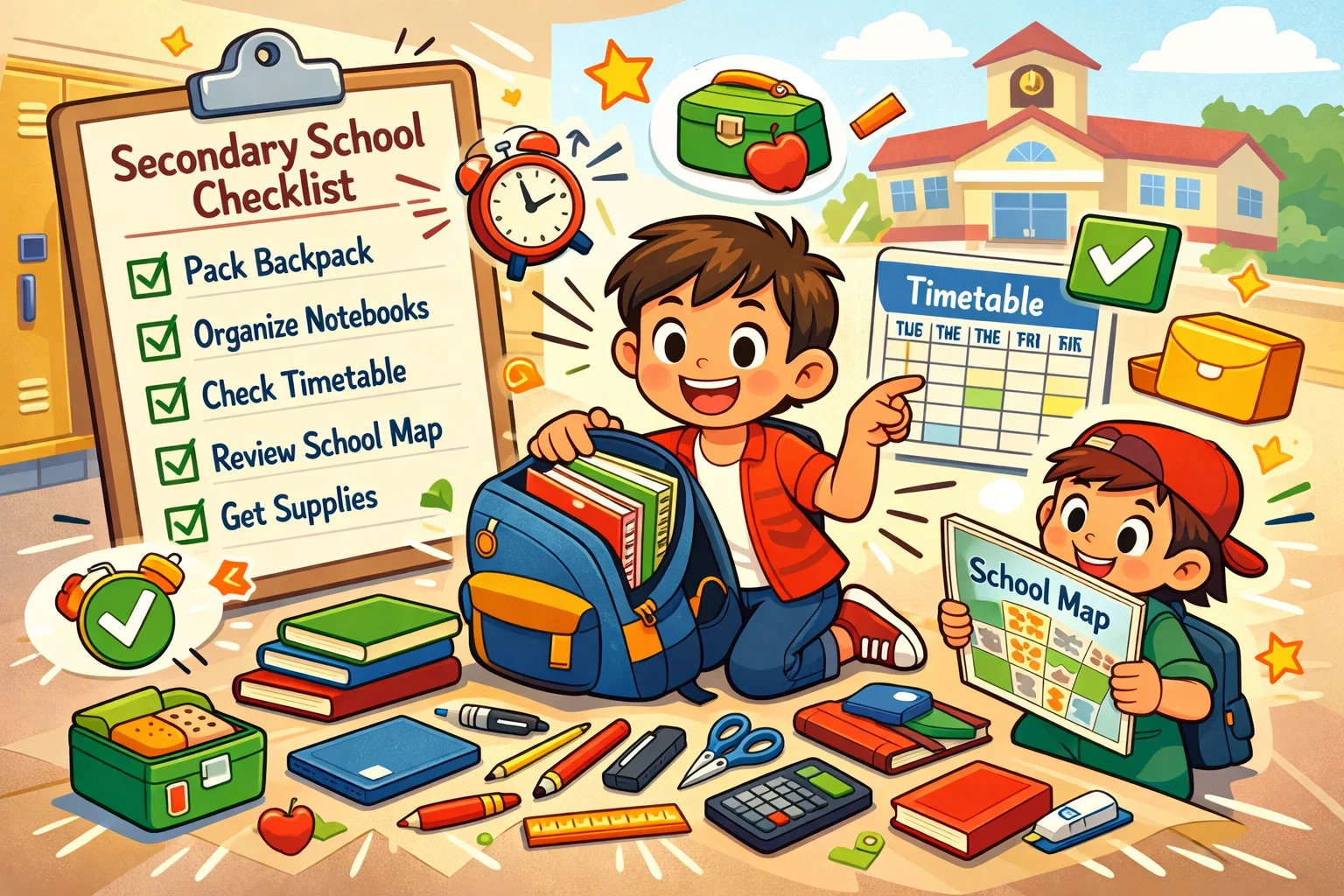
The transition to secondary school requires a growing range of organisational, social, and practical life skills. Support your child’s transition with this structured approach:
| Focus Area | Activity | Goal |
| Organisation | Packing a school bag independently | Autonomy |
| Time Management | Following a multi-period timetable | Punctuality |
| Social | Role-playing asking a teacher for help | Confidence |
| Academic | Practicing note-taking from educational videos | Study Skills |
FAQ
What are the best educational activities for 11 year olds?
The best mix includes reading, maths games, STEAM projects, and board games. Activities that combine social skills with problem-solving skills, like logic puzzles, are highly effective.
How can parents support development through activities for 11 year olds?
Parents can support their child’s growth by offering varied, interest-led activities. Focus on activities that encourage independence, problem-solving, and confidence.
What activities support academic success and study skills for 11 year olds?
Goal setting, reading logs, and vocabulary games are essential. Incorporating maths through everyday tasks like cooking or budgeting also builds a strong academic foundation.
How can parents build leadership and teamwork skills through play?
Encourage your child to take part in team challenges, clubs, or cooperative board games. These engaging activities require negotiation and shared planning, which are core social skills.
How to keep 11 year olds busy without spending much money?
Utilize your local library, go on nature walks, or create homemade treasure hunts. Many fun and free activities like recycled crafts and science projects using kitchen ingredients are highly educational.
How can I incorporate math into a "Problem of the Day" format?
To make learning a habit, introduce a visual problem of the day that focuses on algebraic thinking, place value problems, or fractions, geometry, math games, and measurement. This approach helps children aged 7-11 develop learning skills in small, digestible increments. Another activity is encouraging the use of card games, as they can enhance mental math speed. These games can enhance their problem-solving abilities by requiring quick calculations of value or math problems in a low-pressure environment.
How can I use daily schedules and labels to improve family communication?
Organizing a household with a pre-teen is easier by using daily schedules, family communication labels, and shared calendars. This provides lots of useful ideas for teaching time management and responsibility. Clear labels for school kits, sports gear, and project materials help keep the home environment stress-free. Using these tools helps parents transition from constant reminders to a system where the child manages their own learning and deadlines.
What are some stimulating activities that promote motor skill development?
While 11-year-olds are gaining cognitive maturity, activities to support their physical development remain vital. Stimulating activities that promote motor control include arts and crafts, model building, and complex DIY projects. Activities that encourage motor skill precision are just as important as academic tasks. To further encourage motor skill development, you can get creative with outdoor obstacle courses or sports that require coordination. Remember, child’s development through activities is holistic, and while development may vary, providing a variety of stimulating activities is the best way for a child to explore their physical limits.
Which educational standards should activities for 9 to 11 year olds align with?
When choosing engaging and educational content, many parents look for alignment with the Common Core State Standards. Florida standards and the Next Generation Science Standards (NGSS) in states like Texas emphasize integrated learning. For example, Florida’s Next Generation Science Standards suggest that activities should focus on developing a deep understanding of life science, physical science, and scientific practices. By selecting enjoyable activities that meet these benchmarks, you ensure your child is learning at a level appropriate for 5th grade, 6th grade, and 7th grade transitions.
Take a short quiz to find out what your everyday choices say about your parenting style
When your child is curious about something new, what’s your instinct?
Take a short quiz to find out what your everyday choices say about your parenting style
“Can I download this app?” What happens next?
Take a short quiz to find out what your everyday choices say about your parenting style
When it comes to rules at home, which sounds most like you?
Take a short quiz to find out what your everyday choices say about your parenting style
If you could give your child one life skill today, what would you pick?
Take a short quiz to find out what your everyday choices say about your parenting style
Your child gets to choose what to watch. What would your ideal setup look like?
Take a short quiz to find out what your everyday choices say about your parenting style
Pick your parenting superpower ✨