Earth Day Activities for Kids: Crafts, STEM, and Ways to Celebrate

 Discover a Free Education Video App for Kids
Pastory uses AI to personalize educational video content based on your child’s interests and personality. Safe, engaging, and built for curious young minds. Sign up now to stay updated and enjoy early access with a free trial
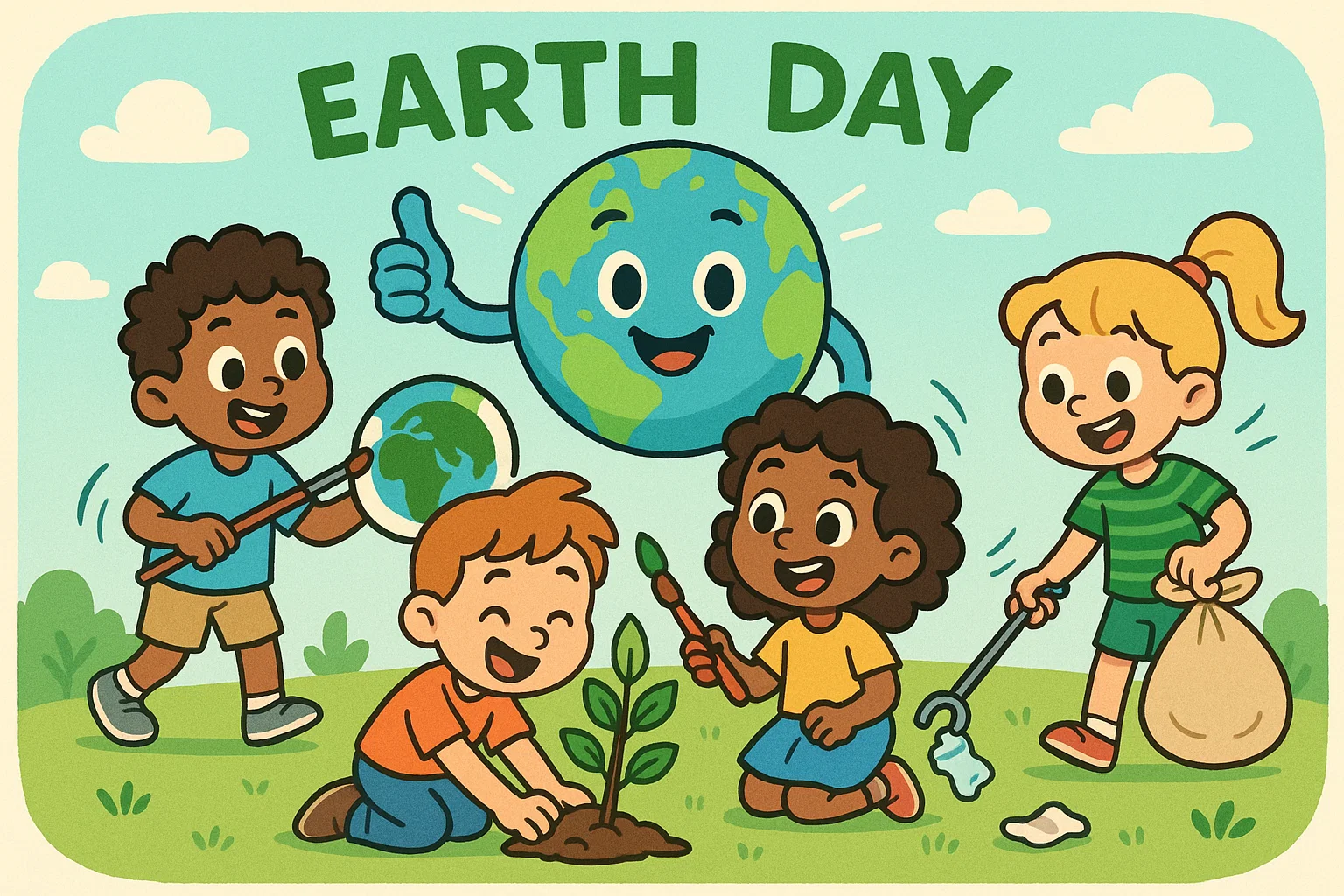
Earth Day falls on April 22 every year, and it offers one of the best opportunities to help children connect with the natural world in meaningful, hands-on ways. This guide covers a wide range of earth day activities — from simple crafts and science experiments to outdoor adventures and garden projects — designed for children from toddlers through early elementary school. Whether you’re a parent planning a day at home or a teacher organizing school events, you’ll find practical, engaging ideas here.
What Is Earth Day
Earth Day is an annual global event observed on April 22 to raise awareness about environmental protection and sustainability. The first Earth Day was held in 1970 in the United States, sparked by growing concern over air and water pollution. Today, more than one billion people in over 193 countries participate in Earth Day events, making it one of the largest civic observances in the world.
Why Earth Day Matters for Kids
Introducing environmental awareness early has lasting benefits. Research suggests that children who develop a connection to nature are significantly more likely to adopt eco-friendly habits as adults. Earth Day provides a structured, culturally reinforced moment to begin those conversations — about recycling, conservation, pollution, and what it means to care for the world around us.
Earth Day Themes and Traditions
Each year, Earth Day has an official theme set by earthday.org. Past themes have included “Invest in Our Planet” and “Restore Our Earth.” Common traditions include community clean-up events, tree planting, environmental education in schools, and sustainability pledges. Many families use April 22 as a springboard for discussing everyday habits like reducing single-use plastic, composting, and conserving water.
How to Celebrate Earth Day with Kids
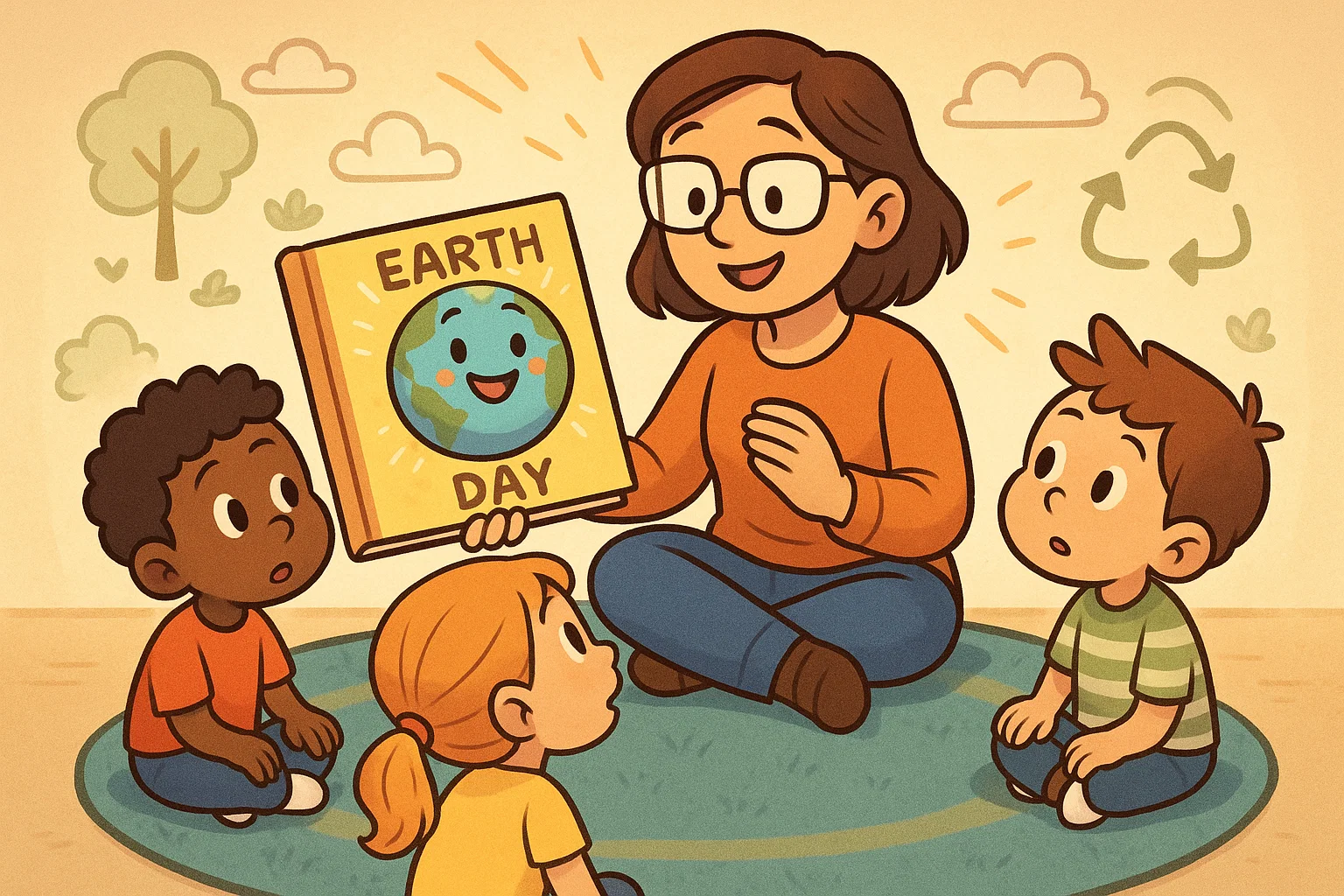
Celebrating Earth Day doesn’t require elaborate planning. Simple, intentional activities at home, outdoors, or in the community can make a meaningful impression on young learners.
Simple At-Home Celebration Ideas
At-home Earth Day activities can be woven into an ordinary day without special supplies. Families can turn off unused lights and talk about energy conservation, sort household items for recycling, or challenge children to find objects that could get a second life instead of being thrown away. Creating a nature-themed journal — where children draw or describe plants and animals they observe — is another low-prep option that builds both literacy and environmental awareness.
Outdoor Earth Day Activities
Getting kids outside on April 22 reinforces the message that Earth Day is about the real, living world — not just a classroom concept. A simple walk to a local park, backyard exploration, or a visit to a nature center gives children direct contact with ecosystems, fresh air, and wildlife. Encouraging children to pick up litter during a neighborhood walk is one of the most concrete ways to help them understand environmental impact at a scale they can see and measure.
Community and School Events
Many schools and local parks organize Earth Day clean-up events, tree-planting ceremonies, or educational fairs in April. Volunteer opportunities — even brief ones — help children internalize the idea that small actions add up. Teachers can coordinate with local environmental organizations to bring expert speakers into classrooms or arrange field trips to conservation areas, giving earth day activities a real-world dimension that worksheets alone cannot replicate.
Earth Day Science Experiments and STEM Activities
STEM-focused earth day activities connect environmental themes to hands-on scientific inquiry. These experiments are designed to be accessible, using common household materials, while teaching concepts with genuine educational depth.
Water Pollution Experiment
Fill three clear jars with water. Leave one clean, add soil to the second, and add a small amount of cooking oil to the third. Ask children to observe each and discuss which would be safe for animals to drink. This simple setup introduces the concept of water pollution in a visual, tangible way. According to UNICEF, approximately 2 billion people worldwide lack access to safe drinking water — a statistic that gives older children meaningful context for what they’re observing.
DIY Recycling Science Projects
Challenge kids to build something functional from recycled materials — a pencil holder from a cardboard tube, a planter from a plastic carton, or a bird feeder from a milk jug. These projects reinforce the idea that recyclable materials have value beyond the bin. The engineering challenge of making something structurally sound also introduces basic principles of design and problem-solving.
Renewable Energy Demonstrations
A simple solar-powered toy or a pinwheel placed in sunlight or wind introduces the concept of renewable energy without complex equipment. For older children, comparing how long it takes to charge a small device via solar panel versus a standard outlet sparks discussion about energy efficiency and carbon footprint. These demonstrations make abstract environmental issues feel concrete and relevant.
Recycling and Conservation Activities for Kids
Teaching kids to recycle and reuse is one of the most practical contributions Earth Day can make to daily life. Conservation activities work best when they involve active participation rather than passive instruction.
Here are three accessible recycling activities suitable for home or classroom:
- Recycled paper making: Soak torn junk mail or newspaper in water, blend into pulp, press onto a screen, and let dry. The result is a sheet of handmade paper that children can decorate or write on — a tactile demonstration of how paper recycling works.
- Plastic reuse crafts: Clean plastic bottles and containers become the base for sun catchers, seed starters, or storage organizers. These projects give single-use plastic a second life while building creative skills.
- Home recycling challenges: Set a family goal to reduce waste for one week — tracking what goes in the recycling bin versus the trash. A simple chart on the refrigerator makes progress visible and motivating for young children.
Nature Crafts and Earth Day Art Projects
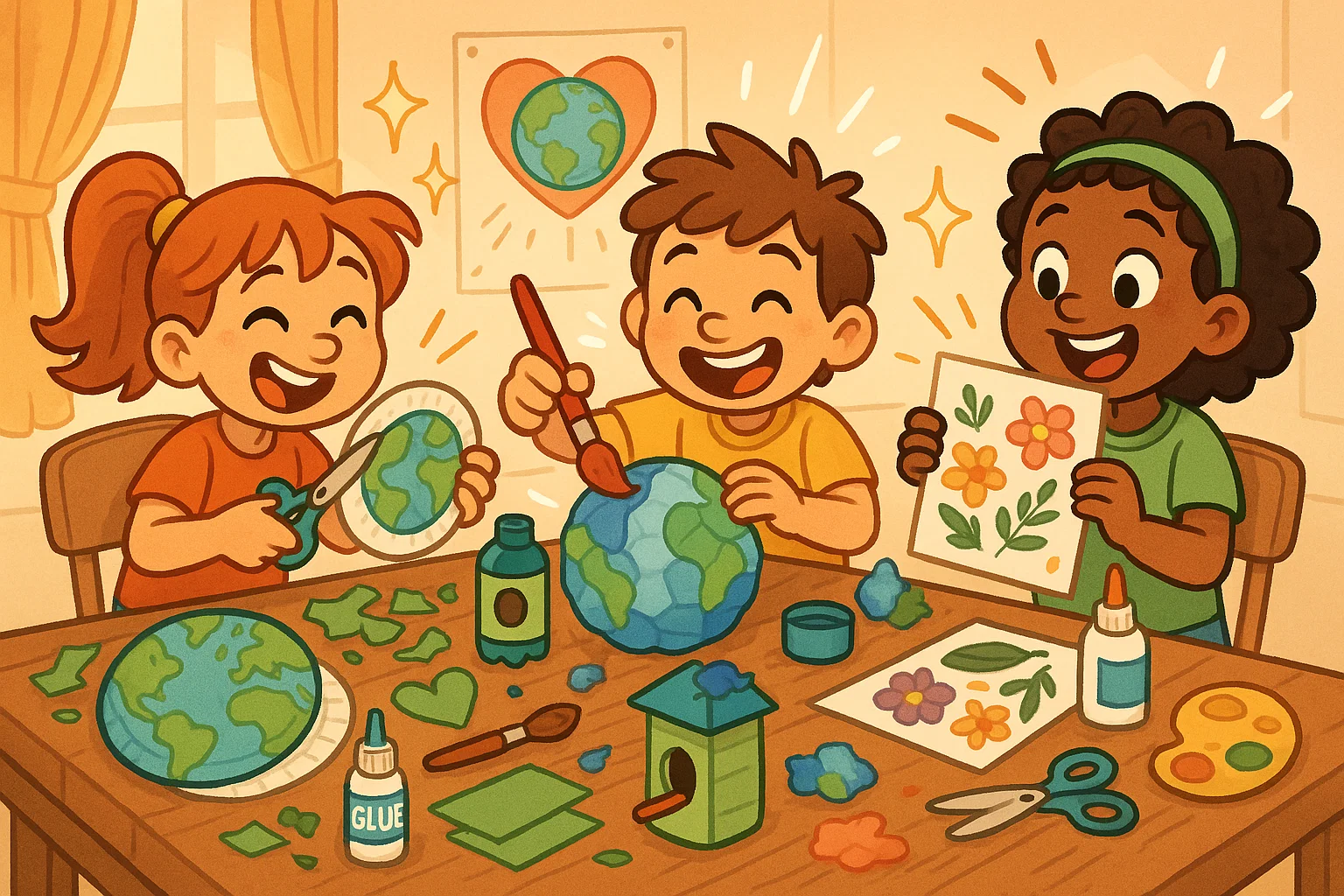
Earth Day craft projects give children a creative outlet while reinforcing environmental themes. The best earth day craft ideas use natural or recycled materials, minimizing waste while maximizing engagement.
Leaf Jewelry and Nature Bracelets
Children collect leaves, petals, and small twigs on a nature walk, then press and arrange them onto sticky-backed paper or attach them to a loop of tape worn as a bracelet. This activity encourages close observation of the natural world and works well for children ages 3 and up.
Painted Rocks and Eco Art
Smooth stones collected from a garden or park become canvases for earth-themed paintings — globes, animals, flowers, or environmental messages. Painted rocks can be left in public spaces as a reminder of Earth Day or used to decorate a home garden. Water-based, non-toxic paint keeps this craft eco-friendly.
Coffee Filter Earth Craft
Flatten a coffee filter and use blue and green washable markers to decorate it in the colors of the Earth. Spray lightly with water and watch the colors bleed and blend into a realistic globe pattern. Once dry, the filter can be mounted on paper and displayed. This is one of the most popular earth day craft ideas for preschool and early elementary classrooms because it requires minimal supplies and produces a visually striking result.
Plant and Garden Activities for Kids
Planting is one of the most enduring and meaningful Earth Day traditions. Gardening connects children to natural cycles, builds patience, and provides a visible, living reminder of their contribution to the environment.
Planting Trees and Flowers
Many communities organize tree-planting events on April 22. Families can also plant flower seeds at home — sunflowers, marigolds, and wildflowers are all fast-growing options that reward young gardeners quickly. Research from the Royal Horticultural Society suggests that children who garden regularly show improvements in both well-being and science understanding.
Starting a Small Garden at Home
A windowsill herb garden requires only a small pot, soil, seeds, and sunlight. Herbs like basil, mint, and chives germinate quickly, giving children feedback within days. Assigning a child ownership of one plant — watering it, tracking its growth, harvesting it — builds responsibility and a genuine appreciation for where food comes from.
Composting Basics for Kids
Composting is one of the simplest ways to reduce household waste, and children can participate meaningfully from an early age. Explain that fruit peels, vegetable scraps, and egg shells can be turned into nutrient-rich soil over time. A small countertop compost container makes the process visible and approachable, and watching scraps transform into usable garden material is inherently fascinating to young learners.
Animals, Ecosystems, and Environmental Learning Activities
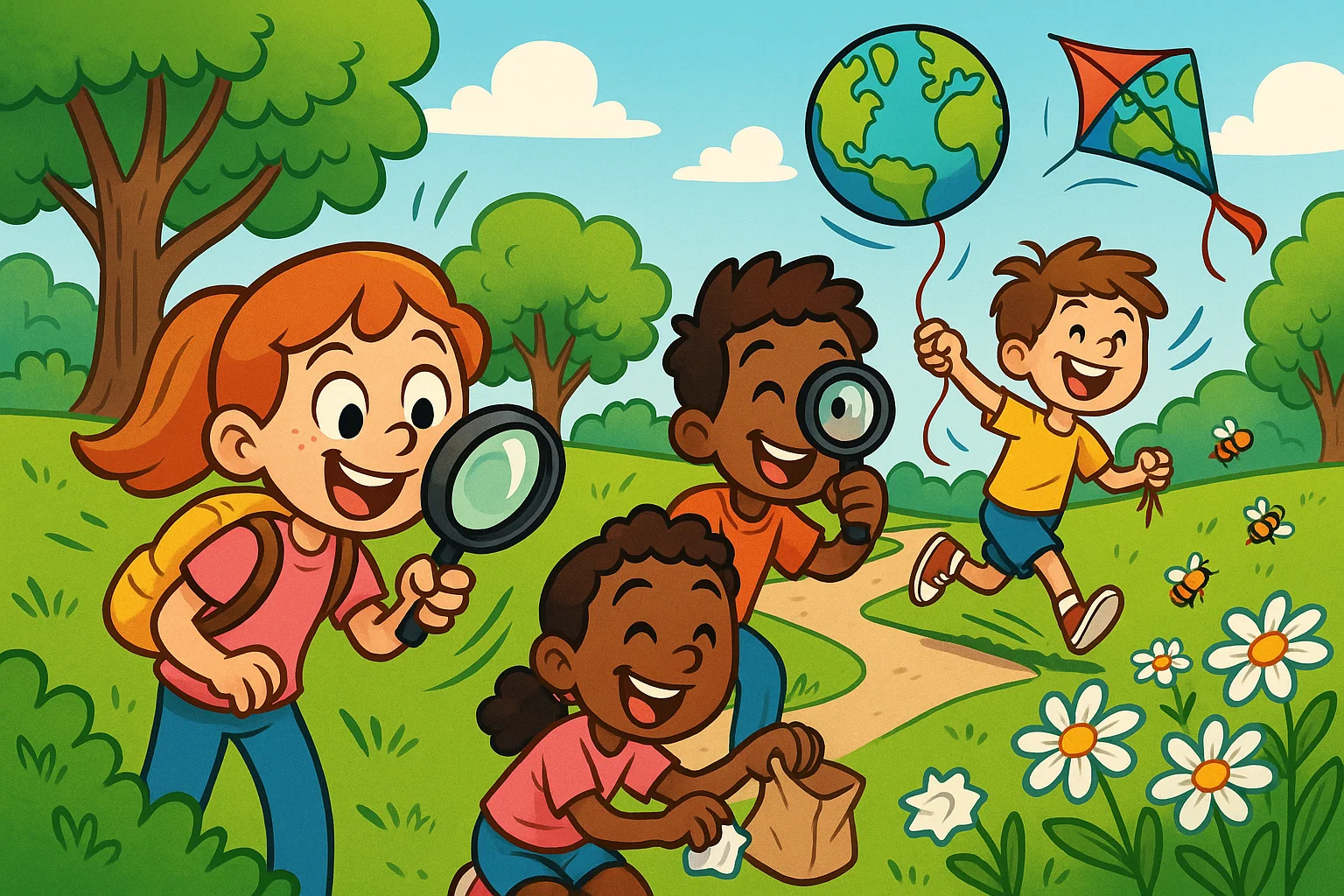
Earth Day is a natural opportunity to explore local ecosystems and introduce children to the wildlife that shares their environment.
Build a Bird Feeder
A classic milk carton bird feeder — filled with birdseed and hung from a tree — invites children to observe local bird species up close. This activity introduces the concept of habitat and food chains in an accessible, immediate way. Keeping a simple log of which birds visit reinforces observation skills and scientific thinking.
Learn About Local Wildlife
Encourage children to research which animals, insects, and plants are native to their region. Creating a simple field guide — drawn by hand or assembled from printed images — builds research skills while deepening connection to the local environment. Apps like iNaturalist allow children to photograph and identify plants and animals they find on nature walks, adding a digital dimension to outdoor exploration.
Pollinator-Friendly Activities
Bees, butterflies, and other pollinators are essential to food production and ecosystem health. Children can plant pollinator-friendly flowers like lavender, clover, or sunflowers, or create a simple “bee hotel” from bundled bamboo tubes. Discussing the role of the bee in pollination connects a single insect to the broader food system in a way that is both age-appropriate and scientifically accurate.
Easy Earth Day Activities for Preschoolers and Toddlers
Younger children benefit most from sensory, hands-on earth day activities that are brief, tactile, and visually engaging.
- Sensory play with natural materials: Fill a shallow bin with soil, leaves, small stones, and flower petals. Let toddlers explore freely, naming what they find and how it feels. This open-ended play builds vocabulary and sensory awareness simultaneously.
- Simple crafts with minimal supplies: Finger-painting a paper plate to look like the Earth, pressing leaves onto paper to create prints, or decorating a flower pot with crayons and markers are all accessible for children as young as 2.
- Storytime and Earth-themed books: Picture books like The Lorax by Dr. Seuss or Wangari’s Trees of Peace by Jeanette Winter introduce environmental themes through narrative in a way that resonates with preschoolers. Reading aloud followed by a brief discussion — “What can we do to help protect trees?” — plants early seeds of environmental thinking.
Tips to Make Earth Day Activities More Engaging
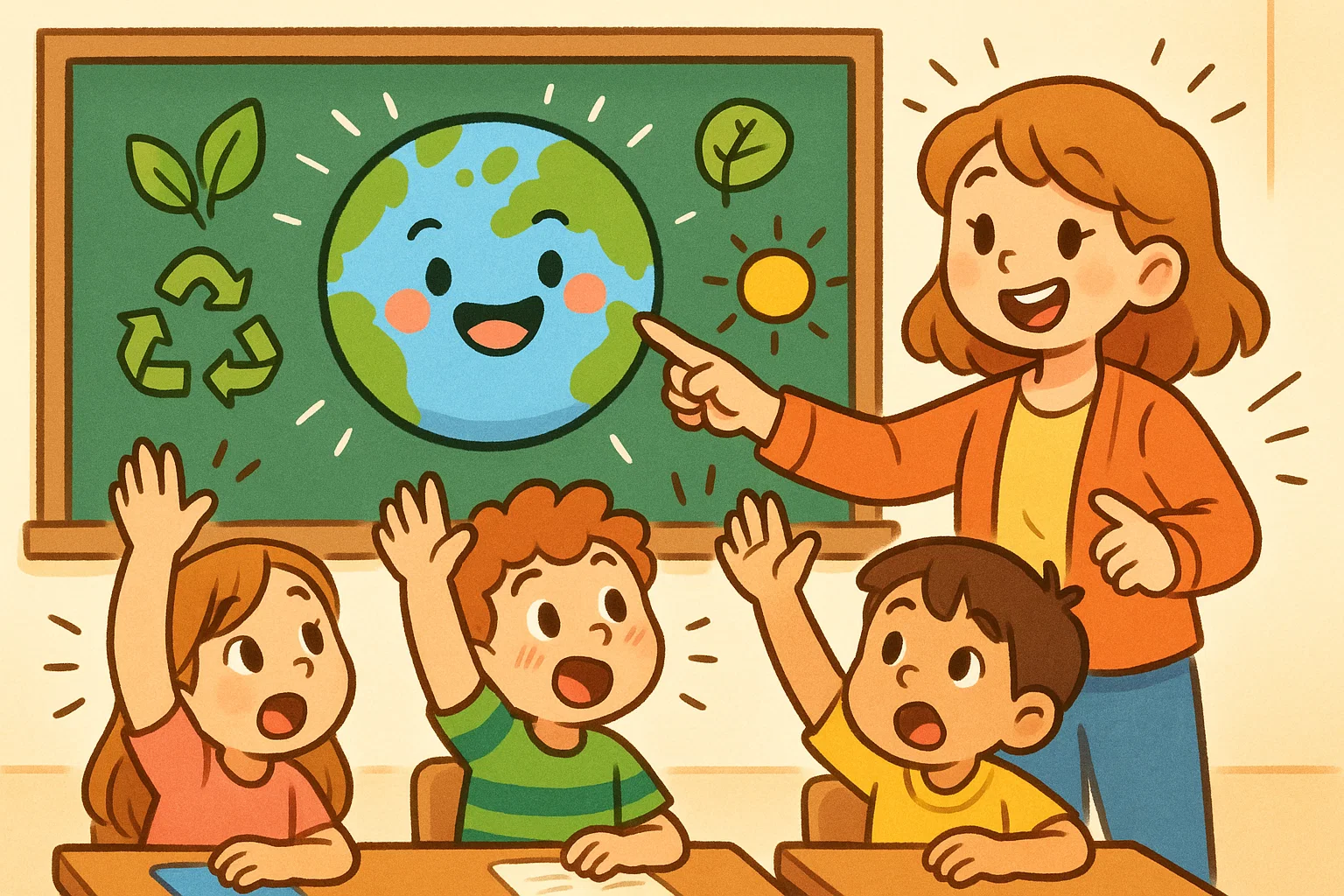
The most effective earth day activities are those children want to return to — not just complete once. A few strategies can significantly increase engagement and retention.
Turn Activities into Games
Add a competitive or exploratory element wherever possible. A nature bingo card during a walk, a recycling sorting race, or a “how many natural objects can you find in 10 minutes” challenge all introduce playful structure that sustains attention. Gamification taps into intrinsic motivation, which developmental psychologists consistently identify as more durable than external rewards alone.
Use Rewards and Goals
Simple visual progress trackers — a sticker chart for each day a child remembers to recycle, or a seed planted for each eco-friendly action — make abstract goals tangible. These tools are especially effective for children ages 4–8, who respond strongly to visible progress and achievable milestones.
Combine Learning with Fun
The most effective environmental education doesn’t feel like education at all. When a child builds a bird feeder, they are simultaneously practicing motor skills, learning about ecosystems, and developing a sense of contribution — all through what feels like play. This balance between structured learning and genuine enjoyment is the foundation of meaningful Earth Day engagement.
Celebrate Earth Day Every Day
Earth Day on April 22 is a perfect opportunity to spark environmental awareness, but the habits it encourages are most valuable when they extend into everyday life. Turning off taps, choosing reusable containers, picking up litter on a daily walk, and appreciating nature during an ordinary afternoon in the park — these small actions, practiced consistently, shape how children understand their relationship to the world around them.
Encourage children to think of themselves not as passive observers of environmental issues, but as active participants in protecting the planet. When earth day activities are joyful, hands-on, and connected to real outcomes, they leave a lasting impression that no worksheet or lecture can replicate.
Earth Day Activities FAQs
What are simple Earth Day activities for kids?
Simple earth day activities include nature walks, leaf rubbings, painted rock crafts, planting flower seeds, building a bird feeder, and participating in a neighborhood litter pick-up. Most require minimal supplies and can be done at home or in a local park.
How do you explain Earth Day to children?
Tell children that Earth Day is a special day every year — on April 22 — when people all over the world take time to appreciate and help protect our planet. You can explain that in 1970, people noticed the air and water were getting dirty, and Earth Day was created to remind everyone to take care of the Earth together.
What are the best eco-friendly crafts for kids?
The best eco-friendly earth day craft projects use recycled or natural materials. Top options include recycled paper making from junk mail, coffee filter Earth globes, plastic bottle planters, leaf print art, and nature bracelets made from collected outdoor materials. These crafts combine creativity with a concrete conservation message.

Take a short quiz to find out what your everyday choices say about your parenting style
When your child is curious about something new, what’s your instinct?
Take a short quiz to find out what your everyday choices say about your parenting style
“Can I download this app?” What happens next?
Take a short quiz to find out what your everyday choices say about your parenting style
When it comes to rules at home, which sounds most like you?
Take a short quiz to find out what your everyday choices say about your parenting style
If you could give your child one life skill today, what would you pick?
Take a short quiz to find out what your everyday choices say about your parenting style
Your child gets to choose what to watch. What would your ideal setup look like?
Take a short quiz to find out what your everyday choices say about your parenting style
Pick your parenting superpower ✨