Classroom Decoration Ideas That Transform Your Learning Environment

 Discover a Free Education Video App for Kids
Pastory uses AI to personalize educational video content based on your child’s interests and personality. Safe, engaging, and built for curious young minds. Sign up now to stay updated and enjoy early access with a free trial
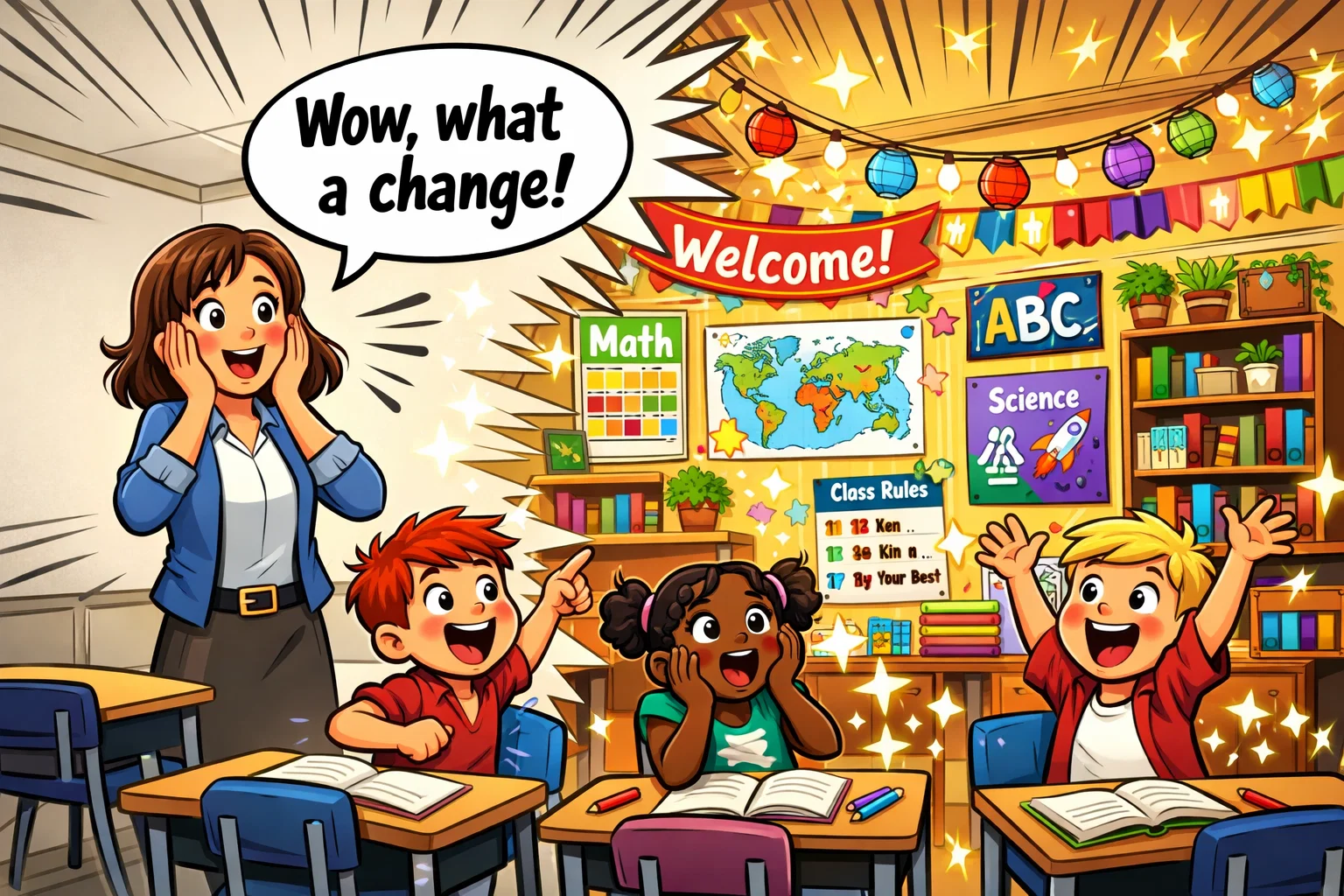
Creating an engaging, well-decorated classroom does more than just make a room look appealing — it directly supports how children learn, feel, and behave in school. Whether you’re setting up a kindergarten room for the first time or refreshing an existing space, the right classroom decoration ideas can make a measurable difference.
This guide walks you through practical, budget-friendly, and research-backed approaches to classroom decor, covering everything from bulletin boards and lighting to functional learning centers and smart organization systems.
Best Classroom Decoration Ideas for Teachers
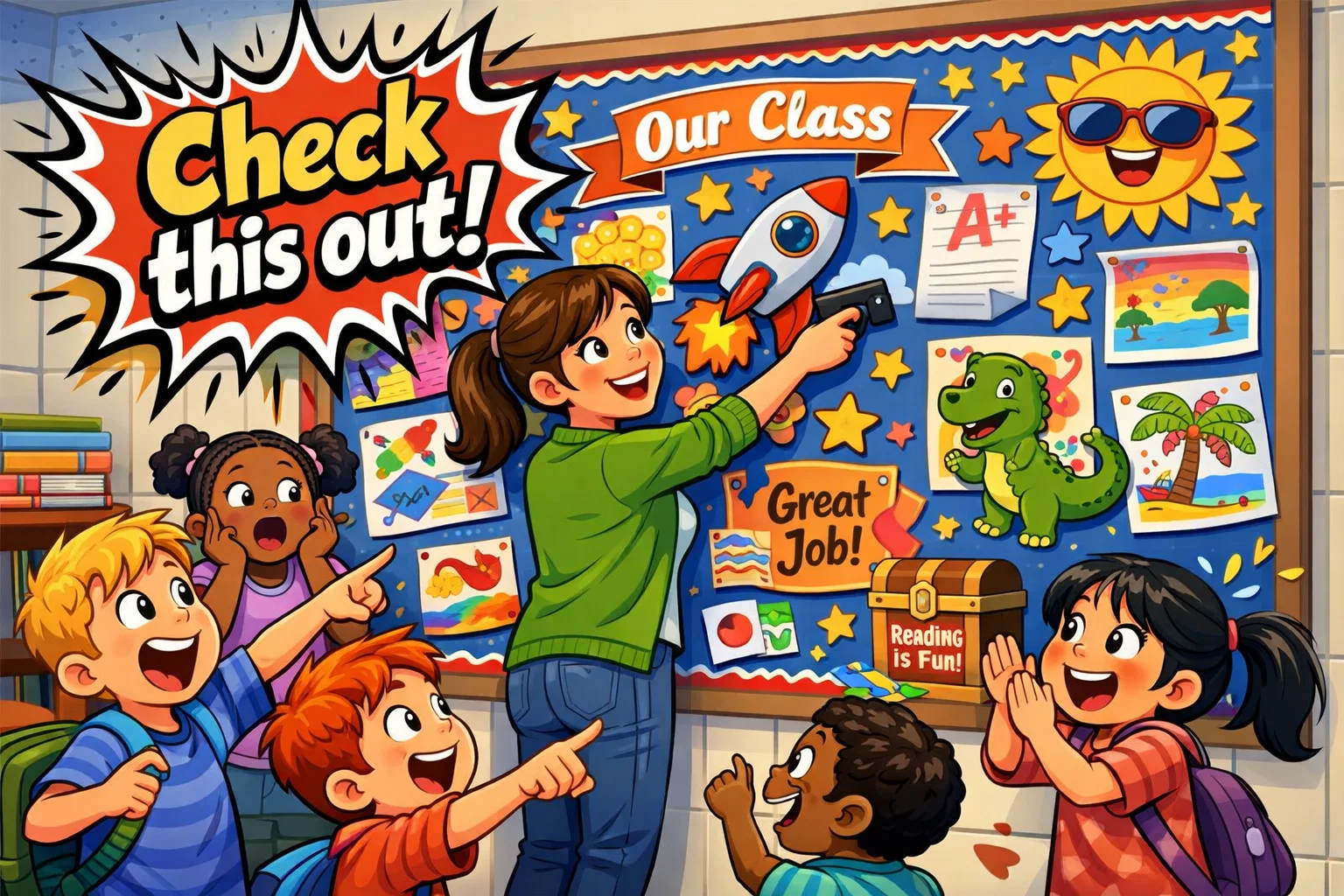
Before diving into specific elements, it helps to think of your classroom as a third teacher — a space that communicates values, stimulates curiosity, and supports independence. The most effective classroom decorations serve a clear purpose, reflect the students who learn there, and remain flexible enough to evolve throughout the school year.
Bulletin Boards for Engagement
Bulletin boards are among the most versatile and powerful decoration tools in any classroom. Rather than filling them with static, store-bought borders and generic images, design them as interactive displays that invite student participation.
A “wonder wall” where children post questions they’re curious about, or a rotating vocabulary board tied to current units, transforms passive wall space into an active learning tool. Studies from the University of Salford found that classroom elements like color, complexity, and flexibility — including how walls are used — can account for up to 16% of the variation in student learning progress across a school year.
Displaying Students’ Work
One of the most powerful ways to build motivation and a sense of belonging is to display student work prominently and respectfully. When children see their own drawings, writing, and projects on the walls, they feel valued as contributors to the classroom community.
Rotate displays regularly so every student’s work is featured throughout the year, and include brief labels explaining the learning intention behind each piece. This approach turns decoration into meaningful documentation of growth.
Classroom Rules Wall Design
Presenting classroom rules visually — with simple illustrations, consistent icons, and child-friendly language — helps students internalize expectations more naturally than a printed list.
Placing rules at eye level for the age group you teach, using a calming color scheme rather than bold warning tones, signals that the expectations are supportive rather than punitive. For younger children, pairing each rule with a simple drawing (like a hand for “raise your hand”) reinforces understanding without relying solely on text.
Inspirational Quotes and Posters
Motivational messages work best when they reflect the actual values you’re building in your classroom. Avoid filling walls with generic posters that have little connection to your students’ lives. Instead, choose quotes that align with the learning dispositions you’re developing — growth mindset, curiosity, persistence — and pair them with subject-relevant educational posters.
Classroom Theme Selection
A well-chosen classroom theme provides visual coherence that reduces cognitive overload — when every element of a room belongs to the same visual language, the space feels calmer and easier to navigate. Nature themes, book characters, space exploration, or community helpers all work well across different grade levels.
The key is to choose a theme that can be carried consistently through your color scheme, furniture labels, bulletin board borders, and even your classroom library setup, rather than mixing unrelated styles.
Wall Decorations and Murals
Large-scale visuals like murals or themed wall panels are particularly effective in early childhood settings, where children respond strongly to immersive environments. A painted world map, a forest mural behind the reading corner, or a colorful number line running along the base of a wall all serve both decorative and educational functions.
If permanent painting isn’t an option, large peel-and-stick murals and removable wallpaper have made this style of decoration far more accessible and renter-friendly.
Classroom Library Setup
A cozy, well-organized classroom library signals that reading is a valued activity, not an afterthought. Face-out bookshelves (where covers are visible rather than spines) dramatically increase book selection in young readers. Adding soft seating like a bean bag chair, a small rug, or cushioned stools makes the space feel inviting.
Organizing books by genre, reading level, or topic — clearly labeled with simple visual tags — supports student independence and makes the library genuinely usable during free-choice time.
Maps and Educational Visuals
Geography maps, number charts, alphabet displays, and subject-specific diagrams serve double duty as both decoration and curriculum support. Placed at student eye level and updated to reflect current learning units, these visuals become genuine reference tools rather than wallpaper.
Anchor charts — collaboratively built during lessons and displayed afterward — are especially valuable because children have a personal connection to content they helped create.
Rugs and Flooring Ideas
Area rugs define functional zones within a classroom while also making the space feel warmer and more homelike. A large alphabet rug in the meeting area doubles as a teaching tool; a softer neutral rug in the reading corner signals that this is a quieter, more reflective space. For younger grades especially, a clearly defined meeting rug helps with classroom management by giving children a concrete, physical space for whole-group instruction.
Furniture Arrangement and Decor
How you arrange furniture communicates your teaching philosophy before a single lesson begins. Desks in rows suggest individual, teacher-directed work; tables in clusters support collaboration; a horseshoe or U-shape facilitates discussion.
Mixing these arrangements — with clearly defined zones for different activity types — gives students variety and supports different kinds of learning within the same room. Keeping pathways clear and avoiding overly cluttered surfaces also reduces visual distraction.
Curtains and Window Treatments
Natural light has a well-documented positive effect on student mood and concentration, but glare and temperature extremes can be problems. Lightweight, light-filtering curtains allow you to manage light quality without blocking it entirely.
Simple, neutral-colored window treatments tend to work best as a classroom backdrop, keeping the focus on learning displays rather than competing for visual attention.
Lighting for Classroom Atmosphere
Harsh overhead fluorescent lighting is one of the most common complaints in school environments — and one of the easiest to soften. Adding a floor lamp or two in reading corners, using warm-toned LED bulbs in desk lamps, or simply switching to LED panels with warmer color temperatures can significantly improve the feel of a room.
Storage Solutions Like Cubbies and Baskets
Functional storage that is also visually organized is a hallmark of effective classroom decor. Labeled cubbies, wicker baskets, and color-coded bins help students develop independence and responsibility.
When every material has a visible, accessible home, transitions run more smoothly and classroom management becomes less effortful. Using consistent labeling systems — with both words and pictures for younger students — supports early literacy while keeping the room tidy.
Plants and Natural Elements
Adding plants to a classroom is one of the most research-supported environmental interventions available to teachers. Low-maintenance options like pothos, snake plants, or succulents work well in school settings. Natural materials like wooden trays, stone paperweights, or pinecone collections in a science center add texture and sensory interest without requiring maintenance.
Wallpaper and Texture Ideas
Peel-and-stick wallpaper has become a popular classroom hack for good reason — it allows teachers to create dramatic, thematic backdrops without permanent commitment. A single accent wall behind the whiteboard or behind the library can transform the feel of the whole room.
Subtle textures (like a soft grasscloth pattern or a simple geometric print in muted tones) add visual warmth without overstimulating, making them a smarter choice than busy, high-contrast designs.
Functional Classroom Decoration Ideas
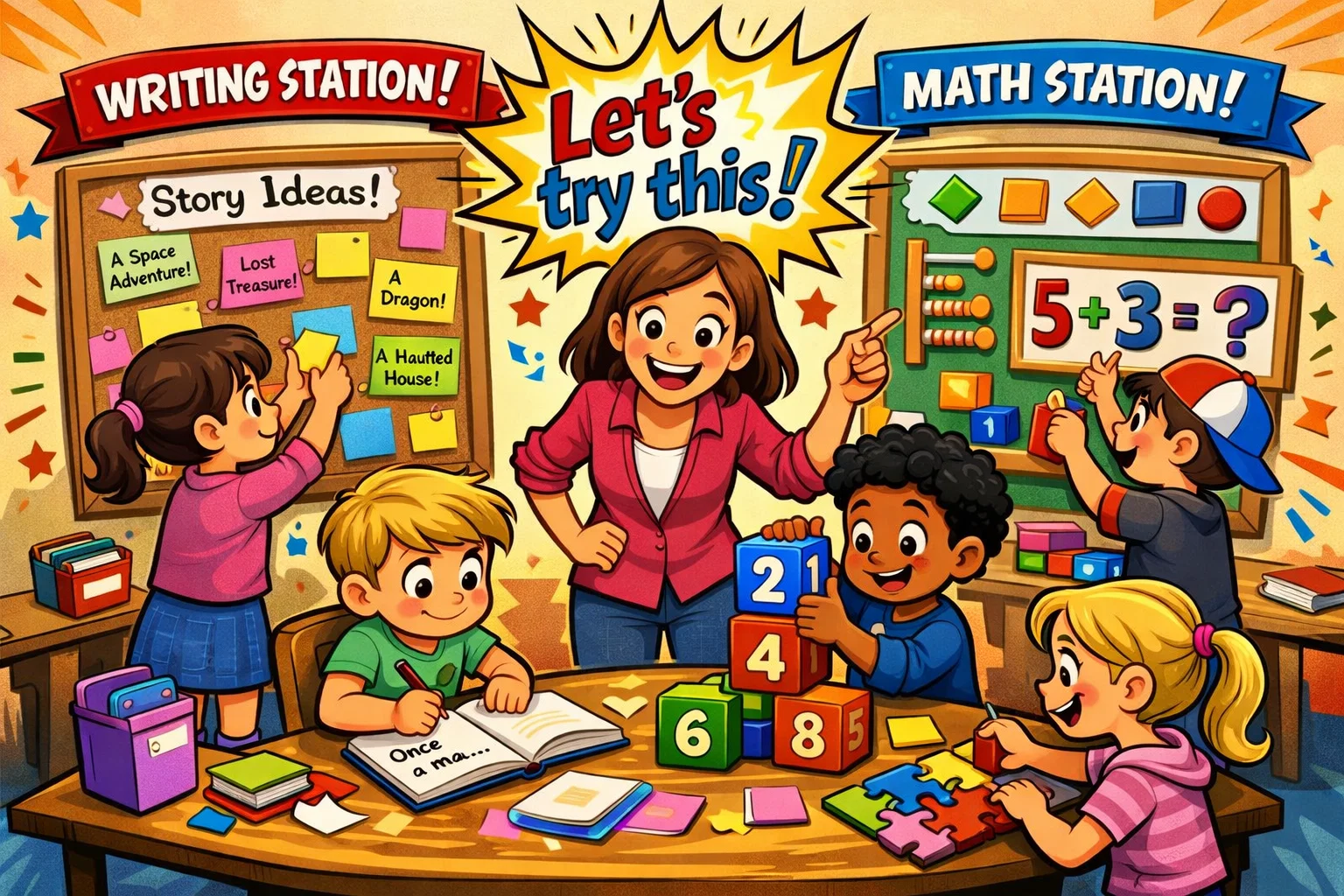
The best classroom decorations do more than decorate — they actively support the learning process.
Interactive Writing and Math Centers
Subject-specific stations that are both visually inviting and functionally equipped draw students in and support independent practice. A writing center with displayed anchor charts, example texts, and clearly labeled supplies encourages children to visit and use the space with purpose. A math center with ten frames, counting manipulatives, and visual strategy posters becomes a self-sufficient learning zone rather than just a table.
Sound Walls and Learning Aids
Phonics walls and sound walls — organized displays of phonemes with corresponding images and mouth position photos — are powerful tools in early literacy instruction. Displayed prominently at student eye level, they function as permanent reference supports during reading and writing.
Unlike traditional alphabet charts, sound walls are organized by how sounds are made rather than alphabetically, aligning more closely with how children learn to decode words.
Differentiated Learning Centers
Designing distinct visual zones for different learning levels and activity types helps manage a diverse classroom without stigmatizing students. Color-coded center labels, clear visual instructions posted at each station, and organized materials make it possible for students to navigate centers independently. This reduces transition time and allows teachers to work with small groups without interruption.
Classroom Workstations Setup
Group workstations benefit from clear visual organization: a consistent supply layout, labeled trays for in-progress work, and a visible signal system (colored cups, for example) that students can use to indicate whether they need help. These small visual systems reduce noise and interruption while supporting student agency.
Monthly Tub Labels and Organization Systems
Color-coded tubs with clearly printed labels for each month, unit, or subject make rotating materials simple and efficient. Teachers who use labeled monthly tubs report significantly less preparation time when switching between units. Storing these in a visible, accessible location — rather than a back closet — also serves as a subtle visual reminder to students that learning is organized, intentional, and ongoing.
Budget-Friendly Classroom Decoration Ideas
A limited budget is one of the most common challenges teachers face, but many of the most effective classroom decoration ideas cost very little.
Here are accessible, low-cost approaches that deliver real impact:
- DIY classroom decorations: Handmade bunting from scrap fabric, painted glass jars for supply storage, and paper chain borders made with students are cost-free and personally meaningful.
- Reusing and repurposing materials: Old window frames become bulletin board borders; mismatched picture frames painted in a matching color scheme create a cohesive gallery wall for student work.
- Donations and community support: Reach out to families via a classroom newsletter at the start of the year — many parents are happy to donate fabric scraps, baskets, and gently used books.
- Thrift stores and garage sales: Wicker baskets, wooden crates, small lamps, and decorative bins can often be found at thrift stores or garage sales for a fraction of retail price.
- Target Dollar Spot and Dollar Tree: Both are well-known among educators for affordable classroom supplies, seasonal decor, and organizational tools that align with common classroom themes.
Classroom Decoration Do’s and Don’ts
Understanding what to avoid is just as important as knowing what works:
- Avoid overcrowding classroom space. Research consistently shows that visual clutter increases anxiety and reduces focus, particularly in students with attention difficulties. The goal is a stimulating environment, not an overwhelming one — aim for 20–50% of wall space to remain clear or neutral.
- Decorate with clear purpose. Every element on the wall or shelf should earn its place by supporting learning, reinforcing community values, or helping students navigate the space independently. If you can’t explain why a decoration is there, it may not need to be there.
- Focus on students, not just aesthetics. The most beautifully decorated classrooms fail if they don’t reflect or serve the students inside them. Decorations should feel like they belong to the children — which means involving students in creating them where possible.
- Leave room for student contribution. Reserve a portion of your wall space for student-generated content that emerges throughout the year. A room that looks identical in June as it did in September hasn’t documented any learning.
Factors to Consider Before Decorating Your Classroom
Before purchasing a single item or hanging a single display, it’s worth spending time on intentional planning:
- Purpose of classroom design: Start by asking what you want your classroom to communicate and support. Is your primary focus independent learning? Collaborative problem-solving? A sense of safety and belonging? Your answer should guide every decoration decision.
- Available space and layout: Measure your room and sketch a rough floor plan before arranging furniture or planning wall displays. Small classrooms benefit from vertical storage and multi-purpose furniture; larger rooms can accommodate more clearly defined zones.
- Theme consistency: A cohesive theme — in color scheme, labels, and visual style — makes a classroom feel intentional rather than haphazard. It also makes it easier to add new elements throughout the year without the room feeling disjointed.
- Budget limitations: Knowing your budget upfront helps you prioritize. Functional items (storage, display boards) should come before purely decorative ones, and DIY solutions can close the gap significantly.
Conclusion: Start Decorating Your Classroom with Confidence
Thoughtful classroom decoration is not about creating a Pinterest-perfect space — it’s about designing an environment where children feel safe, stimulated, and supported in their learning. The best classroom decor is functional, flexible, student-centered, and achievable on any budget.
Start small: choose one or two high-impact areas, like a cozy reading corner or a well-organized bulletin board, and build from there. Involve your students in the process where you can, update displays regularly to reflect current learning, and always ask whether each element serves the children in the room. When educators approach classroom design with the same intentionality they bring to lesson planning, the results are spaces that genuinely make learning better — and that’s the whole point.
Frequently Asked Questions
What are some easy ways to decorate a classroom on a budget?
Start with what you already have — student artwork, anchor charts from previous lessons, and repurposed household items. Layer in targeted purchases from dollar stores and thrift shops. A cohesive color scheme, even achieved on a tiny budget, makes a room look intentional and well-designed.
How do you choose classroom theme ideas?
Consider your subject area, your students’ interests, and the age group you teach. Themes that connect to your curriculum (like a nature theme for a science-focused room or a book character theme for an early literacy classroom) work harder than purely decorative ones. Look for a theme you can maintain consistently for a full school year without feeling tired of it.
How can you decorate a classroom with no supplies?
Begin with student work — collect and display drawings, writing samples, and collaborative projects. Rearrange existing furniture to create more defined zones. Use masking tape on the floor to mark out a meeting area. Create handmade labels from plain paper. None of these cost anything, and together they create a noticeably more organized, intentional environment.
What are common mistakes to avoid in classroom decoration?
The most frequent pitfalls include overcrowding walls with unrelated visuals, using high-contrast or overstimulating color schemes throughout the room, purchasing decor before considering layout and function, and failing to leave space for student-generated content. A few well-chosen, purposeful displays always outperform a room wallpapered in unrelated posters.

Take a short quiz to find out what your everyday choices say about your parenting style
When your child is curious about something new, what’s your instinct?
Take a short quiz to find out what your everyday choices say about your parenting style
“Can I download this app?” What happens next?
Take a short quiz to find out what your everyday choices say about your parenting style
When it comes to rules at home, which sounds most like you?
Take a short quiz to find out what your everyday choices say about your parenting style
If you could give your child one life skill today, what would you pick?
Take a short quiz to find out what your everyday choices say about your parenting style
Your child gets to choose what to watch. What would your ideal setup look like?
Take a short quiz to find out what your everyday choices say about your parenting style
Pick your parenting superpower ✨