Classic Children’s Books By Age 1-3: Best Timeless Reads For Toddlers

 Discover a Free Education Video App for Kids
Pastory uses AI to personalize educational video content based on your child’s interests and personality. Safe, engaging, and built for curious young minds. Sign up now to stay updated and enjoy early access with a free trial
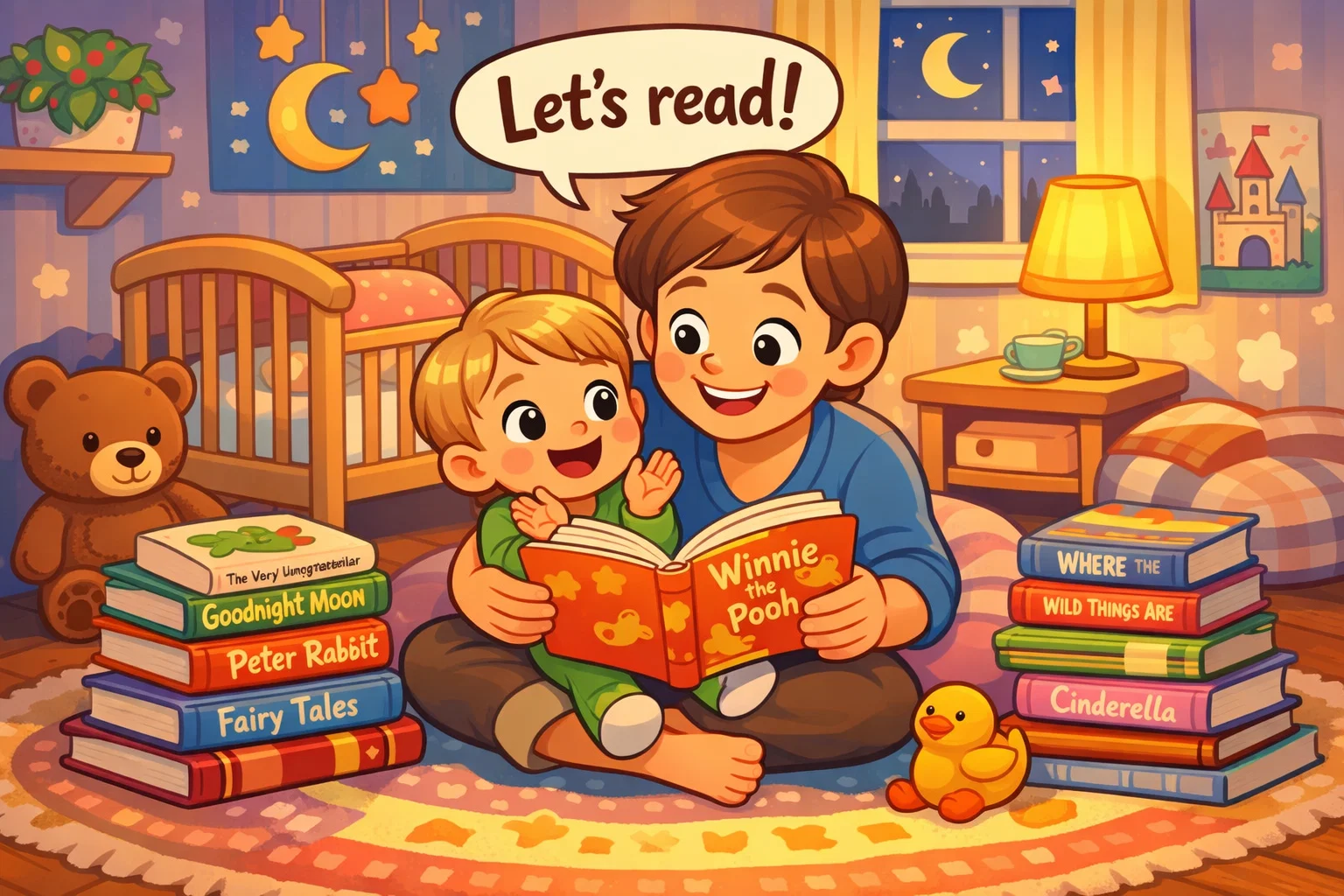
Reading aloud to a toddler is one of the simplest and most powerful things a parent or caregiver can do. From the first months of life through age three, children are absorbing language, emotion, and meaning at a remarkable rate — and books are one of the richest sources of all three.
This guide covers the best classic children’s books for ages 1–3, explains what makes them developmentally appropriate, and offers practical tips for making storytime a meaningful part of daily life.
Best Classic Children’s Books By Age 1–3
The following titles represent the most enduring, widely recommended, and developmentally rich classics for toddlers. They span a range of themes, formats, and styles — but all share the qualities that make a picture book truly timeless.
Top Essential Classics
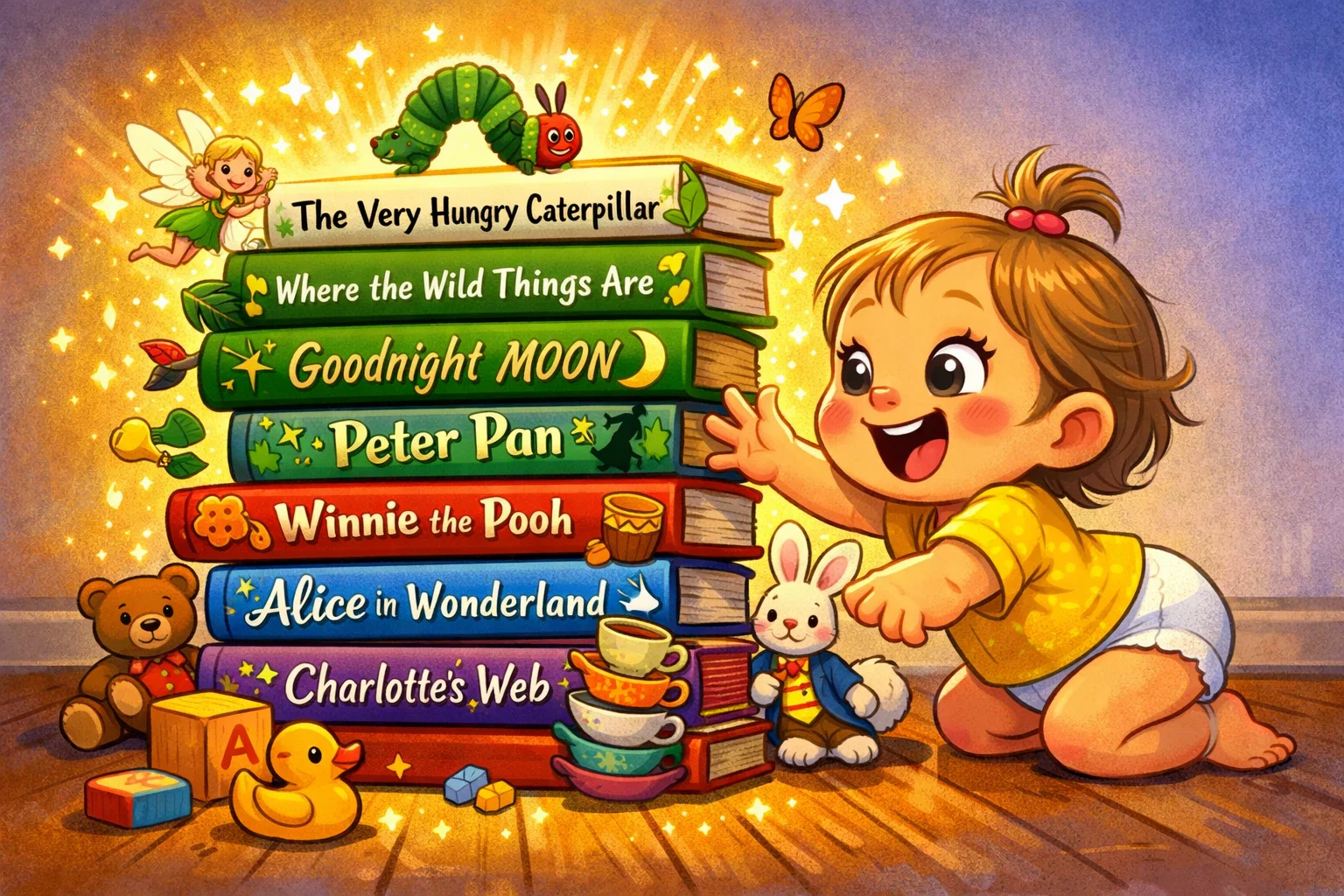
The Very Hungry Caterpillar by Eric Carle is arguably the gold standard of toddler literature. First published in 1969, this picture book introduces colors, counting, the days of the week, and the concept of transformation — all through the journey of a hungry caterpillar eating his way through a sequence of foods. The die-cut holes in the pages add a tactile element that toddlers find irresistible, and Eric Carle’s vivid collage illustrations make every spread visually engaging. It is one of the best-selling children’s books of all time, having sold over 55 million copies worldwide.
Goodnight Moon by Margaret Wise Brown, illustrated by Clement Hurd, has been a bedtime staple since its first publication in 1947. The story follows a young rabbit saying goodnight to every object in the room — a calming ritual that mirrors what many toddlers naturally do before sleep. Child psychologists have long noted its soothing, almost soporific effect on young children, likely due to its quiet pacing, muted green and grey palette, and the gentle repetition of familiar words. It remains one of the top-selling classic board books in the world.
Brown Bear, Brown Bear, What Do You See? by Bill Martin Jr. and Eric Carle uses a single, repeated question-and-answer format to help toddlers learn animals and colors. Each page follows the same rhythm: a named animal is asked what it sees, and it responds by describing the next animal. This predictable structure teaches toddlers to participate in the reading, completing phrases before they’re spoken aloud. The book is widely used in early childhood classrooms as an introduction to patterned language and sequential thinking.
Guess How Much I Love You by Sam McBratney, illustrated by Anita Jeram, is a heartfelt modern classic about a young rabbit and his father trying to express the depth of their love. The story centers on a relatable dynamic — a small child attempting to articulate big feelings — and the conclusion (“I love you right up to the moon and back”) has become one of the most recognizable phrases in children’s literature. The soft, warm illustrations and gentle emotional tone make it especially well-suited to bedtime reading and parent-child bonding.
Dear Zoo by Rod Campbell is a lift-the-flap adventure in which a child writes to the zoo asking for a pet, only to have each animal returned for a different reason — until the perfect one arrives. Each page features a crate or box concealing an animal, and the flap element makes every reveal genuinely exciting for toddlers. It is one of the most consistently recommended interactive board books for ages 1–3, praised by early years educators for its humor, simple vocabulary, and irresistible format.
Interactive and Rhythm-Based Favorites
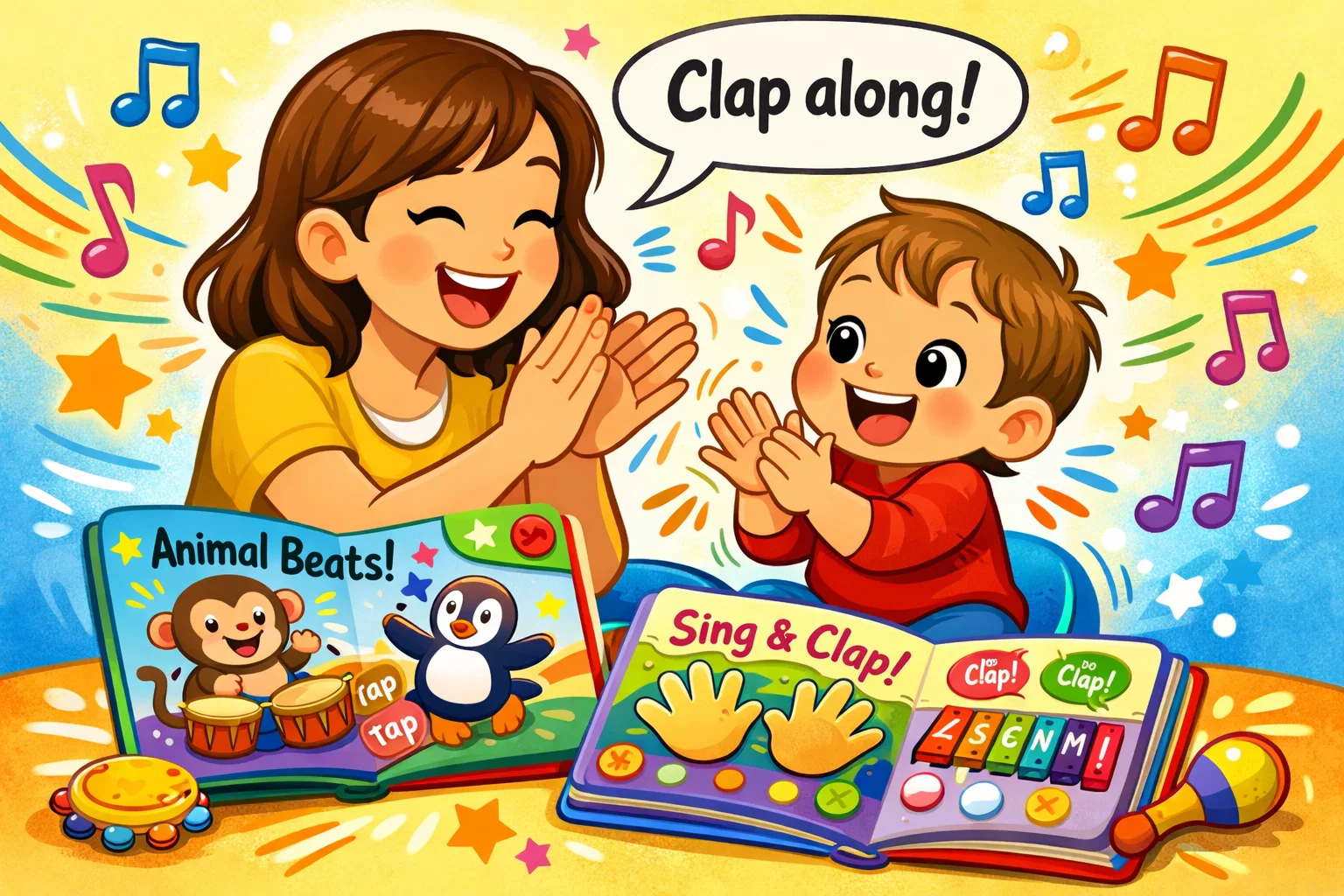
Chicka Chicka Boom Boom by Bill Martin Jr. and John Archambault, illustrated by Lois Ehlert, is a lively, rhyming alphabet tale about the letters racing each other up a coconut tree. The rhythm is catchy enough that many toddlers begin to clap and vocalize along after just a few readings. While alphabet recognition is typically a preschool milestone, the book’s repetitive, musical verse makes it accessible and enjoyable well before formal learning begins.
Where’s Spot? by Eric Hill is one of the earliest and most beloved lift-the-flap picture books, following a mother dog searching for her puppy Spot before dinner. The simple question on each page — “Is he behind the door?” — invites toddlers to guess and respond, building early conversational skills. Since its first publication in 1980, the Spot series has sold over 60 million copies and remains a consistent recommendation from pediatric reading specialists.
Harold and the Purple Crayon by Crockett Johnson is a whimsical, imaginative classic first published in 1955, following a little boy named Harold who draws his own world into existence with a purple crayon. The story’s magical premise — that a child’s imagination can quite literally shape reality — makes it one of the most conceptually rich picture books for toddlers approaching age three. Harold’s calm, quiet adventure through a world entirely of his own making has charmed generations of young readers and remains a beloved introduction to creative thinking and storytelling.
The Going to Bed Book by Sandra Boynton features a cheerful group of animals aboard a boat going through their bedtime routine — bathing, brushing teeth, exercising, and finally falling asleep. Boynton’s signature humor and bouncy rhythm make this a favourite for parents as much as toddlers. It is widely available in board book format and often recommended alongside Goodnight Moon as part of a calming pre-sleep reading routine.
Hand, Hand, Fingers, Thumb by Al Perkins, illustrated by Eric Gurney, is a “Bright & Early” board book classic featuring a group of musical monkeys introducing toddlers to their hands and fingers through a relentlessly catchy, drumming rhythm. The text is designed to be hummed and drummed along with, making it one of the most physically engaging read-alouds for this age group. Its simple vocabulary and percussive pacing make it a natural favourite for active toddlers.
Pat the Bunny by Dorothy Kunhardt, first published in 1940, is perhaps the oldest and most iconic touch-and-feel classic in children’s literature. The book invites toddlers to pat a soft bunny, smell flowers, look in a mirror, and wave goodbye — turning reading into a full sensory experience. It is consistently cited by early childhood educators as one of the best introductory books for infants and young toddlers, supporting tactile exploration and cause-and-effect understanding.
Stories of Friendship, Comfort, and Adventure
Where the Wild Things Are by Maurice Sendak is one of the most celebrated picture books ever published, telling the tale of a little boy named Max who is sent to his room and imagines sailing away to a jungle island ruled by wild things — magnificent, whimsical creatures he ultimately tames and becomes king of. First published in 1963, the book captures the emotional reality of childhood anger and the comfort of home with an imaginative power that few books for kids have matched. Its bold, detailed illustrations and Max’s vivid inner world have made it an enduring classic recommended by librarians and educators worldwide.
Corduroy by Don Freeman, first published in 1968, tells the touching tale of a stuffed bear living in a department store, hoping someone will take him home. When a young girl saves her pennies to buy him — missing button and all — the story becomes a gentle exploration of belonging, unconditional love, and friendship. Corduroy’s quiet charm has made him one of the most recognizable characters in children’s literature, and the book remains a staple on reading lists for toddlers beginning to understand emotion and connection.
The Snowy Day by Ezra Jack Keats, published in 1962, captures a little boy named Peter exploring the quiet wonder of his first snowfall. The book holds a landmark place in African American history and children’s publishing as one of the first mainstream American picture books to feature a Black child as its central character — a milestone of diversity and representation that helped pave the way for more inclusive storytelling. Its simple, lyrical text and vibrant collage-style illustrations make it both historically significant and genuinely beautiful.
The Gruffalo by Julia Donaldson, illustrated by Axel Scheffler, is a modern classic built around a brilliantly clever tale: a small mouse wanders through a forest, inventing a fearsome imaginary creature called the Gruffalo to scare away predators — only for the Gruffalo to turn out to be very real. The book’s witty, rhyming poem structure and the mouse’s resourceful personality make it a joy to read aloud, and its playful logic delights toddlers approaching age three. Since its publication in 1999, The Gruffalo has sold over 13.5 million copies and been translated into more than 100 languages.
Llama Llama Red Pajama by Anna Dewdney follows a young llama who becomes anxious waiting for his mama at bedtime — a scenario instantly recognizable to any parent of a toddler. The rhyming story acknowledges the reality of separation anxiety while offering gentle reassurance, making it a genuinely useful picture book for families navigating this common developmental stage. It is consistently recommended by child psychologists as an age-appropriate tool for processing bedtime fears.
We’re Going on a Bear Hunt by Michael Rosen, illustrated by Helen Oxenbury, is an adventurous tale following a family on a journey through grass, rivers, mud, and a snowstorm in search of a bear. The repetitive, rhythmic phrases — “swishy swashy, swishy swashy” — make it ideal for reading aloud, and the physical drama of the story encourages toddlers to act out movements. Its combination of imagination, humor, and participatory language has made it a classroom and storytime staple for decades.
Little Blue Truck by Alice Schertle, illustrated by Jill McElmurry, is a modern classic that tells a heartwarming story about a friendly little truck and his farm animal friends working together to rescue a stuck dump truck. Widely praised for teaching lessons about kindness, cooperation, and friendship through engaging rhymes and animal sounds, it has become a genuine staple of the toddler bookshelf. Its gentle moral and cheerful tone make it especially well-suited to ages 2–3.
Eloise by Kay Thompson, illustrated by Hilary Knight, follows the utterly irrepressible Eloise — a little girl who lives at the Plaza Hotel in New York City and fills her days with imaginative mischief and adventure. Though slightly more text-heavy than typical board books, the book’s charm, wit, and whimsical illustrations make it a wonderful shared read for toddlers approaching three. First published in 1955, Eloise has become a beloved figure in children’s literature and a touchstone of mid-century New York storytelling.
The Story of Ferdinand by Munro Leaf, illustrated by Robert Lawson, is a gentle, quietly radical tale about a pig — well, a bull — who prefers smelling flowers to fighting in the ring. First published in 1936 and set against the backdrop of 1930s Spain, Ferdinand’s peaceful nature and refusal to conform made the book quietly controversial on publication, but its gentle message of individuality and contentment has resonated with generations of children and parents alike. It remains one of the most beautifully illustrated and emotionally satisfying classics for toddlers.
What Makes a Book Suitable for Toddlers Age 1–3
Not every beautifully illustrated picture book is right for a one-year-old. Choosing books for this age group means understanding how toddlers think, perceive, and engage with the world around them. Experts in early childhood education and child psychologists point to several consistent criteria when selecting books for infants and toddlers.
Simple Language and Short Sentences
Toddlers between ages one and three are in a critical window of language acquisition. At 18 months, most children have a vocabulary of around 50 words; by age three, that number can reach 1,000 or more. Books that use limited vocabulary, short sentences, and frequent repetition directly support this growth.
Repetitive phrases — like those in Brown Bear, Brown Bear, What Do You See? — allow toddlers to anticipate what comes next, which builds confidence and reinforces word recognition. Rhyme and rhythm work similarly: they make language patterns more memorable and easier to internalize. Books that lean into these techniques aren’t just entertaining; they’re genuinely teaching.
Durable Formats Like Board Books
At this age, books are also toys. Toddlers chew them, bend them, drop them, and carry them around by a single page. Board books — with their thick, laminated pages — are designed to survive exactly this kind of handling. They’re chew-proof, tear-resistant, and sized for small hands.
Many beloved classics, including Goodnight Moon and The Very Hungry Caterpillar, are widely available in board book format, making them accessible to the youngest readers. For parents building a home library, prioritizing board books for the 1–2 age range is a practical choice that protects both the child and the book.
Bright Illustrations and High-Contrast Images
Toddler vision continues developing through the first years of life. High-contrast images and bold, saturated colors are easier for young eyes to process and more likely to hold a child’s attention. Eric Carle’s distinctive collage-style illustration — vivid, textured, and full of color — is a perfect example of art that works on a developmental level, not just an aesthetic one.
Research in early childhood visual cognition suggests that toddlers are more engaged by faces, familiar objects, and clear visual boundaries between elements. The best illustrated picture books for this age group use these principles naturally, creating pages that invite looking as much as listening.
Interactive Elements Like Flaps and Textures
Books that ask something of a toddler — lift this flap, touch this texture, point to the animal — transform a passive activity into an active one. This kind of engagement supports fine motor skill development, cause-and-effect reasoning, and early communication skills.
Pat the Bunny by Dorothy Kunhardt is perhaps the most iconic example: generations of toddlers have patted the bunny, smelled the flowers, and looked in the tiny mirror. Sensory engagement like this deepens a child’s connection to the story and makes the experience far more memorable than simply being read to.
Benefits of Reading Classic Books Early
The case for reading to toddlers is well-supported by research across developmental psychology, linguistics, and neuroscience. The benefits extend far beyond simple enjoyment.
Language Development and Vocabulary Growth
Toddlers who are read to regularly are exposed to a significantly broader range of vocabulary than those whose language input comes primarily from conversation. Classic books like The Very Hungry Caterpillar and Goodnight Moon introduce specific, concrete vocabulary in memorable, repeated contexts — exactly the conditions under which toddler language acquisition is most effective. Reading aloud also models correct pronunciation, intonation, and sentence structure in ways that everyday conversation doesn’t always fully capture.
Cognitive Skills and Memory Improvement
Repetition is not just a stylistic feature of toddler literature — it is a developmental tool. When a child hears the same phrase, sequence, or story structure multiple times, neural pathways associated with memory and pattern recognition are reinforced. This is why many toddlers begin finishing sentences before they are spoken aloud, and why they insist on the same book night after night.
Classic picture books built around predictable structures — like Where’s Spot? or Dear Zoo — teach toddlers to anticipate outcomes, make connections between cause and effect, and build early logical reasoning. These are foundational cognitive abilities that support later learning across all subjects, not just literacy.
Social and Emotional Skills Through Stories
Stories give toddlers a safe, low-stakes space to encounter and process emotions. When Corduroy longs for a home, when Max escapes into his wild imagination only to return to the comfort of supper waiting for him, or when the little llama cries for his mama, toddlers are encountering empathy, fear, loneliness, and love in a manageable, narrative form.
Research in social-emotional learning consistently points to shared book reading as one of the most effective tools for developing emotional vocabulary in young children. When a caregiver reads expressively, pauses to ask “how do you think Corduroy feels?”, and names emotions explicitly, toddlers begin to build the language and conceptual framework they need to understand their own inner lives and the feelings of others.
Tips for Reading Classic Books to Toddlers
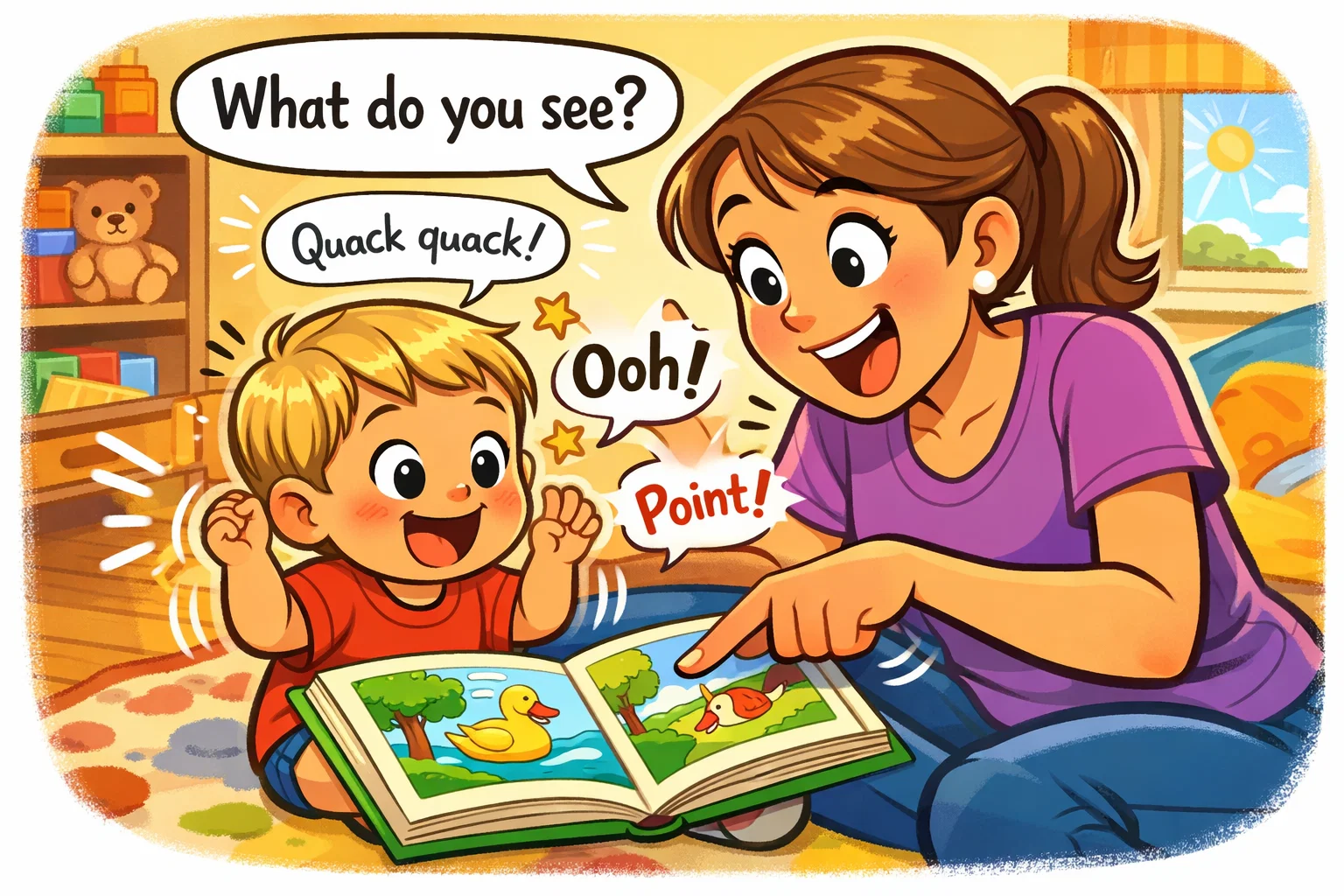
Choosing the right book is only half the equation. How a book is read matters just as much as which book is chosen.
Creating a Daily Reading Routine
Consistency is the single most powerful factor in building a reading habit. Reading at the same time each day — most commonly before nap or bedtime — creates a predictable ritual that toddlers quickly come to expect and look forward to. A quiet, comfortable space with minimal distractions makes it easier for young children to settle and focus.
Even five to ten minutes of daily reading has a measurable impact on language development and school readiness. The goal is not duration but regularity — a short, engaged reading session every day is more valuable than a longer, occasional one. For parents who want to love reading together as a family, building this habit early makes the experience natural rather than forced.
Using Voice and Expressions for Engagement
Flat, monotone reading loses toddlers quickly. Animated, expressive reading — changing voices for different characters, slowing down for suspense, getting louder or quieter to match the story — holds attention and makes the book genuinely exciting. Many classic toddler titles are designed with this in mind: the drumming rhythm of Hand, Hand, Fingers, Thumb practically demands physical movement, and the repetitive phrases of We’re Going on a Bear Hunt invite dramatic performance.
Toddlers learn not just from the words but from the emotional context in which those words are delivered. Expressive reading teaches them about tone, pacing, and the relationship between language and feeling.
Encouraging Participation and Interaction
Reading to a toddler should feel more like a conversation than a performance. Point to illustrations and name what you see. Ask simple questions: “Where’s the bear?” or “What sound does the duck make?” Pause before a repeated phrase and let the child fill it in. These moments of participation build early comprehension skills and make toddlers active participants in the story rather than passive listeners.
Some practical ways to encourage engagement include:
- Letting the child turn the pages at their own pace
- Pointing to words as you read them aloud
- Connecting the story to the child’s own experience (“remember when we saw a dog like that?”)
- Revisiting favourite books repeatedly without rushing toward new ones
Building a Lifelong Love of Reading Starts With Classics
The books a child encounters in their first three years leave a deeper impression than most parents realize. These early experiences with stories — the warmth of being held while a book is read, the excitement of a lifted flap, the comfort of a familiar bedtime rhyme — form the emotional foundation of a child’s relationship with reading for the rest of their life.
Classic children’s books have earned their status not through marketing but through genuine resonance: they work, repeatedly, across generations and cultures, because they are built around the things toddlers most need — simple language, vivid images, emotional truth, and the pleasure of repetition. Starting a toddler’s library with these titles isn’t just practical; it’s an investment in imagination, vocabulary, and empathy that will compound for years to come.
Frequently Asked Questions
How Many Books Should a Toddler Have?
There is no magic number, but most early childhood educators suggest having between 10 and 20 books accessible at any given time. This gives toddlers enough variety without overwhelming them. A small, rotating selection — where some books are put away and reintroduced periodically — can keep interest fresh. Quality matters far more than quantity: a handful of well-chosen classics will serve a toddler better than a large collection of forgettable titles.
Are Classic Books Still Relevant Today?
The core themes of classic toddler literature — love, friendship, curiosity, comfort, and adventure — are timeless. Some older titles have been updated in subsequent editions to reflect more diverse representations, while others are valued precisely as artifacts of their era. For parents focused on diversity and representation, many newer books complement classics beautifully, and publishers have made significant strides over the past two decades in expanding the range of voices, characters, and origin stories in children’s literature. Classics and contemporary titles can and should coexist on a toddler’s bookshelf.
When Should You Start Reading to a Baby?
Earlier than most people expect. The American Academy of Pediatrics recommends reading aloud to children from birth, noting that early exposure to language — even before a baby can understand the words — supports brain development, bonding, and the foundations of communication. By ages one to three, children are ready to engage actively with stories, point to pictures, and begin anticipating familiar phrases. There is no such thing as starting too early.
Take a short quiz to find out what your everyday choices say about your parenting style
When your child is curious about something new, what’s your instinct?
Take a short quiz to find out what your everyday choices say about your parenting style
“Can I download this app?” What happens next?
Take a short quiz to find out what your everyday choices say about your parenting style
When it comes to rules at home, which sounds most like you?
Take a short quiz to find out what your everyday choices say about your parenting style
If you could give your child one life skill today, what would you pick?
Take a short quiz to find out what your everyday choices say about your parenting style
Your child gets to choose what to watch. What would your ideal setup look like?
Take a short quiz to find out what your everyday choices say about your parenting style
Pick your parenting superpower ✨