How to Protect Your Child’s Digital Reputation

 Discover a Free Education Video App for Kids
Pastory uses AI to personalize educational video content based on your child’s interests and personality. Safe, engaging, and built for curious young minds. Sign up now to stay updated and enjoy early access with a free trial
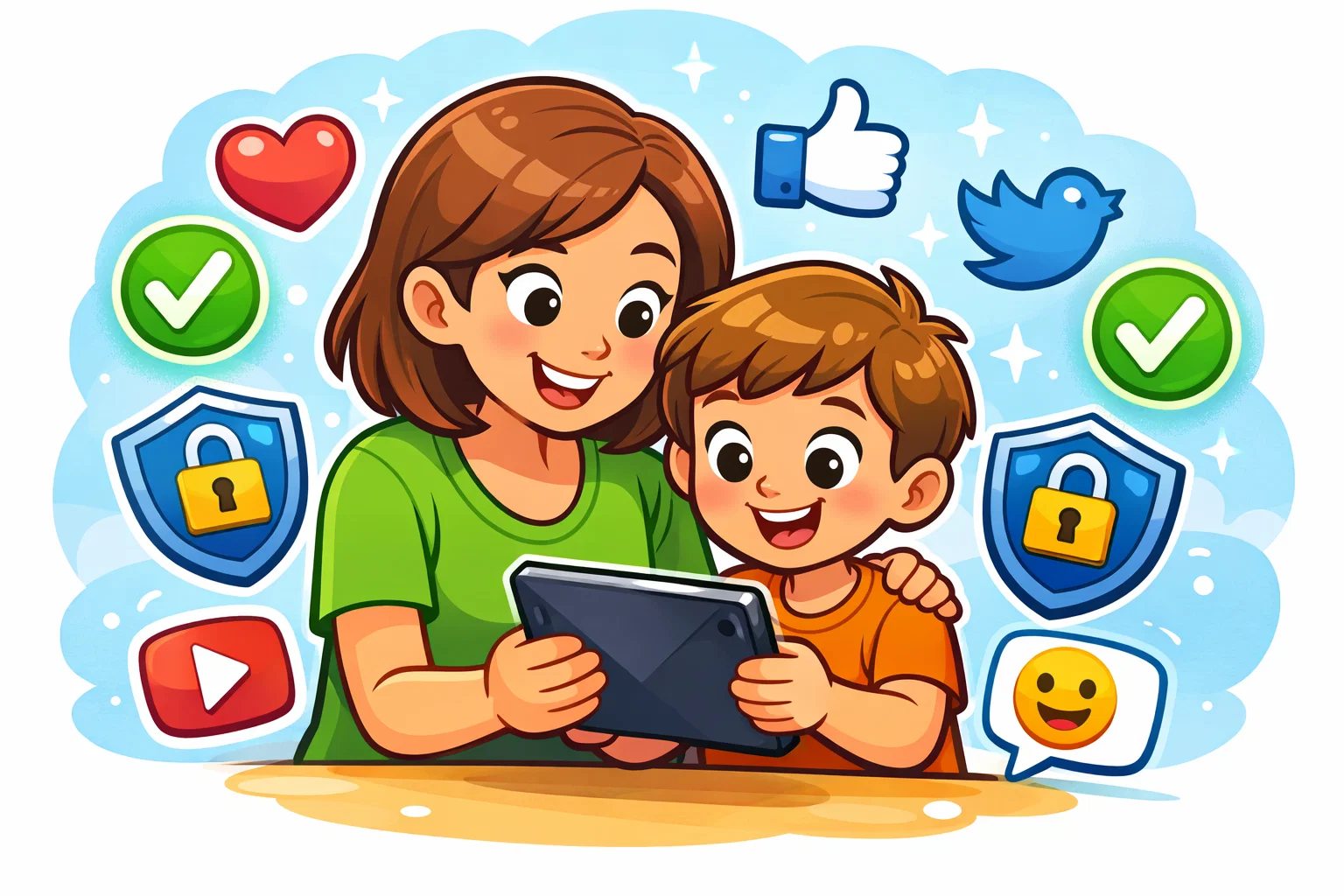
A minor’s digital reputation is an evolving mosaic formed by more than just their personal posts. It encompasses contributions from parents, relatives, schools, and even peripheral acquaintances through comments, tags, and shared screenshots. Protecting a digital reputation requires a proactive strategy to mitigate risks, establish firm family posting rules, and perform regular audits of available information.
By understanding that a digital footprint begins long before a youngster’s first login, families can implement a cleanup plan for any existing data and foster responsible behavior that serves the individual’s future interests.
Why Child’s Digital Reputation Matters
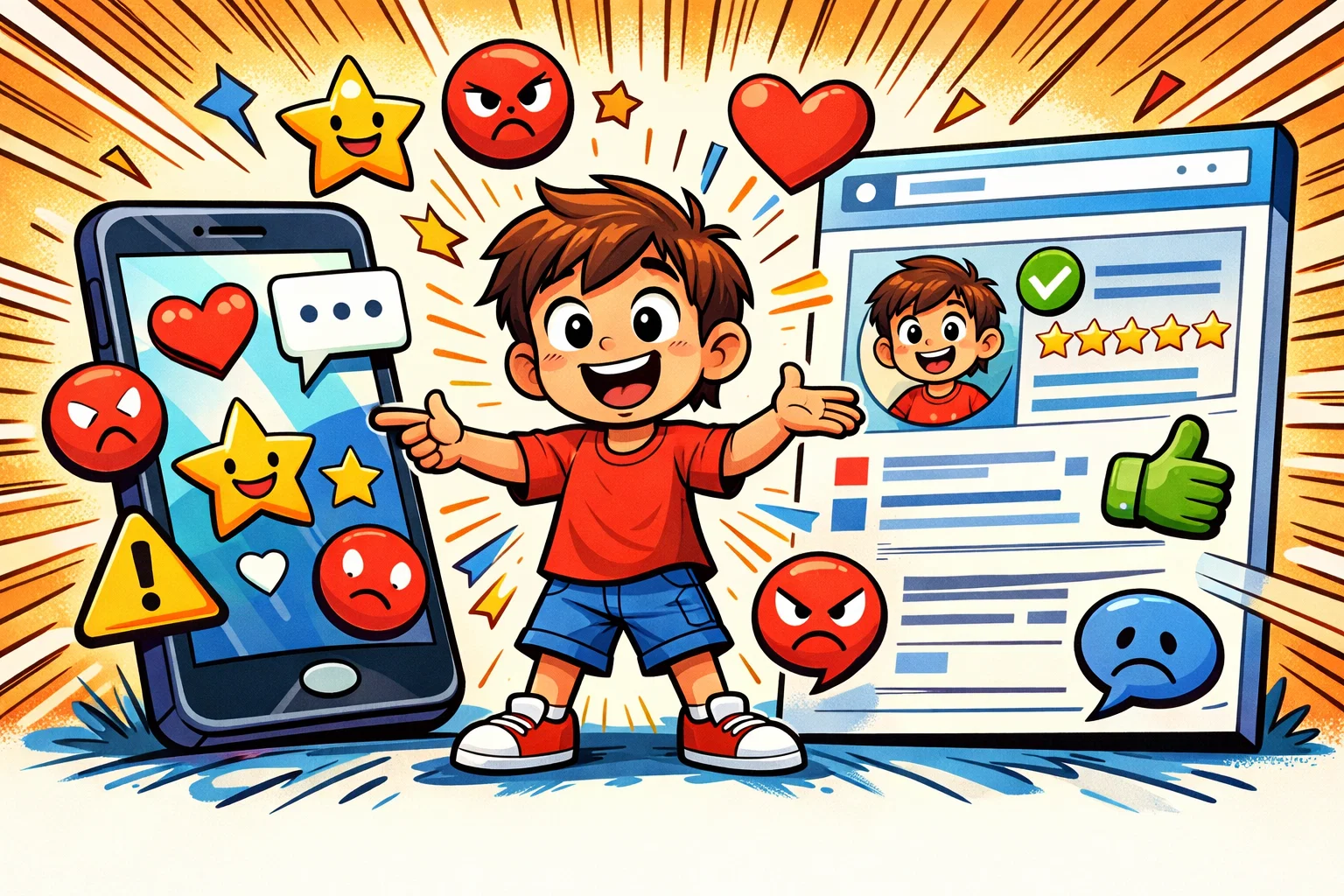
Establishing a positive digital reputation is critical because the virtual landscape acts as a permanent archive of a person’s development. Early activities can influence social dynamics and self-esteem well before a minor reaches adulthood. Professional educators and psychologists suggest that a well-managed identity acts as a protective layer against social friction and future academic or professional hurdles.
Reputation Starts Before First Personal Account
A person’s virtual standing often begins with “sharenting,” where parents post ultrasound photos or toddler milestones. Schools, sports clubs, and relatives contribute to this presence by publishing team rosters, award ceremonies, or group photos. Even if a youngster is not yet active on social platforms, their digital footprint is still being shaped by the adults and institutions in their lives.
School, Friends, Future Plans Impact
The virtual environment directly intersects with daily reality, where an embarrassing post or a leaked screenshot in a class chat can trigger bullying. A person’s virtual standing can impact university admissions and scholarship opportunities, as many institutions now screen the behavior of applicants. A searchable name associated with negative interactions can create barriers to future career paths before they even begin.
Parent Posts Shape Child Identity
Parents often curate a presence for their children that may not align with their developing sense of self. This unauthorized identity can lead to “identity interference,” where a minor feels pressured by the public persona their parents have created. Respecting privacy by seeking consent before sharing pictures fosters trust and teaches them the value of privacy settings.
What Online Reputation Means for Kids
In the digital space, a reputation is the collective perception formed by others based on all available information. It is the virtual version of a “first impression,” shaped by behavior, shared media, and the quality of interactions.
Digital Footprint vs Online Reputation
A digital footprint represents the raw data and information trails we leave behind, such as search history, likes, and location data. In contrast, a virtual reputation is the qualitative judgment or “image” derived from that data. While the footprint is the “what,” the reputation is the “so what” – how that data makes the person appear to the communities they inhabit.
Public Data vs Private Data
Many users mistakenly believe that privacy settings on social media offer absolute protection, but “private” data is often one screenshot away from becoming public. Data breaches, platform policy shifts, and the simple act of a “friend” forwarding a post can turn private content into a public liability. Experts at Internet Matters suggest treating all virtual activities as potentially permanent, regardless of current settings.
Posts, Tags, Comments, Screenshots
A person’s digital reputation is a composite of diverse elements, including usernames, avatars, and gaming activity. Every comment left on a video platform or a tag in a friend’s story adds to their digital portfolio. Because harassment often stems from misinterpreted comments, youngsters must understand that even “temporary” content like disappearing stories can be preserved via screenshots.
Digital Footprint Audit
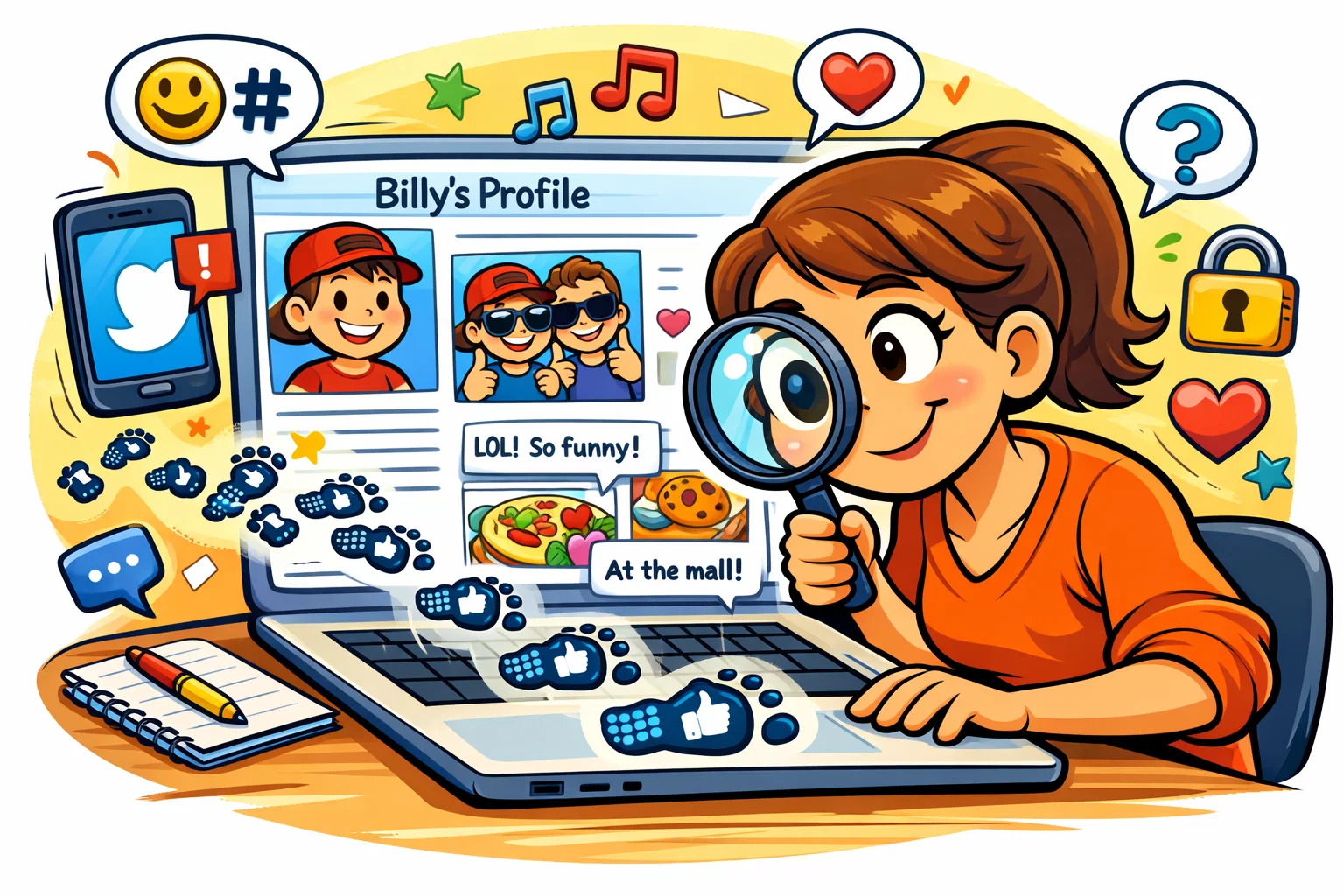
A digital footprint audit is a systematic review of the information associated with a specific individual. Performing these audits helps protect your child’s digital reputation by identifying and removing outdated or sensitive content.
Search Child Name in Google
Parents should search for their child’s full name and common nicknames across multiple search engines to see what presence is visible to the public. Using quotation marks around the name (e.g., ‘John Doe’) helps find specific matches, while checking the ‘Images’ and ‘Videos’ tabs reveals visual content. This process uncovers mentions in school newsletters, local news, or public tags that might require digital reputation management.
Review Social Profiles, Games, Apps
Auditing extends beyond Google to include platforms like TikTok and Snapchat, as well as gaming environments like Roblox or Discord. Families should check for old, unused accounts that may still contain personal photos or identifiable behavior. A comprehensive review ensures that privacy settings are strictly applied to all active interactions.
Set Google Alerts and Review Regularly
Setting up a Google Alert for a youngster’s name provides automated notifications whenever new information appears indexed by the search engine. This proactive measure allows guardians to manage their narrative in real-time rather than discovering issues months later. Scheduling a quarterly “digital checkup” ensures that as the minor spends more time in virtual spaces, their standing remains secure.
Risk Assessment for Child’s Online Presence
Assessing the risks associated with a minor’s virtual presence involves identifying vulnerabilities that could lead to harassment or reputational damage.
Reputation Risk from Oversharing
Oversharing personal stories, medical details, or ‘funny’ but embarrassing moments can create a digital footprint that may cause future distress. Sharing pictures that include school uniforms or home locations provides strangers with enough data to track a person’s physical movements. Limiting the volume of content shared is the most effective way to protect your child’s long-term safety.
Reputation Risk from Peer Content
A person’s reputation is often vulnerable to the actions of their peers, who may post unflattering photos or tag them in controversial spaces. Group chats and virtual communities are common breeding grounds for screenshots that can be taken out of context. Educating youngsters on how to ask friends to remove tags or delete photos is a key part of digital literacy.
Reputation Risk from Searchability
Highly searchable data, such as a real name used as a gaming handle or a public school profile, makes it easy for strangers to navigate the virtual landscape to find a specific individual. Using unique identifiers or generic usernames helps children navigate their digital lives with a degree of anonymity. Reducing searchability is a core component of protecting children from unwanted attention.
4Cs of Online Safety
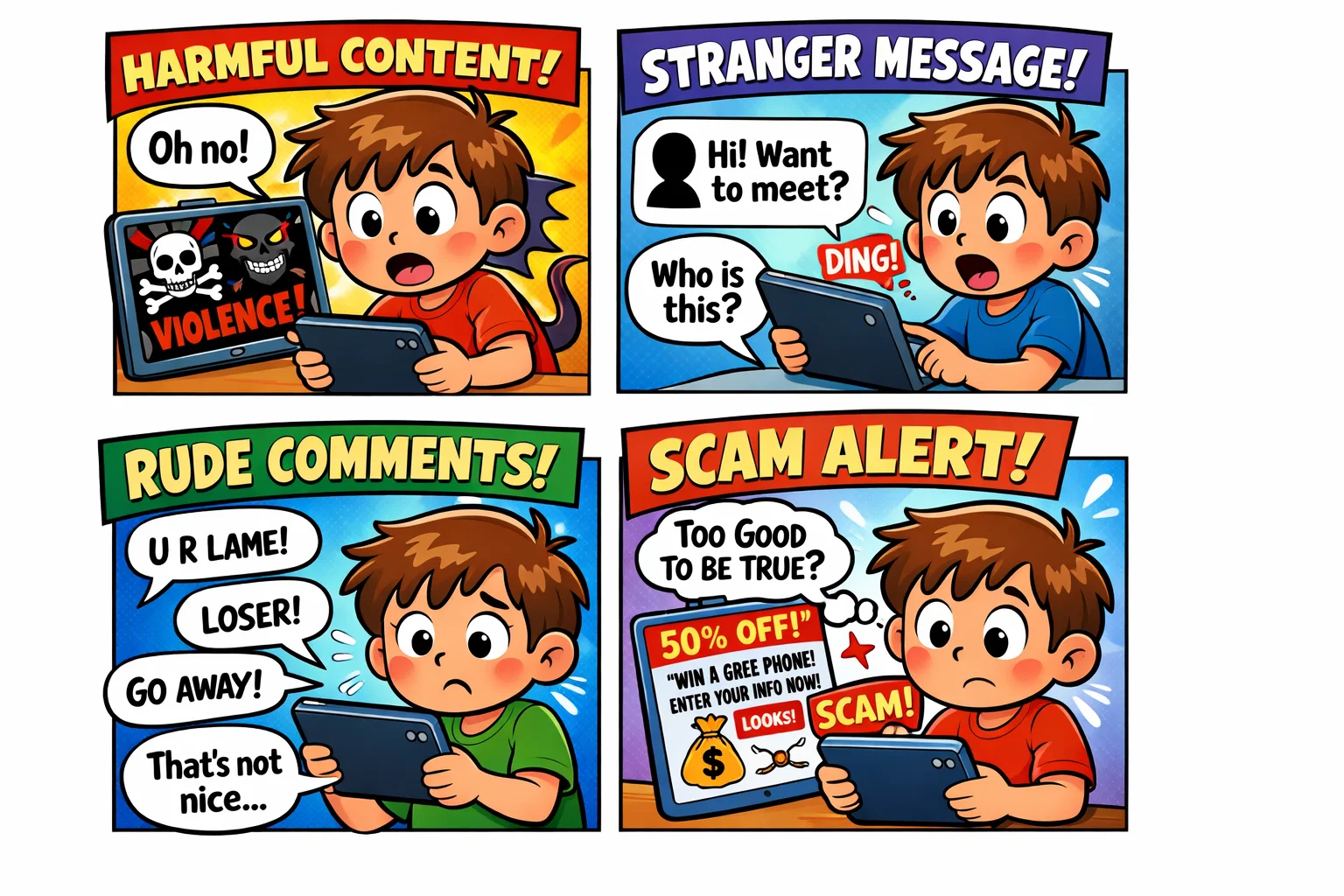
The “4Cs” framework, advocated by organizations like the NSPCC, categorizes the various forms of risks a person might encounter in virtual environments.
| Risk Category | Description | Primary Concern |
| Content | Exposure to harmful or age-inappropriate material. | False news, viral challenges, toxic forums. |
| Contact | Interactions with untrustworthy individuals. | Grooming, harassment, predatory DMs. |
| Conduct | The person’s own behavior toward others. | Cyberbullying, impulsive posting, hate speech. |
| Commerce | Financial risks and data exploitation (e.g., phishing, in-app purchase scams). | Phishing, in-app purchase scams, data harvesting. |
Content Risks
Content risks involve exposure to material that can negatively influence a person’s behavior or worldview. This includes viral trends that encourage dangerous physical acts or virtual environments that promote self-harm. Engaging with harmful content can inadvertently damage a person’s standing if they are seen supporting or sharing such material.
Contact Risks
Contact risks arise when a minor is active in virtual spaces and interacts with strangers who may have malicious intent. Grooming often begins in games or through direct messages on apps. Helping kids manage their digital interactions requires teaching them to recognize the signs of manipulative behavior from strangers.
Conduct Risks
Conduct risks focus on how the youngster’s own interactions shape their digital reputation. Impulsive comments or participation in bullying can have lasting consequences on their identity. Teaching responsible behavior ensures that the individual treats others with respect in all virtual spaces.
Commerce Risks
Commerce risks occur when youngsters are targeted by scams or “free” giveaways that are designed for data harvesting. Entering personal details into a suspicious website creates a digital footprint that can be sold to third parties. Training youngsters to stay safe includes recognizing phishing attempts and protecting their privacy from commercial exploitation.
Open Communication and Family Rules
The foundation of a safe virtual experience is a transparent relationship between parents and youngsters regarding engagement.
Talk Early and Talk Often
Parents should initiate conversations about the digital world as soon as a child begins using social media or games. Short, frequent discussions about real-world examples of behavior are more effective than a single, long lecture. This ongoing dialogue helps children be safe by ensuring they feel comfortable reporting issues without fear of punishment.
Create Family Posting Rules
A family “social media policy” should outline what types of content are acceptable to share. This policy might prohibit posting pictures that show a school logo or current location. Establishing these boundaries helps protect their presence and sets clear expectations for both parents and offspring.
Ask Consent Before Sharing Child Content
Modeling responsible behavior starts with parents asking their offspring for permission before posting their photo. This practice teaches the concept of privacy and body autonomy from a young age. As youngsters grow, they learn that maintaining a positive online reputation involves respecting the boundaries of others.
Think Before You Post
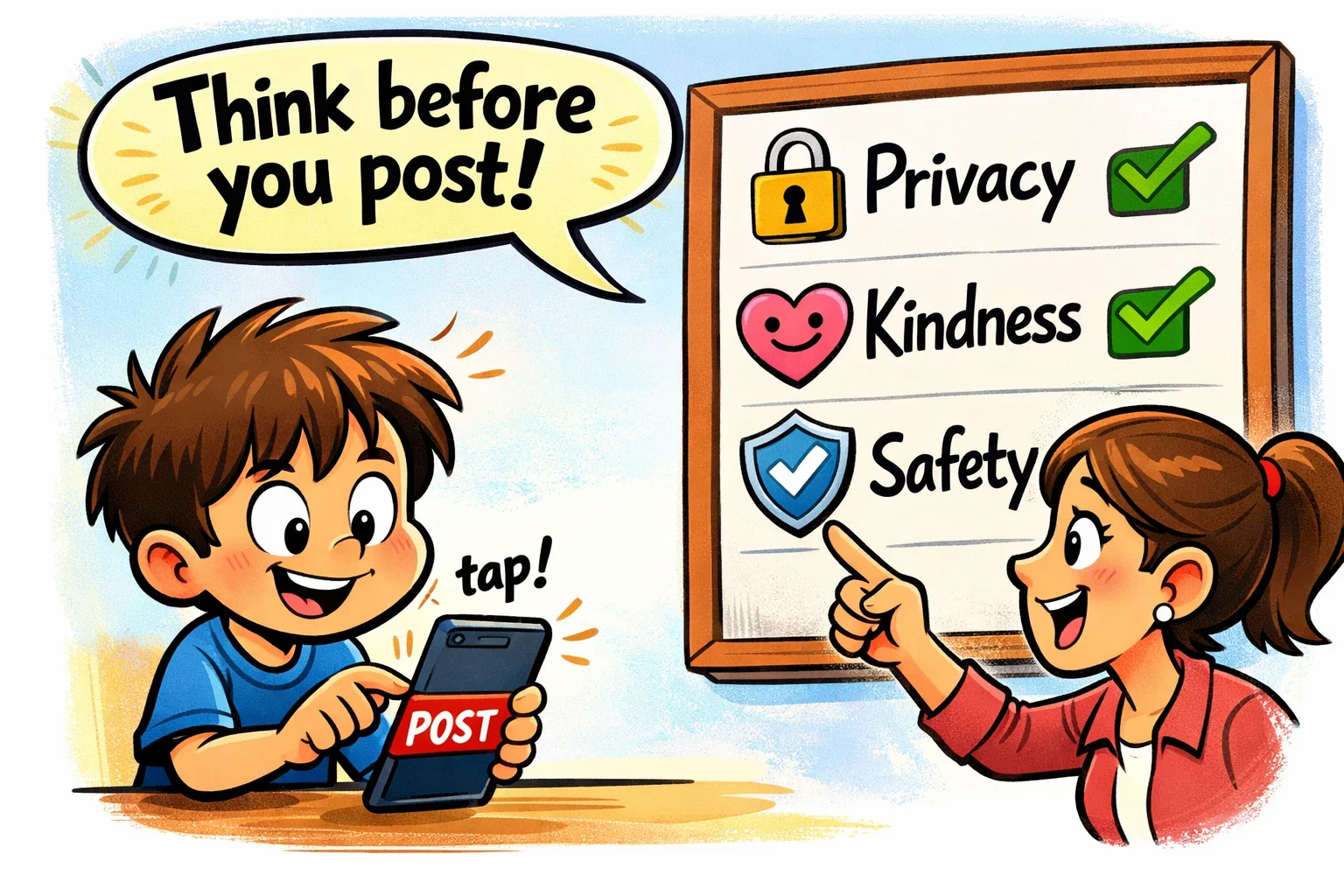
The virtual environment is less forgiving than offline spaces because content is easily archived and shared.
Five-Question Check Before Posting
Before a youngster or parent clicks “post,” they should run through a quick mental checklist:
- Would I be okay with a teacher or future employer seeing this?
- Does this post contain personal information like my address?
- Do I have the consent of everyone featured in this photo?
- Is the tone of this post kind and respectful?
- Am I posting this while feeling angry or impulsive?
Public vs Private Online
It is vital to explain that the “private” setting on platforms is a tool, not a guarantee. Even within “Close Friends” lists, interactions can be screenshotted and shared with a wider audience. Understanding that every virtual interaction is potentially public helps kids build a positive digital presence.
Photos, School Names, Location Tags
Small details like a house number in the background or a “First Day of School” sign provide enough information to compromise a youngster’s safety. Location tags in virtual spaces can allow strangers to map out a person’s daily routine. Removing these identifiers is a simple but powerful way to protect your child’s digital reputation.
Privacy Settings, Security, and Account Setup
Technical safeguards provide the first line of defense in protecting children from external threats.
Privacy Settings on Social Platforms
Parents should manually review the privacy settings on every app the child uses. This includes restricting who can see posts, disabling “discoverability” via phone number, and turning off location sharing. Use privacy settings on social media to ensure that only approved “friends” can interact with the minor’s presence.
Strong Passwords and Account Security
A secure virtual experience requires unique, complex passwords for every account to prevent hacking. Implementing two-factor authentication (2FA) adds a vital layer of protection for accounts. These technical habits are essential for staying safe and preventing unauthorized access to a youngster’s identity.
Generic Usernames Instead of Real Names
Using a pseudonym or a generic username for games and apps makes a person’s activities harder to trace back to their legal identity. This “blurring” of the digital footprint helps protect our children’s privacy from data brokers and search engines. Avoiding real names in handles is a cornerstone of safe use and supports digital reputation.
Parental Controls and Device Boundaries
While not a substitute for education, parental controls help support digital reputation management by limiting a youngster’s exposure to high-risk areas.
Parental Controls by Device Type
Different devices offer specific tools to help children navigate the internet safely:
- Smartphones: Screen time limits and app approval requests.
- Tablets: Restricted profiles that filter content.
- Consoles: Communication filters that block chat with strangers.
- Laptops: Web filtering software to block harmful communities.
Screen Time and Tech-Free Zones
Reducing the amount of time spent interacting in virtual spaces can decrease the likelihood of impulsive or late-night posting. Establishing “tech-free zones,” such as the dinner table or bedrooms, encourages online and offline balance. Controlled engagement leads to more thoughtful and positive contributions.
Monitoring Without Overcontrol
The goal of monitoring is to support digital literacy, not to eliminate trust. Parents should explain that they are monitoring behavior to keep the youngster safe, rather than to “spy.” This approach helps kids build a positive digital presence by allowing them some autonomy while maintaining a safety net.
Positive Online Presence and Digital Citizenship
To ensure a balanced approach, it is vital to focus not just on restrictions but on building a beneficial virtual legacy. This proactive stance transforms a potentially passive digital footprint into a curated digital portfolio of achievements.
Kindness, Respect, and Online Behavior
A positive standing is constructed through consistent responsible behavior. Encouraging youngsters to leave supportive comments on friends’ projects or engage in polite disagreement teaches empathy in online interactions. High-quality digital literacy involves understanding that every “like” and “share” reflects the person’s values and character.
Content That Helps Child Stand Out Positively
Families should encourage youngsters to use the virtual world to showcase their talents. Whether it is posting a school project on a safe online world platform or sharing art in moderated online communities, these actions create a “buffer” of positive data. This strategy ensures that when a recruiter or school official searches for a name, they find evidence of creativity, volunteering, and good digital citizenship.
Parent Role Model Online
Adults must model the behavior they expect from their offspring. If a parent frequently posts without asking for consent or engages in heated debates in the online world, the youngster will likely mirror those actions. Demonstrating a mindful approach to one’s own digital reputation is the most powerful teaching tool available to parents to guide their offspring safely.
Age-Based Guidance
A person’s needs in the digital age change as they mature, requiring different strategies for digital reputation management.
Ages 3–8
For young youngsters, the focus is entirely on the parents’ behavior. Parents should use nicknames instead of real names in posts and avoid sharing any information that could identify the school or home. Teaching the “Stop-Think-Ask” rule prepares them for future interactions.
Ages 9–12
As youngsters enter games and class chats, the risk of bullying increases. Parents should discuss the concept of “digital permanence” and the risks of taking and sharing screenshots. This is the stage to introduce privacy settings and the importance of responsible communication with peers.
Ages 13–17
Teenagers often use platforms to experiment with their identity. Guidance should shift toward maintaining a positive online reputation for college and job applications. Teens should be encouraged to perform a “cleanup” of old content and ensure their digital portfolio reflects their current values.
Cyberbullying, Grooming, and Harmful Contact
A secure virtual standing is rarely threatened in a vacuum; it is often linked to more severe forms of interpersonal conflict.
Cyberbullying Signs
Recognizing online bullying is the first step in protecting a youngster’s well-being. Signs may indicate trouble if the individual suddenly deletes their online accounts, appears anxious when receiving notifications, or becomes socially withdrawn. Prompt intervention helps prevent the situation from escalating into permanent reputational damage.
Blocking, Reporting, Saving Evidence
When faced with online harassment, the first rule is to stop all digital interactions with the aggressor. Youngsters should be taught to “Block, Report, and Save.” Taking screenshots provides necessary evidence if the school or authorities need to be involved. Using the report tools on social media apps is a crucial part of being safer online.
When Reputation Harm Becomes Safety Issue
In some cases, a minor issue can transform into a safety emergency, such as online grooming or doxxing. If a youngster is being pressured for intimate photos or if their personal online information is being weaponized against them, it is no longer just a “reputation” problem. Parents must seek help from specialized organizations or law enforcement to ensure the youngster is safe.
Cleanup Plan for Damaged Digital Reputation
If a child’s reputation has been negatively affected by past activities, a recovery plan can help suppress the damage.
Delete Old Accounts and Unused Profiles
The first step in a cleanup is to identify and delete unused accounts that may contain outdated or embarrassing behavior. Closing these profiles removes the raw data from the digital footprint.
Remove Photos and Ask Third Parties
If a third party has posted unwanted content, parents should politely request its removal. Most platforms have tools to report pictures that were posted without consent. This helps protect your child’s image from being defined by others.
Push Positive Content Higher in Search
“Suppression” involves creating a new, positive digital presence to push negative search results off the first page. This can be achieved by creating a clean, professional-looking digital portfolio or blog focused on hobbies and achievements. Building a positive digital image is an effective way to manage their narrative.
When to Report, Remove, and Get Help
There are moments when standard family rules are insufficient, and professional intervention is required to protect their online standing.
Report Content on Platforms
Most social media platforms have dedicated reporting channels for impersonation, harassment, or the sharing of intimate images. Acting quickly to report online harassment can prevent a post from going viral. Safe use and support digital health involves utilizing these built-in platform protections.
Contact School, Club, or Site Owner
If the harmful content originated from a peer, contacting the school or a local club is often necessary. Educational frameworks suggest that a coordinated response between online and offline authorities is the most effective way to resolve conflicts. Site owners are often legally obligated to remove personal data if it violates their terms of service.
Seek Specialist Help
If a situation involves criminal activity, such as sexual exploitation or persistent online harassment, parents should not handle it alone. Organizations like the IWF or local cybercrime units provide specialized support for digital reputation management. Protecting a child’s online safety requires knowing when to call in the experts.
Parent Mistakes That Hurt Child’s Reputation
Even well-meaning guardians can inadvertently damage a youngster’s future through common digital errors.
Posting Embarrassing Moments
Posting a video of a toddler’s tantrum might seem harmless, but that online content remains associated with their name forever. What is “cute” at age 3 can be deeply humiliating at age 15. Guarding a youngster’s dignity is a key part of protecting children.
Trusting Private Accounts Too Much
Believing that a “private” account is a fortress is a significant mistake. Families often forget that followers change and privacy policies evolve. Understanding that every online post is a potential public record is the safest mindset.
Sharing Too Much Identifiable Data
Mentioning a youngster’s specific grade, team name, or birthday in the online world makes them a target for data harvesters. These small pieces of online information can be combined to form a shockingly accurate profile of a minor’s life.
FAQ
What Does Online Reputation Mean for a Child?
It is the public perception of a person based on their behavior, the information shared about them, and their virtual interactions.
How Do I Teach Kids About Online Reputation Management?
Start with open dialogue about the permanency of the virtual landscape and use a checklist to evaluate posts before they go live.
Why Should Children Manage Online Reputation?
Because a negative standing can impact future friendships, school admissions, and employment opportunities.
Is It Okay to Post Pictures of Children Online?
It is generally safe if privacy settings are high, but it is best to avoid identifiable data and always ask for the youngster’s consent as they grow.
Is Private Instagram or Friends-Only Facebook Safe Enough?
No. Content can be screenshotted or shared, meaning “private” material can become public instantly.
How Can Parents Clean Up Old Content About Children?
By deleting old accounts, requesting the removal of photos from third parties, and creating new, positive content.

Take a short quiz to find out what your everyday choices say about your parenting style
When your child is curious about something new, what’s your instinct?
Take a short quiz to find out what your everyday choices say about your parenting style
“Can I download this app?” What happens next?
Take a short quiz to find out what your everyday choices say about your parenting style
When it comes to rules at home, which sounds most like you?
Take a short quiz to find out what your everyday choices say about your parenting style
If you could give your child one life skill today, what would you pick?
Take a short quiz to find out what your everyday choices say about your parenting style
Your child gets to choose what to watch. What would your ideal setup look like?
Take a short quiz to find out what your everyday choices say about your parenting style
Pick your parenting superpower ✨