Child Development

Ramp Racer Challenges for Kids: STEM Fun with Speed and Design
Ramp racer challenges for kids turn the simple thrill of a rolling car into a hands-on lesson in physics, engineering, and problem-solving. By adjusting angles, testing surfaces, and timing runs, children explore real science concepts without a screen in sight — making ramp racing a practical choice for both home and...

3 Pulley Challenge Activities for Kids: Examples of Pulleys in Daily Life
Pulleys are among the most familiar examples of simple machines in daily life — from flagpoles and window blinds to elevators and construction cranes. This hands-on pulley challenge helps kids connect those everyday examples to real physics concepts like mechanical advantage, force direction, and load versus effort through...

Wind-Powered Pinwheel Challenge for Kids: Power Output Experiment
Have you ever looked out the window on a blustery day and watched a pinwheel spinning at lightning speed? Or perhaps, while driving through the countryside, you’ve seen a wind turbine standing tall like a giant, futuristic windmill? While one is a toy and the other is a massive piece of engineering, they both operate on...

Hypothesis Writing for Kids Science Experiments
Teaching children how to form a scientific prediction turns their natural curiosity into a structured skill. At its core, this is an educated guess that can be tested through observation. In the world of young scientists, writing a prediction means asking, “What do I think will happen, and why?” and then designing a...

Data Collection Charts for Kids Experiments
In the world of early childhood development, a science experiment is more than just a messy kitchen counter or a vinegar volcano; it is a fundamental building block for logical reasoning. When children engage in hands-on activities, they aren't just playing—they are acting as mini-scientists. Using a data collection chart...
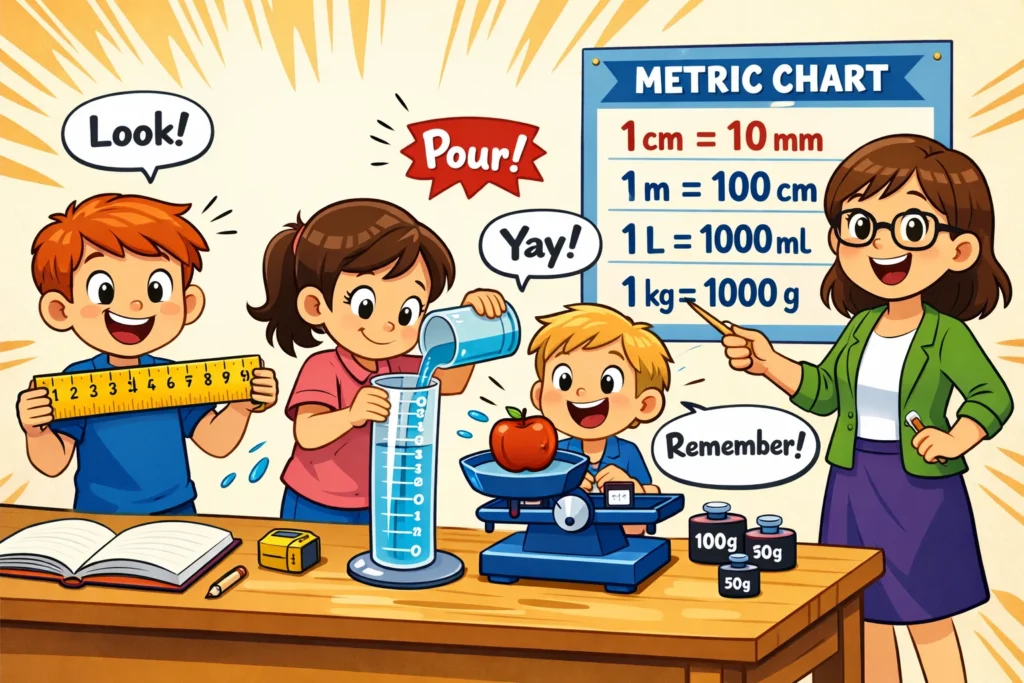
Measurement Activities for Kids in Science Using Metric System
Teaching the metric system is more than just a maths lesson; it is the fundamental language of global science. For elementary students and middle schoolers alike, understanding how to measure the length of a leaf or the mass used in a chemistry experiment provides a bridge between abstract numbers and physical reality....