Relaxing Sleep Music for Kids: How to Choose the Perfect Bedtime Sounds

 Discover a Free Education Video App for Kids
Pastory uses AI to personalize educational video content based on your child’s interests and personality. Safe, engaging, and built for curious young minds. Sign up now to stay updated and enjoy early access with a free trial
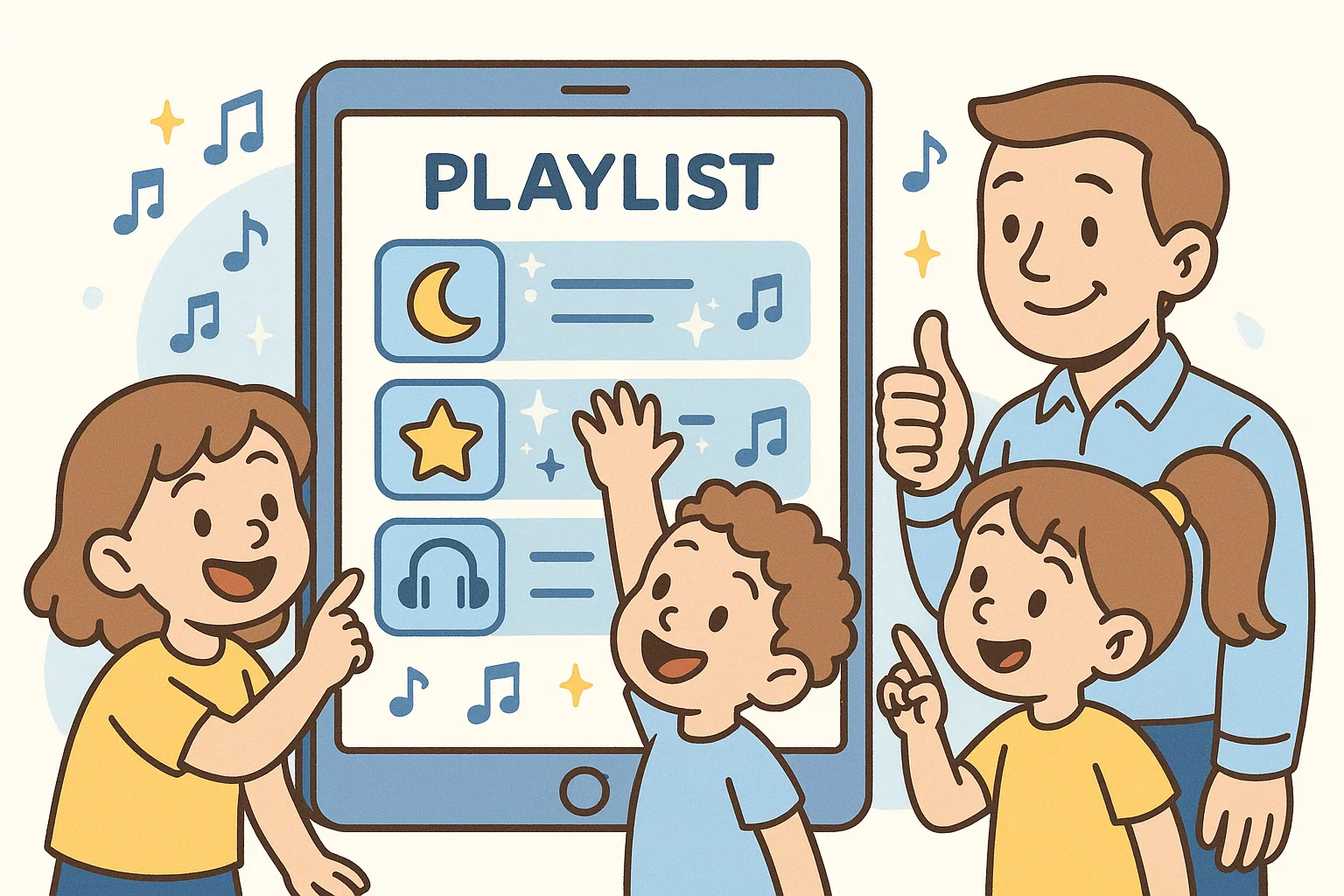
Getting a little one to sleep can be one of the most challenging parts of parenting. Whether you’re rocking a fussy infant or coaxing a reluctant toddler into bed, relaxing music for kids offers a proven, gentle tool to ease the transition from wakefulness to rest. From classic baby lullabies to ambient nature sounds, the right bedtime audio can soothe stress, signal that sleep is coming, and help children drift off more quickly and stay asleep longer.
This guide covers the best types of sleep music for children, how to choose the right sounds for your child’s age and temperament, how to build music into your nightly routine, and common mistakes to avoid — so both you and your little one can enjoy more peaceful nights.
Best Types of Relaxing Music for Kids
Not all music works the same way. Different types of audio serve different purposes, and understanding what each offers helps parents make smarter choices at bedtime.
Lullabies and Soft Melodies
Lullabies are among the oldest and most universal tools parents use to soothe babies to sleep. These simple, repetitive songs create emotional comfort through familiar melody and the sound of a caring voice.
Research published in Pediatrics found that live lullaby singing reduced stress indicators in premature infants, including heart rate and feeding difficulty — suggesting that even in the earliest weeks of life, a sweet lullaby has measurable physiological effects. The gentle, predictable patterns of a classic lullaby also help infants and toddlers regulate their emotions, making the shift to sleep feel safe rather than sudden.
Nature Sounds and Ambient Audio
Sounds like rainfall, ocean waves, rustling leaves, and forest ambiance create a consistent, peaceful auditory backdrop that can mask household noise and help children settle. Nature sounds work partly because they mimic the ambient sounds babies heard in the womb — steady, low-frequency, and rhythmic.
For older children, the cozy feeling of listening to rain while drifting off can become a powerful sleep association, making bedtime something to look forward to rather than resist.
Instrumental Music and Piano Tunes
Slow-tempo instrumental tracks — particularly piano, acoustic guitar, or gentle strings — offer the calming qualities of music without the stimulating effect of lyrics. When a song includes words, a child’s brain works to process language, which can keep them more awake and alert.
Lyric-free music sidesteps this problem entirely. Studies on music and sleep suggest that slow instrumental tracks at 60–80 beats per minute can help synchronize breathing patterns and heart rate with a restful state.
White Noise and Sleep Frequencies
White noise produces a consistent, unchanging sound that covers sudden environmental disruptions — a door closing, traffic outside, or a sibling’s voice — that might otherwise startle a child awake. Some families also use pink noise (a softer variant) or binaural beats tuned to sleep-supporting frequencies.
Best Lullabies for Kids Sleep
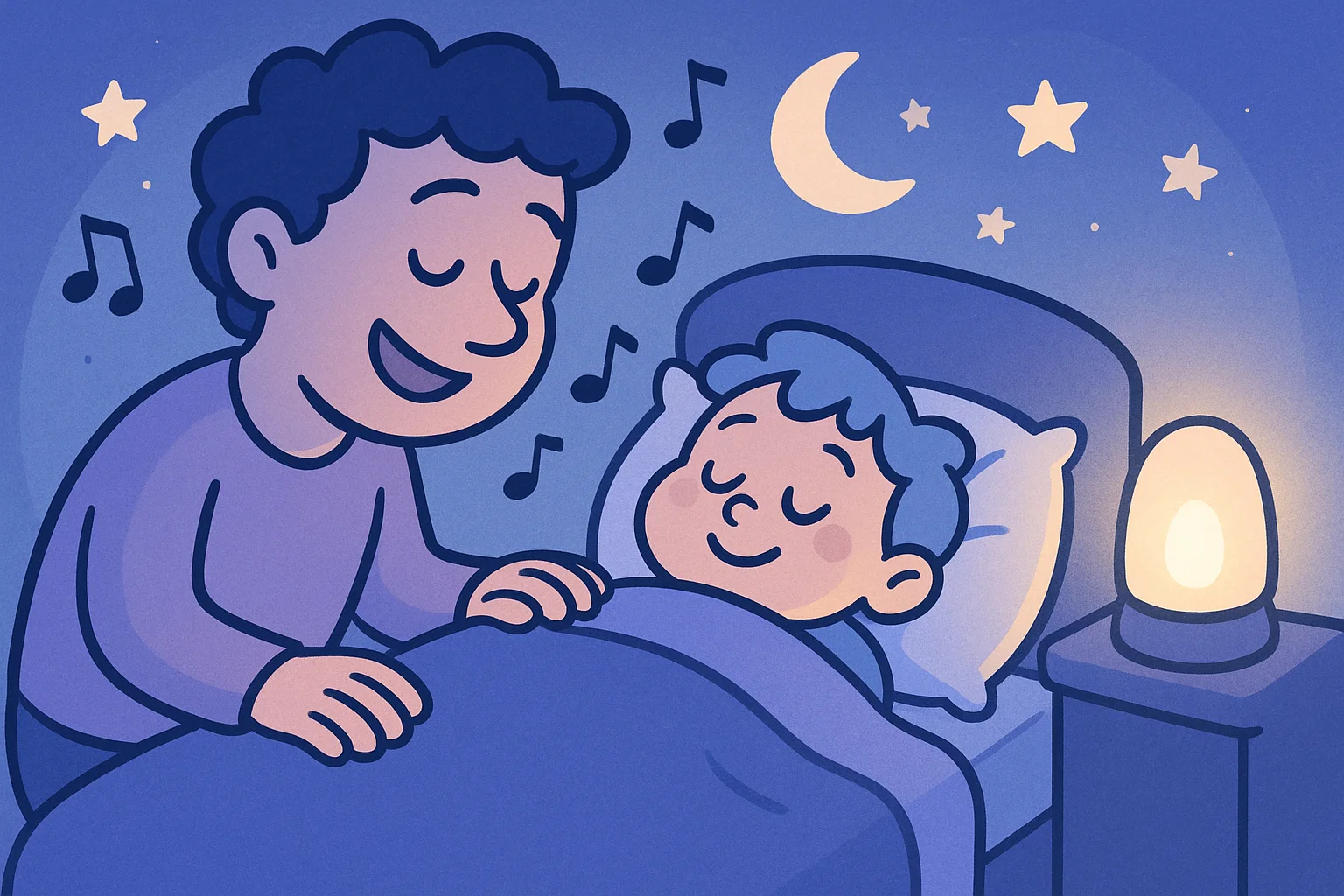
Lullabies span centuries and cultures, but the best ones share a few qualities: simple melodies, gentle rhythms, and words (or pure tune) that comfort rather than stimulate.
Classic Lullabies Parents Trust
Songs like “Twinkle Twinkle Little Star,” “Hush Little Baby,” and “You Are My Sunshine” have endured for generations because they combine easy-to-remember melodies with warm, reassuring messages. These classic lullabies are easy for parents to sing without accompaniment, which adds the bonus of the child hearing a familiar, loving voice.
These are the “core” lullabies most parents recognize and still use today:
- “Twinkle, Twinkle, Little Star” – One of the most widely known lullabies, with lyrics dating back to 1806
- “Rock-a-Bye Baby” – A traditional cradle song with centuries-old roots
- “Hush, Little Baby” – A soothing call-and-response lullaby from the U.S.
- “Brahms’ Lullaby (Wiegenlied)” – A classical favorite composed in 1868
- “All the Pretty Little Horses” – A traditional American lullaby with deep historical roots
Modern Lullabies for Better Sleep
Contemporary artists have created entire lullaby albums designed for children’s sleep, featuring soft vocals, gentle guitar, and unhurried tempos. Artists in the “indie lullaby” genre often take familiar adult songs and reimagine them with slower pacing and hushed delivery, creating a bridge between the music parents enjoy and the soothing quality babies need. These modern versions tend to be longer — often 5 to 10 minutes — which supports a more gradual transition into sleep.
Instrumental Versions of Popular Lullabies
Instrumental renditions of classic lullabies remove the cognitive demand of processing lyrics while preserving the familiar, comforting melody. For infants especially, an instrumental version of a typical lullaby can be ideal — the tune registers as safe and familiar, but there’s nothing to “listen to” in a way that keeps the brain active.
Piano and music box versions of songs like “Twinkle Twinkle” or “Brahms’ Lullaby” are widely available and particularly well-suited to the falling-asleep phase of the bedtime routine.
Cultural Lullabies from Around the World
Every culture has developed its own tradition of sleep songs, and many of these have a deeply melancholy, soulful quality that’s uniquely effective at calming children. Swedish vuggeviser, Japanese komoriuta, and West African lullabies all use different scales and rhythms, yet serve the same purpose: helping a little baby feel held and secure enough to let sleep come.
Many cultures have their own beloved bedtime songs:
- “Dodo, l’enfant do” (France)
- “Edo Lullaby (Edo no Komoriuta)” (Japan)
- Scottish lullabies like “Baloo Baleerie” or “Coorie Doon”
- “Suo Gân” (Wales)
- “Thula Baba” (South Africa)
Exposing children to cultural lullabies from around the world also supports early music appreciation and emotional development — a meaningful benefit beyond just getting them to sleep.
How to Choose Relaxing Music for Kids Sleep
Selecting the right sleep music isn’t one-size-fits-all. What soothes a newborn may not work for a five-year-old, and what calms one child may overstimulate another.
Consider Child Age and Preferences
| Age Group | Best Music Style | Example Songs (Themes) |
| Babies (0-1 yr) | Simple lullaby melodies, mother’s voice, white noise. | “Hush Little Baby,” “Twinkle, Twinkle, Little Star” |
| Toddlers (1-3 yrs) | Familiar songs, simple actions, gentle folk song versions. | “You Are My Sunshine,” slow nursery rhymes. |
| Preschoolers (3-5 yrs) | Classic Disney songs, simple instrumentals, positive themes. | “Somewhere Over the Rainbow,” gentle instrumental piano pieces. |
| School-Aged (6+ yrs) | Light classical music, ambient soundscapes, soft movie scores. | Massenet’s “Méditation,” The Beatles’ gentle tracks. |
Select Appropriate Tempo and Volume
Tempo and volume are two of the most important variables in sleep music. A tempo of 60–80 BPM (beats per minute) closely mirrors a resting heart rate, which helps guide the body toward a calmer physiological state. Volume should stay low — ideally between 40 and 50 decibels, roughly equivalent to a quiet conversation or gentle rainfall. Louder audio can actually increase arousal rather than reduce it, and prolonged exposure to sounds above 50 decibels poses a risk to developing hearing in infants.
Avoid Stimulating Sounds or Lyrics
Upbeat songs with fast tempos, call-and-response patterns, or engaging lyrics can inadvertently signal to a child’s brain that it’s time to be active and attentive — the opposite of what’s needed at bedtime. Even songs a child loves during the day may not translate well to a sleep context if they’re energetic or emotionally activating. The goal is audio that fades into the background rather than demanding attention.
Test and Adjust Based on Sleep Response
Every child responds differently. Start with one category — lullabies, nature sounds, or soft instrumental — and observe over several nights whether your child falls asleep more easily, stays asleep longer, or wakes less frequently. If one approach isn’t working after a week, switch to another. Keeping a simple log of what you tried and how your child responded helps identify patterns faster.
How to Use Relaxing Music in Bedtime Routine
Music is most effective as part of a consistent, predictable bedtime ritual rather than as a standalone fix.
Create a Consistent Sleep Schedule
The brain learns to associate certain cues with sleep. When music appears at the same point in the routine each night — after a bath, after a story, just before lights out — it gradually takes on the quality of a sleep trigger.
The American Academy of Pediatrics recommends consistent bedtimes for children of all ages, noting that regular schedules improve sleep quality, mood, and daytime behavior.
Play Music 15–30 Minutes Before Sleep
Starting calming music 15 to 30 minutes before the intended sleep time gives the nervous system time to shift gears. This window is particularly useful during the pre-sleep phase when children are still in bed but not yet asleep — a time when the right audio can prevent restlessness from escalating into full wakefulness.
Combine Music with Other Calming Activities
Sleep music works best when it’s paired with other wind-down activities that reduce stimulation:
- Dim or warm lighting to signal to the brain that darkness is approaching
- A warm bath 30–60 minutes before bed, which causes a natural drop in body temperature afterward
- Quiet reading or gentle storytelling
- Light physical contact like a back rub or gentle stroking
These combinations reinforce the body’s natural sleep signals and build a cozy, reliable pre-sleep ritual.
Use Timers or Auto Shut-Off Features
Most children fall asleep within 20–30 minutes of settling. Setting a timer so music stops after 30–45 minutes prevents it from playing all night, which can actually reduce sleep quality by creating a dependency — the child may partially wake during natural cycles and need the music to be playing to return to sleep.
Common Mistakes When Using Sleep Music for Kids
Even well-intentioned use of sleep music can backfire if a few key mistakes aren’t avoided.
Playing Music Too Loud
Volume is one of the most commonly overlooked factors. Parents sometimes assume louder equals more soothing, but sounds above 50–60 decibels can actually stimulate rather than calm. For infants, the World Health Organization recommends keeping nursery sound environments below 45 decibels during sleep.
Choosing Music with Lyrics
Songs with lyrics — even slow, gentle ones — activate the language-processing regions of the brain, which works against the goal of reducing mental activity. A sweet lullaby sung live by a parent is an exception, because the emotional bond and vocal warmth outweigh the cognitive stimulation. But recorded songs with lyrics, especially unfamiliar ones, tend to hold children’s attention in ways that delay sleep onset.
Inconsistent Bedtime Routine
Using sleep music sporadically rather than as part of a nightly ritual reduces its effectiveness significantly. The calming power of music at bedtime is largely conditioned — it works because the brain has learned to associate it with sleep. Without consistent repetition, that association never forms strongly enough to be reliable.
Overdependence on Music for Sleep
If a child can only fall asleep when music is playing, they may struggle to return to sleep independently after natural overnight waking. Specialists generally recommend building multiple calming cues into a routine — music, dim lighting, a stuffed animal, a consistent bedtime — so that no single element becomes an indispensable crutch.
Free Calming Music Resources for Parents
High-quality sleep music for children doesn’t have to cost anything. A wide range of free resources are available across different platforms.
YouTube Channels with Kids Sleep Music
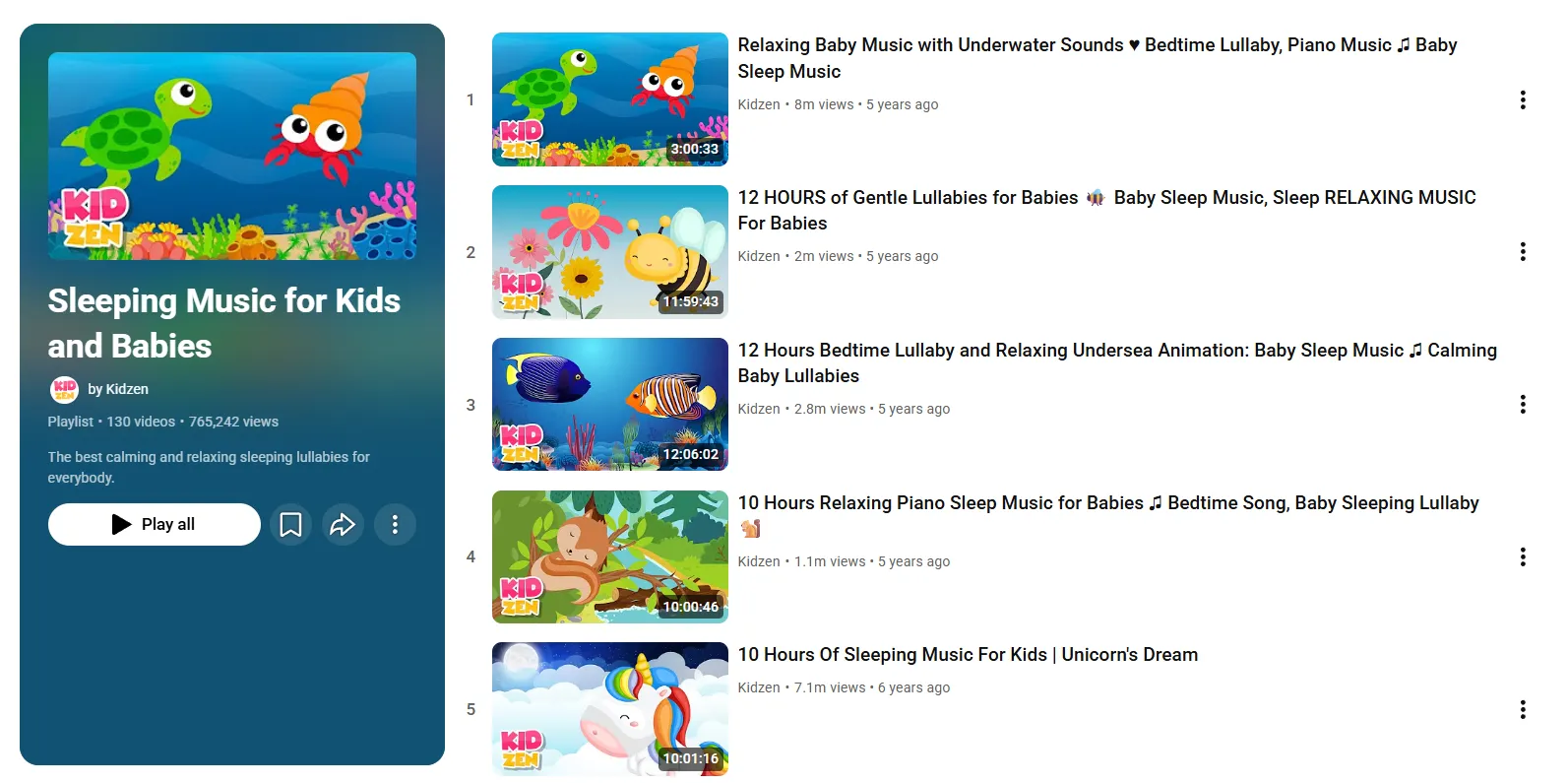
YouTube hosts a large number of channels dedicated entirely to children’s sleep audio, including long-form tracks (8–10 hours), live streams of ambient sound, and animated lullaby videos designed to play on a low-lit screen. Channels focused on sleep music typically offer a mix of classic lullabies, nature sounds, and instrumental music — making them a flexible, free resource for experimenting with different audio types.
Free Music Platforms and Streaming Options
Platforms like Spotify and Apple Music offer free tiers with access to curated children’s sleep playlists. Searching for “baby lullabies,” “kids sleep music,” or “white noise for infants” surfaces dozens of pre-built playlists maintained by parents, musicians, and child development-focused creators. Many include tracks specifically labeled by age range.
Mobile Apps for Free Sleep Sounds
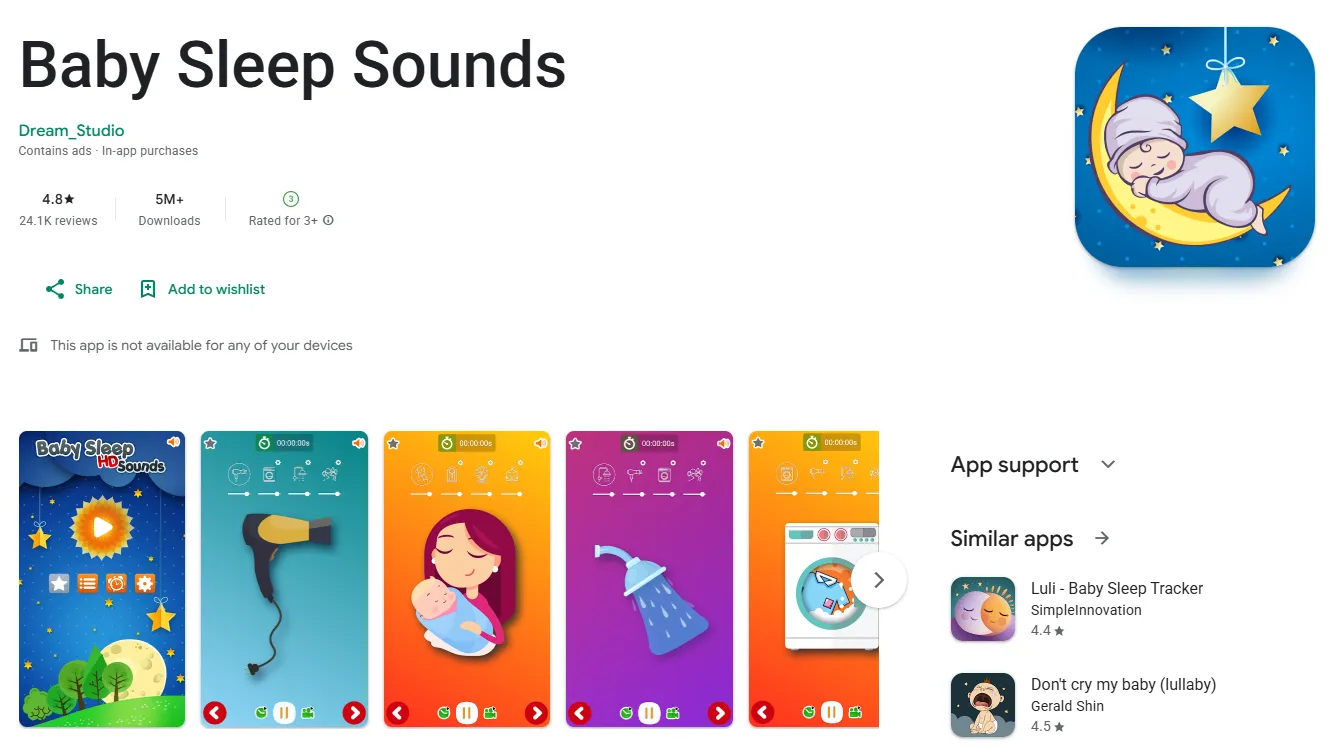
Apps like Calm, Insight Timer, and dedicated baby sleep apps (such as Baby Sleep Sounds and Baby Shusher) offer free tiers with access to white noise, nature sounds, and lullabies. Many include timer features and volume controls optimized for infant sleep environments.
Downloadable Tracks and Offline Listening Options
For families without reliable Wi-Fi or who want uninterrupted playback, many apps and platforms allow offline downloads. Downloading a few playlists in advance ensures that a lost connection mid-night doesn’t interrupt your child’s sleep — or yours.
Final Thoughts on Relaxing Music for Kids Sleep
Relaxing music for kids is one of the simplest, most accessible, and most research-supported tools available to parents navigating bedtime. Whether it’s a classic lullaby passed down through generations, a soft piano tune, or the steady rhythm of rainfall, the right music soothes stress, signals that rest is near, and helps children drift into deeper, more restorative sleep.
The key is consistency, appropriate volume, and thoughtful integration into a broader bedtime routine. Start with one type of audio, observe how your little one responds, and adjust from there. Over time, the music itself becomes a comfort — a familiar, cozy signal that it’s safe to let go of the day and sleep.
Frequently Asked Questions
Is relaxing music safe for kids all night?
Continuous music throughout the night is generally safe for older children but not recommended for infants. For babies, the AAP suggests using a timer so audio stops after the child has fallen asleep. For all ages, keep volume below 50 decibels to protect hearing and prevent the brain from staying partially alert.
What type of music helps kids fall asleep fastest?
Slow-tempo instrumental music (60–80 BPM) and consistent white or pink noise tend to produce the fastest sleep onset, particularly in infants. For toddlers and older children, familiar lullabies — especially those repeated nightly — often work most reliably because of their conditioned association with sleep.
Can relaxing music replace bedtime routines?
No. Relaxing music is most effective as one component of a broader bedtime routine — not a replacement for it. A consistent routine that includes calming activity, reduced light, and physical comfort provides a richer set of sleep cues than music alone.
At what age should kids use sleep music?
Children can benefit from calming audio from birth. Newborns respond to white noise and gentle lullabies; toddlers benefit from familiar, repetitive songs; older children may prefer nature sounds or instrumental music. The type of audio should evolve with the child’s age, sensory development, and personal preferences.
Take a short quiz to find out what your everyday choices say about your parenting style
When your child is curious about something new, what’s your instinct?
Take a short quiz to find out what your everyday choices say about your parenting style
“Can I download this app?” What happens next?
Take a short quiz to find out what your everyday choices say about your parenting style
When it comes to rules at home, which sounds most like you?
Take a short quiz to find out what your everyday choices say about your parenting style
If you could give your child one life skill today, what would you pick?
Take a short quiz to find out what your everyday choices say about your parenting style
Your child gets to choose what to watch. What would your ideal setup look like?
Take a short quiz to find out what your everyday choices say about your parenting style
Pick your parenting superpower ✨