55 Fun Brain Activities for Kids: Teasers, Brain Breaks, Play Ideas, and Focus Games

 Discover a Free Education Video App for Kids
Pastory uses AI to personalize educational video content based on your child’s interests and personality. Safe, engaging, and built for curious young minds. Sign up now to stay updated and enjoy early access with a free trial
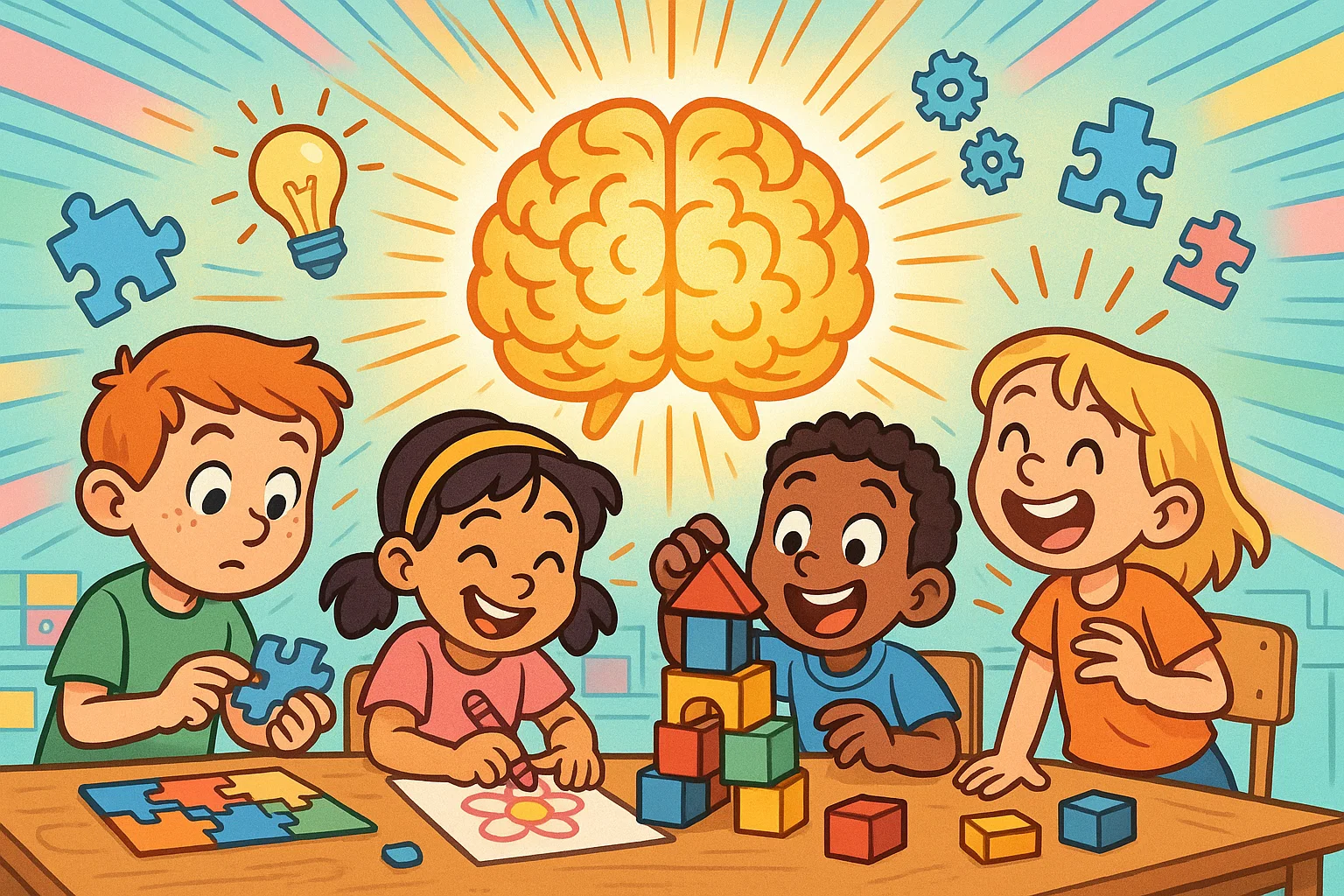
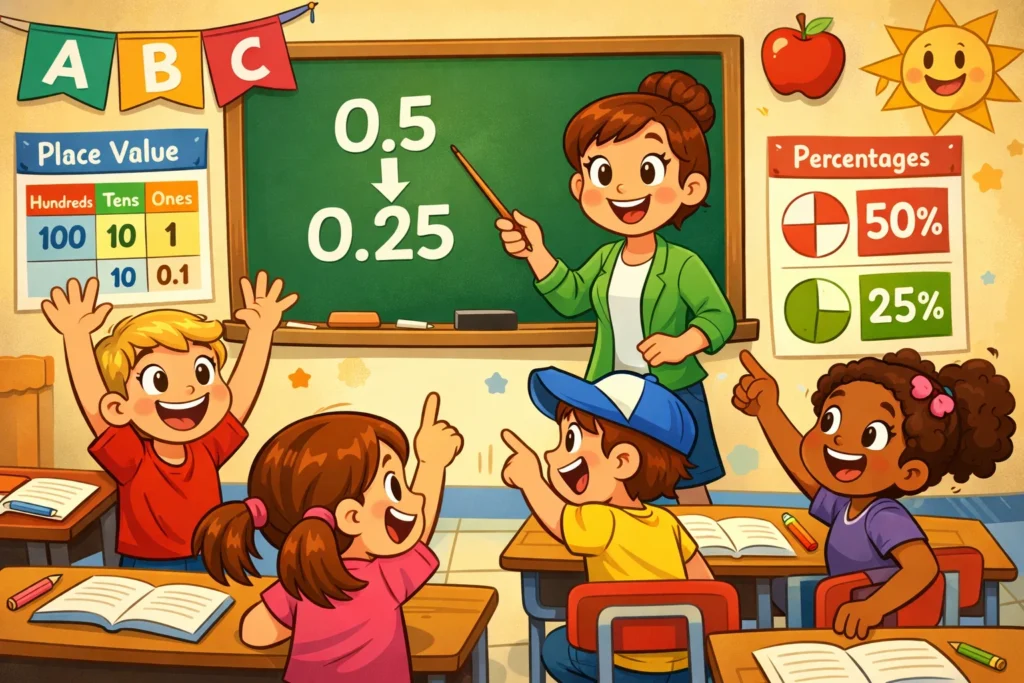
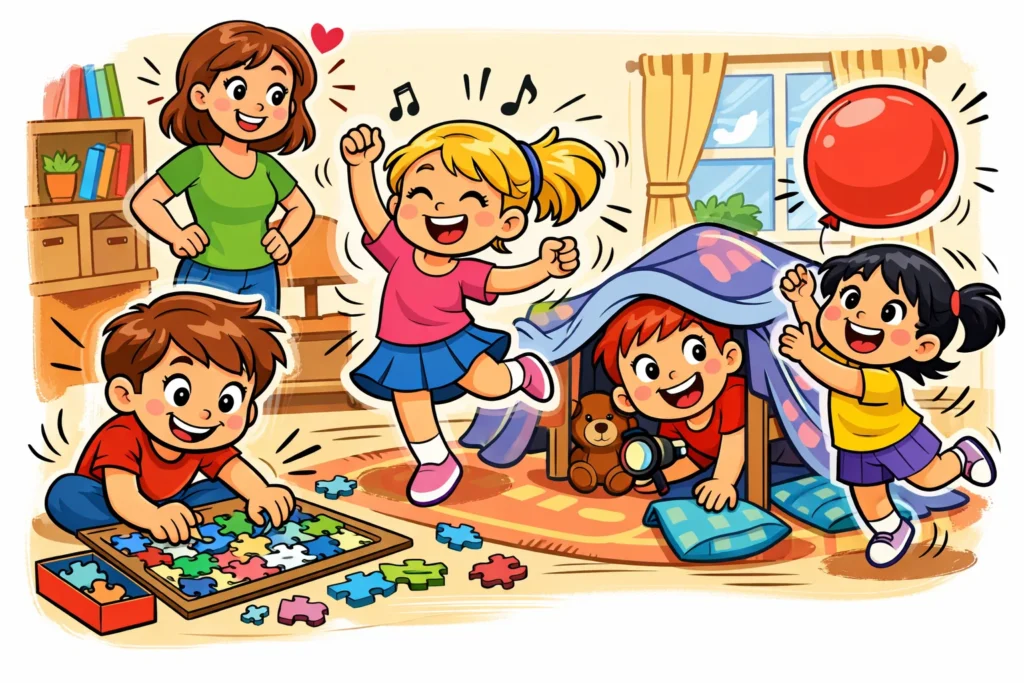
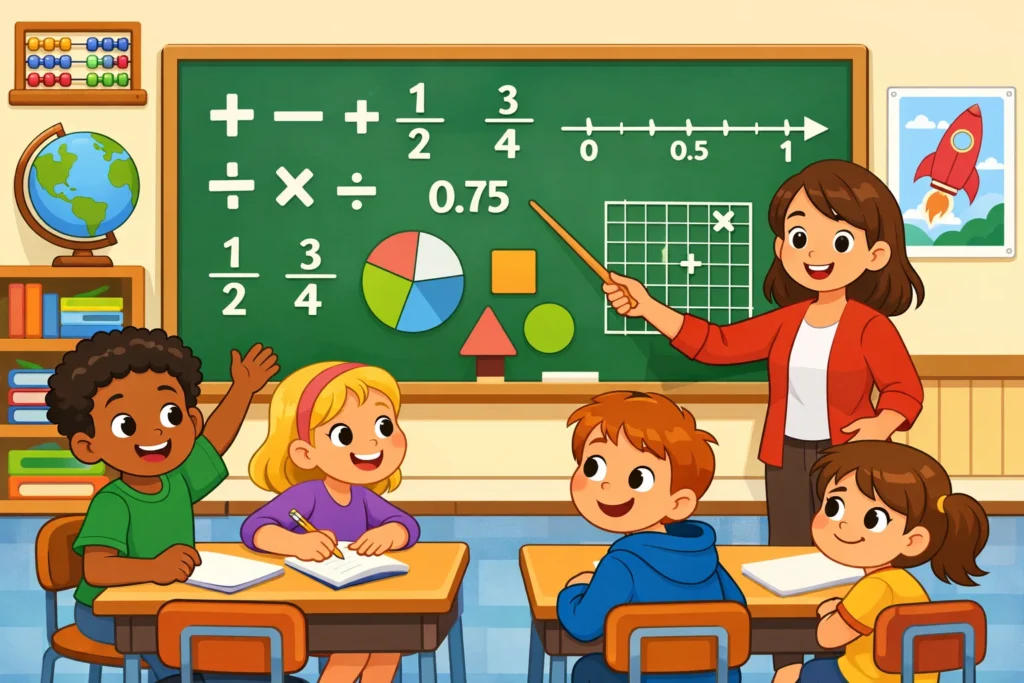
This comprehensive resource gives parents, teachers, tutors, and child development specialists 55 practical activities designed to strengthen cognitive skills. Each activity is designed to support children’s development and includes a mix of quiet logic tasks, high-energy brain breaks, and sensory-based play. Whether the goal is to improve classroom engagement, support transitions between activities, or foster independence at home, this guide offers practical strategies for a range of ages and learning stages.
What Are Fun Brain Activities for Kids?
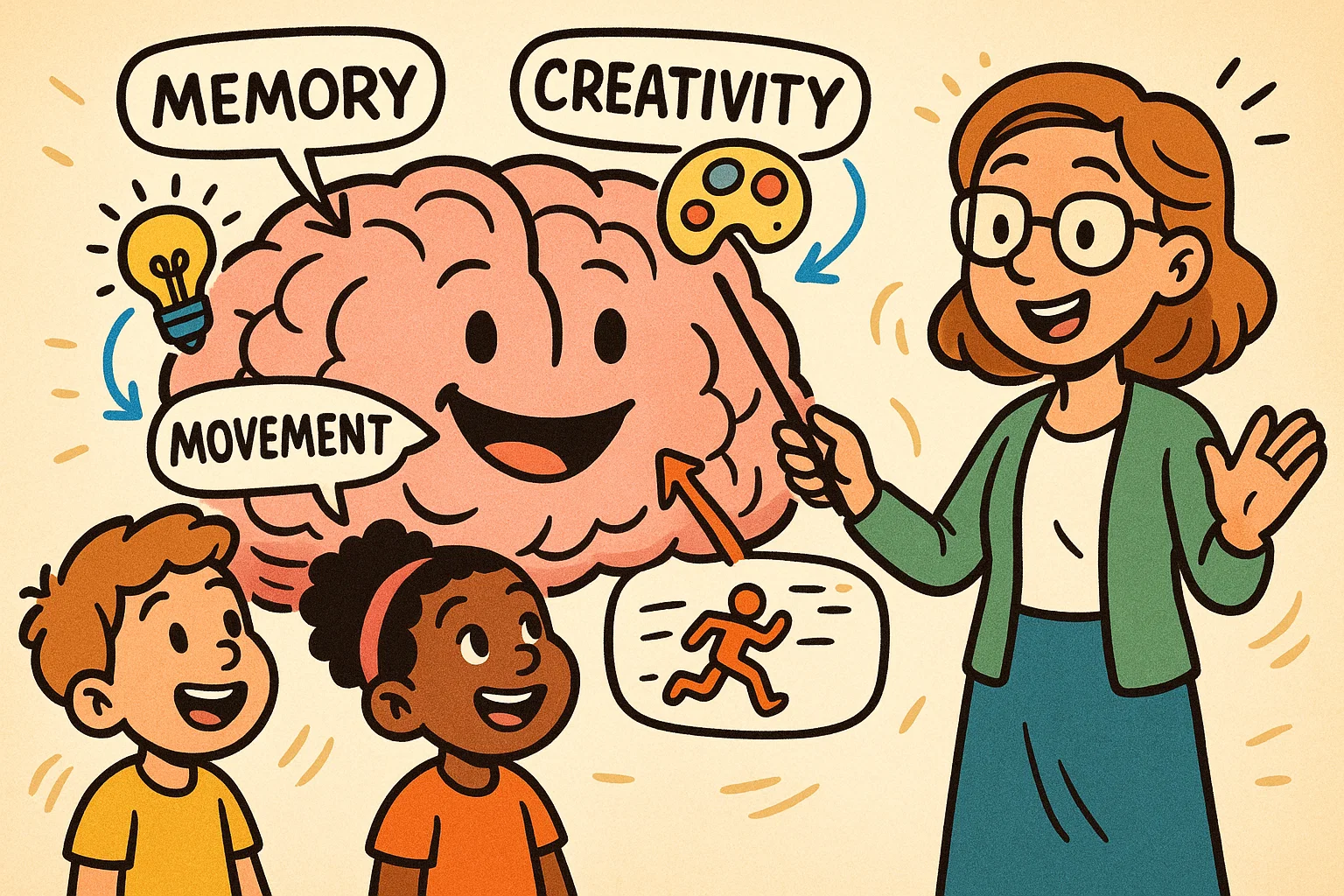
Fun brain activities for kids are structured games and exercises designed to stimulate cognitive processes such as attention, memory, logic, and self-control through play. These exercises help children develop cognitive flexibility, which is the ability to adapt to new information, and executive function, the set of mental skills that include working memory and inhibitory control. By integrating these activities into a daily routine, educators and parents can make everyday learning more engaging and support skill development.
Brain teasers, brain breaks, and brain-building play
Brain teasers serve as targeted challenges that require logical reasoning, pattern recognition, or lateral thinking to solve. Brain breaks are short pauses during the school day or at-home study time that help reset a child’s focus and reduce mental fatigue after intense concentration. Brain-building play encompasses broader, often open-ended activities that cultivate complex cognitive skills like creativity and emotional regulation in a less restrictive format.
How fun brain activities support focus, memory, and problem-solving
These activities can improve focus by helping children sustain attention on a task while filtering out distractions. Regular participation in these tasks improves working memory, which is the capacity to hold and manipulate information over short periods. Structured problem-solving exercises guide children through identifying a challenge, analyzing possible solutions, and carrying out a strategy, which can support academic performance.
Differences Between Seated, Movement-Based, and Sensory Tasks
| Task Type | Core Function | Best Use Case |
| Seated tasks | Cognitive analysis | Desk work, individual study |
| Movement-based | Alertness, regulation | Transitions, post-screen time |
| Sensory tasks | Grounding, calming | Post-stress, intense focus |
55 Fun Brain Activities for Kids
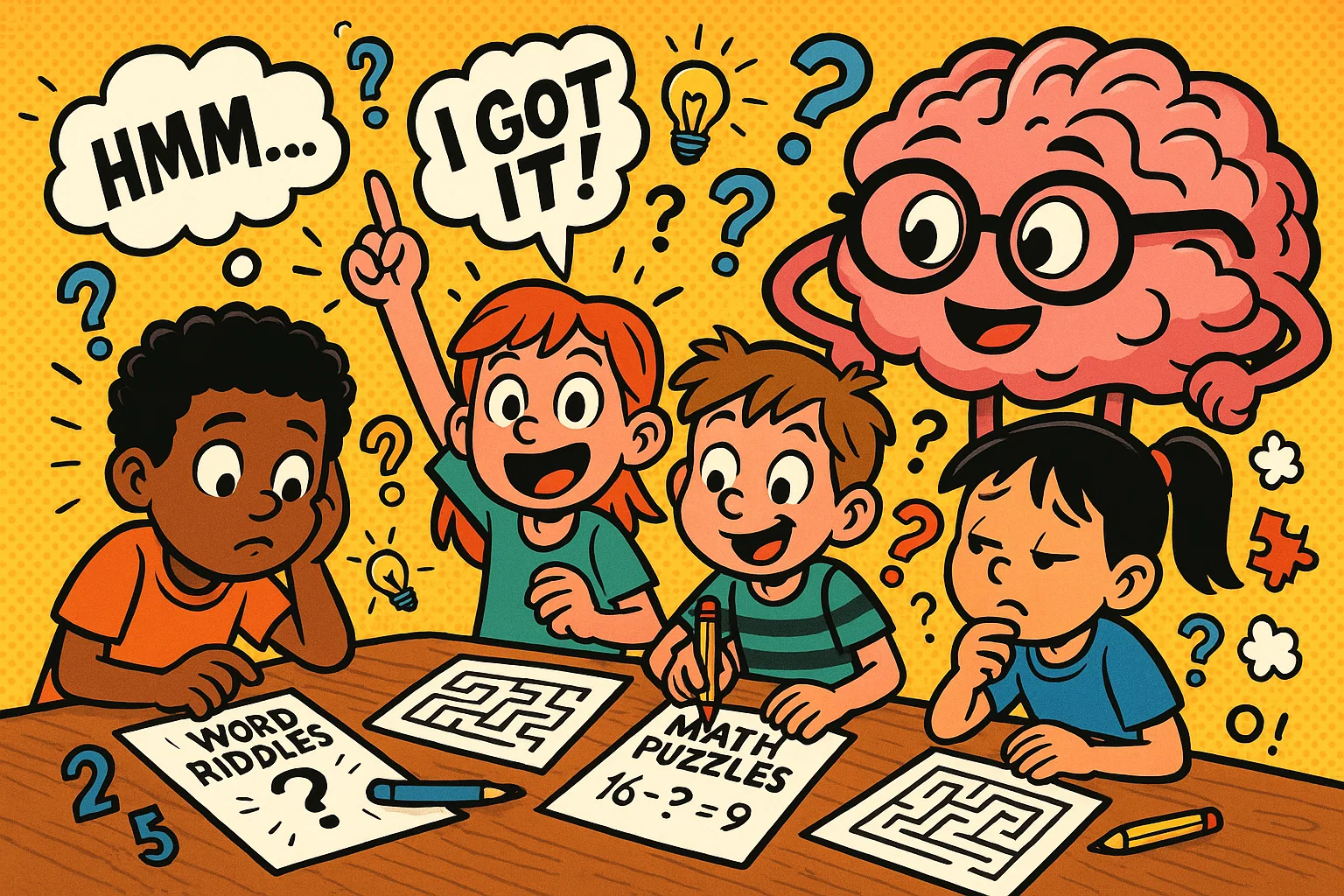
Language
- Riddles with clues: Present a riddle (e.g., “I have keys but no locks, what am I?”). This builds analytical thinking.
- Language associations: Name a category and have the child list 10 items in 30 seconds to build rapid word retrieval.
- Opposites race: The adult says a word (e.g., “Hot”), and the child must immediately shout the antonym (“Cold”).
- Word ladder challenge: Change one letter at a time to turn one word into another (e.g., CAT to HAT to HIT).
- Rhyming chain: Create a sequence of rhyming words; if the child pauses for more than 3 seconds, they start over.
- Category sprint: List as many items in a specific category (e.g., “fruits”) as possible within one minute.
- Silly story builder: One person starts a story with a sentence, and the next person adds another, encouraging listening and memory.
- Three-clue guess: Describe a mystery object using only three adjectives, and have the child guess what it is.
- Tongue twister showdown: Repeat a complex phrase like “Red leather, yellow leather” five times to build self-control.
Math
- Math riddles: “If you have 3 apples and take away 2, how many do you have?” (Focuses on logic over calculation).
- Pattern problems: Continue a sequence (e.g., triangle, square, triangle, square) to build pattern recognition.
- Number sequence hunt: Find the missing numbers in a skip-counting sequence (e.g., 2, 4, 6, _, 10).
- Missing sign puzzle: Provide a simple equation with a missing operator (e.g., 5 _ 2 = 7) and have the child choose “+”.
- Mental math relay: A quick-fire round of addition or subtraction played in pairs.
- Shape sort challenge: Group mixed shapes by number of corners or sides.
- Estimation jar: Estimate the number of marbles in a clear container to build spatial-numerical intuition.
- Mini Sudoku: Use a 4×4 grid with simple icons instead of numbers for younger learners.
- Magic square challenge: Fill in a 3×3 grid where all rows and columns add up to the same number.
Visual
- Spot the difference: Use two nearly identical images to train close visual scanning.
- Rebus puzzles: Use picture combinations to represent words or phrases (e.g., an eye + a can = “I can”).
- Optical illusions: Present an illusion and discuss why the brain perceives it incorrectly.
- Stroop effect test: Read the color of the word rather than the word itself (e.g., the word “RED” written in blue ink).
- Hidden object search: Scan a cluttered image to find specific, camouflaged items.
- Symmetry drawing: Complete the missing half of a symmetrical image.
- Tangram challenge: Use seven geometric shapes to create a silhouette of an animal.
- Maze race: Use a stopwatch to see who can finish a printed maze the fastest.
- Pattern block copy: Reproduce a complex pattern using physical blocks.
Movement
- Simon Says with twists: Add complex rules, like “Touch your nose only when Simon says it.”
- Freeze dance math: Dance to music, and when it stops, solve a mental math problem.
- Animal walks: Practice the “bear walk” (all fours) or “frog jump” to build core strength.
- Cross-crawl taps: Touch the right knee with the left hand, and vice versa, to practice coordination and focus.
- Jump-clap pattern: Create a rhythm (Jump, Jump, Clap) and have the child repeat it.
- Balance pose challenge: Hold a balance pose while reciting the alphabet.
- Obstacle path memory: Walk a path involving three steps: jump, spin, crouch.
- Follow-the-leader with rules: Mimic the leader, but freeze when the leader touches their head.
- Red light green light switch: Use non-traditional signals (e.g., “Yellow” means walk backward).
- Mirror movement game: Mimic a partner’s movements in real-time.
Sensory and mindful activities
- Breathing star: Trace the outline of a star on paper, inhaling on the upstroke and exhaling on the downstroke.
- Rainbow breathing count: Take five deep breaths, assigning each one a color of the rainbow.
- Desk push-ups: Push down on the desk with hands to provide proprioceptive input.
- Wall pushes: Lean into a wall and push for 10 seconds to feel muscle engagement.
- Chair pulls: Grip the bottom of the seat and pull upward for 5 seconds.
- Yoga card flow: Follow a sequence of 3 yoga cards (e.g., Tree, Cat, Mountain).
- Texture guess bag: Identify 5 items inside a bag by touch only.
- Mystery sound match: Listen to recorded sounds and match them to images.
- Calm-down stretch: Do a slow, deep stretch of the arms and legs for 30 seconds.
Quick brain activities
- One-minute brain teaser: “What has a neck but no head?” (A bottle).
- 20-second focus reset: Take one breath, clap once, and look at a distant point.
- This-or-that logic: Choose “Books or Movies?” and explain why in one sentence.
- Would-you-rather reasoning: Ask a question such as, “Would you rather be able to fly or be invisible?” and have the child explain why.
- Memory tray: Look at 5 items for 10 seconds, then recall them.
- Emoji decode: Decode a string of emojis representing a movie title.
- Finish pattern fast: Complete a quick pattern series (1, 2, 4, 8, _).
- Category clap: Clap only when you hear a word that is a “vegetable.”
- Rapid recall circle: Go around the circle naming items in a category (e.g., colors) without pausing.
Benefits of fun brain activities for kids
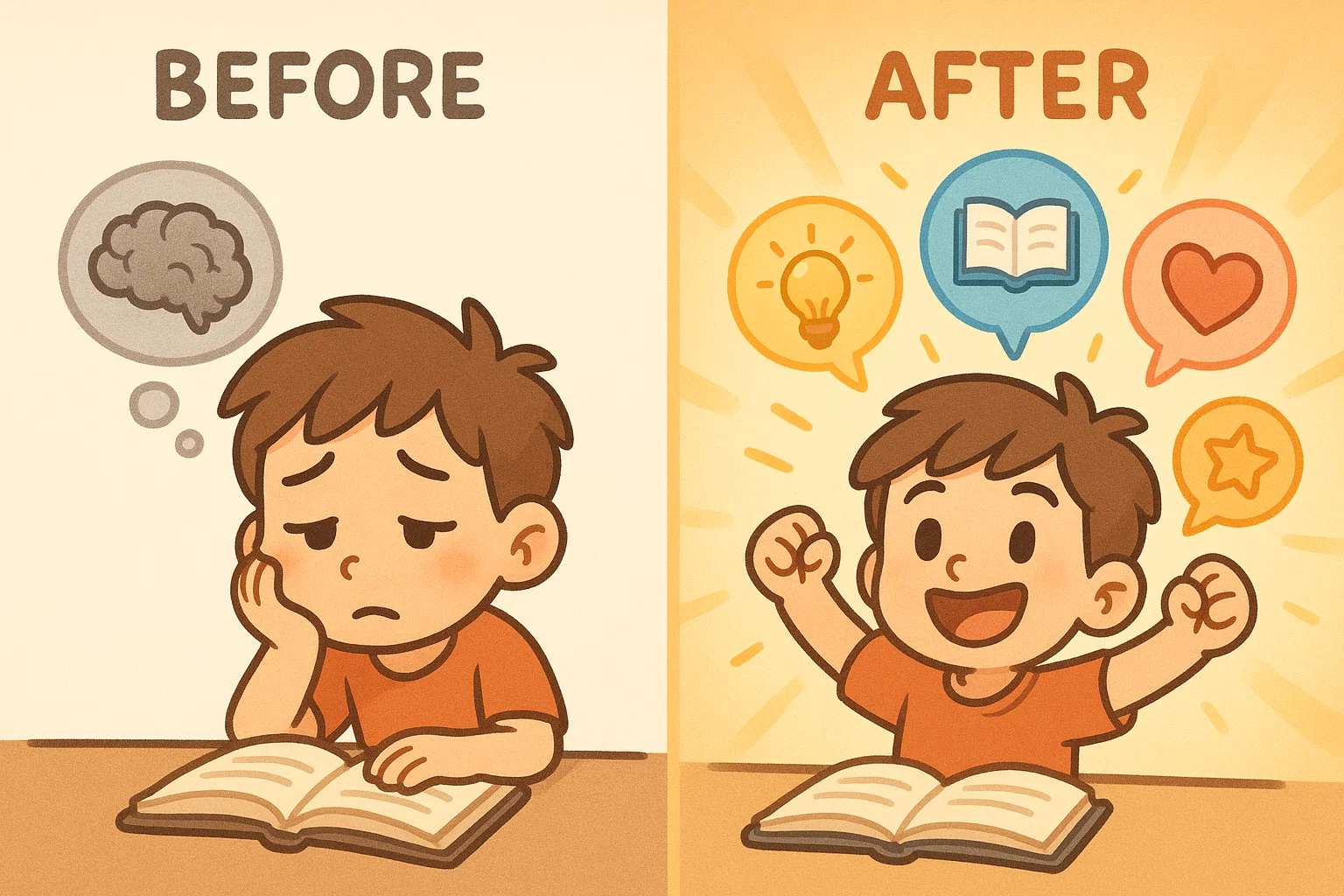
Regularly incorporating these activities can support cognitive, emotional, and social development. Children who engage in structured play-based learning often show stronger task persistence and greater readiness for learning.
Focus, attention, and task switching
Fun brain activities provide the necessary cognitive stimulus to help a child transition smoothly between different subjects or tasks. Research in educational psychology suggests that short, intentional breaks can help children return to tasks with better attention and less mental fatigue. This can reduce the time children need to re-engage after a long period of sitting.
Memory, logic, and flexible thinking
These activities require children to store information, retrieve it, and apply it to new scenarios, which strengthens both short-term and long-term memory. By presenting children with puzzles that have multiple potential solutions, educators foster flexible thinking, helping them move beyond singular, rigid approaches to problem-solving. This cognitive versatility is essential for handling increasingly complex academic content as a learner progresses through school grades.
Emotional regulation, confidence, and classroom engagement
Completing a brain teaser can give a child a small sense of accomplishment, which may build confidence and motivation. In the classroom, these activities can interrupt cycles of frustration and reduce the tension that often leads to off-task behavior. When children feel successful, their willingness to participate in subsequent lessons increases, creating a positive feedback loop for engagement.
Social play, communication, and teamwork
Collaborative brain activities require children to listen actively, wait for their turn, and negotiate rules, which are core components of social-emotional development. Engaging in team-based problem-solving encourages communication and the ability to accept diverse perspectives when attempting to solve a group puzzle.
Brain science behind fun brain activities for kids
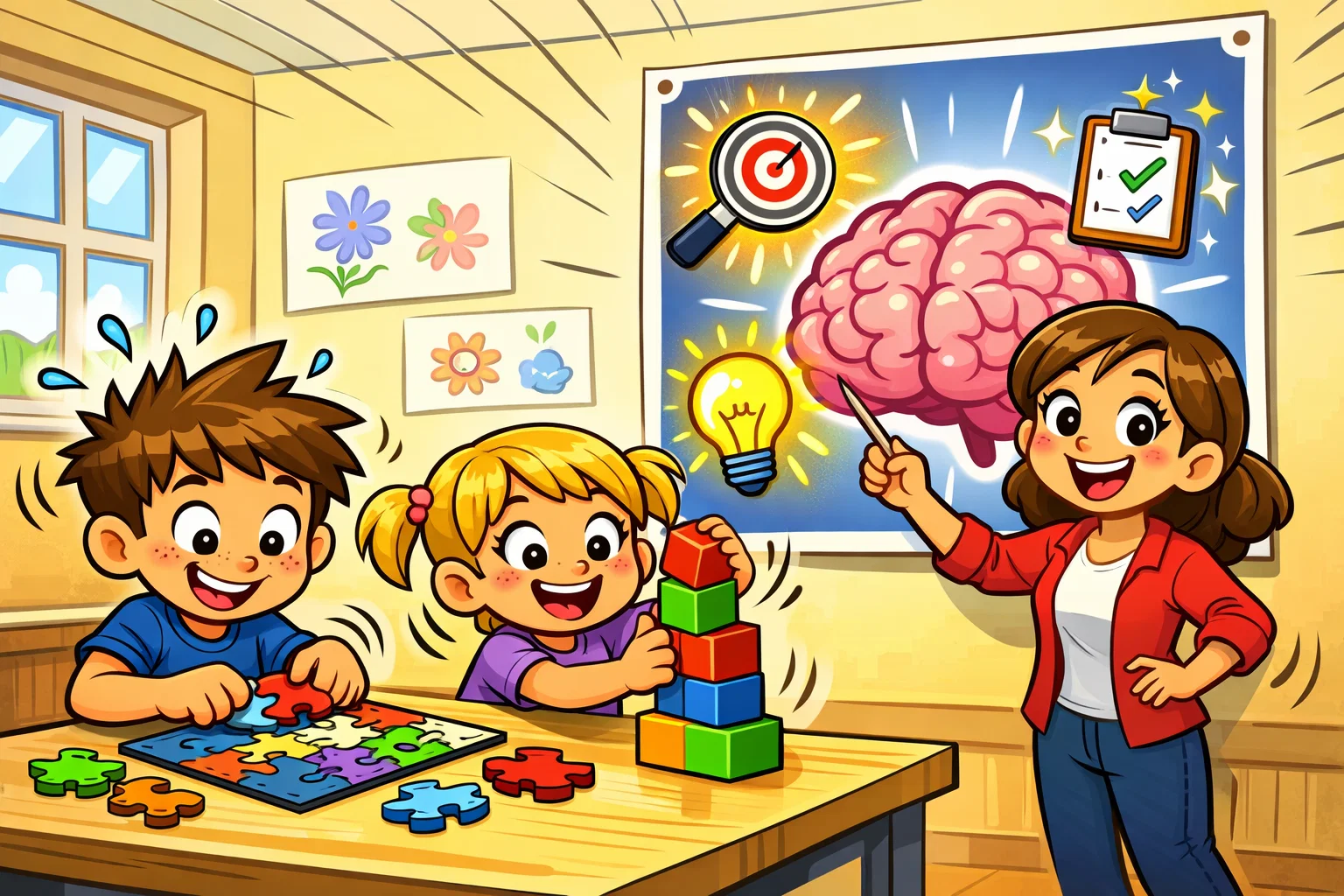
Understanding the neurological basis for these activities allows educators to apply them more effectively. The brain functions optimally when it receives a balance of challenge and recovery.
What Happens During a Brain Break?
During a brain break, the prefrontal cortex – the area responsible for executive function – is given a brief reprieve from the high-demand state of focused learning. This short pause may help children recover mentally and return to learning with better attention. Research suggests that brief, regular movement or cognitive breaks can improve classroom behavior and readiness to learn.
Movement breaks and proprioception
Proprioception refers to the body’s sense of its position in space, and “heavy work” activities (like pushing, pulling, or lifting) provide critical sensory feedback. Engaging the proprioceptive system helps a child feel grounded, which is particularly effective for children who struggle with hyperactivity or impulsivity.
Movement Breaks and the Vestibular System
The vestibular system controls balance, spatial orientation, and movement. Activities involving rotation, tilting, or jumping stimulate the vestibular system, which plays a role in balance, spatial orientation, and alertness. For some children, vestibular input can increase alertness and readiness to move.
Visual and Eye-Movement Activities
Activities that involve tracking moving objects or scanning for details help connect visual processing with motor response. These exercises can support visual-motor integration, which is important for reading and writing tasks. By training the eyes to move intentionally, children improve their overall focus on classroom materials.
How brain activities and breathing exercises help
Mindful breathing exercises lower the heart rate and activate the parasympathetic nervous system, helping a child regain emotional control. When combined with rhythmic, repetitive actions, breathing exercises can reduce stress and make it easier for a child to return to a calm, alert state.
Research on movement breaks and play-based learning
Attention varies by age, task, and individual child, but many school-aged children benefit from short breaks before fatigue builds. Waiting until a child is fully exhausted before providing a break leads to a longer recovery time and higher rates of frustration. Proactive, scheduled brain activities can help maintain engagement throughout the school day.
Types of brain activities for kids
Movement, Mindfulness, and Sensory-Motor Brain Activities
These activities are designed to reset the body’s internal state. They range from high-energy “heavy work” tasks that support body awareness to gentle, rhythmic movements that promote self-regulation.
Language, math, and visual brain activities
These are targeted, “academic” formats that utilize classroom materials. They are designed to sharpen specific cognitive skills like vocabulary retrieval, numerical fluency, and pattern recognition.
Quick brain activities for transitions
These activities are designed for the “in-between” times – such as waiting for the bus, changing classes, or finishing a snack. They typically last under three minutes and require minimal preparation.
Age-appropriate brain activities for every learner
Effective activities are adapted based on the child’s developmental stage. While a preschooler might practice sorting by color, an elementary student might sort by geometric properties, ensuring the challenge remains just above their current ability level.
How to Use Fun Brain Activities in the Classroom
Integrating these activities successfully requires a blend of intentionality and flexibility. The primary goal is to enhance, not disrupt, the instructional flow.
Morning meeting
Start the day with a “rapid recall” or a collaborative “silly story builder” to wake up the class. These activities establish a positive atmosphere and prepare the brain for structured learning.
Transition brain breaks between lessons
Use a 60-second movement break like “Cross-crawl taps” when moving from math to language arts. This helps “clear the slate” and refocuses attention on the new task.
Small-group and partner tasks
Incorporate competitive games like “Word ladder challenge” to foster social communication and peer support within small groups.
Brain activities for centers and stations
Set up a “logic station” where students rotate through a tangram challenge or a spot-the-difference worksheet independently. This encourages self-directed learning and independence.
Brain break timing tips and implementation strategies
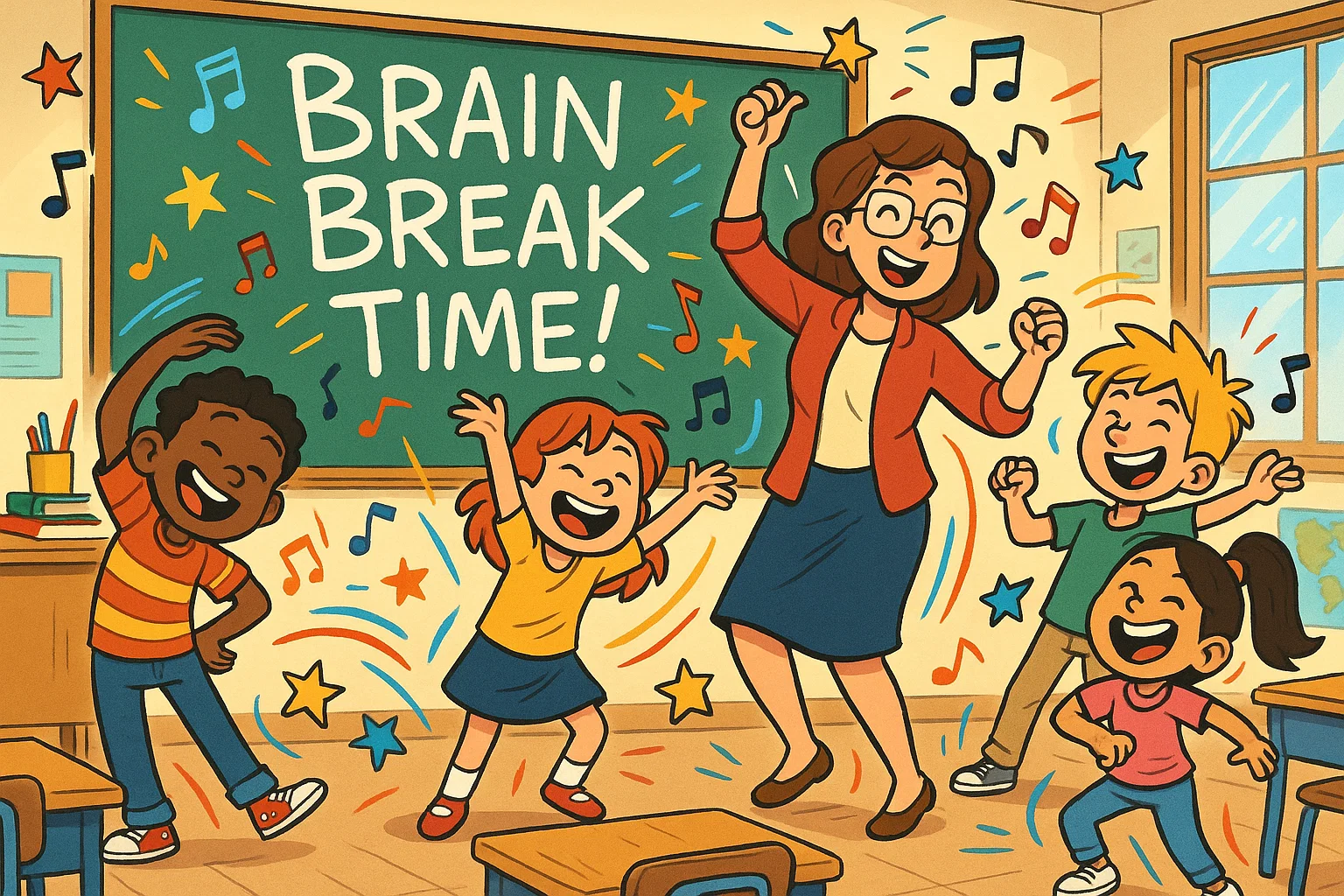
The effectiveness of these activities depends heavily on the timing of their delivery.
Best Times to Use Them During the Day
- Before instruction: To build energy and focus before a lesson.
- Post-sedentary work: After 20–30 minutes of desk work to prevent fatigue.
- Before going home: To help children organize their thoughts before moving to the next environment.
How long each activity should last
- Micro-pauses: 30–60 seconds (for simple refocusing).
- Active brain breaks: 2–5 minutes (for movement or cognitive switches).
- Play sessions: 10–15 minutes (for complex games or group tasks).
How to match activity to energy level
When the class is sluggish, choose movement-based activities to increase arousal. When the class is over-excited, choose sensory or mindful activities to regulate their energy.
How to rotate activities without losing novelty
Keep a “game bank” and change the theme monthly. For example, use animal-themed language activities in one month and space-themed math activities in the next.
How to Choose the Right Fun Brain Activities for Kids
Selection should be based on the specific goal: regulation, cognitive challenge, or social connection.
By age, attention span, and skill level
- Preschoolers: Require short, physical, and highly concrete tasks.
- Elementary-aged children benefit from structured logic games and light competitive elements.
By goal: focus, memory, logic, or regulation
If the goal is to improve working memory, prioritize “Memory tray” or “Silly story builder.” If the goal is regulation, choose “Breathing star.”
By setting: home, classroom, outdoors, or therapy
Outdoor settings allow for larger movement games (e.g., obstacle courses), while classroom settings require desk-bound or quiet activities.
By materials: no-prep, low-prep, printable, or digital
“No-prep” activities (like “Opposites race”) are best for spontaneous transitions, while “printable” activities allow for more complex visual logic tasks.
FAQ
Which fun brain activities work best for classroom transitions?
The most effective are 60-second movement breaks like “Cross-crawl taps” or rapid-fire category games, as they do not require resetting classroom materials.
Which brain activities help kids focus fastest?
“Heavy work” activities like “Wall pushes” or “Desk push-ups” can help some children regulate and refocus quickly because they provide strong sensory input.
How many minutes should brain activities last?
For most children, 2 to 3 minutes is sufficient for a “reset.” Exceeding 10 minutes turns a brain break into a primary activity.
Which no-prep brain activities work at home?
“Riddles with clues,” “Opposites race,” and “Would-you-rather reasoning” require zero materials and can be done during commutes or wait times.
Can brain activities support kids with sensory needs?
Yes, but they must be carefully selected. A child with sensory sensitivities may prefer quiet, mindful exercises over high-energy movement. Always observe the child’s reaction to ensure the activity is regulating rather than over-stimulating.
Take a short quiz to find out what your everyday choices say about your parenting style
When your child is curious about something new, what’s your instinct?
Take a short quiz to find out what your everyday choices say about your parenting style
“Can I download this app?” What happens next?
Take a short quiz to find out what your everyday choices say about your parenting style
When it comes to rules at home, which sounds most like you?
Take a short quiz to find out what your everyday choices say about your parenting style
If you could give your child one life skill today, what would you pick?
Take a short quiz to find out what your everyday choices say about your parenting style
Your child gets to choose what to watch. What would your ideal setup look like?
Take a short quiz to find out what your everyday choices say about your parenting style
Pick your parenting superpower ✨