Back to School
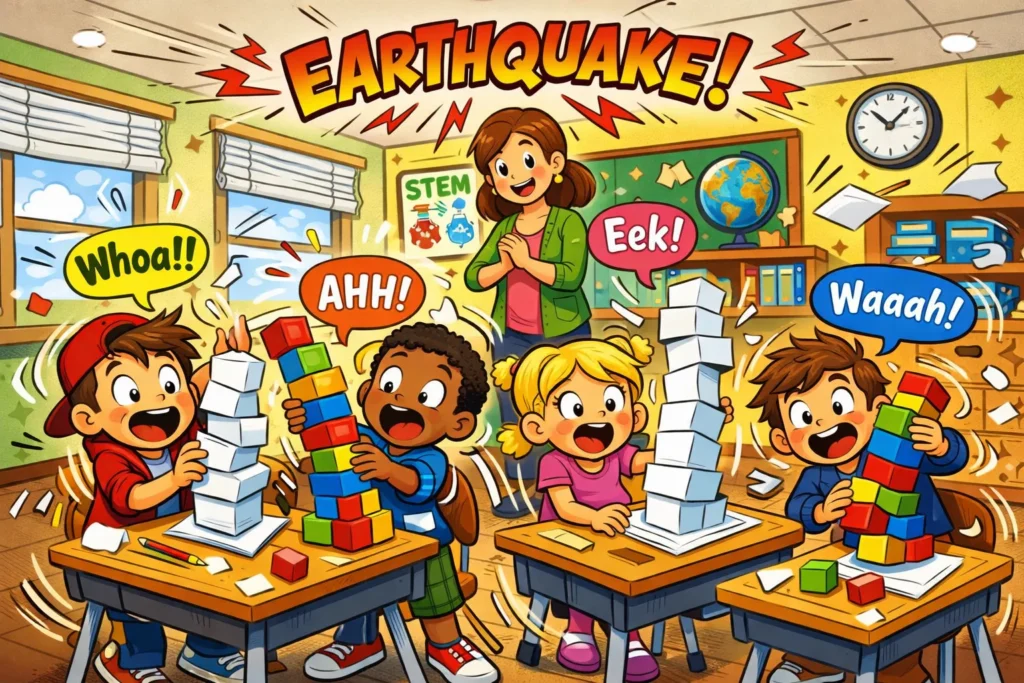
Earthquake-Proof Building Challenge for Kids
Imagine a classroom buzzing with the focused energy of young innovators. On one desk, a skyscraper made of dried spaghetti and mini marshmallows reaches toward the ceiling; on another, a dense LEGO fortress sits ready for battle. Suddenly, the "ground" begins to shake. Some structures snap instantly, while others bend and...
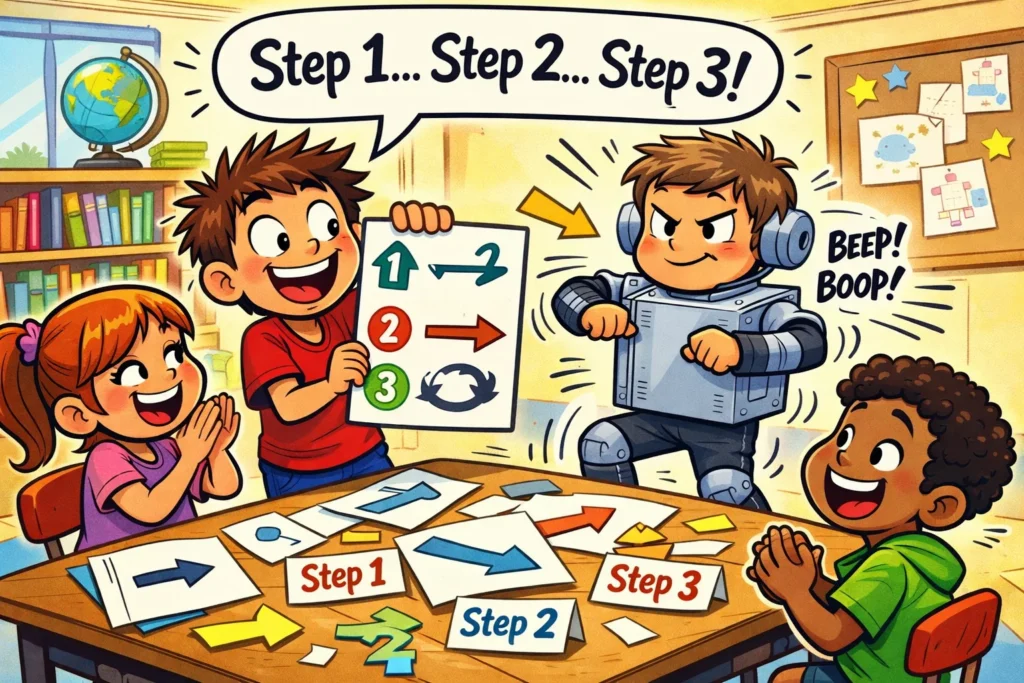
Unplugged Coding Activities for Kids: Screen-Free Algorithm Games on Paper
In an era where digital screens are ubiquitous, many parents and educators are surprised to learn that the foundational principles of computer science don't require a laptop or tablet at all. Teaching coding for kids is less about memorizing a specific programming language and more about developing computational thinking -...
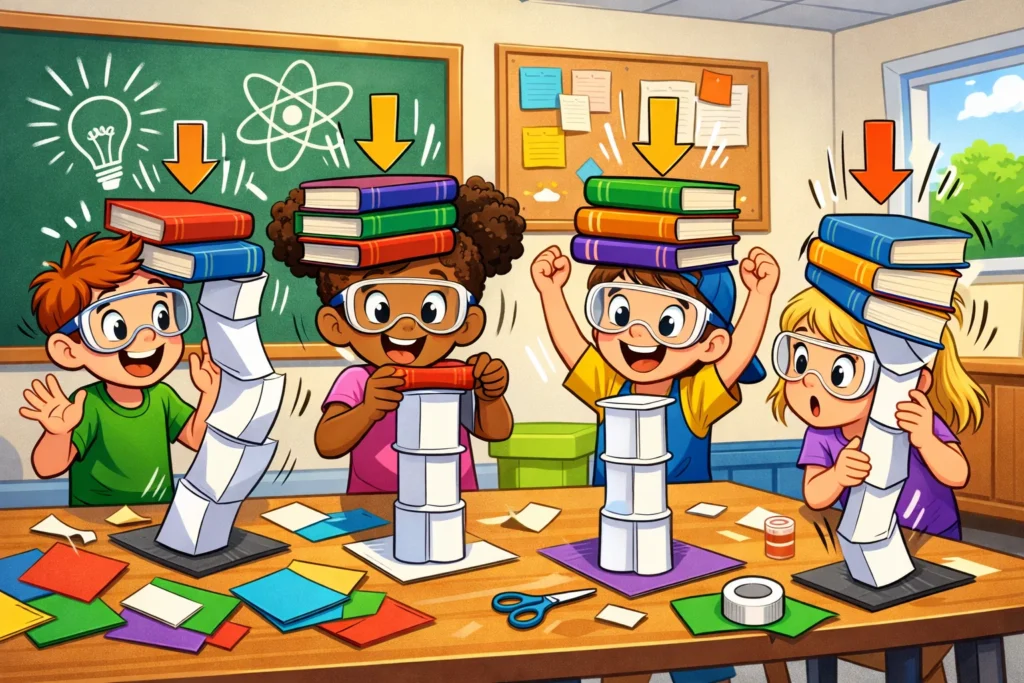
STEM Challenge for Kids: Building the Strongest Paper Structure
Building a skyscraper out of standard printer paper might sound like a daydream, but in the world of structural engineering, it is a classic STEM challenge that reveals the hidden strength of everyday materials. When kids engage in a hands-on engineering challenge, they aren’t just playing with fiber sheets; they are...

3 Pulley Challenge Activities for Kids: Examples of Pulleys in Daily Life
Pulleys are among the most familiar examples of simple machines in daily life — from flagpoles and window blinds to elevators and construction cranes. This hands-on pulley challenge helps kids connect those everyday examples to real physics concepts like mechanical advantage, force direction, and load versus effort through...

Wind-Powered Pinwheel Challenge for Kids: Power Output Experiment
Have you ever looked out the window on a blustery day and watched a pinwheel spinning at lightning speed? Or perhaps, while driving through the countryside, you’ve seen a wind turbine standing tall like a giant, futuristic windmill? While one is a toy and the other is a massive piece of engineering, they both operate on...

Hypothesis Writing for Kids Science Experiments
Teaching children how to form a scientific prediction turns their natural curiosity into a structured skill. At its core, this is an educated guess that can be tested through observation. In the world of young scientists, writing a prediction means asking, “What do I think will happen, and why?” and then designing a...