Art Activities for Nursery Class: Creative Ideas, Easy Projects, and Learning Benefits

 Discover a Free Education Video App for Kids
Pastory uses AI to personalize educational video content based on your child’s interests and personality. Safe, engaging, and built for curious young minds. Sign up now to stay updated and enjoy early access with a free trial
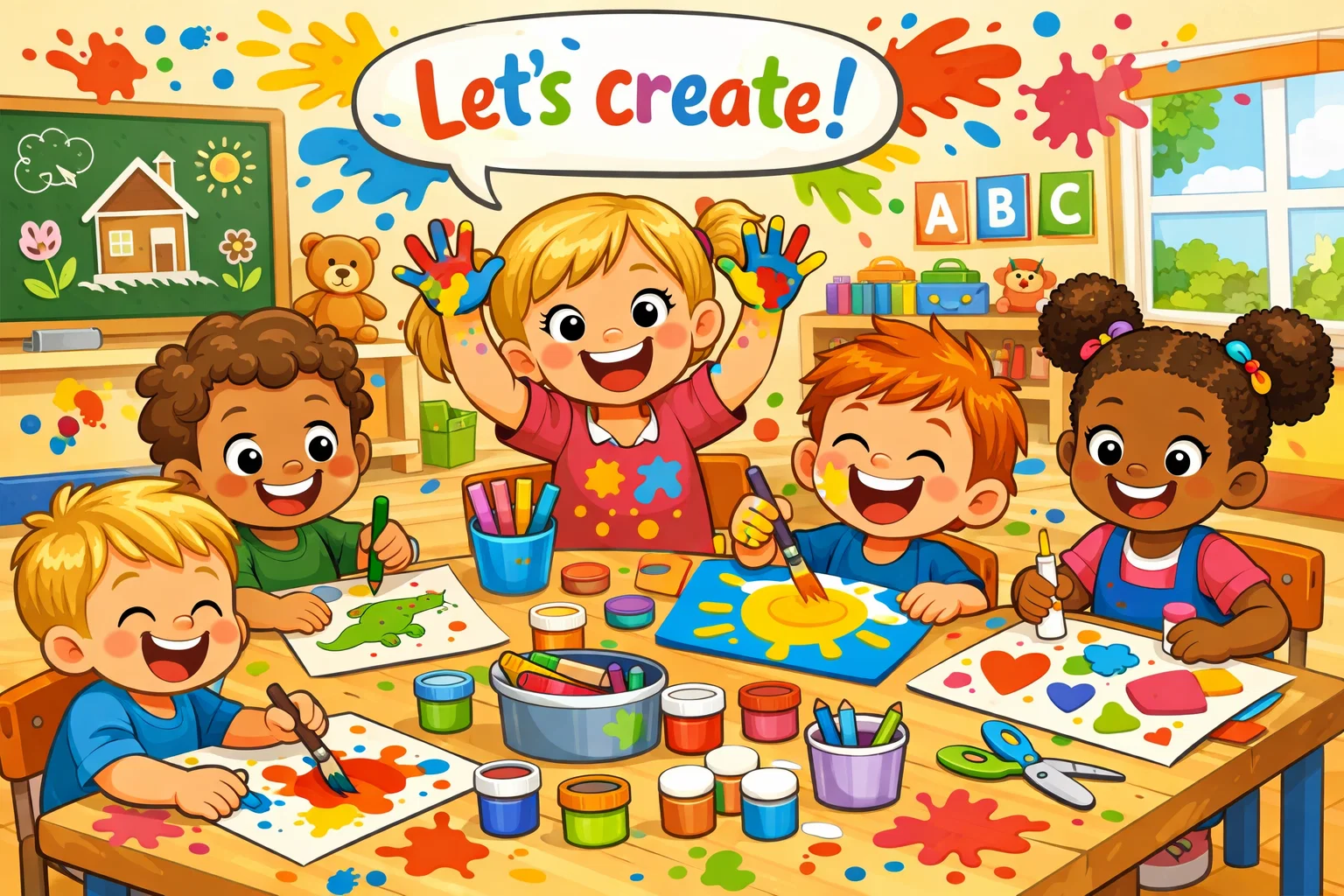
Art activities for nursery class are among the most powerful tools available to early childhood educators and parents. When young children paint, stamp, glue, and draw, they are not simply making a mess — they are building fine motor skills, exploring colors and textures, strengthening hand-eye coordination, and expressing themselves in ways that words cannot yet capture.
This guide covers a wide range of simple, engaging, and development-focused art projects suitable for children aged 3 to 5. Whether you are working in a classroom or at home, these ideas are designed to be accessible, affordable, and genuinely fun for little ones.
What Makes Art Activities Valuable for Nursery-Age Children
Art is far more than a creative outlet — it is a vehicle for learning. Research published by the Arts Education Partnership shows that arts participation in early childhood supports cognitive, social, and emotional development in measurable ways.
When nursery children engage in hands-on art projects, they are simultaneously developing:
- Fine motor skills through gripping brushes, tearing paper, and manipulating small objects
- Cognitive skills through color mixing, cause and effect, and problem-solving
- Emotional skills through self-expression and the confidence that comes from creating something new
- Language skills through describing what they made and why
Understanding this foundation helps educators and parents choose activities with real developmental purpose — not just to keep kids occupied, but to help them grow.
Easy Art Activities for Nursery Class
The best preschool art activities require minimal preparation, use simple supplies, and allow children to explore art at their own pace. The activities below are well-suited to nursery settings and home environments alike.
Finger Painting Fun
Finger painting is one of the most developmentally rich activities for young children. Using non-toxic finger paint, kids apply color directly with their hands, which strengthens the connection between sensory input and motor control. Set up a covered surface, provide several colors, and let children explore freely — resist the urge to guide or correct their technique. The process matters far more than the finished piece.
Marble Rolling Art
Place a piece of paper inside a shallow tray or box lid, add a small amount of paint, and drop in one or two marbles. Children tilt the tray to roll the marbles across the paper, creating beautiful abstract designs. This easy art project develops hand-eye coordination and introduces simple physics concepts like momentum and direction in a way that feels like pure play.
Bubble Wrap Stomping
Cut bubble wrap into manageable pieces and apply paint to the surface with a roller or brush. Children then press the bubble wrap onto paper to create unique textured prints. For added excitement, larger sheets of bubble wrap can be placed on the floor for supervised stomping — engaging gross motor skills and creating full-body art experiences. The texture and popping sensation make this a particularly memorable sensory activity.
Sponge Painting
Cut sponges into simple shapes — circles, squares, triangles — and dip them in paint to create stamps on paper. Sponge painting helps children recognize shapes through hands-on stamping while developing grip strength. It is also one of the most cost-effective art projects, as sponges can be rinsed and reused multiple times.
Straw Blowing Art
Drop small amounts of watered-down paint onto paper, then have kids use a straw to blow the paint across the surface. The result is unpredictable and striking, with branching abstract designs that fascinate little ones. This activity also builds breath control, which supports early speech development.
Creative Painting and Drawing Ideas
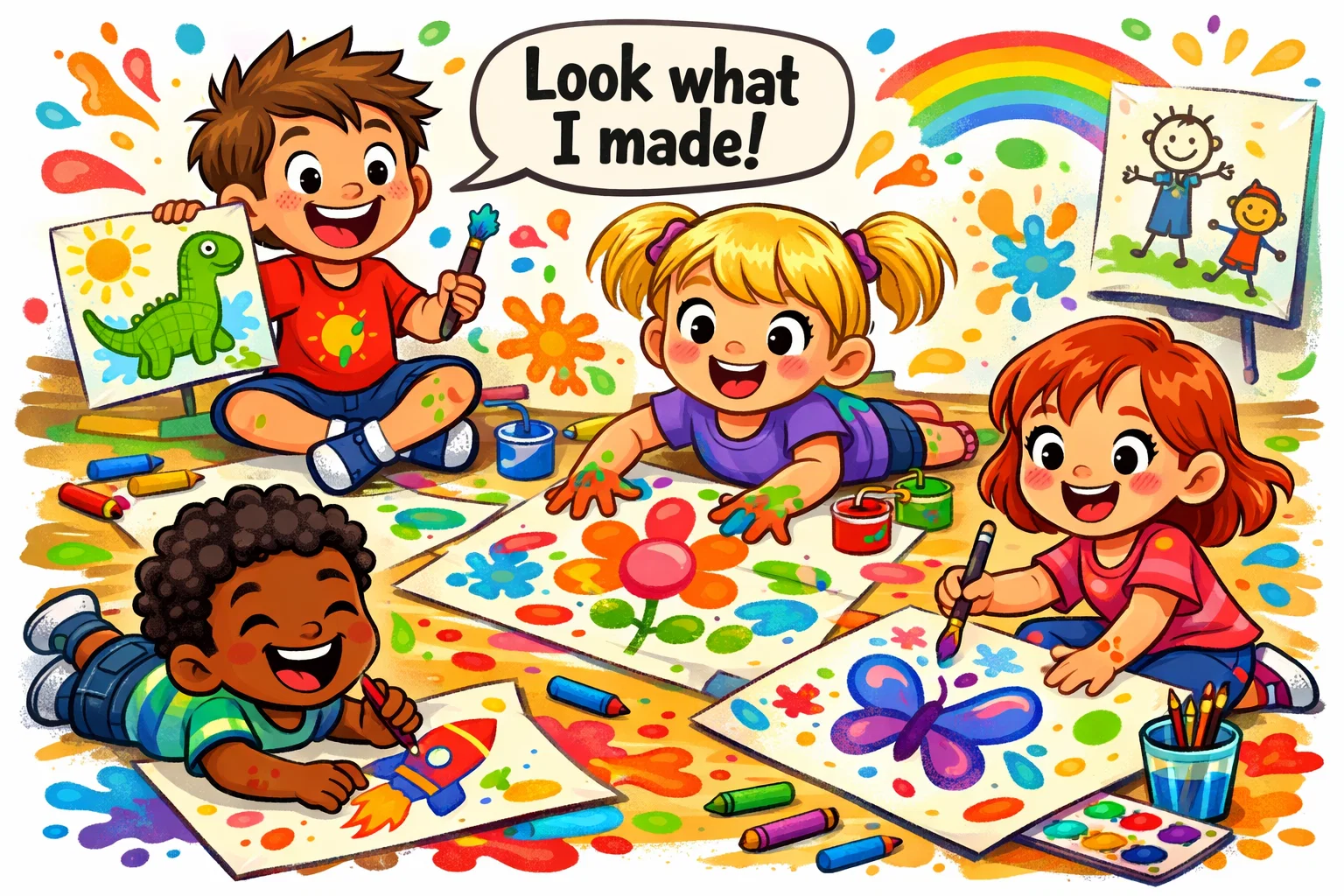
Beyond standard brush-and-paper activities, there are many creative activities that turn painting and drawing into genuine experiments.
Glow Stick Drawing
In a darkened room, give kids glow sticks to draw and wave in the air. While this does not create a permanent piece of paper masterpiece, it builds spatial awareness and encourages free movement. It also supports imaginative play and is particularly effective for children who feel intimidated by traditional drawing.
Mirror Drawing
Place a small mirror on the table and ask children to look at a simple object reflected in it, then try to draw what they see. This activity develops observation skills and introduces symmetry in a naturally engaging way. Older nursery kids can attempt symmetry drawing directly by folding a piece of paper and painting on one half, then pressing both sides together.
Shadow Tracing
On a sunny day, bring children outdoors and use chalk or paper to trace the shadows of toys, plants, and their own hands. This combines art and light exploration in a meaningful way and is a wonderful way to help kids understand how the world around them changes throughout the day.
Ice Painting
Freeze water mixed with food coloring or liquid watercolor in an ice cube tray. Give children the frozen cubes to paint with on thick paper or card. As the ice melts, colors blend and shift, creating a unique and sensory-rich experience. Ice painting works well as a warm-weather activity and introduces children to simple science concepts like melting and color mixing.
Magic Milk Swirls
Pour a shallow layer of whole milk into a plate, add drops of food coloring, then touch a cotton swab dipped in dish soap to the surface. The colors swirl and spin dramatically, combining creativity with cause and effect in one captivating activity. Children can create beautiful abstract patterns while exploring a simple science concept without any formal instruction.
Nature-Inspired Art Activities
Using natural materials connects children to their environment and helps them understand that art tools do not have to come from a shop. Nature-based preschool art projects are also among the most open-ended, allowing for a wide range of individual expression.
Leaf Printing
Collect fallen leaves of different shapes and sizes. Apply paint to the underside of each leaf with a brush or sponge, then press firmly onto paper to create prints. Leaf printing teaches kids to look closely at natural textures and patterns, and the variety of results from different leaves makes every piece unique.
Nature Collage Creation
Take children on a short walk to collect natural materials — small stones, dried flowers, leaves, twigs, and seeds. Back inside, provide glue and paper and let them arrange their findings into a collage. This activity supports creative decision-making and teaches children to see artistic potential in everyday objects.
Mud Painting
With appropriate clothing and a safe outdoor space, mud painting is one of the most engaging and sensory-rich arts and crafts activities available. Provide brushes or let children use their hands to paint on stones, paper, or card. Mud painting connects children to natural materials while allowing free, uninhibited expression.
Flower and Plant Art
Fresh or dried petals, leaves, and plants can be used to stamp and decorate paper. This gentle activity encourages children to handle natural materials carefully and observe the beauty of plants up close — a meaningful way to connect art with early science learning.
Craft Activities Using Everyday Materials
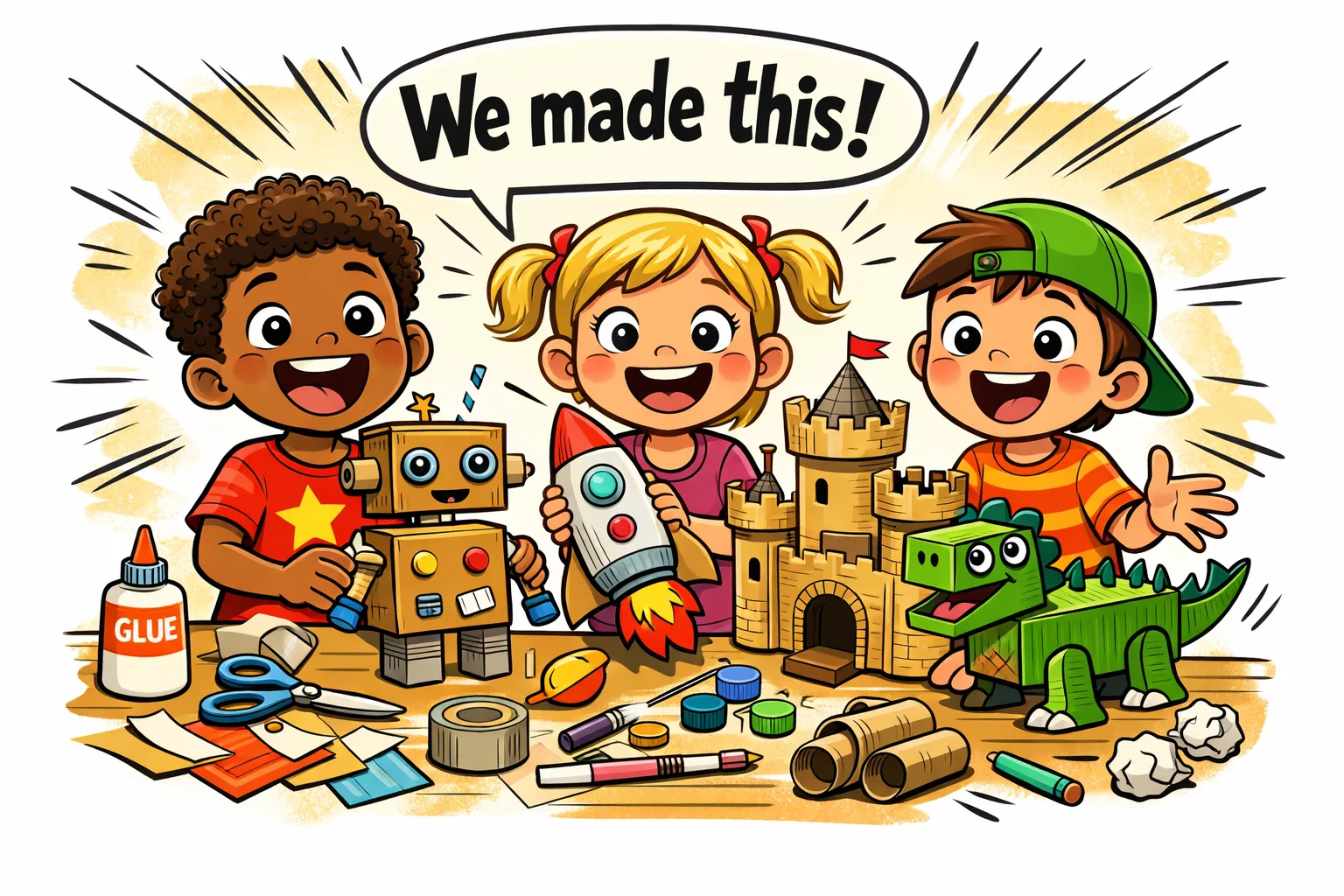
Budget-friendly art projects made from recycled materials teach children that creativity does not require expensive supplies. These easy art projects make use of items most households and classrooms already have on hand.
Paper Plate Spin Art
Place a paper plate on a spinning surface (a turntable works well, as does a lazy Susan) and drip paint onto it while it spins. Kids can also hold the plate and spin it themselves for a more hands-on experience. The resulting spin art patterns are striking, and the activity introduces concepts like rotation and centrifugal force in a playful way.
Cardboard Tube Creations
Toilet paper and kitchen roll tubes are among the most versatile simple supplies in any craft drawer. Children can paint and decorate them, cut them into rings for chain making, or combine several to build structures. Cardboard tube crafts develop spatial reasoning and encourage creative problem-solving.
Homemade Finger Paint
A safe, non-toxic finger paint can be made at home using cornstarch, water, and food coloring. Combine two tablespoons of cornstarch with one cup of cold water, heat gently while stirring until thickened, allow to cool, then divide into portions and add food coloring. Homemade paint is particularly reassuring for parents and educators working with very young children who may put their hands in their mouths.
Recycled Art Projects
Collect clean packaging — egg cartons, bottle caps, yogurt pots, newspaper — and challenge children to create something new from the materials. Recycled art projects develop imagination and environmental awareness simultaneously, and the open-ended nature of the activity means every child produces something entirely their own.
Educational Art Activities for Nursery Class
Art and early literacy or numeracy learning can work hand in hand. These easy art projects layer in cognitive content without losing the playful, hands-on quality that makes preschool art activities so effective.
Alphabet Coloring Fun
Provide large printed letters and encourage children to color them using crayons, markers, or watercolor. Kids can also press their finger into paint and dot around the letter’s outline. Connecting visual arts with letter recognition supports early literacy in a multi-sensory way.
Count and Color Activities
Pair numbers with coloring tasks — for example, color three circles red and five squares blue. These structured activities help children connect numerical concepts with physical actions, reinforcing early numeracy through creative activities rather than rote repetition.
Shape Stamping
Cut sponges or potatoes into clear geometric shapes, then let kids use them to stamp patterns on paper. This activity reinforces shape recognition and supports mathematical thinking through hands-on learning, making it particularly effective for children at the early stages of spatial awareness.
Storybook Illustration
After reading a picture book together, ask children to draw their favorite scene or character. Storybook illustration develops comprehension, recall, and imagination while giving children a personal connection to the stories they hear. Displaying their drawings alongside the books strengthens this link further.
Sensory and Process Art Ideas
Process art prioritizes the experience over the end result. These activities are particularly valuable for nursery-aged children, who benefit most from open-ended exploration.
- Salt and paint art: Apply watercolor to paper, then sprinkle salt while the paint is still wet. As it dries, the salt creates a crystalline texture that delights and surprises children.
- Fizzy art experiments: Sprinkle baking soda onto paper in a tray, then drip colored vinegar over it using a pipette. The fizzing reaction creates bubbling, spreading patterns and introduces cause and effect in a vivid way.
- Splat painting: Dilute paint heavily, load a brush, and flick or drop it onto large paper on the floor. This high-energy activity is wonderful for children who need physical movement and expression.
- Painting on foil: Aluminum foil has a reflective, slippery surface that behaves differently from paper. Children painting on foil discover how colors look different against a shiny background, and the unique texture challenges their fine motor skills in new ways.
Seasonal and Themed Art Activities
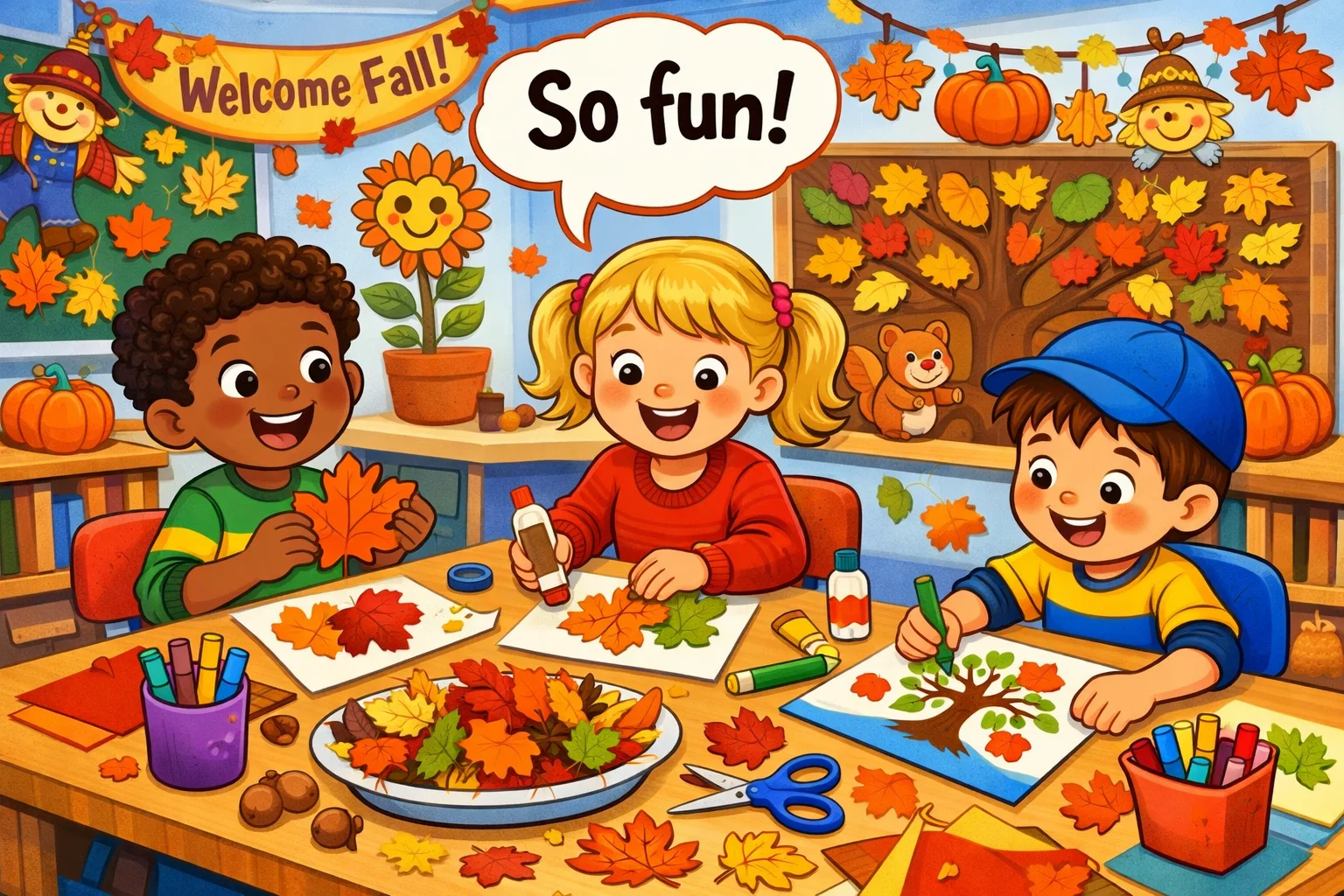
Themed art projects give children a shared focus and make activities feel special. They also provide natural opportunities to discuss the world around them.
Rainbow Art Projects
Rainbow activities introduce color recognition and sequencing in a joyful, accessible way. Children can create rainbows using torn tissue paper, watercolor washes, fingerprints, or collage. Discussing the order of colors as they work builds early pattern recognition.
Holiday Craft Ideas
Simple holiday crafts — handprint Christmas trees, paper Halloween pumpkins, spring flower collages — give nursery children a sense of occasion and belonging. These arts and crafts projects also make meaningful keepsakes for families.
Weather-Themed Art
Creating art inspired by weather encourages observation and vocabulary development. Children might use blue and gray paint for rainy skies, yellow and orange for sunny days, or cotton wool and white paint for snowy scenes. Weather art connects the classroom to the child’s lived experience in a direct and relevant way.
Tips for Teaching Art in Nursery Class
Effective art instruction at the nursery level is less about technique and more about creating the right environment for exploration.
Provide a Variety of Materials
Offer a range of art tools — crayons, markers, watercolor, sponges, brushes of different sizes, and found objects. A diverse materials environment allows children to discover what they enjoy and develops a wider range of motor skills.
Encourage Exploration Without Pressure
Resist the temptation to correct, direct, or demonstrate a “right way.” Children who feel free to experiment develop confidence and creativity far more effectively than those who are guided toward a predetermined result. The goal is to let kids explore, not to produce impressive artwork.
Keep Activities Simple and Safe
Always use non-toxic, washable materials appropriate for the age group. Keep setups manageable — too many materials at once can overwhelm young children. Simple art projects with a clear starting point are often the most successful.
Create a Flexible Learning Environment
Some children work best standing at a table, others lying on the floor, and others at an easel. Allowing flexibility in how children access their art activities acknowledges different learning styles and keeps engagement high.
Bringing Art Activities into Everyday Nursery Routine
Art does not need to be a weekly event — it works best when woven into daily life. A short finger painting session, a quick nature collage, or a few minutes of straw blowing art can make an ordinary afternoon memorable and developmentally rich.
When educators and parents consistently offer creative activities, children begin to see themselves as capable, expressive people. They develop the confidence to try new things, the patience to work through frustration, and the joy of making something from nothing. These are not just art skills — they are life skills.
By keeping activities simple, materials safe, and expectations open-ended, any adult can help a nursery child build a creative foundation that will support their learning for years to come.
Frequently Asked Questions
What Are Good Art Activities for 3–4 Year Olds?
The best art projects for this age group involve direct sensory contact and simple materials. Finger painting, sponge stamping, leaf printing, and tearing and gluing paper are all excellent choices. At this stage, children benefit most from activities that do not require precision or produce a specific outcome — the process is the point.
How Do You Teach Art Creatively to Nursery Children?
The most effective approach is to set up materials and step back. Introduce an activity with a brief, enthusiastic demonstration, then allow children to take over. Asking open questions — “What happens if you mix those two colors?” or “What does this leaf feel like?” — keeps children engaged and thinking without directing their creative choices.
What Skills Do Nursery Children Develop Through Art?
Art activities support development across several domains at once. Fine motor skills improve through gripping, cutting, and manipulating materials. Cognitive development is supported through color mixing, pattern recognition, and cause-and-effect exploration. Emotional development is nurtured as children learn to express themselves freely and experience the satisfaction of completing a project. Social skills develop when children create art alongside their peers.
How Long Should Art Activities Last in Nursery Class?
For children aged 3 to 5, most art activities work best in sessions of 15 to 25 minutes. Attention spans vary significantly at this age, so it is more effective to offer shorter, focused experiences than to extend an activity past the point of engagement. Open-ended process art — like a painting station available during free play — can run longer because children come and go as their interest dictates.
Take a short quiz to find out what your everyday choices say about your parenting style
When your child is curious about something new, what’s your instinct?
Take a short quiz to find out what your everyday choices say about your parenting style
“Can I download this app?” What happens next?
Take a short quiz to find out what your everyday choices say about your parenting style
When it comes to rules at home, which sounds most like you?
Take a short quiz to find out what your everyday choices say about your parenting style
If you could give your child one life skill today, what would you pick?
Take a short quiz to find out what your everyday choices say about your parenting style
Your child gets to choose what to watch. What would your ideal setup look like?
Take a short quiz to find out what your everyday choices say about your parenting style
Pick your parenting superpower ✨