30+ Name Games for Kindergarten and Preschool Circle Time

 Discover a Free Education Video App for Kids
Pastory uses AI to personalize educational video content based on your child’s interests and personality. Safe, engaging, and built for curious young minds. Sign up now to stay updated and enjoy early access with a free trial
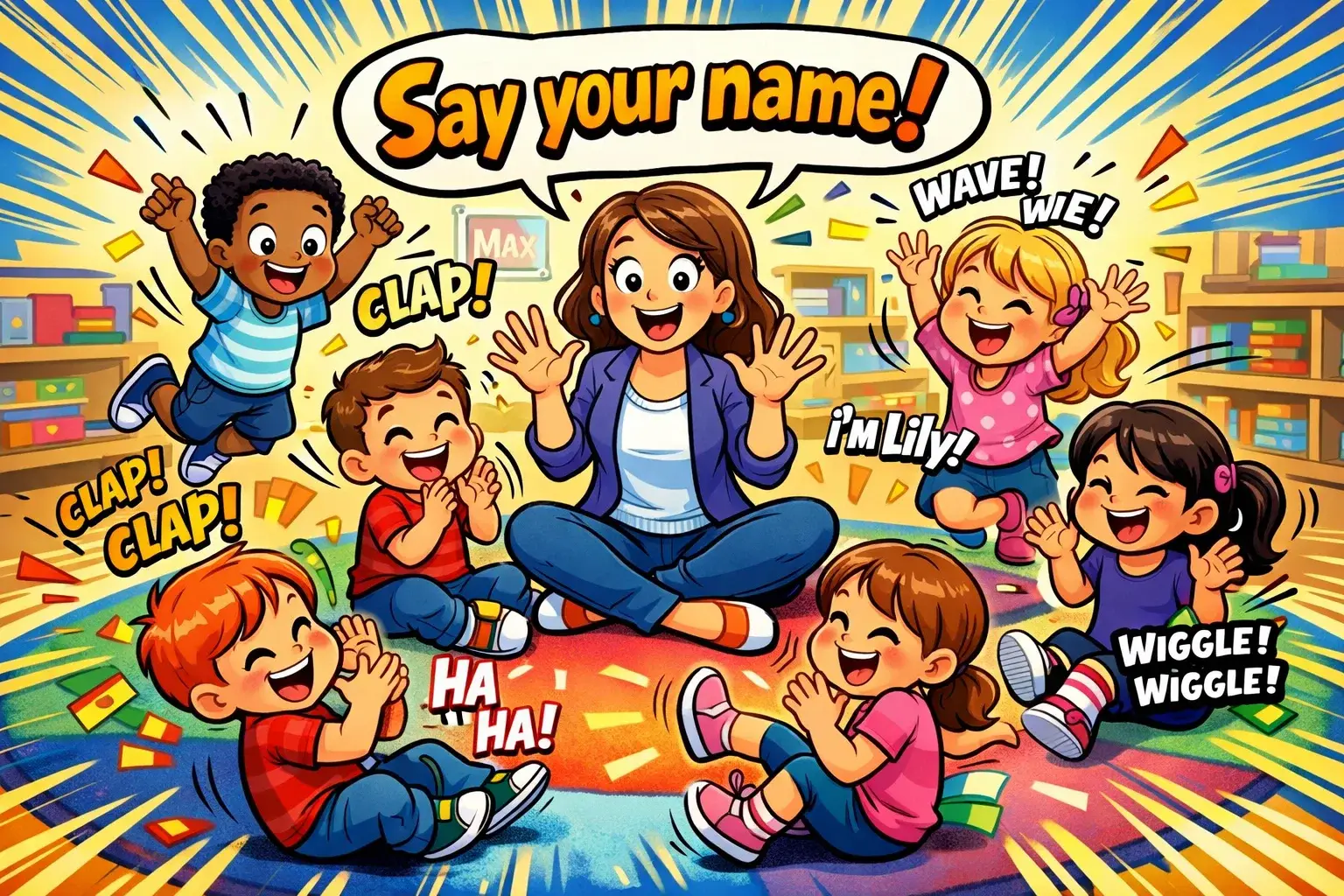
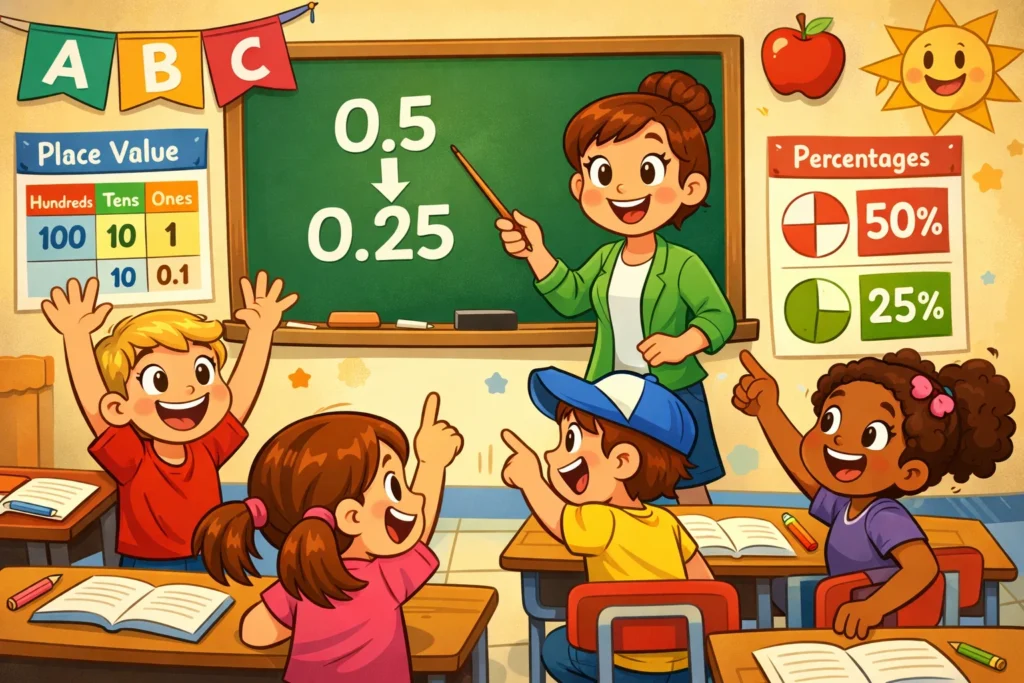
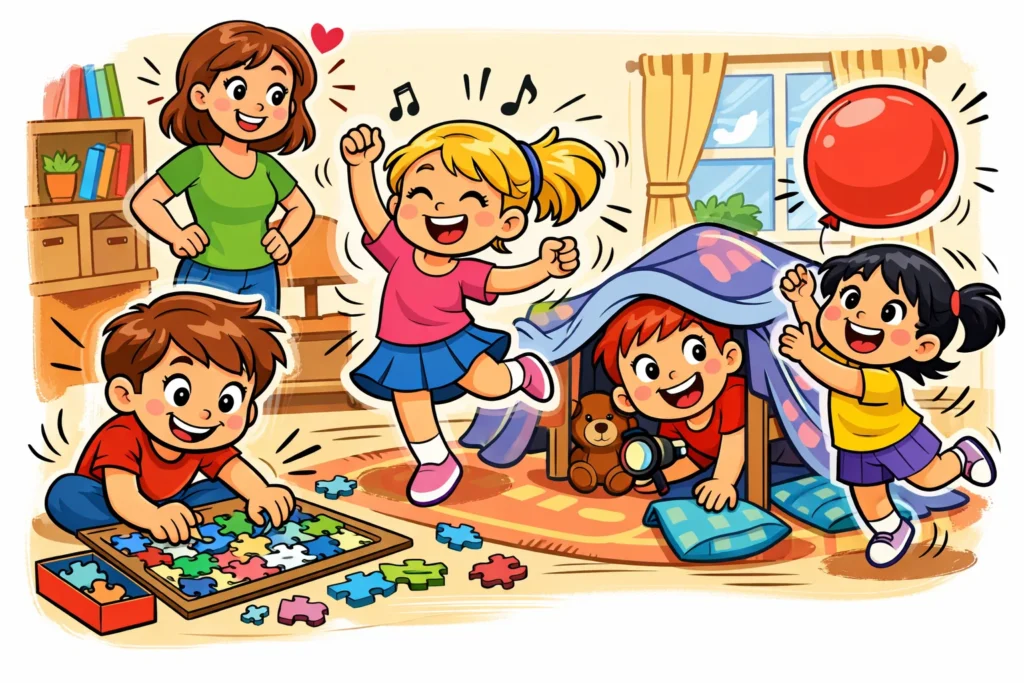
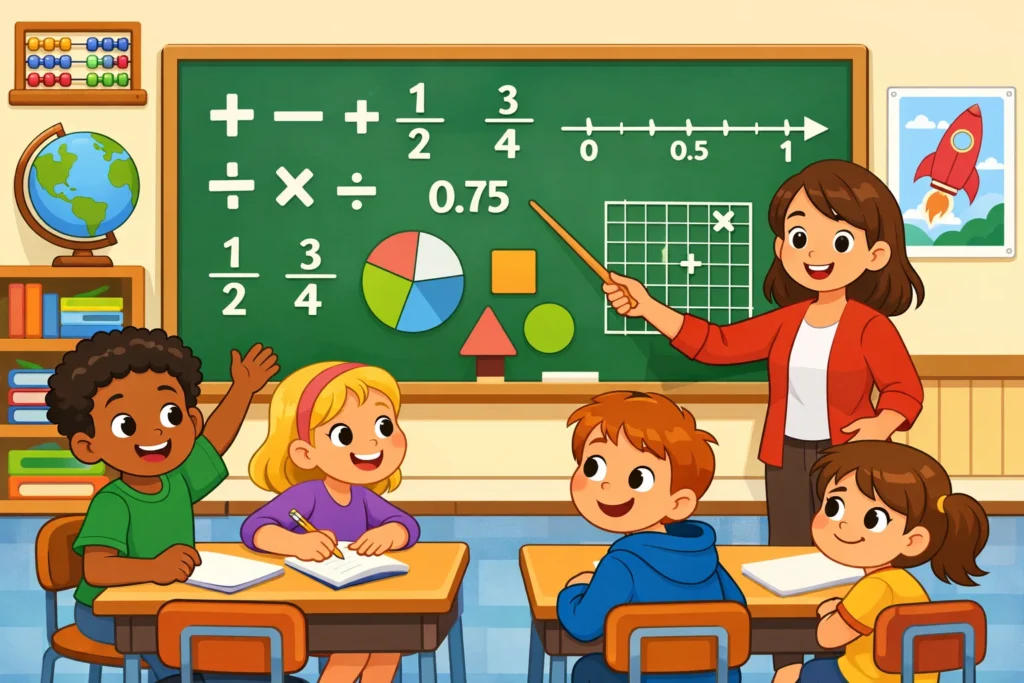
Name games for kindergarten and preschool do more than help children learn each other’s names — they build belonging, support early literacy, and make the first days of school feel safe and welcoming. Whether you need a quick circle time song or a hands-on small-group activity, the right name game can set a positive tone for the entire school year.
This collection brings together 30+ ideas across eight categories, including circle time games, active movement games, creative hands-on activities, musical games, literacy-based challenges, first-day icebreakers, quiet small-group options, and practical tips for teaching name recognition through play.
Key Takeaways
- This article covers 30+ name games for kindergarten and preschool across eight organized categories.
- Circle time songs like Hickety Pickety Bumble Bee and Willoughby Wallaby Woo are easy, high-engagement starting points.
- Hands-on options such as shaving cream writing and magnetic letter building support different learning styles.
- Several icebreaker games are included specifically for the first day of preschool or kindergarten.
- Teaching tips cover adapting games, keeping children engaged, and using repetition without boredom.
Name Games and Songs for Circle Time
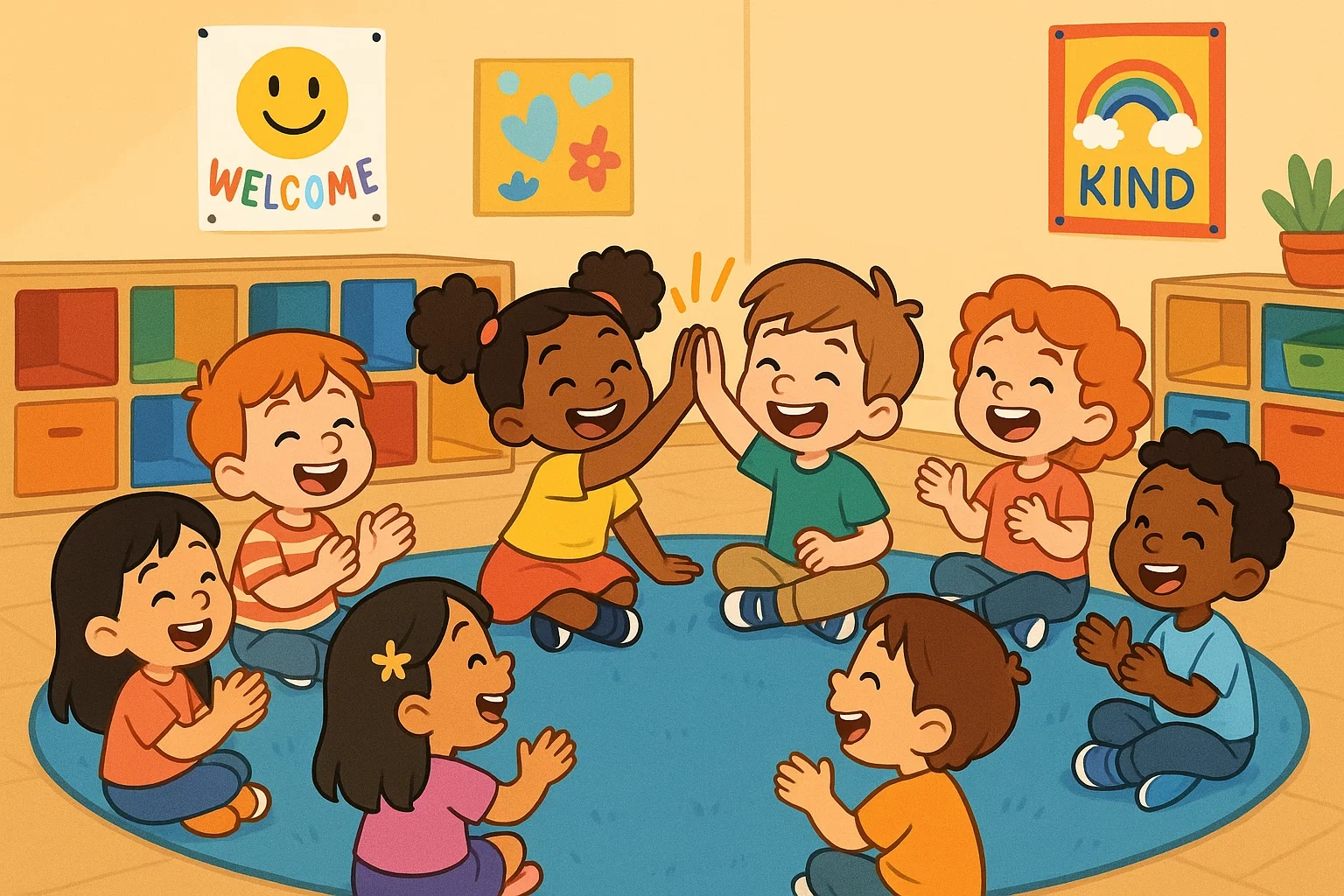
Circle time is one of the most natural settings for group activities. Students sit together, take turns, go around the circle, and interact as a community — making it the ideal moment to reinforce students’ names in a low-pressure, playful environment.
Hickety Pickety Bumble Bee
This classic chant invites every student into the spotlight. The teacher or a peer leads the group in singing “Hickety Pickety Bumble Bee, who can say their name for me?” and then points to a student, who speaks it aloud. The group repeats it back rhythmically. The repetition helps the entire class absorb students’ names naturally, and the rhythm supports early phonological awareness.
Willoughby Wallaby Woo
Willoughby Wallaby Woo is a favorite circle time game based on rhyming substitution — a song made popular by children’s musician Raffi. The verse replaces the first sound with “W,” so “Emma” becomes “Wemma.” This playful manipulation of sounds directly supports phonemic awareness, a foundational literacy skill identified by the National Reading Panel as critical for reading readiness.
Who Is Missing?
In this memory-based activity, one student quietly leaves the room or hides while the group closes their eyes. The teacher then asks, “Who is missing?” Learners must recall and say the absent student’s name. This game strengthens memory, attention, and recognition — and kids love the element of surprise it brings to circle time.
Clapping Activity
Each student says their name aloud while the group claps once per syllable. “Sa-man-tha” gets three claps; “Lee” gets one. This simple activity connects personal names to rhythm and syllable structure, two components of phonological awareness that support early reading development. It also helps young learners hear the differences between shorter and longer words in a genuinely fun way.
You Hoo Game
The teacher calls out “Yoo-hoo!” followed by a student’s name. That student responds and calls out the next person. This call-and-response format keeps the entire class alert and actively listening. It’s especially useful at the beginning of the school year when learners are still getting to know their classmates.
Who Do We Appreciate?
Modeled after traditional sports chants, this activity has the group chant: “Two, four, six, eight — who do we appreciate? [Student’s name]!” The recognized student waves or stands. Beyond recognition, this icebreaker game builds a sense of belonging and positive classroom community — something early childhood educators identify as essential for emotional development in preschool settings.
Active Name Games for Preschoolers
Movement-based activities combine physical engagement with social learning, making them ideal for young learners who need to move throughout the day. Here are some of the most effective formats:
- Beach Ball Toss: Students stand in a circle. One learner holds the beach ball, calls out a classmate’s name, and tosses the ball to them. The receiver says “thank you, [name]” and repeats the process. Teachers can add depth by asking each student to share a favorite thing before tossing — turning a simple icebreaker into a richer social activity.
- Jump In: The teacher calls a student’s name, and that student jumps into a designated area or simply jumps in place while the group cheers. This high-energy variation works well for large groups and helps even shy participants feel comfortable, since the required action is quick and low-stakes.
- Ring Toss: Set up labeled hoops with personal cards inside. Players take turns tossing a ring and reading aloud whichever name it lands on. The combination of letter recognition and fine motor skills keeps preschoolers highly engaged.
Creative and Hands-On Name Activities
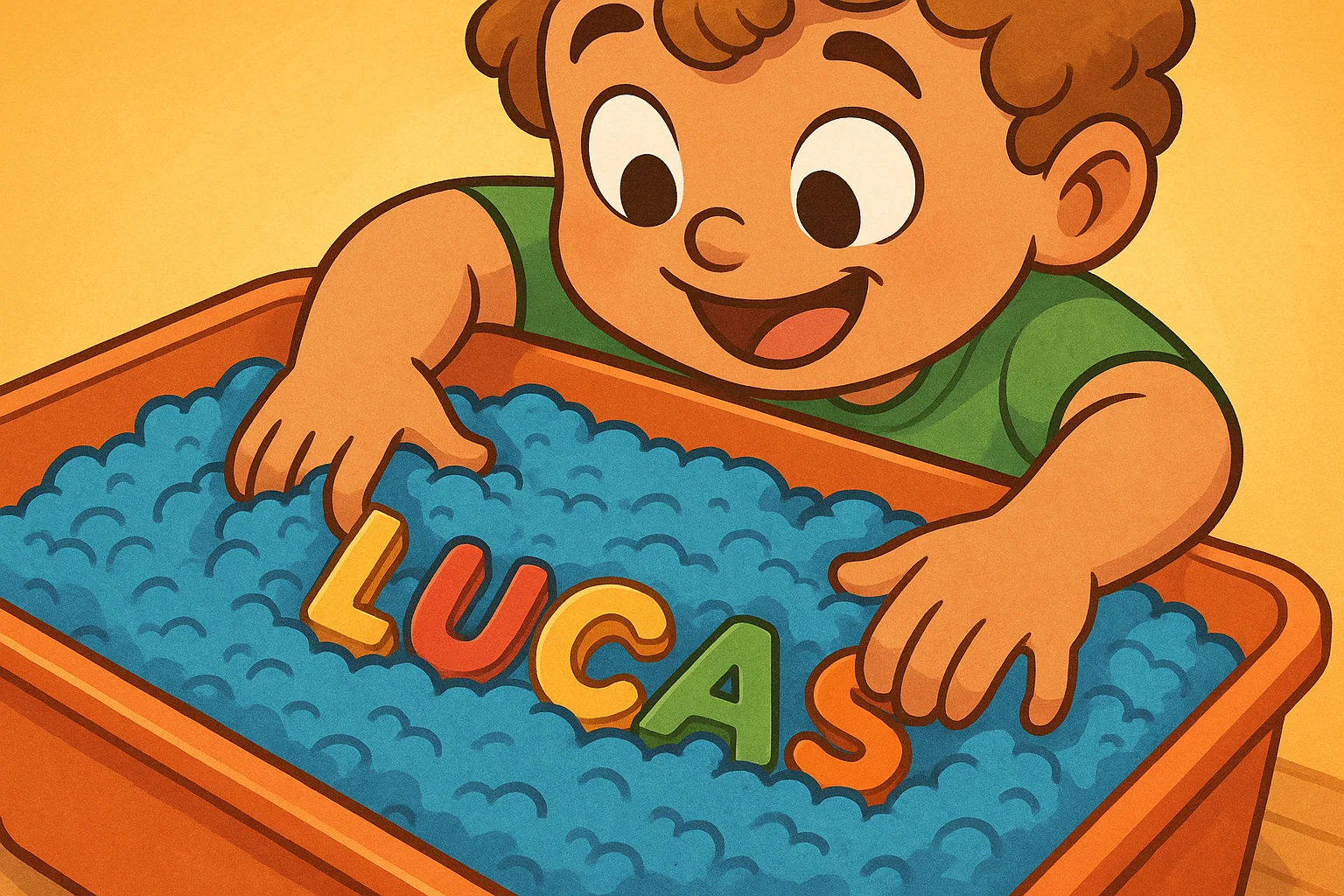
Tactile, craft-based experiences help young learners connect the visual appearance of their own name with its meaning. Research in early childhood education consistently shows that students recognize their own name before any other written word, making it an ideal entry point for emergent literacy.
Magnetic Letter Building
Provide each student with a set of magnetic letters spelling out their name. Learners assemble and reassemble the letters, reinforcing spelling and letter recognition simultaneously. Teachers can extend this by mixing letters from two or three students and asking them to sort — a challenging but playful variation for older preschoolers.
Popsicle Stick Puzzles
Write each student’s name on a row of popsicle sticks, one letter per stick, then mix the sticks up. Students reassemble the correct order. This hands-on puzzle supports fine motor development, sequencing, and letter-order awareness — all foundational literacy skills for kindergarten readiness.
Shaving Cream Writing
Spread shaving cream on a tray and ask students to write their name using one finger. The sensory experience removes the pressure associated with pencil-and-paper tasks and helps reluctant learners engage with letter formation more willingly.
Books Creation
Each student creates a small personalized book featuring their own name on the cover and illustrations of things they love inside. These mini-books double as reading material and a meaningful keepsake from the beginning of the school year.
Acrostic Poems
Students use the letters of their name as the starting point for simple descriptive words or phrases. “M — Makes people laugh. I — Into dinosaurs. A — Always kind.” Even at the preschool level, this activity encourages creative thinking and personal expression while reinforcing letter recognition.
Fun and Musical Name Games
Songs and rhythmic chants are among the most effective tools for supporting memory in young learners. According to research in developmental psychology, musical repetition activates multiple areas of the brain simultaneously, improving word recall and phonological processing.
Banana Fanna Fo Fanna Song
This classic uses a consistent rhyming pattern to transform each student’s name into a playful verse. “Lee, Lee, bo-bee, banana-fanna fo-fee, fee-fi-mo-mee — Lee!” The structure makes even unfamiliar words memorable and gives young learners early exposure to word families and rhyme patterns.
Bumblebee Game
The group chants a steady rhythm while one student is chosen as the “bumblebee” and moves around the circle. When the chant ends, the bumblebee stops in front of a classmate and says their name. The group chants it together. The combination of movement, rhythm, and social recognition makes this one of the most popular activities for preschool circle time.
Johnny Plays Drum Beat
The teacher or music teacher sets a steady rhythm on a drum, and students take turns clapping the beat of their own name. The group then tries to identify who matches a given rhythm. This builds both rhythmic awareness and the ability to distinguish syllable patterns — a skill supporting both literacy and musical development.
Literacy-Based Games for Preschoolers
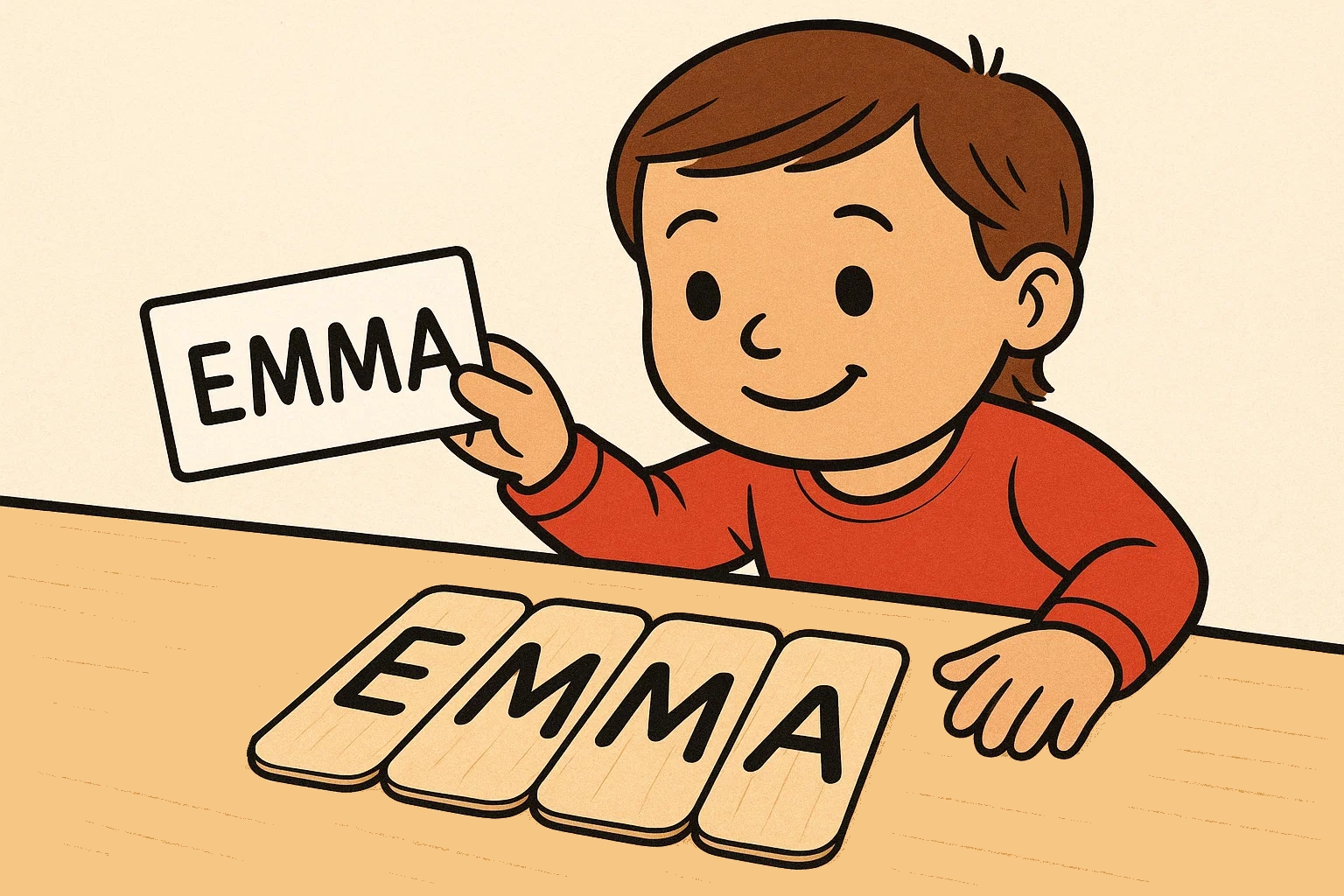
Activities that connect personal names to reading skills take learners a step further — from simply knowing a name to recognizing it in written form, identifying letters, and understanding alphabetical order.
Bingo
Create bingo cards using classmates’ names instead of numbers. Call out each one aloud, and students mark their cards. This format requires learners to visually scan and identify written words, directly supporting reading readiness.
Alphabetical Order Challenge
Write each student’s name on a card. As a group, arrange the cards alphabetically. This activity introduces alphabetical order in a personally meaningful context — students are far more motivated to learn where “M” falls in the alphabet when their own name starts with it.
Word Search
Create a simple grid containing the names of everyone in the class. Students circle each one they find. This visual scanning activity builds letter recognition and print awareness in a format that feels more like a puzzle than a lesson.
Letter Card Trade Game
Each student holds a card printed with one letter from their name. Students must find and trade with classmates to collect all the letters needed to complete their own name. This collaborative activity teaches letter recognition and encourages purposeful interaction with the rest of the class.
Puzzles and Matching
Print each student’s name on a card and cut it into individual letters. Learners reconstruct it by matching letters back to a reference card. This format supports fine motor development alongside letter sequencing skills.
Easy Name Games for First Day of Preschool
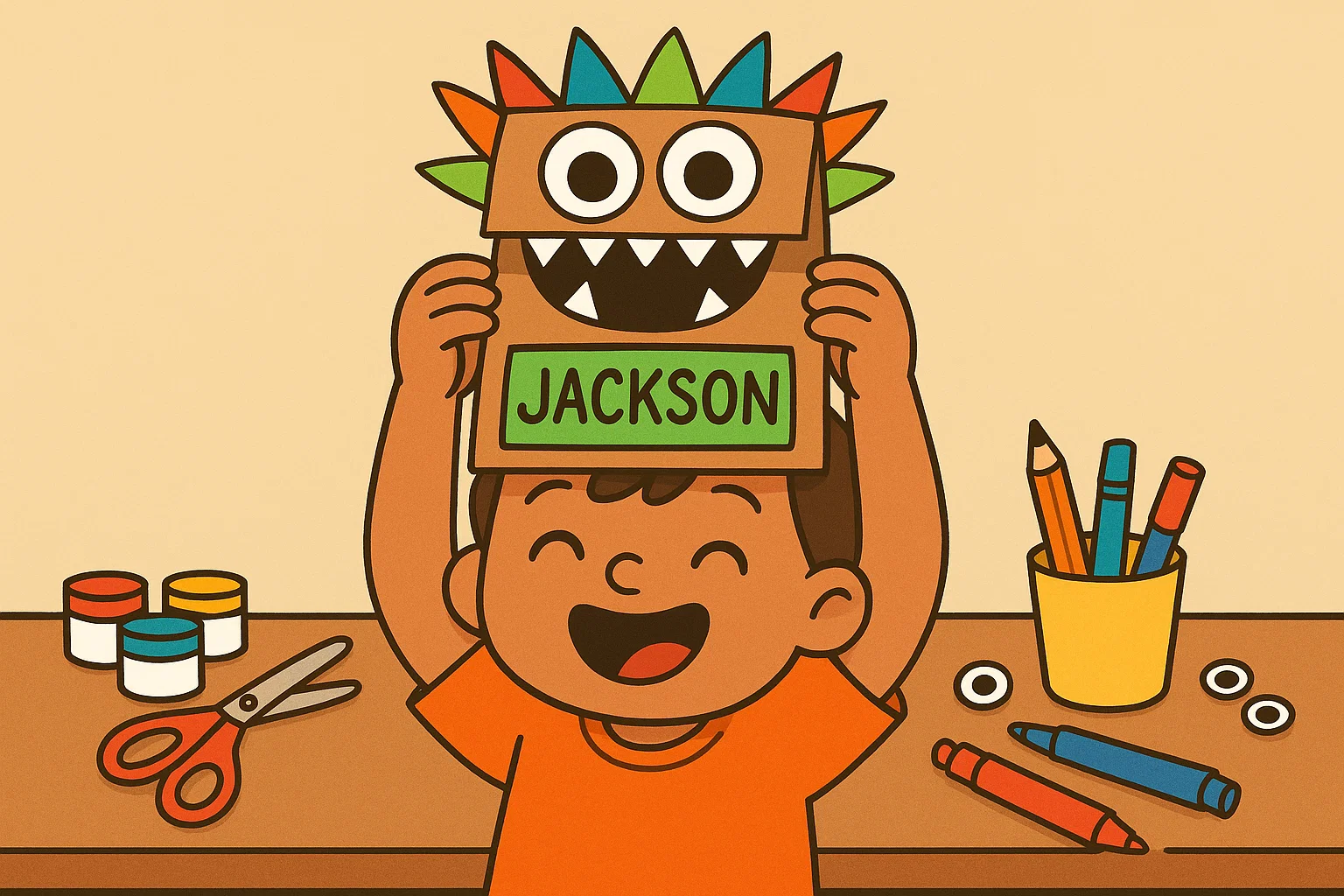
The first day of school is a high-anxiety moment for many young learners. Icebreaker activities ease the transition by giving students a structured, low-pressure way to interact with new classmates.
Teacher Test Game
The teacher attempts to recall every student’s name without looking at a list. Students eagerly correct any mistakes, which immediately positions them as the experts and reduces first-day nervousness. This role reversal — the adult as the one who needs help — builds classroom warmth and humor quickly.
Favorite Thing Game
Each student introduces themselves and adds a favorite thing: “I’m Mia and I love dinosaurs.” The next student repeats the previous person’s information before adding their own. This chain format reinforces memorization through repetition and helps students find common interests, supporting early social bonding.
Give Me a Name Activity
The teacher points to a student and the rest of the group must say that student’s name as quickly as possible. Speed and laughter make this a natural icebreaker, and the fast-paced format means no one is in the spotlight for long.
Web of Names Game
Students sit in a circle holding the end of a ball of yarn. The first student holds their piece and rolls the ball to someone across the circle while saying that person’s name. As the activity continues, a web forms visually across the group — a metaphor for classroom connection that preschoolers understand intuitively.
Quiet and Simple Name Games for Small Groups
Low-energy activities are equally valuable, particularly during calm transitions or small-group work time. The following formats work well with groups of four to eight students:
- Chain Game: Each student repeats all the names said before them and then adds their own. This sequencing challenge strengthens working memory and careful listening.
- Missing Name Game: Write the names of everyone in the group on cards and lay them face up. Remove one card while students close their eyes, then ask them to identify who is missing. This simple observation task sharpens both visual recognition and recall.
- Guess Who: One student gives clues about a classmate — “This person has curly hair and loves frogs” — while others guess the name. This format encourages observation skills and models respectful, specific language.
- Name Clusters Activity: Group name cards by shared features — same starting letter, same number of syllables, or rhyming endings. Sorting and comparing them in this way builds both phonological awareness and early classification skills.
Benefits of Name Games for Preschoolers
Early Literacy Skill Development
Engaging regularly with personal names builds foundational literacy skills including letter recognition, phonemic awareness, and spelling familiarity. Studies in early childhood education suggest that students who interact with their own name through structured activities show earlier letter-sound knowledge than those who do not.
Social Interaction and Confidence Building
These activities reduce the social anxiety many students feel at the beginning of the school year. Hearing one’s name called with warmth and enthusiasm signals belonging. Repeated positive exposure to classmates’ names helps learners pronounce them correctly, remember them faster, and approach unfamiliar peers with greater ease throughout the school year.
Memory and Listening Skills Improvement
Many of these formats require careful listening, sequence retention, and timely responses — all demands that strengthen working memory and active attention. Chain-style games, in particular, require holding multiple pieces of information in mind simultaneously, which may support the development of executive function skills relevant to academic performance well beyond preschool.
Tips for Teaching Name Recognition Through Games
Adapting Games for Different Learning Styles
Visual learners benefit from cards, written displays, and activities where names appear in print. Auditory learners engage most deeply with songs, chants, and call-and-response formats. Kinesthetic learners thrive when they can move, build, write, or toss. Rotating across all three formats throughout the week ensures every student has multiple entry points into the learning.
Keeping Preschoolers Engaged
Preschoolers typically sustain focused attention for five to ten minutes at a time. Keep activities short, switch formats frequently, and watch for signs of restlessness. Ending a session while students are still engaged — rather than waiting until attention drifts — builds anticipation for the next round.
Using Repetition Without Boredom
Repetition is essential for learning, but the same activity played identically every day loses its appeal quickly. Vary the format: play a game seated one day, standing the next. Add a puppet, change the chant, or let a student lead. These small variations preserve the learning value of repetition while keeping the experience fresh for the entire group.
Name Games for Preschool: Summary and Ideas
Name-based games for preschoolers are far more than icebreakers. They are powerful, research-supported tools for building early literacy, nurturing social confidence, and creating a classroom community where every student feels known. The best activities balance playfulness with purpose — they feel like fun while quietly developing the foundational skills young learners need for a successful school year and beyond.
Start with a few favorites from this guide, observe which formats resonate most with your group, and rotate activities regularly to sustain engagement. Whether you are a preschool teacher, a kindergarten educator, or a parent helping young ones prepare for school, building recognition through play is one of the most effective investments you can make in early learning.
Frequently Asked Questions
What Are Name Games for Preschoolers?
Name games for preschoolers are simple, structured activities that help young learners recognize and remember them through play. They take many forms, including songs like Willoughby Wallaby Woo, movement activities, and hands-on experiences. The common thread is that students interact with names — their own and others’ — in a repeated, enjoyable, and low-pressure way.
Why Are Name Games Important in Preschool?
These activities support literacy, social development, and memory skills simultaneously, making them one of the most efficient tools in early childhood education. They build letter recognition and phonemic awareness while helping students learn classmates’ names quickly, reducing first-day anxiety and strengthening classroom community.
What Are Easy Name Games for the First Day of Preschool?
The best first-day options are quick, low-pressure icebreakers that require no prior knowledge or preparation. Name toss with a beach ball, clapping syllables together, and the favorite thing game are all excellent choices that get students interacting immediately without feeling put on the spot. These activities work equally well for shy and confident learners, making them reliable go-to options for any new group.
Can Name Games Be Used for Shy Preschoolers?
These activities are particularly well-suited for shy students because structured, predictable formats reduce social pressure significantly. When a learner knows exactly what is expected — say your name, clap the syllables, catch the ball — participation feels manageable rather than intimidating. Group chants and songs are especially helpful, since hesitant participants can join in gradually at their own pace without being singled out.
How Long Should Name Games Last in Preschool?
These activities work best when kept to five to ten minutes, in line with the typical attention span of preschool-aged students. Engagement level is a better guide than the clock — ending on a high note before attention drifts builds anticipation for next time. Short, frequent sessions throughout the week are more effective than one long session, since spaced repetition supports stronger memory retention in young learners.
What Materials Are Needed for Name Games?
Many effective activities require no materials at all — clapping, Willoughby Wallaby Woo, and the web of names games need nothing beyond a group of students and open space. Games that do use props rely on simple, low-cost supplies like a soft ball, printed cards, magnetic letters, or popsicle sticks. The wide range of no-prep and low-prep options makes these activities accessible for any classroom or home setting, regardless of budget.
Take a short quiz to find out what your everyday choices say about your parenting style
When your child is curious about something new, what’s your instinct?
Take a short quiz to find out what your everyday choices say about your parenting style
“Can I download this app?” What happens next?
Take a short quiz to find out what your everyday choices say about your parenting style
When it comes to rules at home, which sounds most like you?
Take a short quiz to find out what your everyday choices say about your parenting style
If you could give your child one life skill today, what would you pick?
Take a short quiz to find out what your everyday choices say about your parenting style
Your child gets to choose what to watch. What would your ideal setup look like?
Take a short quiz to find out what your everyday choices say about your parenting style
Pick your parenting superpower ✨