Early Primary (5–7 Years)
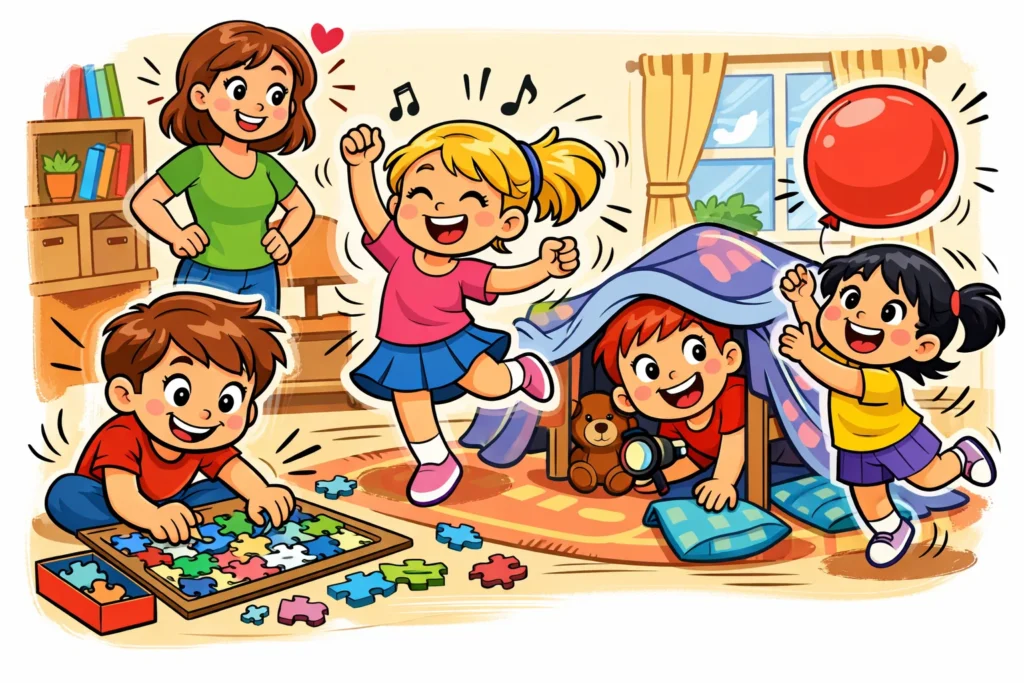
40 Best Indoor Games for Kids for Fun, Learning, Active Play, and Creativity
Keeping children engaged and entertained at home takes more than a box of toys; it requires a thoughtful mix of play that balances physical activity with cognitive growth. Indoor activities help parents channel their children’s energy, reduce screen time, and support key developmental milestones. Whether you’re dealing with a rainy day, a cold winter afternoon, or simply looking for ways to brighten an ordinary weekend, purposeful indoor play can turn the living room into a hub of discovery.
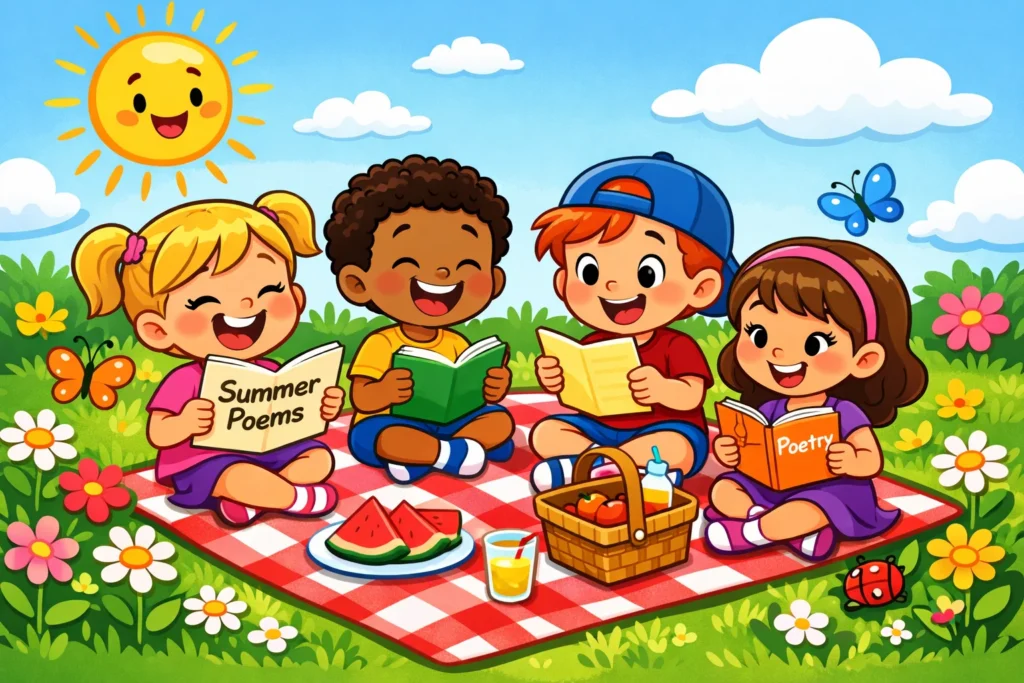
Continue Reading...16 Best Summer Poems for Kids
Summer is a season of discovery, when warm sunlight and vibrant garden life inspire a sense of wonder. For young readers, poetry can be a simple way to notice and enjoy the beauty of summer. This selection includes short, child-friendly poems and a few more lyrical pieces, capturing everything from birds in flight to the glow of summer moonlight.
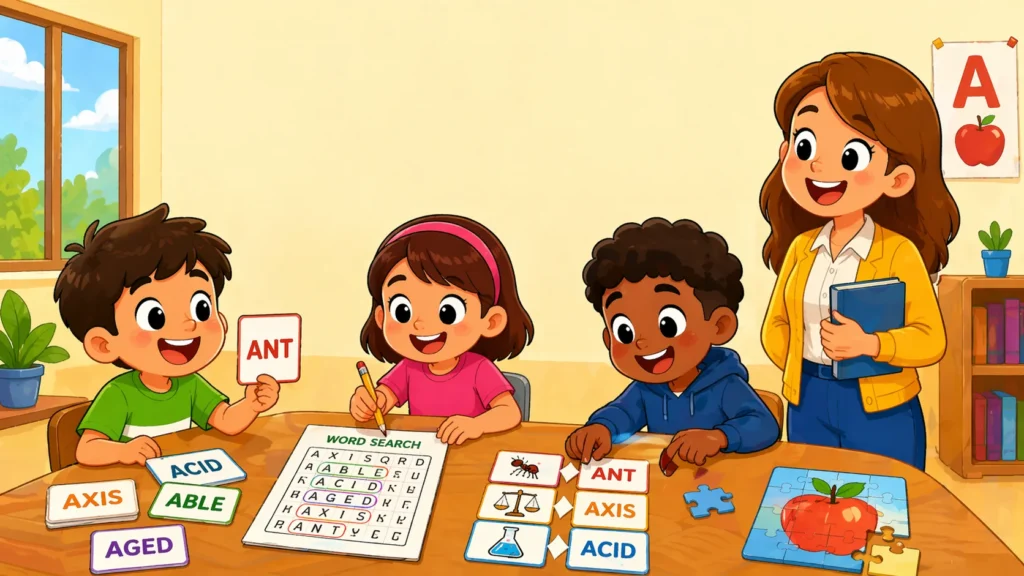
Continue Reading...Four Letter Words That Start with A
Finding the right four-letter words starting with A is useful for early literacy, vocabulary growth, and competitive letter games. Whether you are a parent helping a child build language skills or a student expanding your English vocabulary, building confidence with words of this length creates a strong foundation for reading and writing. This guide brings together common and less common entries, their meanings, and practical ways to use them in everyday learning and play. In the sections below, you will find a focused list of 4-letter entries grouped by purpose, including familiar choices for kids, high-scoring options for Scrabble, and useful picks for letter-game players. Definitions, parts of speech, and sample sentences make each entry easier to remember and use. We also touch on the learning benefits of games and structured vocabulary practice. This resource is designed for students, parents, teachers, and Words With Friends players. By organizing these A-starting entries into useful categories, it becomes easier for every reader - from casual learners to serious players - to find the terms they need.
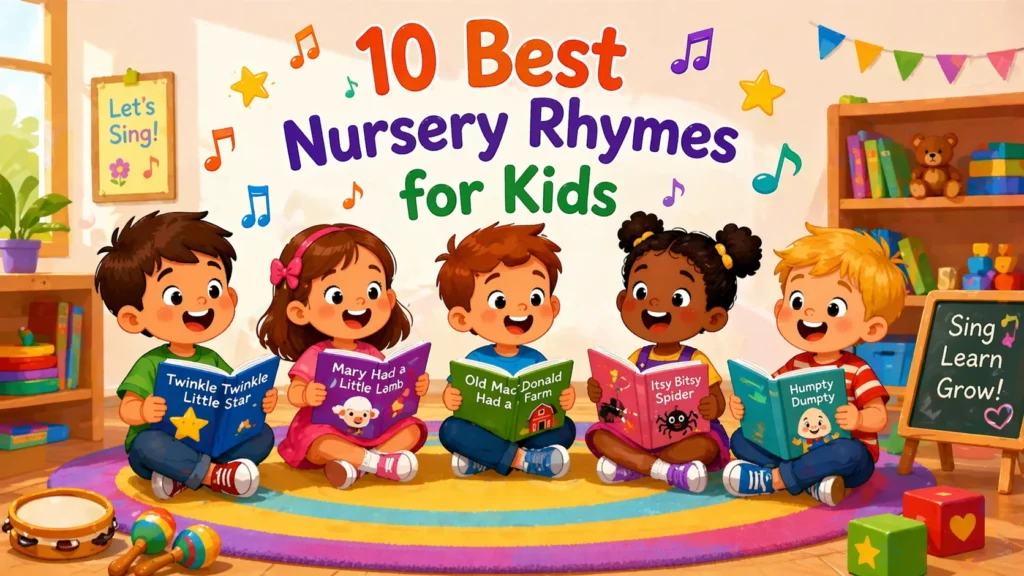
Continue Reading...10 Best Nursery Rhymes for Kids
A curated collection of nursery rhymes gives parents and educators a reliable starting point for supporting early childhood development and choosing nursery rhyme songs for every sing along session. This selection brings together classic and popular nursery rhymes, well-known favorites, and timeless nursery songs that have remained staples in homes and classrooms for generations. By considering lyrics, age suitability, and learning value, this guide helps make each sing-along session both enjoyable and developmentally meaningful. These best-loved classics are chosen for their rhythmic simplicity, making them easy for babies and toddlers to learn by heart.
Continue Reading...Number Activities for Preschoolers: 36 Fun Ideas for Counting, Number Recognition, and Writing
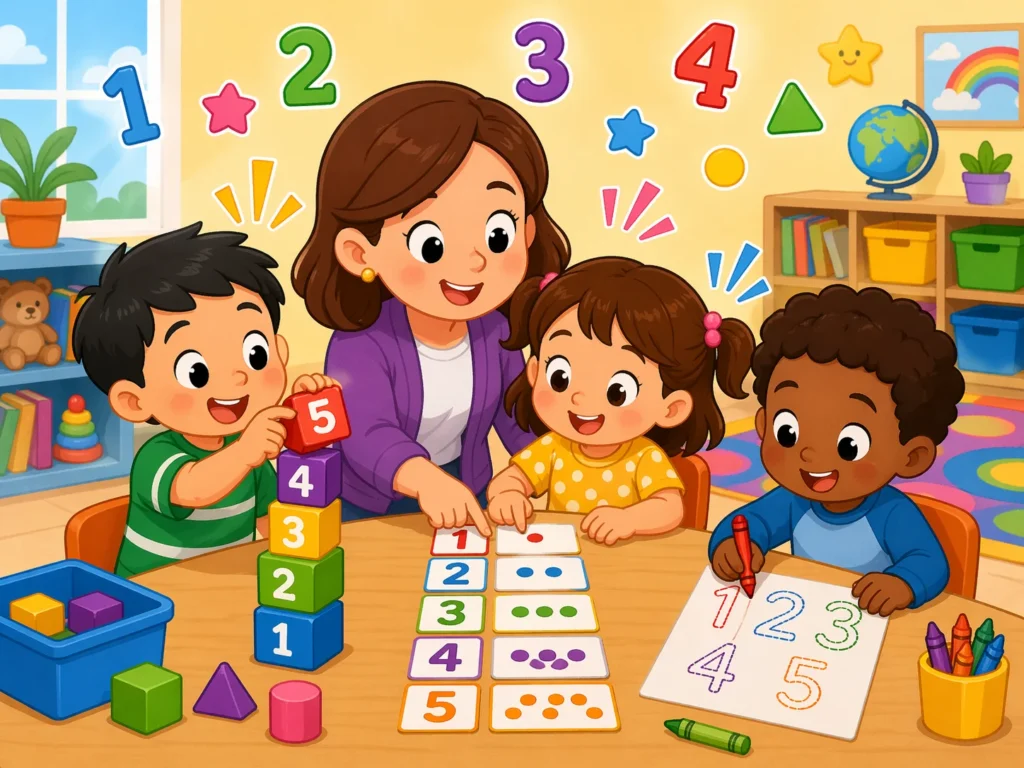
Introducing early math to young children does not require expensive kits or structured desk time. Preschoolers often learn best through hands-on play that weaves math concepts into their everyday environment. This guide provides 36 low-prep, play-based number activities designed for home, preschool, daycare, or homeschool settings. Whether you are focusing on numeral recognition, counting skills, or early writing, these engaging math games help turn abstract symbols into concrete understanding. By using a mix of printables, sensory bins, and movement, you can build a strong foundation in number sense that prepares children for future academic success.
Continue Reading...12 Reading Bulletin Board Ideas for Elementary Classrooms
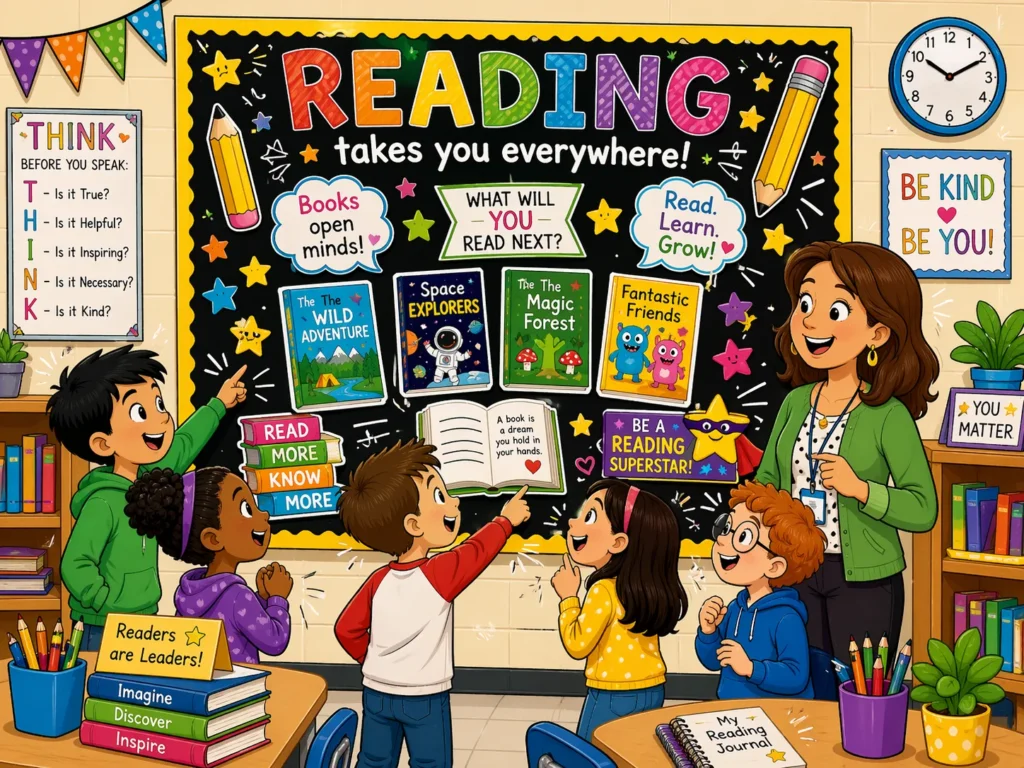
Creating an effective elementary classroom environment requires a balance between visual appeal and instructional purpose. A well-designed classroom bulletin board does more than decorate the room; it can serve as a visual scaffold that supports literacy development, engagement, and classroom community. Whether you're planning a back-to-school bulletin board or refreshing your classroom library midyear, the right display can help foster a love of books. Research and professional guidance consistently show that print-rich, text-rich environments support literacy development and help make reading materials more visible and inviting to students. By using creative bulletin boards, educators can encourage students to explore a wider range of reading materials and track their reading progress. This guide offers 12 bulletin board themes designed to spark interest in reading through interactive displays, student-centered visuals, and meaningful response activities.
Continue Reading...25 Best Co-Curricular Activities for Students: Types, Benefits, Examples and Tips
Choosing the right co-curricular activities is a vital step in a student's educational journey. These programmes complement classroom learning by giving students practical ways to apply knowledge while developing essential life skills. This guide explores the range of co-curricular activities available, explains why participation matters, and shows how to balance these activities with school life.
Continue Reading...Main Idea vs. Theme for Kids: Differences, Examples, Activities, and Questions
Distinguishing between the main idea and the theme of a story is a foundational milestone in literacy development. While these concepts are closely related, they serve distinct purposes in helping young readers comprehend and analyze text. Many students initially struggle with this distinction, often confusing specific plot details with the broader message the author intends to convey. Teaching children the difference between a text’s central point and its deeper message transforms them from passive readers into active thinkers. This guide provides a comprehensive comparison, clear definitions, and practical examples from well-known stories. With clear questions, anchor charts, and engaging activities, parents and educators can help students master these reading comprehension skills with confidence. In the following sections, readers will find a clear breakdown of definitions, step-by-step instructions for identifying both elements, and ready-to-use practice exercises. Whether students are reading fiction or nonfiction, the goal is to move beyond guessing and toward using textual evidence to build deep understanding.
Continue Reading...240+ Daily Questions for Kids to Spark Fun Conversations Every Day
Starting a meaningful conversation with a child can sometimes feel like solving a complex puzzle. While the standard “How was your day?” is a common go-to, it often leads to one-word answers that shut the conversation down before it even begins. Using well-chosen daily questions can help you move past the usual “fine” or “good” and get a more genuine glimpse into a child’s world. Adding a few thoughtful questions to your daily routine does more than fill the silence; it creates space for meaningful conversations that support social-emotional development. Whether you are looking for classroom icebreakers or dinner-table conversation starters, having a varied list of questions helps you keep kids engaged and thinking. This guide offers more than 240 questions designed to make everyday conversations more fun, engaging, and reflective from breakfast to bedtime.
Continue Reading...