How to Teach Empathy to Teenagers: 11 Practical Strategies

 Discover a Free Education Video App for Kids
Pastory uses AI to personalize educational video content based on your child’s interests and personality. Safe, engaging, and built for curious young minds. Sign up now to stay updated and enjoy early access with a free trial
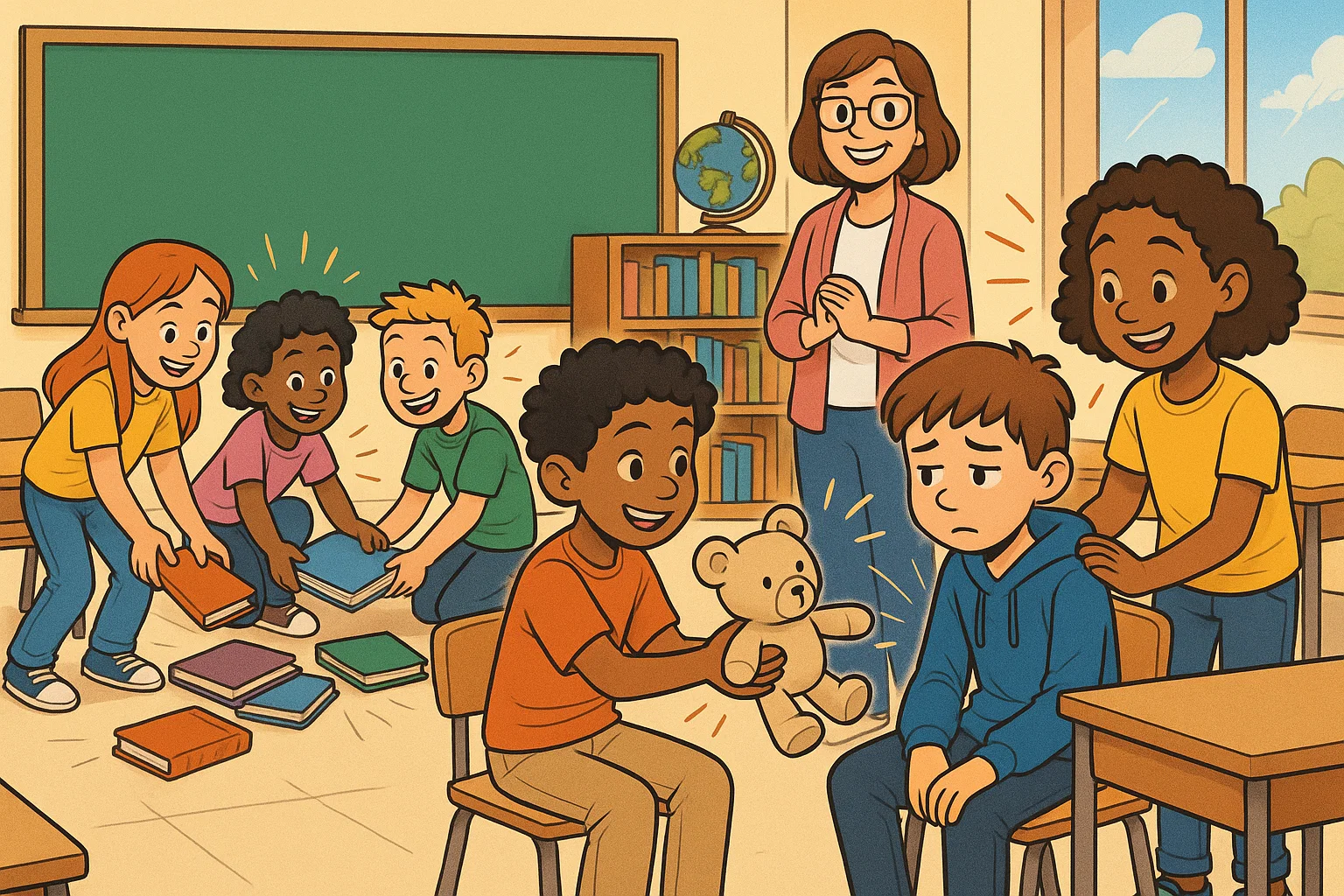
Teaching empathy to teenagers is a valuable investment in their future because it helps lay the foundation for healthy relationships, academic success, and emotional resilience. This article provides parents and educators with actionable strategies – including daily conversations, literature, film, and role-playing exercises – to help teens move beyond self-absorption and genuinely understand others’ perspectives. Developing empathy in teens is not an overnight process, but consistent practice helps teenagers build the social skills necessary to thrive in adulthood while reducing tendencies toward bullying and antisocial behavior.
What Is Empathy?
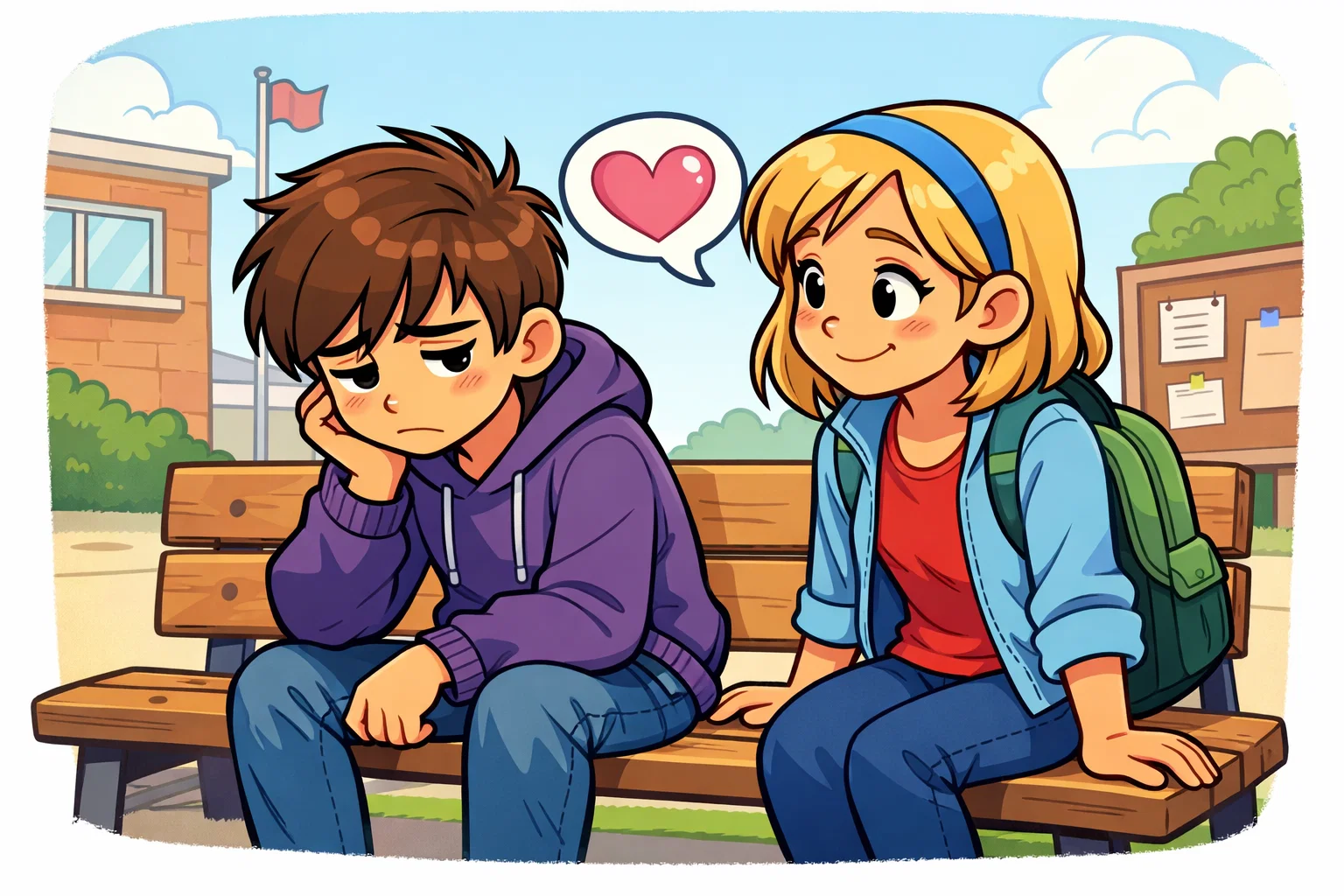
Empathy is the cognitive and emotional ability to recognize, understand, and respond to another person’s feelings and perspective. It is an essential social skill that helps adolescents attune to others’ emotions and adjust their behavior accordingly. When people practice empathy, they move beyond their immediate reactions and consider how their tone of voice, posture, and facial expressions affect those around them.
Empathy vs. Sympathy
Sympathy involves feeling pity or sorrow for someone else’s misfortune, often from a distance. Empathy goes a step further, requiring a person to understand another person’s perspective and acknowledge their feelings. While sympathy can create a barrier between the observer and the person in distress, empathy builds connection by encouraging the teen to understand other people’s emotions.
Emotional Empathy
Emotional empathy is the visceral, automatic reaction to another person’s emotional state, such as feeling anxious when a friend is nervous or joyful when a peer succeeds. It allows a teen to intuitively “pick up” on the atmosphere of a room or the hidden frustration in a friend’s tone. This foundational skill helps teenagers become more responsive in real-life situations.
Cognitive Empathy
Cognitive empathy is the intellectual capacity to step outside one’s own perspective and consciously consider another person’s point of view. It involves identifying the thoughts and feelings that might drive someone else’s behavior, even if the teen does not personally agree with those actions. This skill depends in part on the prefrontal cortex – the area of the brain involved in impulse control, planning, and complex decision-making – which is still developing during the teenage years.
Everyday Examples for Teen Life
Empathy in teenagers often shows up in everyday but emotionally charged social interactions. Consider these common scenarios:
- A conflict with a friend: The teen chooses to ask what might have upset their friend instead of immediately escalating the misunderstanding.
- A sharp comment in a group chat: The teen pauses to consider whether their words might be perceived as hurtful before hitting “send.”
- Exclusion from a social circle: The teen notices a peer sitting alone and takes the initiative to invite them to join the group.
How to Teach Empathy to Teenagers: 11 Practical Strategies
| Strategy | Implementation | Typical Mistake to Avoid |
| Model Empathy | Explicitly verbalize your own empathy for others in daily life. | Trying to “teach” while acting cold or dismissive toward others yourself. |
| Perspective-Shifting | Ask, “How would [person] feel if this happened to them?” | Forcing a “correct” answer instead of exploring their genuine thoughts. |
| Empathic Listening | Listen to your teen without interrupting or offering immediate solutions. | Jumping to “fix it” mode or moralizing before they feel heard. |
1. Be a Positive Role Model
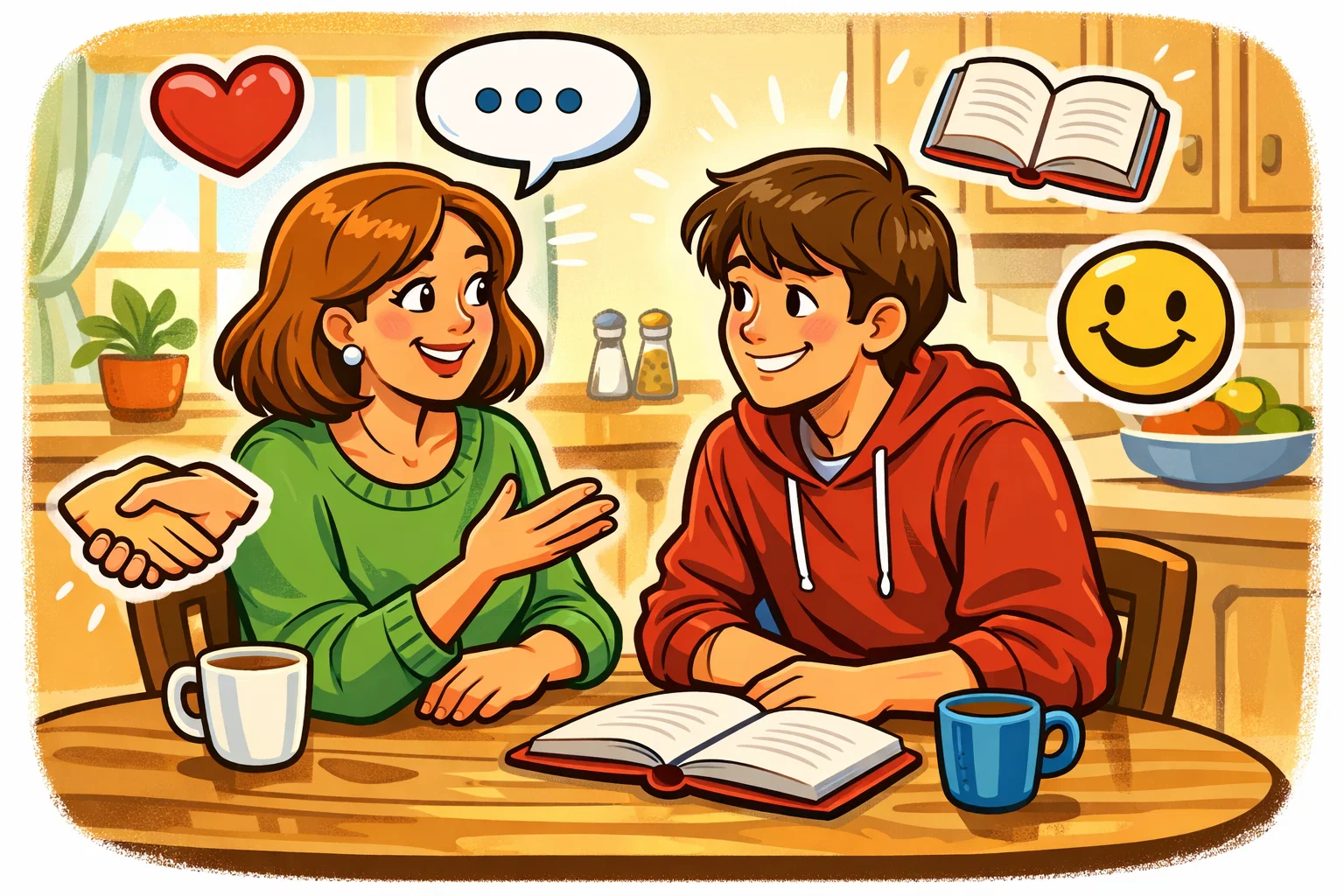
Teens watch your actions more closely than they listen to your lectures. When you speak respectfully about a difficult neighbor or show kindness to a service worker, you are providing a blueprint for empathetic behavior.
2. Practice Empathy in Daily Conversations
Use current events or family stories as opportunities for reflection. If a conflict arises at school, ask, “What could have led that person to react that way?” to help your teen explore motivations.
3. Ask Perspective-Shifting Questions
When your teen complains about a peer, gently nudge them to “flip the script.” Ask, “If you were that person, what would you want someone to say to you in this moment?”
4. Play Devil’s Advocate Without Conflict
When your teen holds a rigid view, offer a gentle alternative: “That is one way to look at it, but what if the teacher’s goal was actually to help everyone finish on time?” This expands their cognitive flexibility.
5. Use History for Empathy-Building Moments
History is not just about dates; it is about the lived human experience. When studying historical events, discuss the fear, hope, and vulnerability of the ordinary people caught in those circumstances.
6. Highlight Lesser-Told Stories
Encourage your teen to read books or watch documentaries that reflect the perspectives of marginalized groups or people whose experiences are often overlooked. This helps them understand that every person’s experience is valid.
7. Use Art, Photography, Film, and Videos
Media is a powerful tool for triggering emotional responses. After watching a film, discuss the characters’ choices: “Why did they hide their feelings?” or “How did their body language reveal what they were not saying?”
8. Read Books with Complex Characters
Literature provides a safe space to explore the internal lives of others. Choose stories where protagonists face moral dilemmas, experience loneliness, or must grapple with their own mistakes.
9. Practice Empathic Listening
When your teen comes to you, prioritize acknowledgment. Use phrases like, “It sounds like you felt really excluded when they did that,” which validate their experience without jumping straight to advice.
10. Encourage Help at Home and in Community
Service projects – whether that means volunteering at a shelter or helping an elderly neighbor – encourage teens to look beyond themselves and respond to the needs of others.
11. Notice and Praise Empathetic Behavior
When you see your teen support a friend or apologize sincerely, provide specific feedback: “I noticed you stayed to help your brother when he was frustrated; that was really thoughtful.”
Empathy Activities for Teenagers
To move from theory to action, try incorporating these exercises into your weekly routine:
- Role-Reversal Scenarios: Pick a recent argument and ask your teen to explain the other person’s point of view as accurately as possible.
- Empathy Bingo: Create a simple bingo card with small acts of kindness or awareness (e.g., “noticed someone was sad,” “said thank you,” “included someone new”) and acknowledge each one as it happens.
- Silent Appreciation: Encourage your teen to write a brief note of gratitude to someone who has helped them, focusing specifically on how that person’s actions made them feel.
- Volunteer Challenges: Commit to one community project together where the focus is strictly on service, not personal gain.
Why Empathy Matters for Teenagers
Empathy is not just a soft skill; it is a critical component of social development that directly influences how a teen navigates their world. Understanding why empathy matters for teens helps parents frame these lessons as tools for personal power and connection rather than just “being nice.”
Empathy, Friendships, Social Life
Empathy allows teenagers to read nonverbal cues, helping prevent misunderstandings in their relationships. When a teen can interpret social signals accurately, they are less likely to experience social isolation and more likely to maintain long-lasting, meaningful friendships. Empathy helps smooth the inevitable bumps in adolescent peer dynamics.
Empathy, Bullying, Peer Conflict
A lack of empathy can be a major driver of bullying behavior because it allows individuals to detach from the pain they cause others. By fostering empathy, teens become less likely to engage in trolling, teasing, or passive participation in group harassment. When a teen understands that their actions are hurting someone, the impulse to assert dominance at another person’s expense often weakens.
Empathy, Family Communication, Trust
Practicing empathy at home transforms the parent-teen relationship, moving it from constant conflict to collaborative communication. When teens learn to acknowledge their parents’ perspectives, family arguments often become less volatile. This shift builds a foundation of trust, where the teen feels safe expressing their own vulnerabilities because they see that their feelings are also valued.
Empathy, School, Leadership, Future Success
In academic and professional settings, empathy is a core competency for leadership and effective teamwork. Teens who develop these skills are better equipped to navigate diverse environments, work with others, and resolve conflicts through compromise. Research suggests that emotional intelligence is associated with stronger teamwork and better performance in group-based settings.
Teens and Emotional Maturity
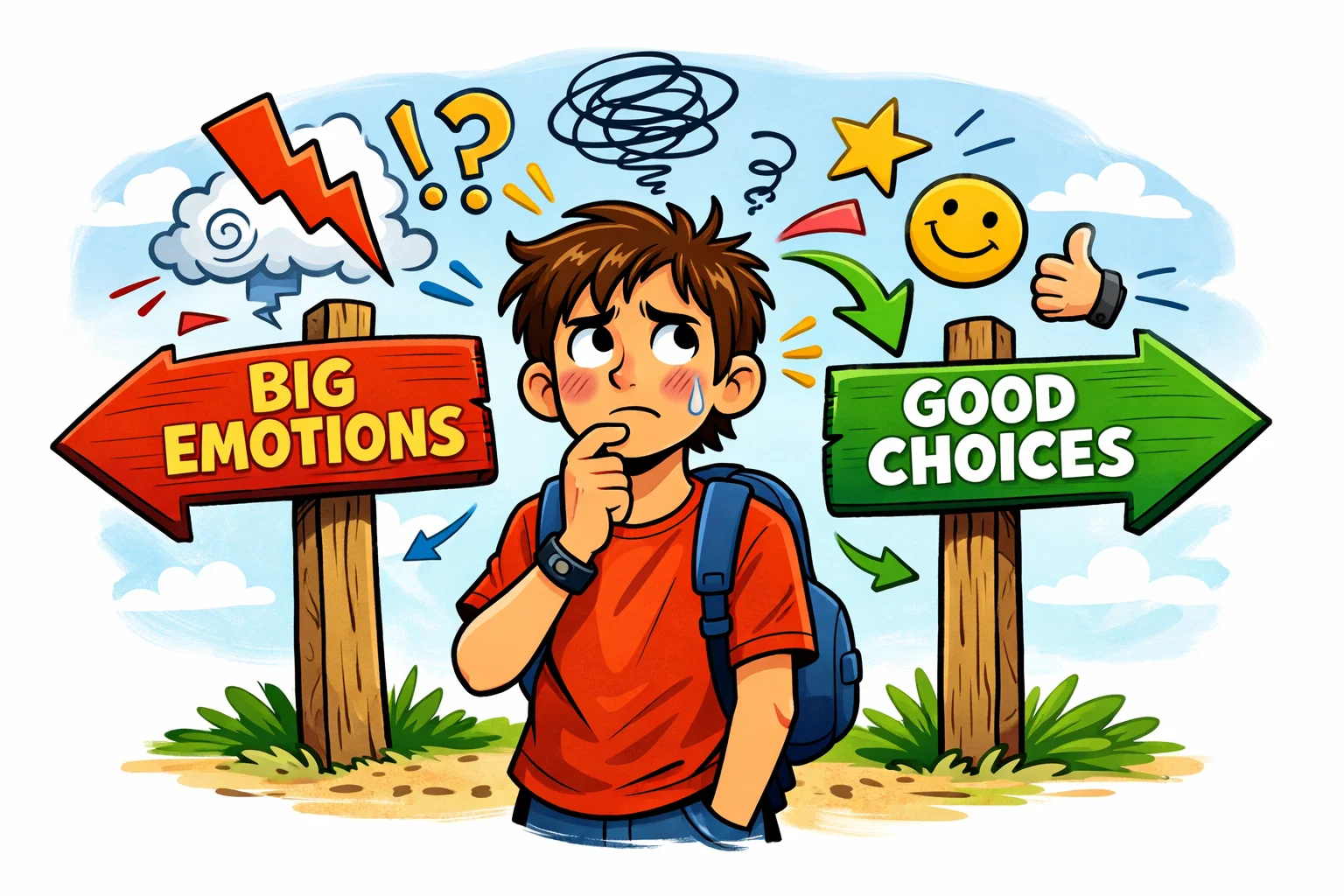
The adolescent brain is undergoing a significant “rewiring” process, which explains why empathy can seem elusive. Parents often ask why a teen seems self-centered or impulsive, and part of the answer lies in developmental biology.
Brain Development During Teen Years
During the teenage years, the brain undergoes rapid pruning in the prefrontal cortex – the region responsible for impulse control and complex social reasoning. Because this area is still maturing, teens may prioritize immediate emotional impulses over the slower, more deliberate process of perspective-taking.
Strong Emotions, Fast Reactions, Social Pressure
Adolescents are biologically wired to be highly sensitive to social rejection, which can lead to rapid, reactive behavior. When a teen feels peer pressure, shame, or the urge to “fit in,” these stressors often override their ability to think about someone else’s point of view.
Why Growth Takes Time
Empathy is a muscle that strengthens with repetition, not a switch that flips overnight. Parents should view these developmental years as a training ground where trial and error are expected. Growth is rarely linear, and setbacks are a normal part of the learning process.
Missing Empathy in Teen Years: More Common Than Many Parents Think
It is normal for teenagers to exhibit moments of self-absorption or indifference, but consistent patterns of low empathy may warrant closer attention.
Common Signs at Home
- Indifference to pain: The teen shows little reaction when a family member is visibly distressed.
- Dismissiveness: They may mock the feelings of others, labeling them as “overdramatic” or “stupid.”
- Lack of remorse: After causing an argument, the teen blames others rather than taking accountability for their words or actions.
Common Signs at School and Online
- Digital cruelty: Engaging in “joking” that is clearly meant to demean, such as sharing embarrassing screenshots or creating exclusionary group chats.
- Passive aggression: Purposefully ignoring someone’s feelings or using sarcasm to deflect from the impact of their words.
- Lack of interest: A persistent inability to understand why a peer might be hurt by being excluded or by a harsh comment.
Reasons Behind Low Empathy
- Chronic stress: When a teen is overwhelmed by academic or social anxiety, their brain prioritizes self-preservation over social attunement.
- Over-exposure to irony: A heavy reliance on sarcasm and “edgy” humor can desensitize teens to genuine emotional cues.
- Lack of face-to-face practice: Excessive time spent on screens may reduce the opportunities to practice reading real-life facial expressions and tone of voice.
When Extra Support Makes Sense
If a teen consistently shows little empathy, seems to enjoy causing pain, or exhibits persistent aggressive behavior, it is time to seek professional advice. A school counselor, family therapist, or adolescent specialist can help determine whether there are underlying issues such as delays in social-emotional development or mental health concerns.
Skills That Support Empathy
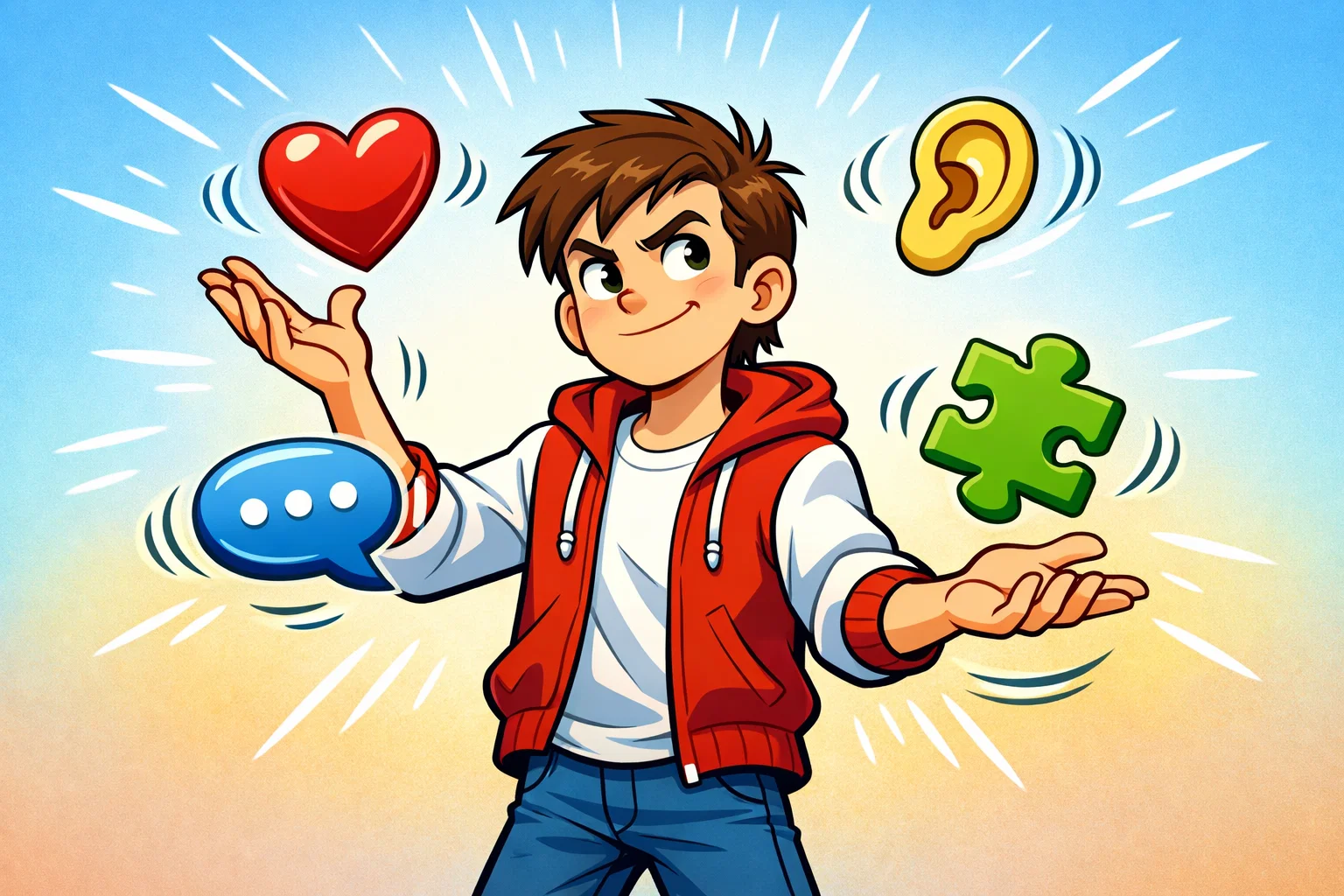
Empathy does not exist in a vacuum; it is supported by several core emotional skills.
- Emotional Regulation: Teens must be able to manage their own distress to make room for other people’s feelings.
- Active Listening: This prevents the urge to formulate a rebuttal and instead keeps the focus on understanding the speaker.
- Conflict Repair: Learning how to apologize, own mistakes, and make things right is the ultimate practice in empathetic communication.
Best Resources for Teaching Empathy to Teenagers
- Videos: Look for short, high-quality storytelling clips that explore conflict resolution, perspective-taking, and social inclusion.
- Memoirs: Select memoirs from diverse voices that provide a raw, personal look at overcoming hardship.
- Reflection Prompts: Use journal prompts such as, “Who did I see struggle today, and what could I have done to make them feel seen?”
Next Steps for Parents
Start by choosing just one strategy this week, such as practicing empathic listening during dinner. Focus on consistency rather than perfection, and track your teen’s progress by observing small shifts in how they speak about their friends and teachers. If you see signs of persistent, intentional cruelty, seek professional support to address the underlying issue.
Frequently Asked Questions
Why Is Empathy Important for Teenagers?
Empathy improves relationship quality, reduces conflict, lowers the risk of bullying, and helps build leadership skills.
Can Empathy Be Taught During Teen Years?
Yes. While the brain is still developing, the teenage years are a critical time to refine social skills, strengthen neural pathways for perspective-taking, and make empathetic behavior a habit.
What if My Teen Shows No Empathy?
Start by modeling empathy in your own daily interactions. If the lack of empathy is accompanied by aggressive or destructive behavior, consult a mental health professional to rule out underlying issues.
Which Activities Build Empathy Fastest?
Real-life discussions, role-playing conflict scenarios, volunteering, and discussing complex character choices in books or film are some of the most effective ways to build empathy.
Can Empathy Reduce Bullying?
Yes. When a teen develops the ability to imagine how a peer feels, they are less likely to participate in bullying or remain indifferent to it.
How can I help my child with ADHD develop empathy?
Teens with ADHD often struggle with emotional regulation, so providing explicit instruction and modeling calm, in-person social interactions is key. Paying full attention to their thoughts and feelings – rather than just their behavior – is also a great way to support their developing brain.

Take a short quiz to find out what your everyday choices say about your parenting style
When your child is curious about something new, what’s your instinct?
Take a short quiz to find out what your everyday choices say about your parenting style
“Can I download this app?” What happens next?
Take a short quiz to find out what your everyday choices say about your parenting style
When it comes to rules at home, which sounds most like you?
Take a short quiz to find out what your everyday choices say about your parenting style
If you could give your child one life skill today, what would you pick?
Take a short quiz to find out what your everyday choices say about your parenting style
Your child gets to choose what to watch. What would your ideal setup look like?
Take a short quiz to find out what your everyday choices say about your parenting style
Pick your parenting superpower ✨