16 Best Summer Poems for Kids

 Discover a Free Education Video App for Kids
Pastory uses AI to personalize educational video content based on your child’s interests and personality. Safe, engaging, and built for curious young minds. Sign up now to stay updated and enjoy early access with a free trial
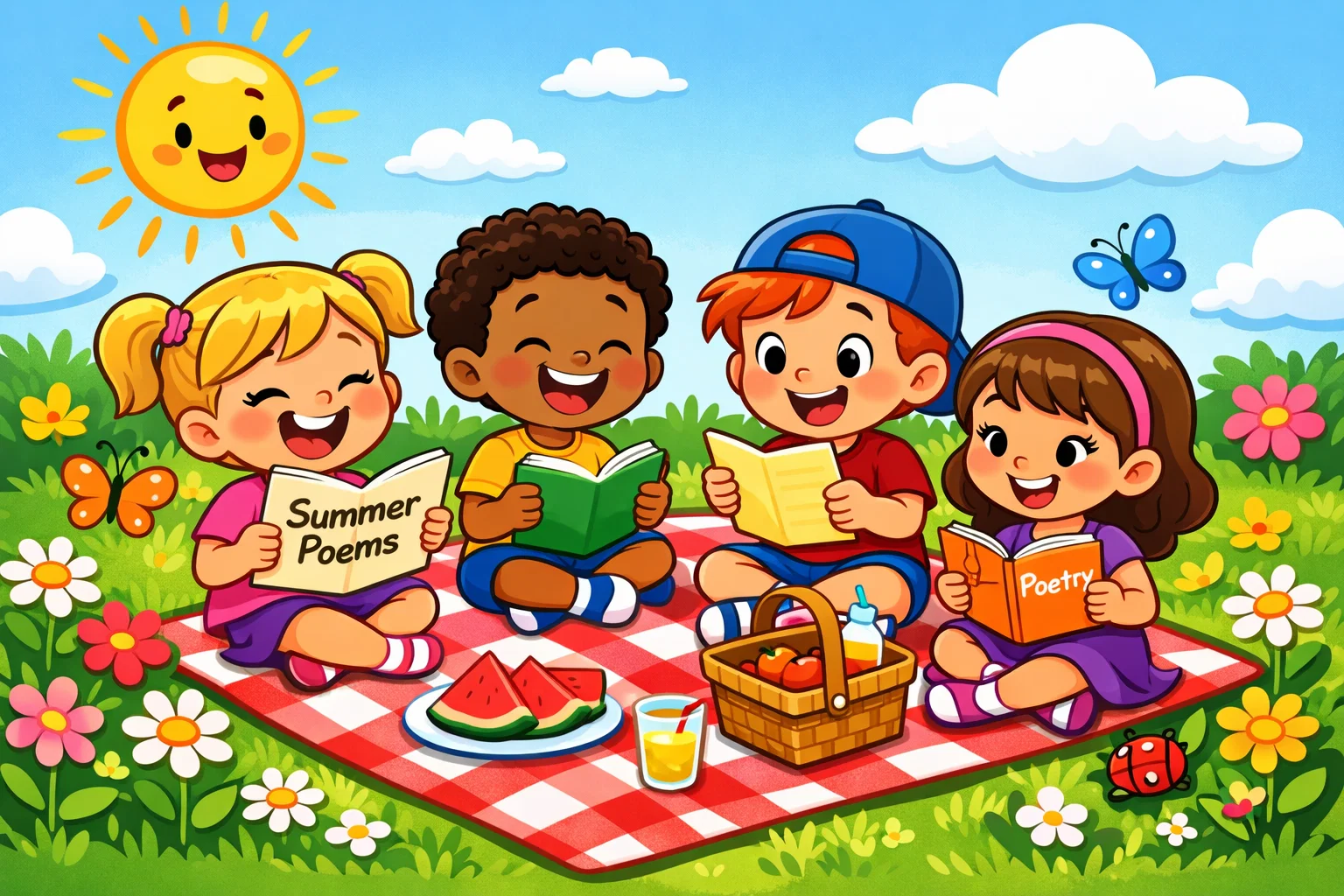
Summer is a season of discovery, when warm sunlight and vibrant garden life inspire a sense of wonder. For young readers, poetry can be a simple way to notice and enjoy the beauty of summer. This selection includes short, child-friendly poems and a few more lyrical pieces, capturing everything from birds in flight to the glow of summer moonlight.
Why Summer Poems Feel So Memorable
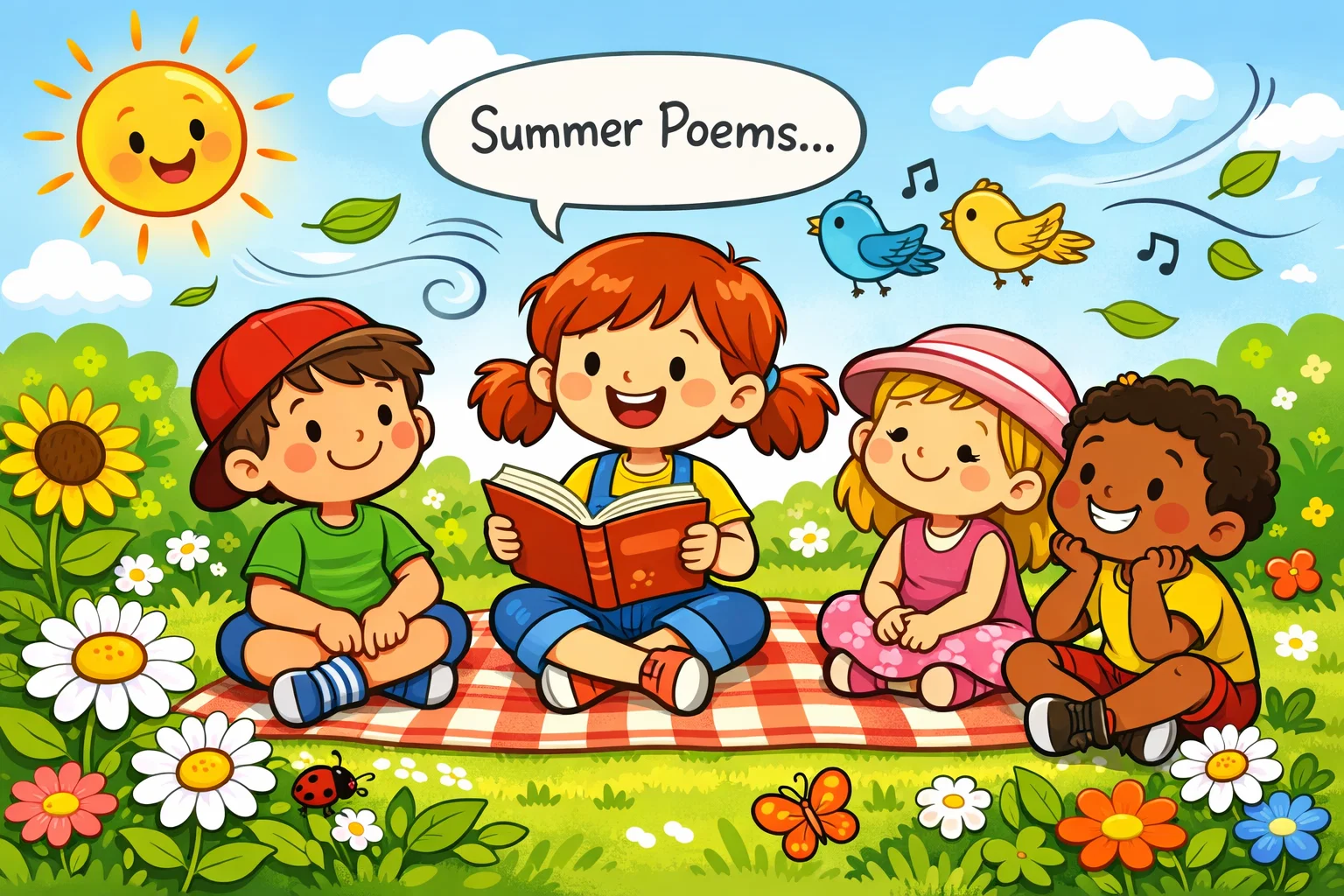
Summer poetry feels memorable because it captures freedom, growth, and the sensory richness of the season. In summer, the natural world is full of vivid detail: ripe fruit, blooming lilies, and birds in constant motion. For many, these poems evoke a sense of nostalgia for childhood excitement or provide a peaceful escape from the frantic pace of modern life.
The poetry of this season often focuses on the warmth of the summer sun, which acts as a powerful symbol of energy and life’s vitality. However, the best poems also acknowledge the fleeting nature of this beauty, creating a poignant tension between the delight of the present and the inevitable darkness of the coming winter. That emotional range makes poems about summer accessible to children while still rewarding for adults.
The summer themes readers look for most
- The Power of the Sun: Imagery of the summer sun providing warmth and light to the dale and garden.
- Nature’s Abundance: Descriptions of ripe apples and peaches, the scent of thistles, and the shade of willow trees.
- Summer Nights: The peaceful atmosphere of summer moonlight and the magic of fireflies in the garden.
- The Passing of Time: Reflected in end-of-summer images, when vivid green begins to fade.
Who this list is for
This list is designed for a broad audience, including educators looking for strong classroom choices and parents seeking short poems for children. It will also appeal to readers who enjoy classic poetry. These poems also offer vivid, memorable images that are easy to discuss, recite, and share.
How poems in this list were selected
The selection focused on literary quality, accessibility, and vivid imagery. We prioritized poems that offer a vivid portrayal of the summer day and those that use the natural world to explore deeper themes of joy, grief, and redemption. The list includes a balance of classic summer poems and contemporary voices to ensure every reader finds a poem that speaks to their unique summer experience.
1. At the Sea-Side — Robert Louis Stevenson
This poem is a favourite for its simple, rhythmic picture of a day at the beach.
When I was down beside the sea
A wooden spade they gave to me
To dig the sandy shore.
My holes were empty like a cup,
In every hole the sea came up,
Till it could come no more.
2. Summer Sun — Robert Louis Stevenson
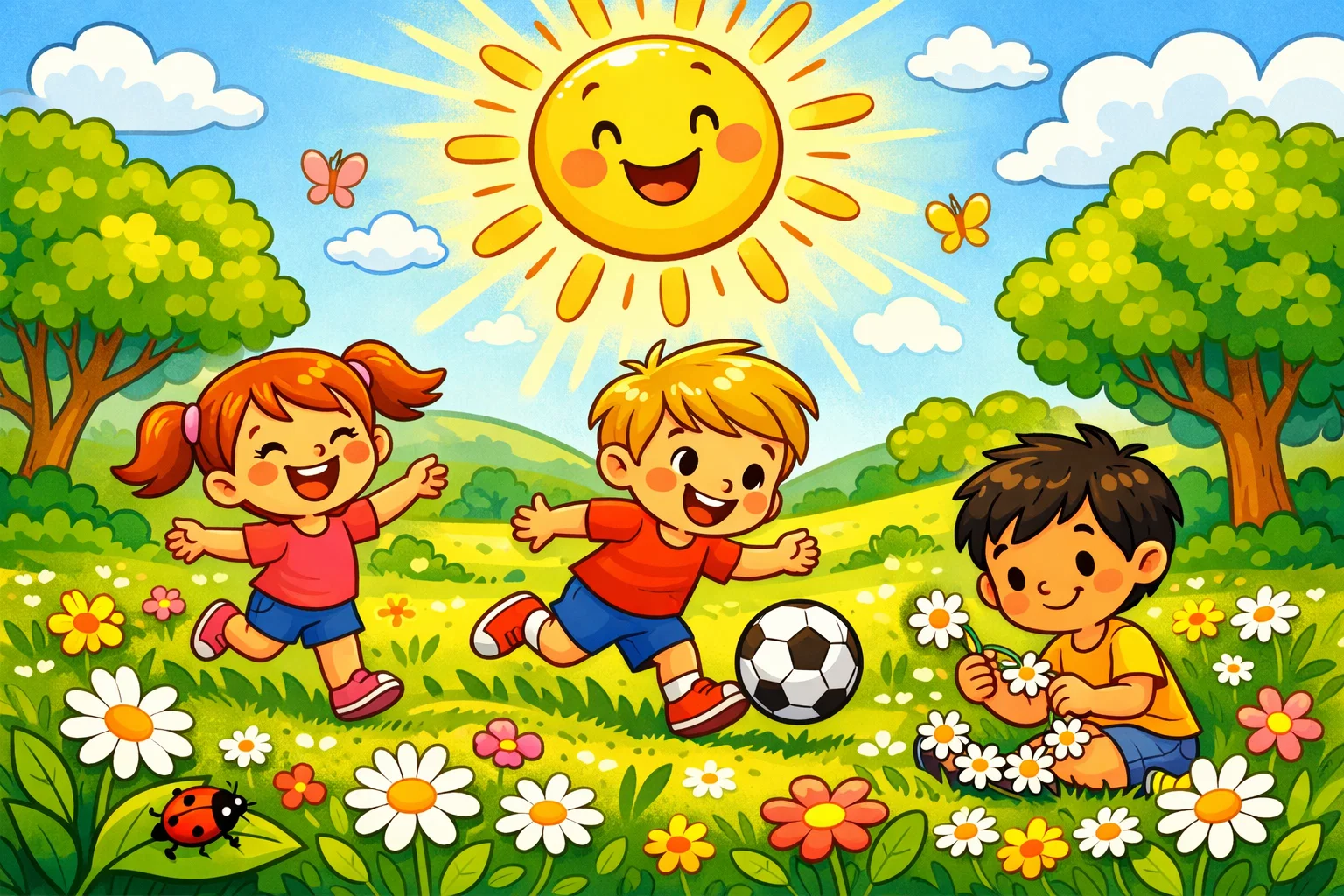
A beautiful poem about how the summer sun reaches every corner of the house and garden.
Great is the sun, and wide he goes
Through empty heaven with repose;
And in the blue and glowing days
More thick than rain he showers his rays.
Though closer still the blinds we pull
To keep the shady parlour cool,
Yet he will find a chink or two
To slip his golden fingers through.
The dusty attic spider-clad
He bows to make the bright and glad;
And through the chink of garden wall
In the least humid corner fall.
3. A Bird Song — Christina Rossetti
Rossetti uses the return of swallows to connect summer with longing, memory, and reunion.
It’s a year almost that I have not seen her:
Oh, last summer green things were greener,
Brambles fewer, the blue sky bluer,
And the song of the bird grew truer.
It’s a year almost that I have not seen him:
Oh, last summer green leaves would screen him,
And my very heart would lean in
To the lilt of the letter herein.
4. Firefly — Elizabeth Madox Roberts
A lovely short poem about the magic of a summer night.
A little light is going by,
Is going up to see the sky,
A little light with wings.
I never could have thought of it,
To have a little lantern lit
And having it have wings!
5. Bed in Summer — Robert Louis Stevenson
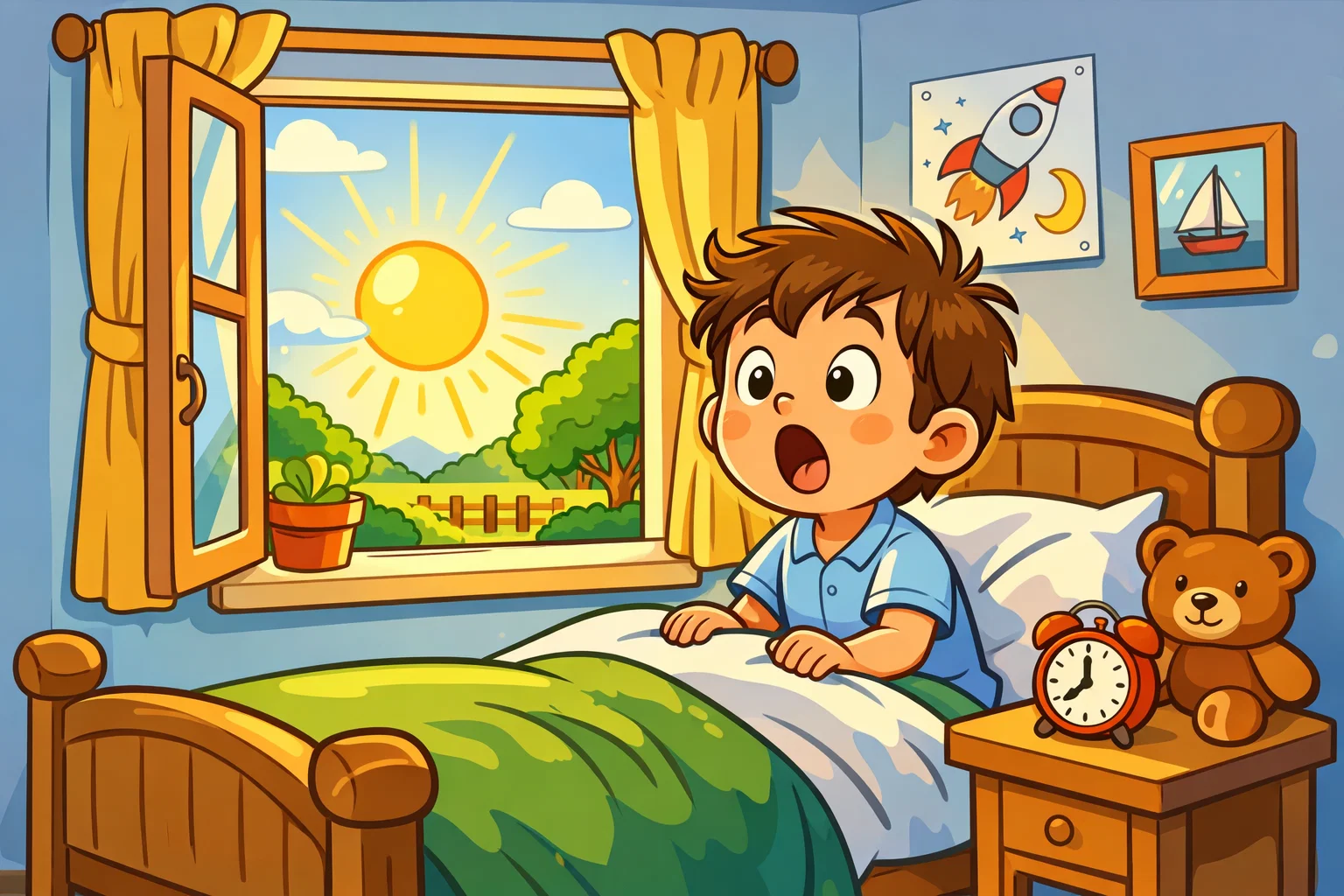
A relatable poem for any child who has had to sleep while the sun was still up.
In winter I get up at night
And dress by yellow candle-light.
In summer, quite the other way,
I have to go to bed by day.
I have to go to bed and see
The birds still hopping on the tree,
And hear the grown-up people’s feet
Still going past me in the street.
And does it not seem hard to you,
When all the sky is clear and blue,
And I should like so much to play,
To have to go to bed by day?
6. How Doth the Little Busy Bee — Isaac Watts
This poem encourages a joyful and industrious spirit, using the bee as a model.
How doth the little busy bee
Improve each shining hour,
And gather honey all the day
From every opening flower!
How skilfully she builds her cell!
How neat she spreads the wax!
And labours hard to store it well
With the sweet food she makes.
7. Summer — Christina Rossetti
A simple contrast that helps children embrace the unique charm of the season.
Winter is cold-hearted,
Spring is yea and nay,
Autumn is a weathercock
Blown every way.
But Summer days are golden,
So glad and gay.
8. The Grasshopper — Abraham Cowley
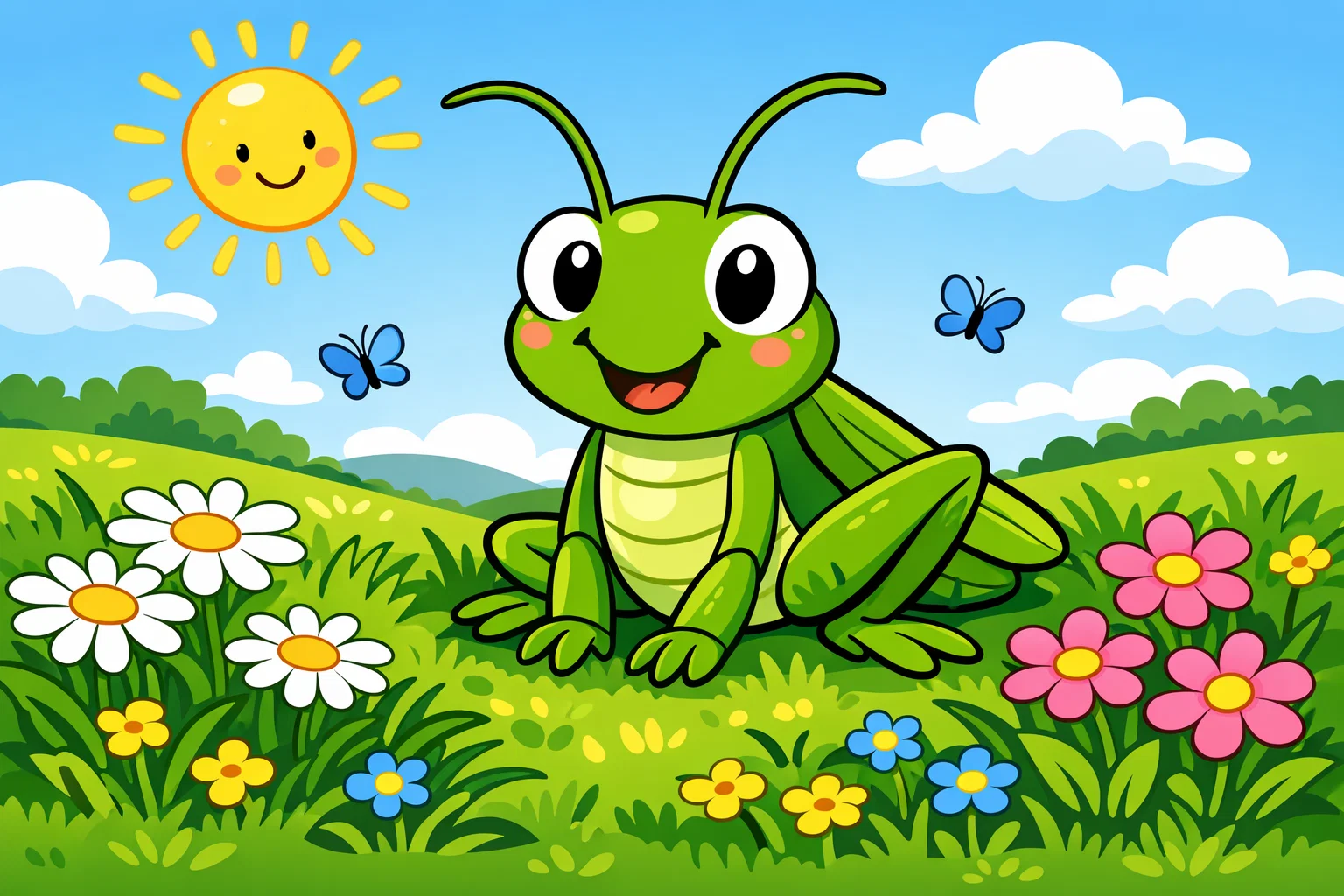
A vivid celebration of the lazy and happy life of summer insects in the grass.
Happy Insect! what can be
In happiness compar’d to thee?
Fed with nourishment divine,
The dewy Morning’s gentle Wine!
Nature waits upon thee still,
And thy verdant Cup does fill.
9. Answer to a Child’s Question — Samuel Taylor Coleridge
A playful poem about what birds seem to be saying in warm weather.
Do you ask what the birds say? The Sparrow, the Dove,
The Linnet and Thrush say, “I love and I love!”
In the winter they’re silent—the wind is so strong;
What it says, I don’t know, but it sings a loud song.
But green leaves, and blossoms, and sunny warm weather,
And singing, and loving—all come back together.
10. The Caterpillar — Christina Rossetti
Children love to explore the small creatures in the garden during the warm summer.
Brown and furry
Caterpillar in a hurry,
Take your walk
To the shady leaf, or stalk,
Or what not,
Which may be the chosen spot.
No toad spy you,
Hovering bird of prey pass by you;
Spin and die,
To live again a butterfly.
11. To the River — Edgar Allan Poe
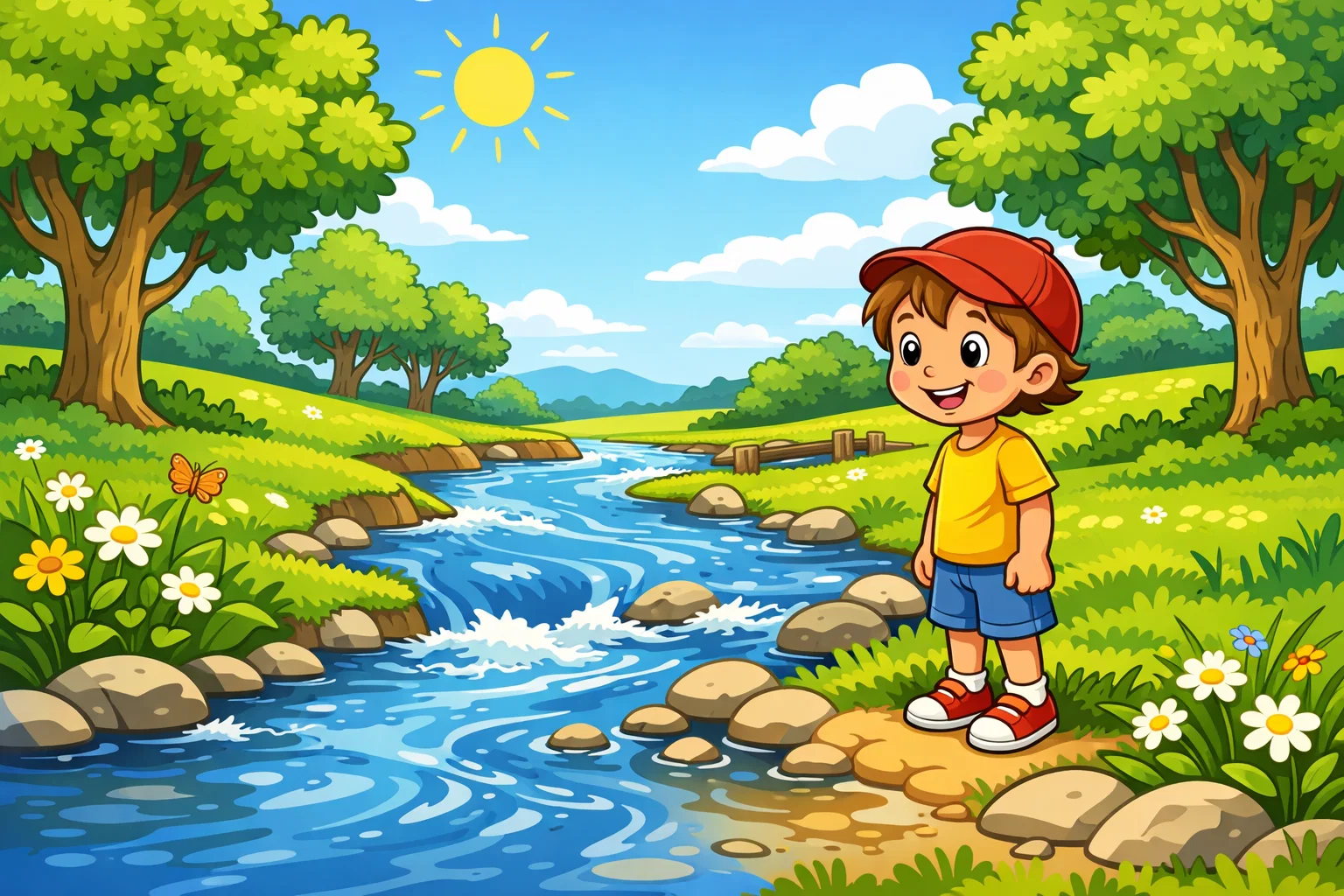
A quiet, peaceful poem reflecting on the beauty of moving water.
Fair river! in thy bright, clear flow
Of crystal, wandering water,
Thou art an emblem of the glow
Of beauty — the unhidden heart —
The playful maziness of art
In old Alberto’s daughter.
12. Written in March — William Wordsworth
Though titled for March, it vividly describes the activity of the natural world in early spring.
The cock is crowing,
The stream is flowing,
The small birds twitter,
The lake doth glitter,
The green field sleeps in the sun;
The oldest and youngest
Are at work with the strongest;
The cattle are grazing,
Their heads never raising;
There are forty feeding like one!
13. Color (often anthologised by its opening line, “What is pink?”) — Christina Rossetti
A vivid way to teach colours through images from nature, such as a rose, a swan, and ripe pears.
What is pink? a rose is pink
By a fountain’s brink.
What is red? a poppy’s red
In its barley bed.
What is blue? the sky is blue
Where the clouds float thro’.
What is white? a swan is white
Sailing in the light.
What is yellow? pears are yellow,
Rich and ripe and mellow.
14. The Butterfly’s Ball — William Roscoe
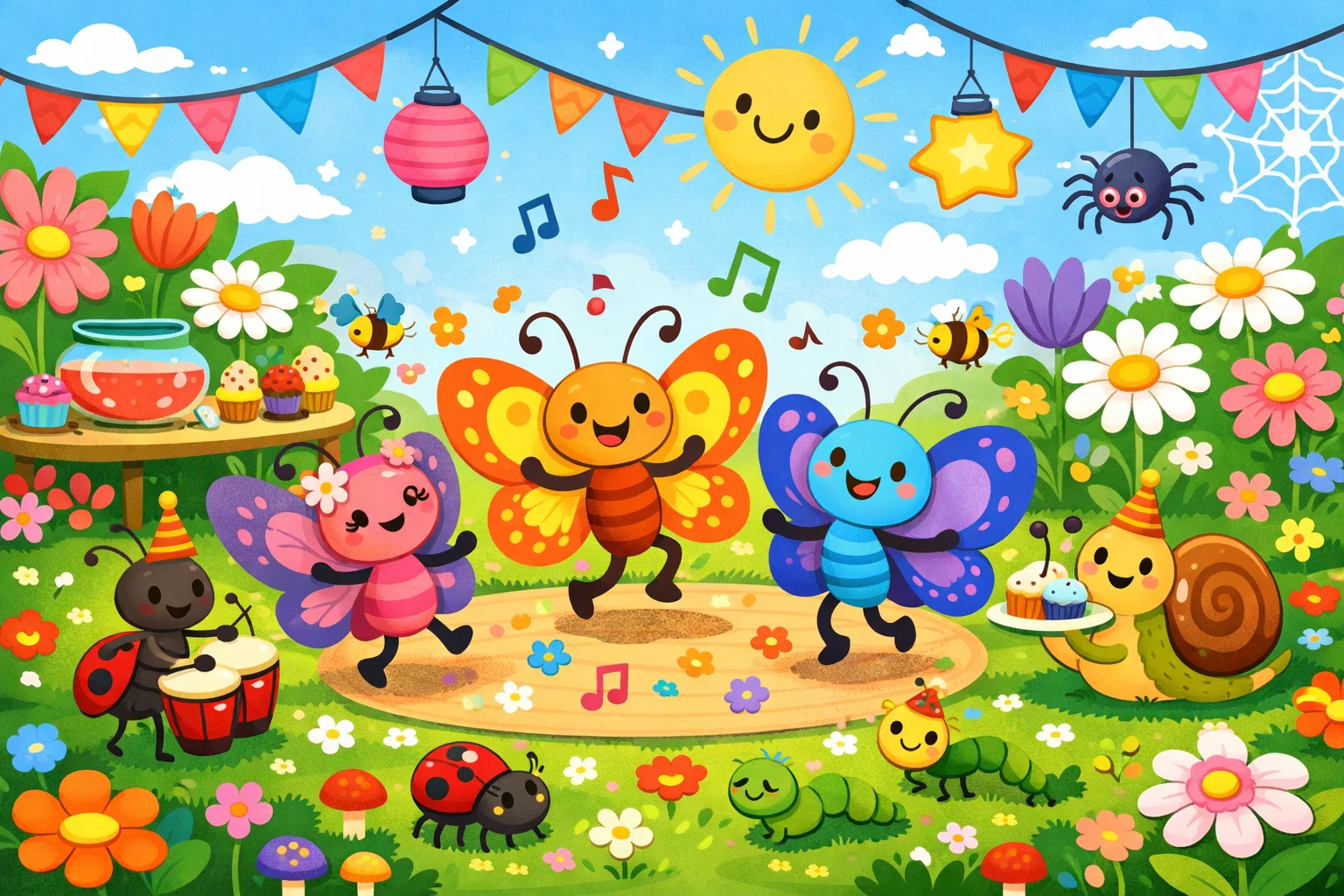
An imaginative and joyful poem about a summer party in the natural world.
Come, take up your hats, and away let us haste
To the Butterfly’s Ball and the Grasshopper’s Feast;
The Trumpeter Gadfly has summoned the Crew,
And the Revels are now only waiting for you.
15. The Echoing Green — William Blake
A lyrical piece about children playing on a bright spring morning.
The Sun does arise,
And make happy the skies;
The merry bells ring
To welcome the Spring;
The skylark and thrush,
The birds of the bush,
Sing louder around
To the bells’ cheerful sound,
While our sports shall be seen
On the Echoing Green.
16. Summer — Unknown
A short summer poem that acts as a direct address to the season’s beauty.
The flowers are blooming,
The birds are all singing,
The summer is here and
The joy it is bringing.
The sun is so bright and
The sky is so blue,
The summer is lovely
For me and for you!
Best Picks for Classrooms and Home Reading
When sharing these best summer poems with children, try the following tips:
- Visualisation: Ask the child to draw a firefly or one of the birds mentioned in the poems.
- Memorization: Use the short summer poems like At the Seaside for easy recitation practice.
- Nature Walks: Take pen and paper outside, sit under a local tree, and write your own poem inspired by these classics.
Which poem will become your child’s new favourite? Whether they enjoy vivid nature images or playful rhymes, these poems offer a warm introduction to the season.
Frequently Asked Questions
What is a good short poem for a child to memorize?
At the Sea-Side by Robert Louis Stevenson is a great choice. It is only six lines long and has a very catchy rhythm.
Which poems mention summer birds?
A Bird Song by Christina Rossetti and Answer to a Child’s Question by Coleridge are favourite choices that focus on the music of birds.
Are there summer poems about the garden?
Yes. From this list, Isaac Watts’s “How Doth the Little Busy Bee” and Christina Rossetti’s “Caterpillar” are stronger child-friendly nature poems to use here.
Why is poetry important for children?
Reading poetry helps children build vocabulary, rhythm, and close-reading skills over the summer break, while also encouraging curiosity about the natural world.
Can I use this list to write a summer poem with a child?
Yes. These poems are full of pleasant, evocative images – sunlight, birds, gardens, and even the shade of an oak tree – so they make a great starting point if you want to write a summer poem together.
Are there more summer poems by famous poets worth exploring?
Yes. If your child enjoys this list, you can also look for summer-themed or nature poems by William Shakespeare, Emily Dickinson, Robert Frost, Langston Hughes, Shel Silverstein, Keats, Yeats, Henry Wadsworth Longfellow, and Lord Tennyson.

Take a short quiz to find out what your everyday choices say about your parenting style
When your child is curious about something new, what’s your instinct?
Take a short quiz to find out what your everyday choices say about your parenting style
“Can I download this app?” What happens next?
Take a short quiz to find out what your everyday choices say about your parenting style
When it comes to rules at home, which sounds most like you?
Take a short quiz to find out what your everyday choices say about your parenting style
If you could give your child one life skill today, what would you pick?
Take a short quiz to find out what your everyday choices say about your parenting style
Your child gets to choose what to watch. What would your ideal setup look like?
Take a short quiz to find out what your everyday choices say about your parenting style
Pick your parenting superpower ✨