25 Best Co-Curricular Activities for Students: Types, Benefits, Examples and Tips

 Discover a Free Education Video App for Kids
Pastory uses AI to personalize educational video content based on your child’s interests and personality. Safe, engaging, and built for curious young minds. Sign up now to stay updated and enjoy early access with a free trial

Choosing the right co-curricular activities is a vital step in a student’s educational journey. These programmes complement classroom learning by giving students practical ways to apply knowledge while developing essential life skills. This guide explores the range of co-curricular activities available, explains why participation matters, and shows how to balance these activities with school life.
What Are Curricular and Co-Curricular Activities?
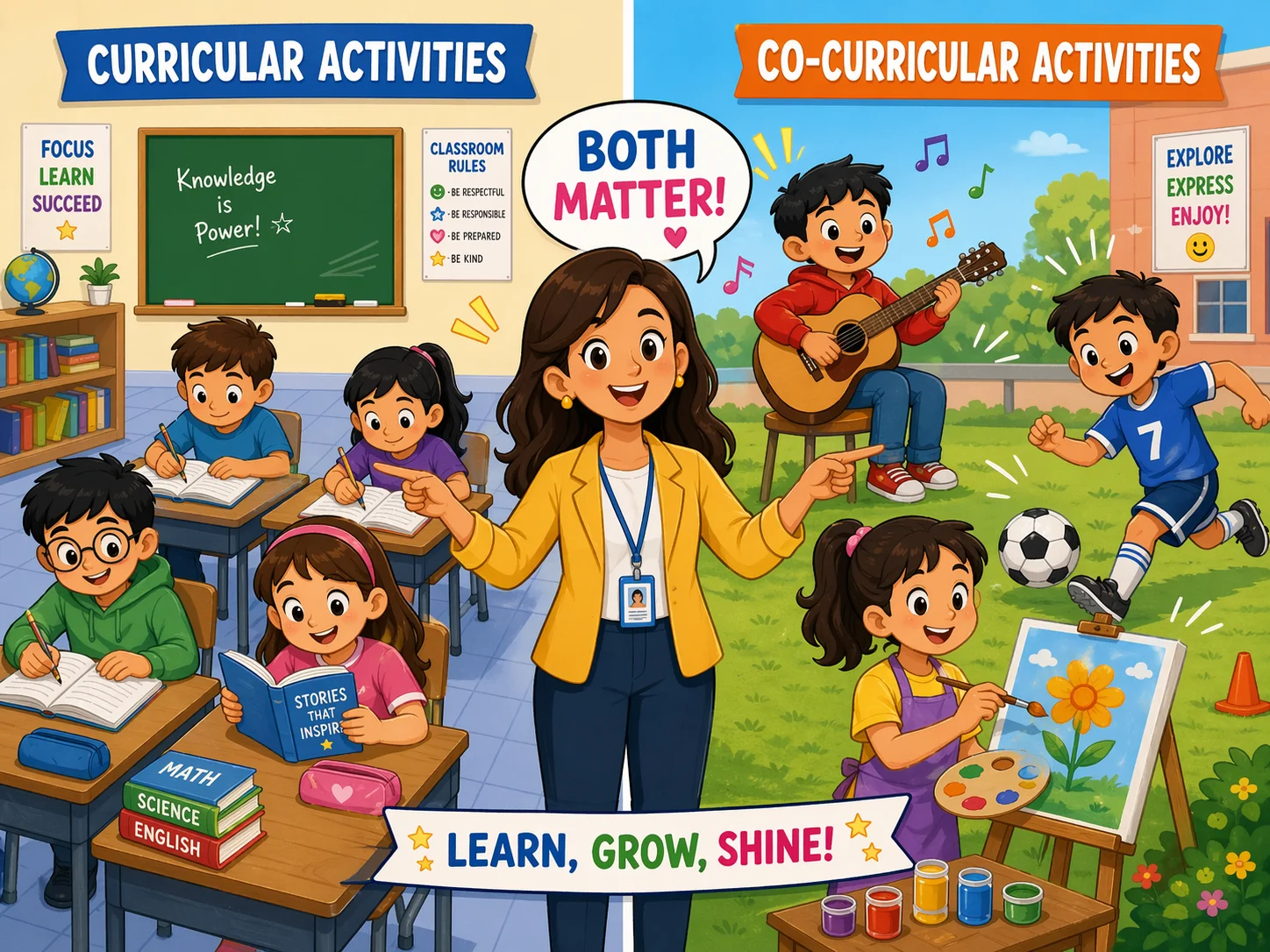
In modern education, understanding the distinction between curricular and co-curricular activities is essential. While both support student development, they serve different purposes within school life.
Curricular Learning
Curricular activities cover the core academic content set out by education systems such as the UK National Curriculum or the IB. These lessons take place during school hours, involve formal assessment, and focus on core subjects such as mathematics, science and literacy. Progress in these subjects is typically measured through standardised tests and classroom assessments.
Co-Curricular Programmes
Co-curricular activities are non-academic programmes integrated into school life to complement the formal curriculum. Unlike extracurricular activities, which may be entirely separate, co-curricular programmes are designed to extend and reinforce classroom learning in practical ways. These experiences create space for students to develop soft skills such as leadership, resilience and emotional intelligence, while students learn skills that are not always the main focus of classroom instruction.
Co-Curricular Programmes in School Life
In everyday school life, these programmes may take the form of debate clubs, student councils and science fairs. They act as a bridge, allowing students to explore interests first sparked in the classroom but better developed beyond it. Involvement in co-curricular activities helps make a student’s education more holistic by addressing physical, social and emotional development alongside academic progress.
25 Best Co-Curricular Activities for Students
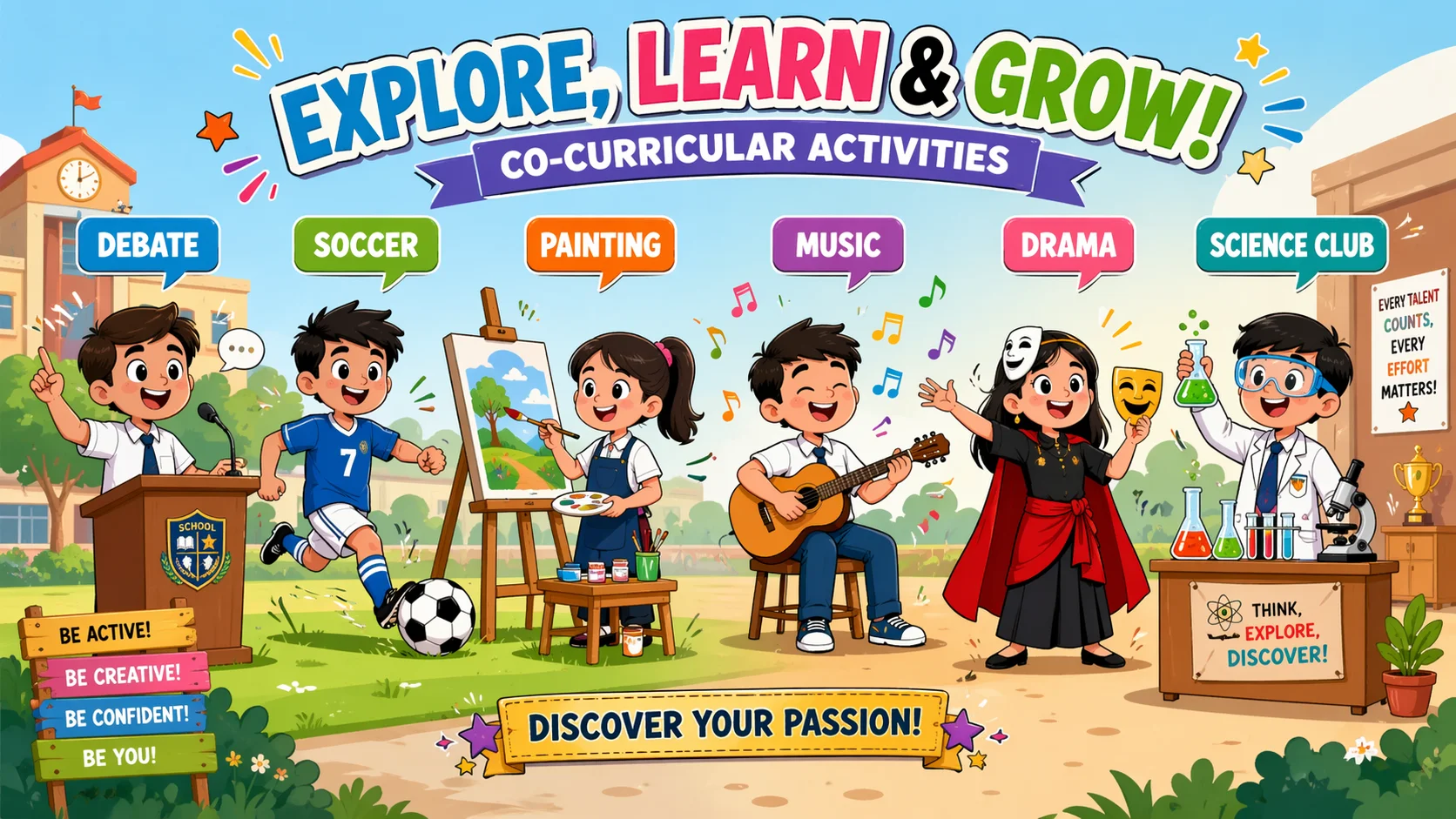
Below are 25 strong examples of co-curricular activities for students. This section presents co-curricular activities examples and highlights the benefits of co-curricular activities for personal growth, communication, fitness, and creativity.
- Debate Club: A strong option for public speaking, research, and reasoning. It can help students develop confidence, structure arguments clearly, and respond under pressure.
- Student Council: Student council is one of the strongest leadership-based examples of co-curricular activities in school, giving students a voice in school life and practical experience of responsibility.
- School Newspaper: A school newspaper is a practical choice that can help students improve their writing, editing, interviewing and digital publishing skills. It also gives them the opportunity to report on events and ideas beyond school.
- Drama and Theatre: Performance-based programmes also help students with self-expression, empathy, and stage presence. Over time, many students develop confidence both in class and in social situations.
- Music Club or Band: Music sessions build discipline, listening skills, memory, and rhythm. These programmes offer students a creative outlet while teaching teamwork and regular practice.
- Art Club: A flexible creative space where learners can experiment with drawing, painting, and design. Art clubs help students discover their style and often support emotional expression in a low-pressure setting.
- Arts and Crafts: These hands-on sessions improve fine motor control, patience, and visual thinking. They are among the most accessible co-curricular activities for kids because they can be adapted for different age groups.
- Creative Writing Club: Writing groups provide students with a place to explore ideas, voice, and storytelling. They also support vocabulary growth and help young people communicate more clearly.
- Book Club: Reading groups encourage reflection, discussion, and interpretation. They offer students quiet but meaningful opportunities to share opinions and listen to different views.
- Science Club: A science club is one of the most effective ways to expose students to experiments, inquiry, and discovery outside the usual lesson format. It shows how theory works in practice.
- Math Club: Math-based enrichment helps learners strengthen logic, pattern recognition, and problem-solving speed. These sessions can help students develop persistence when working through challenging questions.
- Robotics Club: Robotics combines coding, design, and engineering into one engaging format. It shows how co-curricular activities allow students to connect creativity with technical problem-solving.
- Coding Club: Coding groups teach computational thinking, debugging, and software design. Students can learn how digital tools are built rather than simply how to use them.
- Chess Club: Chess improves concentration, strategy, patience, and decision-making. It is one of those group activities where learners compete individually while still learning from one another.
- Model United Nations (MUN): MUN develops diplomacy, research, negotiation, and global awareness. It is especially useful for students who want to explore politics, international issues and public speaking.
- Mock Trials: These programmes build persuasive speaking, legal reasoning, and analytical thinking. They also give students the opportunity to practise structured argument in realistic scenarios.
- Community Service: Service-based programmes highlight the value of co-curricular learning through empathy, civic awareness, and teamwork. They show how young people can contribute meaningfully to the wider community.
- Volunteering: Volunteering creates real-world learning through responsibility and initiative. It is especially valuable because participation in co-curricular activities like this can support both personal growth and future applications.
- Soccer: Soccer is one of the most popular physical activities for building stamina, teamwork, and discipline. It also teaches communication, strategy, and resilience during competition.
- Swimming: Swimming supports full-body fitness, focus, and self-discipline. It can take place indoors or outdoors, which makes it suitable for a wide range of ages and ability levels.
- Martial Arts: Martial arts teach respect, self-control, balance, and concentration. These activities help students stay active while developing discipline and mental focus.
- Dance: Dance blends movement, rhythm, and creativity in a dynamic way. It can help students develop body awareness and confidence while making exercise feel enjoyable.
- Yoga: Yoga supports flexibility, breathing, mindfulness, and emotional regulation. It is one of the gentler after-school activities that can reduce stress and help learners reset after academic pressure.
- Gardening Club: Gardening helps young people connect with nature while developing patience and responsibility. It is one of the most practical examples of a programme that combines wellbeing, science and environmental awareness.
- Public Speaking Club: This option helps learners organise ideas, speak clearly, and connect with an audience. Over time, it can also help students become more confident in presentations, interviews, and classroom discussion.
Why this list works
Together, these examples show the variety of co-curricular activities available in modern schools and the different ways they support student development. These activities are considered co-curricular when they are closely linked to school goals, character development and guided learning, while still giving students room for choice, creativity and practical experience.
Co-Curricular vs Extracurricular Activities vs Super-Curricular Activities
Understanding this terminology is important for parents and students when choosing co-curricular opportunities. While often used interchangeably, these terms represent different levels of academic alignment.
Co-Curricular vs Extracurricular Activities
The primary difference between co-curricular and extracurricular activities lies in their relationship to the school’s mission. Co-curricular activities are usually organised by the school and intentionally linked to its broader educational goals. In contrast, extracurricular activities are often entirely elective, may take place outside school, and may not have a direct link to a specific subject.
Co-Curricular vs Super-Curricular Activities
Super-curricular activities involve taking a school subject further through independent study or specialised projects. While co-curricular activities help students develop broad skills such as teamwork, super-curricular activities focus on exploring a specific academic field in greater depth, for example through university-level lectures or advanced coding challenges.
Quick Comparison by Goals, Skills, Outcomes
| Category | Purpose | School Connection | Primary Skills Gained |
| Curricular | Academic knowledge | Core Syllabus | Literacy, Numeracy, Logic |
| Co-Curricular | Balanced development | High Alignment | Leadership, Social Skills |
| Extracurricular | Hobby & Interest | Low/Moderate Alignment | Hobby-specific Skills |
| Super-Curricular | Academic Depth | Deep Extension | Research, Subject Mastery |
Importance of Co-Curricular Activities for Students
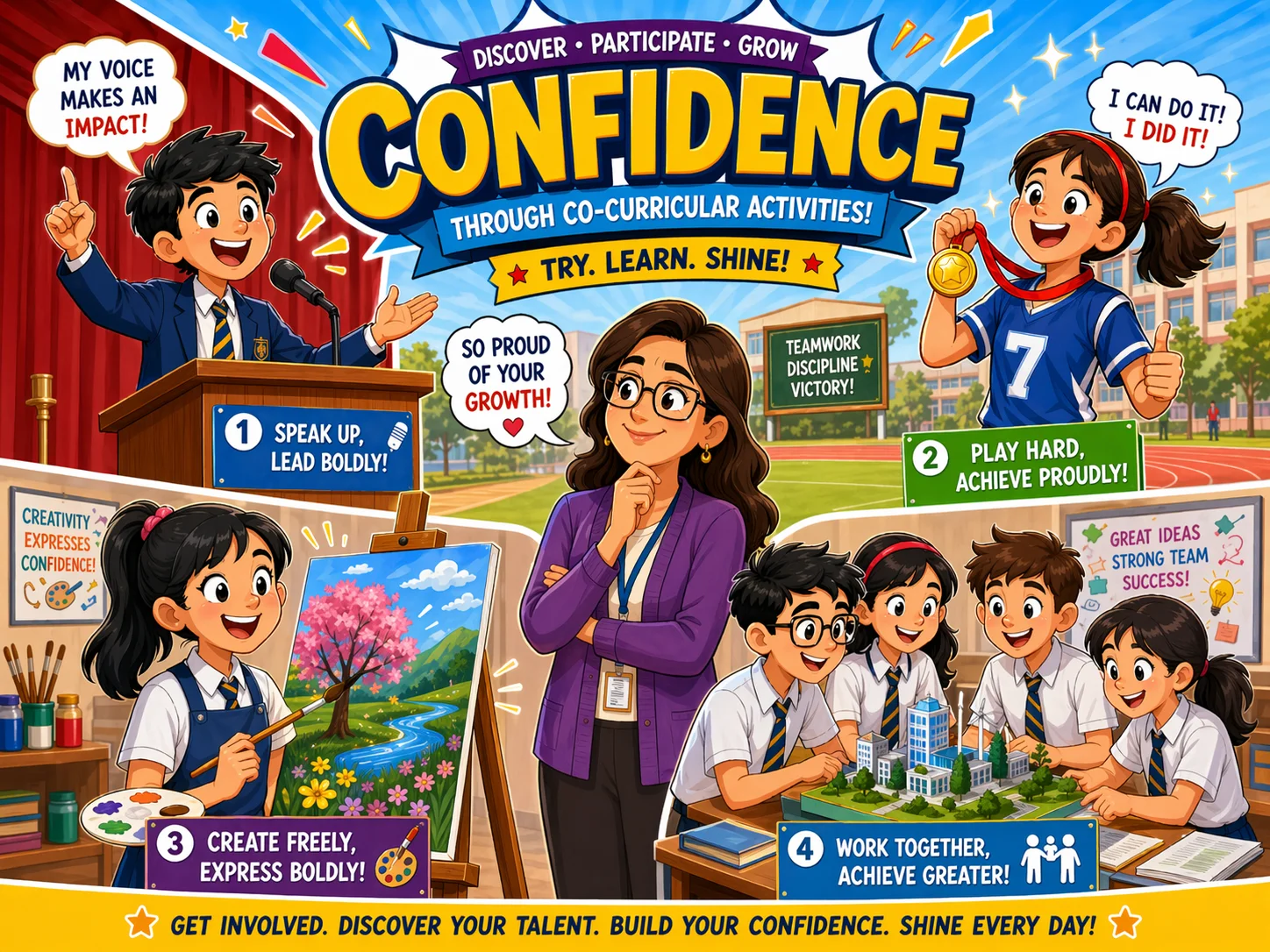
The value of co-curricular activities goes far beyond recreation. Research suggests that participation in structured school activities can be associated with stronger academic engagement and better attendance.
Confidence and Self-Expression
These opportunities also help students find their voice by providing a safe space for experimentation. When young people develop confidence through performance or public speaking, they become more willing to take intellectual risks in the classroom. This increase in self-confidence is often one of the clearest benefits of sustained co-curricular involvement.
Social Skills and Communication
Group projects and clubs serve as a valuable training ground for social interaction, teaching young people how to navigate teamwork and resolve conflict. By encouraging learners to collaborate on shared goals, these programs foster empathy and active listening. These social skills are vital for long-term emotional well-being and professional success.
Physical Health and Energy
Sports, dance, and other movement-based options contribute to improved stamina and reduced stress levels. The World Health Organization (WHO) emphasizes that regular movement is crucial for cognitive function in developing children. Schools that offer co-curricular activities in sport and wellbeing can help students manage the sedentary demands of modern academic life.
Creativity and Intellectual Growth
Co-curricular learning encourages flexible thinking by challenging students to solve problems in non-linear ways. Whether through robotics or theater, they learn to think critically and innovate. This intellectual growth complements the structured logic found in the core curriculum.
Leadership and Responsibility
Taking on roles in a student council or as a team captain allows learners to develop a sense of ownership and accountability. These leadership skills are built through real-world decision-making and peer management. Through these roles, students experience real responsibility and prepare for the complexities of adult life and civic duty.
Academic Performance and Study Motivation
Rather than distracting from study, co-curricular activities enrich the academic experience by strengthening time management, motivation, and focus. Such involvement helps learners develop a “growth mindset,” where the discipline learned in music or sports translates into better focus during study hours.
Career Readiness and Resume Value
In a competitive world, universities and employers look for more than strong grades alone. Involvement in co-curricular activities provides evidence of a well-rounded character and the ability to contribute to a community. These experiences offer clear advantages by helping students build a strong portfolio of transferable skills.
Co-Curricular Activity Types and Forms
The wide variety of co-curricular options available means that students can find types of co-curricular activities that suit their interests, temperament, and goals. Organising these options into categories can help parents and students build a balanced mix of experiences.
Educational Programmes
Educational activities like science clubs, math Olympiads, and debate clubs extend classroom concepts into competitive or collaborative arenas. These co-curricular programs allow learners to explore subjects at their own pace. They often help participants develop high-level research and analytical skills.
Sports and Physical Development
This category includes competitive team sports like soccer and individual disciplines like martial arts or swimming. These sports and movement disciplines build resilience and discipline, and some may take place outside of school while still remaining part of the wider student experience. They often take place outside school hours but can still play an important role in school life.
Arts and Creativity Programmes
Programmes such as drama and theatre, art clubs and music groups support self-expression and creative development. These creative outlets also help refine fine motor skills and visual-spatial awareness. They offer learners a necessary emotional outlet during the pressures of adolescence.
Social Development Programmes
Social development activities such as community service, volunteering and student councils focus on community impact and personal responsibility. These value-based co-curricular programs teach learners about their role in society and the importance of civic engagement.
Cultural and Value-Based Programmes
Language clubs and heritage celebrations help encourage young people to appreciate diversity. These co-curricular offerings foster an inclusive environment where learners experience different perspectives and traditions.
Recreational Options
Not all participation needs to be competitive; activities such as a gardening club or hiking can also provide relaxation. These pursuits help students discover new hobbies and spend time in ways that students enjoy while also supporting wellbeing.
How to Choose the Right Co-Curricular Activities
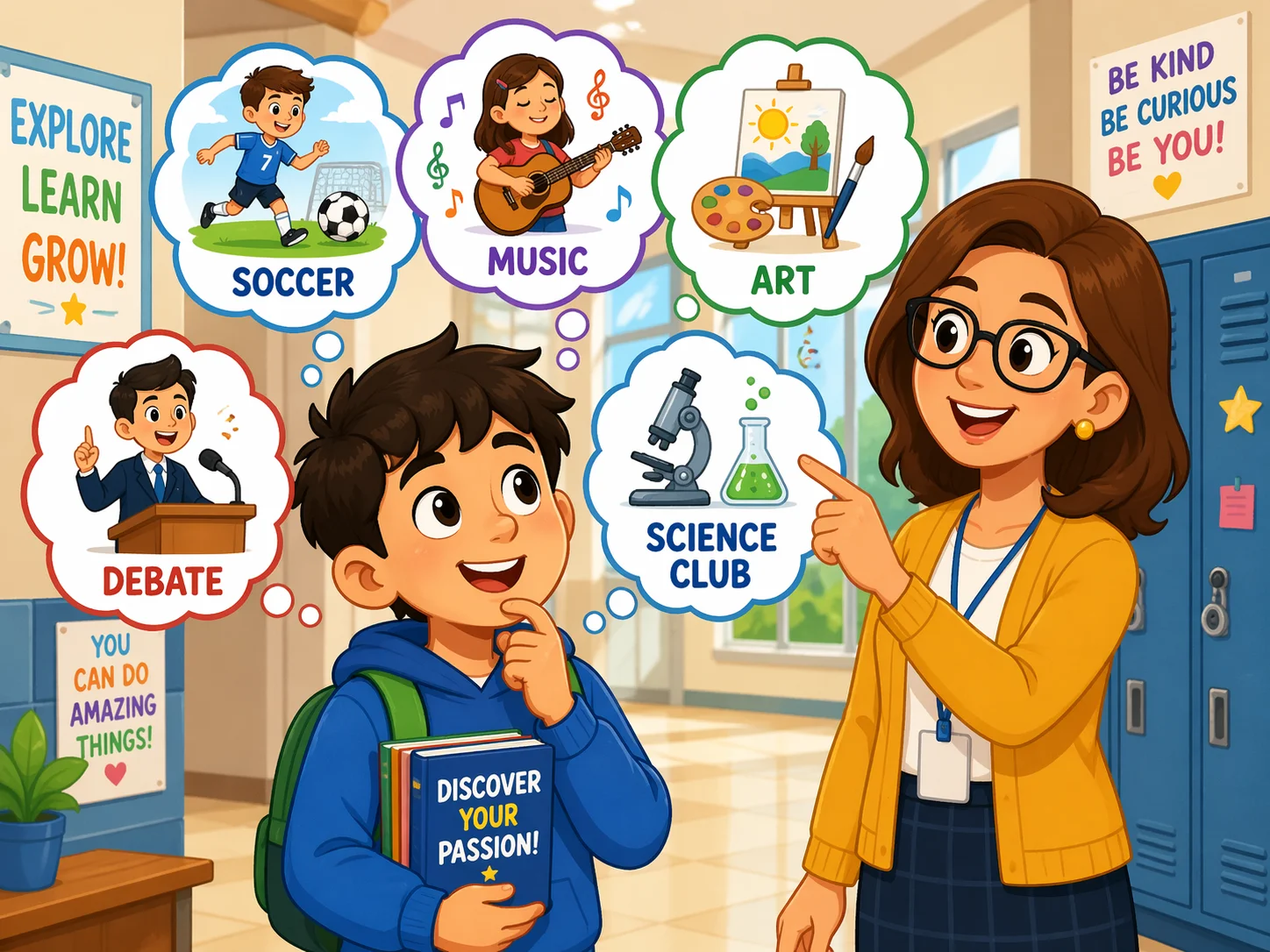
Selecting the right mix of co-curricular activities requires a thoughtful approach so that a child stays engaged without feeling overwhelmed.
Match Choices with Interests and Strengths
Parents should introduce students to a variety of options to see where their natural curiosity lies. Choosing an activity that aligns with a child’s temperament – whether they prefer the quiet focus of a chess club or the high energy of football – makes long-term commitment more likely.
Match Choices with Academic and Career Goals
If a student is interested in medicine, a science club or volunteering in a healthcare setting can provide useful early exposure. These experiences help students build a clear record of sustained interest over time.
Check Time, Energy, and Commitment Level
It is crucial to evaluate the after-school schedule to prevent burnout. Some co-curricular programs require daily practice, while others meet once a week. Parents also need to make sure that the school’s co-curricular programme fits the family’s schedule, budget and energy levels.
Start with One or Two Options
Rather than asking students to participate in too many clubs at once, it is usually more effective to start with one or two options. This allows each learner to fully immerse themselves and experience the benefits of mastery rather than just surface-level participation.
Tips to Balance Studies and Clubs
Maintaining a healthy balance between classroom learning and co-curricular involvement is important for a student’s overall wellbeing.
Build a Weekly Study and Activity Schedule
A visible written schedule helps students understand the value of time-blocking. Include time for travel, meals, and rest to ensure the routine is sustainable over a full school term.
Set Priorities During Busy School Periods
During exam periods, many students temporarily scale back high-intensity clubs and focus more on academics. This flexibility is key to ensuring that additional activities remain a source of enjoyment rather than stress.
Watch for Signs of Burnout
If a learner shows irritability or a decline in academic performance, it may indicate that they are overcommitted. These programmes should help students thrive, not leave them feeling overwhelmed or exhausted.
Use Parent and Teacher Support
Regular communication between home and school ensures that young people can participate in a way that supports their overall well-being. Teachers can often advise on which activities best support a student’s social development and overall workload.
Pros, Cons, and Common Challenges
While the benefits of co-curricular involvement are vast, it is important to acknowledge the potential hurdles.
Top Benefits Students Gain
- Enhanced leadership skills and confidence.
- Stronger social networks and peer support.
- Improved physical health and mental clarity.
- A diverse resume for future opportunities.
Common Drawbacks Students Face
- Potential for academic neglect if not managed.
- Physical fatigue from over-scheduling.
- High costs associated with specialized equipment or travel.
Simple Fixes for Better Balance
By setting clear goals and maintaining open communication, most challenges can be mitigated. Giving learners the autonomy to choose their clubs often leads to better time management and higher levels of satisfaction.
Frequently Asked Questions
What are co-curricular activities?
They are non-academic programmes that complement the formal curriculum and support a student’s holistic development within the school setting.
What is the difference between co-curricular and extracurricular activities?
Co-curricular activities are linked to the academic mission and often occur within school structures, while extracurricular pursuits are often purely interest-based and may occur entirely outside the school framework.
How many co-curricular activities should students choose?
For most students, one or two activities is a sensible starting point because it allows for meaningful involvement without sacrificing academic focus or rest.
Can co-curricular activities improve academic performance?
Yes, by teaching discipline, time management, and focus, these programmes often lead to better concentration and higher motivation in the classroom.
Which co-curricular activities help shy students most?
Low-pressure environments like art club, gardening club, or book club allow shy learners to build confidence before moving into high-visibility options like debate club.

Take a short quiz to find out what your everyday choices say about your parenting style
When your child is curious about something new, what’s your instinct?
Take a short quiz to find out what your everyday choices say about your parenting style
“Can I download this app?” What happens next?
Take a short quiz to find out what your everyday choices say about your parenting style
When it comes to rules at home, which sounds most like you?
Take a short quiz to find out what your everyday choices say about your parenting style
If you could give your child one life skill today, what would you pick?
Take a short quiz to find out what your everyday choices say about your parenting style
Your child gets to choose what to watch. What would your ideal setup look like?
Take a short quiz to find out what your everyday choices say about your parenting style
Pick your parenting superpower ✨