Best Kids Movies With Positive Messages Perfect For Family Movie Nights

 Discover a Free Education Video App for Kids
Pastory uses AI to personalize educational video content based on your child’s interests and personality. Safe, engaging, and built for curious young minds. Sign up now to stay updated and enjoy early access with a free trial
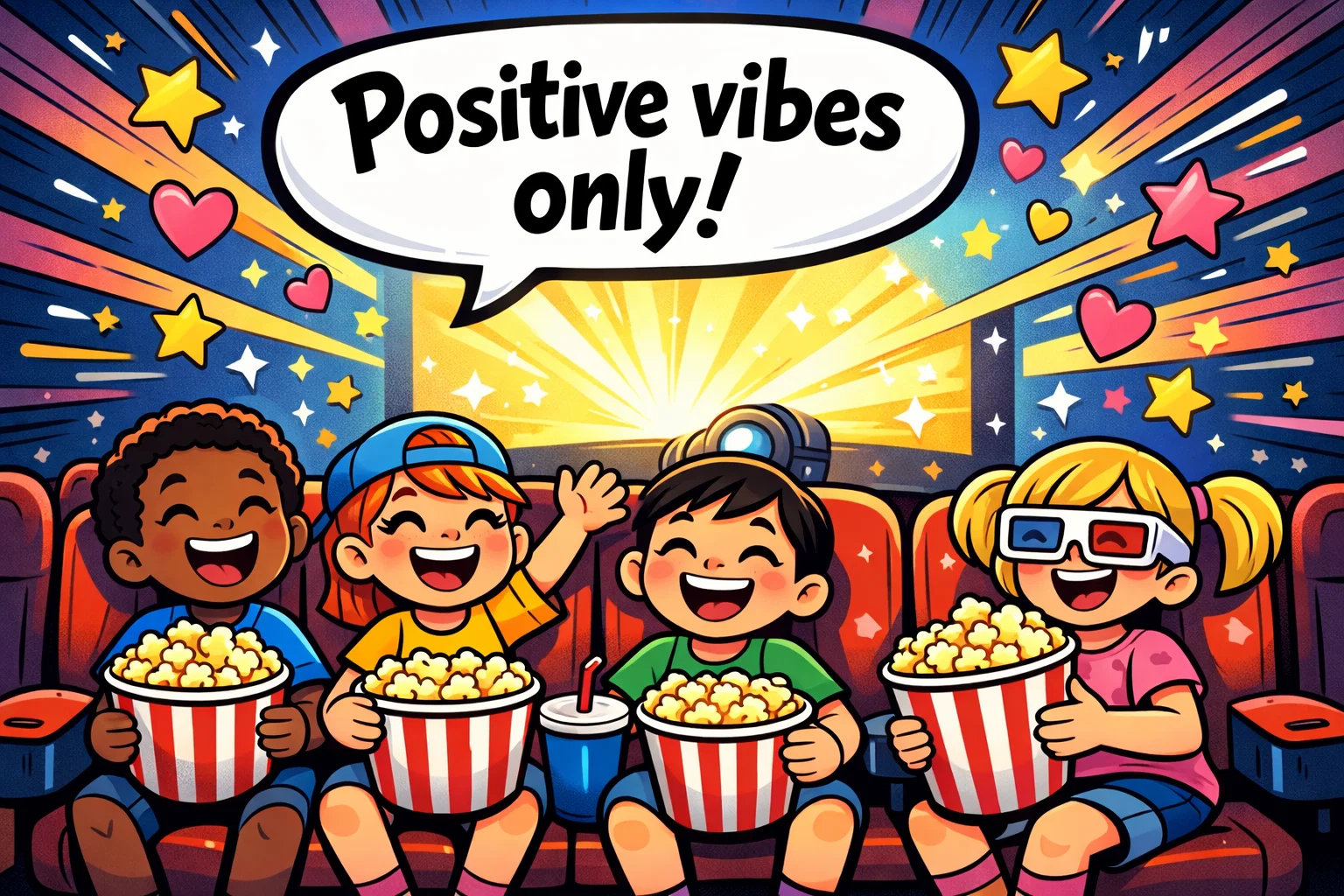
As a parent or educator, you’ve likely experienced that magical moment when a family movie ends and the room stays quiet for a beat longer than usual. That silence often suggests that the story has truly landed, sparking a sense of wonder or a new perspective in a child’s mind. Choosing the right movies for kids is about more than just finding 90 minutes of peace; it’s an opportunity to introduce complex ideas like resilience, perseverance, and love in a format that feels like a treat rather than a lecture.
The goal of this guide is to help you curate a family movie night that does more than entertain. We define “positive-message” films as stories that prioritize social-emotional learning, character growth, and constructive conflict resolution. By selecting films that show a child learning to overcome obstacles, you give your children a useful framework for navigating challenges in their own lives. In the following sections, we’ll explore why these films matter for children’s development and offer themed lists—from animated favorites to inspiring movies based on true stories—to help your kids learn and grow.
Why Choose Positive-Message Movies
In an era of endless scrolling and algorithm-driven recommendations, being intentional about the films you choose has never been more important. Parents often look for uplifting titles because media isn’t just “background noise”; for many children, it also shapes their understanding of how the world works. Prosocial media—content that emphasizes helping, sharing, and comforting—can encourage children to reflect those behaviors in real life.
Beyond simple imitation, these films provide a shared vocabulary for families. When you watch a great movie together, you aren’t just consumers; you become a small focus group. Discussing a character’s journey allows you to address sensitive topics—such as bullying, grief, or failure—within the relatively safe confines of a fictional world. This makes the importance of family and moral integrity tangible rather than abstract.
Emotional Development Benefits
Heartwarming stories can have a real emotional and physical impact, especially when they center on kindness, courage, or compassion. For children, witnessing a character like Nemo or Wall-E navigate fear helps them label their own emotions. This “emotional literacy” is a cornerstone of social-emotional learning, helping kids understand that it’s okay to feel sad and that sadness can sometimes pave the way for deeper connection.
Behavior Modeling Value
Children are natural mimics. When they see a character solve a problem through perseverance rather than aggression, they add that strategy to their mental toolkit. A story in which characters build friendships across differences (for example, in How to Train Your Dragon or Zootopia) gives children a concrete model for navigating social differences.These on-screen choices offer “low-stakes” practice for real-world social hurdles.
Age-Based Selection Tips
Not every inspiring film is right for every age. While a young child might be captivated by the bright colors of an animated film, the underlying message may be lost if the plot is too complex.
| Age Group | Focus Themes | What to Look For |
| Preschool (3-5) | Kindness & Sharing | Simple plots, clear “good vs. bad,” gentle resolutions. |
| Early Elementary (6–9) | Perseverance & Courage | Characters who pursue their goals despite minor setbacks. |
| Tweens (10-12) | Identity & Empathy | Complex family dynamics and diverse perspectives. |
| Teens (13+) | Social Justice & Grit | Based on true events or historical stories of triumph. |
Top Essential Positive-Message Movies
If you’re looking for the gold standard for family movie night, these titles are hard to beat. They combine high production value with deep life lessons.
Finding Nemo – Perseverance Lesson
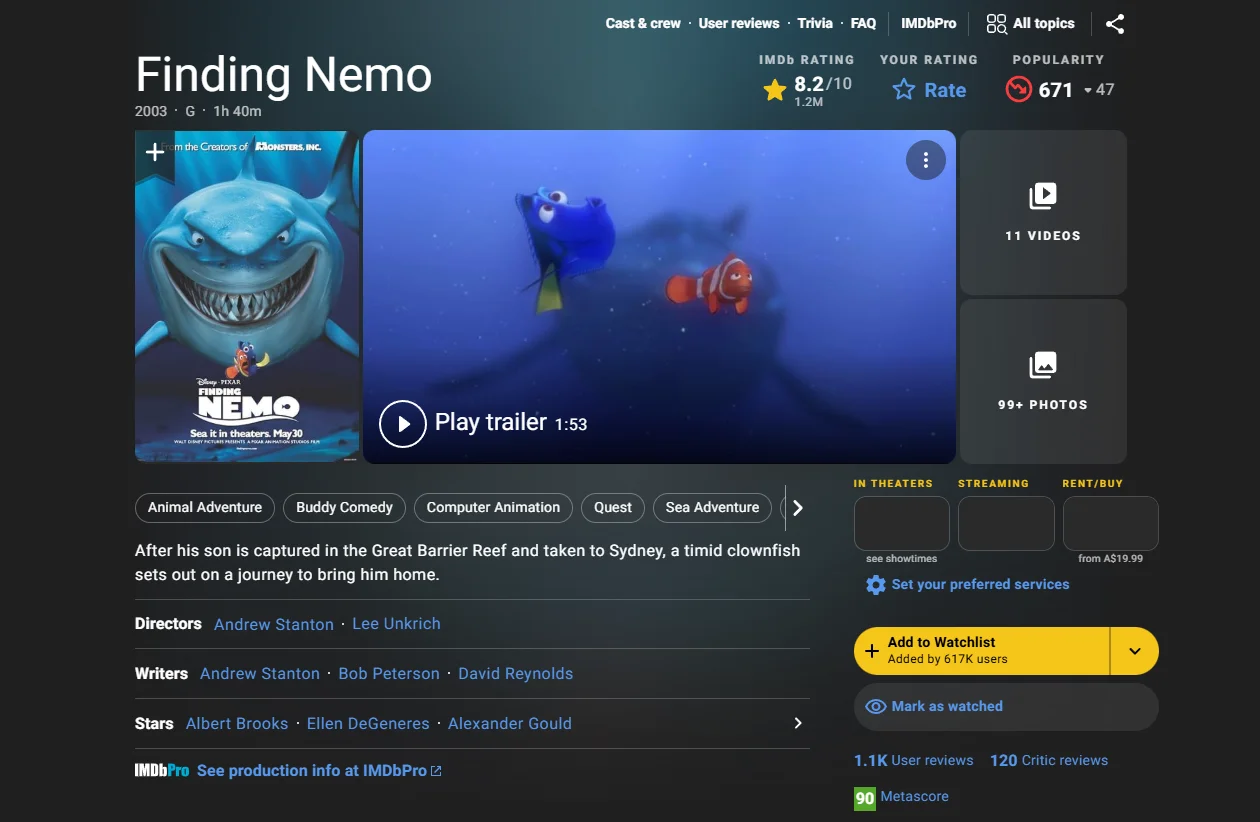
This Pixar classic is the ultimate story of friendship and resilience. While the plot follows a father searching for his son, the film’s central lesson is perseverance. Dory’s mantra, “Just keep swimming,” has become a global shorthand for never giving up.
- Family Discussion Idea: Create a “Try-Again” goal chart. Whenever a family member faces a setback but tries again, they get a sticker.
Inside Out – Emotional Literacy Skill-Builder
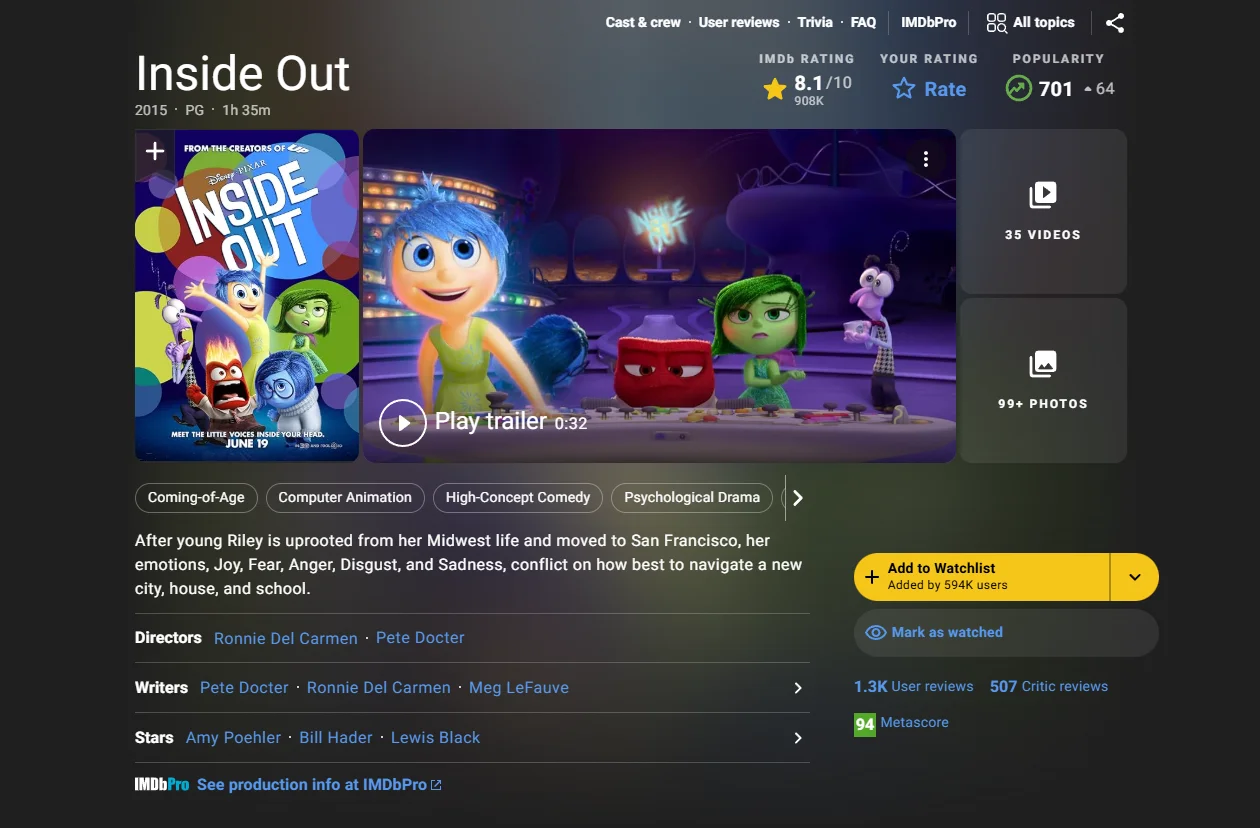
By turning abstract emotions into relatable characters, this animated film helps kids understand that every emotion has a purpose. It teaches the importance of sadness in the healing process, a concept often overlooked in children’s media.
- Activity: Draw an “Emotion Wheel” after the movie. Ask your child which character was “driving the console” during their favorite part of the day.
Moana – Courage And Identity
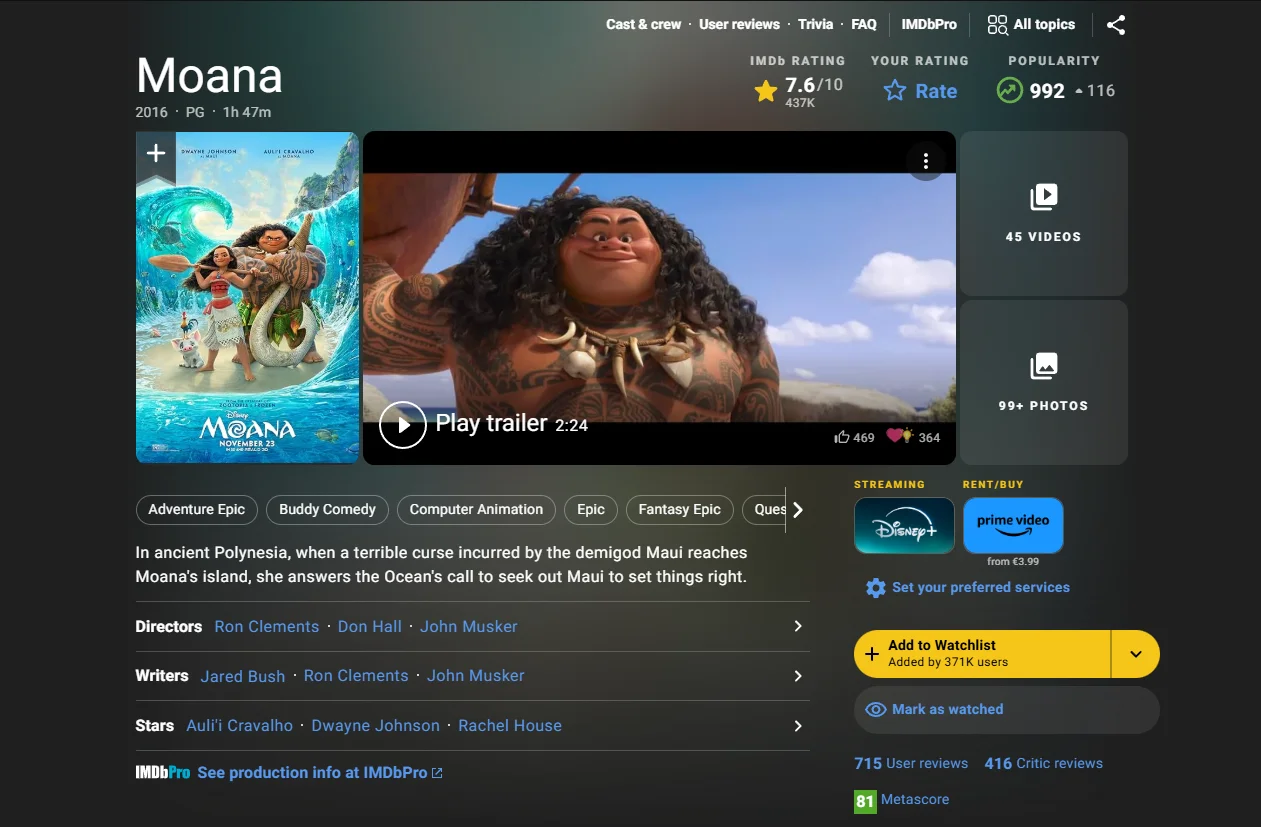
Moana is a strong role model because her journey isn’t about finding a prince; it’s about discovering who she is and helping her people. The film celebrates cultural pride and the courage required to step outside one’s comfort zone.
- Discussion: Ask, “What is a ‘voyage’ you’d like to take in your own life?”
Zootopia – Bias-Breaking Story
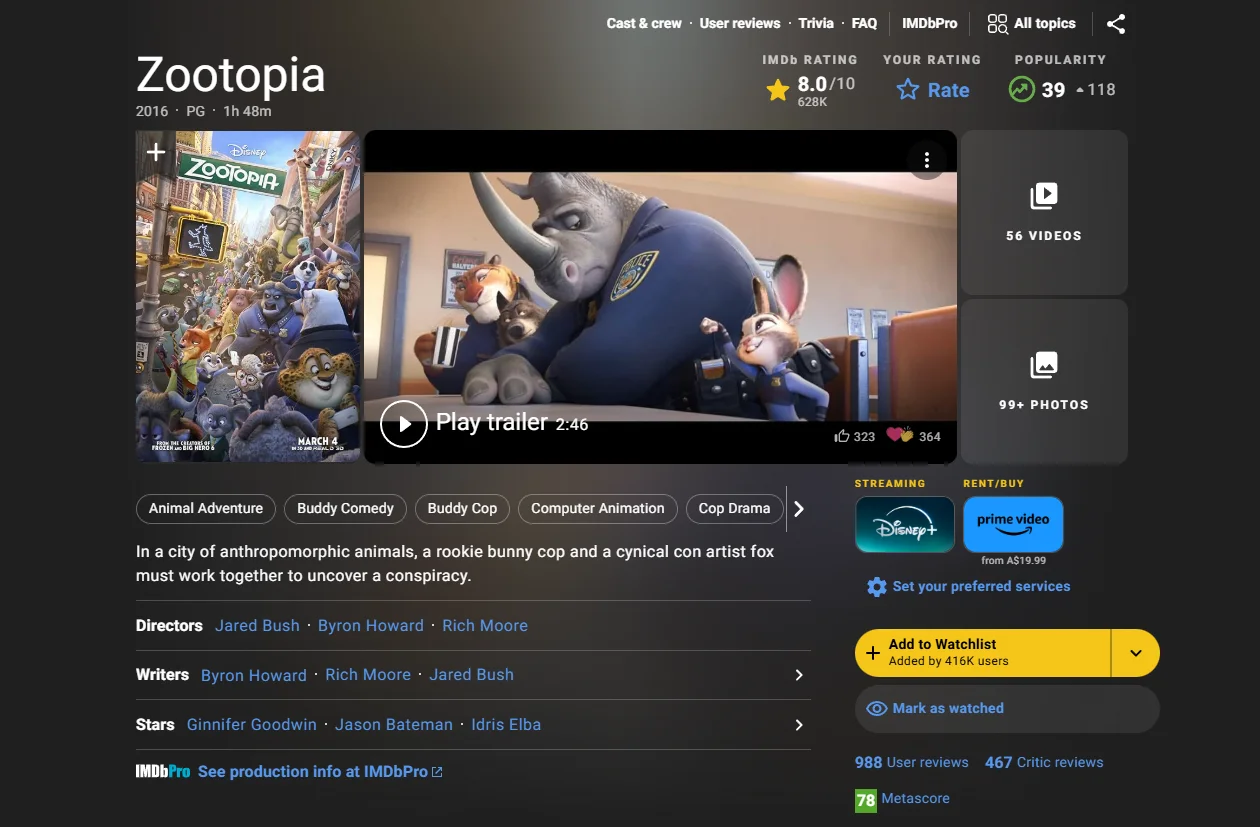
This isn’t just a funny animated film about a rabbit police officer; it also offers a thoughtful look at inclusion and prejudice. It teaches children to look past stereotypes and understand the power of friendship across social divides.
- Questions: Use “stereotype-spotting” questions, such as, “Why did people think Judy couldn’t be a cop? Was that fair?”
Brave – Accountability Message
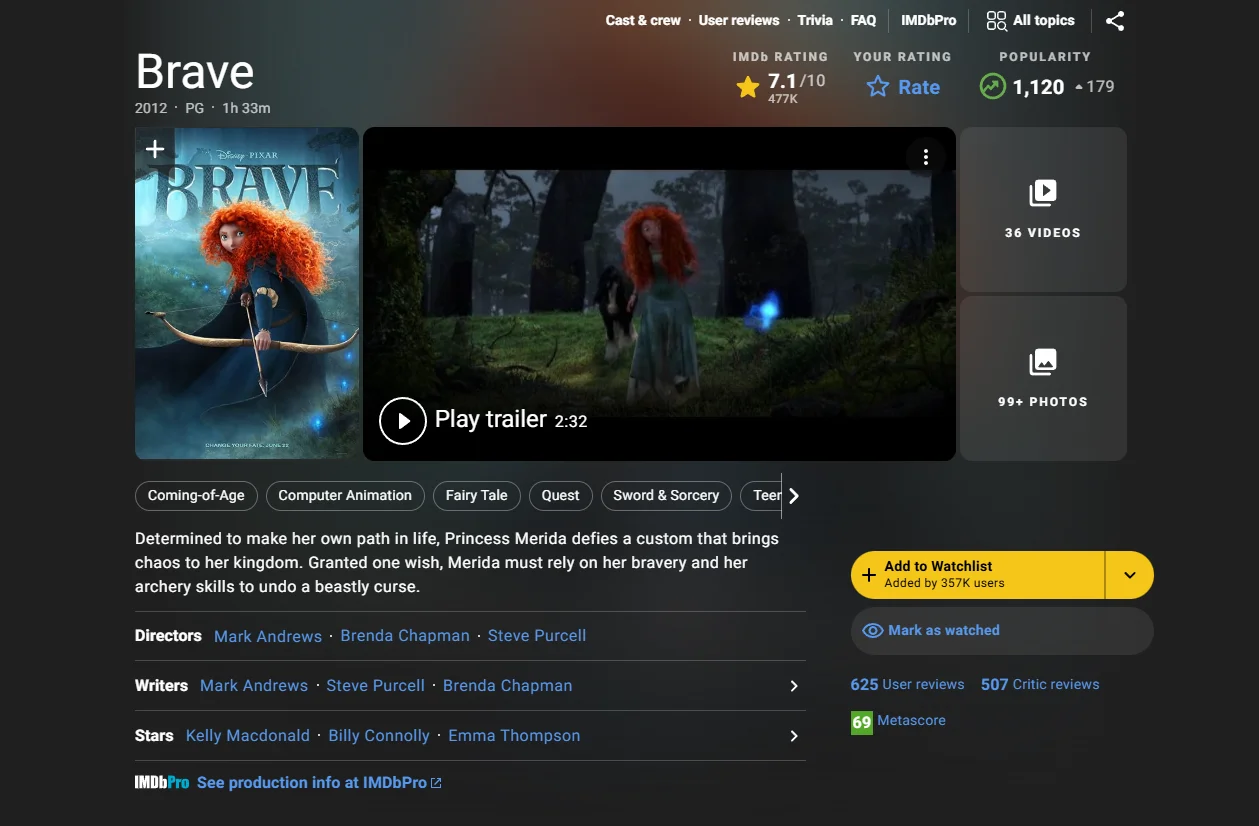
Princess Merida learns an important lesson about the consequences of her choices. Unlike many fairy tales, the “villain” is often the protagonist’s own pride, making the eventual apology and reconciliation a heartwarming story of growth.
- Role-Play: Practice an “Accountability Apology”—naming what you did, how it hurt the other person, and how you’ll fix it.
Wonder – Empathy Builder
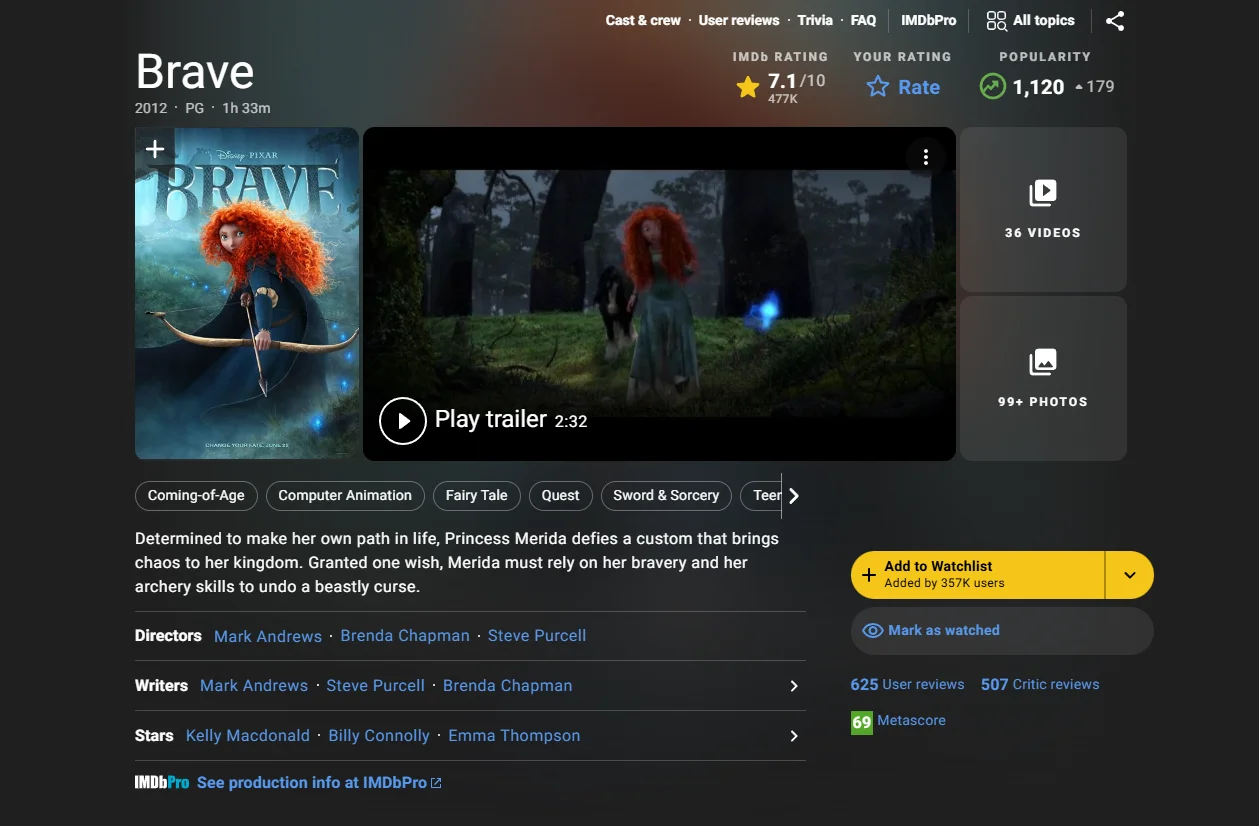
Princess Merida learns an important lesson about the consequences of her choices. Unlike many fairy tales, the “villain” is often the protagonist’s own pride, making the eventual apology and reconciliation a heartwarming story of growth.
- Role-Play: Practice an “Accountability Apology”—naming what you did, how it hurt the other person, and how you’ll fix it.
Wonder – Empathy Builder
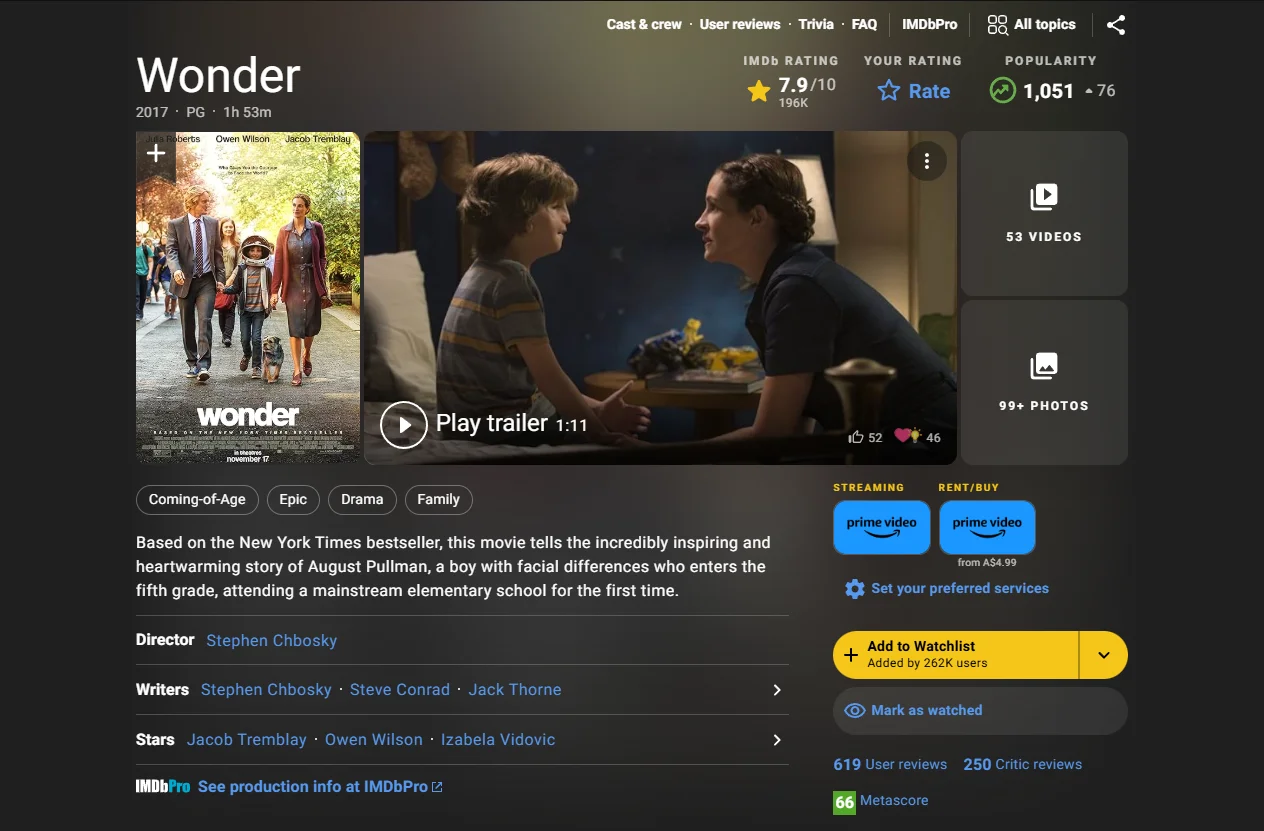
Based on a beloved book, Wonder uses multiple viewpoints to tell the story of Auggie, a young boy with facial differences. It’s a great film for teaching the idea that “everyone is fighting a hard battle,” and it can also inspire a family kindness challenge at home.
Hidden Figures – STEM Role Models
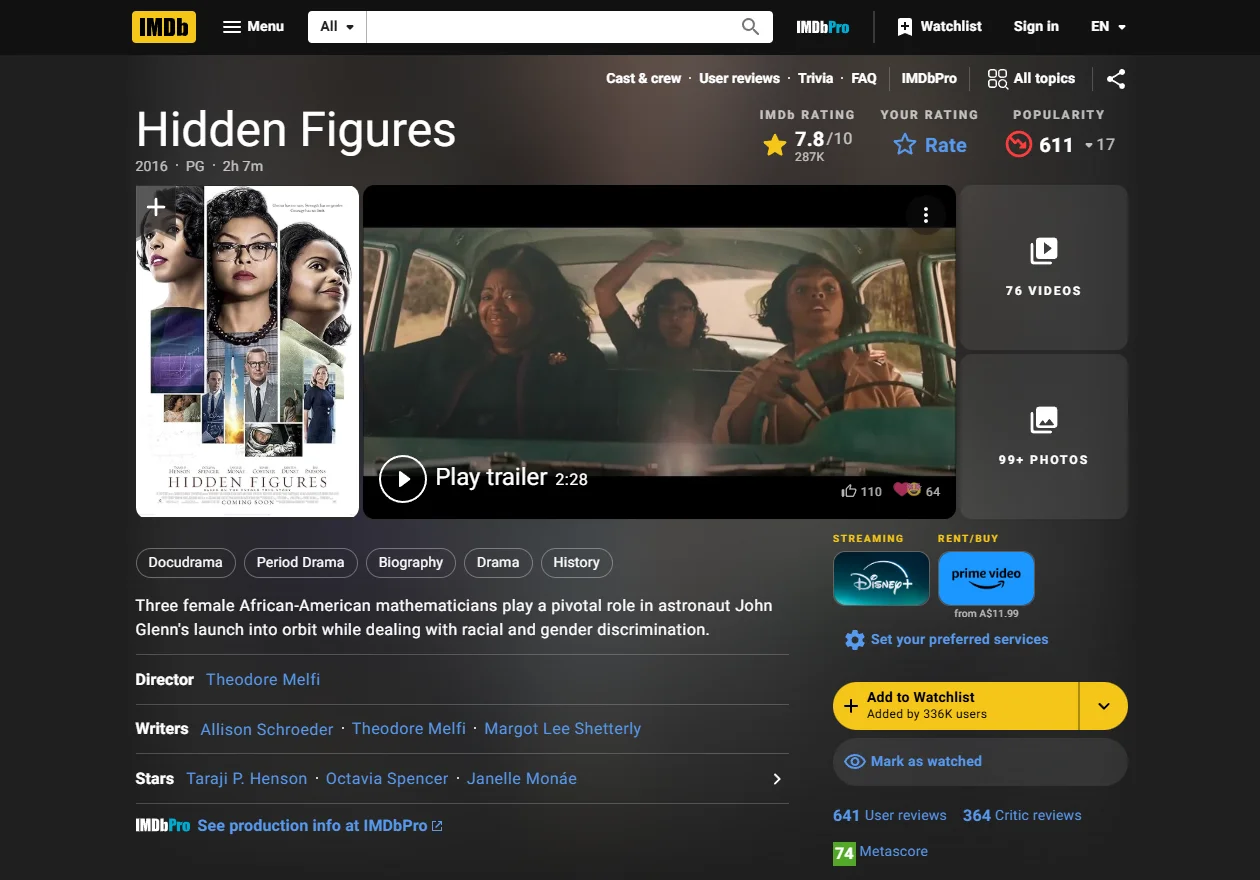
Based on a true story, this film highlights the perseverance and brilliance of Black women working at NASA. It’s an inspiring film for older kids that connects history with the pursuit of opportunity through intelligence and grit.
Akeelah and the Bee – Growth Mindset Showcase
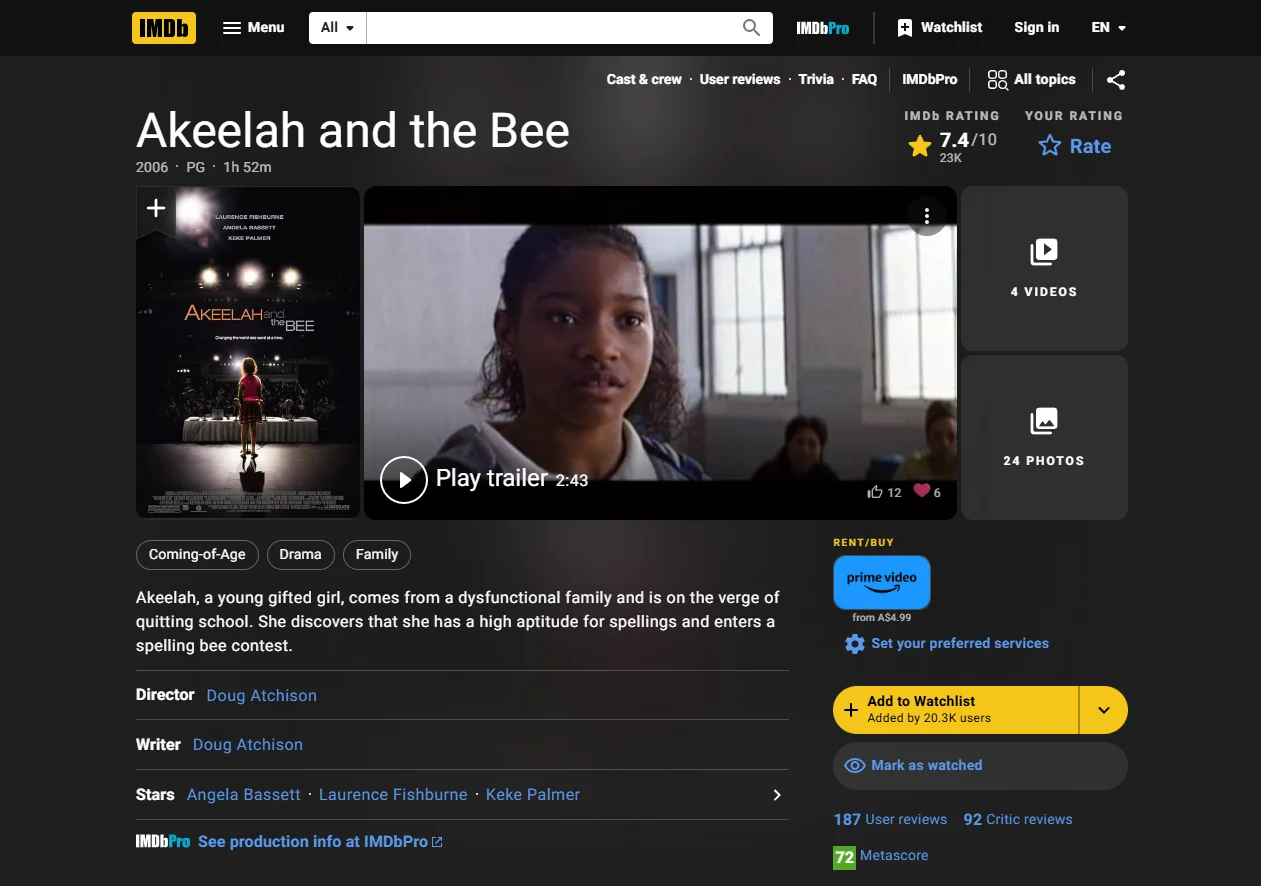
This film follows a girl’s journey to the National Spelling Bee. It beautifully shows that success isn’t just about talent; it also comes from hours of practice and persistence.
- Family Activity: Host a low-stress family spelling bee with funny words or “inside joke” terms.
Coco – Heritage And Gratitude
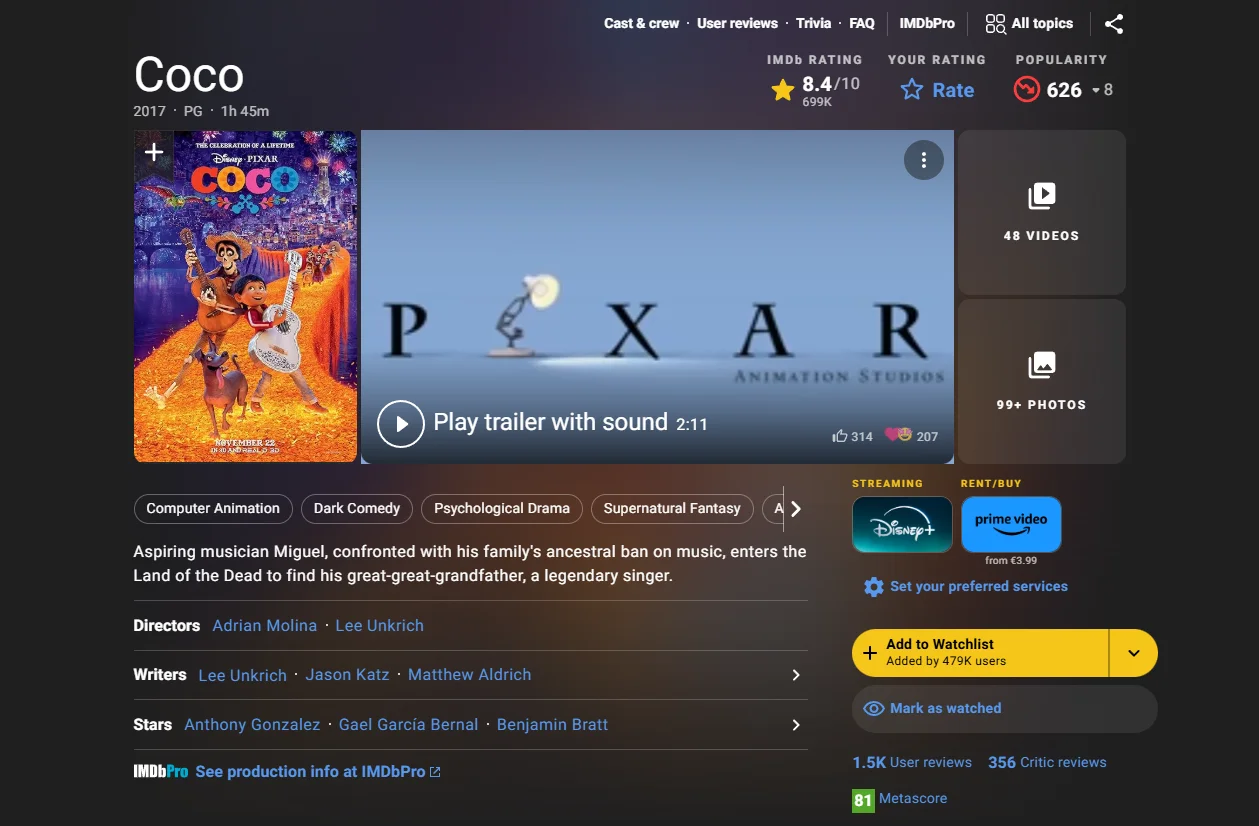
Set during the Mexican Día de Muertos, Coco explores the importance of family and honoring one’s ancestors. It’s a visual masterpiece that explores how music and memory shape family identity across generations.
Paddington – Kindness Ripple Effect
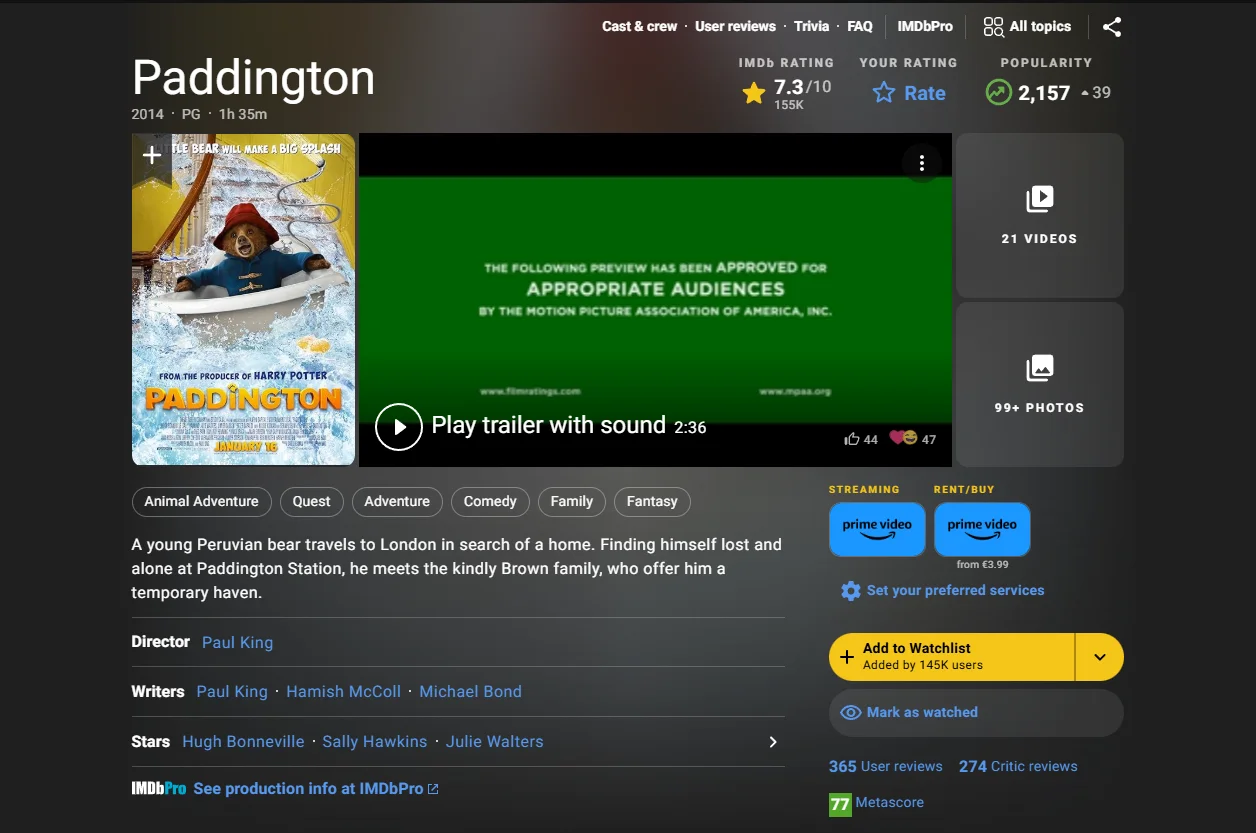
Paddington’s simple philosophy—”If we are polite and kind, the world will be right”—is a powerful message. This heartwarming adventure shows how one individual’s small acts of kindness can change an entire neighborhood.
Animated Films Inspiring Growth
Animation allows for metaphorical storytelling that can help children grasp heavy concepts without feeling overwhelmed.
Animal Friendships Teaching Compassion
Films like The Land Before Time or Free Willy (though the latter is live-action) emphasize how different species—or types of people—can befriend each other to overcome a common threat. These stories help children understand that compassion shouldn’t be limited to people who look or live like they do.
- Empathy Game: “What is the animal thinking?” Look at a pet or a bird outside and try to narrate their “feelings.”
Princess Journeys Highlighting Courage
Move over, damsels in distress. Modern heroines in films like Raya and the Last Dragon show proactive problem-solving. These stories focus on resilience and show that love can be a unifying force, not just a romantic one.
Feature Films Encouraging Confidence
Live-action films often feel more immediate because they reflect the family dynamics and school pressures that tweens and teens face in real life.
Family Adventures Emphasizing Unity
Movies like Little Giants or We Bought a Zoo showcase families working through grief or transition. In We Bought a Zoo, the story of a family rebuilding their lives teaches children that it’s okay to start over.
Sports Dramas Demonstrating Grit
Akeelah and the Bee and Little Giants are classic examples of films that use competition to teach perseverance. These films show that fulfillment often comes from the effort itself, not just from winning.
Short Animated Films for Quick Inspiration
Sometimes you don’t have time for a full movie night. Short films are perfect for social-emotional learning in small doses.
- Pixar’s SparkShorts are often more experimental and tackle themes such as workplace inclusion in Purl and autism in Float.
- Festival Award Winners: Shorts like The Boy, the Mole, the Fox and the Horse offer a heartwarming story about the power of kindness.
Inspirational Movies Based on True Stories
A film that ends with “Based on True Events” carries a unique kind of weight. It tells a child: This actually happened. You could do this too.
Historical Trailblazers
Historical dramas can help kids connect past struggles with present-day ideas about resilience and courage.
Contemporary Real-Life Heroes
The Pursuit of Happyness is a gut-wrenching yet inspiring movie for older kids about a father’s perseverance through homelessness. It reinforces the idea that even in extremely difficult circumstances, persistence and hope still matter.
Conversation Starters Keeping Inspiration Going
To make sure your family movie night isn’t just passive screen time, use these prompts to encourage your kids to watch more thoughtfully.
| Stage | Question Prompt |
| Pre-Viewing | “What do you think the main character wants most?” |
| Post-Viewing | “When did the character have to show the most resilience?” |
| Action Step | “What’s one thing [Character Name] did that we could try doing this week?” |
Power of Positive Media on Kids’ Development
Watching and discussing media together can help parents make screen time more meaningful and more positive for children.
When parents watch with their children and talk about the values a story presents, it can help kids connect fiction to real life.
While storybooks are vital for literacy, animated films offer a different kind of multisensory learning experience. They allow for social emotional learning through visual cues, facial expressions, and the power of music to anchor a mood.
Final Thoughts on Positive Entertainment
Choosing a family movie is an investment in your child’s character. Whether it’s the Banks family in Mary Poppins or a group of neighborhood kids coming together against the odds, these stories stay with us long after the credits roll.
Key Takeaways for Parents
- Check reviews: Sites like Common Sense Media can help you decide whether a film matches your family’s values.
- Look for Grit: Prioritize stories where characters overcome obstacles through effort rather than luck.
- Be the guide: Your input is what turns a good story into a meaningful conversation.
Resources for Further Exploration
- Podcasts: Look for parenting-focused shows about family media and movie discussion.
- Academic articles: Search for research on prosocial media and child behavior in academic databases such as JSTOR or Google Scholar.
- Curated lists: Explore “Best Movies for Kids” categories on nonprofit media-review sites.
Frequently Asked Questions
How do I manage sensitive topics in movies?
If a film touches on grief or prejudice, don’t automatically skip the scene. Use it as a talking point. Ask, “How would you feel if that happened to your friend?” This builds empathy in a controlled environment.
Where can I find diverse representation?
Look for “Global Cinema” sections or curated lists highlighting different cultures, such as films from Studio Ghibli or creators like Jorge Gutierrez. Exposure to diverse stories broadens children’s understanding of the world.
What are the best ratings for my child?
While “G” is a safe bet, many “PG” films offer richer life lessons for school-aged kids. It’s always a good idea to watch the trailer first so you can gauge the film’s tone and intensity.

Take a short quiz to find out what your everyday choices say about your parenting style
When your child is curious about something new, what’s your instinct?
Take a short quiz to find out what your everyday choices say about your parenting style
“Can I download this app?” What happens next?
Take a short quiz to find out what your everyday choices say about your parenting style
When it comes to rules at home, which sounds most like you?
Take a short quiz to find out what your everyday choices say about your parenting style
If you could give your child one life skill today, what would you pick?
Take a short quiz to find out what your everyday choices say about your parenting style
Your child gets to choose what to watch. What would your ideal setup look like?
Take a short quiz to find out what your everyday choices say about your parenting style
Pick your parenting superpower ✨