Reading Eggs vs Hooked on Phonics: A Comprehensive Comparison

 Discover a Free Education Video App for Kids
Pastory uses AI to personalize educational video content based on your child’s interests and personality. Safe, engaging, and built for curious young minds. Sign up now to stay updated and enjoy early access with a free trial
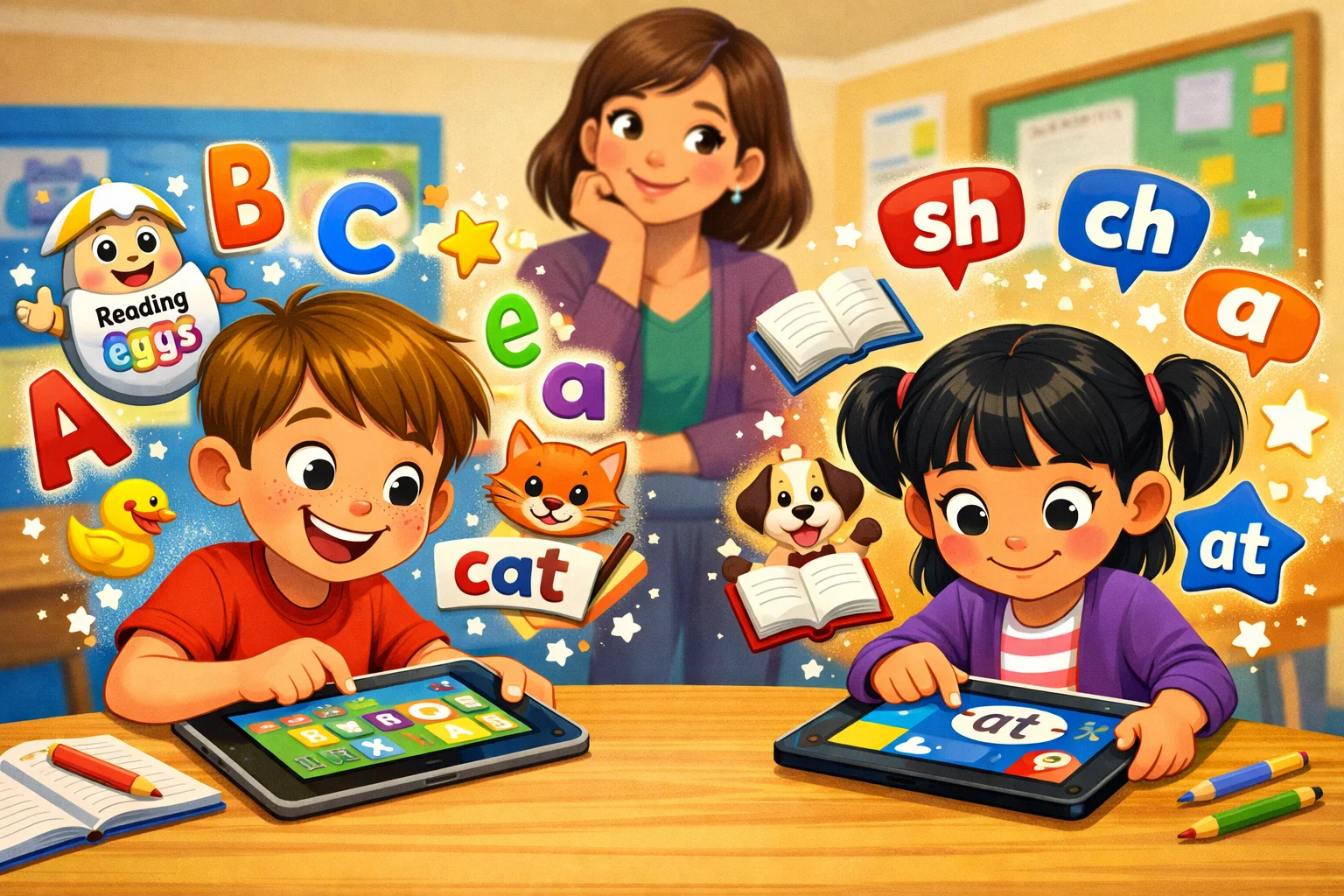
Choosing the best reading program for a young learner is a decision that can shape their entire academic future. In an era where digital tools are everywhere, parents must distinguish between simple entertainment and a high-quality learning program that builds foundational literacy. Two of the most respected names in this field—Reading Eggs and Hooked on Phonics—offer powerful, yet distinct, paths to help children learn to read.
The journey of a young student from recognizing simple alphabet shapes to fluidly navigating complex sentences is a profound developmental leap. As caregivers, we are often overwhelmed by the sheer volume of educational technology promising instant results. However, true success in early reading requires a balance of engagement, scientific methodology, and consistent practice. In the following sections, we will explore how these two industry leaders stack up against each other to help you make an informed choice for your household.
Parent-facing Comparison of Phonics-first Reading Programs for Children Aged 3-9
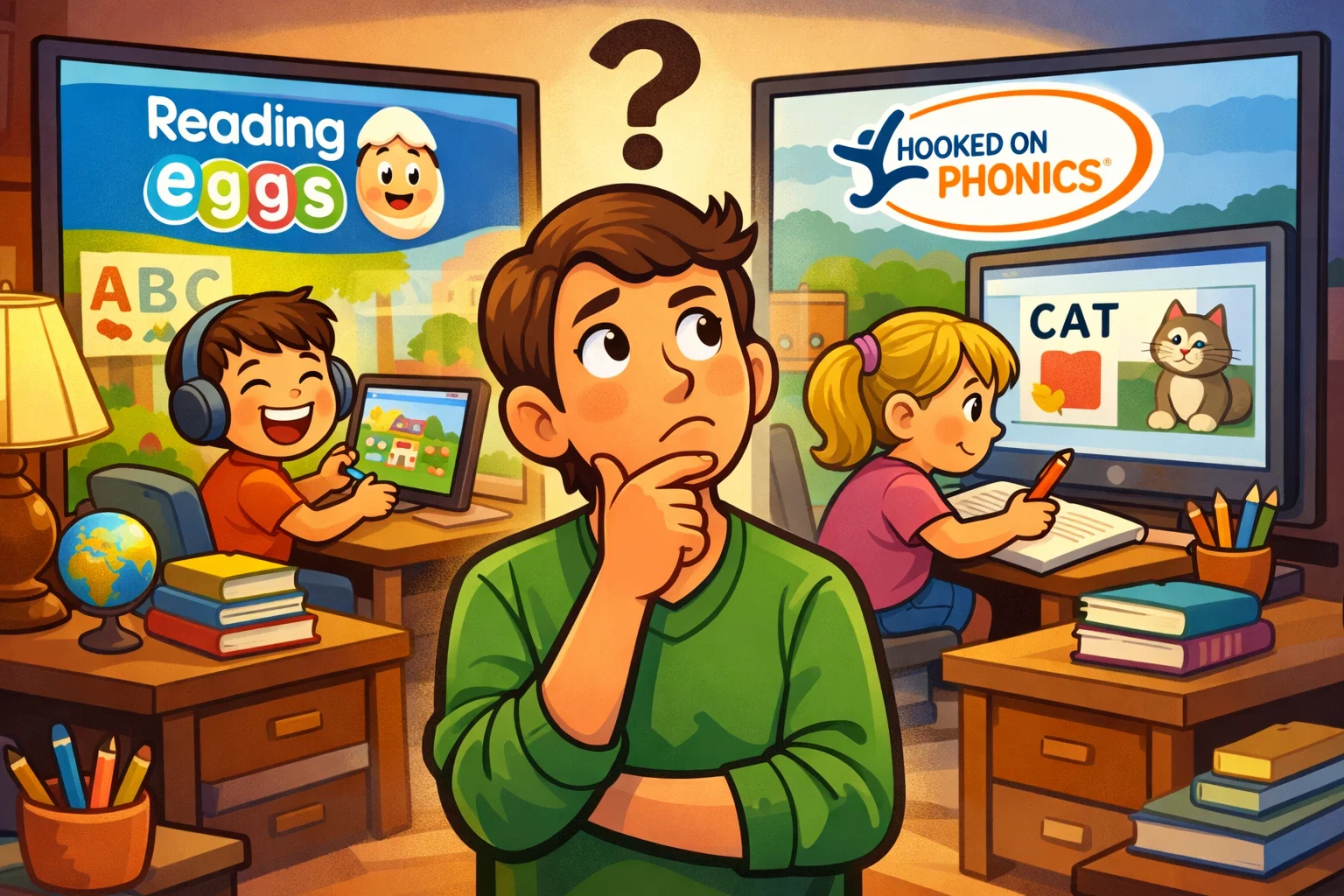
Navigating the world of home education can be a daunting task for modern families. When we look at the landscape of available tools, we see a clear divide between purely recreational apps and those built on rigorous pedagogical standards. This comparison aims to shed light on how these platforms integrate into the daily lives of busy households. We look beyond the bright graphics to see how each system supports the overarching goal of literacy development in a way that is sustainable for both the student and the instructor.
Reading Eggs
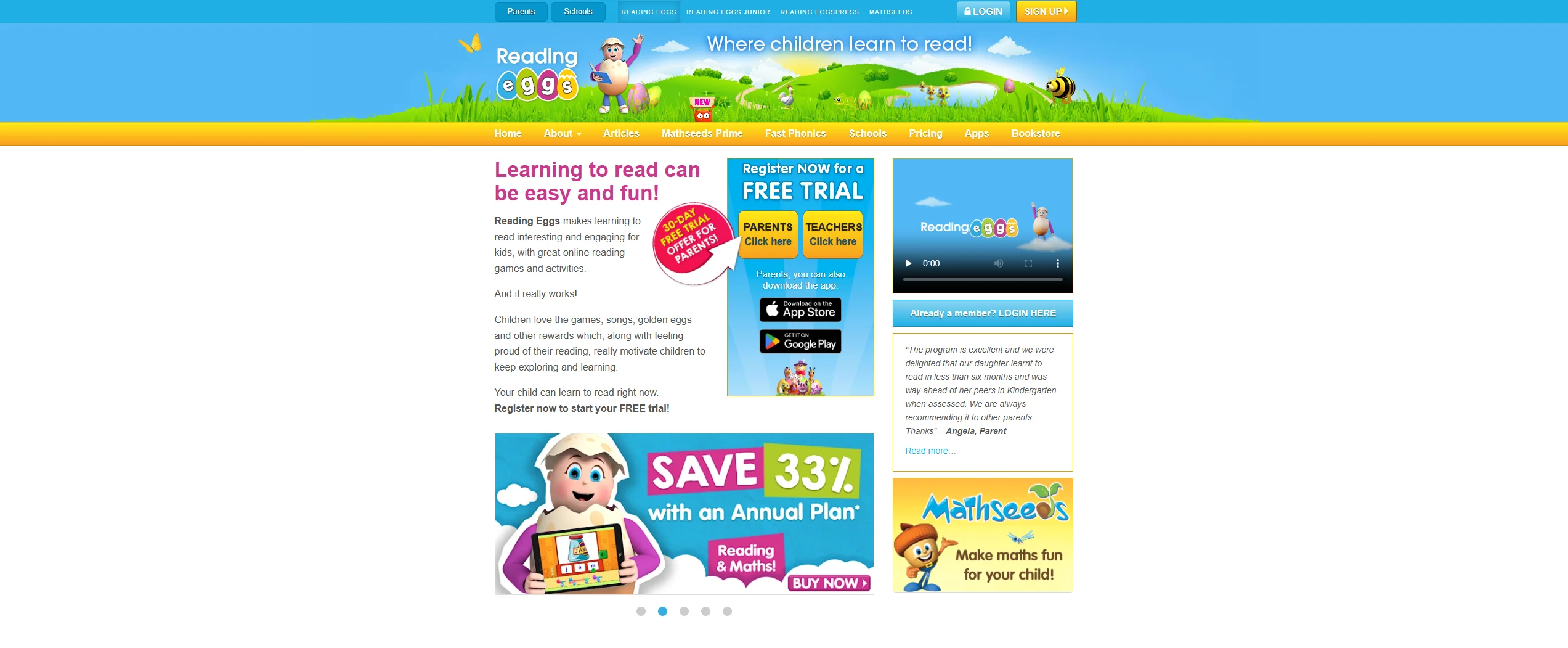
From a parent’s perspective, the choice often comes down to balancing digital independence with tactile engagement. Reading Eggs is designed as a self-contained digital ecosystem. It is incredibly effective for busy households because it allows a learner to navigate an interactive map of reading lessons with minimal adult help. The gamified world keeps children motivated through “Golden Eggs” and virtual rewards.
Hooked on Phonics

Hooked on Phonics is designed for children who thrive with a hybrid approach. While the app is modern and engaging, the program works best when the digital sessions are reinforced by the physical storybooks and workbooks mailed to your home. This phonics approach requires a bit more parental presence, but it creates a tangible connection to physical books that many educators believe is vital for a child’s learning journey.
Quick Summary
In a world filled with endless educational options, sometimes a concise breakdown is exactly what a busy caregiver needs to move forward. This summary serves as a high-level snapshot of our findings, distilled from hours of testing and pedagogical review. We have weighed the pros and cons, examined long-term outcomes, and considered the immediate ‘fun factor’ that keeps students engaged day after day to improve their reading skills.
If you are looking for a comprehensive, all-in-one digital library with a vast age range (2–13) and extra subjects like math, Reading Eggs offers the most versatile solution. It is the best reading program for independent, high-engagement screen time for children.
However, if you want a systematic phonics foundation that includes high-quality physical materials, you should consider Hooked on Phonics. It is a superior program to teach pure decoding to a struggling reader or any child who benefits from a linear, highly structured curriculum.
Program Overview (Ages, Format, Teaching Approach)

The architecture of an educational platform is its backbone. Understanding how a curriculum is segmented and delivered is crucial for aligning a tool with a child’s current developmental stage. A child’s cognitive needs at age three differ greatly from those at age seven, and an effective system must be able to bridge that gap with age-appropriate content that challenges without overwhelming.
Target Age Groups
- Reading Eggs: Covers children from age 2 to 13. It starts with Reading Eggs Junior for toddlers, moves to the core levels for ages 3–7, and ends with Reading Eggspress for older students.
- Hooked on Phonics: Focused specifically on the 3–8 age range. It is a dedicated reading program for your child during their most formative years of early education.
App Format and Accessibility
Reading Eggs uses a vibrant, animated world where children progress through levels by completing tasks. It works on tablets, smartphones, and computers. Hooked on Phonics offers a simpler, more focused interface that minimizes distractions. While it may not have the “theme park” feel of its competitor, its streamlined design helps a learner stay focused on the actual phonics learning.
Teaching Methods
Both systems utilize phonemic awareness and phonics, but their execution differs:
- Reading Eggs incorporates a “multi-sensory” strategy, blending phonics and sight words with interactive songs and puzzles.
- Hooked on Phonics, compared to its rival, uses a more traditional ‘step-ladder’ method. It uses a systematic cycle of “Learn, Practice, Read,” ensuring that phonics instruction leads directly to the successful decoding of full sentences.
Pricing
Investment in a child’s future is always a priority, but families must also consider the practicalities of a household budget. The financial commitment for these platforms varies based on whether you prefer a purely digital experience or one that includes physical shipments of educational materials. Below, we break down the costs to help you determine which path provides the highest return on investment for your family’s unique situation.
Subscription Costs

A monthly subscription for the digital-first option is generally lower. Hooked on Phonics offers several tiers, and most parents find the ‘App + Practice Pack’ bundle to be the most effective. When comparing Reading Eggs vs Hooked on Phonics, remember that the physical kits add a layer of expense but also provide tangible assets for your home library.
Free Trial Availability
Most parents want to try the program before committing. Reading Eggs is known for its generous 30-day free trial, which is often enough to see noticeable progress in a child’s reading skills. Hooked on Phonics reviews frequently mention the “$1 trial,” which allows you to test both the app and the first physical book kit for a nominal fee.
Value for Money
Reading Eggs may be the better value for families with multiple children, as it supports up to four profiles. However, for a single learner who needs a systematic phonics foundation, the physical components of the competing program often lead to better long-term retention of literacy concepts.
Subjects and Curriculum Depth
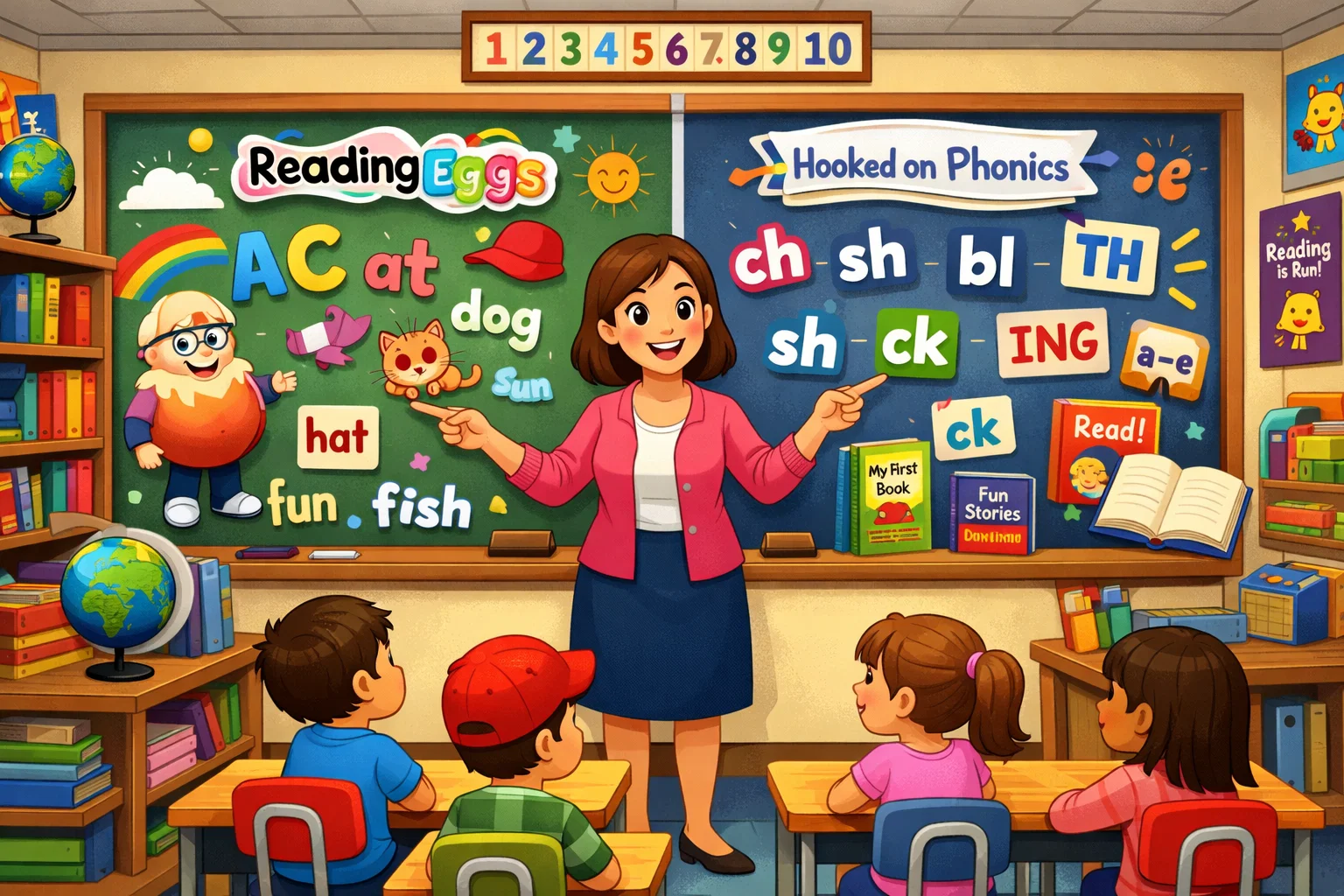
A deep dive into the actual content of these platforms reveals the philosophy behind their creation. While both focus on the mechanics of language, they differ in how they introduce auxiliary subjects and how they expand the student’s broader knowledge base. A robust curriculum should not only teach how to decode but also foster a broader understanding of the world through diverse textual content.
Reading and Phonics Focus
The approach to teaching reading in both apps is evidence-based. Reading Eggs focuses on the five pillars: phonemic awareness, phonics, fluency, vocabulary, and reading comprehension. It provides a very broad experience.
Hooked on Phonics, compared to purely digital reading programs, often feels more focused. Its phonics skills training is very rigorous. It ensures the child learns the letter-sound connection perfectly before introducing more complex concepts. This systematic phonics focus is what has made the brand a household name for decades.
Additional Learning Features
The Australian-based app includes Fast Phonics, a separate area for intensive sound work, and a library of 4,000+ e-books. It is a complete online reading suite. Hooked on Phonics is designed more as a specialized tool for decoding, though it now includes spelling and math modules.
Curriculum Structure
Reading Eggs incorporates an adaptive placement test at the start. This ensures the reading program for your child is calibrated to their specific level. Its rival is more linear; it is a systematic march from Level 1 to Level 30, which many parents find easier to track for child’s reading benchmarks.
What Are They Like To Use?
The day-to-day usability of an app is what determines whether it becomes a helpful tool or a source of frustration. User interface design, navigation ease, and the overall “vibe” of the software play a major role in how long a child can stay engaged. In this section, we examine the user experience from the perspective of both the young student and the adult overseeing the activity.
The User Interface
Reading Eggs is an interactive world full of characters, songs, and maps. For a young learner, it feels like playing a video game. Hooked on Phonics has a more modern, ‘clean’ aesthetic, which gives it a premium educational app feel. It’s less about “fluff” and more about the phonics lessons.
Gamification and Rewards
In Reading Eggs, the reward system is central to its approach. Children earn currency to decorate a virtual house. This keeps kids learn to read because they are motivated by the next reward. Hooked on Phonics uses digital stars and physical stickers, which provides a more traditional sense of achievement for your child’s progress.
Parental Involvement
If you want to teach your children to read with a hands-on approach, the hybrid model of Hooked on Phonics and reading books together is perfect. If you need a reading program for your child that they can manage independently while you work, using reading eggs is often the more practical choice.
Progress Tracking, Parent Controls, and Homeschool Use
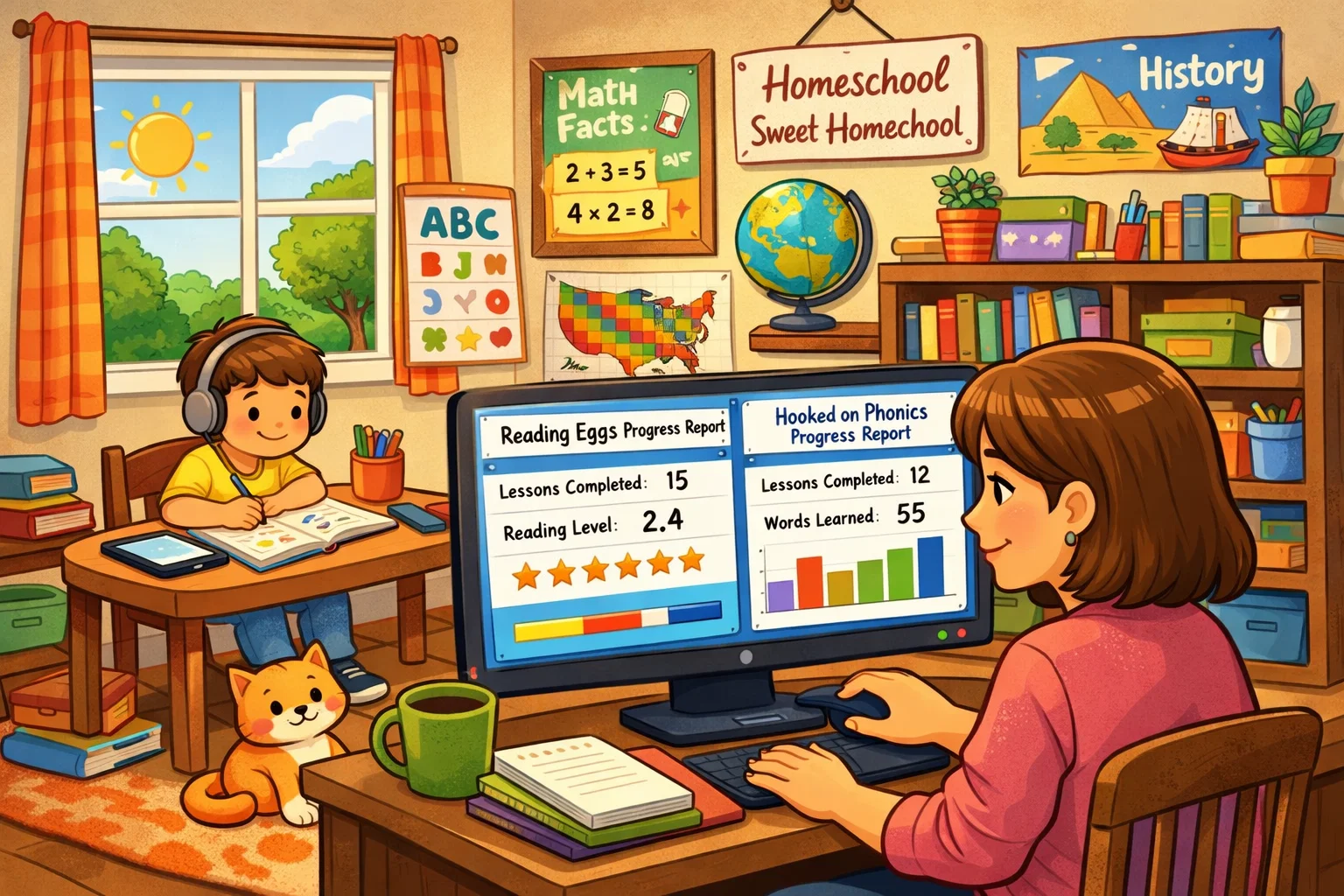
Data-driven insights allow parents to pinpoint exactly where a child might be struggling. Modern educational software provides a wealth of information, but the key is how that data is presented and how it can be used to tailor the educational experience. Whether you are a full-time homeschooler or just looking to provide some after-school enrichment, these management tools are essential for success.
Tracking Progress
Both platforms offer comprehensive dashboards. You can see which reading skills your child has mastered and where they need more help. Reading Eggs sends regular email reports, providing a clear view of your child’s learning style and pace.
Parent Controls
Managing screen time is a priority for 2026 parents. Both apps allow you to set daily limits. The more gamified app even lets you “lock” the games section until the reading lessons are finished, ensuring the learner prioritizes education over play.
Homeschool Compatibility
Both are excellent for home educators. Hooked on Phonics is the best for those who want a structured, book-based reading curriculum. The other is often used as a powerful supplement to provide variety and free reading opportunities through its massive digital library.
Pros and Cons
Every educational tool has its strengths and weaknesses. What works perfectly for one child might not resonate with another. By examining the benefits and drawbacks of each platform, you can determine which aligns best with your child’s personality and your family’s expectations for a good program.
Reading Eggs Pros
- Huge variety of reading games and activities.
- Covers a massive age range (2–13).
- Encourages a love of reading through its 4,000+ book library.
- Excellent placement test to find the right reading level.
Reading Eggs Cons
- The interface can be overstimulating for some.
- Some children focus more on the games than the phonics skills.
- Reading Eggs may feel less focused than a pure phonics app.
Hooked on Phonics Pros
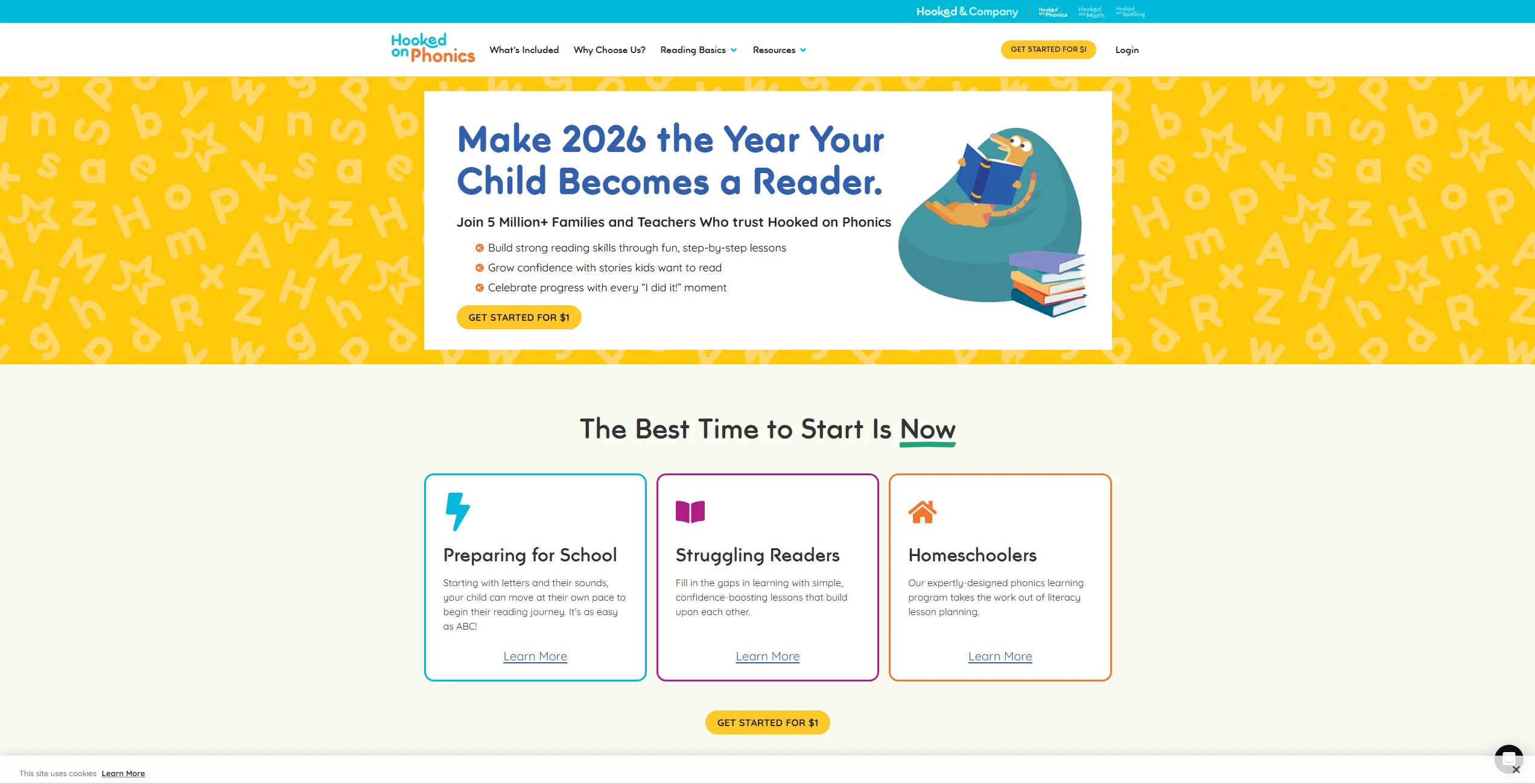
- Systematic phonics approach that is highly effective.
- High-quality physical books included in subscriptions.
- Calmer, more focused online reading experience.
- Excellent for struggling readers who need a clear path.
Hooked on Phonics Cons
- Only goes up to 2nd Grade (age 8).
- Requires more parental time for the physical kits.
- Hooked on Phonics reviews mention app glitches occasionally.
Alternatives To Consider
While the two platforms discussed here are market leaders, the world of educational technology is vast. Sometimes a child requires a completely different approach—perhaps one that is less gamified or integrates a broader range of subjects. Here, we look at other options that might better suit certain types of learners or different budgetary constraints.
- ABCmouse: A full preschool-to-2nd-grade curriculum that includes science and art.
- Starfall: A great resource for free reading practice and basic phonics skills.
- Khan Academy Kids: A 100% free reading and math app with no ads.
Final Thoughts
As we wrap up this comprehensive analysis, it is important to remember that no app can replace the value of a parent reading aloud to their child. These tools are meant to augment and support the natural curiosity of a young mind. Whether you choose a digital theme park or a structured hybrid system, the goal remains the same: to build the confidence and skills necessary for a lifetime of discovery through the written word.
When choosing the best program, look at how your child interacts with technology. If they love vibrant, fast-paced games, Reading Eggs will likely spark a love of reading through excitement. If they benefit from a structured, calm, and book-centered path, then you should consider Hooked on Phonics. Both are top-tier tools for developing early reading skills—the key is to try the program and see which one makes your child learn with a smile.
FAQ
Which App is Better for Children Aged 4–7?
For this specific age group, both options have a lot to offer. One is particularly good at keeping kids engaged on their own for longer periods. The other is generally preferred by parents who want a very structured, step-by-step path that ensures no foundational sounds are missed. Both will significantly help children improve their reading skills over time.
Do These Programs Offer Free Trials?
Yes, you can test both. One usually gives a 30-day free trial for full digital access. The other typically has a promotion where you get the first month for a very low cost, which usually includes both the app and a physical starter kit to see how the student responds to the hybrid method.
Can I Use Reading Eggs and Hooked on Phonics Together?
Many families find success by combining them. You might use the more structured system for “formal” lesson time and allow the gamified app for “fun” exploration. This provides a double dose of practice with both phonics and sight words while keeping the student’s interest high.
Are These Apps Safe and Ad-Free?
Both are completely safe for kids and free of any third-party advertisements. They are designed to be high-trust environments where students can explore early reading skills without being exposed to marketing. Your child’s progress is also kept private.
Which App Is Better for Struggling Readers?
The more linear, systematic approach is often a lifesaver for kids who are having a hard time. It breaks everything down into tiny, manageable steps. However, the other app’s Fast Phonics module is also specifically built to help children rebuild their skills and catch up to their peers.
Take a short quiz to find out what your everyday choices say about your parenting style
When your child is curious about something new, what’s your instinct?
Take a short quiz to find out what your everyday choices say about your parenting style
“Can I download this app?” What happens next?
Take a short quiz to find out what your everyday choices say about your parenting style
When it comes to rules at home, which sounds most like you?
Take a short quiz to find out what your everyday choices say about your parenting style
If you could give your child one life skill today, what would you pick?
Take a short quiz to find out what your everyday choices say about your parenting style
Your child gets to choose what to watch. What would your ideal setup look like?
Take a short quiz to find out what your everyday choices say about your parenting style
Pick your parenting superpower ✨