
ABCmouse vs Reading Eggs: Which Reading App Is Better for Kids?

 Discover a Free Education Video App for Kids
Pastory uses AI to personalize educational video content based on your child’s interests and personality. Safe, engaging, and built for curious young minds. Sign up now to stay updated and enjoy early access with a free trial
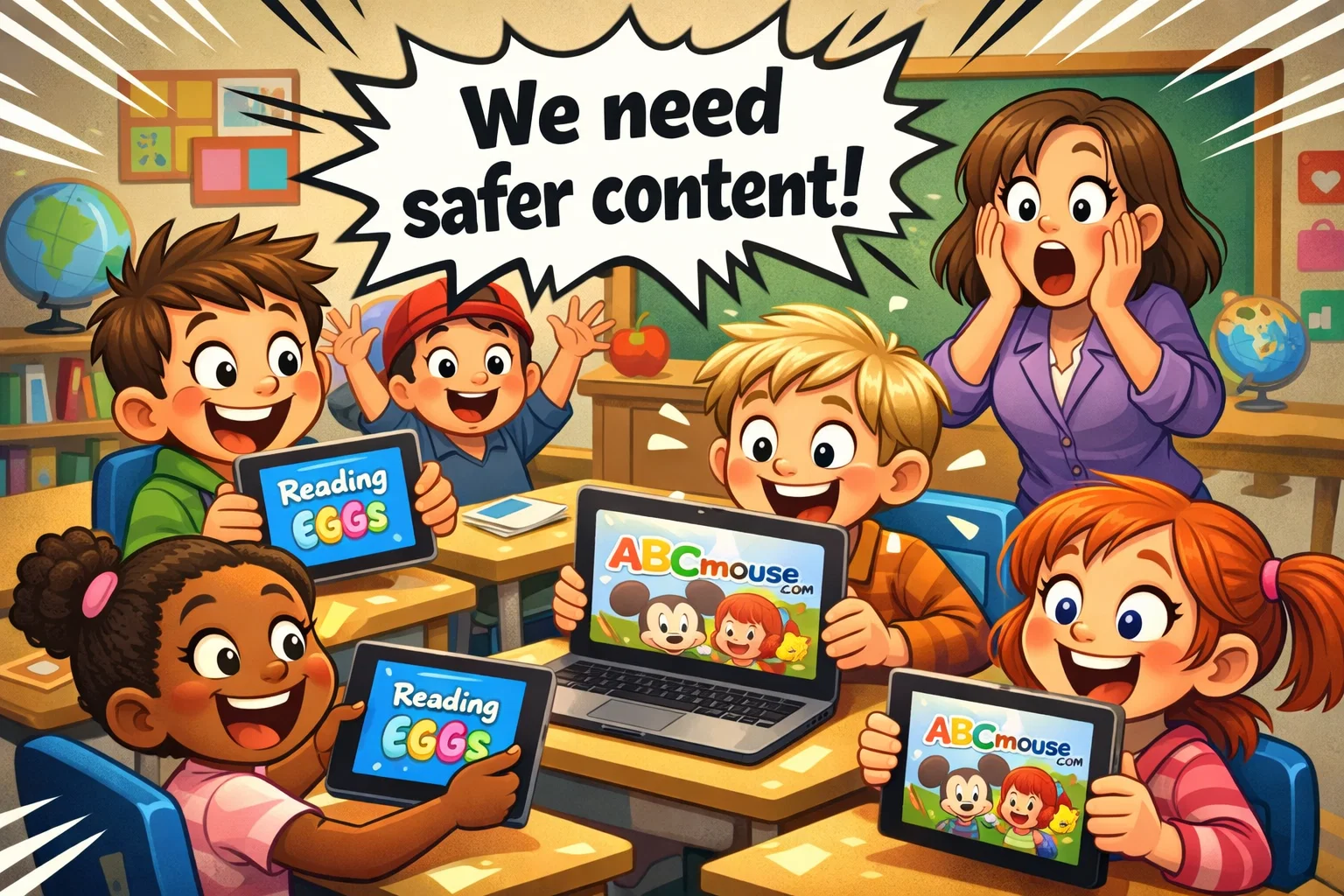
If you are trying to decide which is better, ABCmouse or Reading Eggs, you are not alone. Both platforms are widely used for early childhood learning, but they take different approaches — Reading Eggs focuses heavily on structured phonics, while ABCmouse offers a broader multi-subject curriculum. The right choice depends on your child’s age, learning goals, and how much flexibility you want.
This comparison covers key differences in content, pricing, user experience, device access, parental controls, and real feedback from parents and teachers, giving you a clear picture before you commit to a subscription.
Key Takeaways
- Reading Eggs is the stronger phonics app — it uses systematic, synthetic phonics and a structured lesson path. ABCmouse is better for broad early learning across multiple subjects.
- For a clear verdict: choose Reading Eggs if your primary goal is teaching your child to read; choose ABCmouse if you want a wider curriculum covering math, science, and art alongside literacy.
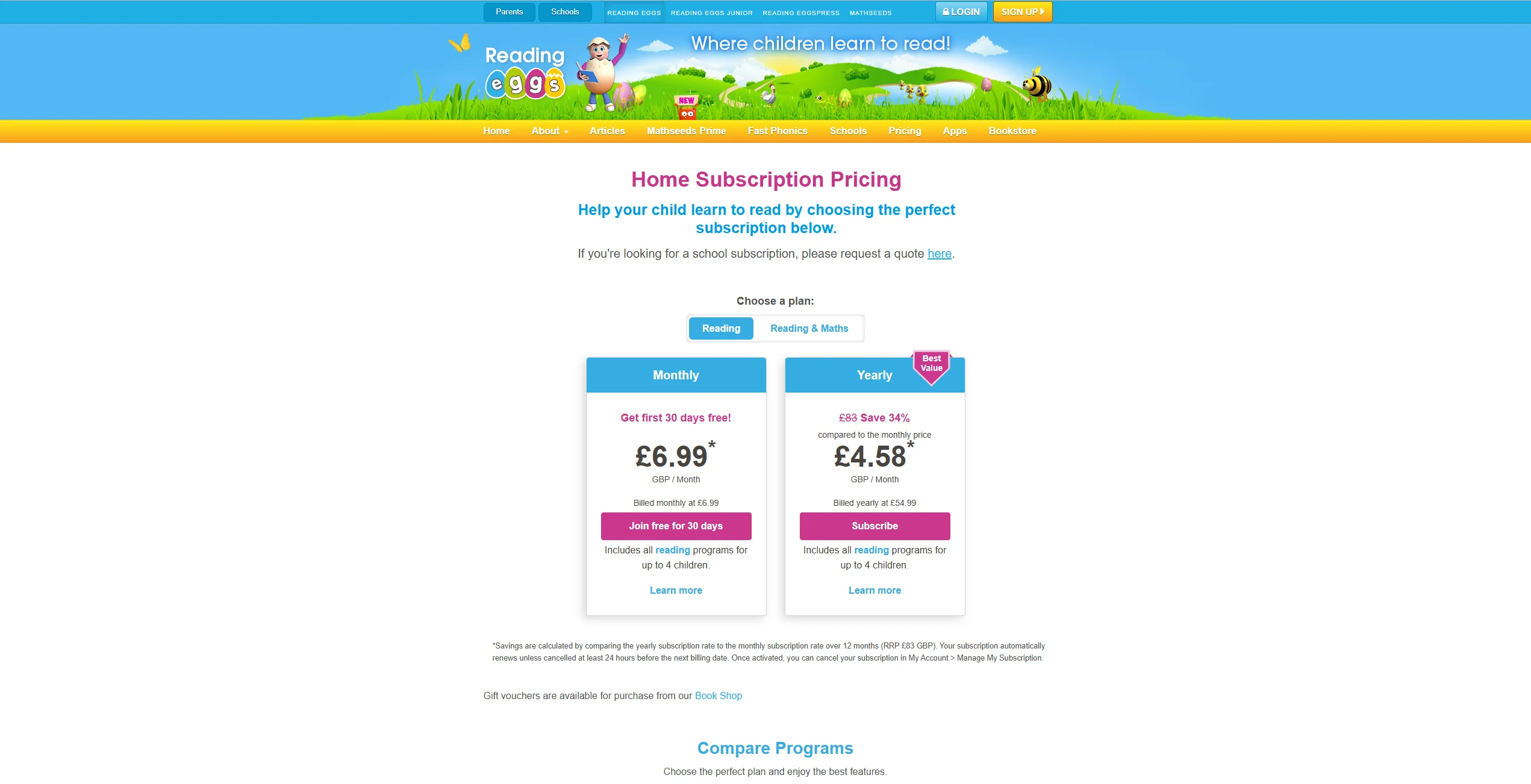
- Reading Eggs costs around $9.99/month (or ~$69.99/year for up to 4 children) and offers a 30-day free trial. ABCmouse is typically $14.99/month (or ~$45–$59.99/year for up to 3 children) with a 30-day free trial.
- Reading Eggs is not free, but its 30-day free trial gives full access with no commitment required.
- Both apps include parental controls and progress tracking — Reading Eggs provides a scientific
Key Differences Between ABCmouse vs Reading Eggs
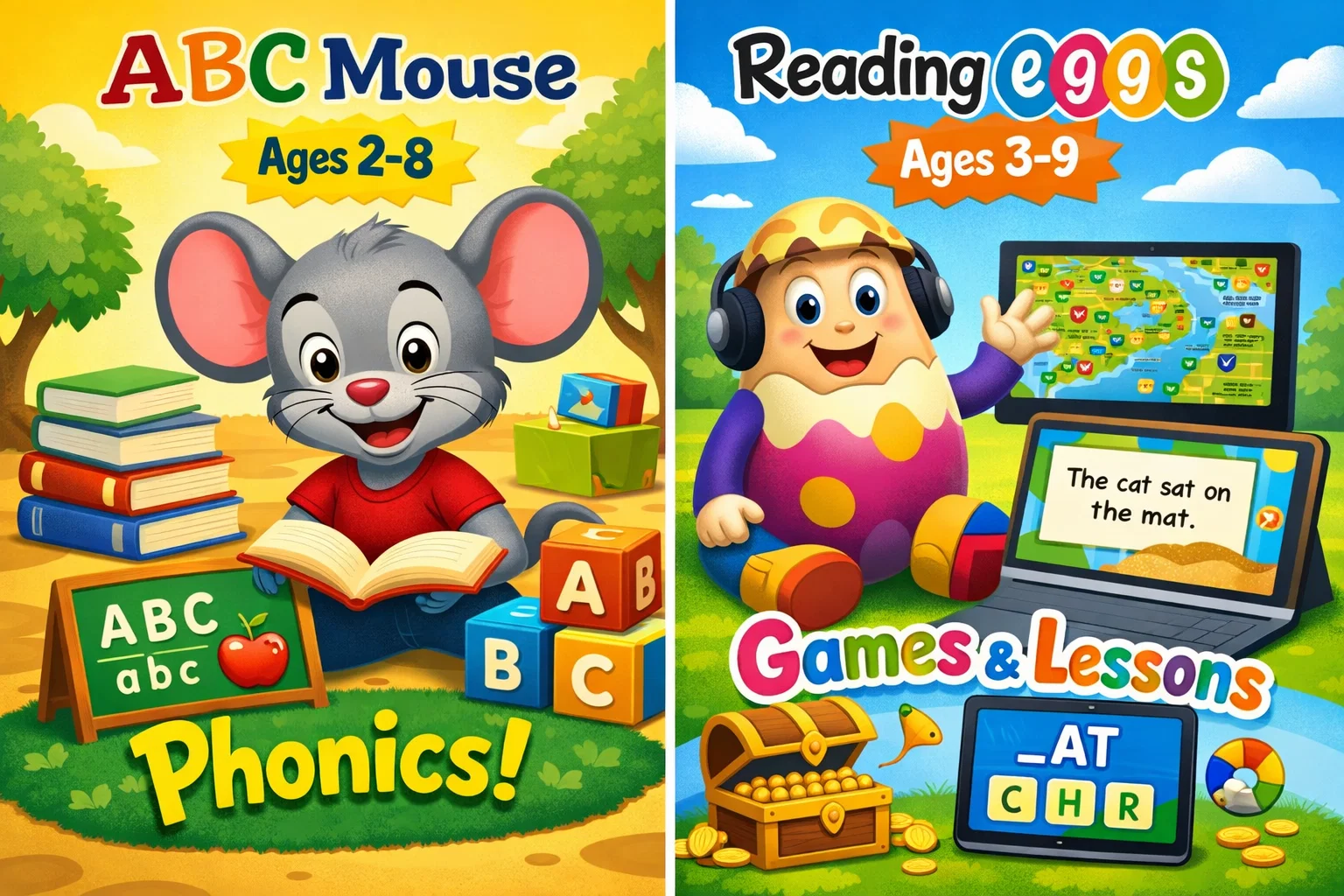
While both apps are designed to foster literacy skills, the core difference lies in their scope. Reading Eggs focuses primarily on a systematic phonics approach, ensuring that a child develops strong word recognition and phonemic awareness. In contrast, ABCmouse is designed as a digital “all-in-one” schoolhouse, offering a broader curriculum that includes science and social studies alongside literacy.
Target Age Range for Each App
The age suitability of these apps is a crucial factor for parents. If you have older kids, you might find that one platform scales much better than the other.
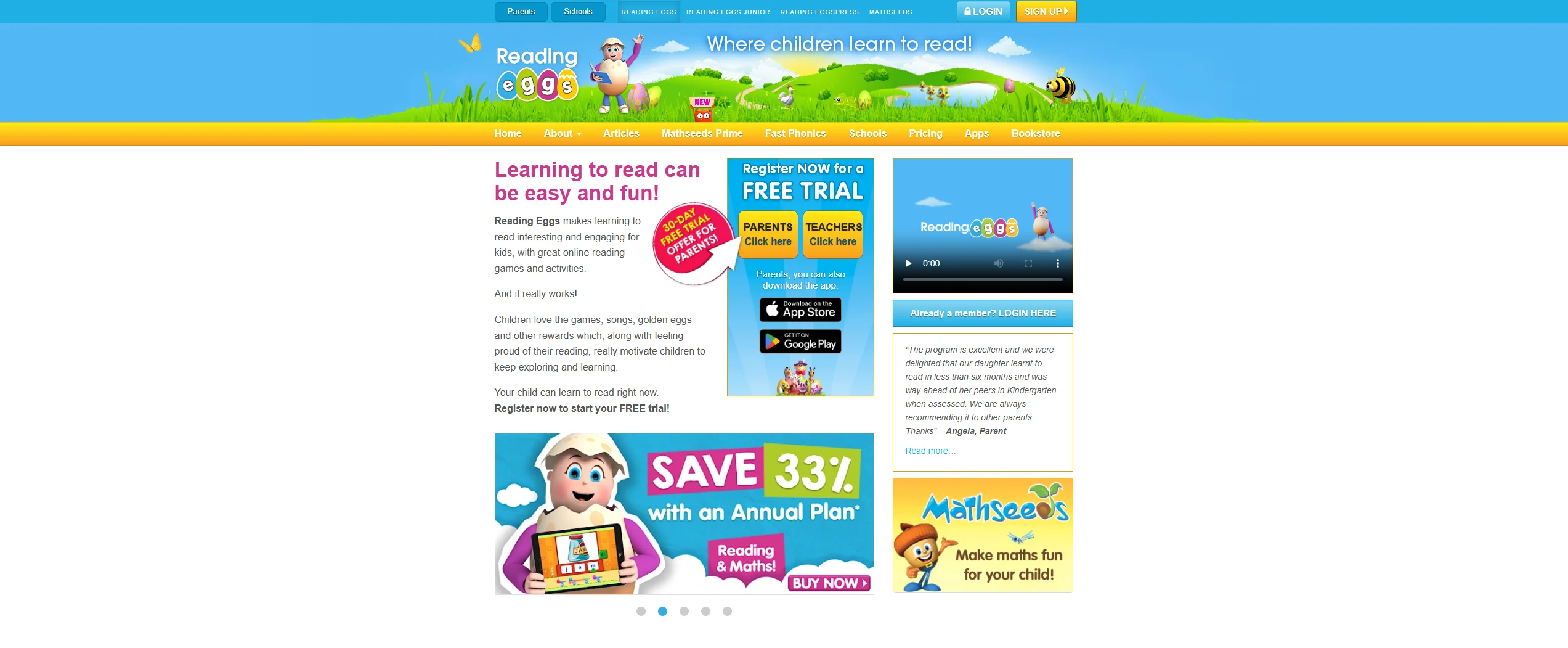
- Reading Eggs: Targets children aged 2 to 13. It is divided into distinct stages: Reading Eggs Junior (ages 2–4), the core Reading Eggs (ages 3–7), and Reading Eggspress (ages 7–13) for advanced comprehension.
- ABC Mouse: Primarily targets the preschool through second-grade demographic (ages 2–8). While it is excellent for early learning, children often “age out” of the interface by the time they hit third grade.
Learning Approach: Structured vs Flexible
Every child learns differently, and these platforms reflect two distinct educational philosophies.
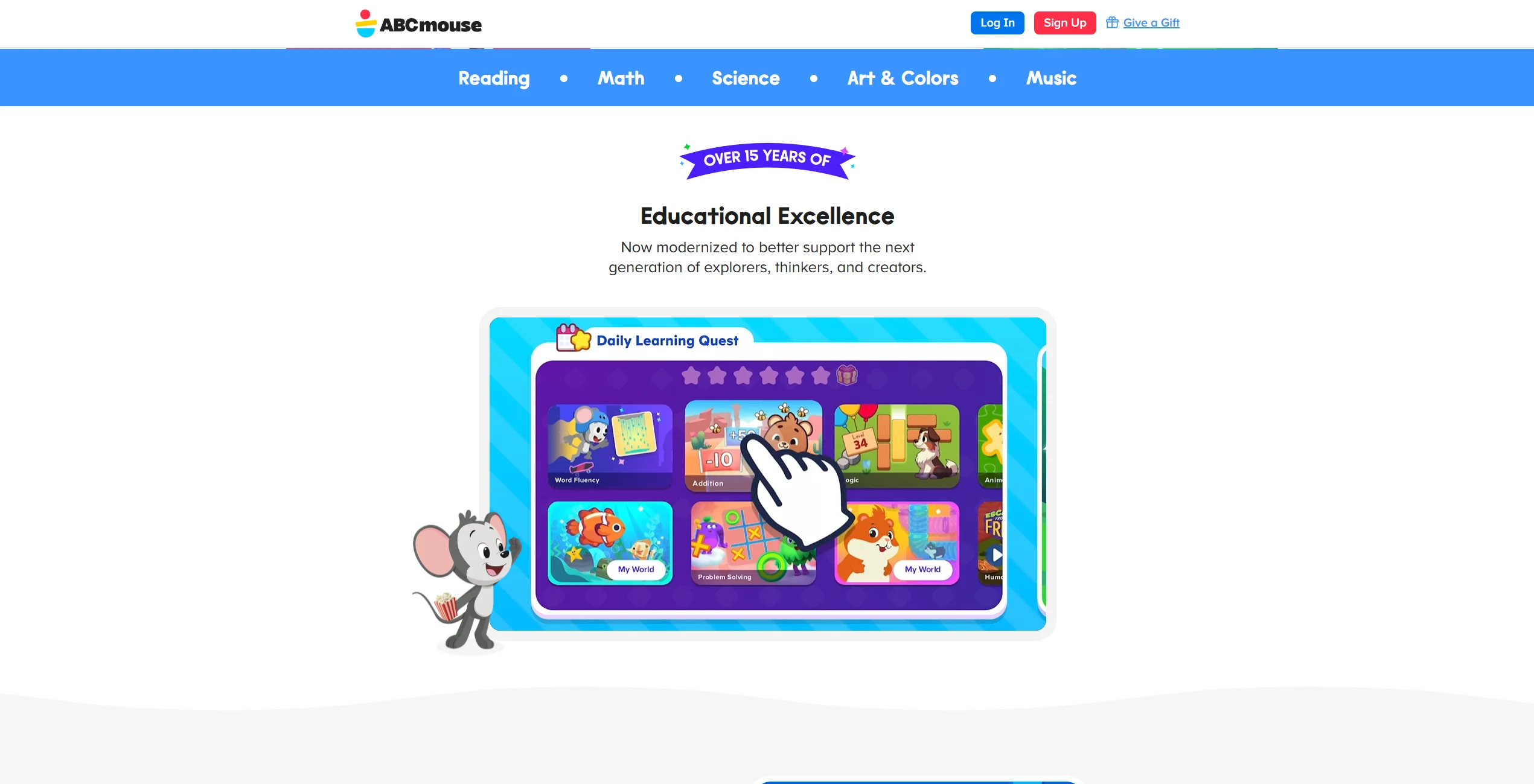
Reading Eggs utilizes a highly structured learning path where a placement test ensures the child’s learning begins at exactly the right level. It follows a “stepped” progression—children cannot move to the next map until they have mastered the current reading lessons.
ABC Mouse offers a more flexible, open-ended environment. While there is a “Step-by-Step Learning Path,” children are also free to wander into the “Zoo,” “Farm,” or “Art Gallery.” This flexibility is great for engagement but can sometimes lead to “distracted learning” if a child spends more time decorating their virtual room than practicing phonics.
Phonics and Early Literacy Focus
If your primary goal is to help your child learn to read, the phonics implementation is vital.
Feature Reading Eggs ABC Mouse Phonics Method Systematic, Synthetic Phonics Embedded Phonics within activities Focus Area Decoding and Fluency Vocabulary and Broad Literacy Sight Words Integrated into mapped lessons Taught through games and songs Reading Level Scientific “Reading Age” tracking Grade-level progression Reading Eggs provides a more focused and rigorous approach to letter sounds and decoding. Its sister program, Fast Phonics, is specifically designed as a phonics powerhouse for children who need extra help in this area. ABC Mouse provides literacy instruction through a variety of learning activities, but it is often seen as more of a general early learning tool rather than a specialized reading specialist.
Price Comparison
Budget is often the deciding factor. Both apps require a subscription, but their pricing models and what you get for your money vary significantly.
Subscription Options and Costs
Prices in the world of online learning apps can fluctuate, but as of 2026, the typical rates are as follows:
- Reading Eggs: Typically costs around $9.99 per month. If you opt for an annual subscription, the price drops to approximately $69.99 per year (roughly $5.83/month). This usually covers up to four children.
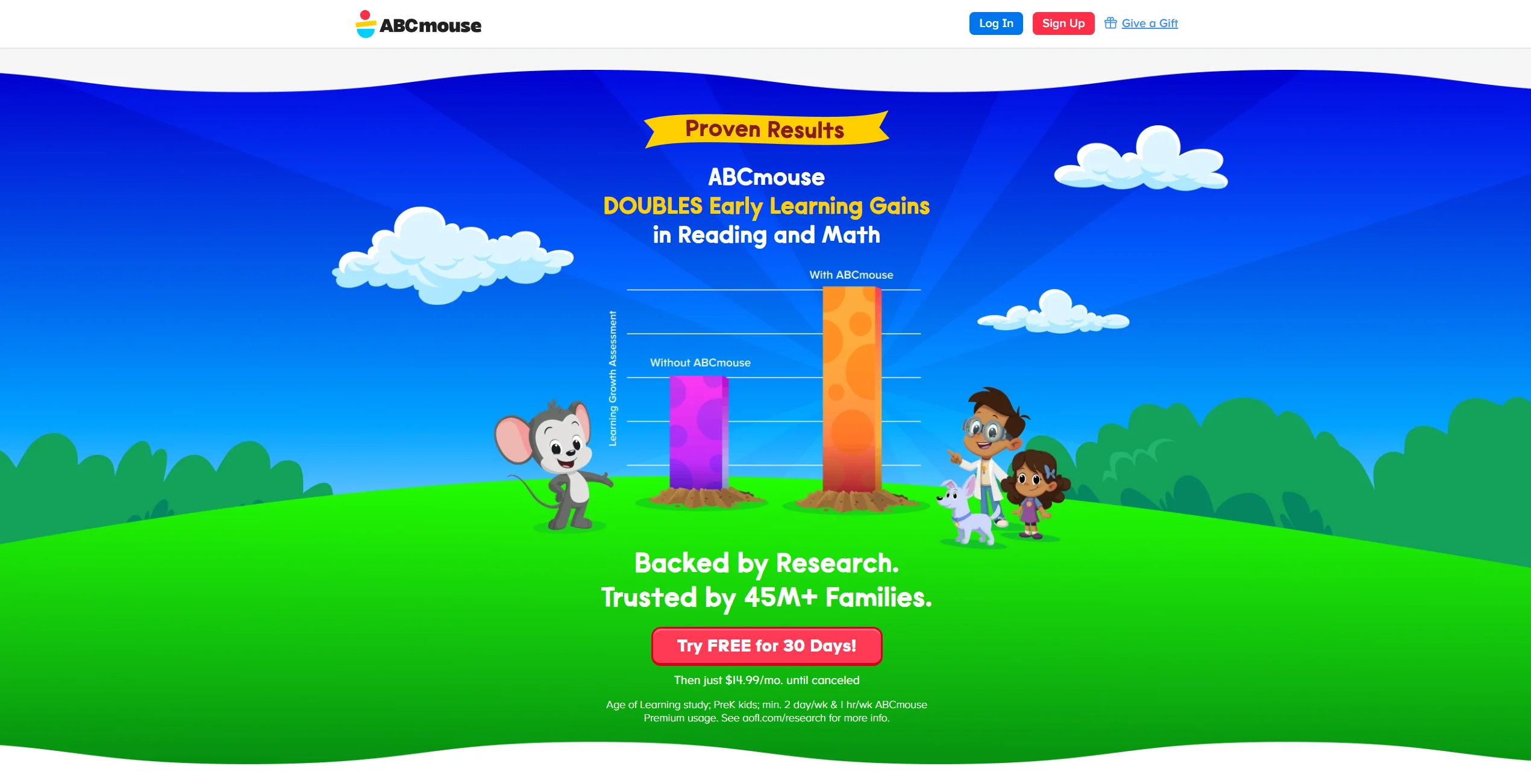
- ABC Mouse: Generally charges $14.99 per month. However, they are famous for their aggressive “special offers.” You can often find an annual deal for $45.00 to $59.99 per year. One account supports up to three children.
Free Trial Periods and Special Offers
Never sign up for an online reading program without a free trial.
- Reading Eggs: Offers a standard 30-day free trial, which is quite generous. They often extend this during “Read Across America” month or other educational events.
- ABC Mouse: Usually offers a 30-day free trial period, though sometimes they run “1 month for $1” promotions instead.
Check the App Store or Google Play reviews before subscribing, as parents occasionally report difficulty canceling subscriptions. It is often easier to manage your subscription directly through the website rather than through third-party app stores.
User Experience: Interface and Ease of Use

An app is only effective if your child can use it without needing you to hover over their shoulder every two minutes.
App Interface Design and Navigation
The Reading Eggs app interface is bright, whimsical, and map-based. It feels very much like a traditional video game. The navigation is linear; children follow a path of “eggs” that they “crack” to open new lessons. This makes it very easy for preschool aged children to use independently.
ABC Mouse uses a ‘classroom-style’ hub. From the main screen, a child can click on various objects (like a bookshelf or a globe) to start an activity. While immersive, the interface can feel “cluttered” or “busy” for children with sensory sensitivities.
App Accessibility on Different Devices
Both platforms are highly accessible:
- Web Browsers: Both work excellently on desktops and laptops.
- Tablets/Phones: Both have dedicated apps for iOS and Android.
- Offline Access: ABC Mouse offers some offline activities, while Reading Eggs provides a variety of printable reading worksheets for ‘unplugged’ time.
Parental Controls and Progress Tracking
Parents can view detailed reports on both platforms.
- In Reading Eggs, you receive a “Reading Age” score and a breakdown of which letter sounds or sight words your child has mastered.
- ABC Mouse provides a “Parent Dashboard” that tracks how many activities have been completed across different subjects like reading and math.
Educational Content: What Each App Offers
When comparing Reading Eggs vs ABC Mouse, you are really choosing between “Deep” and “Wide” educational content.
Reading Lessons and Interactive Games
The app uses a repetitive (but fun) cycle of “Watch, Play, Read.” A child watches an animation about a sound, engages in games and activities to reinforce it, and then reads a digital book that incorporates those specific sounds. This reinforces word recognition effectively.
ABC Mouse utilizes a massive library of over 10,000 learning activities. These include high-quality animations, songs, and puzzles. Because the library is so vast, children rarely get bored, but they may not get the same level of intensive phonics repetition as they would in Reading Eggs.
Additional Subjects
- ABC Mouse: This is where ABC Mouse shines. It covers Math, Art, Science, Social Studies, and even basic Music. If you want a singular app to cover the entire early learning spectrum, this is a strong contender.
- Reading Eggs: While primarily for literacy, a subscription often includes access to Mathseeds (for ages 3–9). However, it does not cover science or social studies in the same structured way ABC Mouse does.
Special Features: Customization and Personalization
Both apps allow kids to create avatars. In Reading Eggs, children earn “Golden Eggs” to buy items for their avatar’s house. In ABC Mouse, kids earn “Tickets” to buy items for their virtual room or pets. This gamification is a significant child’s learning motivator, but some educators argue it can be a distraction from the actual educational content.
Comparing the Effectiveness: What Parents and Teachers Say
Reviews from Teachers and Educators
Educators often prefer Reading Eggs for its alignment with the “Science of Reading.” Because Reading Eggs provides a very systematic phonics curriculum, it is a staple in many classrooms. Teachers appreciate that the placement test prevents students from being bored or frustrated.
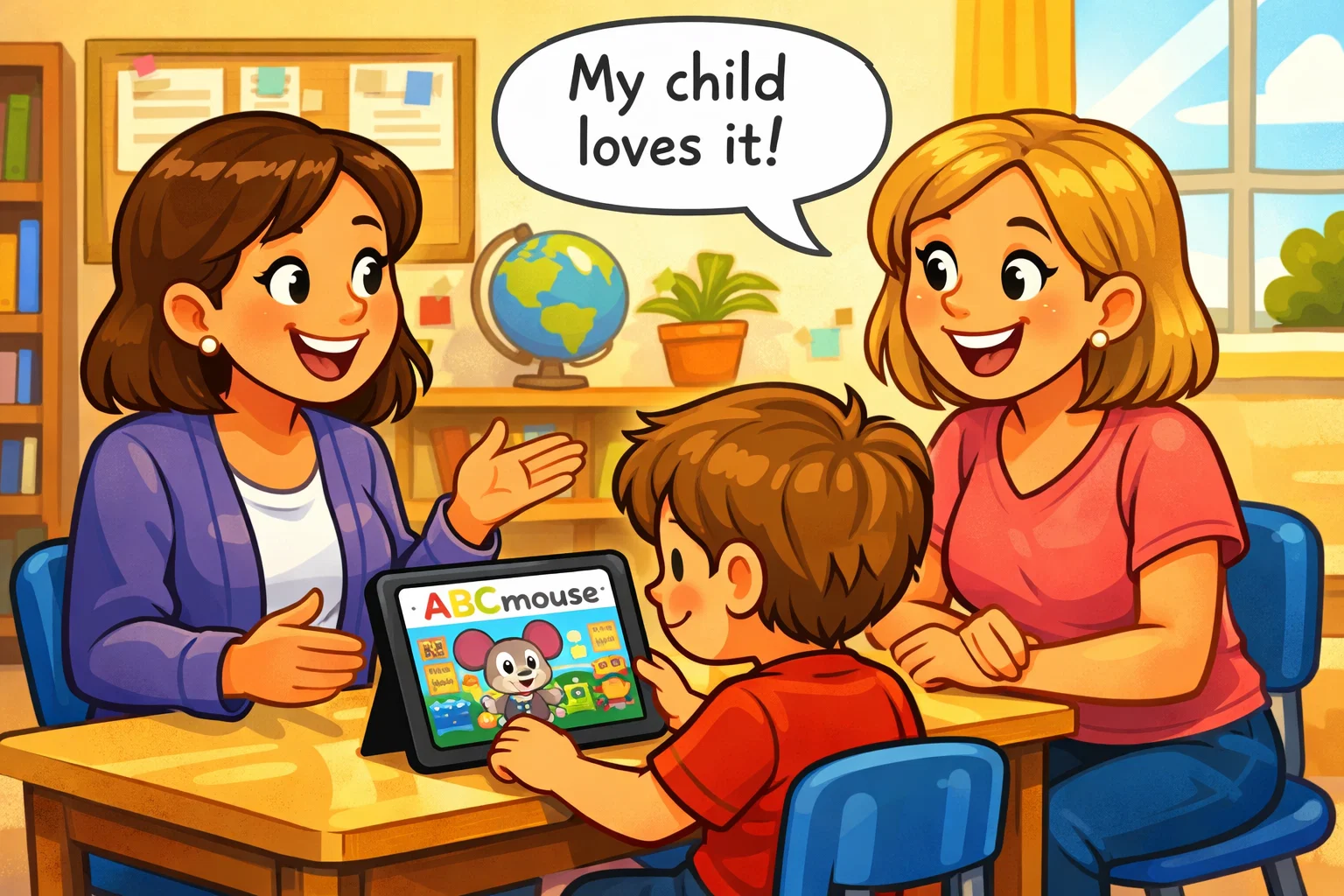
On the other hand, ABC Mouse is often praised by preschool teachers for its ability to foster general ‘school readiness.’ It is often better at introducing children to the concept of a school curriculum through its varied subjects.
Parent Feedback: Success Stories and Criticisms
Many parents report that after using Reading Eggs for a few months, their children show significant improvement in phonemic awareness and decoding skills. The repetition-based approach is often cited as a key factor in helping children grasp fundamental reading concepts.
ABC Mouse Review
Some parents appreciate ABC Mouse for keeping children engaged with educational content, though some note that the platform’s gamified elements, like the virtual pet shop, can sometimes distract from the core learning path.
Final Verdict: Which App is Right for Your Child?
There is no “perfect” app, only the one that is a fit for your child.
- Choose Reading Eggs if: Your primary goal is building strong reading skills, you have an older child (ages 7+), or your child needs a very structured, step-by-step learning process. It is a phonics specialist.
- Choose ABC Mouse if: You want a broad reading and math curriculum that also includes other subjects, you have a toddler or young preschool child, and you want a variety of learning activities to keep them engaged in all areas.
How to Choose the Best App for Your Family’s Needs
Before you commit, consider your child’s learning style. Is your child easily overwhelmed by too many choices? Go with the structured path of Reading Eggs. Does your child love to explore and discover new things at their own pace? ABC Mouse might be the winner.
Try Both Apps with Free Trials
The best way to decide is to let your child learn by doing. Sign up for a free trial for both apps. Observe which one they gravitate toward and, more importantly, which one they are actually learning from after 20-30 minutes per session.
FAQs
Which App is Better for Younger Children?
Both apps are excellent for the “littles,” but they serve different purposes. Reading Eggs Junior is specifically designed for toddlers to build “pre-reading” skills like alphabet shapes and sounds. ABC Mouse is a broader tool that introduces them to colors, shapes, and numbers alongside letters. If you want a dedicated learn to read app, Reading Eggs is often the preferred choice for early learners. If you want a general introduction to “digital school,” ABC Mouse is highly effective.
Are These Apps Suitable for Children with Special Learning Needs?
Many parents of children with ADHD find apps like Reading Eggs helpful because the lessons are short (minutes per session for young children are kept low) and provide immediate rewards. The structured nature of Reading Eggs can help children who need a predictable routine. ABC Mouse is also used by many families, though the “open-world” aspect can sometimes be overstimulating for children who struggle with focus. Always monitor your child’s frustration levels, as no app replaces personalized support for learning disabilities.
Can Both Apps Be Used Simultaneously?
Using Reading Eggs and ABC Mouse together is possible, but it might be overkill. Since both require a paid subscription, it can become expensive. However, some parents use Reading Eggs as their “core” reading program and use the free part or a discounted version of ABC Mouse as a “reward” or for supplemental subjects like science. Generally, it is better to pick one and stick with it to avoid confusing the child with two different teaching methodologies.
How Long Should Kids Spend on Each App Daily?
Consistency is more important than duration. Most experts recommend per session for young children should be around 15 to 20 minutes. Reading Eggs is often most effective when used for 20-30 minutes per session, three to four times a week. This prevents screen fatigue and keeps the child’s learning journey exciting rather than a chore.

Take a short quiz to find out what your everyday choices say about your parenting style
When your child is curious about something new, what’s your instinct?
Take a short quiz to find out what your everyday choices say about your parenting style
“Can I download this app?” What happens next?
Take a short quiz to find out what your everyday choices say about your parenting style
When it comes to rules at home, which sounds most like you?
Take a short quiz to find out what your everyday choices say about your parenting style
If you could give your child one life skill today, what would you pick?
Take a short quiz to find out what your everyday choices say about your parenting style
Your child gets to choose what to watch. What would your ideal setup look like?
Take a short quiz to find out what your everyday choices say about your parenting style
Pick your parenting superpower ✨



