Epic vs Lexia Core5 Reading Program: A Comprehensive Comparison of Reading Apps for Kids

 Discover a Free Education Video App for Kids
Pastory uses AI to personalize educational video content based on your child’s interests and personality. Safe, engaging, and built for curious young minds. Sign up now to stay updated and enjoy early access with a free trial
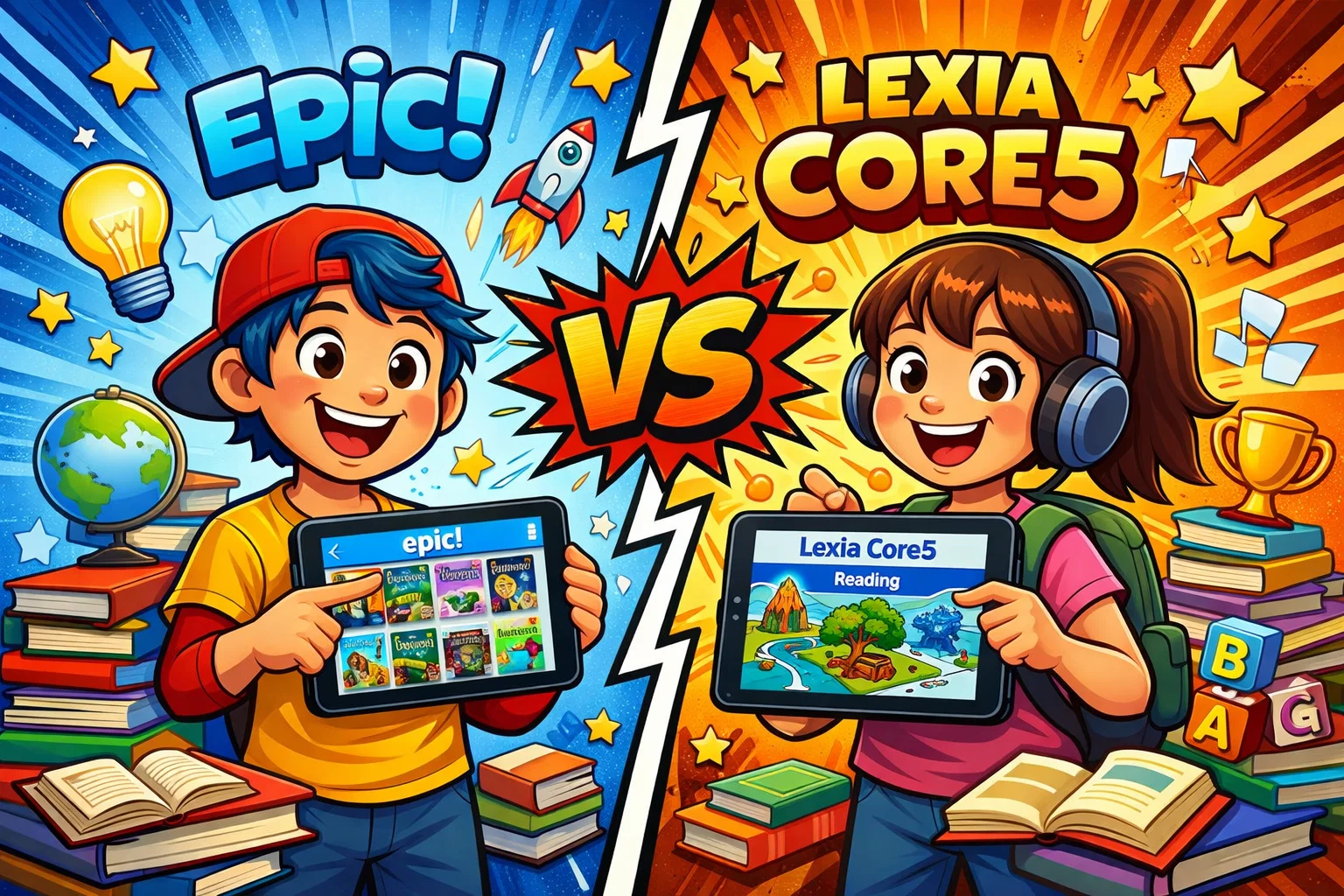
Choosing the right digital tool to support your child’s literacy journey can feel like navigating a vast and sometimes overwhelming landscape. With so many options claiming to be the “best,” parents and educators often find themselves choosing between two titans of the industry: Epic and Lexia® Core5® Reading. While both aim to improve literacy skills, they approach the challenge from fundamentally different directions.
Epic is a digital reading platform offering access to over 40,000 books, audiobooks, and educational videos designed to engage children with reading, not as a formal curriculum but as a broad reading experience.
Lexia Core5 is an adaptive blended learning program focused on providing structured literacy instruction with a scientifically backed approach to reading skills development. This comparison will provide a neutral, in-depth look at how each app supports reading proficiency, their pricing models, and which might be the best fit for your student’s individual needs.
Overview of Epic and Lexia Core5: A Neutral Comparison
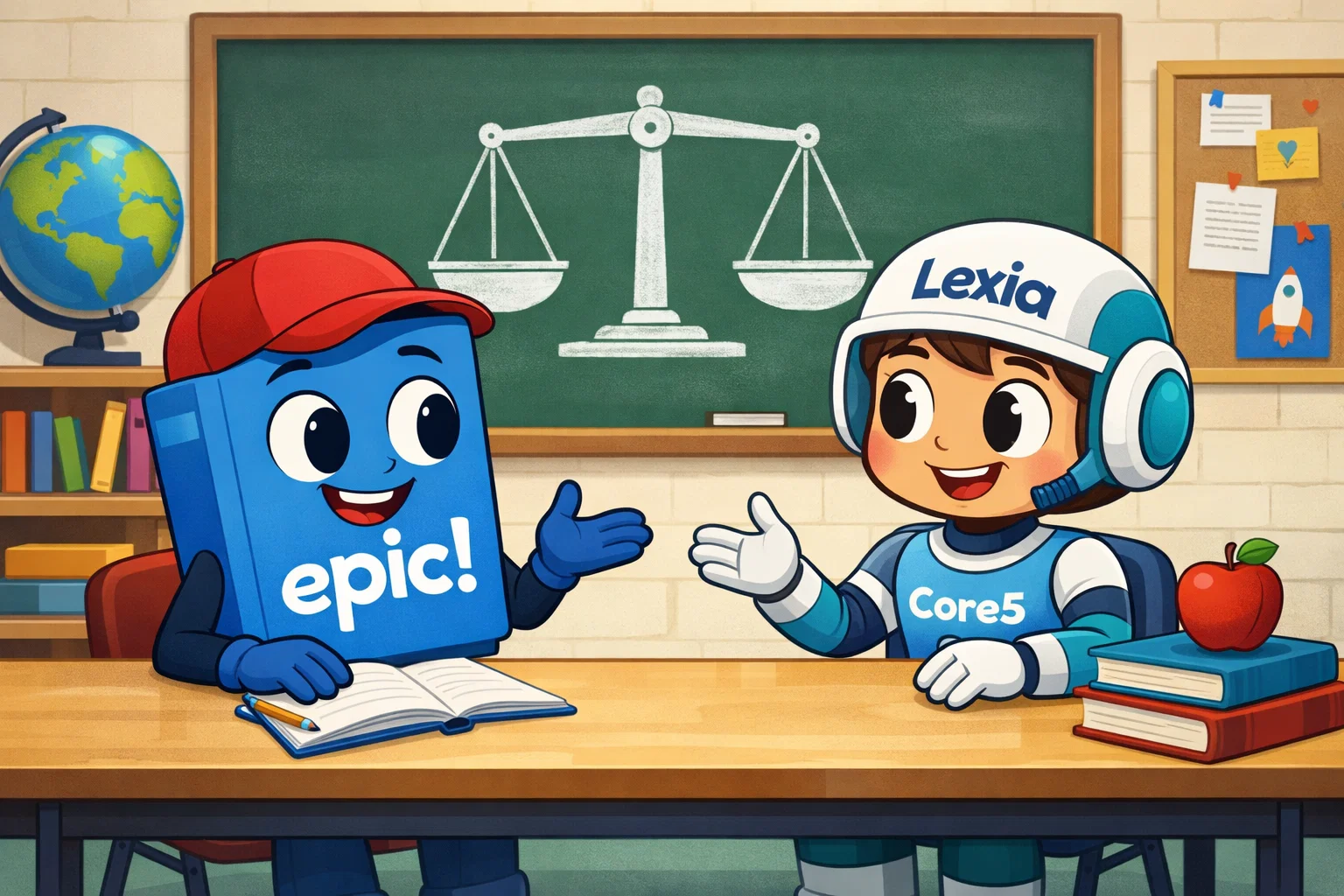
To understand which tool fits your home or classroom, it is essential to look at their core philosophies. Lexia Learning has developed Core5 as a research-proven reading program that focuses on foundational reading skills. It is often used as supplemental instruction in schools to help struggling readers or to accelerate literacy development for all elementary students.
Epic, on the other hand, is a digital reading platform that prioritizes engagement and choice. It offers students in grades Pre-K through 6th grade access to over 40,000 high-quality books. While Epic provides tools like quizzes and “Read-To-Me” features, it is less of a “curriculum” and more of an expansive reading experience.
Core Features of Epic
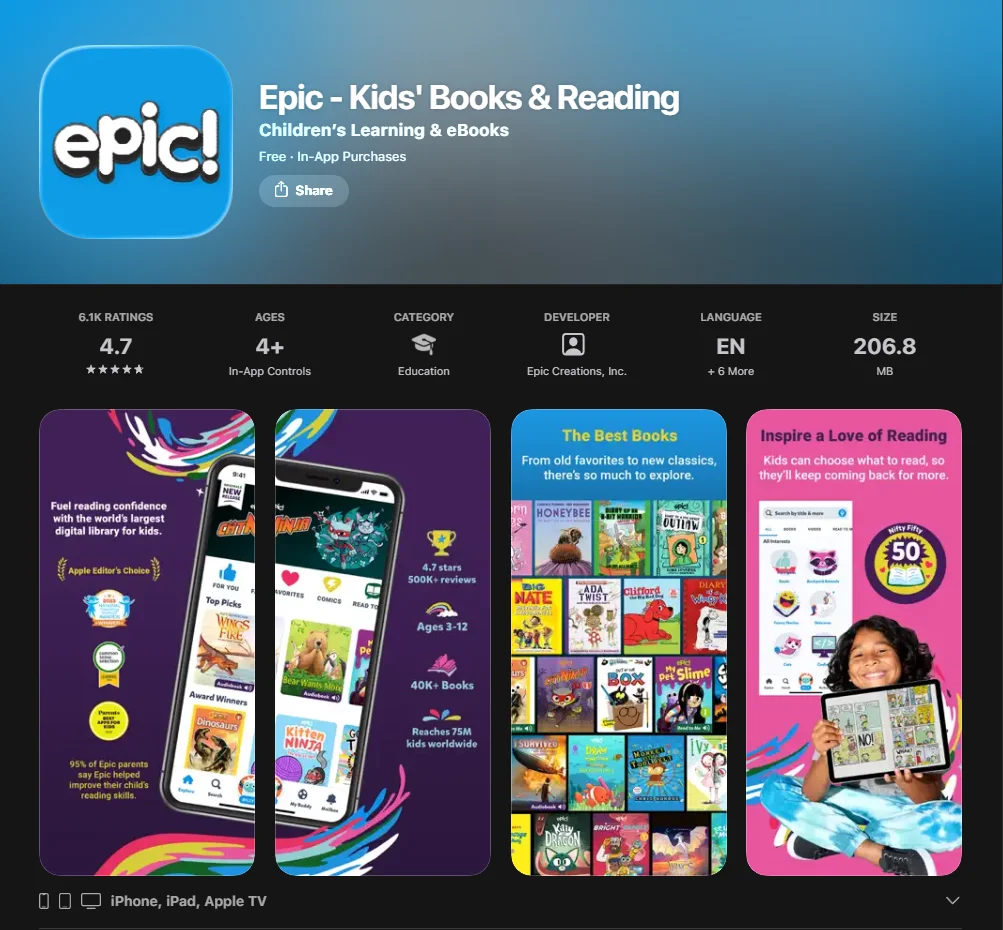
Epic’s core feature is its extensive library with over 40,000 books, audiobooks, and educational videos, catering to a range of reading levels. It includes works from top publishers like National Geographic and HarperCollins. The interface is user-friendly, allowing children to explore various genres and interests.
- Library Diversity: Includes ebooks, audiobooks, “Read-To-Me” books, and educational videos.
- Customization: The app suggests books based on a child’s interests and reading level.
- Offline Reading: Many titles can be downloaded for use without an internet connection, which is great for travel.
- Multilingual Support: Offers books in Spanish, French, and Chinese, supporting English learners.
Core Features of Lexia Core5
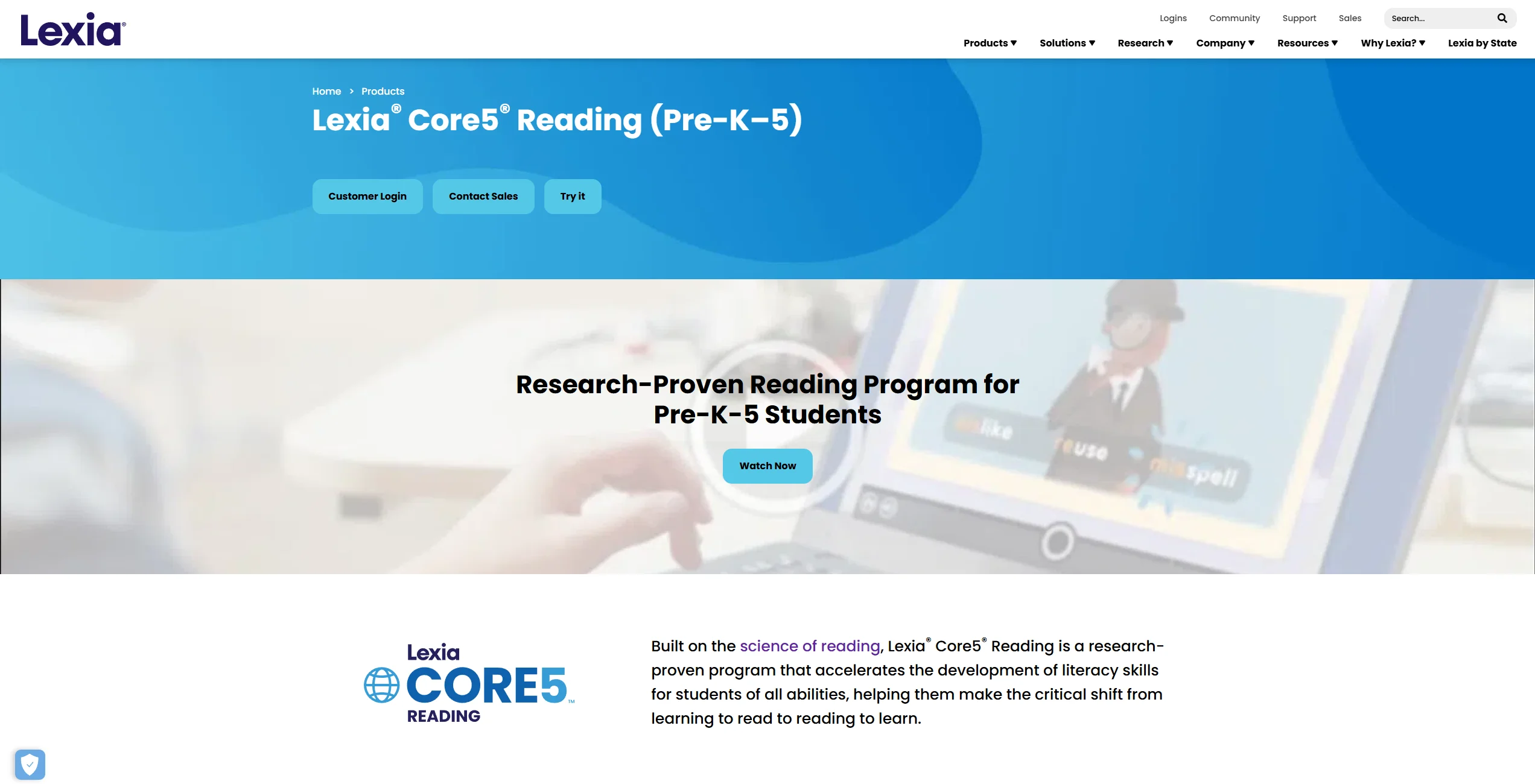
Lexia Core5 is an adaptive program built on the science of reading, adjusting the difficulty of tasks in real-time based on student performance to ensure progress in key reading skills.
- Six Areas of Reading: Focuses on phonological awareness, phonics, structural analysis, automaticity/fluency, vocabulary, and comprehension.
- Real-Time Progress: Teachers and parents use myLexia to see detailed reporting on student progress.
- Targeted Support: If a child struggles, the program provides additional support through scaffolded digital instruction and alerts teachers to provide a small-group or 1-on-1 teacher-led lesson.
- Placement: An initial auto placement assessment ensures the child starts at the correct grade level equivalent.
Age Appropriateness and Learning Progression
Both apps cover the elementary years, but the way a learner moves through the content differs significantly.
Epic’s Age Suitability
Epic is designed for children aged 12 and under. For younger learners, the platform features a visual interface with tools like “Read-To-Me” to help with foundational literacy skills. This is excellent for building foundational literacy skills through exposure. For older students, the platform transitions into more complex chapter books and graphic novels, keeping them engaged with age-appropriate themes.
Lexia Core5’s Age Adaptability
Lexia® Core5® Reading is specifically tailored for students of all abilities in Pre-K through 5th grade. However, it is particularly effective for older students who may have learning disabilities or are struggling readers reading below their chronological grade level. Because the interface is professional and not overly “babyish,” it respects the maturity of a 4th or 5th grader who might still be working on phonics. For students beyond 5th grade, Lexia offers a separate program called PowerUp Literacy.
| Feature | Epic | Lexia Core5 |
| Primary Age Range | Ages 2–12 | Pre-K to Grade 5 |
| Skill Focus | Fluency, Vocabulary, Engagement | Phonics, Decoding, Comprehension |
| Progression Style | Interest-based/Self-selected | Linear, Adaptive, and Mastery-based |
| Best For | Building a love for reading | Filling specific skill gaps |
Educational Value: How Both Apps Support Learning

The educational technology sector often distinguishes between “consumption” and “instruction.” Epic leans toward consumption, while Lexia is purely instructional.
Epic’s Learning Approach
Epic promotes consistent reading, supporting the development of vocabulary and comprehension skills. The quizzes provided after many books act as a tool for checking comprehension. By offering a vast library, Epic ensures that children can find reading materials that interest them, which is a major factor in turning a reluctant reader into a lifelong learner.
Lexia Core5’s Educational Methodology
Lexia’s adaptive blended learning program is a structured and rigorous system. It is supported by research that emphasizes the importance of systematic literacy instruction in achieving reading proficiency.
When a student receives instruction in Lexia, they are not just reading; they are practicing word study and phonological awareness through computer-based activities. If the AI-powered system detects a struggle, it doesn’t just let the child fail; it branches into targeted instruction to help the child master the concept.
Interactive Features and User Experience
A reading app is only effective if a child actually wants to use it. Both platforms use gamification, but in different ways.
Interactive Elements in Epic
Epic includes a “Reading Buddy” system where children can earn rewards and level up by completing reading activities, which helps keep them motivated to read more. They also earn badges and reach new levels. The interactive features are integrated into the books themselves, with some “Motion Comics” providing a bridge between traditional reading and animation.
Lexia Core5’s Interactive Features
Lexia’s interactive features are designed to help students practice specific literacy skills, such as phonics and vocabulary, through targeted games and activities. For example, a child might play a game where they have to sort words based on vowel sounds. While these are interactive, they are strictly aligned with learning needs. The student’s progress is celebrated with “certificates” that can be printed out when a level is completed, providing a tangible sense of achievement.
Pricing Comparison: Which App is More Affordable?
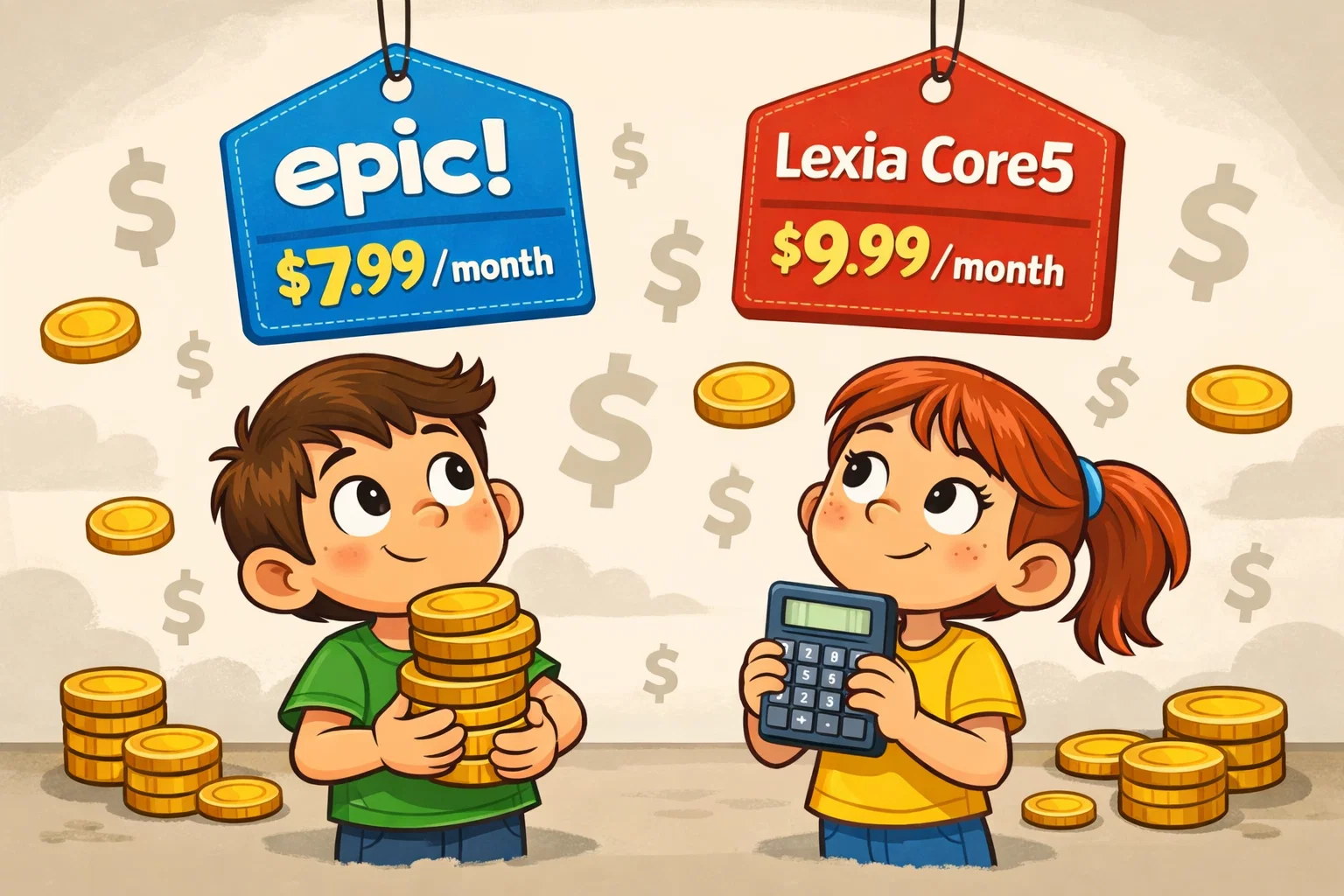
Pricing is often the deciding factor for many parents and educators.
Epic Pricing Details
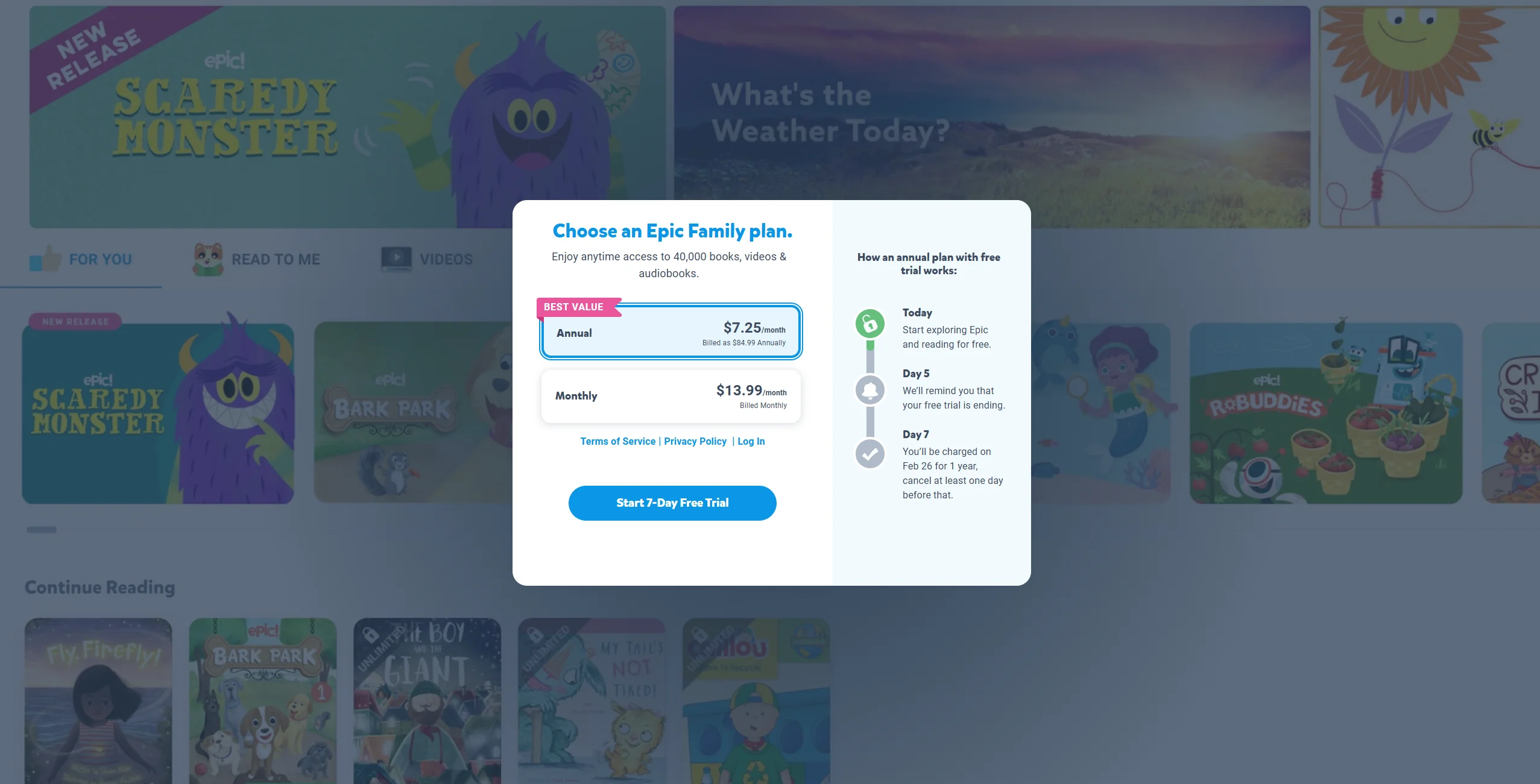
- Epic School: This version is free for educators and students to use during the school day (usually 7 AM to 3 PM).
- Epic Family: For home use, a subscription is required. As of 2026, the price ranges from $9.99–$13.99 per month, or around $84.99 annually, allowing up to 4 child profiles.
Lexia Core5 Pricing Overview
Lexia is primarily a school-based literacy program. Most students gain access through their school district.
- School/District Use: Prices are generally quoted per student (around $40–$60 annually in bulk) or per building.
- Lexia Core5: Pricing is generally school-based (usually between $40–$60 annually per student in bulk purchases). It is typically not available for direct individual purchase but can be bought from third-party vendors for $115–$150 per year.
Accessibility and Device Compatibility
Both apps are available on multiple devices, ensuring that the reading journey can continue whether at home or in a classroom.
- iOS and Android: Both apps have robust versions for tablets and phones.
- Web Browsers: Both can be accessed via Chrome, Safari, or Firefox on laptops and Chromebooks.
- Assistive Technology: Lexia Core5 is frequently used as assistive technology for students with dyslexia. It includes features like speech recognition technology and audio support. Epic also supports accessibility through its Read-To-Me books, which are helpful for children with visual impairments or those who require additional support with decoding.
Privacy and Data Security

In the world of educational technology, protecting a child’s data is paramount.
Privacy in ed-tech isn’t just a feature; it’s a fundamental requirement for building trust between developers and families.
Epic is known for its “kid-safe” environment, meaning there are no ads and no links to outside websites. Lexia Learning (a Rosetta Stone company) adheres to strict student data privacy laws (like COPPA and FERPA) and focuses on providing detailed reporting to teachers rather than collecting marketing data.
FAQs: Common Questions About Epic and Lexia Core5
Do These Apps Suit Different Age Groups?
Both apps are highly versatile but serve different roles across the age spectrum. Epic is fantastic for toddlers and preschoolers who are just beginning their reading experience through audiobooks and picture books. It remains relevant through the end of elementary school due to its vast library of chapter books. Lexia Core5 is specifically designed for students in Pre-K through 5th grade, focusing on foundational reading skills for younger learners. For older students, it acts as a targeted support tool to ensure they reach grade level expectations before moving to middle school.
Which App is More Effective for Reading Progress?
If your goal is to help a struggling reader close a gap, Lexia Core5 is likely more effective. It is a blended learning program that accelerates progress through personalized learning and real-time feedback. It is specifically designed to meet individual needs and provide supplemental instruction. However, if your child is already a proficient reader and you want to expand their comprehension and love for literature, Epic is superior. Epic provides the fiction and nonfiction volume necessary to build a broad vocabulary and deep background knowledge across various subject areas.
How much time should a student spend on these apps weekly?
For Lexia Reading, the recommended usage typically ranges from 20 to 60 minutes per week, depending on the child’s starting level and progress. This is often broken down into shorter reading sessions of 15–20 minutes to keep younger students focused. In contrast, Epic doesn’t have a strict time requirement, though many educators suggest 15–30 minutes of daily exploration to effectively support the development of literacy skills.
How do these programs align with national standards like the NAEP?
Lexia Core5 Reading is specifically designed to address the gaps highlighted by the National Assessment of Educational Progress (NAEP). Because reading is an adaptive blended experience in Core5, it focuses on building foundational reading skills that are directly measured by the NAEP proficient levels. While Epic provides a user-friendly interface and a wealth of content, Lexia remains a more formal program for students that offers individualized learning tailored to students’ individual needs.

Take a short quiz to find out what your everyday choices say about your parenting style
When your child is curious about something new, what’s your instinct?
Take a short quiz to find out what your everyday choices say about your parenting style
“Can I download this app?” What happens next?
Take a short quiz to find out what your everyday choices say about your parenting style
When it comes to rules at home, which sounds most like you?
Take a short quiz to find out what your everyday choices say about your parenting style
If you could give your child one life skill today, what would you pick?
Take a short quiz to find out what your everyday choices say about your parenting style
Your child gets to choose what to watch. What would your ideal setup look like?
Take a short quiz to find out what your everyday choices say about your parenting style
Pick your parenting superpower ✨