Homer Learning App vs Duolingo ABC: Comparison for Kids

 Discover a Free Education Video App for Kids
Pastory uses AI to personalize educational video content based on your child’s interests and personality. Safe, engaging, and built for curious young minds. Sign up now to stay updated and enjoy early access with a free trial
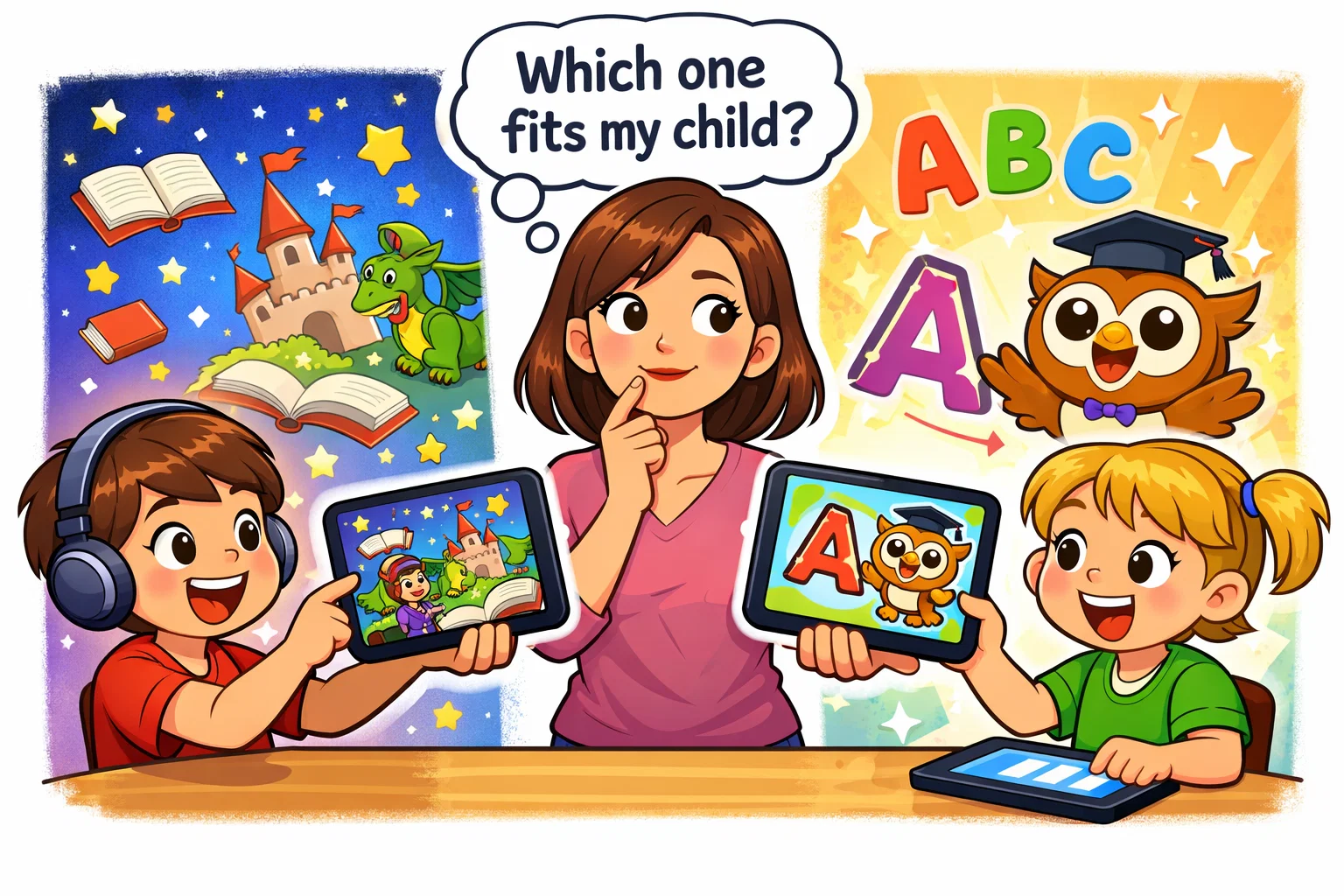
Choosing the right educational tool can feel overwhelming for parents navigating today’s crowded digital marketplace. As children increasingly engage with interactive software, the goal is to find a platform that transforms screen time into a meaningful learning journey. Two well-known names in early literacy today are Homer (often referred to as Homer Learn & Grow) and Duolingo ABC. While both are heavyweights in the world of early reading, they offer vastly different experiences designed to meet different family needs.
This comparison provides a neutral breakdown of both programs to help you decide which fits your child’s personality and your family’s budget. We will explore their unique phonics curricula, engagement strategies, and pricing models based on information available at the time of writing. Whether you have a preschooler just starting to recognize the alphabet or an older child working on reading fluency, understanding the nuances between these two platforms is key to supporting their literacy skills effectively.
2026 Learn to Read App Reviews
In 2026, the market for reading software for kids has shifted toward structured phonics-based instruction that emphasizes systematic teaching of letter sounds. Parents are no longer looking for just “digital toys”; they want a learning tool that provides a structured personalized learning path.
Homer and Duolingo ABC have emerged as top contenders because they move beyond simple animation and focus on actual reading and writing outcomes. High-quality educational software can support the development of early literacy skills when used consistently. For instance, some studies indicate that just 15 minutes of daily practice with structured programs may contribute to measurable improvements in early reading skills.
Why Parents Compare Homer Learning App and Duolingo ABC
Both apps are consistently well-rated in major app stores. They are often compared because:
- They both focus on phonics rather than just whole-word memorization.
- Both platforms state that their programs were developed with input from literacy and education specialists.
- Both platforms state that they provide an ad-free environment designed for young children.
Key Factors Families Consider Before Choosing
Before hitting “download,” most families weigh several critical factors. The learning methodology is paramount—does the software personalize the experience, or is it a one-size-fits-all track? Engagement is the second hurdle; if the interface isn’t fun, the child won’t use it. Finally, the subscription model versus a free resource approach often dictates the final choice for many households, especially those in a homeschool setting.
Homer Learning App Overview

Homer (specifically the Learn & Grow ecosystem) is a comprehensive early learning platform designed for kids aged 2 to 8. It is built around what the company describes as the “Homer Method,” a structured framework designed to build reading confidence through personalization.
Learning Method and Curriculum Structure
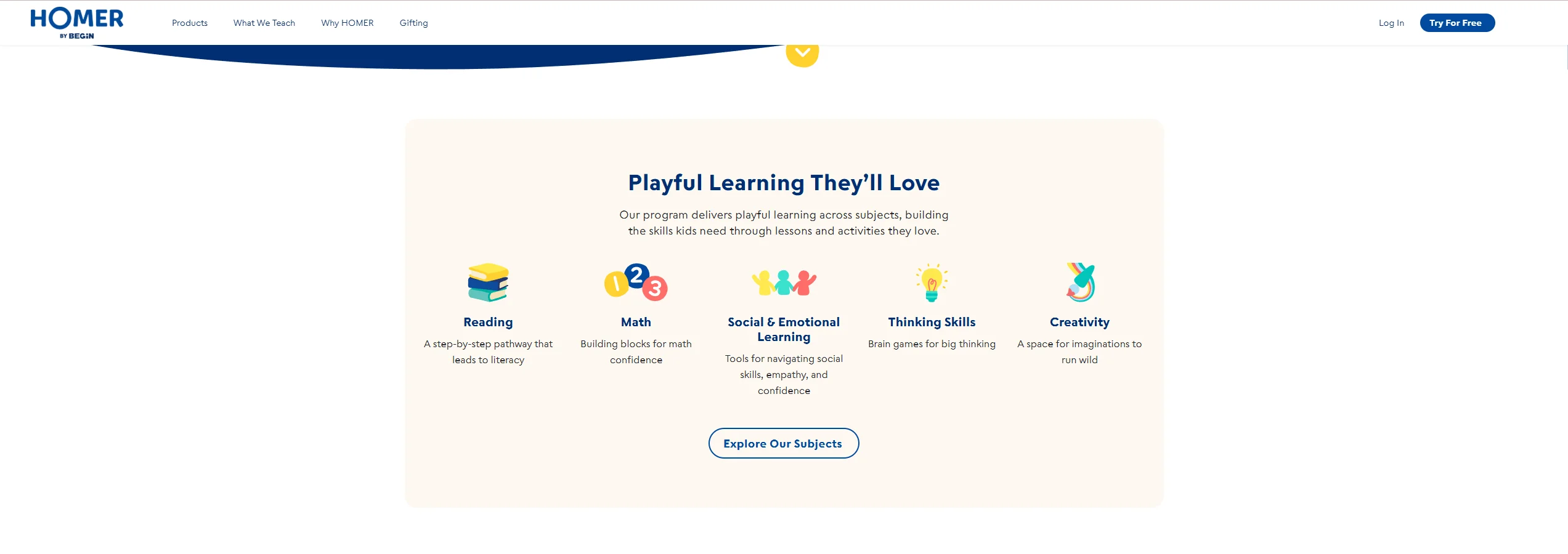
Homer’s greatest strength is its personalized learning path. When you first sign up, the software asks about your child’s current reading level, interests (like dinosaurs or princesses), and cognitive milestones. It then builds a “pathway” that integrates letter sounds, sight words, and eventually full interactive stories. Beyond reading, Homer includes modules for math skills, social-emotional learning, and creativity, making it a broader educational resource than many of its competitors.
Engagement and Gamification
Homer uses a “Learn, Practice, Apply” cycle. A child might learn about the alphabet through a catchy song, practice via a puzzle, and then “apply” it by reading a short story. The animation is high-quality and calm, avoiding the overstimulation often found in low-tier learning games.
Usability and Parent Dashboard
The parent dashboard allows you to track progress across up to four child profiles under one account/subscription. This may make it a strong option for families with multiple children at different stages of their reading journey.
Strengths and Possible Limitations
- Strengths: Deeply customized content; covers multiple subjects; excellent library of books.
- Limitations: Requires a monthly or annual subscription; the breadth of content can feel overwhelming for some preschoolers.
Duolingo ABC Overview
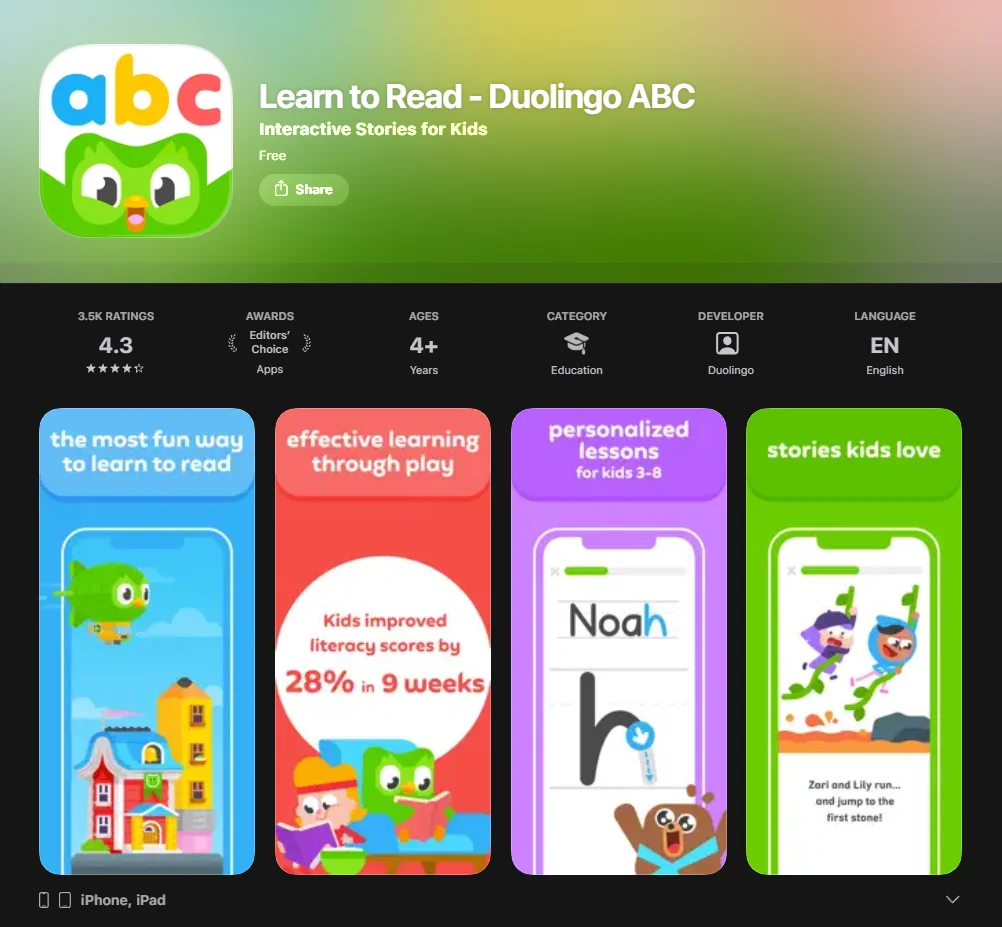
Duolingo ABC is the early literacy branch of the world-famous language learning tool, Duolingo. It is designed for early readers in the preschool to early elementary range (often described as ages 3–8) and is free to use.
Teaching Style and Lesson Structure
Following the broader Duolingo design philosophy, Duolingo ABC offers bite-sized, gamified lessons. It focuses heavily on the mechanics of how to read: phonics drills, letter names, and tracing activities. The curriculum includes 700+ short lessons, which can work well for brief practice sessions.
Game Elements and Child Engagement
The app uses a highly engaging gamified structure that made Duolingo a household name. Children earn rewards, interact with a cast of colorful characters, and move through a map-based learning journey. The feedback is instant and overwhelmingly positive, which helps keep kids motivated even when they struggle with tricky sight words.
Ease of Use and Accessibility
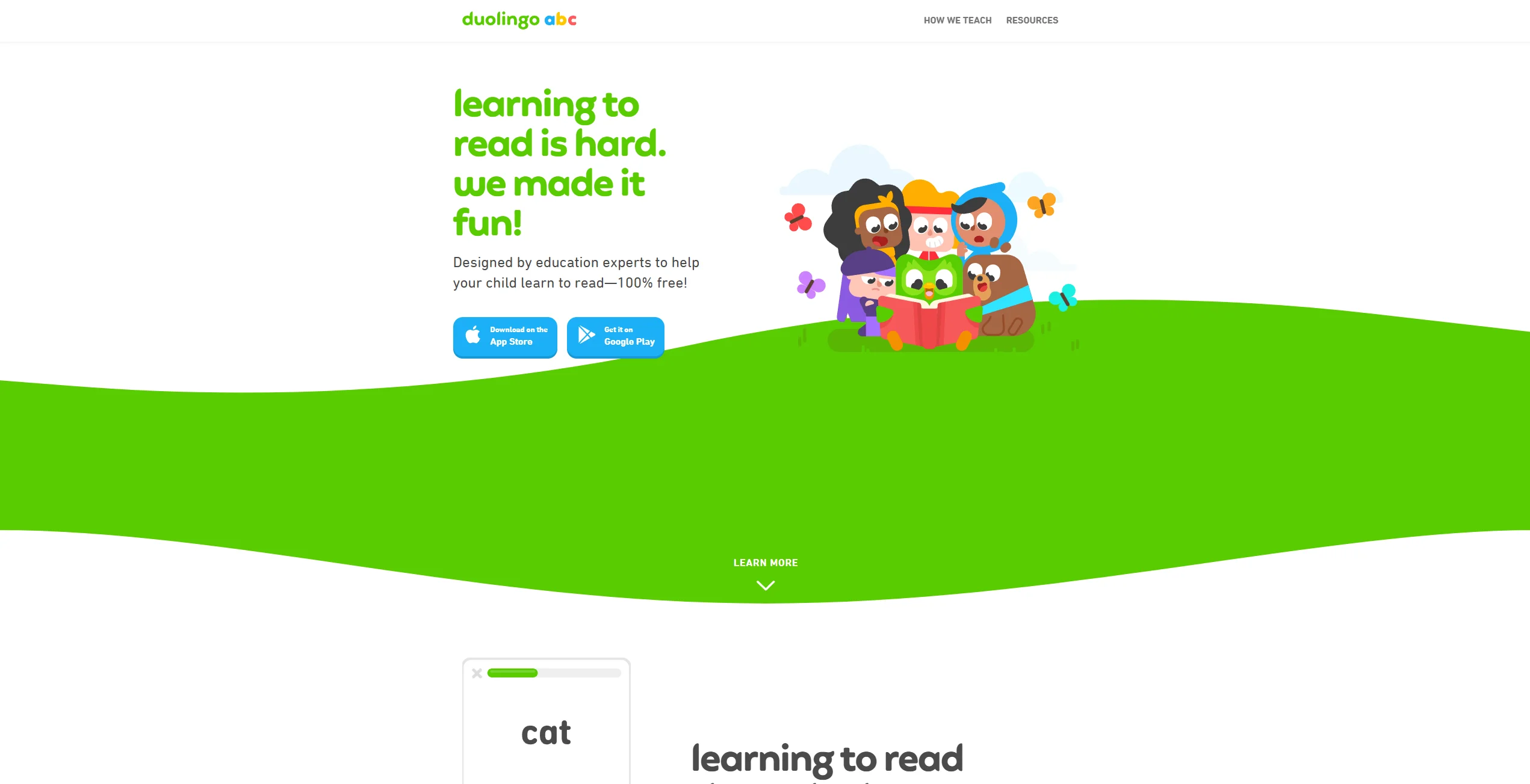
Duolingo ABC is incredibly intuitive. There are no complex menus—the program allows the child to simply tap “Play” and jump into the next lesson. It is free to use and does not display third-party advertisements.
Strengths and Possible Limitations
- Strengths: 100% free; excellent for building reading fluency through repetition; very easy for children to use independently.
- Limitations: Lacks the multi-subject depth of Homer; less personalized (the path is mostly linear).
Side-by-Side Comparison for Kids
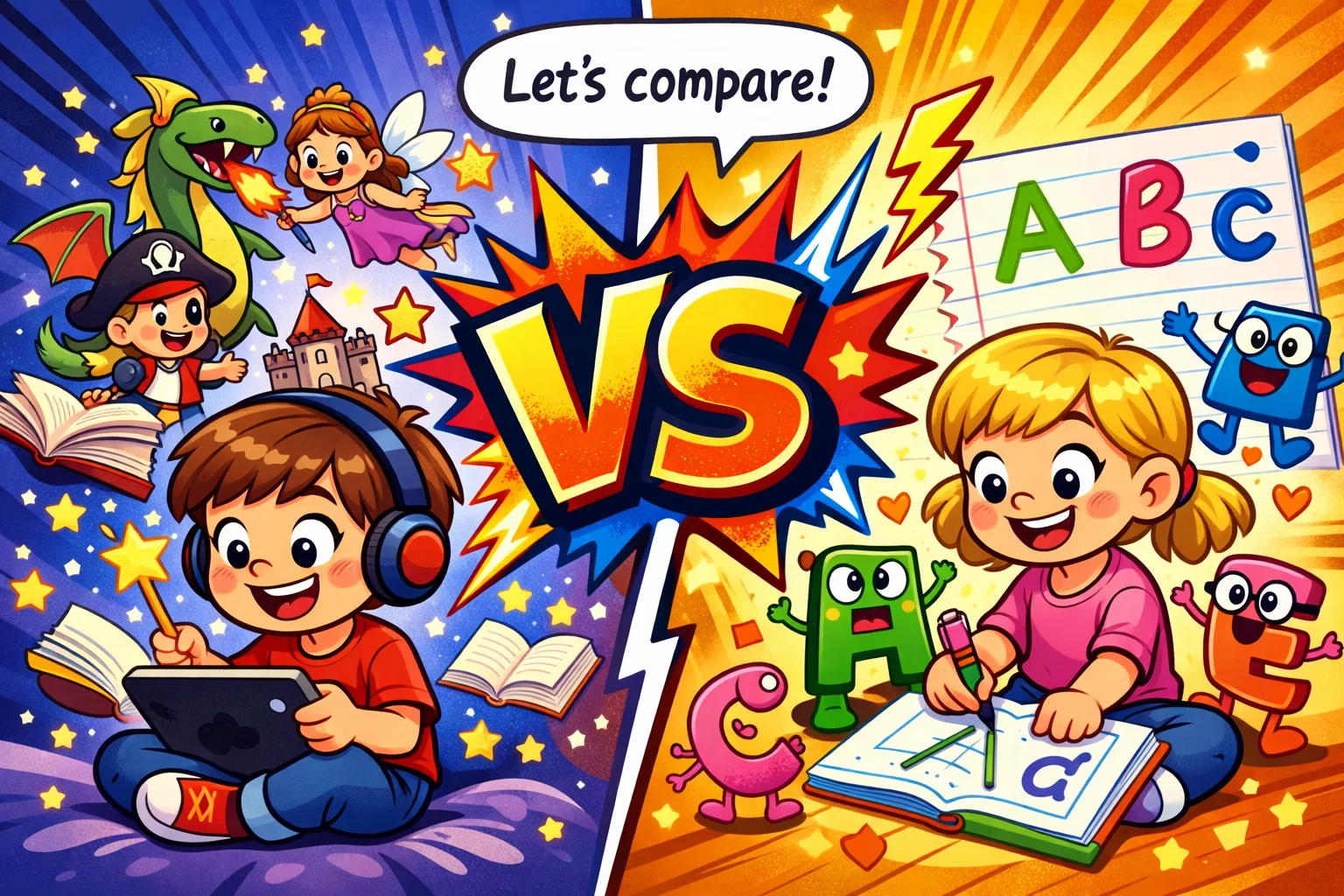
| Feature | Homer Learn & Grow | Duolingo ABC |
| Primary Age Range | Ages 2 to 8 | Ages 3 to 7 |
| Core Focus | Reading, Math, SEL, Creativity | Phonics, Reading, Writing |
| Personalization | High (Based on interests & level) | Moderate (Standardized levels) |
| Content Volume | The company reports over 1,000 activities and stories. | 700+ Bite-sized Lessons |
| Offline Mode | Offline activities and printables are available, but full in-app access may depend on downloads and platform. | Offline learning is supported (usable offline). |
| Cost | Subscription-based | Free |
Phonics Instruction and Reading Progression
Both platforms are especially helpful for kids struggling with phonics. Homer takes a more “holistic” approach, often embedding phonics practice within a broader narrative. Duolingo ABC is more “drill-oriented,” which may indicate a faster acquisition of individual letter sounds for some children, while others may find the repetition tedious.
Personalization vs Structured Path
Homer is the clear winner for families who want the software to “grow” with their child’s specific quirks. If your child loves trains, their reading lessons will feature trains. Duolingo ABC, while it lets you choose a starting point, follows a more rigid, proven sequence that mirrors a traditional classroom literacy curriculum.
Breaking It Down by Age: Which App Fits Different Children
Toddlers Ages 2–3
For the young learners in the 2–3 range, Homer may offer a gentler introduction for younger learners. Its “Learn & Play” section is specifically designed for toddlers, focusing on alphabet recognition and fine motor skills through simple games and activities. Duolingo ABC might be slightly too fast-paced for a two-year-old but is a great tool for a precocious three-year-old ready to start tracing.
Preschoolers Ages 3–5
This is the “sweet spot” for both platforms. Tools for preschoolers need to balance fun with foundation. Duolingo ABC is excellent for preschool learning because it turns letter sounds into a game. Homer, however, provides more context, helping the child learn to read by connecting words to their interests, which can build more reading confidence long-term.
Kindergarten and Early Elementary Ages 5–7
As children move into pre-K and Kindergarten, the focus shifts to reading fluency and comprehension. Homer’s extensive library of books and interactive stories are superior here for building a “love of reading.” Duolingo ABC remains a fantastic learning tool for extra practice at home to reinforce what they are learning in the classroom.
Healthy Screen Time and Learning Quality
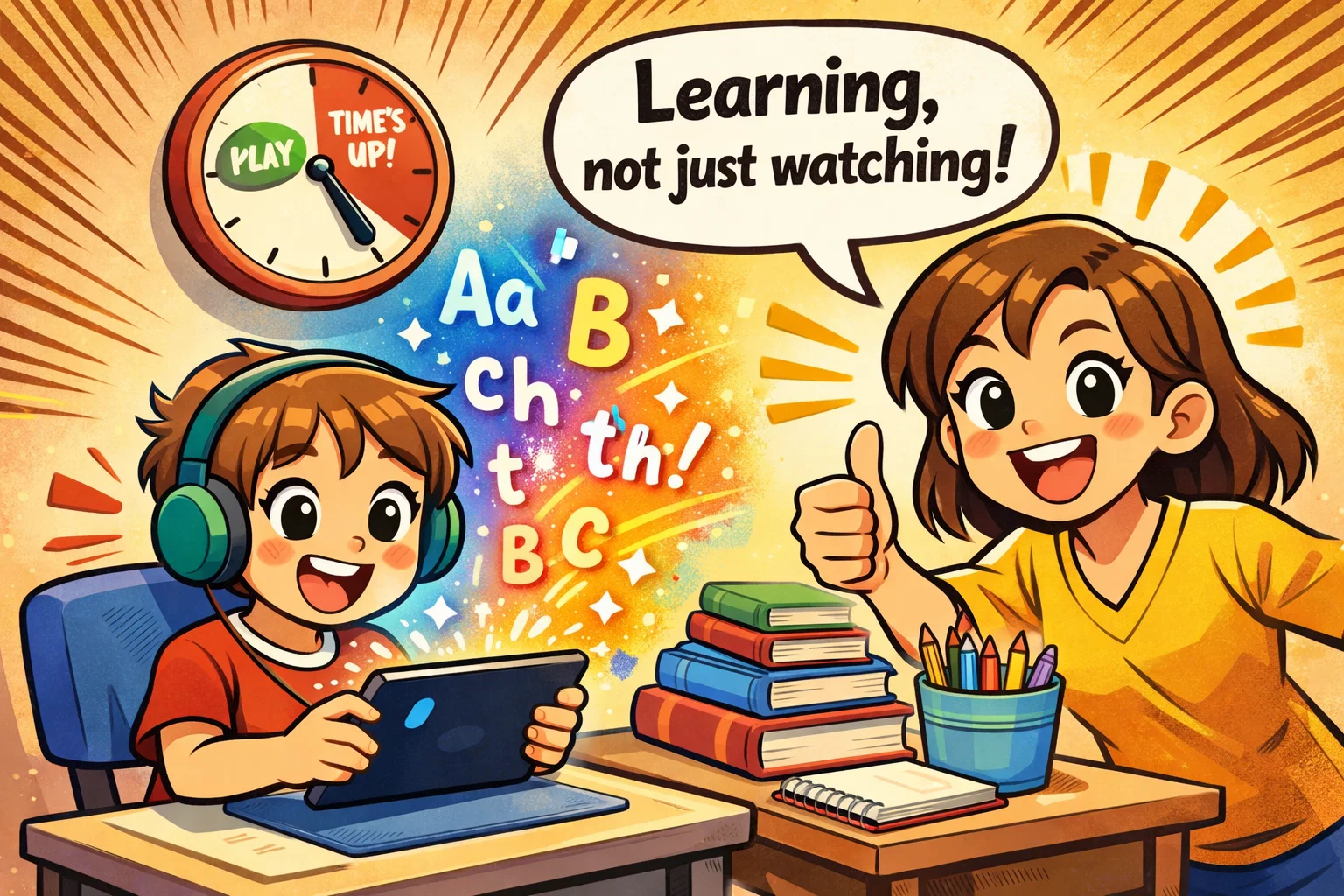
Many child development specialists emphasize that not all screen time is equal in quality. Some child media researchers emphasize that active participation plays an important role in learning. Both platforms prioritize interactive reading over passive video watching.
- Active vs Passive: Both systems require the child to tap, drag, and speak. This interactive structure helps reduce passive consumption.
- Letter Sounds vs Names: Both platforms correctly prioritize teaching letter sounds over just letter names, which is a cornerstone of effective learning.
- Blending Practice: Both providers offer excellent tools for phonics blending—the ability to push sounds together to form a word (e.g., /c/ /a/ /t/ = cat).
Pricing Comparison 2026
Pricing is often the deciding factor for parents and educators.
Homer Subscription Plans
As of 2026, Homer typically operates on a subscription basis.
- Monthly pricing varies by region and promotion, but is often listed around $12.99 per month.
- Annual: Annual pricing varies by plan, platform, and promotions, and is often listed at $79.99/year on the official HOMER website (with $59.99/year also appearing as an option on some platforms or plans).
- Trial: HOMER offers a 30-day free trial for new customers, which allows families to test the personalized learning path before committing.
Duolingo ABC Cost Structure
Duolingo ABC remains a free resource. Duolingo ABC itself is free to use, with no subscriptions, ads, or in-app purchases listed for the ABC app. It is a free educational tool with no hidden in-app purchases or ads, making it an appealing option for many families.
Benefits of Technology in Early Literacy Education
When used correctly, a reading tool can be more than just a distraction. It can:
- Build Early Reading Confidence: Small wins in a digital environment translate to confidence when a child picks up a physical book.
- Support Independent Practice: These systems help your child practice without needing a parent to sit next to them for every second, fostering independence.
- Complement Schooling: Whether you homeschool or your child attends a traditional school, these tools provide a learning journey that fills in gaps and offers a different perspective on literacy skills.
Final Comparison: Homer Learning App vs Duolingo ABC
Best for Personalized Reading Path: Homer
If you want a program that feels like a custom tutor and covers math skills, logic, and social-emotional growth alongside reading, Homer may be worth considering for families seeking a personalized, multi-subject learning platform. It is the right choice for parents who want a “one-stop shop” for preschool learning.
Best for Short Daily Literacy Practice: Duolingo ABC
If your primary goal is to help your child learn to read using a high-quality, free tool that focuses on phonics and sight words in a fast, fun way, Duolingo ABC may be the stronger option for families seeking a free phonics-focused tool.
Many parents actually use both. Duolingo ABC for a quick 5-minute morning “brain warm-up” and Homer for longer, more immersive interactive stories in the afternoon.
Learn to Read Program FAQ
Is Homer Learning App or Duolingo ABC better for preschoolers?
Neither is objectively better, as they serve different needs. Homer offers a broader, more personalized curriculum including math and social skills, making it better for a holistic experience. Duolingo ABC is more focused on the mechanics of reading and is completely free, making it better for focused, daily phonics practice.
Do these apps work for different age groups?
Yes, both platforms cover a wide range. Homer is designed for children from age 2 up to age 8, offering more advanced content for older kids. Duolingo ABC is primarily focused on the foundations of literacy for kids aged 3 to 7, covering everything from the alphabet to early sentence building.
Is Duolingo ABC really free?
Yes, Duolingo ABC is a completely free program with no ads, no subscriptions, and no hidden costs. It is funded by the parent company’s mission to provide free education globally, making it one of the most accessible high-quality reading tools available.
Is Homer worth the subscription price?
Homer is often considered worth the price for families who want a deep, adaptive learning experience. The inclusion of a large digital library, multiple subjects, and the ability to have four separate child profiles provides significant value that free software often lacks.
Can these apps replace phonics instruction at school?
These tools are excellent supplements but should not replace a comprehensive school curriculum or one-on-one reading time with a parent. They are best used to reinforce skills learned in the classroom and to build excitement about literacy through gamified practice.
Which app helps more with blending and early reading fluency?
Duolingo ABC focuses very heavily on the repetitive drills needed for blending sounds into words. Homer focuses more on reading fluency by providing a vast library of interactive stories where children can see words used in context, helping them transition from sounding out letters to smooth reading.
How do these programs compare to other popular resources like ABCmouse or Khan Academy Kids?
Homer and Duolingo ABC are more specialized than ABCmouse, which acts as a full-scale digital classroom covering history and art. While ABCmouse uses a ticket-based reward system to keep kids coming back, it can sometimes feel less focused than the specific reading journey offered by Duolingo or Homer. On the other hand, Khan Academy Kids is a fantastic free educational app that offers a wider variety of learning activities, but it lacks the deep, interest-based personalized learning path that makes Homer so effective at building long-term reading confidence.
Are there any other high-quality free resources available?
If you are looking for a free app beyond Duolingo ABC, Khan Academy Kids is widely considered a top-tier free educational resource because it is completely ad-free and covers multiple subjects for little ones. For families who prefer a “gaming first” approach to phonics, Teach Your Monster to Read is another great educational tool that is often free to use on desktop browsers. These great apps allow young learners to practice early reading skills through playful learning without requiring a monthly financial commitment from parents.
Can these digital tools really help a child learn how to read?
Yes, when used as a supplement to physical books and parent interaction, a well-designed educational tool can support literacy development when used consistently alongside offline reading. Many of the best educational apps for kids use research-backed methods like systematic phonics and teaching letter names to ensure a solid foundation. While some older programs like Hooked on Phonics have successfully moved to a digital format, newer platforms like Homer and Duolingo ABC are specifically designed for children to foster independent fun learning. The right software helps kids bridge the gap between recognizing alphabet shapes and achieving full reading fluency.

Take a short quiz to find out what your everyday choices say about your parenting style
When your child is curious about something new, what’s your instinct?
Take a short quiz to find out what your everyday choices say about your parenting style
“Can I download this app?” What happens next?
Take a short quiz to find out what your everyday choices say about your parenting style
When it comes to rules at home, which sounds most like you?
Take a short quiz to find out what your everyday choices say about your parenting style
If you could give your child one life skill today, what would you pick?
Take a short quiz to find out what your everyday choices say about your parenting style
Your child gets to choose what to watch. What would your ideal setup look like?
Take a short quiz to find out what your everyday choices say about your parenting style
Pick your parenting superpower ✨