
Toddlers (1–3 Years)
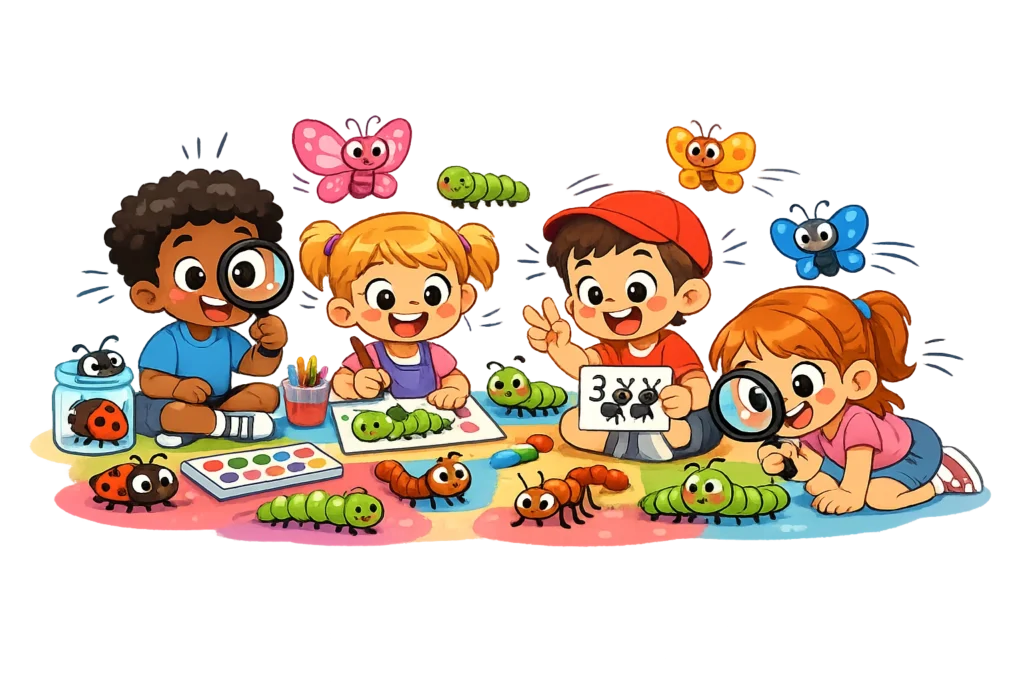
Bug Activities for Kids
The world of insects is a source of endless fascination for young minds. From the shimmering wings of a butterfly to the industrious march of a colony of ants, bugs offer a perfect gateway into the wonders of the natural world. Engaging in bug-themed activities isn't just a fun way to pass a sunny afternoon; it’s a powerful educational tool that...
04.02.2026
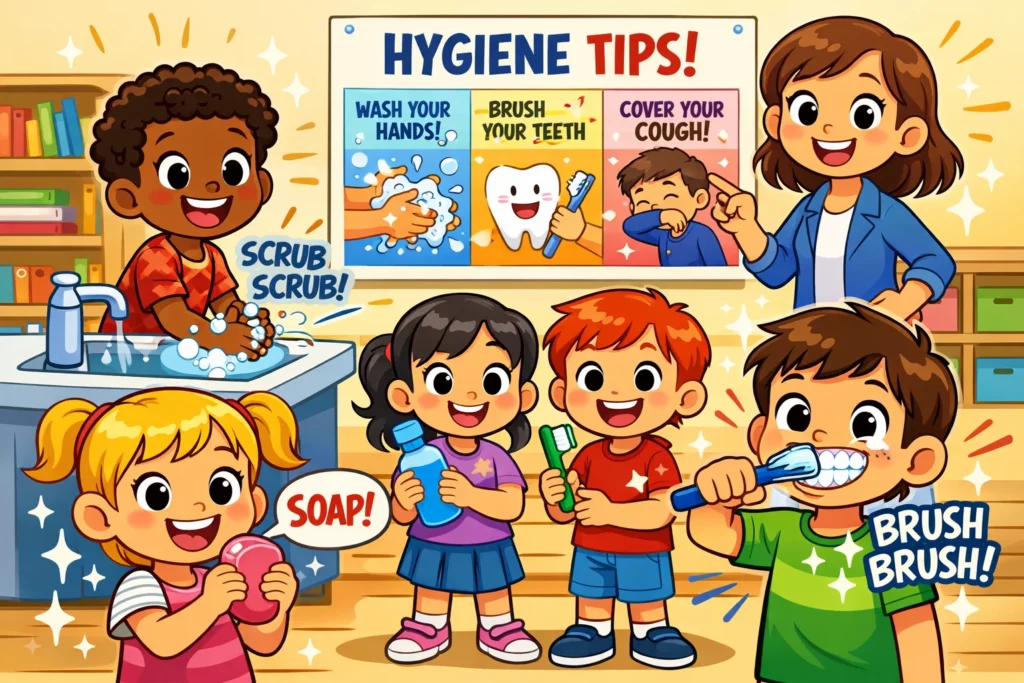
Hygiene Activities for Kids
Establishing personal hygiene habits during the early years is one of the most significant gifts you can give a child. Whether in a preschool classroom or at home, teaching kids about cleanliness and the importance of washing isn’t just about preventing illness; it's about fostering lifelong self-care and independence. When we introduce activities...
04.02.2026
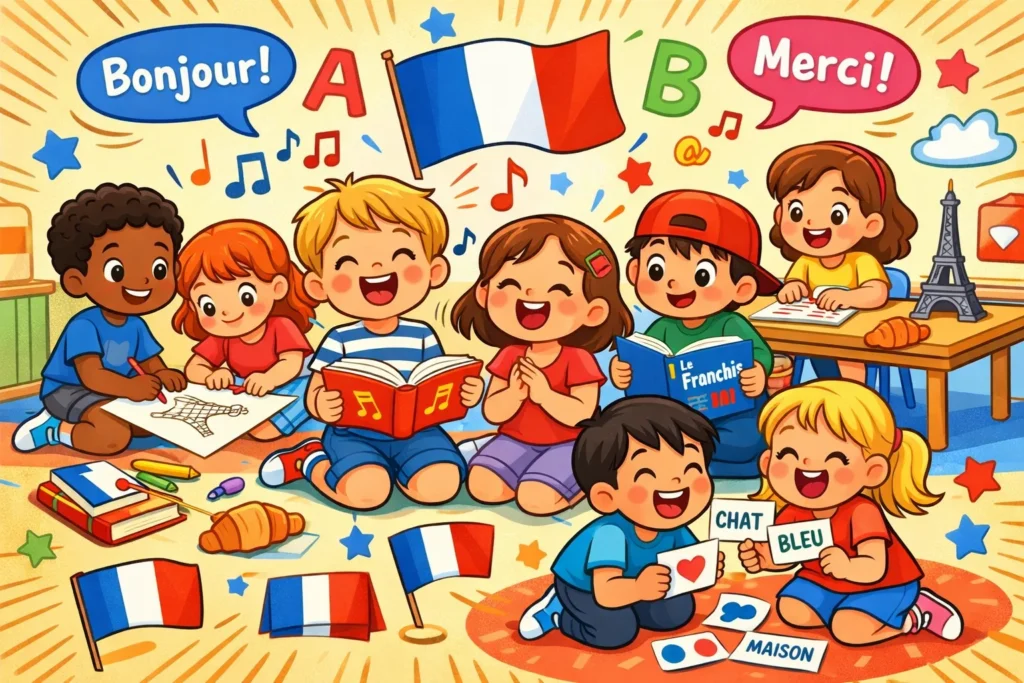
French Activities for Kids
Introducing a child to a second language is one of the most enriching gifts a parent or educator can provide. Beyond the ability to speak French, early exposure to a foreign tongue fosters cognitive flexibility, enhances problem-solving skills, and builds a foundation for lifelong empathy. Research in child development suggests that children who...
04.02.2026
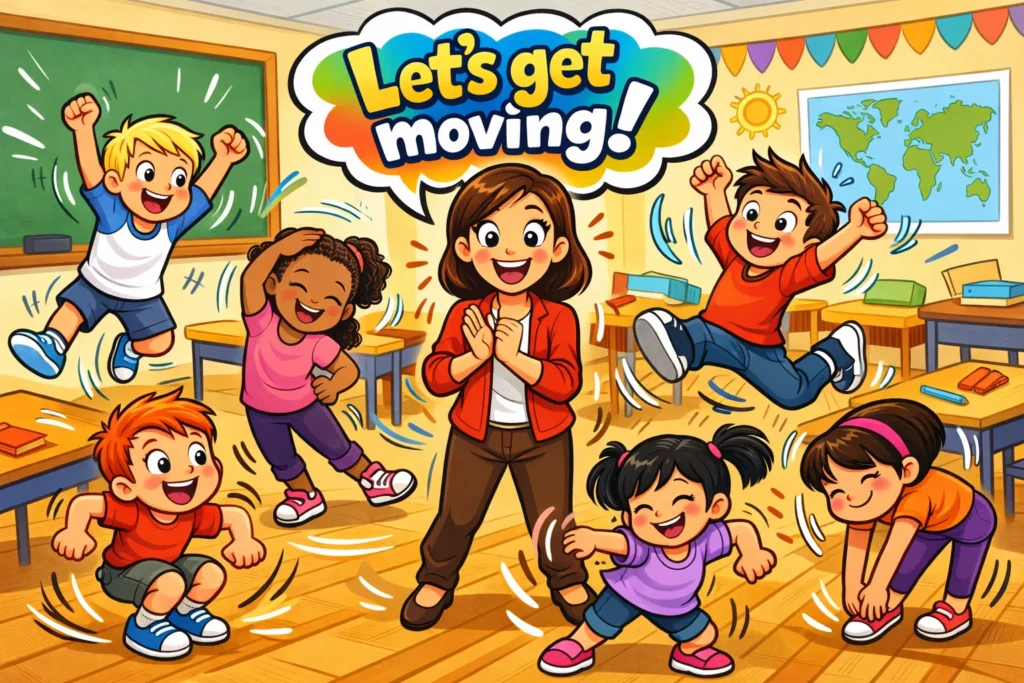
Warm Up Activities for Kids: The Ultimate Guide to Movement and Focus
Getting kids ready for physical activity or a day of learning is about more than just preventing muscle strain; it is about "waking up" the brain and body in unison. Whether you are a teacher leading a PE class, a coach on the soccer field, or a parent supporting a restless online class at home, incorporating the right warm up games can make the...
04.02.2026
Prayer Activities for Kids
Introducing children to the concept of faith often starts with teaching them how to talk to God. For many parents and educators, the challenge lies in moving beyond a memorized "say a prayer" routine to help kids develop a genuine, lifelong relationship with God. Engaging activities are essential because children often learn best through movement,...
04.02.2026
Diversity Activities for Kids
In an increasingly interconnected world, introducing children to the beauty of human difference is one of the greatest gifts a parent or educator can provide. Diversity activities for kids are not about checking a box for a holiday; they are about fostering a lifelong mindset of curiosity, empathy, and respect. From the vibrant colors of a Chinese...
04.02.2026
