17 Possible Signs of Parental Alienation

 Discover a Free Education Video App for Kids
Pastory uses AI to personalize educational video content based on your child’s interests and personality. Safe, engaging, and built for curious young minds. Sign up now to stay updated and enjoy early access with a free trial
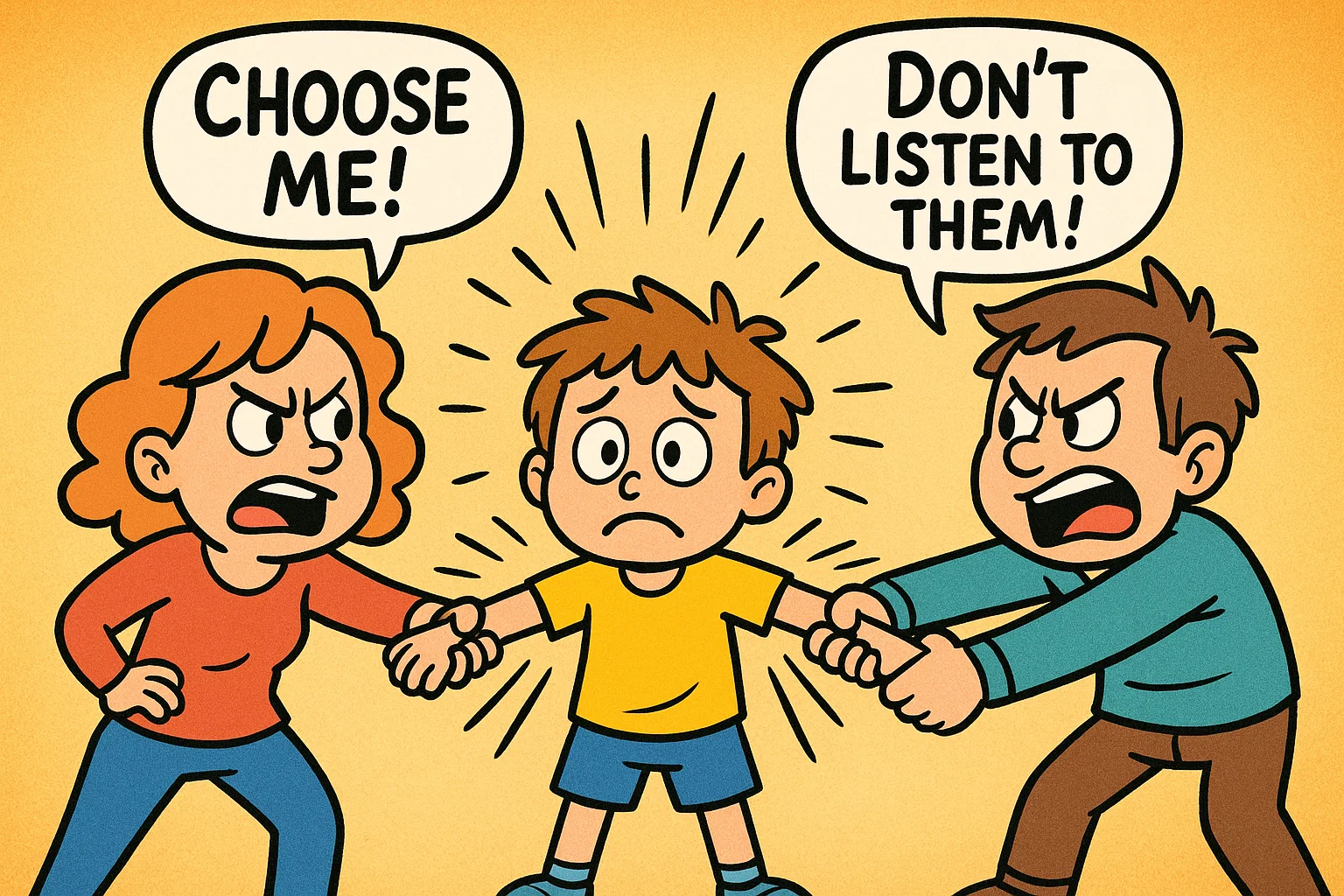
The term parental alienation is commonly used in legal and clinical discussions to describe situations in which a child strongly resists or rejects one parent, with another caregiver’s behavior potentially contributing to that rejection. These cases can involve denigration, pressure, interference with contact, or other behaviors that place the child in a loyalty conflict; however, similar behavior can also arise from abuse, neglect, developmental factors, or high family conflict. When parents separate, interpersonal tension often rises. The term is sometimes applied when a caregiver repeatedly undermines the child’s relationship with the other parent, either consciously or unintentionally.
Recognizing concerning patterns early can support proportionate intervention. The 17 patterns below are educational prompts, not diagnostic criteria, and no single behavior establishes parental alienation. When evaluating parent-child contact problems, professionals should consider the full range of possible explanations rather than beginning with a single label. A child may resist contact with a parent because of abuse or neglect, severe family conflict, developmental changes, or a combination of factors, each of which may require a different response.
Key Takeaways
- Persistent Rejection: A child’s sustained rejection of a parent may warrant careful assessment, especially when the intensity of the reaction is not readily explained by documented experiences or safety concerns.
- 17 Possible Patterns: The list includes behaviors that may be observed in a child or caregiver, but the patterns are not unique to parental alienation and must be interpreted in context.
- Careful Differentiation: Rejection that may be influenced by another caregiver must be distinguished from justified estrangement related to abuse, neglect, coercive control, unsafe caregiving, or other harmful experiences.
- Early Support: Early, proportionate support may help families document concerns, reduce conflict, and protect the parent-child relationship.
- Multidisciplinary Response: Depending on the circumstances, families may benefit from calm, child-focused parenting, qualified mental-health support, and jurisdiction-specific legal advice.
Recognition
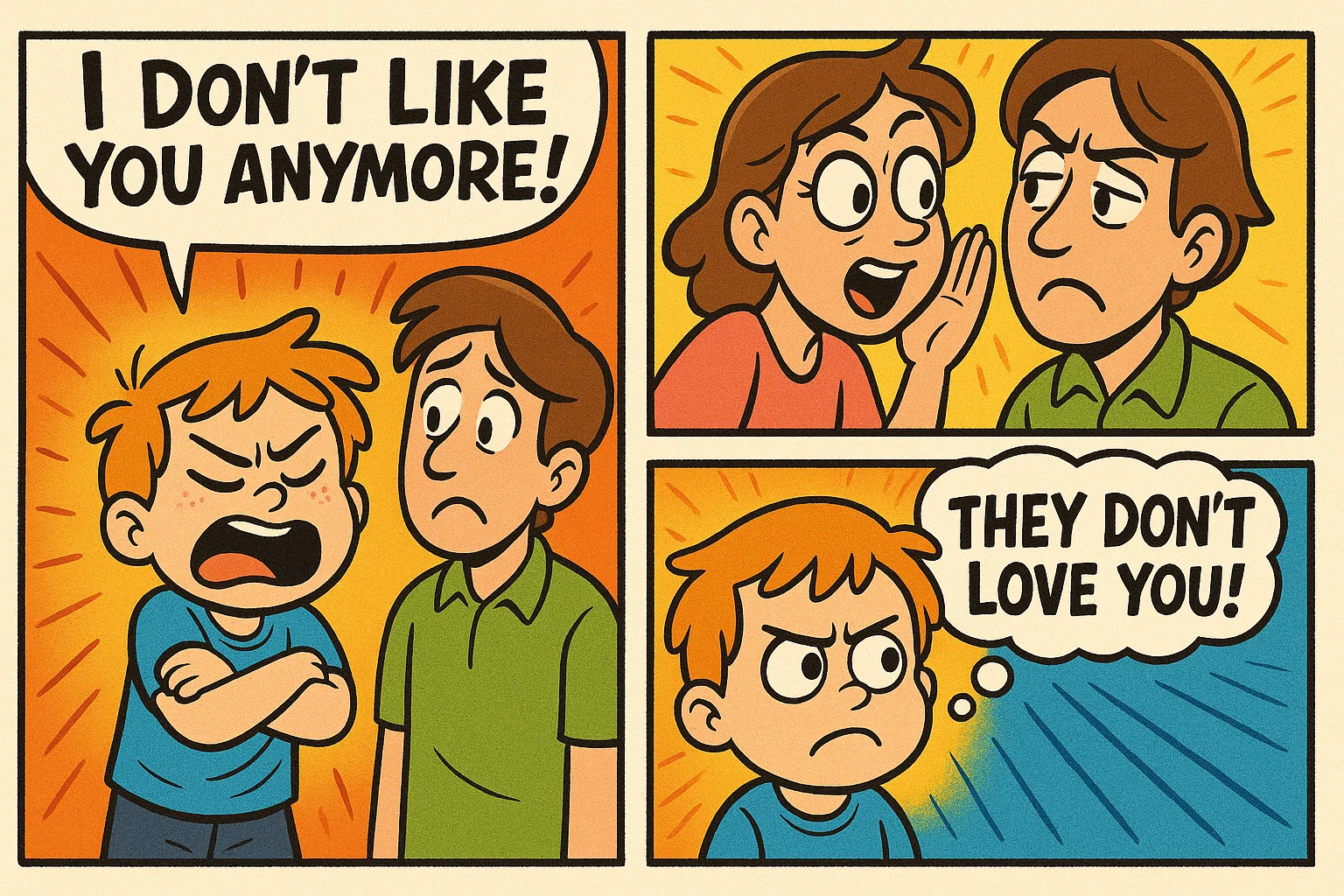
Recognizing possible alienating behavior requires careful attention to repeated patterns across multiple contexts. Concerns may arise when a caregiver repeatedly denigrates the other parent, pressures the child to take sides, or interferes with the parent-child relationship. A missed visit, an isolated argument, or an occasional negative remark does not establish parental alienation. More concerning cases involve persistent patterns in which a child rejects one parent, uses language that appears borrowed from adults, or consistently aligns with the other parent without considering context.
No checklist can reliably recognize parental alienation on its own; the child’s experiences, safety concerns, family history, and each caregiver’s behavior must be assessed together.
Differentiation
It is essential to distinguish possible alienating behavior from justified estrangement and other causes of parent-child contact problems. Justified estrangement may occur when a child’s resistance is related to domestic violence, substance misuse, unsafe caregiving, neglect, or other harmful experiences. Kids may also experience stress, anxiety, or loyalty conflicts after separation, temporarily disrupting family relationships. Professionals should assess family history, safety concerns, the child’s developmental stage, each caregiver’s behavior, and the prior parent-child relationship before drawing conclusions about why contact has deteriorated.
Response
A parent who is experiencing rejection should aim to remain calm, child-focused, and responsive to professional and legal guidance. Anger, retaliatory criticism, or aggressive confrontation may intensify the child’s anxiety and reinforce negative expectations. The parent may benefit from keeping factual records of missed contact and relevant communications while avoiding involving the child in adult legal disputes. Early advice from a qualified family-law professional and a licensed mental-health clinician with relevant expertise may help the family identify appropriate legal and therapeutic options.
What Is Parental Alienation?
Definition and Scope
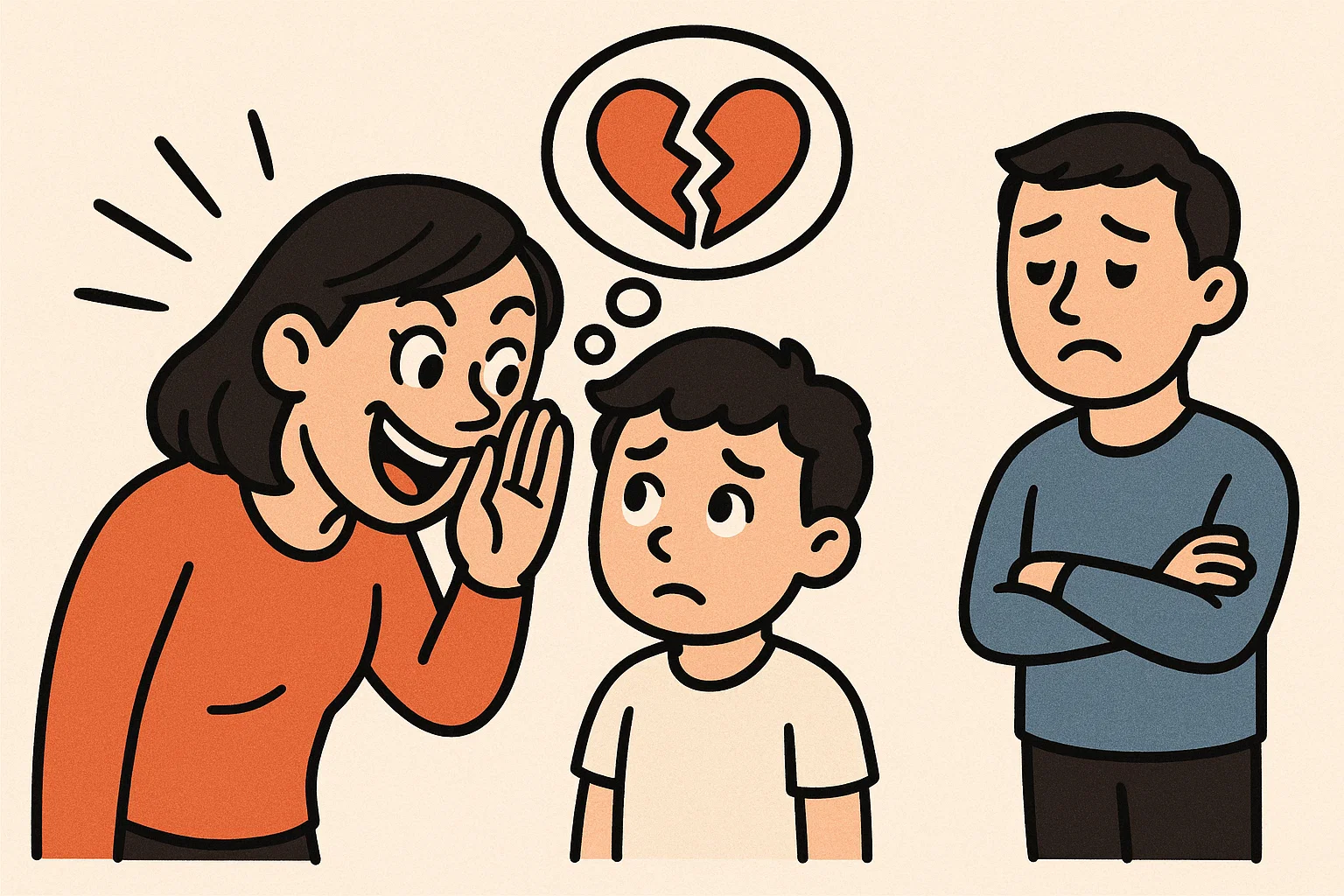
Parental alienation is a contested term used to describe some cases in which a child persistently rejects a parent and another caregiver’s conduct is alleged to have contributed to that rejection. The term is most often discussed in the context of separation, divorce, and disputed parent-child contact. In some cases, a previously positive parent-child relationship may deteriorate sharply, and the child may begin to describe the rejected parent in unusually absolute or fearful terms.
Parental Alienation and Alienating Behaviors
A critical distinction exists between alienating behaviors as specific actions and a child’s rejection as an outcome. Alienating behavior may include making derogatory comments about the other parent, withholding important school or medical information, or placing the child in a loyalty bind. Repeated undermining may contribute to a child’s rejection of a parent, but the outcome does not establish its cause on its own. A caregiver may make undermining comments during a period of anger or grief without causing a lasting rupture in the relationship between the child and the other parent.
Clinical and Legal Cautions
Mental-health and family-law professionals should exercise caution when assessing alleged parental alienation because parent-child contact problems can have multiple explanations and may be misclassified. The World Health Organization does not classify parental alienation as a health-care diagnosis, and professional guidance recommends assessing contact problems without relying on a single label or isolated behavior. A case should not be considered parental alienation solely because a child refuses contact, expresses fear, or strongly aligns with one caregiver. A careful assessment should examine family history, safety concerns, each caregiver’s behavior, the child’s account and developmental needs, and the prior parent-child relationship before any causal conclusion is reached.
Informal Descriptions of Severity
Mild Alienating Behaviors
Some writers use the informal labels mild, moderate, and severe to describe the frequency and impact of concerning behaviors, but these are not universally accepted diagnostic categories. At a mild level, a caregiver may occasionally make subtle negative comments about the other parent or show visible anxiety when the child prepares for a transition. These behaviors may create tension during exchanges while the child continues to have a functional relationship with both parents and settles after the transition.
Moderate Alienating Behaviors
At a moderate level, the behaviors may be more systematic, frequent, and disruptive to the child’s relationships. A caregiver may repeatedly criticize the other parent, interfere with scheduled contact, or reward the child for expressing a preference to stay home. The child may feel caught between the adults and begin to resist visits, conceal positive experiences with the other parent, or adopt increasingly negative descriptions of that parent.
Severe Contact Refusal
In severe contact-refusal cases, the child may reject nearly all communication with a parent, but the causes of that rejection still require individual assessment. In some cases, a caregiver repeatedly portrays the other parent as unsafe or unloving, but allegations of danger or abuse must be assessed independently rather than presumed true or false. The child may refuse visits, calls, messages, and letters. Rejection may also extend to relatives associated with the rejected parent, although this pattern is not specific to alienating behavior and should be interpreted cautiously.
Direct and Indirect Patterns
Possible alienating behaviors may be direct or indirect, as summarized in the table below:
| Pattern Type | Definition | Core Features and Examples |
| Direct patterns | Overt behavior that directly undermines the child’s relationship with the other parent. | Repeated negative comments in the child’s presence. Presenting unverified allegations as established fact or using them to frighten the child. Blocking calls, messages, or visits without a documented safety or legal reason. |
| Indirect patterns | Subtle emotional or relational behavior that may place pressure on the child’s loyalty. | Showing visible sadness or anger when the child enjoys time with the other parent. Rewarding the child for refusing contact or expressing dislike of the other parent. Removing reminders of the other parent or dismissing the child’s positive memories. |
Three Factors to Assess
Child Resistance or Rejection
One factor professionals may examine is whether the child’s resistance is persistent, intense, and disproportionate to the documented circumstances. The pattern should be distinguished from temporary developmental resistance or short-term anger after a specific event. The child may show little desire to communicate, spend time with, or maintain emotional closeness with the rejected parent. The child’s position may remain inflexible over time, but duration alone does not establish the cause of the rejection.
Prior Parent-Child Relationship
A second factor is the history of the relationship between the child and the now-rejected parent before contact deteriorated. Professionals may look for evidence of a previously secure, functional, and positive bond before the separation or custody dispute. A sudden change from a positive relationship to strong rejection is relevant, but it does not by itself identify the cause.
Possible Explanations for Rejection
A third factor is whether the intensity of the child’s rejection can be explained by documented experiences, safety concerns, developmental factors, or parenting behavior. Assessment should compare the child’s account with available information about the parent’s behavior and the broader family context. If no substantiated safety concern is identified, professionals may consider whether loyalty pressure, interference, or other family dynamics are contributing. Even then, the cause should not be reduced automatically to psychological manipulation; multiple factors may be present.
17 Possible Signs of Parental Alienating Behaviors
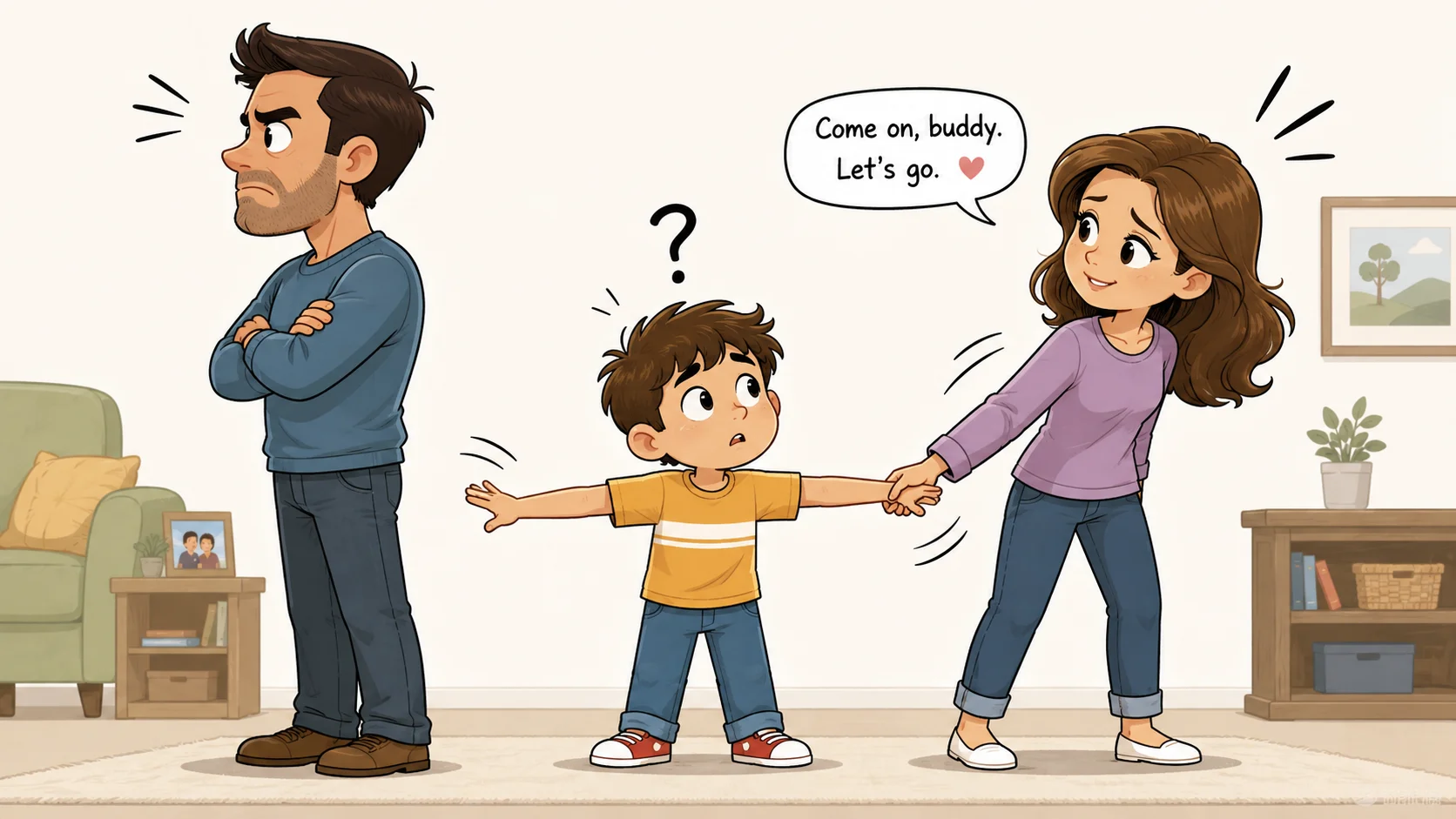
Signs Shown by the Child
1. Persistent Rejection That Is Difficult to Explain
The child expresses sustained rejection of a parent that appears difficult to reconcile with the documented history of their relationship. The child may refuse to hug, speak to, or look at the parent and may treat relatively minor disagreements as reasons for ending contact. This pattern is more concerning when it persists despite safe, consistent, and appropriate efforts by the rejected parent, but it still requires contextual assessment.
2. Limited Remorse or Mixed Feelings After Hostile Behavior
The child may speak harshly about the rejected parent without showing the mixed feelings that would normally be expected in a close relationship. The child may make hurtful statements, reject or damage gifts, or disrupt family events while showing little visible reflection afterward. This behavior may have several explanations and should not be interpreted in isolation.
3. Black-and-White View of the Parents
The child describes the parents in sharply polarized terms, showing little ambivalence. The preferred parent is portrayed as consistently loving and faultless, while the rejected parent is described as entirely bad, cruel, or unsafe. The child may struggle to identify positive qualities in the rejected parent or limitations in the preferred parent.
4. Adult-Sounding or Borrowed Language
The child may use legal, financial, or psychological language that appears unusual for their age or personal experience. They may repeat phrases about child-support changes, custody filings, or adult relationship issues. Similar wording between the child and a caregiver may be relevant, but it does not prove coaching or manipulation.
5. Automatic Alignment With One Parent
During disagreements, the child may consistently take one parent’s side without appearing to consider the facts or another perspective. The child may immediately defend the preferred parent and reject explanations from the other parent. This pattern may reflect loyalty pressure, fear, dependence, or other family dynamics.
6. Repeated Denigration
The child repeatedly directs insults, complaints, or negative stories toward the rejected parent. They may criticize the parent’s home, cooking, lifestyle, or work and repeat these complaints to relatives, teachers, or professionals. The frequency, context, source, and accuracy of the statements should all be assessed.
7. Intense Fear or Anger That Requires Assessment
The child may express intense fear, aversion, or anger that appears disproportionate to the documented circumstances. Any statement that the child feels unsafe must be taken seriously and assessed independently; the intensity of the reaction alone does not establish whether the cause is danger, trauma, loyalty pressure, or another factor.
8. Refusal of Multiple Forms of Contact
The child may refuse visits, calls, messages, or participation in important family occasions with the rejected parent. Before adults encourage or enforce contact, they should consider safety concerns, legal restrictions, the child’s age, and the reasons the child gives for refusing.
9. The Child’s Explanation of the Decision
The child may insist that the decision to reject the parent is entirely their own, using phrases such as, “No one is making me say this; I chose this myself.” This statement should be heard respectfully rather than treated as proof for or against outside influence. Professionals should evaluate the child’s reasoning, experiences, and family context without presuming manipulation.
10. Accounts That Require Careful, Neutral Assessment
A child’s account may contain inconsistencies, language that appears unusual for their age, or details that are difficult to reconcile with other available information; however, every allegation of abuse or mistreatment should be assessed independently and without a presumption that it is true or false. Inconsistencies or adult-sounding language may be relevant to an assessment, but the absence of physical evidence does not by itself disprove abuse or mistreatment.
11. Role Reversal in the Parent-Child Relationship
The child may take on an age-inappropriate caregiving or confidant role for a parent, a pattern sometimes described as parentification. They may feel responsible for that parent’s happiness or safety and experience contact with the other parent as a threat to the caregiver’s emotional well-being.
12. Hostility Toward Extended Family
The child’s rejection may extend beyond the parent to grandparents, aunts, uncles, cousins, or long-standing family friends associated with that parent. Previously warm relationships may end abruptly or become strained. This extension is relevant but is not unique to alienating behavior.
13. Dismissal of the Parent’s Positive Efforts
The child may dismiss or devalue gifts, financial support, attendance at school events, or other expressions of care from the rejected parent. A gift may be described as “cheap,” or attendance at an event may be experienced as intrusive. Professionals should consider the child’s stated reasons and the broader context rather than assuming a single cause.
14. Unrealistic Idealization of the Preferred Parent
The child may describe the preferred parent in unrealistically positive terms while minimizing that parent’s mistakes or disruptive behavior. Problems may be excused, ignored, or attributed entirely to the rejected parent. Polarized descriptions can be relevant, but they should be assessed alongside the child’s developmental stage and experiences.
15. Disruption in Routine and Behavior
Possible signs include regression, sleep problems, anxiety, or unusual aggression before or after custody transitions. Such distress may reflect a loyalty conflict, fear, transition anxiety, trauma, or another source of stress and therefore requires careful assessment.
Signs Shown by a Parent or Caregiver
16. Emotional Pressure and Loyalty Tests
A caregiver may withdraw affection, become tearful, or show anger when the child expresses love for or excitement about seeing the other parent. The child may learn that showing affection for one parent threatens closeness with the other, creating a loyalty bind.
17. Pressure to Conceal Positive Contact
A caregiver may pressure or encourage the child to conceal positive contact, conversations, gifts, or affectionate feelings involving the other parent. The child may then feel that positive experiences must be hidden, increasing anxiety and divided loyalty.
Additional Parent Behaviors to Consider
Contact Obstruction
Repeated interference with scheduled contact may be relevant and is often easier to document than motives or private conversations. Examples include repeatedly scheduling competing activities during the other parent’s time, reporting last-minute illness without available supporting information, or failing to respond during agreed communication windows. Legitimate safety, medical, or legal reasons for changing contact must be considered.
Negative Messaging
Negative messaging involves repeated derogatory, critical, or sarcastic remarks about the other parent within the child’s hearing. A caregiver may blame the other parent for the separation, financial difficulties, or changes in living arrangements. Over time, such comments may affect the child’s sense of security and view of the other parent.
Information Withholding
Withholding school, medical, or activity information can exclude a parent from important decisions and events in the child’s life. Examples include failing to share report cards, parent-teacher conference dates, school performances, sports schedules, or medical appointments when the other parent is entitled to receive that information. The relevance of the behavior depends on custody arrangements, legal restrictions, and the surrounding circumstances.
Emotional Dependence on the Child
A caregiver may rely on the child as a confidant, peer, or primary source of emotional support, blurring normal parent-child boundaries. The parent may share adult legal documents, discuss financial anxieties, or become visibly distressed when the child leaves for a scheduled visit. This can make the child feel responsible for the caregiver’s emotional well-being.
Interference With Positive Memories
A caregiver may challenge or minimize the child’s positive memories of the other parent, although intent should not be assumed without evidence. Examples include removing photographs, discarding family keepsakes, or repeatedly reinterpreting happy memories in a negative way. The pattern is most relevant when it is persistent and appears to pressure the child to reject their own positive experiences.
Distinguishing Alienating Behavior From Other Dynamics
A sound assessment considers alienating behavior alongside other possible contributors to parent-child contact problems. The table below outlines the primary distinctions:
| Dynamic Type | Definition | Key Distinguishing Factors |
| Justified estrangement | A child’s resistance or rejection that is consistent with documented abuse, neglect, coercive control, or unsafe caregiving. | A verifiable history of abuse, severe neglect, violence, or unsafe caregiving. The child’s fear or anger is consistent with documented experiences or credible safety concerns. The child’s response is broadly consistent with credible or documented experiences and safety concerns. |
| Developmental resistance | Age-appropriate pushback or anxiety related to transitions, independence, peers, or routines. | Common in toddlers experiencing separation anxiety and adolescents prioritizing peers or independence. Often temporary or flexible. The underlying relationship usually remains intact. |
| High-conflict separation | Ongoing mutual hostility between caregivers that causes stress for the child. | Both adults may participate in arguments or communicate poorly. The child may show broad anxiety or transition difficulties. Complete rejection of one parent is not the defining feature. |
| Attachment and loyalty conflicts | An internal struggle in which a child feels guilty or anxious about caring for both parents. | The child feels pressure to protect or please one or both caregivers. The child may be distressed during transitions while maintaining affection for both parents. Deliberate manipulation is not required for a loyalty conflict to develop. |
Impact on Children and Families
Emotional and Mental Health Effects
Persistent parent-child conflict and pressure to reject a caregiver can be harmful to a child’s well-being, but the effects vary and should not be assumed from a label alone. Some kids in high-conflict contact disputes experience anxiety, sadness, guilt, sleep problems, or difficulty concentrating, although these symptoms are nonspecific. Long-term effects may include difficulties with trust, identity, and family relationships, but strong causal claims require direct evidence and careful qualification.
Behavior and Routine Changes
Stress related to family conflict or parent-child contact problems may be associated with changes in sleep, school performance, behavior, or social engagement. Some kids show reduced concentration, declining academic performance, social withdrawal, nightmares, changes in eating, or panic symptoms around transitions. These signs are nonspecific and should prompt assessment rather than a conclusion about their cause.
Parent-Child Relationship Damage
Repeated undermining or interference may contribute to a serious deterioration in the relationship between the child and a parent. The loss of contact can deprive both of shared milestones, everyday connection, and mutual support. The rejected parent may experience grief, while the child may lose access to that parent’s care, guidance, and family relationships; however, the circumstances and safety of each case remain central.
Extended Family Loss
In some cases, rejection also extends to relatives and family friends associated with the rejected parent. The child may lose contact with grandparents, aunts, uncles, cousins, or other previously supportive people. This can reduce the child’s access to family history, cultural connections, and additional sources of support.
Long-Term Adult Relationship Risks
Long-term outcomes vary widely. Some people who experienced severe family estrangement in childhood later report difficulties with trust, attachment, boundaries, or conflict, but these outcomes are not inevitable and cannot be predicted for an individual child from a single family dynamic.
Why Early Recognition Matters
Escalation Prevention
Early, proportionate assessment may be helpful because entrenched parent-child contact problems can become harder to address over time. At an early stage, concerns may appear as occasional negative comments, transition distress, or scheduling disputes that may respond to education, mediation, or other appropriate support. Escalation is not inevitable, but persistent patterns should not be ignored.
Evidence Preservation
Recognizing concerns early allows a parent to preserve dated, factual records. In legal proceedings, contemporaneous and specific records may be more useful than broad or conclusory allegations, although evidentiary rules vary by jurisdiction. Relevant materials may include communication logs, parenting schedules, school records, and records of missed contact that were obtained and stored lawfully.
Relationship Repair Opportunities
Earlier support may preserve more opportunities for relationship repair, but outcomes vary and no universal success rate applies. When intervention occurs before contact has ended completely, there may be more opportunities to support safe communication and reinforce an existing bond. Early support may reduce loyalty pressure and help the child maintain space for independent views of both parents.
How to Address Parental Alienation
Calm, Child-Focused Communication
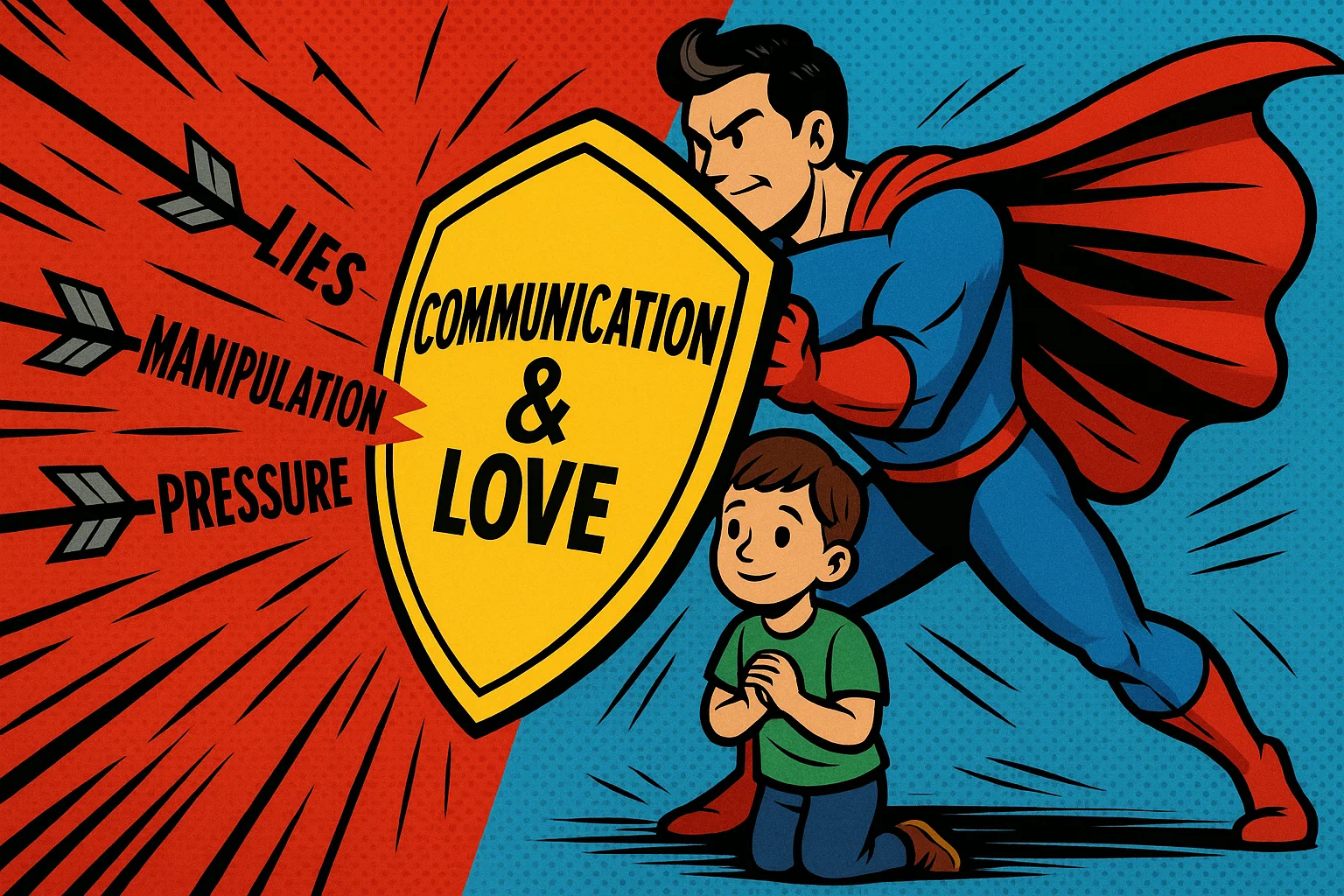
When interacting with a child who appears to be rejecting a parent, the rejected parent should aim for calm, child-focused communication. The parent can listen without cross-examining, acknowledge the child’s feelings without automatically agreeing with every conclusion, and maintain a consistent posture of warmth, safety, and stability.
As a general rule, a parent should avoid criticizing or arguing about the other caregiver in front of the child, because this can intensify stress and loyalty pressure.
Consistent Contact Without Pressure
A rejected parent should remain appropriately available without placing heavy emotional pressure on the child. Where consistent with court orders, clinical advice, and safety, the parent may maintain predictable, low-pressure contact without demanding a response. The aim is to communicate continued care and availability, not to create a record for its own sake or overwhelm the child.
Conflict Reduction Between Parents
Reducing unnecessary direct conflict between caregivers can lower stress for the child. Where appropriate, parents may use structured written communication or a parenting application to manage schedules, expenses, and school information. These platforms can create time-stamped records, although their legal status and completeness vary. Parallel-parenting arrangements or neutral exchange locations may also reduce opportunities for conflict when they are appropriate and safe.
Professional Assessment
When contact problems are severe or disputed, an independent assessment by a qualified professional with relevant expertise may be appropriate. Parents should look for licensed clinicians or evaluators with training in child development, family violence, trauma, high-conflict separation, and parent-child relationship problems. Depending on the professional’s role and legal context, an evaluation may include interviews, record review, collateral information, and observation of family interactions.
Treatment and Therapy Options
Individual Therapy for the Child
Individual therapy may give the child a structured setting to discuss stress and family relationships, although confidentiality may be limited in court-involved cases. A qualified therapist can use developmentally appropriate methods to help the child identify feelings and express views without pressure to align with either parent. Therapy should support the child’s safety and independent experience rather than presume that one adult’s account is correct.
Family Therapy
Family therapy may support repair of a strained parent-child relationship in a safe and appropriately structured setting. The therapist may help family members examine perceptions, address misunderstandings, and consider gradual contact when it is safe and clinically appropriate. Any family intervention should define roles, goals, confidentiality, safety procedures, and limits on participation, with adjustments based on the family’s risks and needs.
Co-Parenting Counseling
Co-parenting work may focus on clear boundaries, communication rules, and decision-making procedures, but it may be inappropriate when there is coercive control or a significant safety risk. When appropriate, the goal is to reduce adversarial communication and create predictable, child-focused arrangements. Counselors may help parents clarify holiday schedules, school decisions, and daily routines, reducing ambiguity that can fuel conflict.
Reunification-Focused Support
Some courts and clinicians use reunification-focused services in severe contact-refusal cases, but terminology, methods, evidence, and safeguards vary considerably. Such services may be court-ordered or voluntary and should be provided only by professionals whose roles, qualifications, and safeguards are clearly defined. A carefully designed process may begin with separate preparation and proceed, when appropriate, to gradual and monitored contact.
Safety Screening Before Intervention
Before joint or reunification-focused work, practitioners should conduct structured screening for abuse, coercive control, substance misuse, abduction risk, and other safety concerns. Screening cannot guarantee the absence of risk, but it can identify concerns that require protection, further assessment, or a different intervention. If screening identifies credible safety concerns, professionals should prioritize protection and individual stabilization before considering joint work.
Practical Steps for Parents
Documenting Concerning Incidents
A parent may keep a dated, factual record of missed contact, relevant communications, and other specific events, consistent with local law and legal advice. The record should avoid speculation about motives and focus on observable facts, available documentation, and practical impact. The fictional example below illustrates one possible documentation format:
| Incident Date | Action Type | Concrete Evidence or Observations | Practical Impact |
| May 12, 2026 | Contact obstruction | The other parent canceled a scheduled weekend exchange by text, stating that the child had been invited to a last-minute birthday party. | The parent lost 48 hours of court-ordered parenting time; no make-up dates were proposed. |
| May 18, 2026 | Information withholding | The school principal confirmed that parent-teacher conferences had taken place; the other parent had not shared the date. | The parent missed the annual academic progress review and requested a separate meeting. |
| June 2, 2026 | Negative messaging | At the exchange, the child repeated an allegation that the parent had kept the proceeds from the house sale and was responsible for the family’s inability to pay for camp. | The child appeared visibly distressed, avoided eye contact, and used financial language that seemed unusual for their age. |
Maintaining Neutral Communication
When communication is high-conflict, a caregiver may benefit from keeping messages neutral, concise, and focused on the child. Responses can be limited to necessary information about health, education, schedules, and other child-related matters. One optional framework is BIFF: brief, informative, friendly, and firm. Avoiding insults, historical grievances, and emotional provocation can reduce escalation and create a clearer communication record.
Protecting the Child From Adult Conflict
Parents should shield kids from adult legal and personal disputes. Kids should not be used to deliver payments, scheduling messages, or verbal updates to the other parent. Legal documents, attorney correspondence, and court materials should be stored securely and discussed away from the child unless a qualified professional advises otherwise.
Building Predictable Routines
A stable and predictable routine can help reduce stress during parenting time, regardless of the cause of the child’s anxiety. Clear household expectations, reliable meals and bedtimes, and calm transition routines can make the environment easier to navigate. Predictability may help the child experience the home as safe and dependable, while rules and discipline should remain age-appropriate and flexible enough to meet the child’s needs.
Avoiding Counter-Alienation
A rejected parent should avoid retaliatory criticism or attempts to turn the child against the other caregiver. When a child repeats a painful allegation or speaks with hostility, criticizing the other caregiver in return is likely to intensify conflict and distress. A calmer response is to acknowledge the child’s feelings, avoid arguing about adult disputes, and maintain safe, consistent behavior over time.
Legal Remedies and Custody Solutions
Family-Law Advice
When contact is being denied, court orders may be breached, or safety allegations arise, advice from a licensed family-law attorney in the relevant jurisdiction may be useful. Because procedures and evidentiary rules vary, parents should seek counsel familiar with local family-law practice and the issues presented by the case. Counsel can explain available options, help organize relevant documentation, and assess whether an application or other legal response is appropriate.
Parenting Plan Enforcement
Repeated violations of a parenting order should be discussed with a local attorney, who can explain available enforcement options and their risks. Depending on the jurisdiction, options may include negotiation, mediation, a motion to enforce, contempt proceedings, make-up parenting time, a parenting coordinator, changes to exchange arrangements, or financial sanctions.
Court-Ordered Assessment or Therapy
In some jurisdictions, a court may order an evaluation, appoint a child representative, or direct the family to an appropriate service, subject to local law and due-process protections. Possible appointees include a custody evaluator, guardian ad litem, child’s attorney, or forensic mental-health professional, depending on the jurisdiction. Their authority varies: they may review records, interview relevant people, observe interactions, or make recommendations, while the court generally retains decision-making authority.
Evidence Standards and Documentation
A parent seeking a legal remedy should present specific, lawfully obtained information rather than assumptions about motives. Courts apply jurisdiction-specific rules to testimony, records, expert evidence, and hearsay, so admissibility and weight should be discussed with local counsel. Potentially relevant evidence may include authenticated communications, parenting schedules, school or medical records, incident reports, and properly obtained professional evaluations.
Emergency Action for Safety Risks
Immediate legal advice may be warranted when there is a credible risk of abduction, physical harm, serious psychological harm, or an imminent breach of a protective or custody order. Depending on local law and the evidence, counsel may consider emergency applications, protective orders, supervised contact, or other interim measures. Emergency remedies are generally reserved for situations involving credible, imminent risk and should not be used merely to gain an advantage in a parenting dispute.
Coping Strategies for Rejected Parents
Emotional Regulation
Ongoing rejection can be painful and destabilizing for a parent. Before transitions, calls, or court appearances, the parent may use evidence-informed stress-management strategies such as paced breathing, grounding, cognitive reframing, or support from a therapist. Emotional regulation can reduce impulsive reactions, support safer interactions with the child, and protect the parent’s well-being during prolonged conflict.
Self-Care and Support Networks
A parent facing prolonged rejection may benefit from a reliable support network and sustainable self-care. Individual counseling may help manage grief, anger, and stress associated with rejection and family conflict. Regular exercise, adequate sleep, work, hobbies, and supportive relationships outside the dispute can help the parent maintain perspective and stamina.
Boundaries With a Former Partner
Clear and consistent boundaries may reduce unnecessary conflict with a former partner. Where practical and legally appropriate, written communication may improve clarity and record-keeping, while urgent or child-centered issues may still require another form of contact. Personal criticism and attempts to reopen old relationship disputes can usually be left unanswered. Communication boundaries should be firm but flexible enough to address the child’s needs and comply with court orders.
Patience During Reconnection
Repairing a strained or ruptured relationship can require patience, realistic expectations, and a long-term perspective. Reconnection may be uneven, with periods of progress, withdrawal, defensiveness, or anger. A parent can support the process by recognizing small improvements, avoiding demands for immediate affection, and offering steady, safe, age-appropriate care.
FAQs About Parental Alienation
-
1What Are the Warning Signs of Parental Alienation?
Possible warning signs include persistent rejection of one parent, rigid black-and-white descriptions of the parents, repeated denigration, pressure to conceal positive feelings, and unusual anxiety surrounding contact. However, the 17 signs of parental alienation discussed in this article are not diagnostic criteria. It is inaccurate to say that parental alienation occurs whenever a child resists or refuses contact with a parent, as similar behavior can result from abuse, neglect, trauma, developmental changes, or high family conflict.
-
2What Do the Terms Alienated Parent and Targeted Parent Mean?
The terms alienated parent and targeted parent are commonly used to describe a parent whose relationship with the child has deteriorated and who believes another caregiver has contributed to the rejection. These labels do not prove that manipulation by the other parent has occurred. A careful assessment should consider the child’s account, the behavior of every caregiver, the previous relationship between the parent and child, and any claims of abuse or neglect.
-
3What Should a Parent Do When Contact With Their Child Becomes Difficult?
A parent experiencing parental alienation or another form of contact refusal should avoid pressuring the child, criticizing the other caregiver, or demanding immediate affection. Maintaining safe, predictable, and low-pressure contact with your child may be more constructive, provided that the contact complies with court orders and professional guidance. Professional help from a qualified mental-health practitioner or family-law attorney may be appropriate when the conflict is severe or communication has stopped.
-
4Can a Child Maintain a Loving Relationship With Both Parents?
Many children can maintain meaningful relationships with both parents after separation, even when disagreements exist between the adults. Caregivers can support a loving relationship with both parents by keeping the child out of adult disputes, allowing the child to express positive feelings about each parent, and avoiding behavior that leaves the child caught in the middle. This principle does not override legitimate safety concerns, which must always be assessed and addressed.
-
5Is “Parental Alienation Syndrome” a Recognized Diagnosis?
No. “Parental alienation syndrome” is not recognized as a standalone diagnosis in major medical classification systems. The phrase may appear in older publications, online discussions, or family-law arguments, but professionals should focus on specific behaviors, relationship difficulties, and safety concerns rather than assume that a syndrome is present.
-
6Can Severe Parental Alienation Cause Significant Psychological Harm to Children?
The phrase severe parental alienation is sometimes used to describe cases in which a child becomes estranged from one parent and refuses nearly all forms of contact. Prolonged family conflict, loyalty pressure, and the loss of a safe parent-child relationship can contribute to significant psychological harm to children. Some professionals may consider sustained coercive pressure to reject a safe caregiver a form of emotional abuse, but that conclusion requires an individualized assessment and should not be based on the parental alienation label alone.
-
7What Can Support Healing From Parental Alienation?
Healing from parental alienation or another serious parent-child rupture usually requires patience, safety, and an accurate understanding of the factors that caused the relationship to deteriorate. Early intervention can preserve opportunities for repair, particularly when the child still has some contact with the rejected parent. Depending on the circumstances, support may include individual therapy, carefully structured parent-child work, reduced exposure to adult conflict, and guidance from professionals experienced in dealing with parental alienation, trauma, and high-conflict separation.

Take a short quiz to find out what your everyday choices say about your parenting style
When your child is curious about something new, what’s your instinct?
Take a short quiz to find out what your everyday choices say about your parenting style
“Can I download this app?” What happens next?
Take a short quiz to find out what your everyday choices say about your parenting style
When it comes to rules at home, which sounds most like you?
Take a short quiz to find out what your everyday choices say about your parenting style
If you could give your child one life skill today, what would you pick?
Take a short quiz to find out what your everyday choices say about your parenting style
Your child gets to choose what to watch. What would your ideal setup look like?
Take a short quiz to find out what your everyday choices say about your parenting style
Pick your parenting superpower ✨